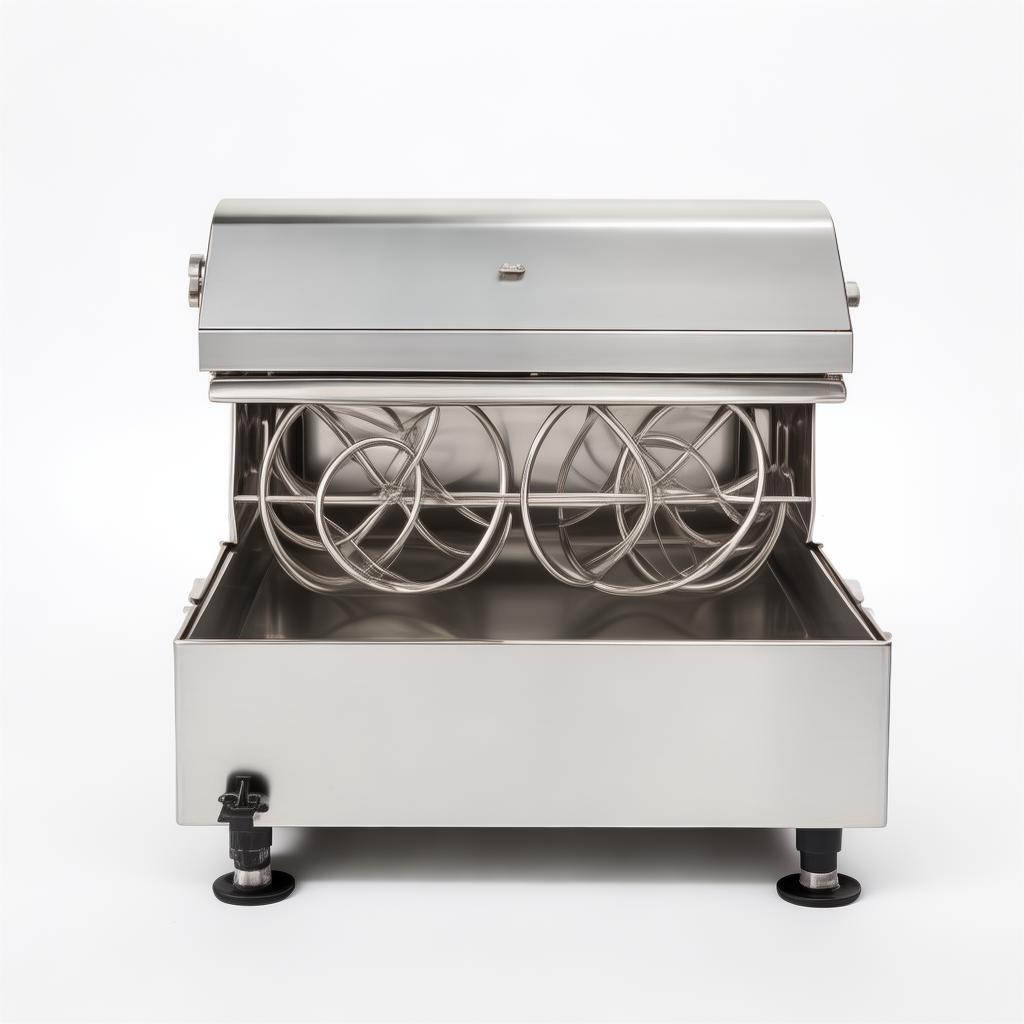
Meat Processing Machine Price
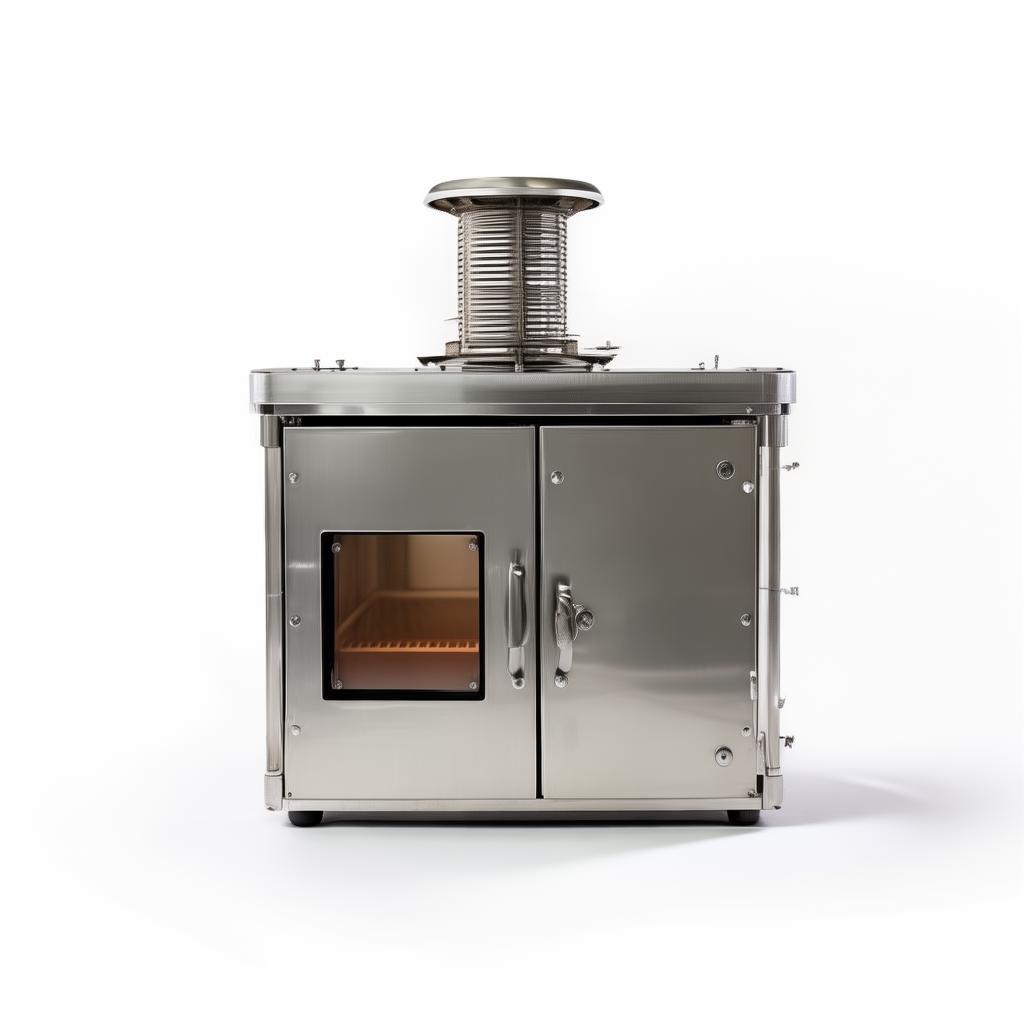
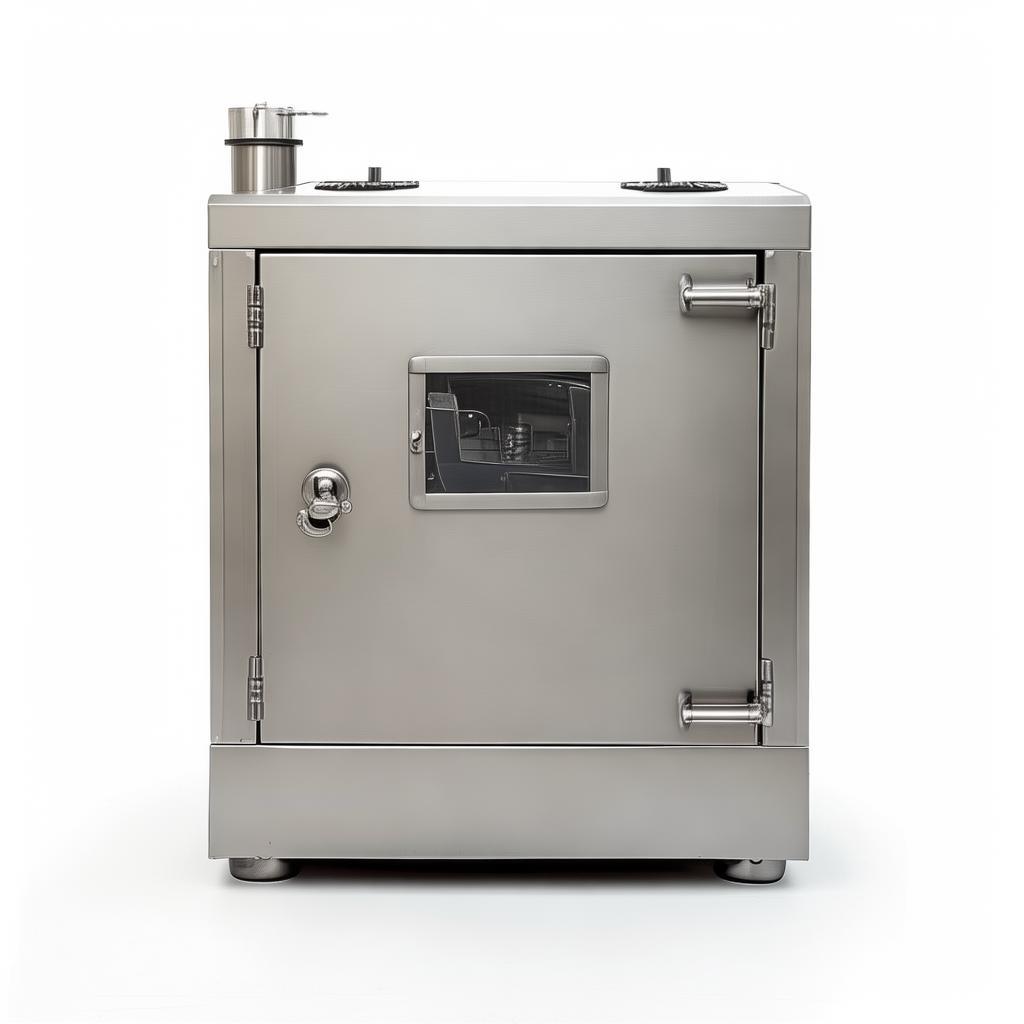
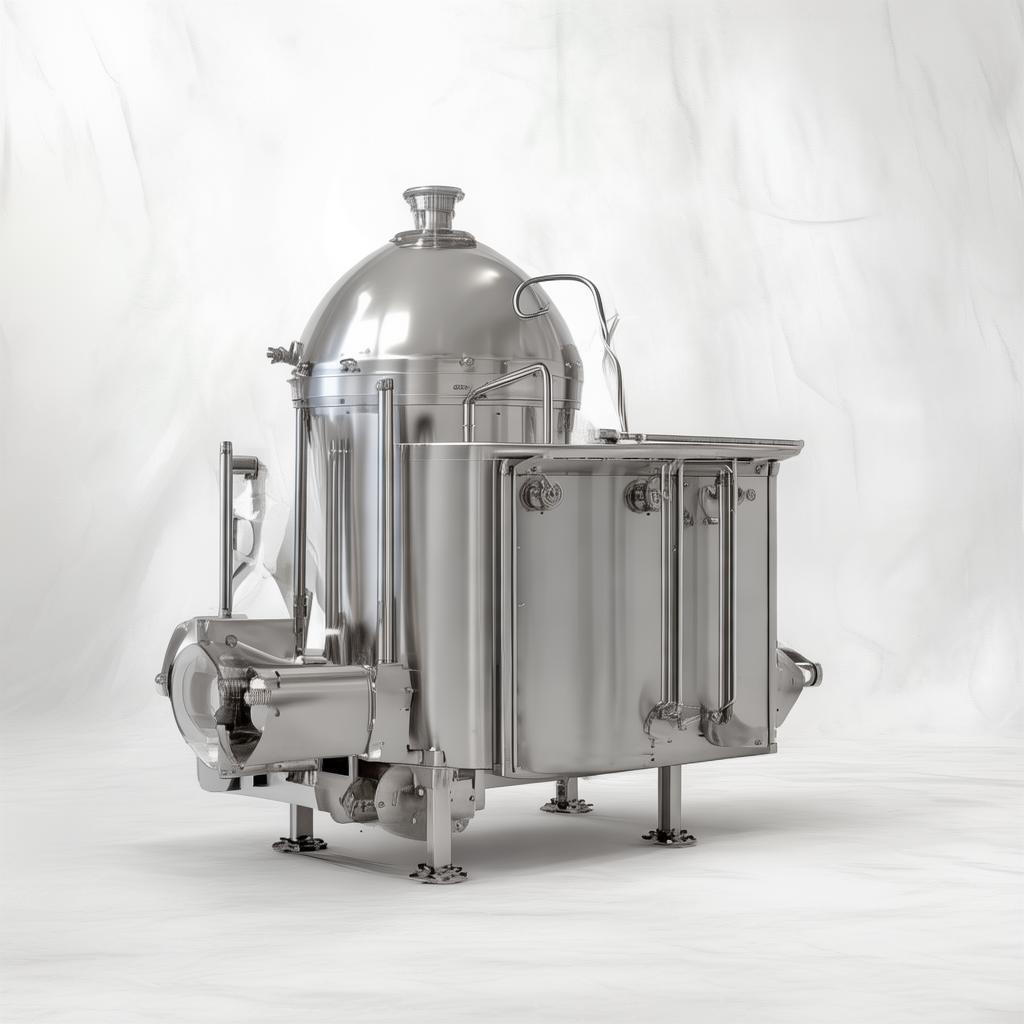
Meat Processing Machine Price: Your Comprehensive Guide to Industrial Equipment Investment
Navigating the complexities of sourcing high-quality meat processing machinery involves more than just looking at a price tag. Understanding the true value, operational efficiency, and long-term ROI is paramount for any serious player in the global food industry.

By: Johnathan Chen, Export Director at Hebei Yuanchang Food Mechanism & Technology Co., Ltd.
40 Years of Expertise in Meat Processing Solutions
Introduction: Beyond the Price Tag
When you search for "meat processing machine price," you're looking for more than just a number. You're seeking a strategic investment that will define your production capabilities, product quality, and ultimately, your profitability. The right machinery isn't a cost; it's a cornerstone of efficient, safe, and scalable meat production. At Hebei Yuanchang, with nearly four decades of dedicated experience since 1986, we understand this deeply. Our journey has been about refining not just the machines themselves, but the entire process of selecting, implementing, and benefiting from them.
The market for meat processing equipment is dynamic, driven by evolving consumer preferences for convenience and quality, alongside stringent food safety regulations. Reports indicate a significant global market, with projections showing sustained growth. For instance, Fortune Business Insights projected the global meat processing equipment market to reach USD 17.39 billion by 2034, growing at a CAGR of 5.0%. This isn't just about volume; it's about the increasing sophistication required in processes like meat filling, molding, and ripening. The price you see advertised online for a meat processing machine needs to be contextualized within this broader economic and technological framework. A machine that appears inexpensive upfront might carry hidden costs in terms of lower output, higher maintenance, increased downtime, or a diminished product quality that impacts your brand reputation.
Consider the core functions: pretreatment of meat products, filling and molding into desired shapes (like sausages or formed patties), and the crucial ripening process that enhances texture and flavor. Each stage requires specialized equipment. The price will vary wildly depending on the complexity, capacity, and automation level of the machines designed for these specific tasks. A simple grinder's price point will be vastly different from a high-precision, automated filling and molding line capable of producing thousands of units per hour with absolute consistency. Understanding these categories is the first step in dissecting the cost.
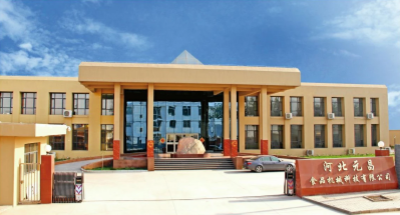
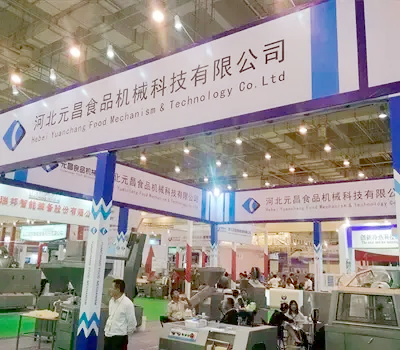
Furthermore, international trade dynamics, material sourcing, and manufacturing standards all play a role. As an OEM/ODM factory with over 20 sets of advanced processing machinery, including Japanese Mazak CNC machining centers, we possess the in-house capability to produce high-standard, non-standard components. This vertical integration is key to controlling quality and, ultimately, offering competitive pricing without compromising on the build integrity your operation demands. When evaluating a meat processing machine price, ask about the manufacturer's own production capabilities. Can they produce critical components in-house with high precision? Do they have a robust after-sales management system backed by traceable parts production? These operational details directly influence long-term value and machine reliability.
The "Fit For Now (2026)" imperative means that your equipment investment must not only meet current production demands but also be adaptable to future needs. This includes considerations for hygiene standards, labor efficiency, and even potential shifts in product lines. The price of a machine should reflect its longevity, ease of maintenance, and ability to integrate with other systems in your plant. A machine that requires specialized, hard-to-source parts or extensive downtime for routine cleaning will quickly erode any initial cost savings. Our 40 years of experience have taught us that a machine's true cost is its total cost of ownership, encompassing initial purchase, installation, operation, maintenance, and eventual decommissioning.
This page aims to demystify the pricing of meat processing machines. We will delve into market trends, the technical specifications that drive cost, practical procurement advice, and how to evaluate suppliers to ensure you're making an informed decision. Whether you're a small-scale processor looking to scale up or a large enterprise seeking to optimize existing lines, understanding the factors behind "meat processing machine price" is crucial for a successful, profitable operation.
The Global Meat Processing Equipment Market Landscape
The global market for meat processing equipment is robust and expanding, fueled by increasing demand for processed meat products worldwide. This isn't a niche market; it's a fundamental part of the global food supply chain. Several reputable market research firms consistently track its growth, providing valuable insights for buyers and manufacturers alike.
According to Grand View Research, the market was valued at USD 11.28 billion in 2024 and is projected to reach USD 15.04 billion by 2030. This growth is underpinned by several key drivers:
- Rising Consumption of Processed Meats: Consumers, particularly in urbanized areas, are seeking convenience and variety, leading to a surge in demand for ready-to-eat and value-added meat products. This directly translates to higher demand for equipment capable of producing items like sausages, cured meats, and formed patties efficiently.
- Automation for Efficiency and Hygiene: Labor shortages, coupled with increasingly stringent food safety regulations (e.g., HACCP, ISO 22000), are pushing processors to adopt automated solutions. Machines that minimize manual handling, ensure consistent processing parameters, and facilitate easier cleaning are becoming indispensable. This often means a higher initial price but a lower total cost of ownership due to reduced labor, fewer errors, and enhanced compliance.
- Technological Advancements: Innovations in machinery design are constantly improving speed, precision, and energy efficiency. Advanced control systems, improved material handling, and better sealing technologies contribute to higher output and superior product quality.
- Emerging Market Growth: Rapid industrialization and rising disposable incomes in regions like Asia-Pacific are creating significant demand for modern meat processing infrastructure. As these markets mature, investment in advanced machinery, including sophisticated filling and ripening systems, will continue to rise. SkyQuest Technology notes that Asia-Pacific is a leading region in this growth.
The price of meat processing machines is intrinsically linked to these market forces. As demand for specific types of equipment, such as filling & stuffing machines or massaging tumblers for ripening, increases, manufacturers invest more in R&D and production capacity. This can influence pricing, but also drives innovation that ultimately benefits the end-user through improved performance and features.
The spectrum of equipment includes everything from basic grinders and mixers to highly integrated production lines. The price you encounter will depend on where your needs fall on this spectrum. For example, IMARC Group highlights that auxiliary items like smoking and tenderizing equipment are critical for various meat types (pork, beef, poultry), indicating a diverse market needing specialized solutions. This diversity means a wide range of price points and feature sets.
It's also worth noting the connection between the meat processing equipment market and the processed meat market itself. As the processed meat market is projected to reach USD 1.25 trillion by 2034, the demand for the machinery that creates these products escalates proportionally. This creates a robust ecosystem where equipment manufacturers thrive by providing essential tools for a growing global food sector.
Understanding this market context is vital when you're investigating "meat processing machine price." It helps you see that you're not just buying a piece of equipment, but investing in a component of a larger, expanding industry. Manufacturers with a strong understanding of these market dynamics are better positioned to offer solutions that are not only competitively priced but also aligned with future industry trends.
Key Factors Influencing Meat Processing Machine Price
The price you'll pay for a meat processing machine is a multifaceted calculation. It's not just about the size or basic function; numerous factors contribute to the final quote. Understanding these elements allows you to have more informed conversations with suppliers and make a purchase that truly aligns with your operational needs and budget.
1. Machine Capacity & Throughput: This is often the most significant driver of price. A small-scale vacuum filler designed for artisanal producers will naturally cost less than an industrial-grade, high-volume stuffing machine capable of processing hundreds of kilograms per hour. Higher throughput means more robust engineering, larger motors, heavier-duty components, and more sophisticated control systems, all contributing to a higher price tag.
2. Level of Automation: Manual machines are typically the most affordable. Semi-automatic machines offer a balance of user intervention and automated function. Fully automated lines, which may include integrated infeed, processing, and outfeed systems with minimal human touchpoints, command the highest prices. Automation increases efficiency, reduces labor costs, and improves consistency, justifying the initial investment.
3. Material Quality & Construction: The materials used in machine construction have a direct impact on durability, hygiene, and price. High-grade stainless steel (e.g., SUS304 or SUS316) is standard for food-grade equipment due to its corrosion resistance and ease of cleaning. The thickness of the steel, the quality of welds, and the finish (e.g., polished to specific Ra values) all contribute to both the machine's lifespan and its cost. Cheaper machines might use lower-grade steel or coatings that can chip or corrode over time, posing hygiene risks.
4. Brand Reputation & Manufacturer Origin: Established brands with a long history of producing reliable equipment often command premium pricing. This reputation is built on consistent quality, innovation, and strong customer support. Similarly, the origin of manufacturing can influence price due to labor costs, regulatory environments, and shipping expenses. For example, machinery manufactured in regions with higher labor costs and stringent quality controls might appear more expensive initially, but often offer superior build quality and longer operational life.
5. Features & Customization (OEM/ODM Capabilities): Standardized machines have predictable pricing. However, if you require specific features, custom modifications, or a completely bespoke solution (OEM/ODM services), the price will increase. This could include specialized tooling for unique product shapes, integration with existing plant infrastructure, or specific control system requirements. At Hebei Yuanchang, our 40 years of experience and in-house CNC machining capabilities allow us to offer significant customization, but it's essential to understand that custom work commands a higher price than off-the-shelf solutions.
6. Technology & Control Systems: Modern machines often incorporate advanced PLC (Programmable Logic Controller) systems, touch-screen interfaces, and diagnostic capabilities. These technologies enhance user-friendliness, improve process control, and allow for remote monitoring or troubleshooting. While these features add to the price, they can significantly boost operational efficiency and reduce the likelihood of costly errors or downtime.
7. Certifications & Compliance: Equipment that meets specific international safety and hygiene standards (e.g., CE, UL, FDA compliance for specific components, NSF) often has a higher price. This is because achieving these certifications involves rigorous testing, documentation, and adherence to strict manufacturing protocols. For export markets, compliance with local regulations is non-negotiable and influences machine design and, consequently, its price.
8. After-Sales Service & Support: The price of a machine can also reflect the level of after-sales support offered. This includes warranty periods, availability of spare parts, technical assistance, and training. A manufacturer that provides comprehensive support, like our traceable after-sales management system, invests in resources that ultimately contribute to the machine's long-term value and can be factored into its overall cost structure.
When evaluating "meat processing machine price," ask detailed questions about these factors. A simple price comparison often overlooks the critical elements that determine a machine's true value and performance in your specific operational context.
Understanding Different Machine Categories
The term "meat processing machine" is broad. To accurately assess pricing and identify the right equipment, it's crucial to understand the main categories of machinery used in meat production. Each category serves a distinct purpose and comes with its own typical price range and set of considerations.
1. Pretreatment Equipment: This forms the initial stage of processing. It includes:
- Grinders/Mincers: Used to break down meat into smaller pieces or a mince. Prices vary based on capacity, motor power, and the fineness of the grind achievable. Industrial grinders can be a substantial investment.
- Slicers/Cutters: For precise cutting of meat into uniform slices or cubes. High-precision slicers, especially those for deli meats or specific portioning, are complex and thus pricier.
- Mixers/Blenders: Essential for combining different meat cuts, additives, and spices evenly. Industrial mixers range from simple paddle mixers to sophisticated vacuum mixers that remove air for improved texture and shelf life.
- Tenderizers: Mechanical or chemical tenderizing equipment. Mechanical tenderizers, often featuring blades or needles, can have varying price points based on their throughput and the intensity of tenderization they provide.
2. Filling & Molding Equipment: This category is critical for creating structured meat products like sausages, patties, and nuggets.
- Sausage Fillers (Stuffers): These machines fill casings with meat mixtures. They range from simple manual or semi-automatic piston fillers to fully automatic volumetric fillers with integrated linking capabilities. Automation, precision, and volume are key price determinants here. We offer both basic and advanced vacuum stuffing solutions.
- Forming Machines: Used to shape ground meat mixtures into specific forms like patties, nuggets, or strips. The complexity of the mold, the speed of production, and the level of automation (e.g., patty flippers, breading integration) significantly impact the price.
- Portioning Machines: Accurately portioning meat for specific servings. High-precision portioners, often integrated with scales and conveyors, are more expensive due to their accuracy requirements.
3. Ripening & Processing Equipment: These machines enhance the texture, flavor, and shelf-life of meat products.
- Massaging/Tumbling Machines: Used to massage or tumble meat under vacuum to tenderize it, redistribute marinades, and improve texture, especially for cured or processed products. The size of the drum, the control over speed and cycle times, and vacuum capabilities affect pricing. This is crucial for enhancing the quality of cured and fermented meats.
- Smoking & Drying Chambers: Equipments designed to impart smoke flavor and control humidity for drying or curing. Advanced systems with precise temperature, humidity, and smoke control are more sophisticated and costly.
- Cooking/Cooling/Freezing Tunnels: Large-scale systems for batch processing of cooked or rapidly cooled/frozen products. The scale, temperature control precision, and energy efficiency are major price factors.
4. Auxiliary Items: These support the main processing lines.
- Weighing & Packaging Machines: Integral for portion control and final product presentation. Automated weighing and packaging lines are significant investments.
- Conveyor Systems: For moving product between different stages of the processing line.
- Drying Tunnels: For achieving specific product textures or preparing for smoking.
When you inquire about "meat processing machine price," specify which category you are interested in. Providing details about your desired capacity, product type, and level of automation will allow suppliers like us to offer accurate quotations. For example, a vacuum filler suitable for high-volume sausage production will be priced differently from a basic patty former, even though both fall under "meat processing machinery." Understanding these distinctions ensures you get the right machine for your specific application.
Technical Specifications & Their Price Impact
Beyond the general category, specific technical specifications are the granular details that dictate the performance, durability, and ultimately, the price of a meat processing machine. As a manufacturer with extensive experience in producing high-precision components, we know how critical these specs are. They are not mere numbers; they are indicators of engineering quality and operational capability.
1. Power & Motor Specifications: Higher horsepower (HP) or kilowatt (kW) ratings generally translate to greater processing power, enabling the machine to handle tougher meats or higher volumes. A more powerful motor, especially a heavy-duty industrial-grade one, will increase the machine's price. It's also crucial to consider voltage and phase requirements for compatibility with your plant's electrical infrastructure.
2. Materials of Construction: As touched upon earlier, the grade and thickness of stainless steel are paramount. SUS304 is common, but for highly corrosive environments or stricter hygiene requirements, SUS316 might be specified. The quality of seals, bearings, and other wear parts also matters. High-quality components from reputable manufacturers (e.g., German or Japanese brands for critical parts) increase cost but significantly enhance reliability and lifespan. We pride ourselves on using high-grade stainless steel and robust internal components.
3. Control System Complexity:
- Basic Controls: Simple on/off switches, manual timers, or basic speed adjustments are found on more affordable machines.
- Programmable Logic Controllers (PLCs): These sophisticated microprocessors allow for precise control over multiple functions, cycles, and process parameters. Machines with PLCs and user-friendly Human-Machine Interfaces (HMIs), like touch screens, offer greater flexibility, repeatability, and diagnostic capabilities, which are reflected in the price. Our advanced models leverage PLC technology for optimal performance.
4. Precision & Tolerance: For machines involved in filling, molding, or portioning, the accuracy and repeatability are critical. High-precision machines that deliver consistent weights or dimensions will incorporate tighter manufacturing tolerances and more advanced measurement or control systems, increasing their cost. For example, a filler that achieves ±1 gram accuracy consistently will be more expensive than one with ±5 grams tolerance.
5. Safety Features: Industrial machinery must adhere to strict safety standards. Features like emergency stop buttons, interlock guards that prevent operation when open, overload protection, and CE marking (for European markets) add to the engineering complexity and cost. While essential, they are a significant factor in the overall price.
6. Ease of Cleaning & Maintenance (Hygienic Design): Modern food processing equipment is designed with Clean-in-Place (CIP) or Easy-Clean (EC) principles in mind. This includes minimizing crevices, sharp internal corners, and using materials that withstand harsh cleaning agents. Machines designed for superior hygiene and quick disassembly for cleaning command a higher price due to the intricate design and manufacturing processes involved. This is a crucial factor for reducing downtime and maintaining food safety compliance.
7. Dimensions & Footprint: Larger machines capable of higher throughput or handling larger batches will naturally be more expensive due to the sheer volume of materials and engineering required. The physical footprint also influences installation planning and cost.
8. Energy Efficiency: Increasingly, buyers consider the energy consumption of machinery. More energy-efficient designs, often achieved through advanced motor technology or optimized hydraulics, might have a slightly higher upfront cost but offer significant savings on operational expenses over the machine's lifecycle. Future Market Insights notes energy efficiency as a growing trend.
| Specification | Impact on Price | Reason |
|---|---|---|
| High Capacity/Throughput | ▲ Significantly Higher | Larger motors, heavier-duty components, robust construction |
| Advanced Automation (PLC/HMI) | ▲ Higher | Complex control systems, programming, integration |
| Premium Materials (e.g., SUS316) | ▲ Higher | Material cost, corrosion resistance, durability |
| High Precision & Tolerance | ▲ Higher | Tighter manufacturing tolerances, advanced sensors/controls |
| Integrated Safety Features | ▲ Higher | Engineering, certification, safety components |
| Hygienic Design/Easy Cleaning | ▲ Higher | Specialized design, fewer crevices, easy disassembly |
meat cutting machine price automatic meat cutting machine price meat mincer machine price
When you receive a quote for a meat processing machine, scrutinize the technical specifications. They are the most direct indicators of the machine's capabilities and why the price is set where it is. Don't hesitate to ask for clarification on any spec that seems unclear. Understanding these details is key to ensuring your investment delivers the expected performance and longevity.
A Procurement Professional's Perspective: Making the Right Call
Procuring industrial equipment, especially for food processing, is a high-stakes endeavor. It’s not just about securing a piece of hardware; it's about ensuring operational continuity, product quality, regulatory compliance, and ultimately, maximizing profitability. As someone who has navigated these waters for years, I can tell you that focusing solely on the initial "meat processing machine price" is a common pitfall that can lead to significant long-term issues.
1. Define Your True Requirements: Before even looking at prices, thoroughly map out your needs. What specific products will you be making? What is your target daily/hourly output? What are the critical dimensions, textures, or product consistency requirements? What are your space constraints? What is your plant's power capacity? A clear understanding here prevents over-specification (buying more machine than you need) and under-specification (buying a machine that can't perform). Over-specified machines mean wasted capital; under-specified ones lead to bottlenecks and production inefficiencies.
2. Understand Total Cost of Ownership (TCO): The sticker price is just the beginning. Factor in:
- Installation Costs: Including site preparation, utility hookups, and commissioning.
- Operational Costs: Energy consumption, consumables (e.g., casings, lubricants), and labor.
- Maintenance Costs: Routine servicing, spare parts availability, and potential repair costs.
- Downtime Costs: The revenue lost when a machine is non-operational. This can be staggering for critical production equipment.
- Training Costs: For operators and maintenance staff.
A machine with a higher initial price but lower operational and maintenance costs, backed by excellent support, is often a far better TCO choice. Global Market Insights points to automation and hygiene driving investment, which aligns with a TCO perspective where these factors reduce long-term operational expenses.
3. Risk Mitigation: Supplier Reliability & Quality Control: When buying from international suppliers, especially for critical equipment, vetting is essential. What is their manufacturing capability? Do they have in-house machining and quality control processes? At Hebei Yuanchang, our 40 years of experience and investment in CNC machining centers mean we control the quality of critical components ourselves. This traceability and in-house production capability reduces risks for you.
4. Compliance and Certifications: Ensure the machine meets all relevant safety, hygiene, and electrical standards for your target market (e.g., UL for North America, CE for Europe). Non-compliant equipment can lead to costly delays, fines, or even rejection from your market.
5. Lead Times and Logistics: Understand the manufacturer's production lead time and the shipping logistics involved. International shipping can add weeks or months to delivery. Factor this into your production planning. Can the supplier offer efficient container loading solutions to optimize shipping costs?
6. After-Sales Support and Spare Parts: This is non-negotiable. How quickly can you get technical assistance? What is the availability and cost of spare parts? A machine that sits idle for months waiting for a specific part is useless. Our traceable after-sales management system is designed to ensure you can always access the parts you need.
When asking for "meat processing machine price," always request a detailed quote that breaks down the costs and specifies all the technical details, warranty terms, and support packages. A vendor who is transparent about these aspects is usually a reliable partner.
Calculating Return on Investment (ROI) for Your Equipment
Investing in new meat processing machinery is a significant capital expenditure. To justify the "meat processing machine price," a thorough Return on Investment (ROI) calculation is essential. This isn't just about looking at future revenue; it's a comprehensive analysis of costs versus benefits over the machine's expected operational life.
1. Quantifying the Benefits:
- Increased Production Output: Higher throughput means more product sold. Estimate the percentage increase in output and multiply by the profit margin per unit. For example, if a new machine increases your sausage production by 20% and your profit margin is $0.50 per kg, with a current production of 1000 kg/day, that’s an extra $100/day in profit.
- Improved Product Quality & Consistency: This can lead to higher pricing, reduced customer returns, and enhanced brand reputation. Quantifying this might involve looking at historical data on rejected batches or customer complaints, and estimating the reduction post-investment.
- Reduced Labor Costs: Automation can significantly cut down on manual labor. Calculate the annual savings in wages, benefits, and associated HR costs. A machine that replaces two full-time employees can offer substantial savings over its lifespan.
- Reduced Waste: More precise machinery can minimize material waste during processing. Estimate the percentage of material waste reduction and the cost savings.
- Energy Savings: If the new machine is more energy-efficient, calculate the difference in electricity bills compared to older or less efficient equipment.
- Reduced Maintenance/Downtime: Estimate savings from fewer breakdowns and less frequent, less costly maintenance.
2. Estimating the Investment Costs:
- Initial Purchase Price: The actual price of the machine after negotiation.
- Ancillary Costs: Shipping, installation, commissioning, any necessary site modifications (e.g., new electrical outlets, plumbing), and initial training.
- Ongoing Maintenance Costs: Estimate annual costs for scheduled maintenance and an allowance for unforeseen repairs.
- Operational Costs: Increased energy usage (if applicable), consumables, etc.
3. The ROI Formula:
ROI (%) = [(Total Benefits - Total Investment Costs) / Total Investment Costs] * 100
Payback Period: This is another crucial metric, showing how long it will take for the investment to pay for itself.
Payback Period (Years) = Total Investment Costs / Annual Net Benefits
For example, if a meat processing machine costs $100,000 including installation, and it generates $50,000 in annual net benefits (from increased output, labor savings, etc.), the ROI is 50%, and the payback period is 2 years. Most businesses look for a payback period of 2-5 years for capital equipment, depending on the industry and company policy.

When discussing "meat processing machine price," always ask suppliers for data that can help you quantify these benefits. For instance, ask for typical throughput rates, energy consumption figures, and warranty details. Reliable manufacturers will provide information that supports your ROI calculations. At Hebei Yuanchang, our 40 years of experience mean we can provide realistic estimates for performance metrics that are crucial for your financial planning.
Evaluating Suppliers & Ensuring Trust
Selecting the right supplier for your meat processing machinery is as critical as selecting the machine itself. In the international B2B trade landscape, building trust with your supplier is paramount. A reputable manufacturer offers not just a competitive price, but also reliability, quality, and long-term support. Here’s how to evaluate potential partners.
1. Experience and History: How long has the company been in business? A long history, like our 40 years at Hebei Yuanchang since 1986, signifies stability, accumulated expertise, and a proven track record. Newer companies might offer lower prices but could lack the depth of knowledge or established quality control processes.
2. Manufacturing Capabilities: Does the supplier manufacture the machines in-house, or are they a trading company? In-house manufacturing, especially with advanced capabilities like ours (over 20 sets of processing machinery, including Japanese Mazak CNC centers), allows for greater control over quality, customization, and production lead times. Ask about their factory size, employee count, and internal quality assurance procedures.
3. Certifications and Standards: Verify their certifications. ISO 9001 for quality management, CE for European market access, and adherence to food safety standards are good indicators. The presence of these certifications shows a commitment to quality and regulatory compliance.
4. Technical Expertise: Do their sales and technical teams understand your specific needs? Can they offer tailored solutions (OEM/ODM) or provide expert advice on machine selection and integration? A supplier that acts as a true partner, rather than just a vendor, is invaluable. Our team comprises engineers and export managers with deep industry knowledge.
5. Customer Reviews & References: Look for testimonials, case studies, or ask for references from past clients, preferably in your region or industry segment. Online reviews can offer insights, but direct references provide more detailed, verifiable information. (See review section below for examples).
6. After-Sales Service & Spare Parts: As discussed in procurement, this is vital. Confirm their warranty policy, how technical support is provided (e.g., remote assistance, on-site visits), and the lead time and cost for critical spare parts. A supplier with a traceable management system for parts ensures continuity.
7. Transparency and Communication: A good supplier will be transparent about pricing, lead times, specifications, and potential challenges. Prompt, clear communication is a strong indicator of professionalism and trustworthiness. Video calls or even factory visits (if feasible) can build confidence.

8. Financial Stability: While harder to ascertain for international partners, a supplier with a stable financial footing is more likely to honor warranties and provide long-term support.
When you inquire about "meat processing machine price," take the time to evaluate the supplier. A slightly higher price from a trustworthy, experienced manufacturer with excellent support is almost always a better investment than a deceptively low price from an unreliable source. Our extensive export experience and dedication to client satisfaction are cornerstones of our business.
Frequently Asked Questions (FAQs)
1. What is the typical price range for a meat processing machine?
The price varies dramatically based on machine type, capacity, automation level, and brand. A small industrial grinder might start from a few thousand US dollars, while a fully automated sausage production line can cost hundreds of thousands. For specific pricing on a meat processing machine that fits your needs, it's best to request a direct quote.
2. How long does it take to get a meat processing machine after ordering?
Lead times depend on the complexity of the machine and the manufacturer's current production schedule. Standard models might be available within 4-8 weeks, while custom-built or highly automated systems can take 3-6 months or longer. Shipping also adds transit time, which can be significant for international orders.
3. Do you offer installation and training services?
Many manufacturers, including us, offer installation assistance and operator training as part of the package or as an optional service. This is highly recommended for complex machinery to ensure proper setup and safe, efficient operation. We can arrange for technicians to assist with installation and training.
4. What kind of warranty can I expect?
Warranties typically cover manufacturing defects and component failures under normal operating conditions. A standard warranty might be 12 months, but this can vary. It's crucial to understand what is covered, for how long, and what responsibilities you have for maintenance to keep the warranty valid. We offer competitive warranty terms on our machinery.
5. How do I ensure the machine meets hygiene standards?
Look for machines constructed from food-grade stainless steel (SUS304/SUS316), with smooth, crevice-free surfaces, and designed for easy cleaning (e.g., hygienic seals, accessible components). Certifications like NSF or adherence to HACCP principles are also good indicators. We engineer our machines with these critical aspects in mind.
6. What are the common maintenance requirements?
Regular maintenance typically includes cleaning, lubrication of moving parts, inspection of wear components (blades, seals), and checking electrical connections. For automated systems, software updates and calibration might also be necessary. We provide detailed maintenance manuals with our equipment.
7. Can you provide OEM/ODM solutions?
Yes, absolutely. We specialize in providing OEM/ODM services, allowing us to customize machines to your exact specifications or manufacture equipment under your brand. This often involves collaboration on design and engineering to meet unique production needs.
What Our Clients Say
Real-world feedback is invaluable. Here are a few testimonials from clients who have partnered with us for their meat processing equipment needs.

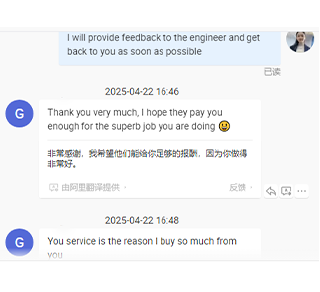
"We were looking for a high-capacity vacuum filler for our growing sausage production. Hebei Yuanchang provided a machine that exceeded our expectations in terms of output and consistency. The price was competitive, and their team was incredibly responsive throughout the entire process, from initial inquiry to after-sales support. It's been running flawlessly for over a year now."

"Sourcing reliable processing equipment internationally can be challenging. Hebei Yuanchang stood out due to their clear communication, transparent pricing, and willingness to customize a meat patty forming machine to our specific dimensions. The build quality is robust, and the machine has significantly improved our production speed and product uniformity. Their post-sale follow-up has also been excellent."

"We invested in one of their meat massaging tumblers to improve the texture of our cured products. The machine's performance is exactly as described, and it has made a noticeable difference in product quality. The price was reasonable for the build quality and capacity offered. We appreciate their technical support and prompt delivery."

"For our wholesale operation, efficiency and reliability are key. Hebei Yuanchang supplied us with a robust meat grinder and a filling machine that have become workhorses in our facility. The pricing was transparent, and the equipment has handled continuous operation without issues. Their export team made the logistics smooth and straightforward."
Ready to Invest in Quality Meat Processing Machinery?
Don't let complex pricing structures or unreliable suppliers hinder your production goals. Get a clear understanding of what you need and receive a competitive, factory-direct quote tailored to your requirements.
We pride ourselves on delivering robust, efficient, and reliable meat processing solutions built on 40 years of manufacturing experience.