Meat Cutting Machine Price
Meat Cutting Machine Price: Your Guide to Industrial Solutions
Finding the right cutting machine impacts yield, efficiency, and product quality. This guide clarifies the factors influencing price and helps you secure a robust solution for your operations.
 By Li Wei, Export Director at Hebei Yuanchang Food Mechanism & Technology Co., Ltd.
Understanding the Core of Meat Processing: Why Cutting Matters
In the intricate world of meat processing, precision and efficiency in cutting are not mere operational details; they form the bedrock of profitability and product integrity. Whether you're preparing raw materials for sausages, deli slices, or convenience meals, the performance of your meat cutting machine directly influences your output. The initial meat cutting machine price is often the first point of inquiry for businesses looking to scale, upgrade, or establish their processing lines. However, focusing solely on the sticker price can lead to overlooking critical performance metrics, material durability, and long-term operational costs.
Consider the global market for meat processing equipment. Reports consistently show robust growth, with market sizes projected to reach well over USD 15 billion by 2030. This expansion is fueled by increasing consumer demand for processed and convenience meats, alongside a growing emphasis on hygiene, automation, and food safety standards. For instance, the Fortune Business Insights report highlights that cutting and grinding machines are key segments, alongside filling and ripening technologies. This indicates a comprehensive approach to processing, where each stage, including cutting, is vital for the final product.
When a procurement manager or operations director searches for meat cutting machine price, they're not just looking for a number. They're initiating a complex evaluation process that involves understanding the machine's capacity, the types of meat it can handle (beef, pork, poultry, fish), the desired cut precision, and its integration into their existing or planned workflow. A high-volume producer might prioritize throughput and automation, while a specialty butcher might focus on fine slicing for premium products. These variables significantly impact the machine's design, materials, and, consequently, its price point.
Furthermore, the journey from raw carcass to saleable cut involves multiple stages. Cutting machines are often part of a larger processing line that includes equipment for pretreatment (like tenderizers and grinders), molding (for formed products), and ripening (using massagers). The effectiveness of these downstream processes is often dictated by the consistency and quality of the initial cuts. A poorly cut piece of meat can lead to uneven cooking, reduced shelf life, and customer dissatisfaction. This underscores the importance of investing in a cutting solution that meets specific operational needs rather than just the lowest available price.
The international trade aspect also adds layers of complexity. For businesses importing machines, considerations like shipping costs, import duties, installation support, and compliance with local food safety regulations (e.g., FDA, USDA, CE) become paramount. These factors, while not directly part of the manufacturing price, are integral to the total cost of ownership and the overall purchase decision. Understanding these nuances is crucial for making an informed choice and securing a piece of equipment that will reliably serve your business for years to come.
Key Factors Influencing Meat Cutting Machine Price
The cost of a meat cutting machine is determined by a confluence of technical specifications, manufacturing capabilities, and market dynamics. Understanding these elements is crucial for any buyer aiming for a cost-effective yet high-performing acquisition.
1. Type and Complexity of the Machine
- Slicers: For precise, thin slices of cooked or raw meat. Price varies by blade size, automation, and material.
- Cubing/Dicing Machines: Designed to cut meat into uniform cubes. Complexity increases with desired cube size precision and throughput.
- Grinders: While often distinct, high-end industrial grinders can be priced similarly to cutting machines due to their robust construction and power.
- Band Saws: Robust machines for cutting through bone and large meat blocks. Price depends on blade length, motor power, and construction materials (stainless steel is premium).
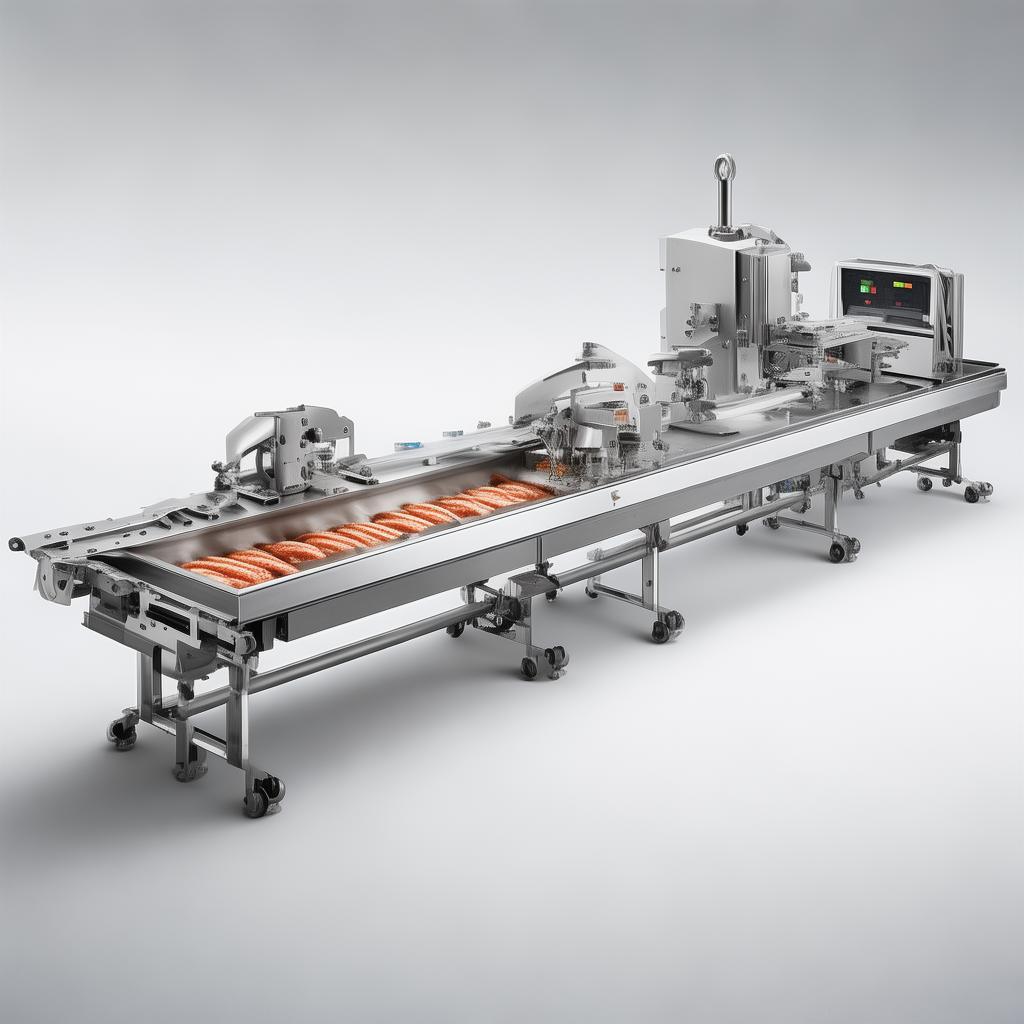
- Automated Cutting Lines: Integrated systems with multiple cutting stages, vision systems for product recognition, and robotic handling will command the highest prices due to advanced technology and integration.
2. Material Construction and Durability
Industrial meat processing demands equipment built to withstand harsh environments, constant use, and rigorous cleaning protocols.
- Stainless Steel (e.g., 304, 316): The industry standard for food contact surfaces and structural components due to its corrosion resistance, hygiene, and durability. Higher grades and thicker gauge stainless steel increase the price.
- Heavy-Duty Motors and Components: Powerful, industrial-grade motors, precision-engineered gearboxes, and high-quality bearings ensure longevity and consistent performance under load.
- Blade Quality: High-carbon steel or specialized alloys for blades, designed for optimal sharpness and wear resistance, are more expensive but offer better longevity and cut quality.
3. Capacity and Throughput
Machines designed for higher processing volumes naturally incorporate more powerful motors, larger cutting surfaces, and more robust material handling systems, impacting the initial investment. A machine rated for 500 kg/hour will cost more than one for 100 kg/hour. This is a critical factor for scaling operations.
4. Automation and Control Systems
Modern machines often feature programmable logic controllers (PLCs), touch screen interfaces, variable speed drives, and safety interlocks. These advanced features enhance operational efficiency, reduce labor requirements, improve cut consistency, and increase safety, but also add to the overall meat cutting machine price.
5. OEM/ODM Capabilities and Customization
If you require a machine tailored to specific product dimensions, processing needs, or integration with unique line setups, custom-built solutions (OEM/ODM) will typically involve higher development and manufacturing costs compared to standard off-the-shelf models. This flexibility, however, can be invaluable for specialized applications.
6. Manufacturer Reputation and After-Sales Support
Established manufacturers with a proven track record, stringent quality control, and comprehensive after-sales service (including spare parts availability and technical support) often command premium pricing. However, this investment provides a significant reduction in operational risk and downtime.
7. Certifications and Compliance
Machines meeting international standards such as CE (for Europe) or those designed to comply with FDA/USDA guidelines often undergo more rigorous design, testing, and manufacturing processes, which can influence cost. These certifications are essential for market access and food safety assurance.
Navigating the Market: What to Expect in Pricing
The global meat processing equipment market is diverse, with prices reflecting a wide range of capabilities and manufacturers. While it's challenging to give exact figures without specific requirements, understanding the general market landscape helps set expectations.
For entry-level or smaller-scale commercial meat cutting machines, such as robust benchtop slicers or smaller band saws suitable for butcher shops or limited production runs, you might expect prices to start from around $1,000 - $5,000 USD. These machines are typically designed for lower throughput and may have simpler controls and less heavy-duty construction.
Mid-range industrial meat cutting machines, capable of higher throughput, featuring more advanced materials like full stainless steel construction, more powerful motors, and basic automation, can range from $5,000 to $25,000 USD. This category often includes versatile band saws, efficient cubers, and semi-automatic slicers suitable for medium-sized processing plants or specific product lines.
High-end, fully automated, or highly specialized meat cutting systems, designed for large-scale industrial production, incorporating advanced PLC controls, custom configurations, and premium materials, can easily range from $25,000 USD and upwards, potentially reaching six figures for complete automated lines. These machines offer maximum efficiency, precision, and integration capabilities.
It's important to remember that these figures are approximate. Hebei Yuanchang Food Mechanism & Technology Co., Ltd., with over 40 years of experience, specializes in providing robust, efficient, and reliable meat processing equipment. Our in-house machining capabilities, including Japanese Mazak CNC centers, allow us to produce high-precision components and custom solutions. This direct manufacturing approach often provides a competitive advantage in terms of meat cutting machine price and quality assurance, especially for businesses looking for OEM/ODM partnerships. We pride ourselves on offering solutions that balance cost-effectiveness with industrial-grade performance and longevity.
The Global Market Insights report estimates the meat processing equipment market at USD 15.5 billion in 2025 and projecting growth to USD 30.5 billion by 2035, driven by automation and hygiene standards. This significant market size underscores the broad spectrum of equipment available, from basic cutting tools to complex integrated systems, each with its distinct price point and value proposition.
Beyond the Price Tag: Total Cost of Ownership (TCO)
Procurement professionals understand that the initial purchase price is only one piece of the puzzle. When evaluating a meat cutting machine, consider the Total Cost of Ownership (TCO) to ensure a truly wise investment.
Operational Efficiency and Yield
A machine that consistently delivers precise cuts minimizes product waste, directly impacting yield and profitability. Energy consumption is another factor. Modern, well-designed machines are often more energy-efficient, leading to savings on utility bills over their lifespan.
automatic meat cutting machine price butcher meat cutting machine prices meat slicer machine price
Maintenance and Spare Parts
Regular maintenance is non-negotiable in food processing. Consider the ease of cleaning, access to internal components for servicing, and the availability and cost of critical spare parts. A machine with readily available, affordable spare parts and a straightforward maintenance schedule will have a lower TCO.
At Hebei Yuanchang, our traceability system for after-sales management ensures you can always source the high-precision parts your equipment needs, minimizing downtime. We understand that operational continuity is paramount.
Durability and Lifespan
Cheaper machines may require replacement sooner due to wear and tear. Investing in a robust, well-constructed machine from a reputable manufacturer like us, built with high-quality materials and precision engineering, often translates to a longer operational lifespan and fewer premature replacements, significantly reducing TCO.
Installation and Training
Factor in the costs and logistics of shipping, installation, and operator training. Some suppliers include these services, while others treat them as separate line items. Clear, concise manuals and accessible technical support can reduce training time and costs.
Compliance and Safety
Ensuring your equipment meets all relevant safety and hygiene standards prevents costly fines, recalls, and reputational damage. Investing in certified equipment upfront avoids these potential financial and operational liabilities.
Hebei Yuanchang: Your Partner for Industrial Meat Cutting Solutions
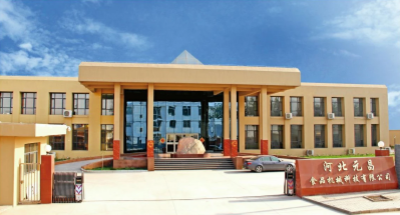
With 40 years of dedicated experience since 1986, Hebei Yuanchang Food Mechanism & Technology Co., Ltd. stands as a testament to enduring quality and innovation in meat processing equipment. Our 14,000 square meter facility, staffed by 80-100 skilled professionals, integrates R&D, production, and sales to deliver comprehensive solutions for the meat industry, including pet food processing.
Our in-house machining workshop is a core strength. Equipped with over 20 sets of advanced processing machinery, including high-precision grinding machines and wire cutting equipment, we possess the capability to manufacture components to exacting standards. The addition of 8 Japanese Mazak CNC machining centers in 2012 elevated our capacity to produce high-standard, large-volume, and non-standard components with unparalleled precision. This self-sufficiency in producing critical parts ensures unparalleled quality control and enables us to offer competitive meat cutting machine price points.
Our Commitment to Quality and Support
- 40 Years of Expertise: Deep practical knowledge accumulated since 1986.
- Integrated Manufacturing: R&D, production, and sales under one roof.
- Advanced Machining: Including Japanese Mazak CNC for high-precision parts.
- Traceable After-Sales: Worry-free support with independently produced parts.
- Diverse Product Range: From pretreatment to auxiliary items.
We understand the critical role of reliable equipment in maintaining production schedules and ensuring food safety. Our focus is on delivering machines that offer a strong return on investment through efficiency, durability, and ease of operation. Whether you require standard models or custom-engineered solutions, we are equipped to meet your needs.
Frequently Asked Questions (FAQ) about Meat Cutting Machines
A: Our machines are designed to handle a wide range of meats, including beef, pork, poultry, lamb, and fish. Specific models may be optimized for certain types or cuts. Please consult our specifications or contact us for details on your particular application.
A: Consider your production volume, the types of meat you process, the desired cut sizes and shapes, your budget, and available space. We recommend discussing your needs with our technical sales team to find the optimal solution.
A: Lead times can vary based on machine complexity and current production schedules, typically ranging from 4 to 12 weeks for standard models. Custom or OEM/ODM orders may require longer lead times. We will provide a precise estimate upon order confirmation.
A: Yes, we offer comprehensive installation guidance and operator training services. Our team can assist with setup and ensure your staff is proficient in operating and maintaining the equipment safely and efficiently.
A: Our machines come with a standard manufacturer's warranty covering defects in materials and workmanship. Specific warranty periods and coverage details will be provided with your quotation.
A: You can request a quote by filling out our contact form, calling us directly at +86 15830991513, or emailing us at ycmeatmech@gmail.com. Please provide as much detail as possible about your requirements.
Real-World Feedback from Our Clients
 John Miller, Operations Manager, USA
"We upgraded our band saw from Hebei Yuanchang about two years ago. The increased cutting speed and precision have significantly improved our throughput. Maintenance is straightforward, and their support team has been responsive when we needed guidance on blade replacement."
 Maria Sanchez, Procurement Lead, Mexico
"Sourcing a reliable industrial dicing machine that could handle our specific beef cuts was challenging. Hebei Yuanchang listened to our requirements and provided a custom solution that exceeded expectations. The price was competitive for the quality and customization we received."
 David Chen, Plant Manager, Canada
"We were looking for a high-volume slicer for our deli meat production. The model from Yuanchang has been running non-stop with minimal issues. The stainless steel construction is excellent for hygiene, and the cut consistency is top-notch. Highly recommend their industrial-grade machines."
 Ahmed Khan, Owner, UAE
"As a growing meat processor, we needed durable equipment. The meat cutting machine we purchased from Hebei Yuanchang is robust and performs reliably. The logistics and communication during the export process were smooth. We are pleased with the value delivered."
Ready to Optimize Your Meat Cutting Operations?
Don't let outdated or inefficient cutting equipment compromise your product quality and profitability. Partner with a manufacturer with decades of experience and a commitment to excellence.
Contact us today to discuss your specific needs and receive a tailored solution.