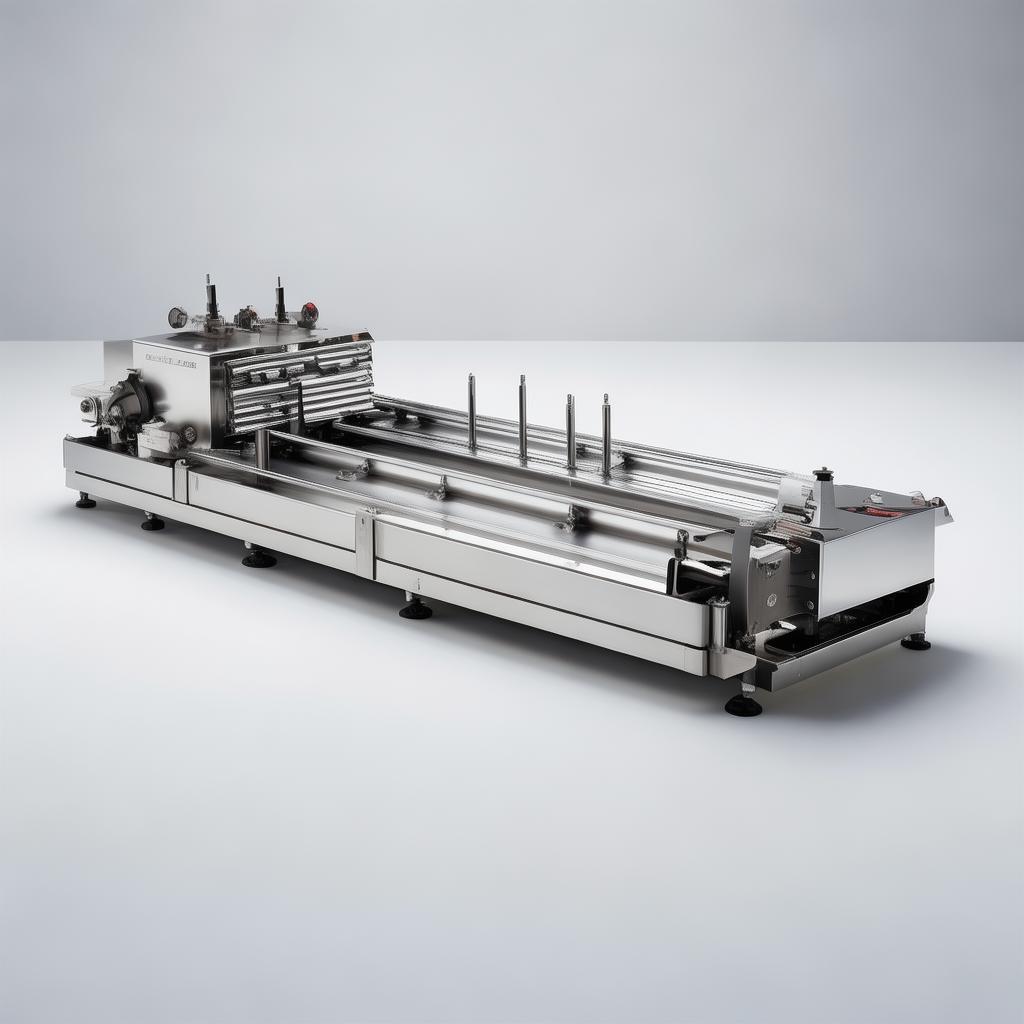
Meat Slicer Machine Price
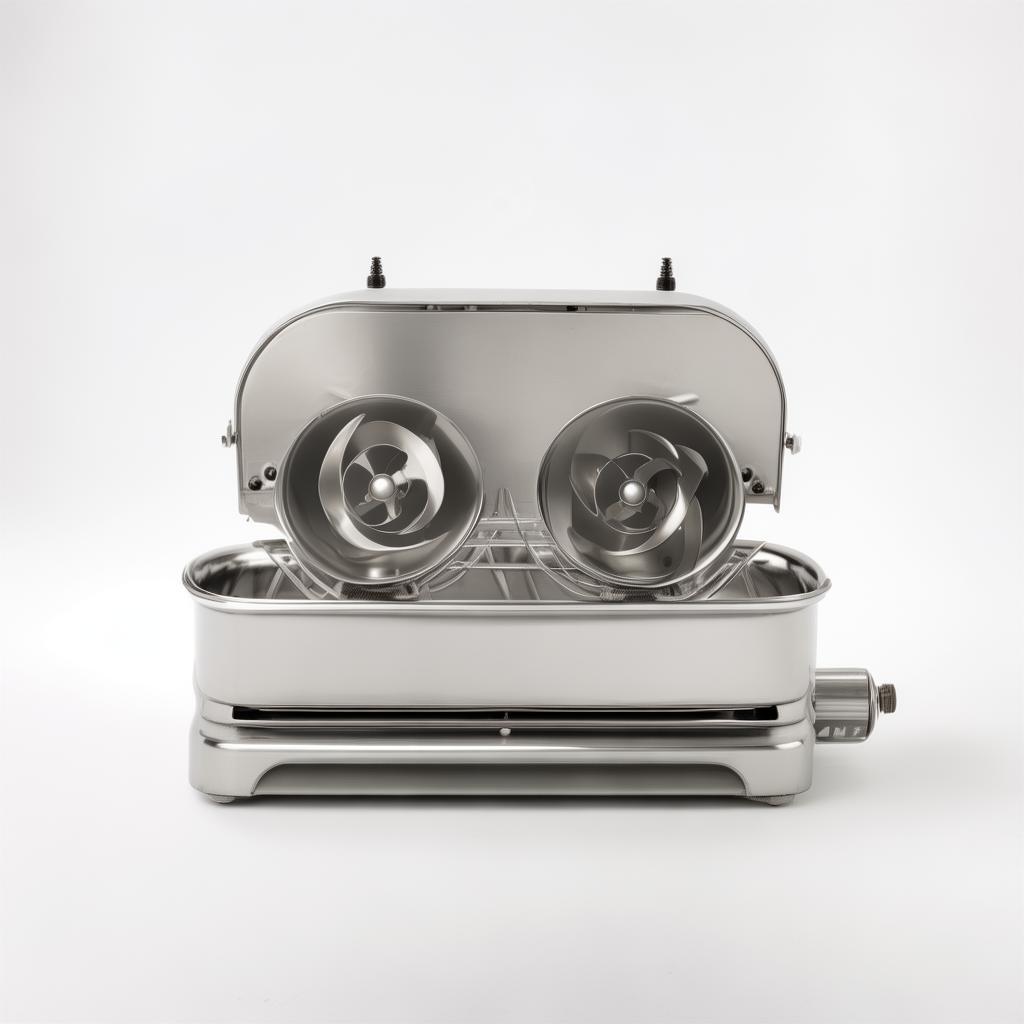
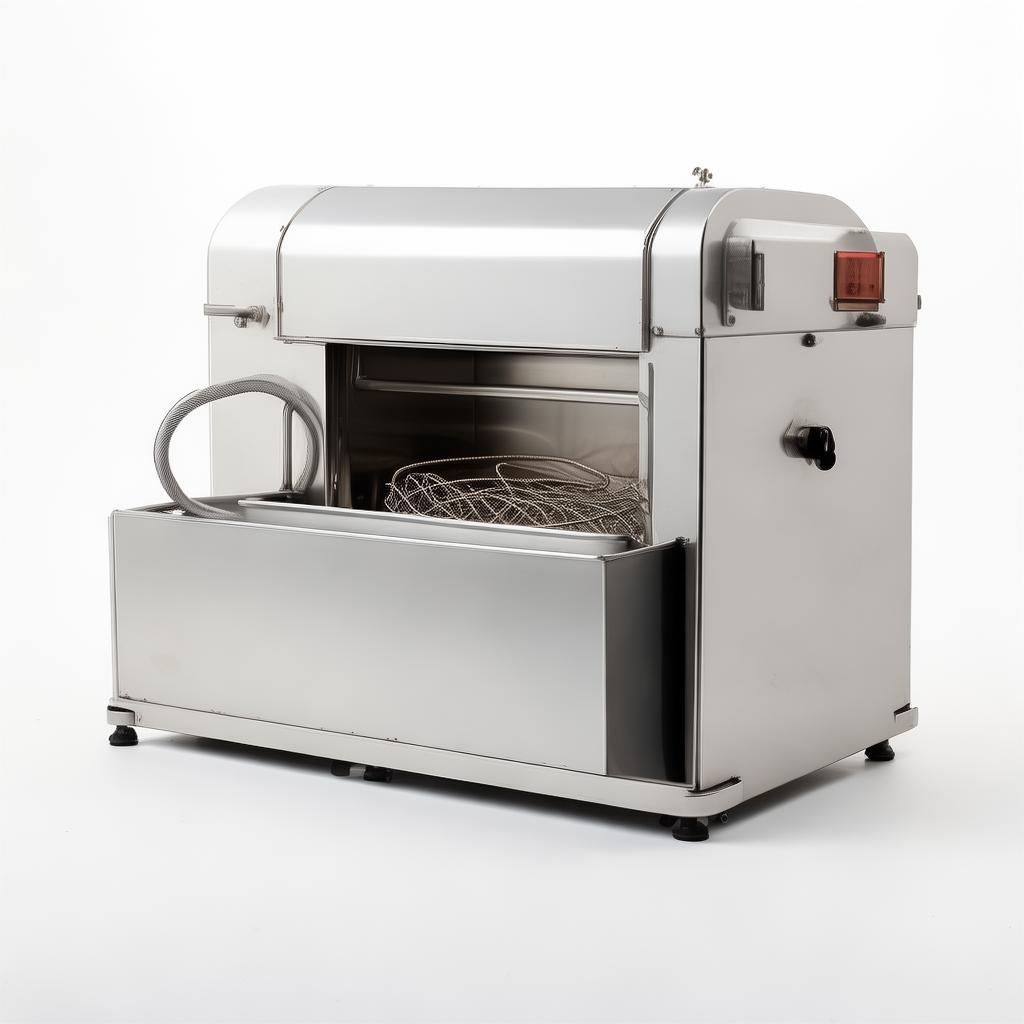
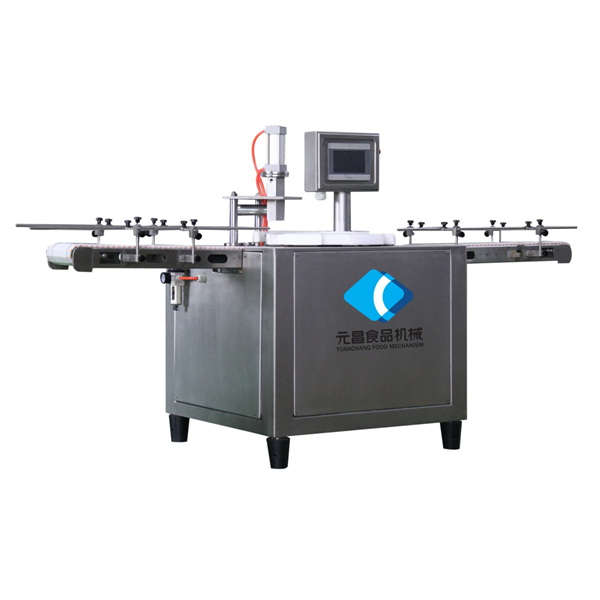
Meat Slicer Machine Price: Your Guide to Quality, Efficiency, and ROI
 By Li Wei, Export Director at Hebei Yuanchang Food Mechanism & Technology Co., Ltd. | Updated: May 15, 2024
Navigating the Costs and Value of Commercial Meat Slicers
When sourcing commercial meat slicer machines, understanding the pricing landscape is crucial. It’s not just about the sticker price; it’s about the total cost of ownership, the efficiency gains, the product quality you can consistently achieve, and ultimately, the return on investment for your butchery, processing plant, or food service operation. We've seen countless businesses navigate this space, and the common thread is a desire for robust, reliable equipment that doesn't break the bank but delivers dependable performance day in and day out. Many inquiries we receive start with a simple question: "What is the meat slicer machine price?" This is a valid starting point, but as experienced manufacturers, we know it’s just the beginning of a more complex discussion involving intended use, capacity requirements, material quality, and the specific features that will drive your business forward.
The global meat processing equipment market itself is substantial, projected to reach figures like USD 17.39 billion by 2034, with slicers playing a vital role in various segments. 【Meat Processing Equipment Market Size, Share & Industry Analysis - https://www.fortunebusinessinsights.com/meat-processing-equipment-market-115455 - Key segments include filling & stuffing equipment, massaging & tumbling (for ripening/tenderizing), cutting, grinding, and smoking machines. Growth is driven by rising demand for processed meat, automation adoption for hygiene and labor efficiency, strict food safety standards, and strong expansion in Asia-Pacific.】 This growth indicates a consistent demand for quality machinery, but it also means a wider variance in product offerings and pricing. From compact, manual slicers perfect for smaller delis to heavy-duty, automated models designed for high-volume industrial output, the price range reflects a broad spectrum of capabilities.
Consider the operational realities. A low initial investment might seem attractive, but if the machine lacks the power to handle frozen blocks, requires constant manual adjustment, or is difficult to clean, it quickly becomes a liability. Downtime, increased labor, inconsistent slice thickness, and premature wear are all hidden costs that can far outweigh any initial savings. Our focus at Hebei Yuanchang has always been on building equipment that balances advanced manufacturing techniques with practical, long-term value. We integrate technologies, like our Japanese Mazak CNC machining centers, to produce high-precision components that ensure durability and consistent performance, minimizing those unwelcome operational surprises.
For importers and distributors, understanding the nuances of manufacturer pricing is also key. Are you looking for finished goods, or are you exploring OEM/ODM opportunities? Each path has different cost structures and requires a different approach to supplier vetting. We've found that transparency about production costs, material sourcing, and quality control processes is paramount for building trust. When discussing meat slicer machine price, we always emphasize the materials used – typically high-grade stainless steel for food contact surfaces and robust cast iron or aluminum for the main body. These material choices directly impact hygiene, durability, and price. A machine built with thicker gauge stainless steel and a heavier, more stable base will naturally command a higher price than a lighter-duty model, but it will also last significantly longer and perform better under demanding conditions.
Furthermore, the context of your operation matters. Are you processing beef, pork, poultry, or perhaps cured meats like salami? Different meats have different densities and fat content, which can influence the required motor power, blade sharpness, and even the type of blade needed. A slicer designed for soft cooked hams might struggle with firm, frozen beef. This is why we engage deeply with our clients to understand their specific applications. This consultative approach ensures that the meat slicer machine price quoted reflects equipment perfectly suited to the task, rather than a one-size-fits-all solution. We aim to provide value not just in the initial transaction, but through the entire lifecycle of the machine. The 40 years of experience since 1986 at Hebei Yuanchang means we've refined our designs based on real-world feedback and evolving industry needs. We understand that a competitive meat slicer machine price must be paired with superior engineering and unwavering support.
Table of Contents
- Operational Hurdles: Why Your Current Slicer Might Be Costing You
- Beyond the Blade: What Defines a Quality Slicer
- Understanding the Meat Slicer Machine Price Factors
- Tailoring Slicers to Your Production Needs
- Procurement Smart: Getting the Best Value
- Hebei Yuanchang: Your Trusted Manufacturing Partner
- Frequently Asked Questions on Meat Slicers
- Ready to Enhance Your Operation?
Operational Hurdles: Why Your Current Slicer Might Be Costing You
Many businesses, particularly those in the initial stages of scaling or replacing aging equipment, face recurring operational headaches with their meat slicers. These aren't always obvious until they start impacting your bottom line.
- Inconsistent Slice Thickness: Leads to product spoilage, non-uniform portion control, and customer complaints. It suggests a lack of precision in the blade mechanism or housing.
- Labor-Intensive Cleaning: Complex designs with too many nooks and crannies make thorough sanitation difficult and time-consuming, increasing labor costs and posing hygiene risks.
- Blade Dullness and Replacement Frequency: Low-quality blades or insufficient motor power can cause the blade to dull quickly, requiring frequent sharpening or costly replacements. This impacts throughput and slice quality.
- Overheating and Motor Strain: Underpowered motors or poor ventilation can cause overheating, leading to breakdowns and reduced lifespan, especially during peak operational periods.
- Difficulty Handling Various Meats: A slicer not robust enough for firmer meats or sticky products will result in jams, poor cuts, and increased waste.
- Safety Concerns: Poorly designed safety guards or unstable bases can create a hazardous work environment.
These issues aren't just minor annoyances; they directly affect operational efficiency, product quality, and ultimately, profitability. The global meat processing equipment market is expanding, driven by demand for efficiency and safety. 【Meat Processing Equipment Market Size, Share Report, 2030 - https://www.grandviewresearch.com/industry-analysis/meat-processing-equipment-market - Rising consumption of ready-to-eat meats, automation for labor shortages and hygiene, and infrastructure investments in emerging markets drive demand.】 Investing in the right slicer upfront mitigates these risks.
Beyond the Blade: What Defines a Quality Slicer
A truly effective meat slicer machine is a product of thoughtful engineering, robust materials, and an understanding of food processing demands. When evaluating options, look beyond just the advertised slicing capability.
Motor Power & Durability: Essential for consistent performance. We utilize motors that are rated for continuous duty, ensuring they won't overheat during long processing runs. This is often a key differentiator in meat slicer machine price, with more powerful, durable motors costing more but providing significantly better long-term value.
Blade Quality & Material: High-carbon stainless steel or specialized alloys are critical for sharpness, durability, and resistance to corrosion. Our blades are precision-ground and often coated for enhanced performance and ease of cleaning. Blade diameter and thickness are also important considerations depending on product size.
Construction Material: Food-grade stainless steel for all contact surfaces is non-negotiable for hygiene and durability. The main body (housing) should be constructed from heavy-gauge aluminum alloy or cast iron, often anodized or coated, to provide stability and longevity. A lighter-weight machine might have a lower initial meat slicer machine price, but it will vibrate more, be less stable, and likely have a shorter service life.
Ease of Cleaning: Removable components (blade, carriage, guides) and smooth, crevice-free surfaces are paramount. This saves valuable labor time and ensures compliance with stringent food safety regulations like HACCP.
Safety Features: Interlocking guards, a blade shield, a sturdy base with non-slip feet, and a reliable emergency stop button are standard on reputable machines. These features are often integrated into the design from the outset, not added as an afterthought.
Precision Adjustments: A finely calibrated knob for slice thickness allows for exact control, from deli-thin to thick-cut steaks. The mechanism should be smooth and easy to operate, even under load.
Hebei Yuanchang’s commitment to quality means we invest heavily in our manufacturing capabilities. Our in-house machining workshop, equipped with over 20 sets of advanced machinery including Japanese Mazak CNC centers, allows us to control the precision of every critical component. This is a significant factor in the reliability and performance you can expect, and it directly influences our competitive meat slicer machine price.
Understanding the Meat Slicer Machine Price Factors
The price of a commercial meat slicer isn't arbitrary. It’s a direct reflection of the engineering, materials, manufacturing processes, and intended application. Here’s a breakdown of what influences the meat slicer machine price you’ll encounter:
1. Type and Size of Slicer:
Manual vs. Automatic: Manual slicers are generally less expensive but require more operator effort. Automatic or semi-automatic slicers with powered carriages and features like programmable slice counts command higher prices.
meat cutting machine price automatic meat cutting machine price commercial meat slicer machine
Blade Diameter: Larger blades (e.g., 12-inch, 14-inch, or more) are needed for larger cuts of meat and typically come with more powerful motors, increasing the cost.
2. Motor Power and Duty Cycle:
Higher horsepower motors are required for tougher meats or continuous, high-volume operation. Machines designed for demanding industrial use will be priced higher than those for light-duty commercial applications. You'll see figures ranging from 1/4 HP up to 1 HP or more, influencing the meat slicer machine price significantly.
3. Material Quality and Construction:
Full stainless steel construction, heavy-gauge metals for the base and carriage, and precision-engineered components like hardened steel gears contribute to higher costs but offer superior durability and hygiene. This is where a significant portion of the meat slicer machine price is justified.
4. Features and Automation:
Features like variable speed controls, integrated sharpening systems, programmable slice counters, automatic stacking, and advanced safety interlocks add complexity and cost. These are often found in higher-end industrial models.
5. Brand Reputation and Manufacturing Origin:
Established brands with a proven track record of quality and support often command a premium. Manufacturing location can also play a role, with advanced economies sometimes having higher labor and overhead costs reflected in the price.
At Hebei Yuanchang, we pride ourselves on offering a competitive meat slicer machine price by leveraging our extensive experience and efficient manufacturing processes. We don't cut corners on critical components like motors and blades. Our goal is to provide the best possible value, ensuring you get a machine that’s built to last and perform, backed by our 40 years of manufacturing heritage.
Tailoring Slicers to Your Production Needs
The "best" meat slicer machine price is the one that aligns with the specific demands of your operation. A butcher shop has different needs than a large-scale food processing plant.
For Delis and Butcher Shops:
Focus on ease of use, rapid cleaning between different product types, and consistent, attractive slice presentation. Compact models with 10-12 inch blades are common. Key features: manual or semi-automatic operation, easy-to-clean surfaces, reliable thickness adjustment.
For Restaurants and Cafeterias:
Durability and speed are essential for handling lunch rushes. Machines need to be robust enough for frequent use and quick to sanitize. Look for models with powerful motors and smooth carriage movement.
For Food Processing Plants:
High-volume, continuous operation is the standard. This demands heavy-duty, often fully automatic slicers with powerful motors, larger blade capacities (14 inches and up), and advanced safety and automation features. Precision is paramount for product standardization. The total cost of ownership, including efficiency and reduced downtime, is the primary driver, making a higher initial meat slicer machine price justifiable.
The market for meat processing equipment, including slicers, is expected to grow substantially. Reports indicate projections reaching USD 15.04 billion by 2030, driven by automation and demand for consistent quality. 【Meat Processing Equipment Market Size, Share Report, 2030 - https://www.grandviewresearch.com/industry-analysis/meat-processing-equipment-market】
Specialty Applications (e.g., Frozen Meat, Cured Meats):
Slicing frozen blocks or dense cured meats requires specialized blades and significantly more powerful motors. These machines often have reinforced components and are priced at the higher end of the spectrum.
At Hebei Yuanchang, we offer a range of slicers suitable for these diverse applications. Our ability to produce high-precision components with our CNC machining centers allows us to tailor machines for specific needs, ensuring you get the right equipment for optimal performance, regardless of your application. This custom-oriented approach is part of what distinguishes our value proposition beyond just the raw meat slicer machine price.
Procurement Smart: Getting the Best Value
When you’re ready to invest in a commercial meat slicer, navigating the procurement process effectively can save you money and ensure you get a reliable machine.
- Define Your Needs Clearly: Before contacting suppliers, list your daily/hourly throughput, types of meat, desired slice thickness range, space constraints, and budget. This clarity avoids miscommunication and ensures you get relevant quotes.
- Compare Specifications, Not Just Prices: A low meat slicer machine price might hide inferior materials or a less powerful motor. Always compare motor HP, blade diameter and material, construction material, and warranty terms.
- Inquire About OEM/ODM Capabilities: If you’re a distributor or looking for branded solutions, ask about their OEM (Original Equipment Manufacturer) and ODM (Original Design Manufacturer) services. This indicates a manufacturer's flexibility and ability to meet specific requirements. Hebei Yuanchang has extensive experience in OEM/ODM production.
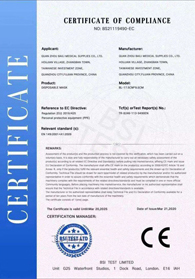
- Ask About Certifications: Look for CE (for Europe), FDA (for food contact safety in the US), and other relevant safety and quality certifications. These are non-negotiable for compliant operations. We ensure our equipment meets international standards.
- Understand Lead Times and Logistics: Production, shipping, and customs clearance can take time. Ask about typical lead times for your order and the shipping options available. For international buyers, understanding container loading and freight costs is crucial for accurate budgeting.
- Request Factory Audits or Virtual Tours: For significant investments, understanding the manufacturer's capabilities and quality control is vital. We are always open to discussing our production facilities.
- Clarify After-Sales Support: What happens if there’s an issue? Is technical support available? Are spare parts readily accessible? Our traceable after-sales management system ensures we can support our clients effectively.
The market for meat processing equipment is projected to reach USD 19.66 billion by 2033, with a strong emphasis on automation and efficiency. 【Meat Processing Equipment Market Size & Forecast 2033 - https://www.skyquestt.com/report/meat-processing-equipment-market】 This trend underscores the importance of investing in modern, reliable machinery.
When you reach out to us, you're not just getting a quote for a meat slicer machine price; you're engaging with a team that understands your business needs. We provide comprehensive support from initial inquiry to after-sales service.
Chat With Our Experts
Have specific questions about meat slicer machine price for your application or need a custom quote? Our team is ready to assist.



Hebei Yuanchang: Your Trusted Manufacturing Partner
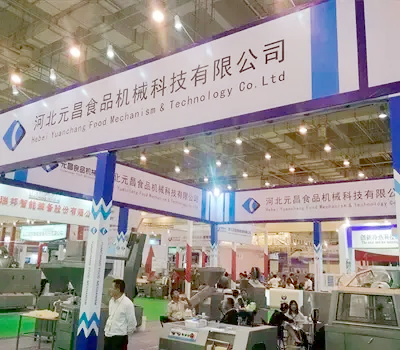
With over 40 years of experience since 1986, Hebei Yuanchang Food Mechanism & Technology Co., Ltd. has established itself as a leader in meat processing equipment manufacturing. We understand that the meat slicer machine price is only one part of the equation; the true value lies in the reliability, performance, and support that comes with it.
- Extensive Experience: Since 1986, we’ve built a deep understanding of meat processing needs, allowing us to refine our equipment designs continuously.
- Advanced Manufacturing: Our 14,000 sq meter facility is equipped with over 20 sets of processing machinery, including high-precision Japanese Mazak CNC machining centers. This ensures the production of critical components with exceptional accuracy.
- Integrated R&D, Production, and Sales: We control the entire process, from design to delivery, ensuring quality and consistency.
- Comprehensive Product Lines: Beyond slicers, we offer complete solutions for pretreatment, filling, molding, and ripening of meat products.
- Global Reach: We export to markets worldwide, understanding international standards and logistics.
- Traceable After-Sales Service: Our system guarantees that you receive support and necessary spare parts throughout the product lifecycle.
When you partner with Hebei Yuanchang, you gain access to a manufacturer committed to quality, innovation, and customer satisfaction. We can offer competitive meat slicer machine price points because of our efficient, large-scale production capabilities and direct-to-client model, cutting out unnecessary intermediaries.
We are ISO certified, ensuring our processes meet rigorous international quality management standards.

What Our Clients Say
Real-world experiences from businesses like yours:
"We upgraded our deli slicer to a Hebei Yuanchang model about six months ago. The increase in slicing speed and the consistency of the cuts have been fantastic. Cleaning is also much simpler than our old machine. The price was very reasonable for the quality we received. Highly recommended."
 Sarah Jenkins, Owner, "The Savory Slice" Deli, USA
"As an importer, finding reliable manufacturers is key. Hebei Yuanchang delivered on quality and consistency. Their industrial slicer handles our frozen beef blocks with ease, and the precision is excellent for our ready-to-eat product line. Their communication and logistics support were also top-notch."
 Mark Chen, Procurement Manager, Global Foods Inc., Canada
"We were looking for a robust slicer for our catering business. We needed something fast, durable, and easy to clean after large events. The model recommended by Hebei Yuanchang exceeded our expectations. The meat slicer machine price was competitive, and the machine has paid for itself in time saved and quality delivered."
 David Rodriguez, Operations Lead, Feast Catering, Australia
Frequently Asked Questions on Meat Slicers
Q1: What is the typical price range for a commercial meat slicer?
A: Commercial meat slicer machine prices can vary widely, from a few hundred dollars for basic manual models to several thousand dollars for heavy-duty, automatic industrial units. Factors like brand, size, motor power, materials, and features significantly influence the cost. For example, a 10-inch semi-automatic slicer might range from $500-$1500, while a 14-inch heavy-duty automatic slicer could be $2000-$5000+.
Q2: What are the essential features to look for in a meat slicer for a busy restaurant?
A: For a busy restaurant, prioritize durability, ease of cleaning, and consistent performance. Look for a powerful motor (at least 1/3 HP for standard use), a sharp, high-quality blade (10-12 inches is common), a sturdy base for stability, and smooth operation of the carriage. Features like an integrated sharpener and removable parts for cleaning are also crucial.
Q3: Can I slice frozen meat with a standard meat slicer?
A: Not all standard slicers are designed for frozen meat. Slicing deeply frozen meat requires a more powerful motor, a specially hardened blade, and a very robust construction to handle the resistance. Attempting to slice frozen meat with an underspecified machine can damage the motor and blade. If frozen meat is a primary application, you need to specify this when inquiring about a meat slicer machine price to ensure you get an appropriate model.
Q4: How often should I clean my meat slicer?
A: For food safety, a meat slicer should be thoroughly cleaned and sanitized at the end of each operating day. If you are switching between different types of raw meats or cooked products within the same day, a quick clean and sanitization of the blade and carriage area is also recommended. Regular deep cleaning prevents buildup and ensures optimal performance.
Q5: What does OEM/ODM mean in the context of meat slicer manufacturing?
A: OEM (Original Equipment Manufacturer) means we produce equipment that another company will brand and sell as their own. ODM (Original Design Manufacturer) means we can also design and manufacture equipment based on a client's specifications or even develop new designs for them. This flexibility allows businesses to offer unique products under their brand, and we're equipped to support these needs with our advanced manufacturing capabilities.
Unlock Efficiency and Quality with the Right Meat Slicer
Don't let outdated or inadequate slicing equipment limit your business. Invest in a reliable, high-performance meat slicer from a manufacturer with decades of experience.