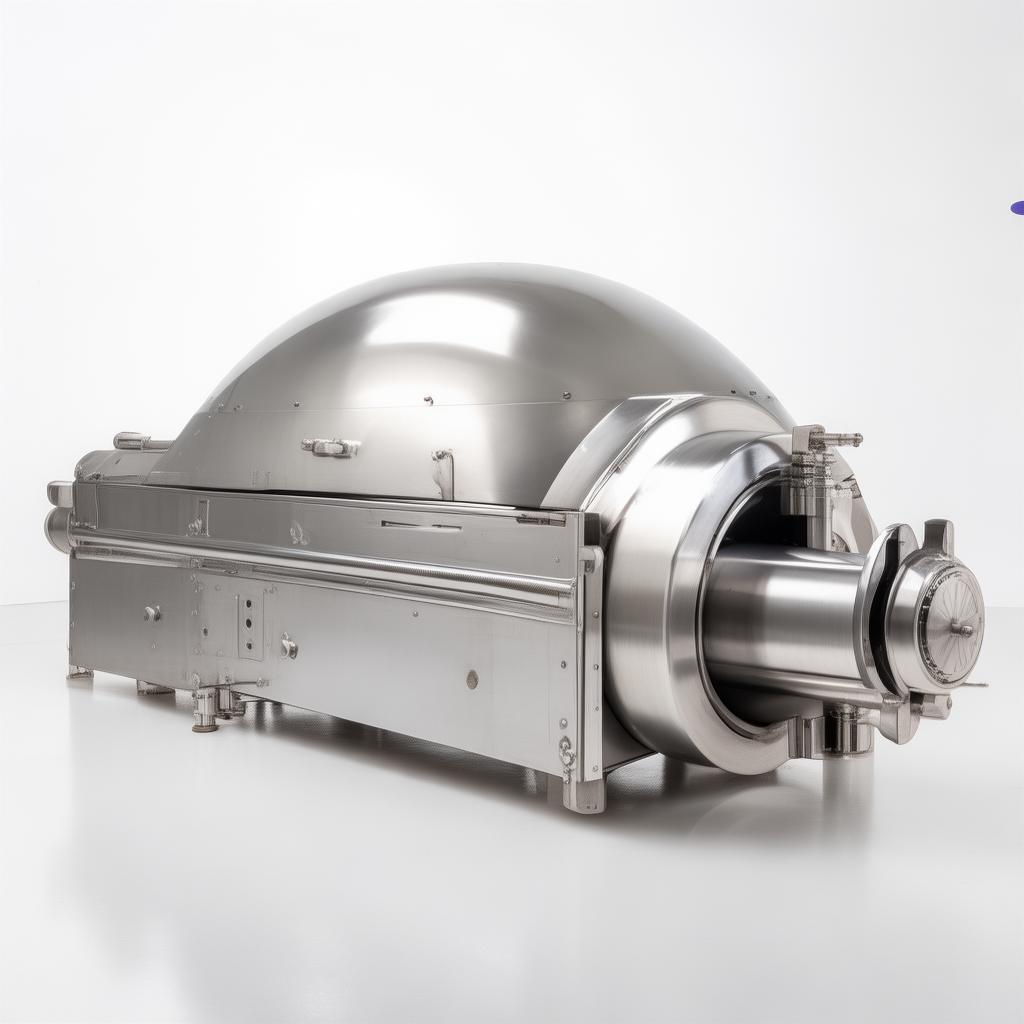
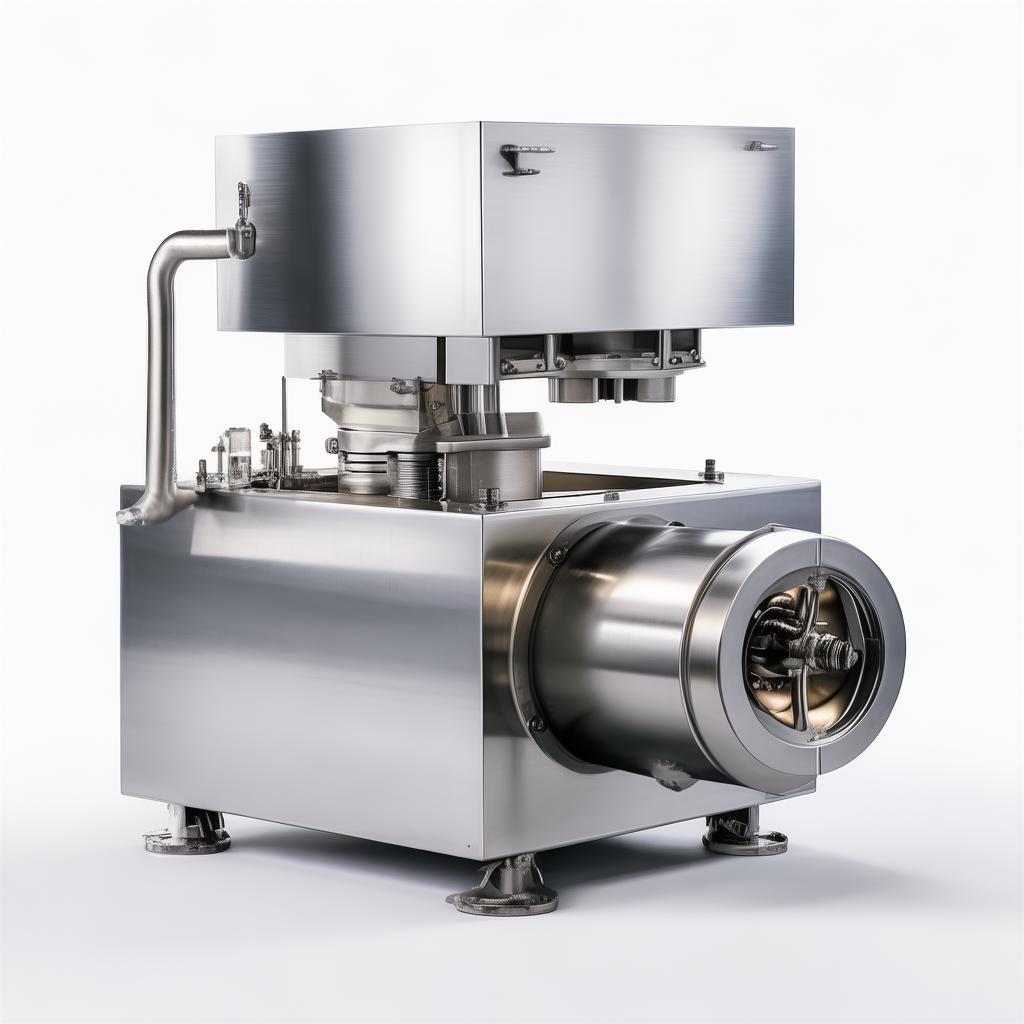
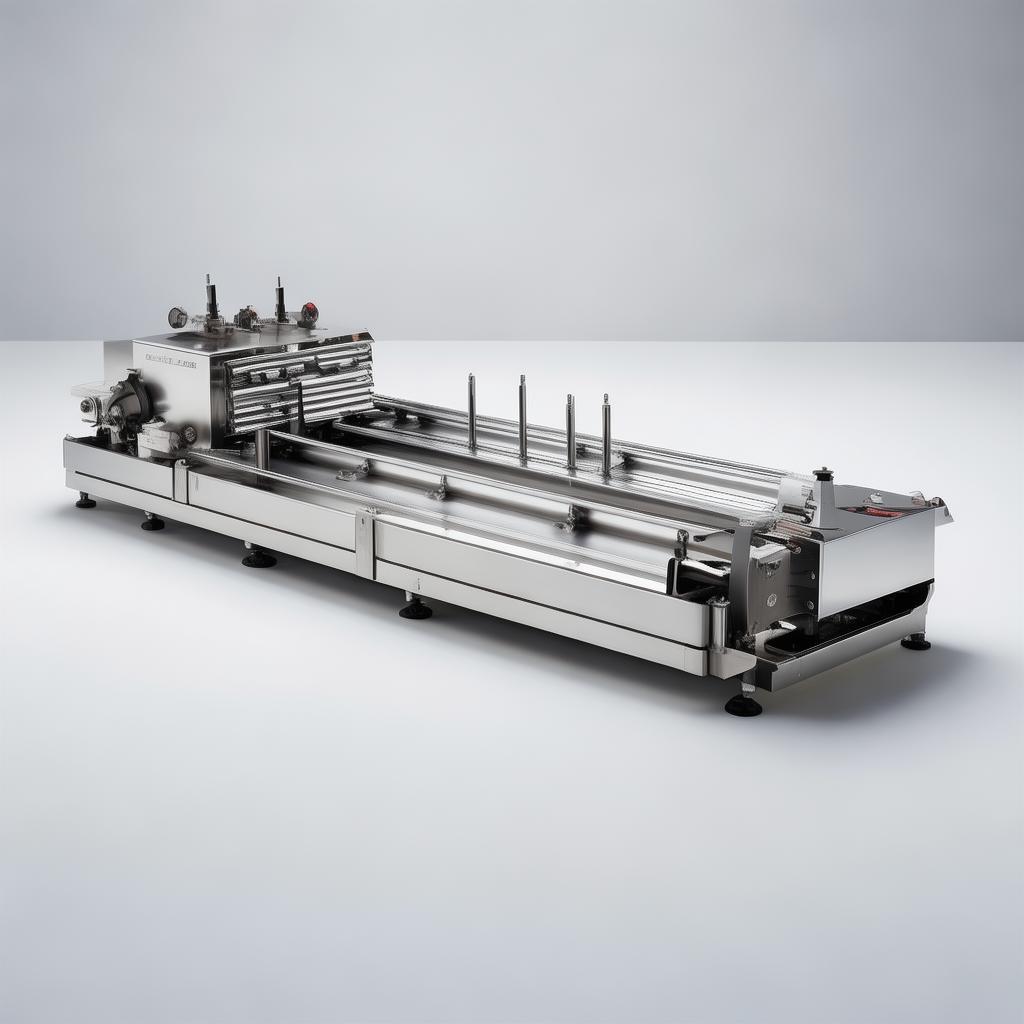
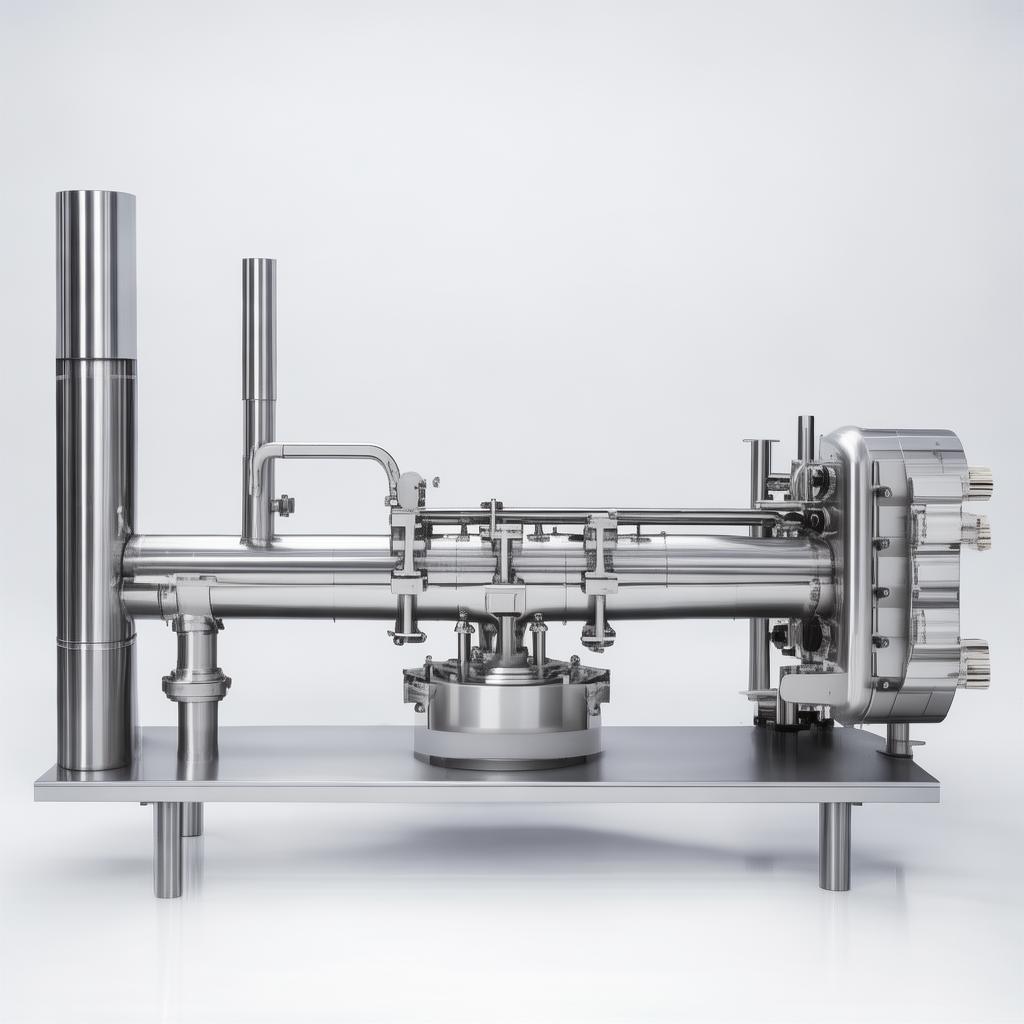
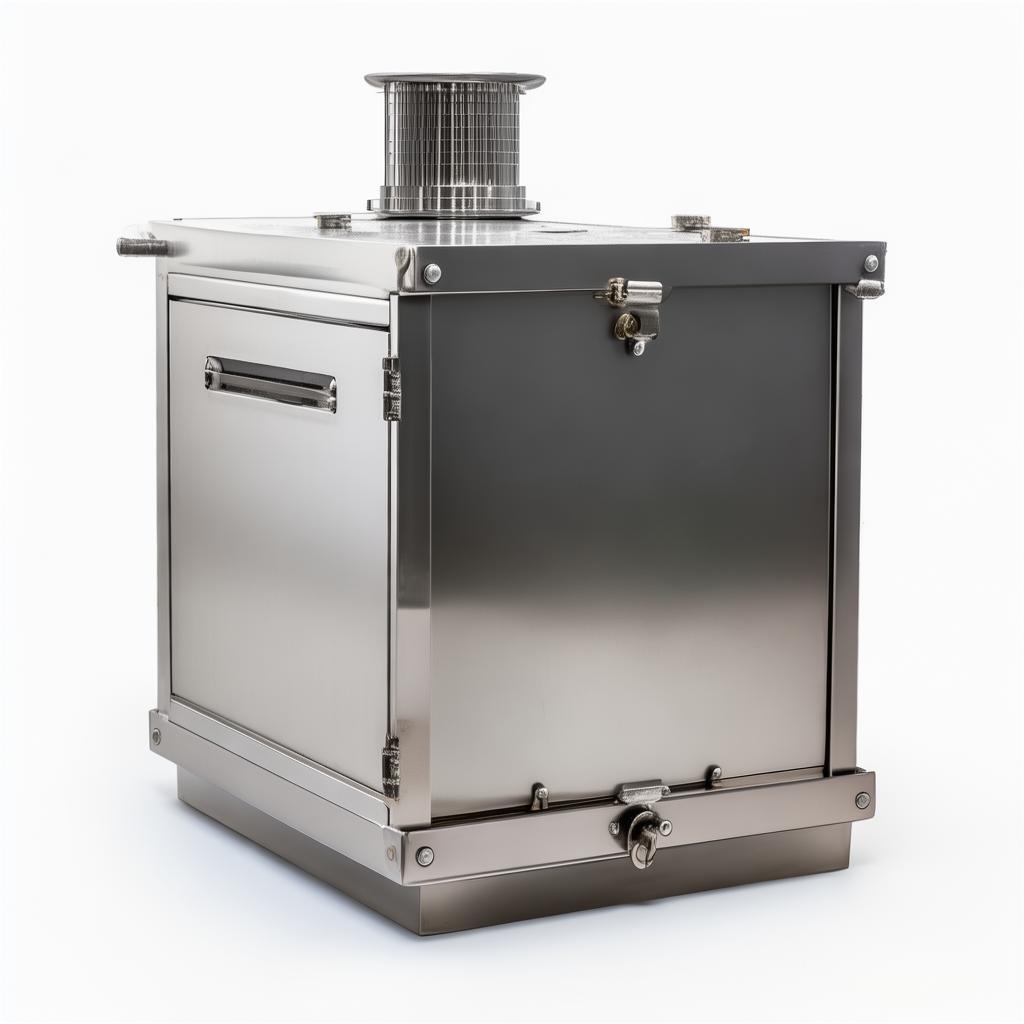
Meat Mincer And Grinder
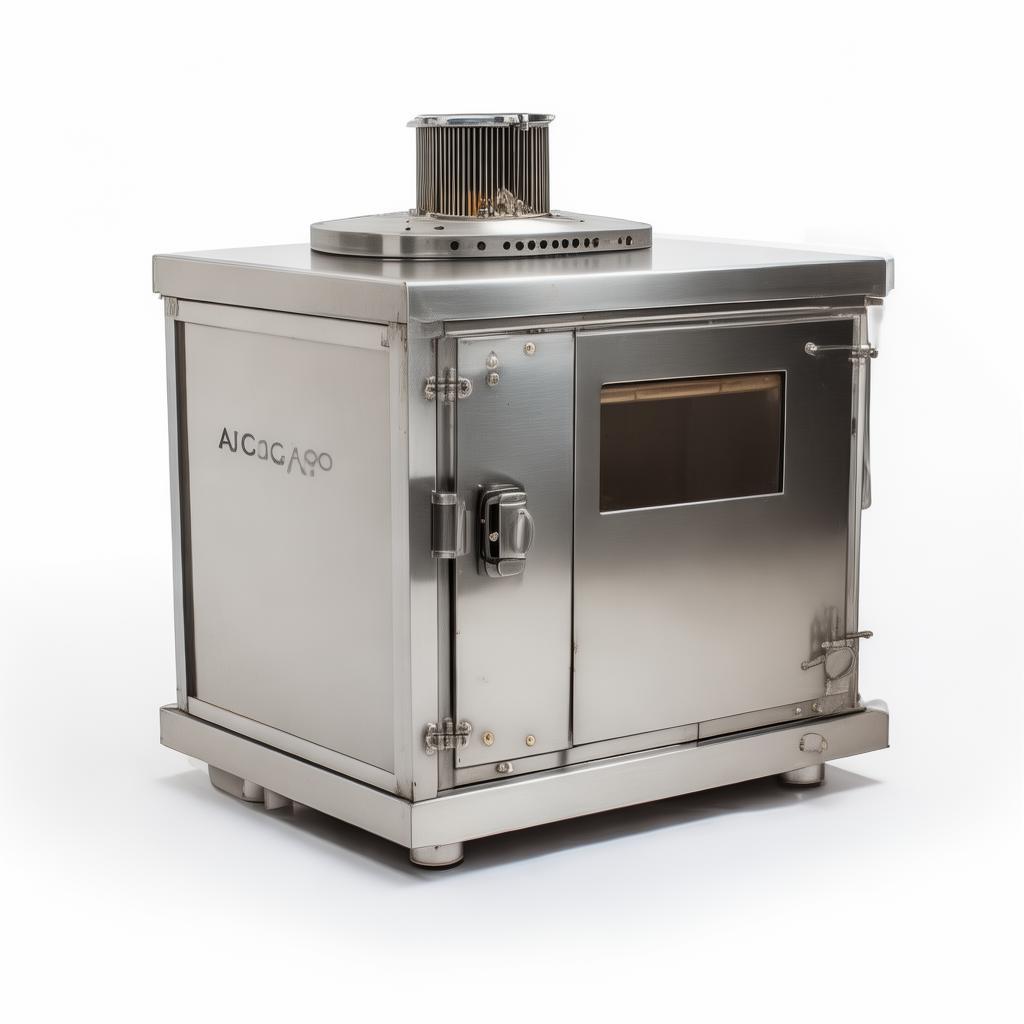
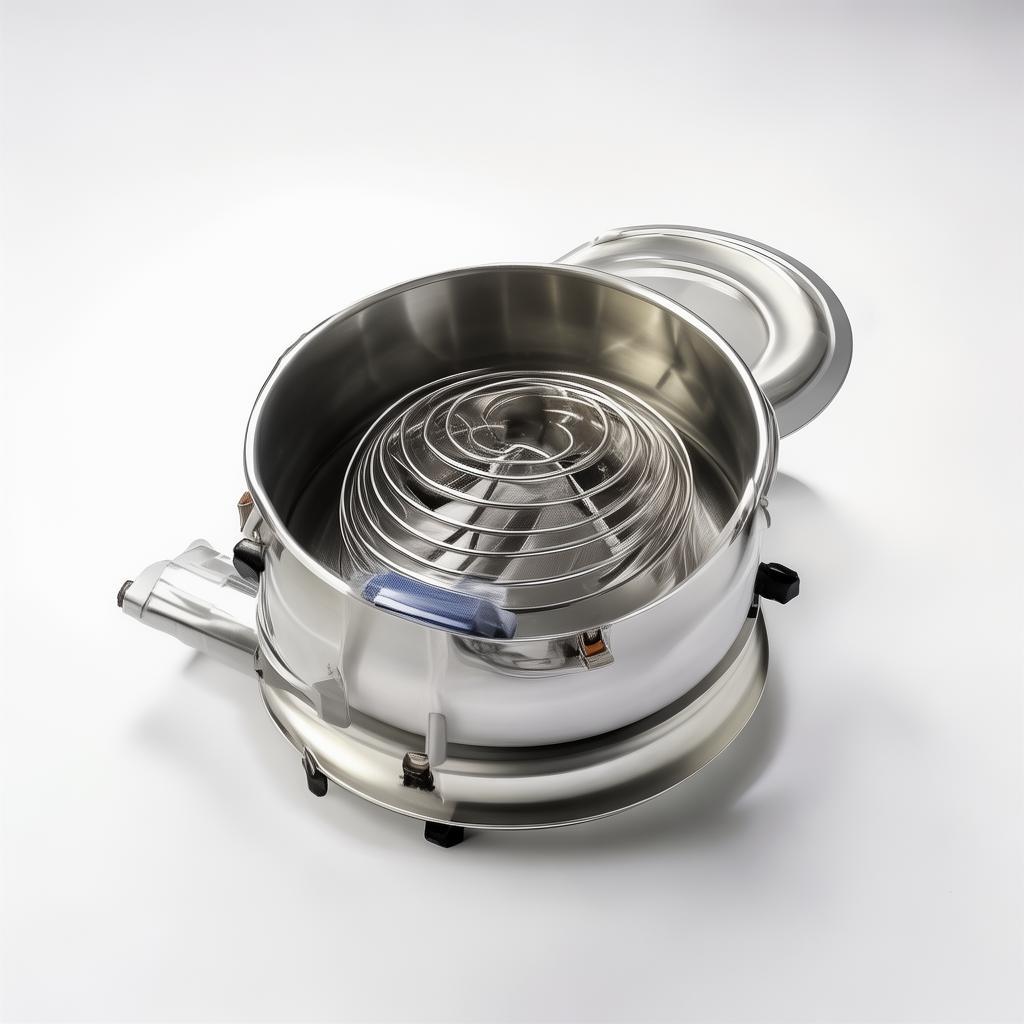
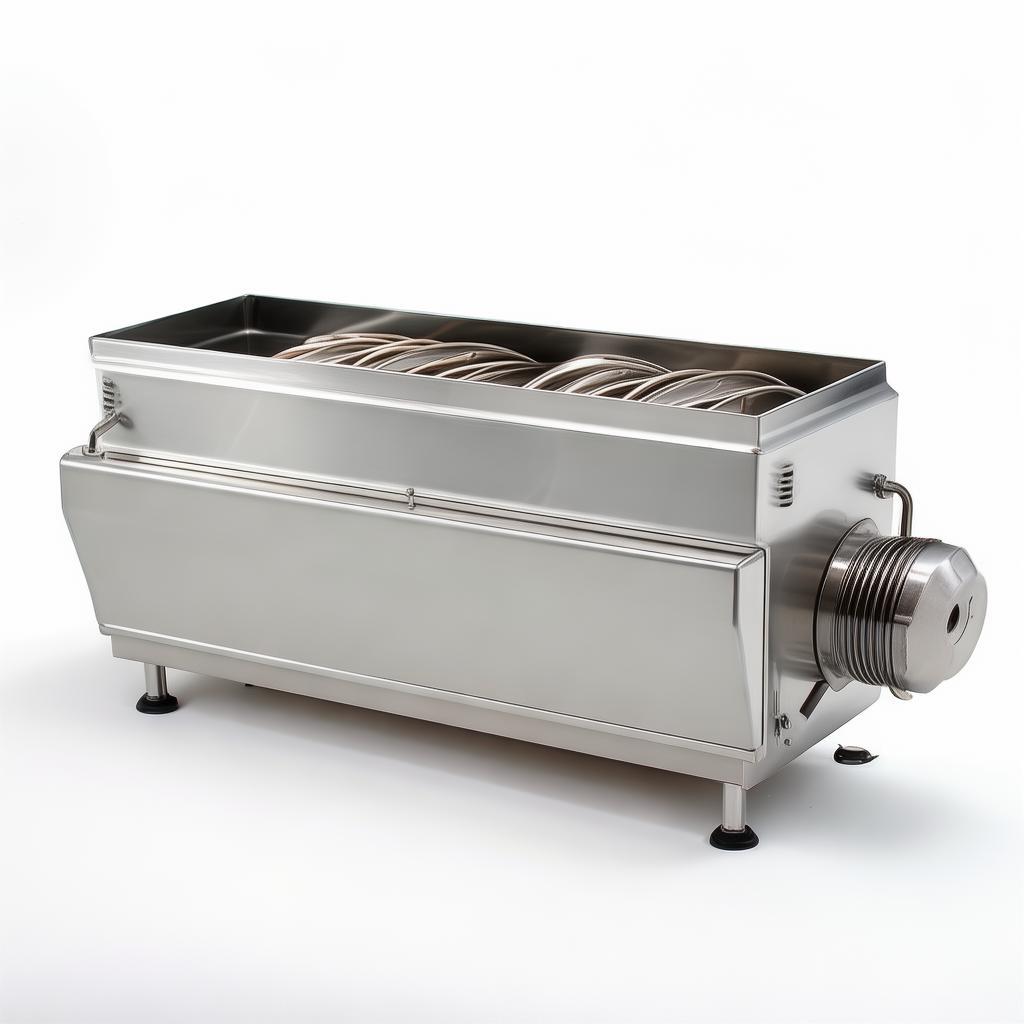
Industrial Meat Mincers & Grinders: Precision, Durability, and Output for Global Food Processors
Engineered for consistency, reliability, and efficiency in high-volume meat processing operations worldwide.

Hebei Yuanchang Food Mechanism & Technology Co., Ltd.
The Unsung Hero of Meat Processing: Why Your Line Needs the Right Mincer/Grinder
In the complex choreography of a modern meat processing plant, from small butcher shops to massive industrial complexes, certain pieces of equipment are the bedrock of consistent quality and efficient output. Among these, the meat mincer, or grinder, stands out. It’s not just about reducing meat to a desired particle size; it's about precision, temperature control, hygiene, and the ability to handle a wide range of raw materials with unwavering performance. For businesses that rely on consistent product texture, uniformity, and speed – think sausages, burgers, pâtés, pet food, or even value-added ground meat products – selecting the correct meat mincer isn't a minor decision. It's a strategic investment that directly impacts yield, product integrity, and ultimately, your bottom line.
The global market for meat processing equipment, which includes essential machinery like mincers and grinders, is robust and growing. Reports consistently project market values in the double-digit billions, with substantial compound annual growth rates (CAGRs) ranging from 4.5% to over 7%. This isn't just theoretical. Consider the data: The global meat processing equipment market was valued at approximately USD 11.2 billion in 2025 and is expected to grow significantly, potentially reaching over USD 17 billion by 2034. This expansion is fueled by increasing consumer demand for processed meats – from convenience foods to specialized artisanal products – coupled with a global drive towards automation and enhanced food safety standards. The Asia-Pacific region, in particular, is showing rapid growth as industrialization of processing facilities accelerates.
At Hebei Yuanchang, we've seen firsthand how a subpar grinding operation can bottleneck an entire production line. Meat that's poorly ground, overheated during processing, or inconsistently sized leads to rejected batches, wasted product, and dissatisfied customers. It’s a domino effect that impacts everything from filling and molding efficiency to the final product's shelf life and appeal. That’s why our focus has always been on engineering meat mincers and grinders that don’t just perform, but excel. We understand that your equipment needs to withstand continuous operation, maintain precise temperatures to prevent bacterial growth and fat smearing, and deliver uniform results batch after batch. This is where 40 years of focused experience in meat processing machinery truly makes a difference. Our machines are designed from the ground up, considering the entire workflow, not just the grinding step itself.
The nuances of meat grinding are often underestimated. Factors like the angle of the cutting plates, the sharpness and material of the blades, the auger design, and the motor's torque and speed all play critical roles. Even the type of meat – beef, pork, poultry, lamb, or even fish – presents unique challenges. For instance, grinding frozen blocks of meat requires different power and blade configurations than processing chilled fresh cuts. Fat content significantly influences the grinding process; too much heat can cause fat to liquefy and smear, leading to a greasy texture and potential spoilage. Our engineering team meticulously designs each component, from the heavy-duty stainless steel construction for hygiene and durability to the optimized auger and feeding mechanisms that ensure a steady, controlled flow of product through the grinding head. This attention to detail is crucial for maintaining product quality and meeting stringent international food safety regulations like HACCP and GMP, which are increasingly becoming standard requirements for global market access.
Furthermore, the rise of value-added meat products and the growing processed meat market – projected to reach well over USD 750 billion and potentially surpass USD 1.2 trillion by 2034 – necessitates equipment capable of producing specific textures and forms. Whether you’re producing finely ground meat for delicate sausages, coarser grounds for hearty burgers, or even specialized blends for pet food, the versatility and precision of your mincer are paramount. Our range of industrial meat grinders is engineered to meet these diverse demands. They are built not just for bulk processing, but for the control required to achieve specific outcomes, ensuring that the ground meat is perfectly prepared for the subsequent stages of your production line, be it filling, molding, or further processing. This adaptability is key for manufacturers looking to innovate and expand their product offerings in a competitive global market.
Navigating the Challenges: Common Hurdles in Meat Grinding Operations
Operating a high-volume meat processing facility comes with its unique set of operational hurdles, and the grinding stage is no exception. For purchasing managers, operations directors, and plant engineers, understanding these common pain points is the first step toward selecting equipment that solves, rather than exacerbates, these issues. We’ve seen these challenges repeatedly across different scales of operation, from local delis to international export facilities.
- Product Temperature Control: This is perhaps the most critical issue. Grinding meat generates heat through friction. If this heat isn't managed effectively, it can lead to fat smearing, a loss of product quality, increased bacterial growth, and a significantly reduced shelf life. Achieving that ideal grinding temperature, often just above freezing, is paramount for safety and product integrity. It’s a constant battle against the clock and the physics of friction.
- Consistency in Particle Size and Texture: Customers expect uniformity. A burger patty or sausage link should have a consistent texture every time. Inconsistent grinding, where some batches are too fine and others too coarse, leads to product rejection and brand damage. This requires precise plate and blade alignment, a stable motor output, and a feeding mechanism that doesn't jam or surge.
- Hygiene and Food Safety Compliance: Meat processing is an area where stringent hygiene is non-negotiable. Equipment must be designed for easy, thorough cleaning to prevent cross-contamination and bacterial buildup. This means smooth surfaces, minimal crevices, and materials like high-grade stainless steel that resist corrosion and are non-porous. Meeting regulatory standards (like HACCP, FDA, or local equivalents) is a baseline requirement, not a bonus.
- Durability and Maintenance Downtime: Industrial grinders work hard. They are subjected to continuous use, often with tough cuts or bone fragments. Equipment that breaks down frequently leads to costly downtime, missed production targets, and repairs that drain the budget. The ability to easily source replacement parts and perform routine maintenance without extensive disruption is vital for operational continuity. We’ve had clients report significant losses due to unexpected equipment failures during peak season.
- Efficiency and Throughput: In a competitive market, maximizing output per hour is crucial. Grinders that are slow, prone to clogging, or require excessive manual intervention can become a bottleneck. Optimizing throughput without compromising quality or safety is a continuous challenge for operations managers. This often involves balancing motor power with auger design and cutting head geometry.
- Versatility for Different Meat Types and Products: Many facilities process more than one type of meat or produce a variety of ground products. A mincer that can effectively handle beef, pork, and poultry, and adapt to different grind sizes (e.g., fine for emulsified sausages vs. coarse for certain patties), offers greater operational flexibility and ROI. Switching between plates and blades needs to be quick and straightforward.
Addressing these points requires more than just a powerful motor; it demands intelligent design, robust construction, and a deep understanding of the materials and processes involved. It’s about finding a partner who can deliver machinery that reliably meets these demanding criteria, day in and day out.
Engineered for Excellence: The Yuanchang Meat Mincer & Grinder Advantage
At Hebei Yuanchang, we don't just build machines; we engineer solutions forged from decades of direct industry experience. Our meat mincers and grinders are the culmination of continuous refinement, built to tackle the challenges outlined above head-on and deliver unparalleled performance for food processors worldwide. We understand that the grinding process is fundamental, and our equipment is designed to be the reliable, high-performing heart of your processing line.
Precision Grinding Performance
Our grinders utilize optimized auger designs and high-precision cutting systems (blades and plates) to ensure consistent particle size and texture. This meticulous engineering minimizes friction heat build-up, helping maintain product temperature crucial for quality and safety.
Robust Construction for Longevity
Built with heavy-duty, food-grade stainless steel (typically SUS304), our machines are designed to withstand the rigorous demands of continuous industrial operation. This not only ensures long-term durability but also meets the highest standards of hygiene and ease of cleaning.
meat grinder and slicer meat grinder uses meat grinder and stuffer
Advanced Temperature Management
We integrate features specifically designed to mitigate heat generation. This can include chilled feeding hoppers (on select models) and optimized auger-to-cylinder tolerances, crucial for preventing fat smearing and preserving the natural characteristics of the meat.
User-Friendly Operation & Maintenance
Designed with the operator in mind, our grinders feature intuitive controls and easy disassembly for cleaning and plate/blade changes. This reduces labor time and ensures your line stays running with minimal interruption.
Versatile Capabilities
Our range includes models capable of processing various meat types, from fresh to semi-frozen. With interchangeable plates and blades, you can achieve a wide spectrum of grind sizes, making our machines adaptable to diverse product formulations.
OEM/ODM Expertise
Leveraging our advanced CNC machining capabilities, we excel in providing customized solutions. Whether you need specific dimensions, unique material requirements, or integrated system components, we can engineer a mincer tailored to your exact specifications.
We are not just suppliers; we are manufacturing partners with 40 years of dedicated experience. Our in-house machining workshop, equipped with over 20 processing machines and Japanese Mazak CNC centers, allows us to produce high-precision parts independently, ensuring quality control from raw material to finished product and guaranteeing worry-free after-sales support.
Technical Specifications & Key Features
Understanding the technical backbone of our industrial meat mincers is essential for procurement professionals and engineers. Our commitment to quality is reflected in the robust design and specification of each unit. Below are typical features and specifications, though we emphasize our capability for customization.
| Feature/Specification | Details | Yuanchang Engineering Insight |
|---|---|---|
| Materials | Food-Grade Stainless Steel (SUS304) for all contact parts. Robust cast iron or stainless steel housing. | We select SUS304 for its excellent corrosion resistance, hygiene, and durability, ensuring compliance with global food safety standards. |
| Motor Power | Varies by model, typically from 3 HP (2.2 kW) to 15 HP (11 kW) or higher for heavy-duty applications. | Our motors are industrial-grade, providing consistent torque for high-volume throughput, even with tougher meat cuts or semi-frozen products. |
| Grinding Capacity | Ranges from 150 kg/hr to over 1000 kg/hr, depending on model and meat consistency. | Capacity figures are based on standard chilled meat processing. Performance can vary with meat temperature, fat content, and grind size. |
| Cutting System | Interchangeable plates (various hole sizes, e.g., 3mm, 4.5mm, 6mm, 8mm, 10mm) and precision-ground knife blades. | Our knives and plates are manufactured to tight tolerances for clean cuts, minimizing meat fiber damage and temperature rise. Material selection (e.g., hardened steel) ensures longevity. |
| Hopper/Throat Design | Wide, easy-to-load hoppers with safety guards. Standard or flared throats depending on capacity and feed rate. | Designed for efficient meat feeding and operator safety. Larger models may feature a double feed screw or an angled throat for easier material flow. |
| Auger/Screw | Heavy-duty, precision-machined screw to efficiently convey meat to the cutting head. | Optimized pitch and flight design for consistent pressure and feed, reducing slippage and heat generation. |
| Safety Features | Emergency stop buttons, interlock guards on hoppers and discharge chutes. | We prioritize operator safety, integrating essential controls and guards to meet international safety standards. |
| Electrical | Standard industrial voltages (e.g., 220V/380V/415V, 50/60Hz, 3-Phase). CE/UL compliance available. | Configurable to meet regional power requirements. We ensure robust electrical components for reliability. |
| Dimensions & Weight | Vary significantly by model size. | Compact designs for smaller operations, or heavy-duty frames for high-capacity lines, always considering floor space and installation requirements. |
Note: Specific configurations and performance metrics can be provided upon detailed inquiry. We regularly update our designs based on technological advancements and customer feedback.
Versatile Applications Across the Food Industry
The industrial meat mincer is a foundational piece of equipment, indispensable across a vast array of food processing sectors. Its ability to precisely control particle size and texture makes it vital for product development and consistent production. At Hebei Yuanchang, our grinders are built to serve diverse applications, ensuring efficiency and quality wherever they are deployed.
Sausage Production
Essential for creating fine, emulsified textures (e.g., frankfurters) or coarser grounds for fresh sausages. Precise grinding ensures the meat mixture binds correctly and maintains desired mouthfeel.
Burger & Patty Manufacturing
Achieving the right consistency for burgers and formed patties is critical for texture and cooking performance. Our grinders deliver uniform grinds that contribute to product integrity and customer satisfaction.
Pet Food Processing
Pet food production often requires specific grind sizes for kibble ingredients or raw/frozen pet food. Our machines can handle various meat types and bone content, meeting the nutritional and textural requirements for animal diets.
Deli Meats & Prepared Foods
From sliced lunch meats to fillings for pies and prepared meals, the initial grinding step dictates the final product's structure. Consistent grinding ensures even cooking and desirable texture in a wide range of deli items.
Spice & Ingredient Blending
Beyond raw meat, grinders can be used to process certain cooked meats or to achieve specific textures for spice blends or pre-mixed marinades, ensuring homogeneity and desired particle reduction.
Fish Processing
Ideal for grinding fish into pastes for surimi, fish cakes, or other seafood products. The precision ensures a smooth texture without excessive pulverization.
Our machines are designed to seamlessly integrate into various production lines, including those focused on pretreatment of meat products, filling and molding, and even auxiliary processes that require uniform meat particle reduction.
Our Manufacturing Foundation: 40 Years of Expertise
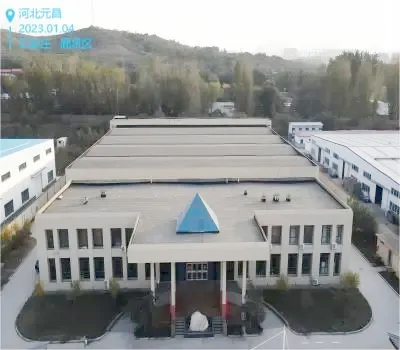
Hebei Yuanchang Food Mechanism & Technology Co., Ltd. isn't just a supplier; we are a vertically integrated manufacturer with deep roots in industrial machinery. Our 14,000 square meter facility and dedicated team of 80-100 professionals embody our commitment to quality, innovation, and reliability in every piece of equipment we produce. Our 40-year journey since 1986 has been about mastering the intricacies of meat processing equipment, from R&D and design to precision manufacturing and responsive sales.
In-House Precision Machining
Our advanced machining workshop is equipped with over 20 sets of processing machinery, including lathes, milling machines, high-precision grinding machines, boring machines, and wire cutting equipment. This allows us unparalleled control over component quality.
Japanese CNC Machining Centers
Since 2012, we've invested in 8 sets of Japanese Mazak CNC machining centers. This state-of-the-art technology enables us to produce high-standard, high-precision components, including non-standard and large-volume parts, with exceptional accuracy.
Traceable After-Sales Service
Our independently produced high-precision parts are backed by a traceable after-sales management system. This ensures we can swiftly and accurately supply replacement components, minimizing your downtime and guaranteeing long-term operational support.

Our comprehensive production capabilities mean we don't rely on external suppliers for critical components. This control over the entire manufacturing process allows us to maintain consistent quality, optimize production timelines, and offer highly competitive pricing for premium-grade industrial machinery.
Procurement Intelligence: Key Considerations for Buying Industrial Meat Mincers
For purchasing managers and procurement directors operating in the global food industry, acquiring industrial meat mincers involves more than just comparing price tags. It's a strategic decision that balances operational needs, long-term costs, risk mitigation, and compliance. With over four decades in manufacturing, we've seen what makes a successful procurement process.
1. Define Your Throughput and Product Requirements
Before even looking at models, clearly define your processing volume (kg/hour), the types of meat (chilled, semi-frozen, fat content), and the desired end-product texture (fine, medium, coarse). This will dictate the required motor power, grinding head size, and available plate/knife configurations. Don't over-spec, but ensure the machine can handle your peak operational demands.
2. Prioritize Hygiene and Material Standards
Food safety is non-negotiable. Insist on food-grade stainless steel (SUS304 is standard) for all food contact surfaces. Check for ease of disassembly for cleaning. Look for designs that minimize nooks and crannies where bacteria can harbor. Compliance with standards like CE, FDA, or HACCP guidelines should be verifiable.
Tip: Request detailed cleaning protocols from potential suppliers.
3. Evaluate Durability and Construction Quality
Industrial grinders operate under stress. Examine the build quality: is the housing robust? Is the motor appropriately sized for continuous duty? Are the cutting components made from hardened, wear-resistant materials? A well-built machine translates to fewer breakdowns and lower long-term maintenance costs.
4. Consider After-Sales Support and Spare Parts
Equipment failure can halt your entire operation. Inquire about lead times for spare parts (especially cutting plates and knives, which are consumables). A supplier with in-house manufacturing capabilities, like Hebei Yuanchang, can offer faster and more reliable parts supply. Understand the warranty terms clearly.
5. Assess OEM/ODM Capabilities for Customization
Do your processing needs require specific hopper dimensions, integrated weighing systems, or unique discharge chutes? Suppliers offering OEM/ODM services can tailor machines to your exact requirements, providing a more efficient and integrated solution than off-the-shelf models.
6. Total Cost of Ownership (TCO)
Look beyond the initial purchase price. Factor in energy consumption, maintenance costs, frequency of part replacement, and the cost of potential downtime. A slightly higher initial investment in a more durable, efficient, and reliable machine often yields a lower TCO over its operational life.
Choosing the right supplier is as critical as choosing the right machine. Look for manufacturers with a proven track record, transparent manufacturing processes, and a clear understanding of international food processing standards. Contact us today to discuss how our expertise can benefit your procurement strategy.
Commitment to Quality: Certifications and Standards
For international trade and high-stakes industrial applications, adherence to recognized quality standards and certifications is paramount. It assures buyers of product safety, performance, and compliance. At Hebei Yuanchang, we integrate these principles into our manufacturing processes and offer equipment that meets global expectations.

ISO 9001
CE Marking

FDA Compliant Materials

RoHS Compliant Components
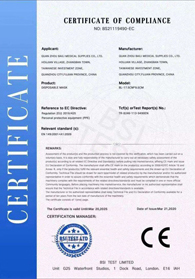
Our manufacturing processes are designed to align with international quality management systems. While specific certifications may apply to individual product lines or export markets, the foundational principle of quality assurance is embedded in our operations. We ensure that materials in contact with food meet stringent safety regulations. Our commitment extends to providing machinery that facilitates HACCP and GMP compliance for our clients, aiding them in their own pursuit of operational excellence and market access.
For specific project requirements, please detail your certification needs during the inquiry process.
Voice of the Industry: What Our Clients Are Saying
Real feedback from users in the demanding world of meat processing provides the clearest picture of our equipment's performance and reliability. We pride ourselves on building lasting partnerships based on tangible results.
"We switched to a Yuanchang heavy-duty grinder about two years ago for our sausage production. The consistency in grind size is remarkable, and it significantly reduced our batch preparation time. Maintenance has been straightforward, and spare parts arrived faster than we anticipated. It's been a solid investment."

Operations Manager, Prime Cuts Butcher Supply
"As an exporter of processed meat products, maintaining strict temperature control during grinding is crucial. The Yuanchang mincer we acquired keeps the meat chilled effectively, preventing fat smearing and ensuring our products meet international quality standards. The build quality is industrial-grade, exactly what we needed for 16-hour shifts."

Procurement Director, Global Food Exports Ltd.
"We needed a versatile grinder for our diverse pet food formulations, including some with bone. Yuanchang understood our requirements perfectly and recommended a model with a powerful motor and a robust cutting head. It handles everything we throw at it, and cleaning is surprisingly simple. Their responsiveness to our initial queries was also a major plus."

Plant Manager, Pawsome Pet Nutrition
Frequently Asked Questions (FAQ)
What is the typical lifespan of a meat mincer from Yuanchang?
With proper maintenance and use of consumables like knives and plates, our industrial meat mincers are designed for a long operational life, often exceeding 10-15 years in demanding environments. The robust stainless steel construction and high-quality components contribute significantly to their durability.
Can your grinders process semi-frozen meat?
Yes, many of our industrial models are engineered to handle semi-frozen meat (typically up to -2°C to -4°C). This requires sufficient motor power and a robust cutting head. Please specify if processing semi-frozen meat is a primary requirement so we can recommend the most suitable model or configuration.
What are the power requirements for these machines?
Our industrial meat mincers typically operate on 3-phase industrial power. Standard voltages offered include 220V, 380V, and 415V at 50Hz or 60Hz. We can configure machines to meet specific regional power standards upon request.
How easy is it to change the grinding plates and knives?
We design our grinders for efficient operation, including straightforward disassembly for cleaning and component changes. Typically, changing plates and knives involves simple tools and can be done within minutes by trained personnel, minimizing line downtime.
Do you offer OEM/ODM services for meat mincers?
Absolutely. With our advanced manufacturing capabilities, including Japanese Mazak CNC machining centers, we excel at custom OEM/ODM projects. We can modify existing designs or develop entirely new solutions to meet your unique specifications, branding, or integration needs.
Elevate Your Meat Processing Efficiency
Ready to invest in a meat mincer that delivers consistent quality, unparalleled durability, and the efficiency your operation demands? Partner with Hebei Yuanchang and leverage 40 years of manufacturing expertise.
Hebei Yuanchang Food Mechanism & Technology Co., Ltd.
Phone: +86 15830991513 | E-mail: ycmeatmech@gmail.com | Address: Shijiazhuang, Hebei Province, China