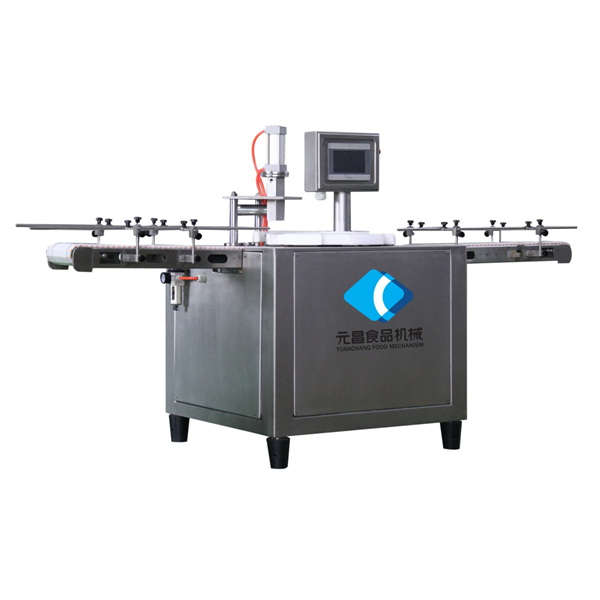
Meat Mincer Keema Machine
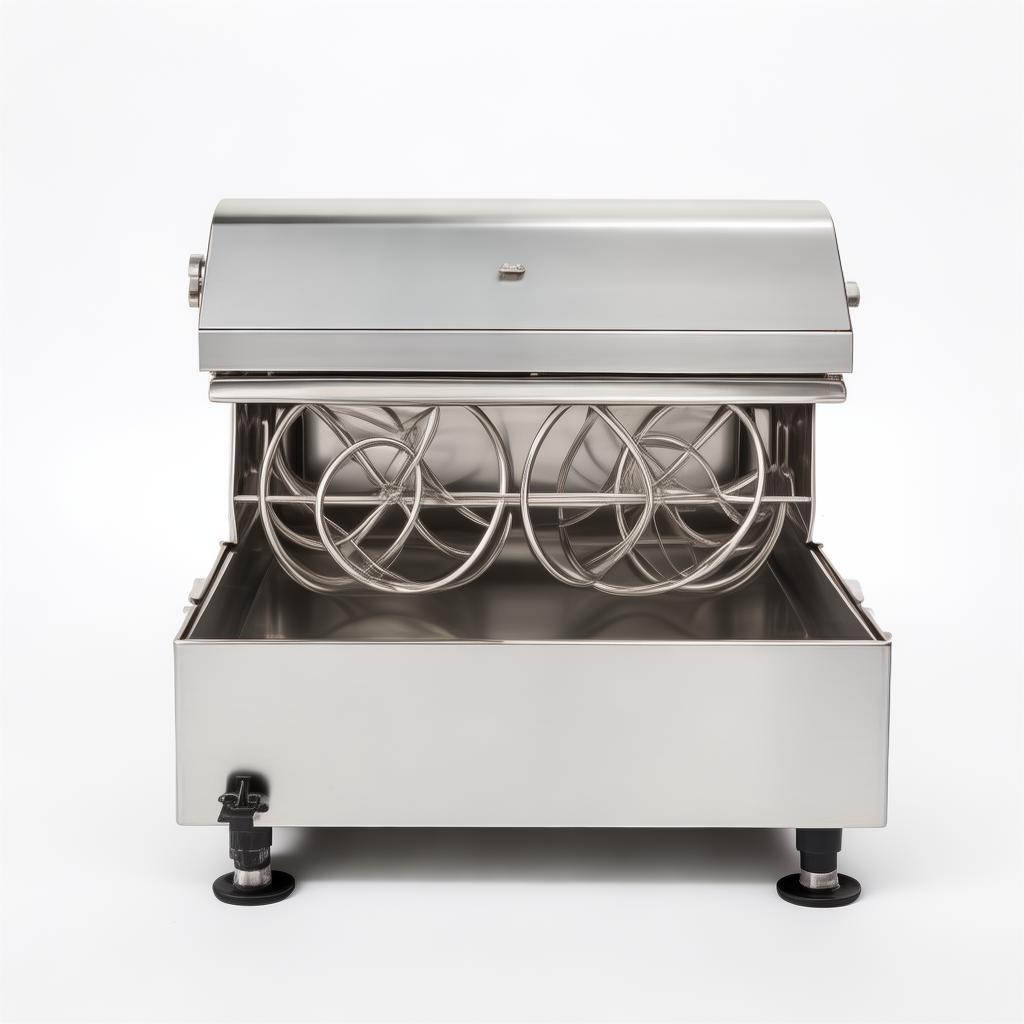
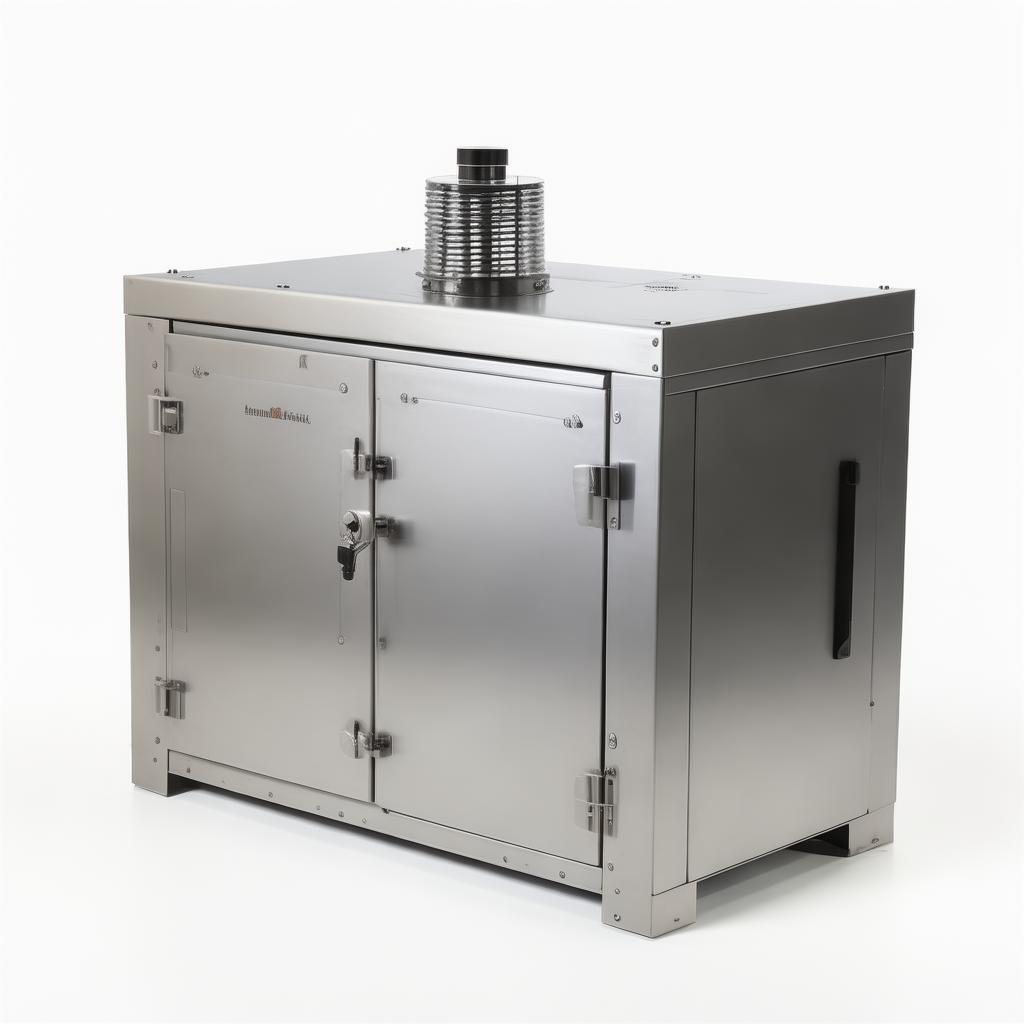
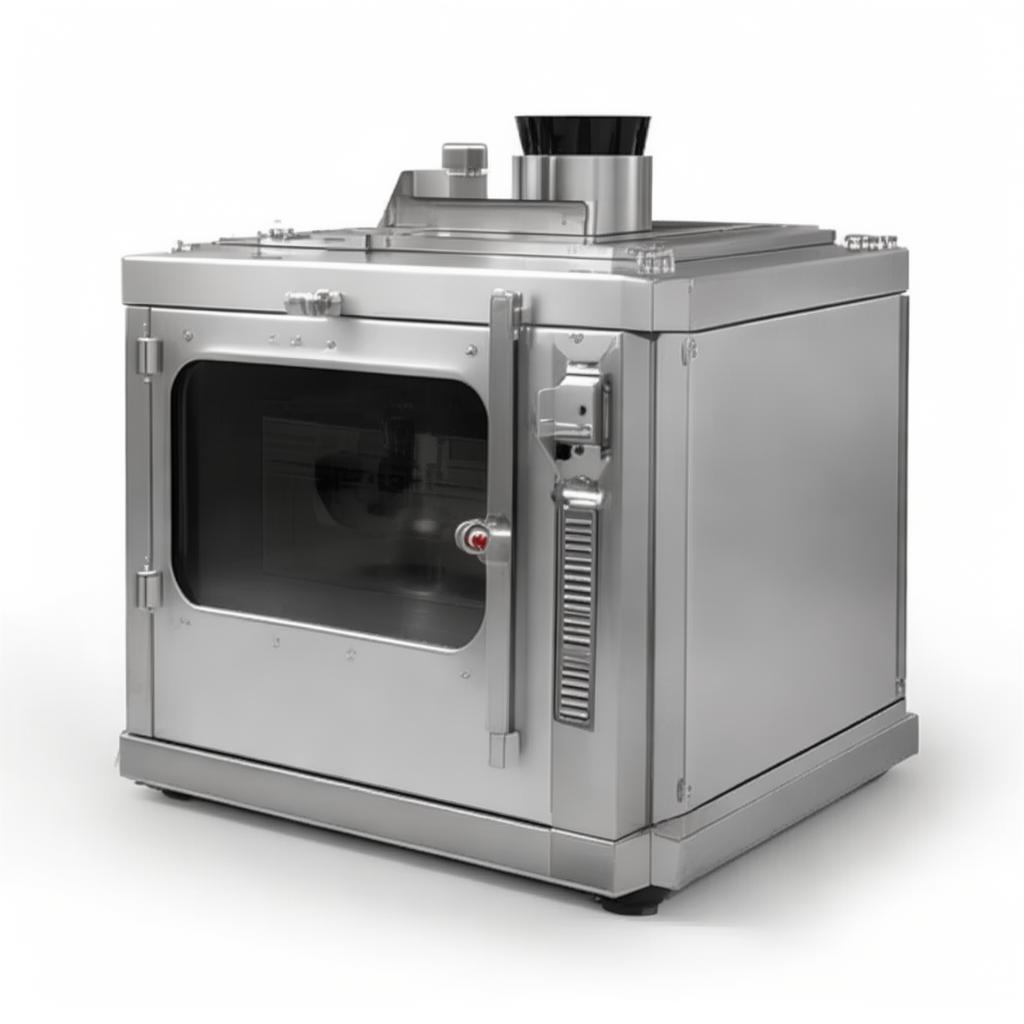

Mastering Meat Mincing for Keema: Precision Equipment for Global Markets
By [Your Name/Expert Title, e.g., David Chen, Senior Export Manager] | Published: October 26, 2023
The Unseen Backbone of Quality Keema: Why Your Mincer Choice Matters
In the demanding world of food processing and export, the quality of your raw ingredients and the efficiency of your processing machinery are paramount. For businesses specializing in meat products, particularly those aiming for consistent, high-quality keema (minced meat), the meat mincer is not just a piece of equipment; it's a critical component that directly impacts texture, safety, and ultimately, profitability. We’ve seen firsthand how a seemingly minor choice in mincing technology can ripple through an entire production line, affecting everything from raw material utilization to the final appeal on a global market.
The global meat processing equipment market is a dynamic sector, projected to reach substantial figures – reports suggest valuations between USD 11.28 billion in 2024 and upwards of USD 19 billion by 2033, with a consistent Compound Annual Growth Rate (CAGR) hovering around 5-7% across various analyses. This isn't just about volume; it’s about the increasing demand for processed meats, the drive for automation to meet hygiene standards and combat labor shortages, and the expansion of sophisticated processing capabilities, particularly in regions like Asia-Pacific. Within this, the humble meat mincer, or keema machine, plays an indispensable role. It’s the first step in transforming bulk meat into versatile ingredients ready for a myriad of culinary applications.
When sourcing a meat mincer, especially for international B2B trade, the decision-making process extends far beyond just horsepower or hopper size. It involves a deep understanding of material handling, blade metallurgy, hygiene protocols, and crucially, the operational requirements of your specific market. Are you processing beef, lamb, poultry, or a blend? What is the desired particle size and texture for your keema applications – coarse for a rustic feel, or fine for delicate preparations? These are the operational nuances that dictate the suitability of one machine over another. A poorly chosen mincer can lead to inconsistent particle size, increased fat rendering during grinding (leading to a greasy product), potential for bacterial contamination if not easily cleaned, and even mechanical strain on the equipment itself.
Consider the procurement workflow for a typical buyer in the food industry. They're not just looking for a product; they're seeking a reliable supplier who understands their challenges. This involves evaluating the supplier's manufacturing capabilities, their adherence to international standards (like CE or FDA compliance for food-grade materials), their capacity for OEM/ODM customization, and their logistical expertise for cross-border shipments. The "Fit For Now" initiative (referencing future readiness, typically around 2026 and beyond) emphasizes sustainable, efficient, and adaptable solutions. This means a meat mincer shouldn't just perform today; it needs to integrate seamlessly into evolving production lines and meet future regulatory demands.
This page is designed to cut through the noise and provide a clear, technically informed overview of selecting the right meat mincer for your keema production needs. We’ll delve into the critical technical specifications, explore the operational advantages of different configurations, and highlight what to look for when partnering with a manufacturer. Our aim is to equip you, the procurement manager, operations director, or technical engineer, with the knowledge to make a commercially sound and operationally robust decision. We'll address common industry pain points, such as the struggle to achieve consistent grind quality, the challenges of maintaining hygienic standards in high-volume operations, and the importance of equipment longevity and ease of maintenance.
As a company with over 40 years of experience since 1986, Hebei Yuanchang Food Mechanism & Technology Co., Ltd. has witnessed and contributed to the evolution of meat processing technology. Our integration of R&D, production, and sales, coupled with an in-house machining workshop boasting advanced CNC capabilities from Japan, allows us to produce high-precision components and customized solutions. We understand that a meat mincer is an investment, and we are committed to providing machinery that offers both immediate operational benefits and long-term value, aligning with the robust growth forecasted in the meat processing equipment market, which continues to be driven by factors like the processed meat market's expansion (projected to exceed USD 1.2 trillion by 2034) and the increasing demand for reconstituted and formed meat products.
Let’s explore how the right meat mincer, built with expertise and manufactured with precision, can elevate your keema production from a standard operation to a benchmark of quality in the international market. We'll cover the core functionalities, the advantages of robust construction, and the peace of mind that comes from partnering with a manufacturer deeply rooted in industrial experience.
"The efficiency gains from upgrading our primary mincing line were immediate. Consistent particle size meant less waste and a much more uniform final product for our export contracts." - Operations Manager, International Meat Packer
Navigating the Technical Landscape: Key Features of a Superior Meat Mincer
Choosing a meat mincer involves more than just looking at a product photo. It requires a deep dive into its construction, material science, and mechanical design. For keema production, the ability to handle various meat types efficiently and hygienically is non-negotiable. Understanding these technical aspects is crucial for procurement professionals who need to justify investments based on performance, durability, and ROI.
Material Science: The Foundation of Durability and Hygiene
The primary materials used in the construction of your meat mincer are critical. For food-grade applications, stainless steel is the industry standard. We primarily use high-grade SUS304 or SUS316 stainless steel for all food-contact surfaces. This material offers superior corrosion resistance, is non-reactive with food acids, and most importantly, is exceptionally easy to clean and sanitize. This is vital for preventing cross-contamination and adhering to stringent food safety regulations, which are increasingly important as the global processed meat market continues its upward trajectory, expected to reach USD 1.3 trillion by 2035.
- Housing & Body: Robust stainless steel construction ensures longevity and resistance to physical impact.
- Grinding Worm & Plates: Precision-machined stainless steel or hardened steel alloys for durability and sharpness. We offer various plate hole sizes (e.g., 3mm, 4.5mm, 6mm, 8mm, 10mm) to achieve the desired keema texture.
- Cutting Knives: High-carbon stainless steel blades, hardened for extended sharpness and efficient meat cutting.
Mechanical Design: Power, Precision, and Efficiency
The heart of any meat mincer lies in its motor and transmission system. For industrial applications, direct-drive or heavy-duty belt-driven systems are preferred for their reliability and power transfer. Our machines feature robust electric motors designed for continuous operation, often with overload protection to safeguard against jamming. The gearbox, if present, is typically a hardened steel worm gear mechanism for smooth, high-torque operation.
Key mechanical considerations include:
- Motor Power: Measured in horsepower (HP) or kilowatts (kW), this dictates the machine's capacity and ability to process tougher cuts or larger volumes efficiently. Common industrial units range from 2 HP (approx. 1.5 kW) to 10 HP (approx. 7.5 kW) and beyond.
- Gearbox/Transmission: Ensures consistent torque delivery and reduces motor strain.
- Feed Mechanism: Whether manual or semi-automatic, the worm screw design is critical for drawing meat smoothly into the grinding chamber without excessive heat buildup.
- Ventilation: Adequate motor cooling is essential for preventing overheating during extended production runs.
Hygiene and Ease of Cleaning: A Non-Negotiable Requirement
Compliance with food safety standards is paramount. The best meat mincers are designed with sanitation in mind. This means minimal crevices where food particles can lodge, easily removable grinding components, and smooth, polished surfaces.
- Removable Grinding Head: Allows for thorough washing and sterilization.
- Hygienic Seals: Prevent leaks and ingress of contaminants.
- Polished Surfaces: Reduce adhesion of meat residue.
- IP Rating: For electrical components, an appropriate Ingress Protection (IP) rating ensures resistance to dust and water.
Our advanced machining capabilities, including Japanese Mazak CNC centers, allow us to produce grinding worms and plates with exceptional precision. This attention to detail ensures a clean cut, minimizes friction heat (crucial for retaining meat quality and preventing spoilage), and extends the life of the cutting assembly. For instance, a consistently sharp blade and perfectly fitted plate dramatically reduce strain on the motor and gearbox, contributing to overall equipment longevity.
A critical operational consideration is the throughput capacity. This is typically measured in kilograms per hour (kg/hr) or pounds per hour (lbs/hr). It’s a figure that should be realistic and achievable under normal operating conditions, not just a theoretical maximum. Factors like meat temperature, cut size, and operator skill significantly influence actual throughput. For international buyers, understanding this metric allows for accurate capacity planning and helps avoid costly under- or over-specification. The market trend towards automation in meat processing, driven by a need for efficiency and compliance, further emphasizes the importance of reliable, high-capacity mincing solutions.
Advantages That Drive Your Keema Production Forward
Investing in a high-quality meat mincer isn't just about acquiring a piece of hardware; it's about unlocking tangible operational and commercial benefits. For businesses focused on keema, these advantages translate directly into product quality, market competitiveness, and profit margins.
Unparalleled Product Consistency
Achieve uniform particle size and texture batch after batch. This consistency is vital for consumer acceptance and brand reputation, especially for products like keema where texture plays a significant role in culinary appeal. Reliable mincing ensures your product meets exact specifications every time.
Enhanced Food Safety & Hygiene
With food-grade stainless steel construction and hygienic design, our mincers minimize bacterial harborage points. Easy disassembly and cleaning are paramount for meeting international food safety standards, reducing the risk of recalls and safeguarding your brand. This aligns with the increasing emphasis on stringent food safety regulations globally.
Increased Operational Efficiency
High throughput capacities and robust motors mean you can process larger volumes of meat in less time. Reduced downtime due to jamming or mechanical failure, coupled with faster cleaning cycles, directly boosts your production line's overall efficiency and output.
Extended Equipment Lifespan
Precision engineering, quality materials, and overload protection ensure our meat mincers are built to last. This reduces the total cost of ownership by minimizing repair costs and the frequency of replacement, a key consideration for ROI-focused procurement decisions.
Beyond these core benefits, consider the flexibility. A well-designed keema machine can often handle different meat types and fat percentages with adjustments to grind plates and knives. This adaptability is invaluable in a fluctuating market. Furthermore, our commitment to traceable after-sales management means that even critical components are manufactured in-house, ensuring you receive timely support and replacement parts, reducing lead times and keeping your operations running smoothly. This level of backward integration is a significant advantage for international clients prioritizing supply chain reliability.
The integration of advanced machinery like our meat mincers is central to achieving the productivity gains sought in the broader food processing industry. With market forecasts indicating continued growth in processed and convenience meats, the demand for efficient, reliable preprocessing equipment like high-quality mincers is set to rise.
Technical Specifications: The Devil is in the Details
To make an informed purchase, understanding the specific technical capabilities of a meat mincer is essential. Below is a representative table outlining key specifications. Actual configurations can vary based on model and custom requirements.
| Feature | Specification | Notes |
|---|---|---|
| Model Name | YC-XM32 (Example) | Customizable |
| Power Supply | 220V/380V, 50/60Hz, 3-Phase | Standard international voltages available |
| Motor Power | 5.5 kW (7.5 HP) | Adjustable based on capacity needs |
| Hopper Capacity | Approx. 30-50 kg | Variable by design |
| Throughput Capacity | 300-500 kg/hr | Dependent on meat type and plate size |
| Grinding Plate Diameter | 98 mm (Standard) | Interchangeable plates available |
| Material of Construction | Food-Grade SUS304 Stainless Steel | All food-contact parts |
| Knife & Plate Material | Hardened Stainless Steel | Durable and sharp |
| Dimensions (L x W x H) | Approx. 800 x 500 x 900 mm | Subject to model |
| Weight | Approx. 150 kg | Machine weight |
| Certifications | CE, ISO9001 (Available upon request) | Essential for import markets |
commercial meat mincer machine industrial meat mincer machine mince meat making machine
When evaluating specifications, always consider your specific operational context. For example, if you process a lot of frozen meat, you might need a more powerful motor and a robust cutting system capable of handling slightly harder material. Our engineering team can assist in tailoring these specifications to your exact needs, whether it's a standard configuration or a unique OEM requirement.
Application Scenarios: Beyond Simple Mincing
A high-quality meat mincer is a versatile tool in any food processing facility, especially for businesses focused on keema and related products. Its applications extend beyond just producing minced meat for traditional dishes.
Keema Production
The primary application. Achieving the right grind consistency for keema, whether for samosas, curries, or other delicacies, is a hallmark of a quality mincer. Different plates allow for coarse or fine grinds to meet diverse culinary needs.
Sausage & Burger Manufacturing
Prepare uniformly minced meat mixtures essential for the production of sausages, patties, and burgers, ensuring consistent texture and binding properties.
Pet Food Processing
High-volume mincing is critical for raw pet food formulations, breaking down meat, bone, and organ combinations into digestible portions. Our machines can be adapted for pet food processing lines.
Value-Added Meat Products
Create a base for processed meats, meat pastes, and fillings for various food products. The consistent grind ensures better emulsification and product homogeneity.
The "reconstituted meat market," which relies heavily on effective grinding and molding, is a rapidly growing segment, projected for significant expansion. A robust mincer is the first step in this value chain. Our expertise spans both standard meat processing and specialized areas like pet food equipment, demonstrating our broad understanding of the industry's evolving needs.
Installation, Operation, and Maintenance: Practical Insights
Getting the most out of your meat mincer involves more than just pressing the 'on' button. Practical considerations for installation, daily operation, and routine maintenance are key to maximizing performance, ensuring safety, and prolonging the equipment's lifespan.
Installation Considerations
- Stable Foundation: The machine should be placed on a level, stable surface to prevent vibration and movement during operation.
- Electrical Connection: Ensure the power supply matches the machine's requirements (voltage, phase, frequency). Use a qualified electrician for connection to prevent safety hazards.
- Ventilation: Allow adequate space around the machine, especially near the motor, for proper air circulation.
- Ergonomics: Position the machine for easy loading of meat and efficient collection of minced product.
Operational Best Practices
- Pre-chilled Meat: For best results and to minimize heat buildup, use chilled or partially frozen meat. This also prevents fat smearing and produces a cleaner grind.
- Gradual Loading: Avoid overloading the hopper. Feed meat in batches to allow the worm to process it efficiently.
- Appropriate Plates: Select the correct grinding plate size for your desired keema texture.
- Continuous Operation: While designed for it, monitor motor temperature during very long runs. Some models may have thermal cut-offs.
- Avoid Foreign Objects: Never allow bones, metal, or other hard objects to enter the grinding chamber.
Maintenance & Cleaning Protocol
Thorough cleaning after each use is non-negotiable for hygiene and equipment longevity.
- Disassembly: Safely disassemble the grinding head components (worm, plate, knife, ring).
- Washing: Wash all food-contact parts with warm water and mild detergent. Use a stiff brush to clean the grinding plates. Avoid abrasive cleaners that can damage stainless steel surfaces.
- Sanitization: A food-grade sanitizer can be used after washing.
- Drying: Thoroughly dry all components before reassembly to prevent rust and bacterial growth.
- Lubrication: Lightly oil the worm screw threads and knife edge with food-grade lubricant after drying, if recommended by the manufacturer.
- Exterior: Wipe down the machine exterior with a damp cloth.
- Periodic Checks: Regularly inspect the power cord, motor ventilation, and check for any loose parts.
Our commitment extends to providing clear operational manuals and responsive after-sales support. This includes access to technical documentation and advice from our experienced team, ensuring you can troubleshoot common issues and perform routine maintenance effectively. The ability to supply high-precision parts independently, thanks to our advanced machining workshop, further underpins our promise of worry-free after-sales service.
Logistics & International Shipping: Your Global Supply Chain Partner
For international buyers, the logistics of procuring industrial machinery are as critical as the equipment itself. Hebei Yuanchang Food Mechanism & Technology Co., Ltd. has extensive experience navigating global trade complexities to ensure your meat mincer reaches your facility efficiently and cost-effectively.
Packaging for Protection
All our machines undergo robust packaging to withstand the rigors of international transit. This typically involves:
- Protective wrapping to prevent scratches and water damage.
- Sturdy wooden crates or pallets for secure transport.
- Internal bracing to prevent movement during shipping.
Shipping Options & Documentation
We work with reliable freight forwarders to offer various shipping solutions:
- Sea Freight: The most economical option for bulk shipments. We can provide container loading plans to maximize space utilization (e.g., 20ft or 40ft containers).
- Air Freight: For urgent orders, though more expensive.
- Documentation: We provide all necessary export documentation, including commercial invoices, packing lists, bills of lading, and certificates of origin. Compliance with your country’s import regulations is our priority.
Our team is adept at handling customs clearance procedures and can provide guidance on import duties and taxes specific to your region. We aim to make the entire process, from order placement to delivery at your port of entry, as seamless as possible.
Lead times can vary depending on manufacturing schedules and shipping routes, but we are committed to transparent communication regarding estimated delivery timelines. For buyers concerned about global supply chain disruptions, partnering with an experienced exporter like us can mitigate many risks.
Procurement Guidance: What to Look For in a Supplier
Selecting the right supplier for your meat mincer is as important as choosing the machine itself. A good partnership ensures product quality, reliable support, and a smooth procurement process.
Experience and Longevity
Look for manufacturers with a proven track record. A company like Hebei Yuanchang, with 40 years of experience since 1986, brings deep institutional knowledge and a history of product refinement. This experience is invaluable in understanding the subtle technical demands of meat processing.
Manufacturing Capabilities
Does the supplier have in-house manufacturing for critical components? This control over production, especially for precision parts like grinding worms and plates, ensures higher quality and better consistency. Our investment in CNC machining centers exemplifies this commitment to in-house excellence.
Certifications and Compliance
Verify that the manufacturer adheres to international quality standards (e.g., ISO 9001) and that their equipment meets safety certifications relevant to your market (e.g., CE for Europe, FDA compliance for materials). This is a clear indicator of commitment to quality and safety.
OEM/ODM Capabilities
If you have specific design requirements or need private labeling, confirm the supplier's ability to offer Original Equipment Manufacturer (OEM) or Original Design Manufacturer (ODM) services. This demonstrates flexibility and a willingness to adapt to your unique business needs.
As you assess potential partners, consider their communication responsiveness and transparency. A supplier who readily provides detailed information, answers technical questions thoroughly, and offers clear documentation is more likely to be a reliable long-term partner.
Why Hebei Yuanchang? Our Commitment to Excellence
For over four decades, Hebei Yuanchang Food Mechanism & Technology Co., Ltd. has been at the forefront of meat processing equipment innovation. Our dedication to integrating Research & Development, robust production, and comprehensive sales services sets us apart. We don't just build machines; we engineer solutions that empower your business.
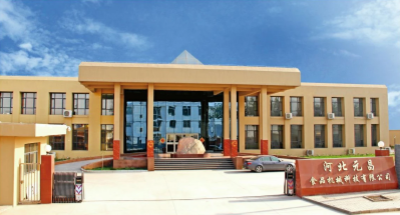
- 40 Years of Expertise: Since 1986, we have cultivated unparalleled practical knowledge in meat processing lines.
- Advanced Manufacturing: Our facility, spanning 14,000 sqm, houses over 20 advanced processing machines, including 8 Japanese Mazak CNC machining centers (since 2012), enabling high-precision component production.
- Independent Parts Production: We control the manufacturing of critical high-precision parts, ensuring quality and seamless after-sales service.
- Integrated Solutions: Our product lines cover pretreatment, filling, molding, and ripening processes, offering holistic solutions for your needs.
- Global Reach: We are experienced exporters, equipped to manage international logistics and documentation.
We understand that investing in industrial equipment is a significant decision. That's why we focus on delivering machines that offer superior performance, exceptional durability, and excellent value for money. Our experienced team is ready to discuss your specific requirements and recommend the ideal meat mincer for your keema production.
What Our Global Partners Say
Real feedback from businesses like yours, who rely on our machinery to achieve their production goals.

Maria Rodriguez
Procurement Manager, Latin America"We needed a reliable supplier for mincers for our expanding keema product line targeting the US market. Yuanchang's understanding of export requirements and their machine's robust build quality have been excellent. The consistency in grind size is remarkable, significantly improving our product's shelf appeal. Their after-sales support has also been prompt and effective."

Ahmed Khan
Operations Director, Middle East"After facing issues with inconsistent performance from our previous supplier, we switched to Hebei Yuanchang. The YC-XM32 model has exceeded expectations. It handles our lamb and beef requirements efficiently, and the hygiene standards are superb, which is critical for our export certifications. The lead time for delivery was also within the promised window."

Kenji Tanaka
Factory Manager, Asia"We required a specific configuration for our mincing line to produce a specialized keema product. Hebei Yuanchang's OEM capabilities were a perfect fit. They worked closely with our technical team to deliver a customized solution that integrated flawlessly. The build quality and performance are top-tier, comparable to higher-priced European machinery."
Ready to Elevate Your Keema Production?
Discover how our precision-engineered meat mincers can transform your operations. Partner with Hebei Yuanchang for quality, reliability, and global expertise.
 Call Us: +86 15830991513
 Email Us: ycmeatmech@gmail.com
You can also visit our contact page for more details.
Frequently Asked Questions (FAQ)
Q1: What is the typical lead time for a standard meat mincer order?
A standard order typically ships within 30-45 days from confirmed payment, depending on current production schedules. For customized OEM/ODM orders, lead times may vary. We will provide a precise estimate upon order confirmation.
Q2: Can these machines be used for processing frozen meat?
While our mincers are robust, processing very hard frozen meat can strain the motor and cutting assembly. For best results and longevity, we recommend using chilled or semi-frozen meat. If your primary application involves processing hard frozen blocks, please consult with our technical team about specialized configurations.
Q3: What kind of after-sales support do you offer for international clients?
We provide comprehensive after-sales support, including access to our technical team for troubleshooting, operational guidance, and spare parts. Our in-house production of critical components ensures we can supply replacements efficiently. We also offer detailed user manuals and maintenance guides.
Q4: Are your machines compliant with US food safety standards?
Yes, our machines are constructed using food-grade stainless steel (SUS304/SUS316) that meets international standards. We can provide documentation and ensure compliance with specific requirements for the US market, including CE certification where applicable.
Q5: Can I get a custom-sized grinding plate or a specific hole pattern?
Absolutely. We offer a range of standard grinding plates and can manufacture custom plates with specific diameters and hole patterns to achieve your exact desired keema texture. Our OEM/ODM services are designed to meet unique operational needs.