Meat Lug Carts
Meat Lug Carts: The Unsung Heroes of Your Processing Line
Optimizing Efficiency, Hygiene, and Product Integrity from Slaughter to Shelf

Written by: Alex Chen, Senior Export Manager, Hebei Yuanchang Food Mechanism & Technology Co., Ltd.
The Backbone of Meat Handling: Why Reliable Meat Lug Carts Matter
In the demanding environment of meat processing, from the initial slaughter and cutting stages through to final packaging and distribution, every piece of equipment plays a critical role. While complex machinery like tumblers, stuffers, and grinders often capture the spotlight, the humble meat lug cart is an indispensable component of operational success. These robust containers are the workhorses that transport raw materials, intermediate products, and finished goods throughout the facility. Their design, material, and durability directly impact processing efficiency, product quality, food safety, and ultimately, your bottom line. For purchasing and operations managers across the USA and English-speaking markets, understanding the nuances of selecting and utilizing the right meat lug carts isn't just about logistics; it's about safeguarding your entire production chain.
The global meat processing equipment market itself is a testament to the industry's scale and sophistication. Reports consistently project significant growth, with valuations reaching well over USD 11 billion in 2024 and expected to climb toward USD 30 billion by 2035, showcasing a CAGR typically between 4.8% and 8.1% depending on the source (e.g., Fortune Business Insights, Global Market Insights). This expansion is fueled by a rising global demand for processed meats, an increasing adoption of automation for efficiency and hygiene, and stringent food safety regulations worldwide. Within this dynamic landscape, the role of auxiliary items like meat lug carts becomes even more pronounced. They are not merely storage bins; they are integral to maintaining the integrity of the meat, preventing contamination, and ensuring smooth workflow transitions. A poorly designed or constructed cart can lead to product spoilage, cross-contamination risks, increased labor for handling, and potential damage to downstream equipment. Conversely, high-quality, food-grade lug carts contribute to a cleaner, more organized, and more productive processing environment.
At Hebei Yuanchang Food Mechanism & Technology Co., Ltd., we've spent over four decades, since 1986, mastering the intricacies of meat processing. Our experience isn't just in large-scale machinery; it's in the practical, day-to-day realities of running a food production facility. We understand that even the simplest components, when properly engineered and manufactured, can yield substantial operational benefits. Meat lug carts, often overlooked, are a prime example. They are exposed to harsh cleaning chemicals, extreme temperature fluctuations, and constant physical stress. Choosing a cart made from appropriate, food-safe materials like high-density polyethylene (HDPE) or stainless steel, designed for easy sanitation and robust handling, is a critical decision. This isn't just about a purchase; it's an investment in operational hygiene, product preservation, and workforce safety. Consider the common pain points: difficulty in cleaning, susceptibility to cracking or warping, heavy weight that strains workers, and inadequate stacking that wastes valuable floor space. These are the challenges our expertly manufactured meat lug carts are designed to overcome.
This page delves into the essential aspects of meat lug carts, exploring their critical functions, the materials science behind their construction, and how selecting the right ones can significantly elevate your processing operations. We'll cover everything from initial design considerations to logistical challenges in international trade, providing insights grounded in our extensive experience and the latest industry understanding. Whether you're looking to upgrade your existing fleet, source new equipment for a facility expansion, or simply understand the best practices in meat handling, you'll find actionable information here. The processed meat market, projected to exceed USD 1.3 trillion by 2035, demands an unwavering commitment to quality and efficiency at every step (Precedence Research). Reliable meat lug carts are a foundational element in meeting these demands.
We aim to equip you with the knowledge to make informed decisions, focusing on practical benefits like reduced product loss, streamlined sanitation protocols, and improved worker ergonomics. Our goal is to present a clear picture of how these crucial pieces of equipment contribute to overall operational excellence. Let's explore how the right meat lug carts can become your silent partners in achieving higher standards of production and profitability.
Table of Contents
- Industry Pain Points & Challenges
- Key Advantages of Our Meat Lug Carts
- Technical Specifications & Material Science
- Versatile Applications in Meat Processing
- Installation, Handling & Maintenance Insights
- International Logistics & Export Considerations
- Procurement Guide for Buyers
- Our Manufacturing Strength & OEM/ODM
- Compliance & Certifications
- What Our Clients Say
- Frequently Asked Questions
- Get in Touch
Navigating the Challenges: Common Issues in Meat Handling Carts
Processing plant managers know the daily grind. You’re constantly balancing throughput with quality, hygiene, and worker safety. The seemingly simple act of moving meat around your facility can be fraught with operational headaches if your equipment isn't up to par. We've seen it across countless operations, and it's why we pay such close attention to the details on even our most fundamental products.
- Hygiene & Sanitation: Traditional carts with porous surfaces or hard-to-reach crevices become breeding grounds for bacteria. Inadequate cleaning cycles lead to downtime and potential contamination, a risk that is simply not acceptable in today's food industry.
- Durability & Lifecycle: Carts are often dropped, scraped, and exposed to aggressive cleaning agents. Cheaper alternatives can crack, warp, or break, leading to costly replacements, product spills, and safety hazards from sharp edges.
- Ergonomics & Worker Strain: Heavy, unwieldy carts that don't stack well or have awkward lifting points put immense strain on your workforce. This leads to fatigue, potential injuries, and reduced productivity.
- Product Integrity: Carts that leach chemicals, have sharp edges, or don't offer proper ventilation can compromise the quality and safety of the meat, especially for sensitive products.
- Space Optimization: Poorly designed carts take up excessive storage and processing space. Inefficient stacking or footprint can significantly hamper workflow and inventory management.
- Traceability Concerns: For facilities implementing strict traceability protocols, unmarked or poorly identified carts can become a bottleneck in tracking product batches.
The financial implications are significant. Beyond the direct cost of replacing broken carts, consider the impact of production delays due to sanitation issues, the cost of product loss from spoilage or contamination, and the expenses related to workplace injuries. Investing in the right equipment from the outset is a proactive strategy to mitigate these risks. As the meat processing equipment market continues to expand, driven by demand for automation and efficiency (SkyQuest Technology), the importance of foundational equipment like lug carts is often underestimated but is crucial for overall operational success.
Engineered for Performance: The Yuanchang Advantage
We don't just build lug carts; we engineer solutions. Our focus is on delivering equipment that enhances your operations, not just fills a space. Leveraging decades of hands-on experience in food mechanism design, we've refined our meat lug cart offerings to address the critical needs of modern processing plants.
Superior Hygiene Design
Constructed from seamless, non-porous, food-grade materials (like high-density polyethylene - HDPE), our carts resist bacterial growth and are exceptionally easy to clean. Smooth interior surfaces and rounded corners minimize product adhesion and allow for thorough sanitation, meeting stringent FDA and USDA requirements.
Exceptional Durability
Made with high-impact, virgin HDPE or robust stainless steel, our carts are built to withstand the rigors of daily use, including impact, abrasion, and exposure to cleaning chemicals and temperature extremes. They offer a longer service life, reducing replacement costs.
Ergonomic & User-Friendly
Thoughtfully designed with integrated handles, balanced weight distribution, and options for robust casters, our carts minimize worker strain. They stack efficiently and securely, optimizing space and simplifying material handling.
Product Protection
The inert, food-safe materials ensure no chemical leaching into your product. Designs can incorporate features like drain plugs or reinforced bases to maintain product integrity and prevent moisture buildup.
Customization Options
We understand that one size doesn't fit all. We offer various capacities, dimensions, colors (for batch coding), lid options, and even custom branding to perfectly match your specific process and branding requirements.
Cost-Effectiveness Over Lifecycle
While an initial investment, the superior durability, reduced maintenance, and minimized product loss associated with our carts translate into significant long-term cost savings compared to lower-quality alternatives.
Material Science & Design Details
The performance of a meat lug cart hinges on its construction. We meticulously select materials and engineer designs to meet the demands of a high-volume, hygiene-critical environment. Our commitment to quality starts with the raw materials.
Primary Material Options:
- High-Density Polyethylene (HDPE):
- Benefits: Excellent impact resistance, chemical resistance, food-grade compliance (FDA/USDA approved grades available), lightweight, cost-effective, available in various colors for easy identification and segregation of product types. Ideal for general-purpose meat handling, chilling, and transport.
- Key Properties: Non-porous surface, low temperature performance, smooth finish for easy cleaning.
- Stainless Steel (e.g., 304 Grade):
- Benefits: Unmatched durability, extreme temperature tolerance, superior chemical resistance, easy to sanitize thoroughly, long lifespan, resistant to corrosion and odors. Preferred for raw meat handling, freezing applications, and environments requiring the highest level of hygiene and structural integrity.
- Key Properties: Robust construction, thermal conductivity (helps with cooling), non-leaching.
Standard Specifications (Illustrative - Customization Available):
| Feature | HDPE Carts | Stainless Steel Carts |
|---|---|---|
| Capacity Options | e.g., 50 L, 100 L, 150 L, 200 L | e.g., 50 L, 100 L, 150 L, 200 L |
| Dimensions (L x W x H) | Various standard and custom sizes | Various standard and custom sizes |
| Wall Thickness | Reinforced for heavy loads | Heavy gauge steel |
| Stackability | Designed for secure, stable stacking | Robust stacking features |
| Drainage Features | Optional drain plugs or perforated designs | Optional drain plugs |
| Mobility | Optional heavy-duty casters (swivel, fixed, brake options) | Optional heavy-duty casters |
| Lid Options | Available loose or hinged lids | Available loose or hinged lids |
| Temperature Range | -40°C to +80°C (approx.) | -60°C to +200°C (approx.) |
meat trolley hooks commercial meat buggy meat trolley systems
*Note: Specific tolerances and material grades can be customized to meet client requirements. We adhere to all relevant food safety standards, ensuring our materials are inert and suitable for direct food contact.
Beyond the Basics: Versatile Roles in the Processing Chain
While we refer to them as "meat lug carts," their utility extends across various stages and types of meat and poultry processing. Their robust design makes them adaptable to diverse operational needs.
Typical Applications Include:
- Slaughterhouse Operations: Transporting carcasses or large primal cuts from the kill floor to chilling or initial processing areas.
- Cutting & Deboning: Holding and moving deboned meat portions, trim, or offal to different workstations or further processing.
- Marinating & Tumbling: Used as vessels for marination processes or for holding product before and after tumbling/massaging for ripening.
- Sausage & Processed Meat Production: Transporting ground meat blends, cured meats, or formed products to filling, molding, or cooking stages.
- Freezing & Chilling: Suitable for direct use in blast chillers or freezers, holding products at critical temperature stages.
- Wash-Down & Sanitation: Easy-to-clean design makes them ideal for holding cleaned product or for transport to wash-down areas.
- Ingredient Transport: Moving bulk ingredients like spices, casings, or pre-mixes within the processing environment.
- Finished Goods Storage: Holding packaged products before distribution.
The increasing demand for processed and convenience meats, a trend noted in numerous market reports (Fortune Business Insights), directly correlates with the need for efficient and hygienic handling solutions like our meat lug carts. The growth in the reconstituted meat market, projected to reach USD 36.1 billion by 2035, further highlights the reliance on reliable molding and pretreatment equipment, for which lug carts are a crucial precursor (Future Market Insights).
Operational Realities: Installation, Handling & Maintenance
Implementing new equipment involves more than just placing it on the floor. For meat lug carts, understanding their operational lifecycle – from initial setup to daily care – is key to maximizing their lifespan and ensuring they contribute positively to your workflow.
Installation & Initial Use:
Our carts typically require minimal "installation." For HDPE models, this primarily involves unpacking and inspection. If casters are an option, they are usually pre-installed or easily bolted on. Stainless steel carts are generally delivered fully assembled. The critical step is the initial wash-down and sanitization before first use, as per standard food safety protocols.
Daily Handling Best Practices:
- Proper Loading: Distribute weight evenly within the cart to prevent tipping and strain on the structure. Avoid overfilling beyond the designated capacity.
- Safe Transport: When moving carts, especially those with casters, ensure pathways are clear. Be mindful of floor conditions to prevent sudden jolts that could damage the cart or its contents.
- Stacking Safely: Utilize the designed stacking features for stability. Ensure stacks are not excessively high and are placed on level surfaces to prevent toppling.
- Temperature Management: While our materials are chosen for temperature resistance, prolonged extreme heat or cold can eventually impact material integrity. Follow facility guidelines for chilling and freezing.
Sanitation & Maintenance:
Effective cleaning is paramount. Our HDPE and stainless steel carts are designed for ease of sanitation. Regular cleaning should involve:
- Routine Washing: High-pressure washing with food-grade detergents is recommended after each use or at the end of a shift.
- Chemical Compatibility: While highly resistant, it's good practice to use detergents and sanitizers recommended for HDPE or stainless steel to prolong surface life. Avoid abrasive cleaners that could scratch surfaces.
- Inspection: Periodically check for any signs of wear, such as cracks, deep gouges, or structural damage, especially on casters or reinforced areas. Address any damage promptly to prevent further issues or hygiene breaches.
A well-maintained fleet of lug carts not only ensures product safety but also minimizes operational disruptions. It's a small part of the overall maintenance schedule, but one that pays significant dividends in operational continuity.
Global Reach: International Logistics & Export Expertise
As a manufacturer with extensive export experience, Hebei Yuanchang understands the complexities of international shipping for industrial equipment. Delivering our high-quality meat lug carts to clients across the USA and other English-speaking regions involves careful planning and execution.
Shipping & Container Optimization:
We work diligently to maximize container space. Our carts are designed to stack securely, allowing for efficient palletization and loading. For bulk orders, we can optimize the configuration to fit standard 20-foot or 40-foot containers, reducing shipping costs per unit. We provide detailed packing lists and loading diagrams to ensure smooth transit.
Documentation & Compliance:
Navigating international trade requires precise documentation. We handle all necessary export paperwork, including commercial invoices, packing lists, bills of lading, and certificates of origin. Our products comply with international food safety standards (e.g., FDA, EU regulations), which is critical for entry into markets like the USA.
Lead Times & Reliability:
Understanding lead times is vital for your production planning. Our manufacturing process, supported by our in-house machining workshop equipped with advanced CNC capabilities, allows us to maintain consistent production schedules. We provide realistic estimated delivery timelines, factoring in production and transit, so you can plan your procurement effectively.
Strategic Procurement: Making the Smart Choice
Selecting the right supplier for critical equipment like meat lug carts is a significant decision for any procurement director or purchasing manager. It’s about more than just the unit price; it’s about total cost of ownership, reliability, and partnership.
Evaluating Suppliers: What to Look For:
- Experience & Specialization: Does the supplier have a proven track record in manufacturing food-grade processing equipment? Decades of experience, like ours since 1986, signify deep industry knowledge and product refinement.
- Material Quality: Confirm that materials used are virgin, food-grade certified (e.g., FDA, NSF) and suitable for your specific application (temperature, chemical exposure).
- Manufacturing Capabilities: Assess their production facilities. Advanced machinery like CNC centers (as we have with Japanese Mazak) indicates the ability to produce high-precision components and maintain consistent quality.
- Customization Flexibility: Can they adapt designs to meet your specific needs regarding size, features, or branding?
- After-Sales Support: What is their policy on warranty, spare parts, and technical assistance? A traceable management system for parts is a significant advantage.
- Logistical Prowess: Can they handle international shipping efficiently and provide all necessary export documentation reliably?
Understanding Total Cost of Ownership:
Don't be swayed solely by the lowest initial price. Consider:
- Lifespan: Higher quality materials and construction mean longer service life, reducing replacement frequency.
- Maintenance: Durable carts require less frequent repair.
- Product Loss: Well-designed, hygienic carts minimize spoilage and contamination.
- Labor Efficiency: Ergonomic designs reduce worker fatigue and injury risk.
Our Manufacturing Prowess: Built on Experience
At Hebei Yuanchang, our 40-year history (since 1986) is the foundation of our manufacturing excellence. We operate a comprehensive facility, integrating R&D, production, and sales to ensure end-to-end quality control and innovation for meat processing equipment, including our reliable meat lug carts.
Extensive Facility
Our ~14,000 sq meter facility houses dedicated R&D, production, and assembly lines, staffed by a skilled team of 80-100 professionals.
In-House Machining
Over 20 sets of advanced processing machinery, including lathes, milling machines, grinders, and wire cutters, ensure we can produce high-precision parts internally.
Precision Engineering
Equipped with 8 Japanese Mazak CNC machining centers since 2012, enabling production of high-standard, non-standard, and high-precision components for demanding applications.
Traceable Quality
Our traceable after-sales management system ensures accountability and allows us to independently produce high-precision parts for worry-free service.
OEM/ODM Expertise
We specialize in Original Equipment Manufacturer (OEM) and Original Design Manufacturer (ODM) services. If you need custom-designed meat lug carts or branded solutions, our engineering team can bring your specifications to life.
Our integrated approach means we control quality from raw material to finished product, ensuring that every meat lug cart that leaves our facility meets the highest standards of performance and durability.
Assurance of Quality: Certifications & Standards
We understand that in the food processing industry, compliance and certifications are non-negotiable. Our commitment to producing safe, high-quality equipment is backed by adherence to international standards.
Key Compliance Areas:
- Food Grade Materials: Our primary materials (HDPE, Stainless Steel) are sourced from certified suppliers and meet rigorous international food contact standards, such as those set by the FDA (U.S. Food and Drug Administration) and equivalent bodies globally.
- Manufacturing Practices: Our production processes are aligned with principles of good manufacturing practices (GMP) for equipment intended for food processing environments.
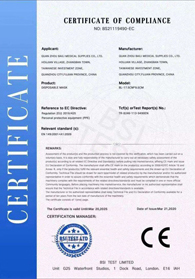
- CE Marking (if applicable): For products destined for the European market, we ensure compliance and can provide CE marking where required.
While specific certifications may vary based on the exact product model and region, our standard offerings for meat lug carts are designed with food safety and operational integrity as top priorities. We can provide documentation and material certifications upon request, ensuring transparency and peace of mind for your procurement team.



Voices from the Plant Floor: Client Testimonials
We believe the best endorsement comes from our satisfied clients. Hear directly from operations managers and procurement specialists who rely on Hebei Yuanchang's meat lug carts to enhance their daily operations.
"We switched to Yuanchang's HDPE carts last year, and the difference in hygiene is noticeable. They clean up so much easier than our old metal ones, and we haven't had any issues with cracking, even with daily washdowns. Great value for the quality."

Operations Manager, Texas Beef Processors
"The custom-sized stainless steel carts we ordered were precisely to spec. They’ve significantly improved our raw material handling throughput. The support from their export team was excellent, making the international transaction smooth."

Procurement Director, Pacific Meat Co.
"We needed carts that could withstand freezing temperatures and aggressive cleaning agents. Yuanchang delivered. Their material knowledge and manufacturing capability really shine through in the durability of their products. Less downtime, fewer replacements."

Plant Manager, Arctic Foods Ltd.
"The stackability of these carts is fantastic. We've reclaimed so much floor space in our staging area. Yuanchang provided clear specs and reliable delivery. Exactly what we needed to streamline our workflow."

Logistics Supervisor, Great Lakes Meats
Your Questions Answered: FAQ
We aim to provide clarity on any questions you might have regarding our meat lug carts and our manufacturing capabilities.
1. What is the typical lead time for an order of meat lug carts?
Lead times vary based on order volume and customization. For standard orders, production typically takes 3-5 weeks. Custom orders may require additional time for design and tooling. We will provide a precise estimate upon receiving your detailed requirements.
2. Are your HDPE carts safe for use in freezing temperatures?
Yes, our high-density polyethylene (HDPE) carts are formulated to maintain their impact resistance and structural integrity at low temperatures, typically down to -40°C (-40°F). Stainless steel carts are even more robust in extreme cold.
3. Can I get carts in specific colors for batch coding or product separation?
Absolutely. We offer HDPE carts in a range of standard colors. Custom colors are also available for larger orders. This is a common practice to segregate different types of meat (e.g., beef vs. pork) or to denote different production batches.
4. What are the advantages of stainless steel over HDPE for lug carts?
Stainless steel offers superior durability, extreme temperature resistance, and is often preferred in environments requiring the absolute highest standard of hygiene and longevity, particularly for raw product handling or very aggressive cleaning processes. HDPE is lighter, more cost-effective, and offers excellent chemical resistance for most applications.
5. Do you offer OEM/ODM services for custom lug cart designs?
Yes, we have extensive OEM/ODM capabilities. Our engineering team can work with your specifications to design and manufacture custom meat lug carts, including specific dimensions, features, and branding, tailored to your unique operational needs.
6. How do you ensure product quality during international shipping?
We meticulously pack our carts for export, utilizing secure stacking and protective measures to prevent damage during transit. We work with reliable logistics partners and ensure all documentation is accurate and complete to facilitate smooth customs clearance.
Ready to Optimize Your Meat Handling?
Discover how Hebei Yuanchang's high-quality meat lug carts can enhance your processing efficiency, hygiene, and product integrity. Let's discuss your specific needs.
Hebei Yuanchang Food Mechanism & Technology Co., Ltd. | Shijiazhuang, Hebei Province, China | Phone: +86 15830991513 | Email: ycmeatmech@gmail.com | Company Contact Page
Proudly serving the global meat processing industry since 1986.
Customer Service Insights
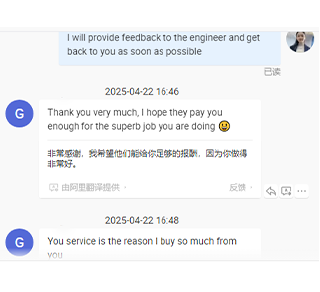


Our team is ready to assist you with product inquiries, custom orders, and logistical support.