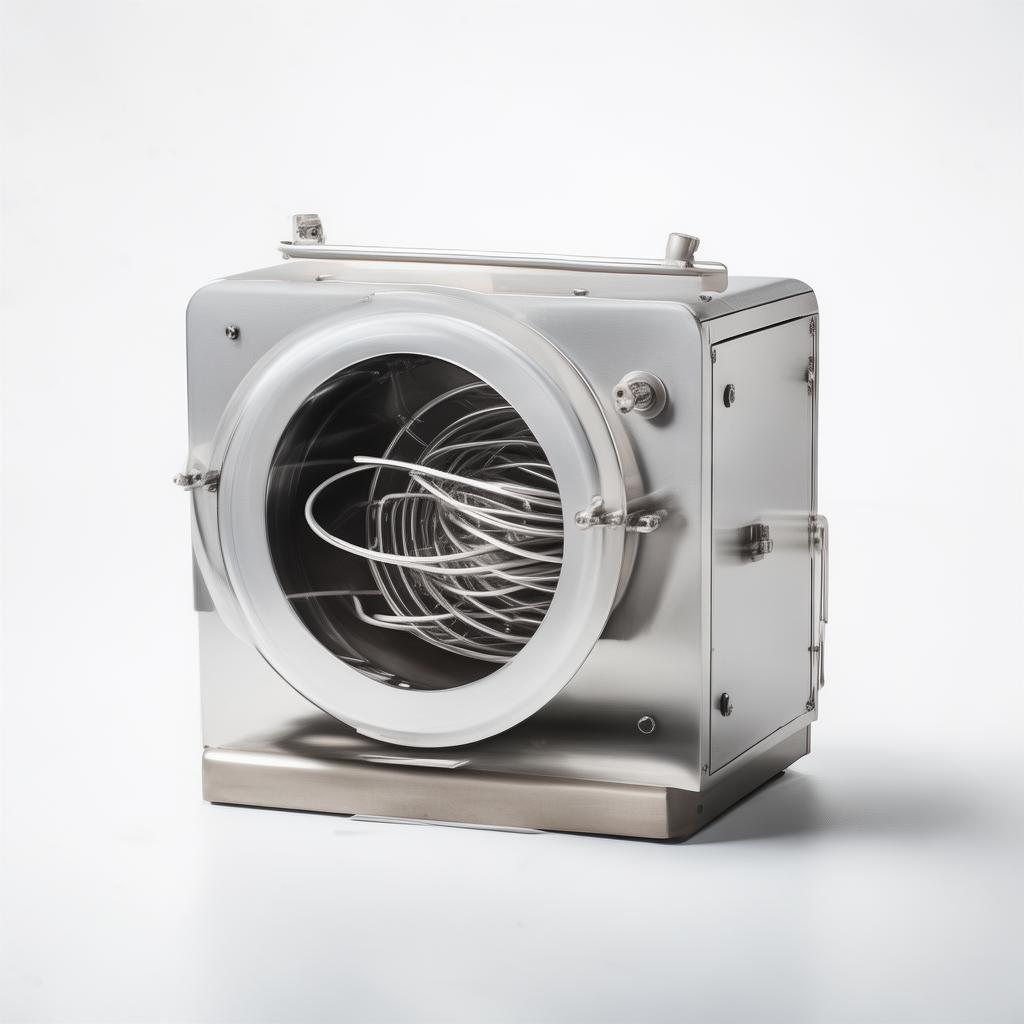
Skewer Machine
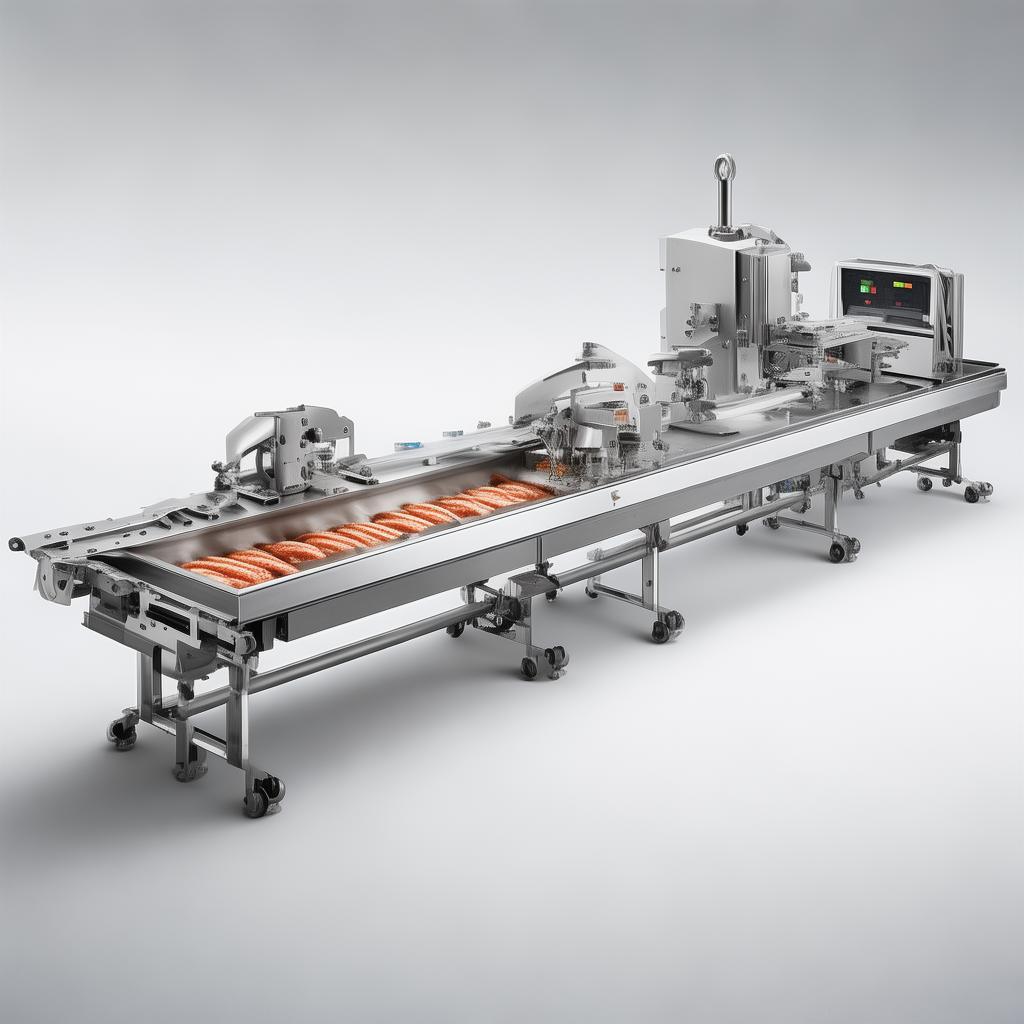
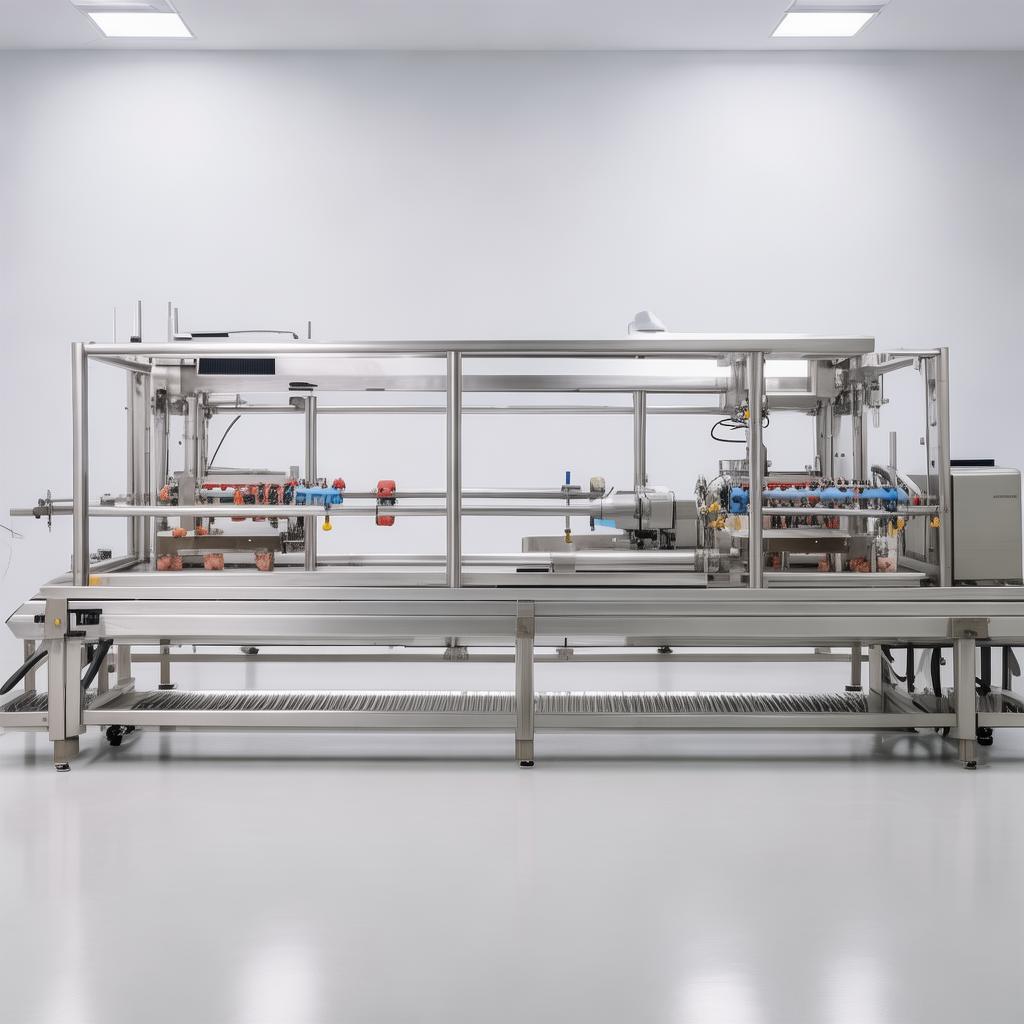
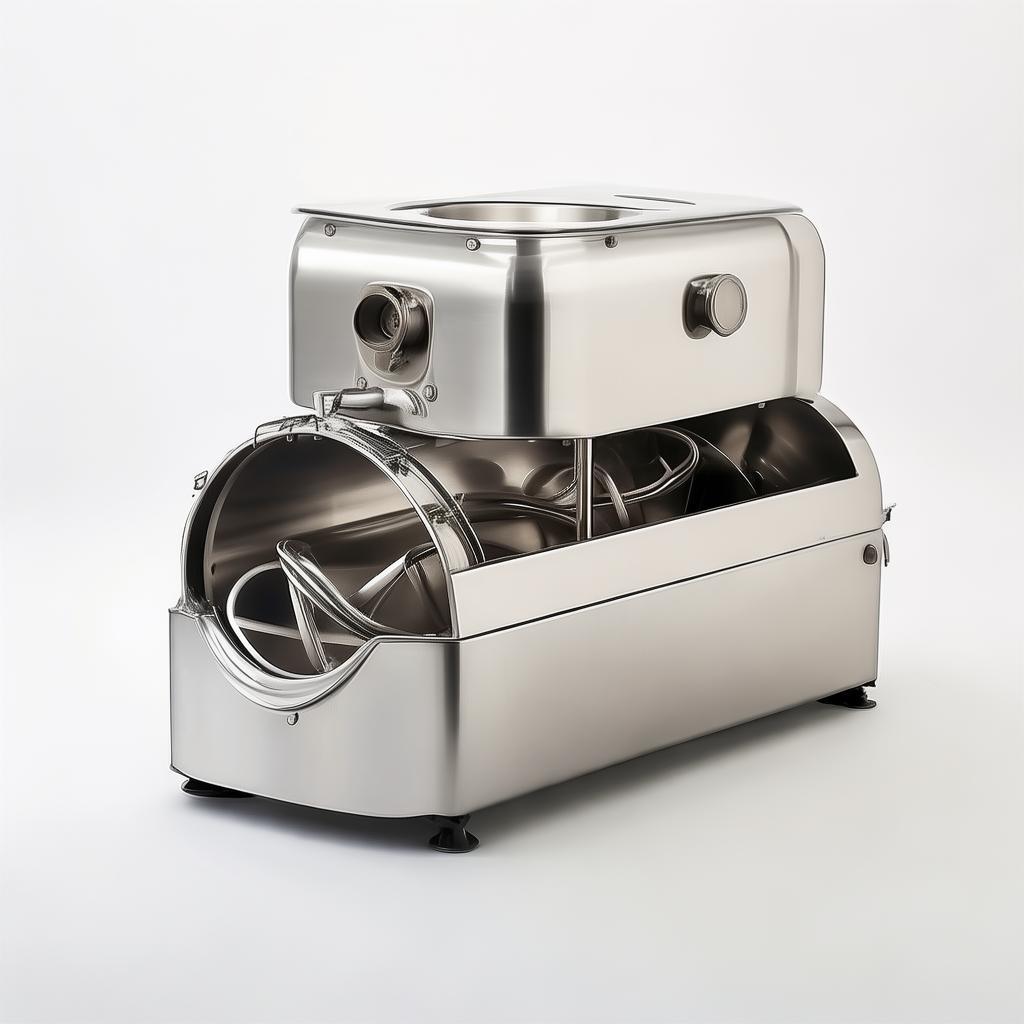
Advanced Skewer Machines for Global Food Production
By Hebei Yuanchang Food Mechanism & Technology Co., Ltd. - Your Partner in Meat Processing Efficiency
Exporting Quality & Innovation Since 1986
Automating Perfection: Revolutionizing Skewer Production for the Global Market
In the fast-paced world of food manufacturing and processing, efficiency, consistency, and hygiene are paramount. For businesses aiming to scale their production of popular items like kebabs, satay, or other skewered delicacies, the manual process of threading meat onto skewers is a significant bottleneck. It's labor-intensive, prone to variations in portioning and presentation, and can introduce cross-contamination risks if not managed meticulously. This is precisely where the strategic integration of an automated skewer machine becomes not just an advantage, but a necessity for competitive global players.
For decades, companies have grappled with the challenges of manual skewering. Think about the consistency required for mass production – ensuring each skewer has the same weight, the same meat-to-vegetable ratio, and the same visual appeal. Achieving this uniformity by hand is a monumental task, often leading to product rejection, increased trimming waste, and dissatisfied customers who expect a reliable product every time. Furthermore, the reliance on manual labor introduces variables related to training, fatigue, and the simple human element of error. In today's market, where speed-to-market and cost-effectiveness dictate success, any process that can be reliably automated without compromising quality is a prime candidate for investment.
The global demand for processed meat products, a category where skewered items hold a significant place, underscores the importance of scalable production. Reports indicate a robust market growth for processed meats, with projections reaching well over USD 1 trillion by 2034, driven by convenience, evolving consumer tastes, and the expansion of quick-service restaurants and ready-to-eat meal solutions. This growth directly translates into a heightened need for processing equipment that can meet this demand. Specifically, segments focusing on formed and molded products, which naturally include skewered items, are seeing accelerated adoption of advanced technologies.
At Hebei Yuanchang Food Mechanism & Technology Co., Ltd., with our 40 years of accumulated experience dating back to 1986, we understand the intricate operational realities faced by food manufacturers worldwide. We've seen firsthand how manual operations can cap production volumes and inflate operational costs. Our expertise lies not just in building machines, but in engineering solutions that address these very pain points. A sophisticated skewer machine is more than just a piece of equipment; it’s a critical component in a larger production ecosystem, designed to streamline workflow, enhance product quality, and ultimately, boost your bottom line.
Consider the logistical advantages alone. Automated skewering significantly reduces the labor hours required per unit. This frees up skilled personnel for higher-value tasks, reduces the risk of staff turnover impacting critical operations, and simplifies workforce management, especially in regions facing labor shortages. The upfront investment in a high-quality machine is rapidly offset by these ongoing operational savings, not to mention the increased throughput and the ability to fulfill larger orders consistently.
Moreover, hygiene and food safety are non-negotiable in global food export. Manual handling of food products presents a constant risk of contamination. Automated systems, particularly those designed with food-grade materials and easy-to-clean components, drastically minimize human contact, thereby adhering to stringent international standards like HACCP and GMP. This is a crucial selling point for export markets and a fundamental requirement for maintaining brand reputation. Our skewer machines are built with these principles at their core, ensuring that your commitment to safety is reflected in every product that leaves your facility.
The choice of a skewer machine is a strategic decision that impacts your entire production chain. It affects your capacity, your product quality, your cost structure, and your ability to compete internationally. This guide aims to provide a comprehensive overview, drawing on our decades of hands-on experience in manufacturing and export, to help you understand the nuances of selecting and implementing the right solution for your specific needs. We will delve into the technical aspects, operational benefits, and the crucial factors that differentiate a superior machine from an adequate one, all from the perspective of an experienced manufacturer and global supplier.
Whether you are looking to automate your existing line, establish a new processing facility, or expand your product offerings into the lucrative global processed meat market, understanding the capabilities and benefits of modern skewer machines is key. From optimizing meat portioning to ensuring product integrity through the entire production cycle, these machines are instrumental in achieving operational excellence and securing your market position. Let’s explore how.
Our commitment at Hebei Yuanchang is to provide not just machinery, but complete production solutions. With over 20 sets of advanced processing machinery in our own workshop, including Japanese Mazak CNC machining centers, we pride ourselves on producing high-precision components that guarantee the longevity and reliability of our equipment. This in-house capability ensures that when you invest in our skewer machine, you’re investing in precision-engineered quality, backed by a traceable after-sales management system.
We've witnessed the evolution of food processing technology firsthand. The transition from manual to automated processes for items like skewers is not merely about speed; it's about unlocking new levels of quality control, safety compliance, and economic viability. For businesses looking to make a significant impact in the global food export arena, equipping your facility with an advanced skewer machine is a strategic imperative. It’s about building a more robust, more efficient, and more profitable operation.
This comprehensive overview is designed for purchasing managers, operations directors, and procurement specialists who demand tangible results and operational knowledge. We’ll cut through the marketing noise and focus on the practical considerations that matter most when making a significant capital investment in your processing capabilities.
Key Takeaways for Your Procurement Decision:
- Efficiency Boost: Automating skewering can dramatically increase throughput.
- Quality Consistency: Standardized portioning and presentation every time.
- Hygiene Improvement: Reduced human contact minimizes contamination risks.
- Cost Reduction: Lower labor costs and reduced waste.
- Scalability: Essential for meeting growing global demand for processed meats.
Technical Deep Dive: Engineering for Precision and Reliability
When evaluating an automated skewer machine, the technical specifications are where operational performance and long-term reliability are truly defined. It's not just about how fast it can skewer, but how accurately, how hygienically, and how reliably it performs day in and day out, under the demanding conditions of a commercial food processing environment. Our engineering philosophy centers on robust construction, precision mechanics, and user-friendly operation.
At the heart of any high-performance machine is its drive system and material handling mechanism. For skewer machines, this often involves precision-engineered motors, geared systems, and conveyor belts or robotic arms designed for seamless movement. The choice of materials is critical. All food-contact surfaces on our machines are constructed from high-grade, food-safe stainless steel (typically 304 or 316 grade) that is resistant to corrosion, easy to sanitize, and compliant with international food safety standards. Non-food contact parts are also built for durability, often using industrial-grade aluminum or robust plastics.
The skewer insertion mechanism itself is where precision engineering truly shines. This involves the careful control of movement to accurately position the skewer, guide the product onto it, and then reliably eject the finished skewer. Some machines use a rotary system, while others employ a linear or multi-axis approach. The design must account for various product types (cubed meat, whole vegetables, ground meat mixtures) and skewer lengths/diameters. Our machines feature advanced clamping and feeding systems that ensure the product is held securely without being crushed, allowing for clean and consistent penetration by the skewer.
Speed and Capacity are often the most cited metrics, and rightly so, as they directly impact throughput. However, it's crucial to understand the *achievable* capacity under realistic operating conditions, not just theoretical maximums. Factors like product preparation, operator efficiency in feeding the machine, and the complexity of the skewering task all play a role. Our machines are designed to operate at speeds that maximize output without compromising accuracy or creating bottlenecks downstream. For example, a machine might boast a capacity of up to 3,000-6,000 skewers per hour, but this is dependent on the specific product and configuration.
Customization and Versatility are key considerations for businesses with diverse product lines. Can the machine handle different skewer types (wood, bamboo, metal)? Can it adjust for varying product sizes and shapes? Can it be configured for different numbers of items per skewer? We offer modular designs and adjustable settings on our machines to accommodate these variations. This adaptability means you're not locked into a single product type, allowing for greater flexibility as market demands shift. We can often modify designs for specific OEM/ODM requirements to perfectly match your unique production needs.
Control Systems and User Interface are becoming increasingly sophisticated. Modern skewer machines often feature PLC (Programmable Logic Controller) systems with intuitive touch-screen interfaces. This allows for easy adjustment of settings, monitoring of operation, error diagnostics, and the storage of recipes for different products. A well-designed interface simplifies training, reduces the risk of operational errors, and allows for quick changeovers between production runs. Our control systems are designed for operational ease and detailed performance tracking.
Maintenance and Cleaning Access cannot be overstated. A machine that is difficult to clean is a hygiene risk and an operational burden. Look for designs that allow for easy disassembly of key components, smooth surfaces with minimal crevices where food particles can accumulate, and integrated wash-down capabilities. Our machines are engineered for straightforward cleaning routines, reducing downtime and ensuring compliance with stringent hygiene protocols. Regular maintenance schedules are also crucial, and our robust construction, coupled with readily available spare parts and expert support, ensures minimal disruption.
Safety Features are non-negotiable. This includes emergency stop buttons, interlock guards on moving parts, and overload protection systems. These features protect both the operators and the machinery from damage and injury. We adhere to international safety standards in our machine designs, ensuring a secure working environment.
Technical Specifications Overview (Illustrative)
| Feature | Specification |
|---|---|
| Model | YC-SQM-3000 (Example) |
| Capacity | 3000-6000 skewers/hour (product dependent) |
| Skewer Length Range | 150 mm - 300 mm (adjustable) |
| Product Size Range | Customizable based on product dimensions |
| Food Contact Material | SUS304/SUS316 Stainless Steel |
| Control System | PLC with Touch Screen Interface |
| Power Supply | 380V/50Hz/3Phase (customizable) |
| Dimensions (L x W x H) | Approx. 2500mm x 1200mm x 1800mm (may vary) |
| Weight | Approx. 800 kg |
| Customization Options | Yes (OEM/ODM available) |
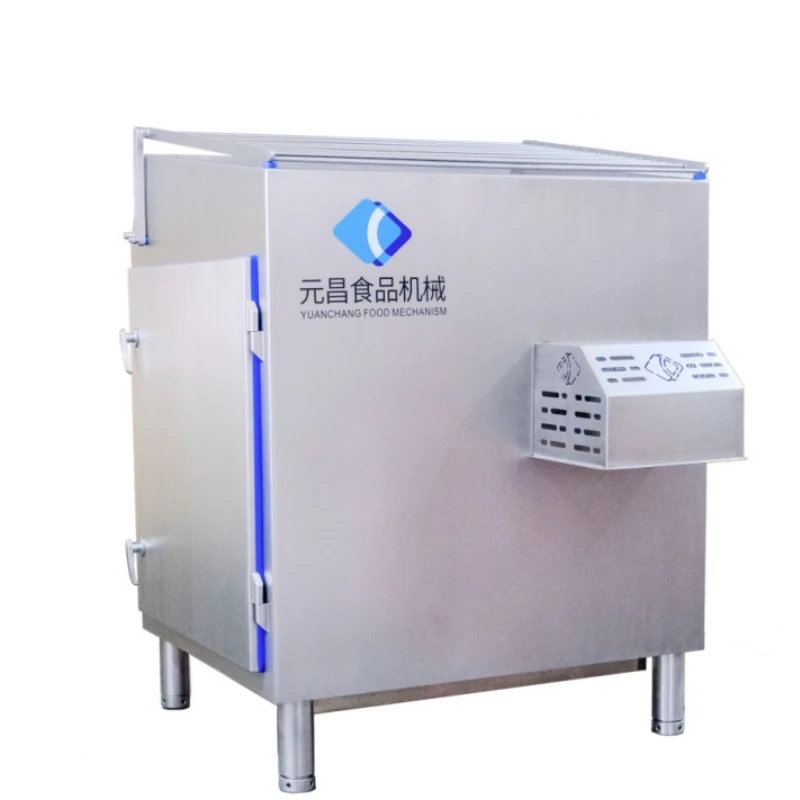
kebab skewer machine skewer kebab machine tipper machine
Note: Specifications are subject to change based on specific model and customization. Please contact us for detailed technical drawings and current specifications.
Diverse Applications: Beyond the Kebab
While the term "skewer machine" might immediately conjure images of barbecues, its applications in modern food processing are far more extensive and sophisticated. These machines are versatile tools that can be adapted for a wide array of products, significantly expanding a facility's production capabilities. The ability to consistently and efficiently skewer items is fundamental to many product categories in the global food market.
Meat Products: This is the most obvious application. From cubed chicken, beef, and lamb for kebabs and yakitori to marinated pork for satay or even ground meat mixtures for various international dishes, the machine ensures uniform product distribution on the skewer. This consistency is critical for even cooking and presentation. For exporters, this means meeting the exacting standards of diverse international cuisines and consumer preferences.
Poultry Processing: Skewered chicken tenders, marinated chicken breast pieces, or specialized poultry skewers for grilling and baking are highly popular. Automated skewering ensures that each piece is properly aligned, maximizing the appeal and cookability of the final product.
Seafood: Certain types of processed seafood, like shrimp or calamari rings, can also be efficiently skewered. This is particularly relevant for value-added seafood products destined for foodservice or retail. Ensuring that delicate seafood items are handled gently during the skewering process is a testament to the machine’s precision engineering.
Vegetable Skewers: For vegetarian and vegan product lines, or for mixed skewers, automated machines can handle pre-cut vegetables such as bell peppers, onions, zucchini, and cherry tomatoes. This opens up opportunities for plant-based meal solutions and side dishes. The ability to process mixed ingredients consistently is a significant advantage for plant-forward product development.
Processed & Formed Products: Ground meat that has been formed into specific shapes can be skewered for items like meatloaf sticks or certain types of sausages that are traditionally served on a skewer. This area is especially relevant to the growing market for reconstituted and formed meat products, which relies heavily on molding and filling technologies.
Specialty Foods: Beyond common applications, there are niche markets. Think of items like fruit skewers for desserts or garnishes, or even non-food applications requiring precise placement on a rod. The fundamental mechanics of controlled insertion are applicable across a surprising range of product development initiatives.
The versatility of a well-designed skewer machine allows manufacturers to diversify their product offerings, cater to different dietary preferences, and tap into new market segments. From ready-to-cook meals to gourmet appetizers, the consistent presentation enabled by automation is a key driver of consumer acceptance and premium pricing. Our engineering team works closely with clients to understand their specific product matrix and customize machine configurations accordingly, ensuring optimal performance for every application.
The Smart Buyer's Guide: Key Considerations for Skewer Machine Procurement
Selecting the right skewer machine is a significant capital investment, and as seasoned industrial equipment suppliers, we emphasize a thorough, procurement-focused approach. It's not simply about finding the lowest price; it's about identifying a solution that delivers long-term value, reliability, and supports your business objectives. Consider these critical factors before making a decision:
1. Production Volume & Throughput Needs:
Accurately assess your current and projected production output. What are your daily, weekly, or monthly targets for skewered products? This will determine the required machine capacity (skewers per hour). Over-specifying can lead to unnecessary costs, while under-specifying will cap your growth and create bottlenecks. We can help you model this based on your specific product and batch sizes.
2. Product Versatility & Material Handling:
What types of products will you be skewering? (e.g., cubed meat, ground meat, vegetables). What are the typical sizes and shapes? Does the machine need to handle different skewer lengths or materials? Ensure the machine's feeding, gripping, and insertion mechanisms are compatible with your product range and can handle them without damage or deformation. For OEM/ODM clients, this is where custom tooling becomes essential.
3. Hygiene & Food Safety Compliance:
Crucial for any food processing equipment, especially for export. Look for machines constructed from food-grade stainless steel (SUS304/SUS316), with smooth surfaces, minimal crevices, and easy access for cleaning and sanitation. Ask about certifications relevant to your target markets (e.g., CE marking for Europe, FDA compliance for certain materials). Our manufacturing processes are audited to ensure adherence to these standards.
4. Automation Level & User Interface:
How automated do you need the system to be? Does it require manual loading or a fully automated infeed? What is the complexity of the control system? A user-friendly PLC interface with touchscreen capabilities simplifies operation, training, and diagnostics. Ensure the interface is in a language your operators understand or can be easily configured.
5. Durability & Build Quality:
Consider the materials used, the quality of welding and construction, and the reputation of the manufacturer. Industrial food processing equipment operates under continuous stress. Machines built with high-quality components and robust engineering from experienced manufacturers (like us, with our in-house precision machining) tend to have longer lifespans and require less downtime.
6. Maintenance & Serviceability:
How easy is it to perform routine maintenance and cleaning? Are spare parts readily available? What is the manufacturer's after-sales support like, especially for international clients? We offer a traceable after-sales management system and readily supply critical spare parts to minimize your operational interruptions.
7. OEM/ODM Capabilities:
If you have unique product requirements or need the machine to integrate seamlessly into an existing line, inquire about OEM/ODM services. We specialize in custom modifications and tailor-made solutions to meet specific client needs. Our advanced machining capabilities allow us to produce high-precision, non-standard components.
8. Supplier Reputation & Experience:
Look for suppliers with a proven track record in the food processing industry, particularly with skewer machines. Decades of experience, like ours since 1986, signify a deep understanding of operational challenges and a commitment to quality. Check for client testimonials, certifications, and the manufacturer's own production capabilities.
Ensuring Global Compliance: Certifications and Standards
For any manufacturer looking to export processed foods or the machinery that produces them, understanding and adhering to international standards and certifications is non-negotiable. These benchmarks are critical for market access, consumer trust, and operational integrity. At Hebei Yuanchang, we integrate compliance into our design and manufacturing philosophy.
ISO Certifications: We operate under ISO quality management systems, demonstrating our commitment to consistent product quality and continuous improvement. While the specific ISO certification (e.g., ISO 9001 for quality management, ISO 14001 for environmental management) should be clearly stated by the manufacturer, its presence signifies a structured approach to business operations. Our extensive experience since 1986 has been honed through adherence to rigorous quality controls.
CE Marking: For products destined for the European Economic Area (EEA), CE marking is mandatory. It indicates that the product conforms to relevant EU regulations concerning health, safety, and environmental protection. Our machines intended for export to Europe are designed and manufactured to meet these standards, often requiring a Declaration of Conformity.
Food Safety Standards (HACCP, GMP): While our machines themselves may not carry direct "food safety certifications" in the same way a food product does, they are engineered to *facilitate* compliance with these critical food safety protocols. This includes:
- Use of food-grade materials (e.g., SUS304/316 stainless steel) for all food-contact parts.
- Smooth, crevice-free designs for easy cleaning and effective sanitization to prevent microbial growth.
- Minimization of manual handling points to reduce the risk of human contamination.
- Reliable operational controls that ensure consistent product quality, a key element of HACCP plans.
RoHS Compliance: For electrical and electronic components, Restriction of Hazardous Substances (RoHS) compliance is often required, especially for exports to the EU and other regions. This ensures that our machinery is free from specific hazardous materials beyond permitted levels.
Local Regulations: We are experienced in navigating the import regulations and standards of various countries. Whether it’s specific voltage requirements, plug types, or documentation needs for customs, we work to ensure our machinery meets the destination country's legal framework. Our export team is adept at providing the necessary documentation.
When you partner with Hebei Yuanchang, you are not just acquiring a piece of equipment; you are integrating a solution built with global compliance and operational integrity in mind. We provide the necessary documentation and support to ensure your operations meet the highest international standards.

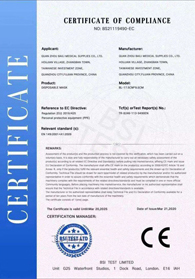

Certifications demonstrate our commitment to international quality and safety standards.
Our Factory Strength: Experience, Precision, and Global Reach
At Hebei Yuanchang Food Mechanism & Technology Co., Ltd., our 40-year legacy since 1986 is built on a foundation of deep manufacturing expertise and an unwavering commitment to quality. We are not merely assemblers; we are engineers and fabricators who control the entire production process, ensuring that every machine bearing our name meets the highest industry standards.
Spanning an area of approximately 14,000 square meters, our facility houses a dedicated team of 80-100 skilled professionals. This allows us to seamlessly integrate Research & Development, meticulous production, and responsive sales operations. Our core strength lies in our in-house machining workshop, equipped with over 20 sets of advanced processing machinery. This includes traditional but essential equipment like lathes, milling machines, high-precision grinding machines, boring machines, plate shears, bending machines, and wire cutting apparatus.
A significant leap in our manufacturing capability came in 2012 with the integration of 8 sets of Japanese Mazak CNC machining centers. This investment allows us to produce extremely high-standard components that demand large volumes, exceptional precision, and often, non-standard specifications tailored to specific client needs. This capability is crucial for manufacturing intricate parts for advanced machinery like our skewer machines, ensuring optimal performance and longevity.
This internal control over component manufacturing is a critical advantage for our clients, especially those in the international export market. It means:
- Guaranteed Precision: Components are manufactured to tight tolerances, ensuring smooth operation and reduced wear.
- Quality Consistency: Each part meets our exacting standards, regardless of production volume.
- Faster Development: Our in-house capabilities accelerate the prototyping and customization process for OEM/ODM projects.
- Traceability: We maintain full traceability of all manufactured components.
Furthermore, our commitment extends beyond manufacturing to include a robust, traceable after-sales management system. This ensures that should any component require attention, we have the history, the expertise, and the manufacturing capability to address it efficiently. This independent production of high-precision parts translates directly into worry-free after-sales service for our global clientele.
Our product range encompasses pretreatment equipment, filling and molding machinery, ripening processes, and auxiliary items, providing a holistic approach to meat processing solutions. The development and production of our automated skewer machines draw directly from this comprehensive understanding of the entire food processing chain. We understand how this single piece of equipment integrates with upstream preparation and downstream packaging to create a seamless, efficient workflow.
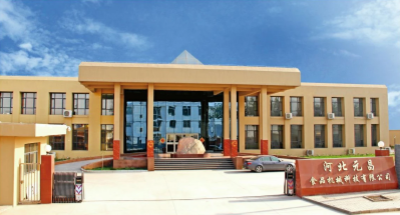
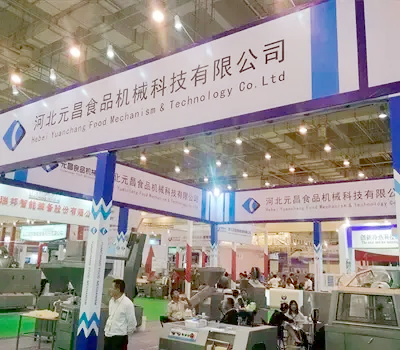
Our advanced facilities and experienced team ensure superior product quality.
Customer Insights: Real-World Impact of Our Skewer Machines
We believe in letting our performance speak for itself, backed by the experiences of our clients. While we value every customer relationship, here are a few anonymized testimonials reflecting the tangible benefits businesses have realized after integrating our automated skewer machine solutions.
 Maria Rodriguez, Operations Manager, Latin America
"Switching to Yuanchang's skewer machine was a game-changer for our export line of marinated chicken skewers. We were struggling with inconsistent skewer density and slow manual labor. The automation brought immediate improvements: uniform product weight, higher output, and significantly reduced labor costs. The machine's hygiene features were also crucial for meeting our import market's stringent regulations."
Reviewed: July 2023 David Chen, Procurement Director, Southeast Asia
"We needed a reliable solution for producing vegetable skewers for a major retailer. Manual preparation was too slow and inconsistent. Yuanchang's team understood our challenge and recommended a specific model that handled our mixed vegetable cuts perfectly. The machine is robust, easy to operate, and the support we received during installation and startup was excellent. We've seen a direct increase in our order fulfillment capacity since its implementation."
Reviewed: November 2022 Omar Hassan, Plant Manager, Middle East
"Our focus is on high-volume production of traditional lamb kofta skewers. The automation provided by Hebei Yuanchang's skewer machine has been invaluable. It ensures each skewer has the correct weight and shape, critical for our established recipes. Maintenance is straightforward, and the machine’s compact design also helped us optimize our existing floor space. We appreciate their willingness to discuss customizations for future product iterations."
Reviewed: April 2023Ready to Enhance Your Skewer Production? Let's Talk.
At Hebei Yuanchang Food Mechanism & Technology Co., Ltd., we are more than just equipment suppliers; we are your partners in optimizing food production. With over four decades of industry experience, cutting-edge manufacturing capabilities, and a global export footprint, we are uniquely positioned to provide solutions that drive efficiency, quality, and profitability for your business.
Whether you are looking to increase capacity, improve product consistency, ensure stringent hygiene standards, or develop new skewered product lines, our advanced skewer machines are engineered to meet these demands. We pride ourselves on offering not just machinery, but comprehensive support, from initial consultation and customization through to installation, training, and reliable after-sales service.
Don't let manual limitations cap your growth. Explore the possibilities of automated skewering and unlock your facility's full potential.
Contact Us Today:
Phone: +86 15830991513
Email: ycmeatmech@gmail.com
Address: Shijiazhuang, Hebei Province, China