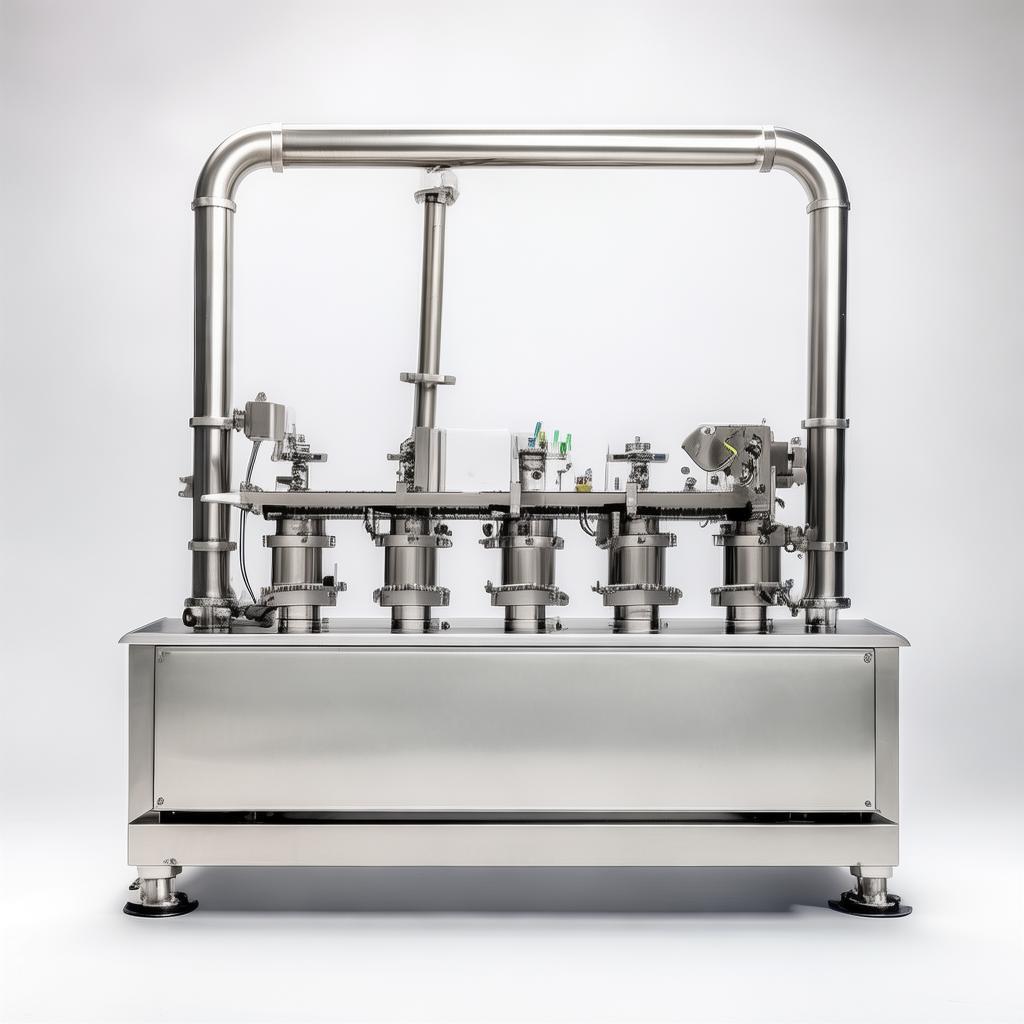
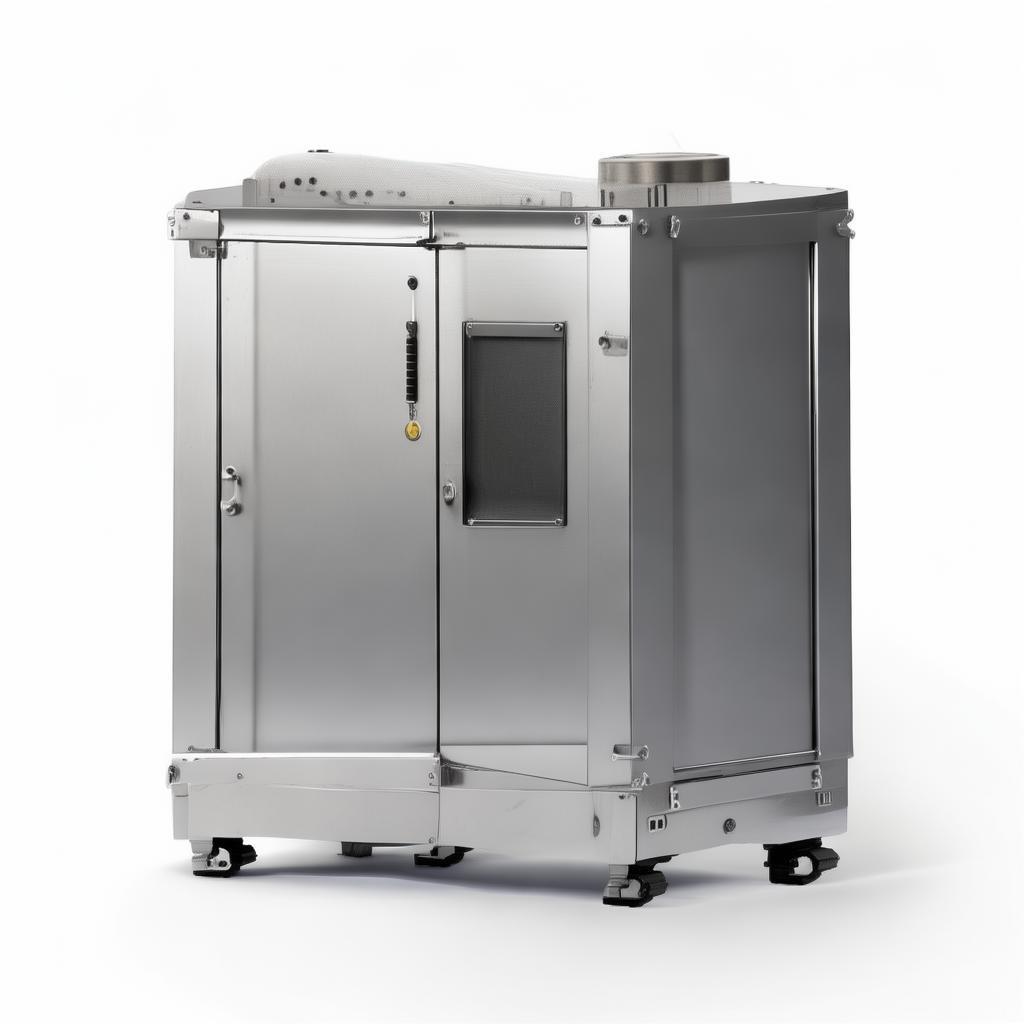
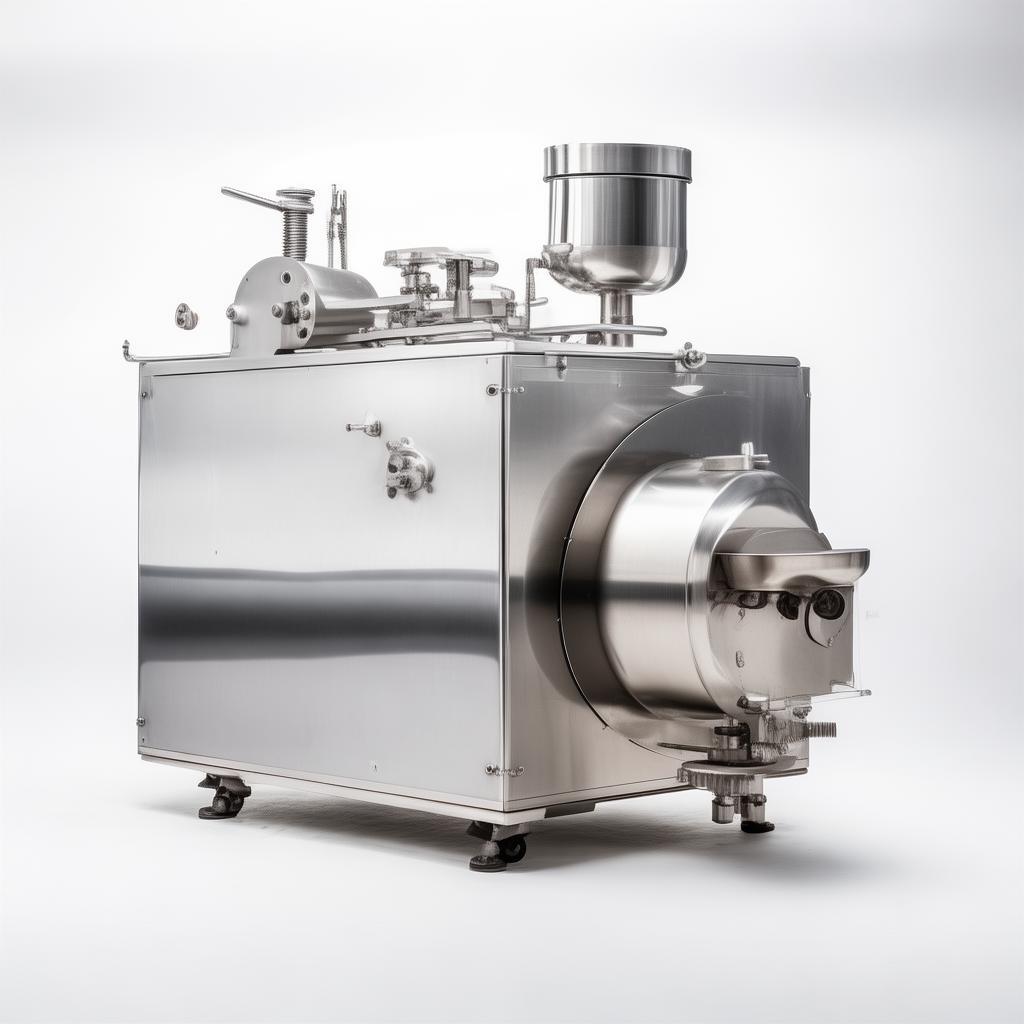
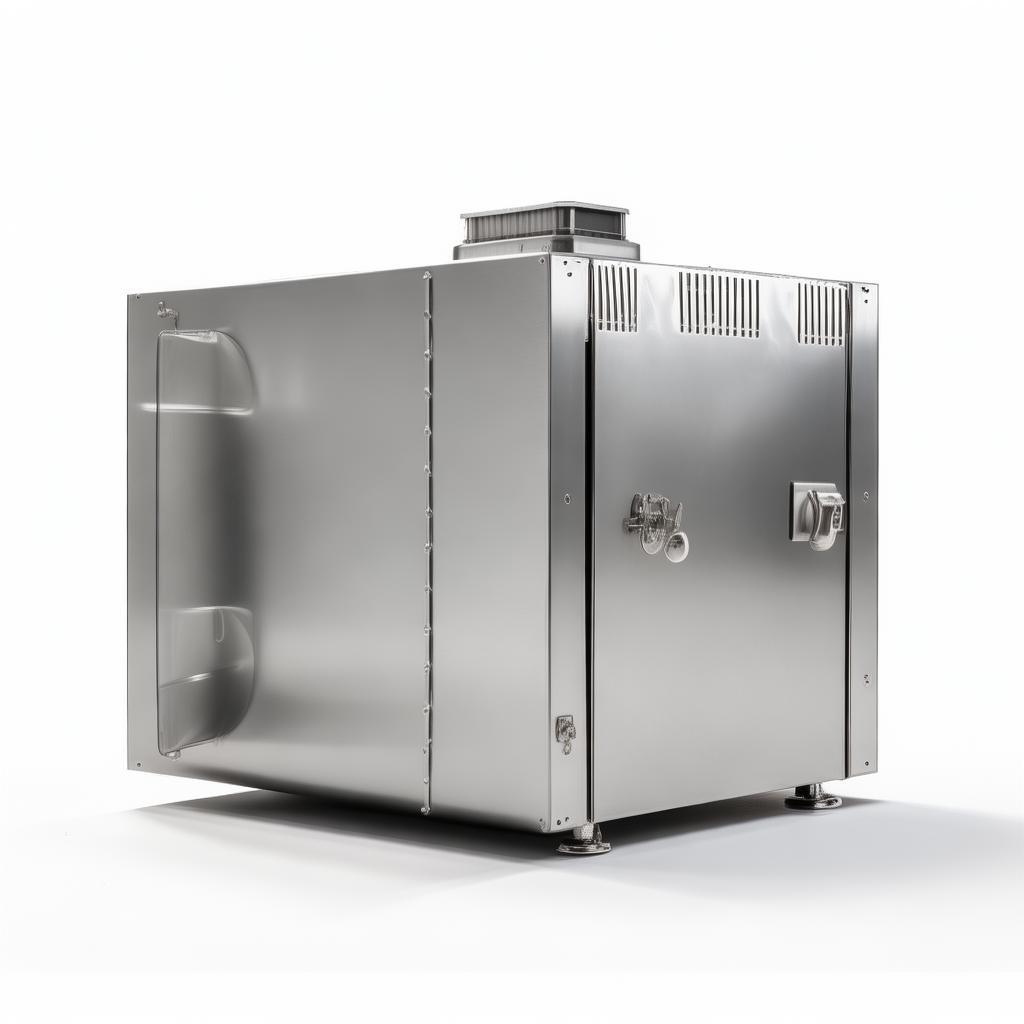
Atex Explosion Proof Vacuum System
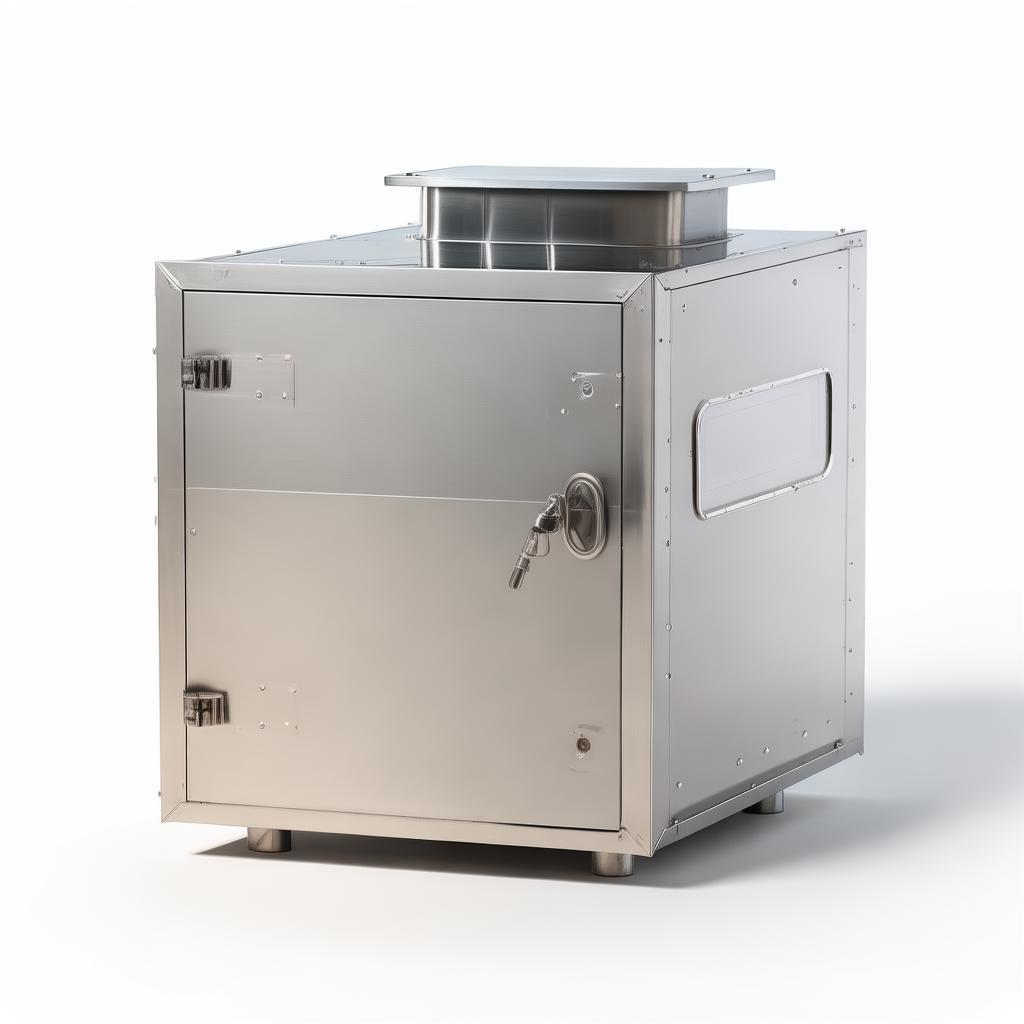
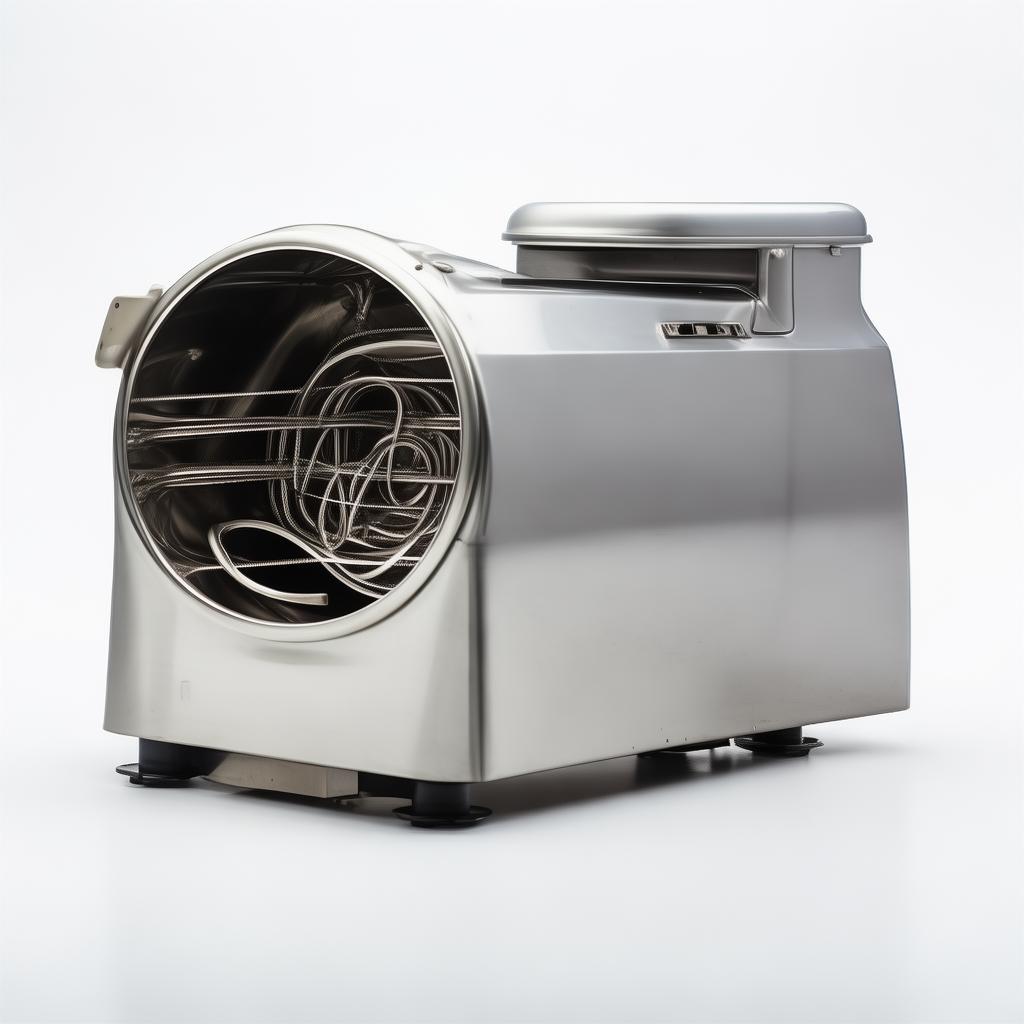
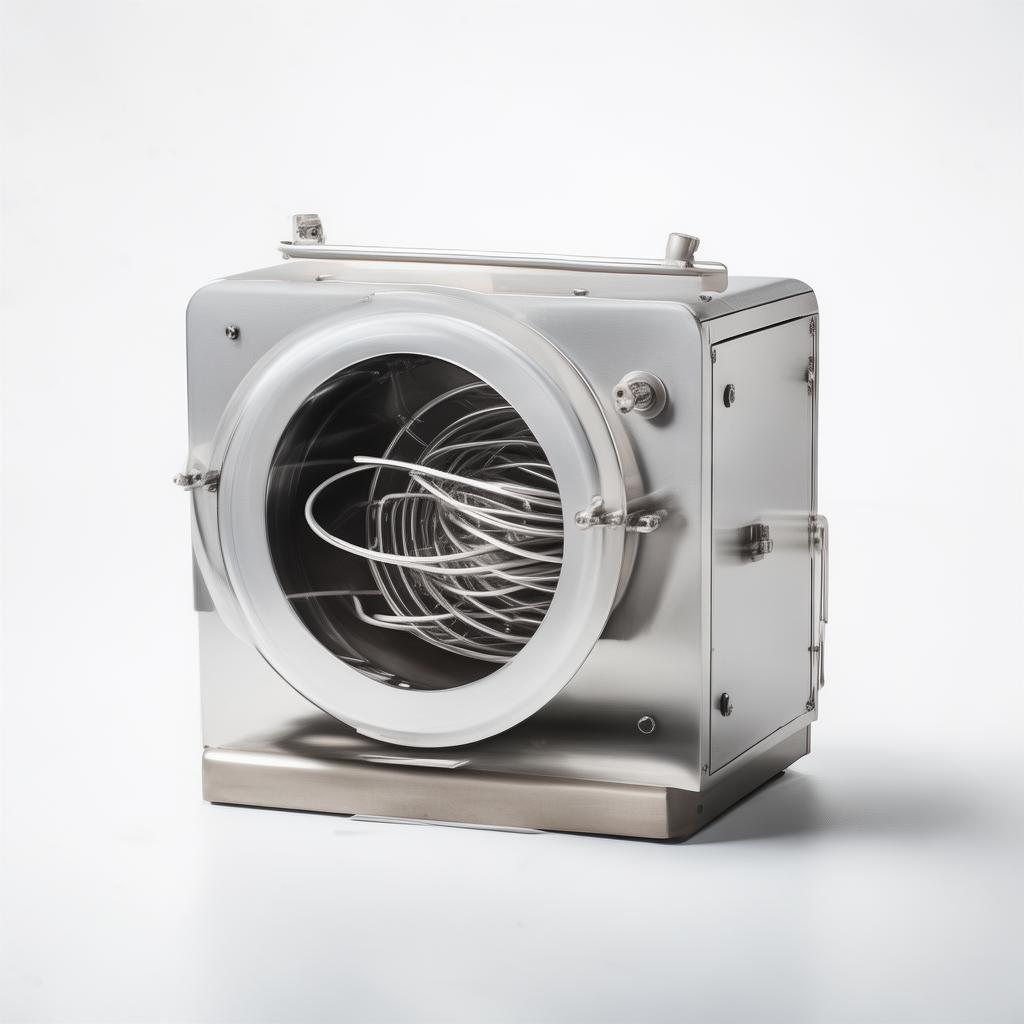
ATEX Explosion Proof Vacuum Systems: Ensuring Safety and Efficiency in Hazardous Environments
Your trusted partner for robust vacuum solutions in demanding industrial settings.
 Authored by: Mark Jenkins, Senior Export Manager
Navigating the Complexities of Hazardous Area Operations
Operating in environments where flammable gases, vapors, or dusts are present isn't just a matter of process efficiency; it's a critical concern for personnel safety and regulatory compliance. The risks associated with ignition sources are significant, and standard industrial equipment simply won't cut it. This is where ATEX explosion-proof vacuum systems become not just a choice, but a necessity. We understand the unique challenges faced by industries like chemical processing, pharmaceuticals, petrochemicals, and even certain food manufacturing sectors where airborne particulate or volatile compounds can create explosive atmospheres.
The term "ATEX" itself refers to the ATmosphères EXplosibles directive from the European Union (2014/34/EU), which sets the standards for equipment intended for use in potentially explosive atmospheres. For vacuum systems, this means every component, from the motor and housing to the seals and electrical connections, must be designed and manufactured to prevent the ignition of these hazardous substances. It’s about eliminating sparks, controlling surface temperatures, and ensuring robust construction that can withstand the pressures of an internal explosion without propagating it to the surrounding atmosphere.
When you're sourcing an ATEX-certified vacuum system, you're not just buying a piece of equipment; you're investing in a critical safety layer for your entire operation. The selection process requires a deep understanding of the specific hazardous area classification (Zone 0, 1, 2 for gases/vapors, or Zone 20, 21, 22 for dusts), the types of substances present, and the operational demands. An incorrect choice can lead to catastrophic consequences, not to mention significant financial penalties and reputational damage.
Our experience in manufacturing and exporting specialized industrial equipment has shown us that clarity and reliability are paramount. Buyers in this sector are often highly technical, procurement-focused, and risk-averse. They need suppliers who can demonstrate not only compliance with stringent international standards but also a thorough understanding of their operational challenges. This involves providing detailed technical specifications, clear certification documentation, and robust support throughout the entire procurement and implementation lifecycle. We aim to be that partner, offering solutions that are as reliable as they are safe.
Globally, the demand for safety-compliant processing equipment continues to grow. Reports indicate the global meat processing equipment market alone is projected to reach figures upwards of USD 17 billion by 2034, with automation and hygiene standards driving innovation. While our primary focus isn't meat processing, this trend highlights a broader industrial imperative: enhanced safety and efficiency. Similar pressures for ATEX compliance are seen in chemical processing, oil and gas, and mining sectors, where explosion risks are inherent. 【Meat Processing Equipment Market Size, Share & Industry Analysis - https://www.fortunebusinessinsights.com/meat-processing-equipment-market-115455 - The global meat processing equipment market was valued at USD 11.29 billion in 2025 and is projected to reach USD 17.39 billion by 2034 at a CAGR of 5.0%.】 This increasing reliance on specialized equipment underscores the importance of selecting robust and compliant suppliers.
At Hebei Yuanchang Food Mechanism & Technology Co., Ltd., we leverage our 40 years of manufacturing expertise since 1986 to deliver not just vacuum systems, but complete peace of mind. While our historical roots are in food machinery, our advanced manufacturing capabilities, including Japanese Mazak CNC machining centers, allow us to produce high-precision, custom components for a wide array of demanding industrial applications, including ATEX-certified equipment. We understand that in hazardous environments, there's no room for error. Every vacuum system we engineer undergoes rigorous testing and quality control to meet and exceed ATEX directives.
This landing page is designed to provide you with a comprehensive overview of our ATEX explosion-proof vacuum systems. We’ll delve into the technical aspects, the crucial certifications, the diverse applications, and why partnering with us makes sound commercial and operational sense. You'll find practical insights that go beyond typical product descriptions, reflecting our real-world experience in international B2B trade and industrial manufacturing.
Key Considerations for Your ATEX Vacuum System Procurement
- Hazardous Area Classification: Understanding Zone designations (0, 1, 2 for gas/vapors; 20, 21, 22 for dust) is paramount.
- Ingress Protection (IP) Rating: Crucial for dust and water resistance in challenging environments.
- Materials of Construction: Ensuring materials do not generate electrostatic discharge or react adversely.
- Temperature Class (T-Class): Matching the system's maximum surface temperature to the auto-ignition temperature of the hazardous substance.
- Certification & Documentation: Verifying valid ATEX certificates (e.g., from notified bodies) is non-negotiable.
Industrial Pain Points Solved by ATEX Vacuum Technology
The operational hurdles in hazardous zones are numerous. Standard vacuum systems, designed for benign environments, pose a significant ignition risk through electrical sparks, hot surfaces, or mechanical friction. The consequences of using non-compliant equipment can range from minor process interruptions to devastating explosions, leading to loss of life, extensive property damage, and severe regulatory penalties.
Operators often grapple with:
- Risk of Ignition: The fundamental danger of any spark or hot surface igniting flammable materials.
- Material Contamination: The need to safely collect and contain hazardous powders, vapors, or liquids without secondary contamination or release.
- Equipment Failure: Standard motors and components can overheat or fail in ways that create ignition hazards.
- Regulatory Non-Compliance: The constant pressure to adhere to strict ATEX (EU), NEC (US), or IECEx standards, which can be complex and costly to navigate.
- Process Downtime: The costly impact of unplanned shutdowns due to safety breaches or equipment malfunctions.
- Operational Inefficiency: Using less effective or unsafe methods for material handling in hazardous areas.
Our ATEX explosion-proof vacuum systems are engineered precisely to mitigate these issues. By adhering to strict design principles and utilizing specialized components, we provide a solution that directly addresses the core safety concerns. This includes intrinsic safety barriers, explosion-proof motors, sealed electrical enclosures, and materials chosen for low static generation and high durability. The goal is to remove the vacuum system itself as a potential ignition source, allowing your processes to run smoothly and safely.
The need for specialized equipment is a global trend. For instance, the global processed meat market is expected to reach over USD 1.3 trillion by 2035, driven by convenience and demand for specific product types. 【Processed Meat Market Size to Worth USD 1,330.45 Billion by 2035 - https://www.precedenceresearch.com/processed-meat-market】 While this doesn't directly relate to ATEX, it illustrates how market growth necessitates advanced, safe, and efficient processing solutions. Similarly, in industries dealing with flammable substances, the demand for ATEX-certified equipment is a direct response to enhanced safety regulations and a proactive approach to risk management.
Engineered for Safety: The Core Advantages of Our ATEX Vacuum Systems
Our ATEX explosion-proof vacuum systems are not merely adapted standard units; they are purpose-built to the highest safety and performance standards. We integrate cutting-edge engineering with rigorous manufacturing processes to deliver solutions that excel in reliability and operational safety. Key advantages include:
Certified Explosion Protection
Each system is designed and certified to meet specific ATEX zones and gas/dust groups, ensuring compliance and mitigating ignition risks. We provide comprehensive documentation.
Robust Construction
Utilizing high-grade materials like stainless steel and explosion-proof enclosures for motors and electrical components ensures durability and safety in harsh industrial settings.
High-Performance Vacuum
Engineered for consistent and powerful vacuum generation, our systems ensure efficient material capture, transfer, or evacuation, optimizing your process throughput.
Versatile Applications
Suitable for a wide range of hazardous environments, including chemical plants, pharmaceutical manufacturing, refineries, and areas with flammable dusts.
Reduced Maintenance & Downtime
Designed for longevity and ease of maintenance, minimizing operational disruptions and associated costs. Traceable after-sales service ensures support.
Customization Options (OEM/ODM)
We offer OEM/ODM services to tailor systems to your specific ATEX requirements, process integration, and performance needs.
Technical Specifications: Built for the Toughest Environments
Understanding the technical heart of an ATEX vacuum system is crucial for proper application and safety. Our systems are built with components that meet stringent explosion-proof standards. Here’s a breakdown of key technical aspects you can expect:
| Component/Feature | Specification Details | ATEX Compliance Relevance |
|---|---|---|
| Motor Type | Explosion-proof asynchronous motor; Ex d (flameproof) enclosure | Prevents ignition of surrounding atmosphere by containing internal sparks or arcs. |
| Housing/Enclosure | Cast iron or stainless steel, sealed to prevent ingress of hazardous substances. | IP65 or higher rating for dust/water protection; robust construction against potential pressure. |
| Electrical Connections | Certified Ex d junction boxes, sealed cable glands. | Ensures all electrical connections are protected against ignition. |
| Surface Temperature | Limited to T3, T4, T5, or T6 class depending on application. | Prevents exceeding the auto-ignition temperature of specific gases/dusts. |
| Seals and Gaskets | Specialized materials (e.g., Viton, PTFE) resistant to chemicals and high temperatures. | Maintains sealing integrity to prevent leaks of hazardous materials. |
| Static Electricity Control | Grounding points, anti-static materials where applicable. | Minimizes the risk of static discharge, a common ignition source. |
| Filtration | Multi-stage filtration, including HEPA or specialized filters for fine dusts. | Captures hazardous particulate effectively and prevents exhaust contamination. |
Note: Specific configurations vary based on the ATEX zone (e.g., Zone 1, Zone 2) and the Group (e.g., IIA, IIB, IIC for gases; IIIA, IIIB, IIIC for dusts) requirements.
Our in-house machining capabilities, including advanced CNC centers, allow us to achieve the precision required for these specialized components, ensuring every part meets strict quality and safety parameters. This internal control is vital for maintaining the integrity of the ATEX certification.
Applications Across Industries
The need for ATEX explosion-proof vacuum systems spans numerous sectors where flammable materials are handled. Our systems are deployed in critical applications, ensuring safety and operational continuity.
Chemical & Petrochemical
Transfer of flammable solvents, dust collection in synthesis processes, and safe evacuation of vapors.
Pharmaceutical Manufacturing
Handling of fine pharmaceutical powders, solvent recovery, and maintaining sterile, hazardous environments.
Mining & Minerals
Dust extraction in coal mines, processing of flammable mineral dusts.
Food Processing (Specific Areas)
Collection of combustible dusts (e.g., flour, sugar) in certain processing zones where ATEX ratings are mandated.
Paint & Coatings
Solvent vapor extraction, safe cleanup of spills in production areas.
Aerospace & Automotive
Cleaning and material handling in areas with flammable aerosols or fuels.
The need for robust solutions in these sectors is underscored by market trends. For example, the global meat processing equipment market, while distinct, reflects a broader push for efficiency and compliance, with projected growth to over USD 17 billion by 2034. 【Meat Processing Equipment Market Size, Share & Industry Analysis - https://www.fortunebusinessinsights.com/meat-processing-equipment-market-115455】 This indicates a general industry movement towards specialized, high-standard equipment, a principle that directly applies to our ATEX vacuum systems in hazardous environments.
Procurement Guidance: Making the Right Choice
Selecting an ATEX-certified vacuum system requires careful due diligence. As an international supplier with 40 years of manufacturing experience, we've seen common pitfalls that buyers encounter. Here’s practical advice to guide your procurement:
1. Define Your Hazardous Area Classification Precisely:
This is the absolute first step. Consult your site’s hazardous area zoning reports. Are you dealing with Zone 1 or Zone 2 (gas/vapor)? Or Zone 21 or Zone 22 (dust)? What Group (IIA, IIB, IIC) or Dust Group (IIIA, IIIB, IIIC) applies? This dictates the required ATEX equipment category.
2. Identify the Substance and its Properties:
Know the Minimum Ignition Energy (MIE), auto-ignition temperature, and flammability limits of the materials being handled. This information is crucial for selecting the correct T-Class rating for the equipment to ensure surface temperatures remain below ignition thresholds.
3. Verify ATEX Certification Rigorously:
Ensure the system comes with a valid ATEX certificate issued by a Notified Body (or an equivalent certification body for non-EU markets, like IECEx or NEC). Review the certificate details carefully to confirm it covers the specific equipment model and its intended application (Zone, Group, T-Class). Don't accept vague statements; demand concrete proof.
4. Consider the Operational Demands:
What is the required vacuum level? What flow rate is needed? Are there specific material properties (e.g., corrosive, abrasive) that require special construction materials or filtration? Our OEM/ODM capabilities allow us to tailor solutions to these operational specifics.
5. Evaluate Supplier Experience and Support:
With 40 years in manufacturing, we offer extensive experience. Look for suppliers who can demonstrate:
- Proven track record in ATEX equipment manufacturing.
- Clear understanding of international trade, logistics, and customs.
- Responsive technical support and after-sales service.
**Procurement Warning:** Be wary of systems marketed as "explosion-proof" without clear ATEX or equivalent certification. Retrofitting standard equipment for hazardous areas is often non-compliant and dangerous. Always prioritize certified equipment designed from the ground up for explosion protection.
Certifications and Our Manufacturing Prowess
ATEX explosion proof central vacuum explosion proof industrial vacuum explosion proof vacuum cleaner
Compliance is non-negotiable in hazardous environments. We take certifications seriously, ensuring our ATEX explosion-proof vacuum systems meet the highest international standards. Our manufacturing facility in Shijiazhuang, Hebei Province, China, is equipped with advanced machinery, including Japanese Mazak CNC machining centers, enabling us to produce high-precision components essential for explosion-proof design.
Key certifications and capabilities include:
- ATEX Compliance: Systems designed and certified according to EU Directive 2014/34/EU. (Specific product certifications available upon request).
- ISO 9001: Our quality management system adheres to ISO 9001 standards, ensuring consistent product quality and operational excellence.
- In-House Machining: Over 20 sets of processing machinery, including CNC centers, allow for precise manufacturing of critical components.
- OEM/ODM Services: We possess the expertise and flexibility to develop custom ATEX vacuum solutions tailored to unique client specifications.
- Experienced Team: Our team of 80-100 employees brings decades of collective experience in R&D, production, and international sales.
Our 14,000 sq meter facility is a testament to our commitment to quality manufacturing. The integration of R&D, production, and sales, coupled with our traceable after-sales management system, ensures that we deliver reliable and fully supported industrial solutions.
Installation, Maintenance, and Logistics Insights
Beyond the initial purchase, successful deployment and operation of ATEX vacuum systems involve practical considerations. We provide guidance to ensure your investment is protected and your operations run smoothly.
Installation Considerations:
Grounding: Proper grounding of the vacuum unit and associated piping is absolutely critical to prevent static charge accumulation. Always follow the ATEX guidelines and local electrical codes for grounding requirements.
Electrical Connections: Ensure all electrical connections are made by qualified personnel using certified explosion-proof fittings and cables appropriate for the ATEX Zone classification. Avoid any modifications that could compromise the enclosure integrity.
Ventilation: While explosion-proof, the motor still requires adequate ventilation. Ensure the installation location provides sufficient airflow to prevent overheating, as per manufacturer specifications.
Routine Maintenance:
Filter Checks: Regularly inspect and clean or replace filters according to the operating environment and material being handled. Clogged filters reduce efficiency and can strain the motor.
Seal Integrity: Periodically check the condition of all seals and gaskets to ensure they are intact and free from damage. Compromised seals can lead to leaks of hazardous materials or ingress of contaminants.
Electrical Inspection: A qualified technician should perform periodic visual inspections of the motor enclosure, junction boxes, and cable entries to ensure no damage or signs of tampering are present.
Logistics and Shipping:
We have extensive experience in international B2B trade. Our team manages efficient container loading and shipping to ensure your ATEX vacuum system arrives safely and on time, regardless of your global location. We work with reliable freight forwarders to handle all necessary documentation and compliance for cross-border commerce.
Lead Times: Standard configurations may have shorter lead times, while custom-engineered OEM/ODM solutions will require a defined production schedule. We provide realistic lead time estimates based on your specific order.
Hear From Our Clients

Operations Manager, Chemical Plant
"We were struggling to find a reliable ATEX vacuum solution for our solvent recovery process. Yuanchang's team understood our Zone 1 requirements immediately. The system they provided is robust, safe, and has significantly improved our process efficiency without compromising safety. Their export support was excellent."

Procurement Director, Pharmaceutical Firm
"Safety is paramount in pharmaceutical manufacturing. We needed ATEX-certified vacuum equipment for handling fine powders. Yuanchang delivered a high-quality, custom-configured system that met all our specifications and regulatory needs. The technical documentation was comprehensive and provided confidence in their expertise."

Plant Engineer, Specialty Chemical Producer
"We sourced an ATEX vacuum system for dust collection in a Zone 22 area. The system from Hebei Yuanchang exceeded our expectations in terms of build quality and performance. They were very knowledgeable about the ATEX requirements and provided excellent pre-sales technical consultation. Delivery was managed smoothly."
Ready to Enhance Safety and Efficiency?
Don't compromise on safety in hazardous environments. Partner with an experienced manufacturer dedicated to delivering robust, certified ATEX explosion-proof vacuum systems. We offer solutions tailored to your specific operational needs.
Get In Touch
For inquiries, custom solutions, or to discuss your specific ATEX requirements, please contact our dedicated export team:
Phone: +86 15830991513
Email: ycmeatmech@gmail.com
Address: Shijiazhuang, Hebei Province, China
Visit our Contact Page for more details.
Frequently Asked Questions (FAQ)
ATEX is the EU directive for equipment used in explosive atmospheres. IECEx is an international certification scheme that aims to harmonize standards globally. While often similar, it’s crucial to ensure the certification matches your target market's regulations.
Yes, our systems can be configured and certified for different ATEX zones and groups, covering both flammable gases/vapors (Zones 0, 1, 2) and combustible dusts (Zones 20, 21, 22). Specific configuration depends on the exact classification of your hazardous area.
Lead times vary. Standard, pre-certified models may be available within a few weeks. Custom-engineered OEM/ODM solutions can take anywhere from 8-16 weeks or more, depending on the complexity and specific requirements. We provide detailed production schedules upon order confirmation.
While we provide detailed installation manuals and remote technical support, on-site installation and commissioning services are typically arranged through local certified partners, or we can discuss dedicated service agreements for complex projects.
You must consult your site's hazardous area classification study, which is usually conducted by a qualified safety engineer. This study will specify the Zone (e.g., Zone 1) and Group (e.g., IIB) relevant to your operational area. Our sales engineers can guide you through selecting equipment based on this classification.
Chat with Us
Have a quick question about ATEX vacuum systems or need immediate assistance? Our team is ready to help.