In the rapidly evolving landscape of food and beverage processing, the implementation of an automatic juice filling machine has become a cornerstone for manufacturers striving for precision, hygiene, and high throughput. As consumer demand for fresh, preservative-free beverages grows, the need for automated systems that can handle delicate liquids without compromising nutritional integrity is more critical than ever.
Globally, the transition from manual bottling to automated systems reflects a broader industrial shift toward Industry 4.0. An automatic juice filling machine not only reduces the margin of human error but also ensures that every unit produced meets stringent international safety and volume standards, thereby protecting brand reputation and reducing product waste.
Understanding the nuances of these machines—from volumetric filling to aseptic technology—allows producers to optimize their production lines and scale their operations effectively. By integrating these systems into the broader context of food machinery, companies can achieve a seamless flow from raw material processing to final packaging, ensuring maximum efficiency and market competitiveness.
Global Industry Context of Automatic Juice Filling Machine
The global beverage market has witnessed an unprecedented surge in the consumption of natural and functional juices, driving the demand for sophisticated bottling technology. According to ISO standards for food safety and hygiene, the risk of contamination during the filling process is one of the highest points of failure in a production line. This is where the automatic juice filling machine steps in, replacing inconsistent manual labor with sterilized, high-precision mechanical systems.
In regions like Europe and North America, stringent FDA and EFSA regulations mandate exact filling volumes to prevent consumer fraud and ensure nutritional labeling accuracy. The adoption of an automatic juice filling machine allows manufacturers to maintain these tolerances within milliliters, effectively eliminating the "overfill" waste that often erodes profit margins in large-scale industrial operations.
Defining the Modern Automatic Juice Filling Machine
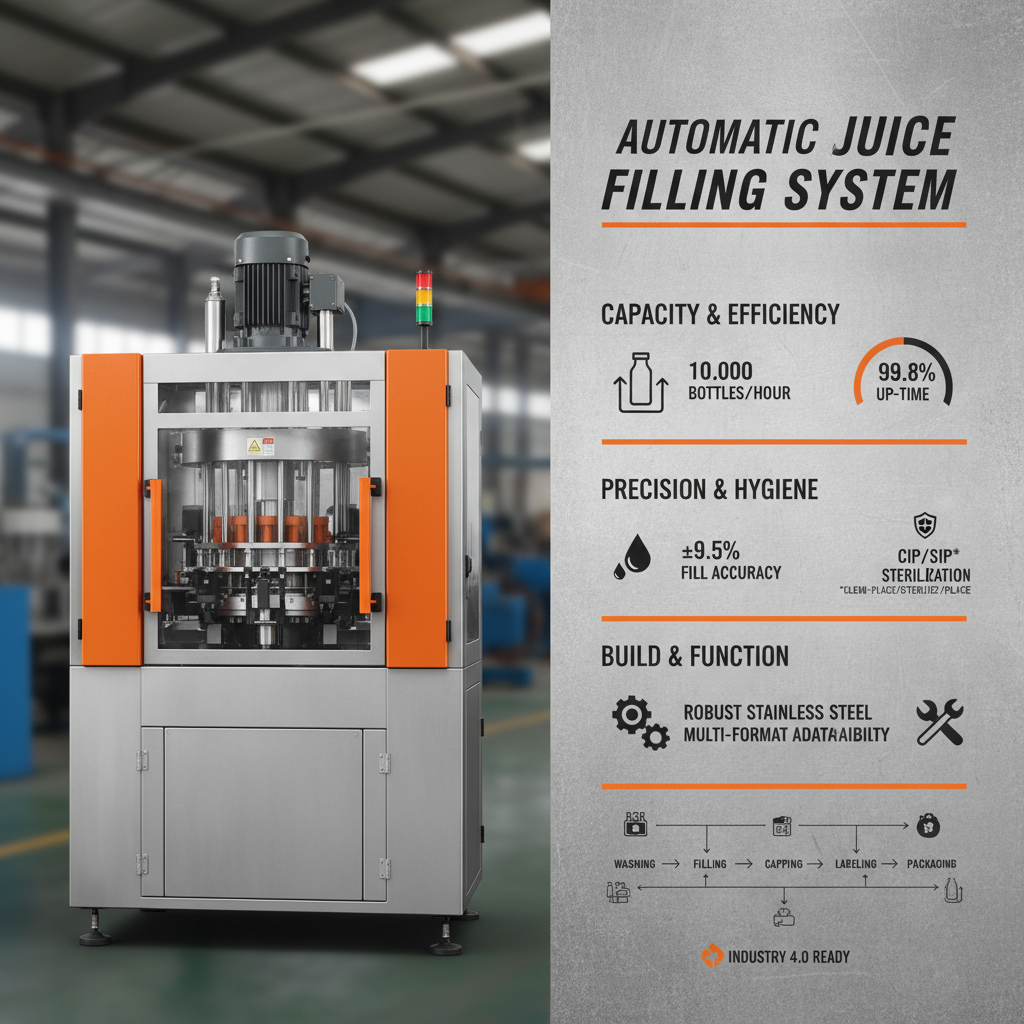
At its core, an automatic juice filling machine is a specialized piece of industrial equipment designed to dispense a predetermined volume of liquid into containers with minimal human intervention. These machines typically utilize a combination of PLC (Programmable Logic Controllers) and precision pumps to ensure that every bottle is filled to the exact same level, regardless of the liquid's viscosity or the production speed.
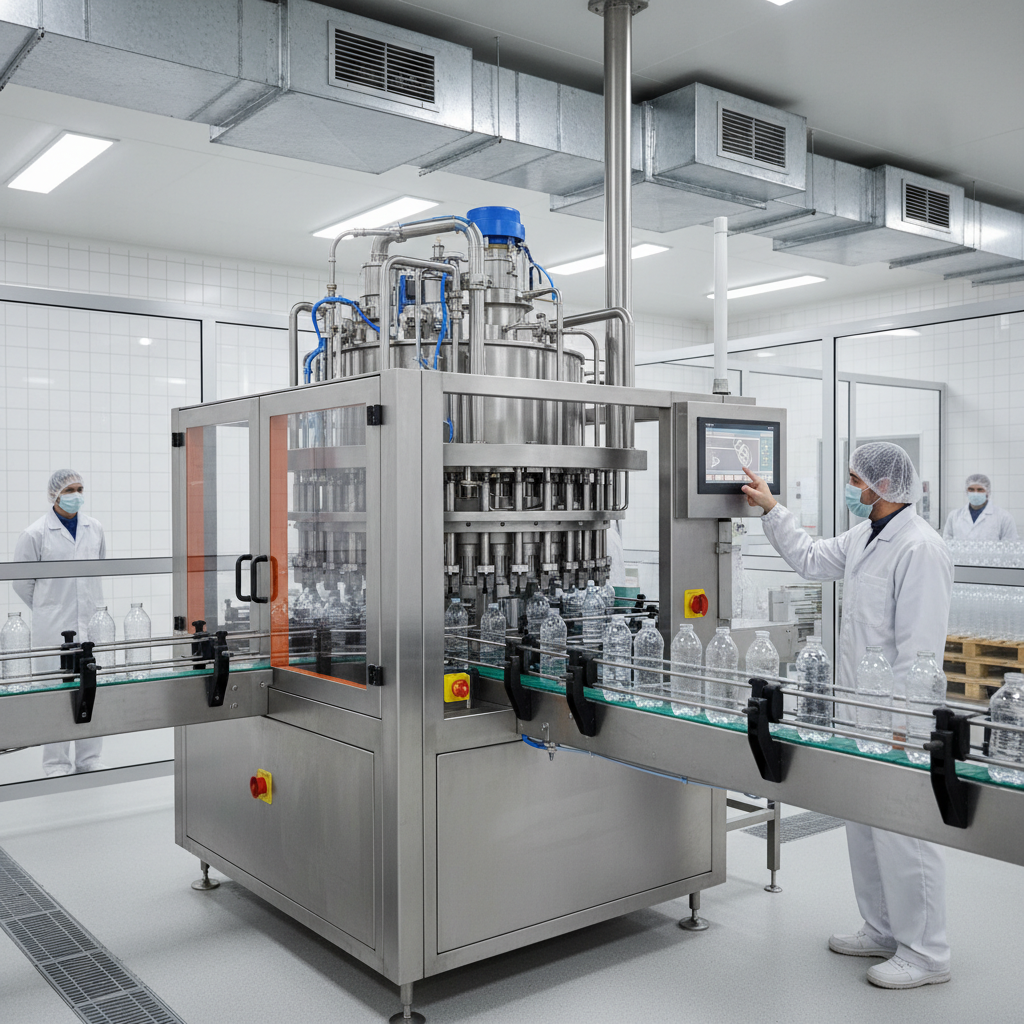
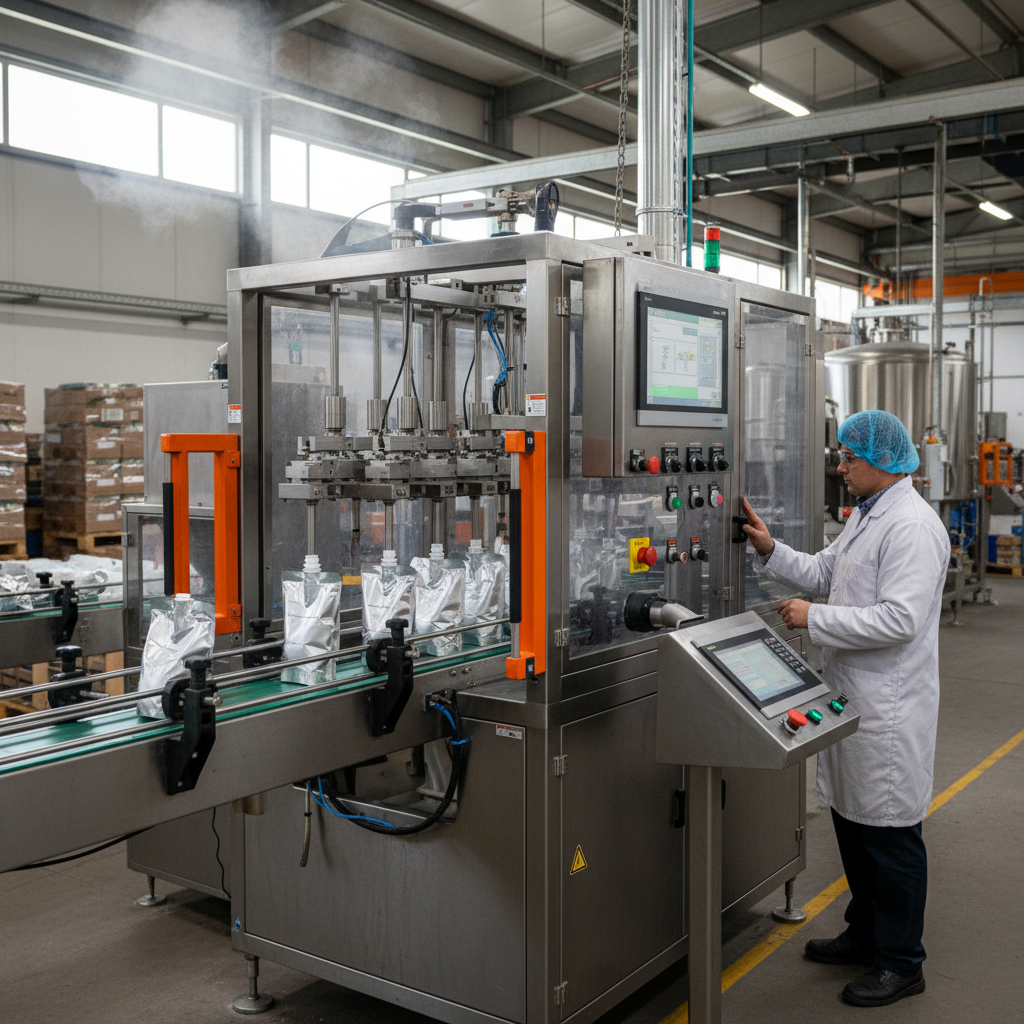
Beyond simple dispensing, modern versions of this technology are integrated into complete production ecosystems. They often include automated bottle feeding, capping, and labeling modules, transforming a standalone filler into a comprehensive packaging line. This integration is essential for maintaining a "closed loop" environment, which prevents airborne contaminants from entering the product.
In the context of broader food processing, such as the meat and auxiliary items industry, the logic of precision filling is mirrored in the way brines or liquid seasonings are added to meat products. The automatic juice filling machine represents the pinnacle of liquid handling, blending mechanical engineering with food science to deliver a product that is safe, consistent, and commercially viable.
Core Components and Design Factors
The durability of an automatic juice filling machine is largely dependent on its material construction. Most industry-leading machines are crafted from SUS304 or SUS316L stainless steel to resist the corrosive nature of acidic fruit juices and the harsh chemicals used during Clean-in-Place (CIP) cycles.
Scalability is another critical factor; a high-quality automatic juice filling machine must allow for easy adjustments in bottle size and volume. Whether a producer is switching from 250ml miniatures to 1L family packs, the machine's modular nozzle system should enable rapid changeovers to minimize downtime.
Cost efficiency is realized through the reduction of product giveaway. By employing advanced load-cell technology or electromagnetic flow meters, the automatic juice filling machine ensures that the filling accuracy is maintained within ±0.5%, which can save a medium-sized plant thousands of dollars in lost product annually.
Global Applications and Sector Use Cases
The application of the automatic juice filling machine spans from small artisanal cooperatives in Southeast Asia to massive industrial hubs in Brazil and India. In these diverse contexts, the machine adapts to the local needs—ranging from gravity-fill systems for low-viscosity clear juices to piston-fill systems for thick, pulpy nectars.
In specialized scenarios, such as the production of organic, cold-pressed juices, these machines are integrated with aseptic chambers. This allows producers to package juices without heat treatment, preserving the raw enzymes and vitamins that health-conscious consumers demand. In remote industrial zones, the reliability of these automated systems reduces the dependency on highly skilled local labor, ensuring consistent output.
Efficiency Analysis of Automatic Juice Filling Machine Types
Long-Term Value and Economic Advantages
Investing in an automatic juice filling machine provides a tangible return on investment (ROI) through the drastic reduction of operational overhead. By automating the most repetitive part of the production process, companies can reallocate their human resources to quality control and product development, fostering a culture of innovation rather than mere maintenance.
Beyond the financial metrics, there is a significant emotional and social value in automation. It ensures worker safety by removing personnel from areas where spills or machinery accidents are common. Furthermore, the reliability of an automatic juice filling machine builds trust with the end consumer, who receives a perfectly sealed, accurately filled product every single time, reinforcing the brand's commitment to quality.
Future Trends in Filling Automation
The future of the automatic juice filling machine is inextricably linked to the "Green Revolution." We are seeing a shift toward energy-efficient motors and the integration of biodegradable packaging materials. Modern machines are being designed to handle thinner, eco-friendly plastics or glass alternatives without sacrificing the speed of the filling cycle.
Digital transformation, specifically the integration of IoT (Internet of Things), is allowing these machines to communicate in real-time with warehouse management systems. An automatic juice filling machine equipped with smart sensors can now predict its own maintenance needs (predictive maintenance), alerting engineers before a component fails, thus eliminating unplanned downtime.
Furthermore, we expect to see a rise in AI-driven vision systems. These systems will scan bottles in milliseconds to detect imperfections or fill-level discrepancies, automatically rejecting flawed units. This evolution ensures that the automatic juice filling machine remains the heart of a zero-defect manufacturing strategy.
Operational Challenges and Technical Solutions
One of the most common challenges when operating an automatic juice filling machine is dealing with "foaming" during high-speed filling. When juices with high protein or fiber content are dispensed quickly, air bubbles can create foam, leading to inaccurate fill levels and unsightly spills.
To solve this, engineers have developed "bottom-up filling" nozzles. These nozzles descend to the bottom of the bottle and rise slowly as the liquid fills, minimizing turbulence and eliminating foam. This technical refinement allows the automatic juice filling machine to maintain high speeds without compromising the presentation of the product.
Another hurdle is the accumulation of organic residue in the pipes, which can lead to bacterial growth. The industry solution is the implementation of fully automated CIP (Clean-in-Place) systems. These systems circulate detergents and sanitizers through the automatic juice filling machine without requiring disassembly, ensuring a sterile environment and extending the equipment's lifespan.
Technical Analysis of Automatic Juice Filling Machine Solutions
| Challenge Dimension |
Common Limitation |
Technical Solution |
Effectiveness (1-10) |
| Product Foaming |
Inaccurate fill levels |
Bottom-up filling nozzles |
9 |
| Hygiene Control |
Bacterial contamination |
Automated CIP Systems |
10 |
| Viscosity Variance |
Slow throughput for pulp |
Positive displacement pumps |
8 |
| Volume Accuracy |
Product giveaway waste |
Electromagnetic flow meters |
9 |
| Bottle Changeover |
High downtime between batches |
Quick-release modular tooling |
7 |
| Energy Consumption |
High operational costs |
Variable Frequency Drives (VFD) |
8 |
FAQS
Hygiene is maintained through the use of medical-grade stainless steel (SUS316L) and the integration of Clean-in-Place (CIP) systems. These systems automatically flush the internal piping with sanitizing agents, eliminating the need for manual scrubbing and preventing the growth of biofilms. Additionally, many machines operate in aseptic environments to prevent external contamination.
Yes, provided the machine uses a piston-filling or positive displacement mechanism. While gravity fillers are great for water-like juices, piston fillers can handle high-viscosity liquids and products containing fruit pulp. Many modern machines feature adjustable settings to toggle between different product densities.
Most manufacturers see a return on investment within 12 to 24 months. This is achieved through the reduction of product waste (overfill), lower labor costs, and a significant increase in bottles produced per hour. The increase in consistency also reduces the rate of product returns and customer complaints.
Choose a gravity filler for thin, non-foaming liquids where speed is the priority and cost is a constraint. Choose a vacuum filler if you are dealing with carbonated juices or highly foaming liquids, as the vacuum removes air from the bottle, allowing for a faster, cleaner fill without bubbles.
Absolutely. Most industrial fillers are designed with standard input/output interfaces and PLC connectivity. By synchronizing the conveyor speed with the machine's cycle time using sensors and variable frequency drives, you can create a seamless, automated flow from the depalletizer to the packer.
Key maintenance includes regular calibration of the flow meters or piston strokes, inspecting O-rings and seals for wear to prevent leaks, and ensuring the CIP cycle is functioning correctly. Lubricating moving parts with food-grade grease is also essential for long-term mechanical health.
Conclusion
The integration of an automatic juice filling machine is more than just a technical upgrade; it is a strategic move toward operational excellence. By combining high-precision dispensing, rigorous hygiene standards, and scalable design, these machines allow producers to meet the growing global demand for quality beverages while simultaneously reducing waste and labor costs.
Looking forward, the synergy between automation, AI, and sustainable materials will redefine the bottling industry. For manufacturers aiming to remain competitive in an era of strict regulations and eco-conscious consumers, investing in smart, adaptable filling technology is the only path toward sustainable growth. Explore the future of processing at our website: www.ycmeatmech.com