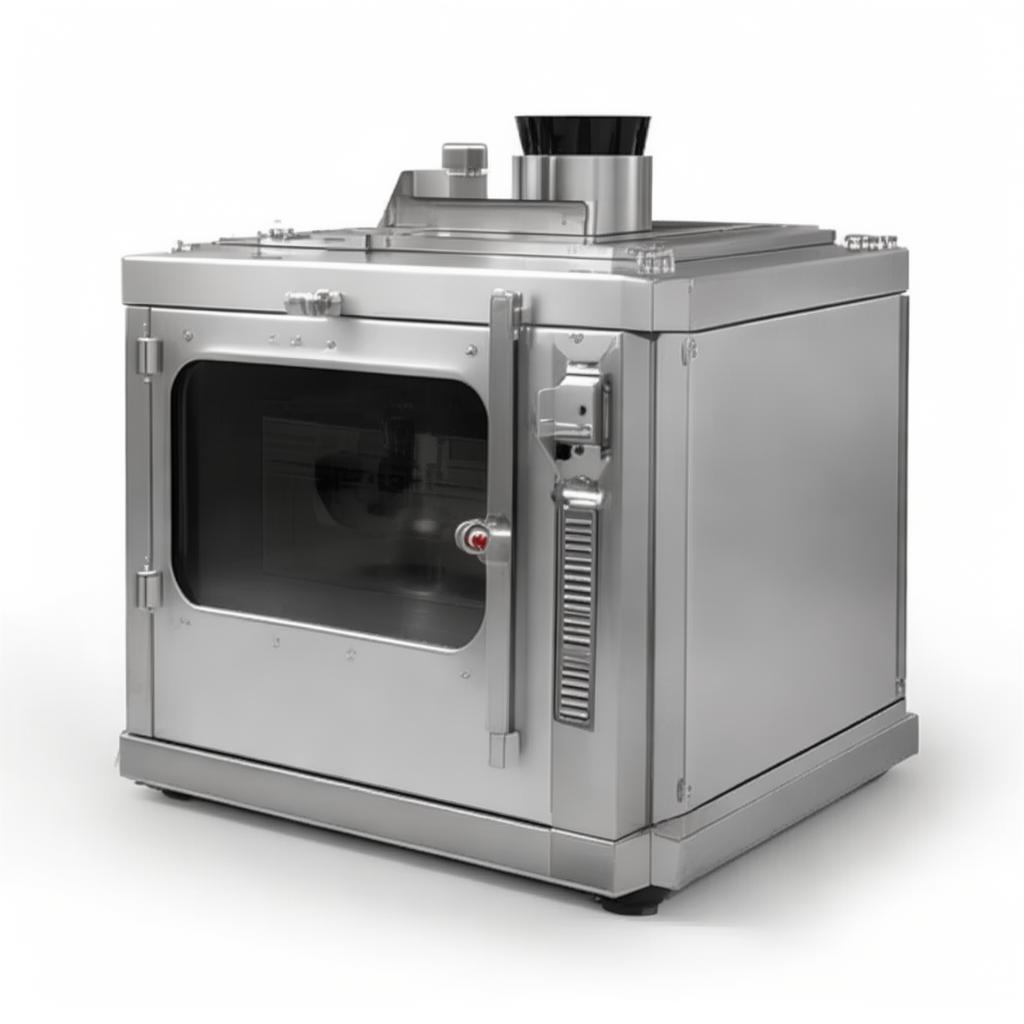
What Is A Mixer Used For
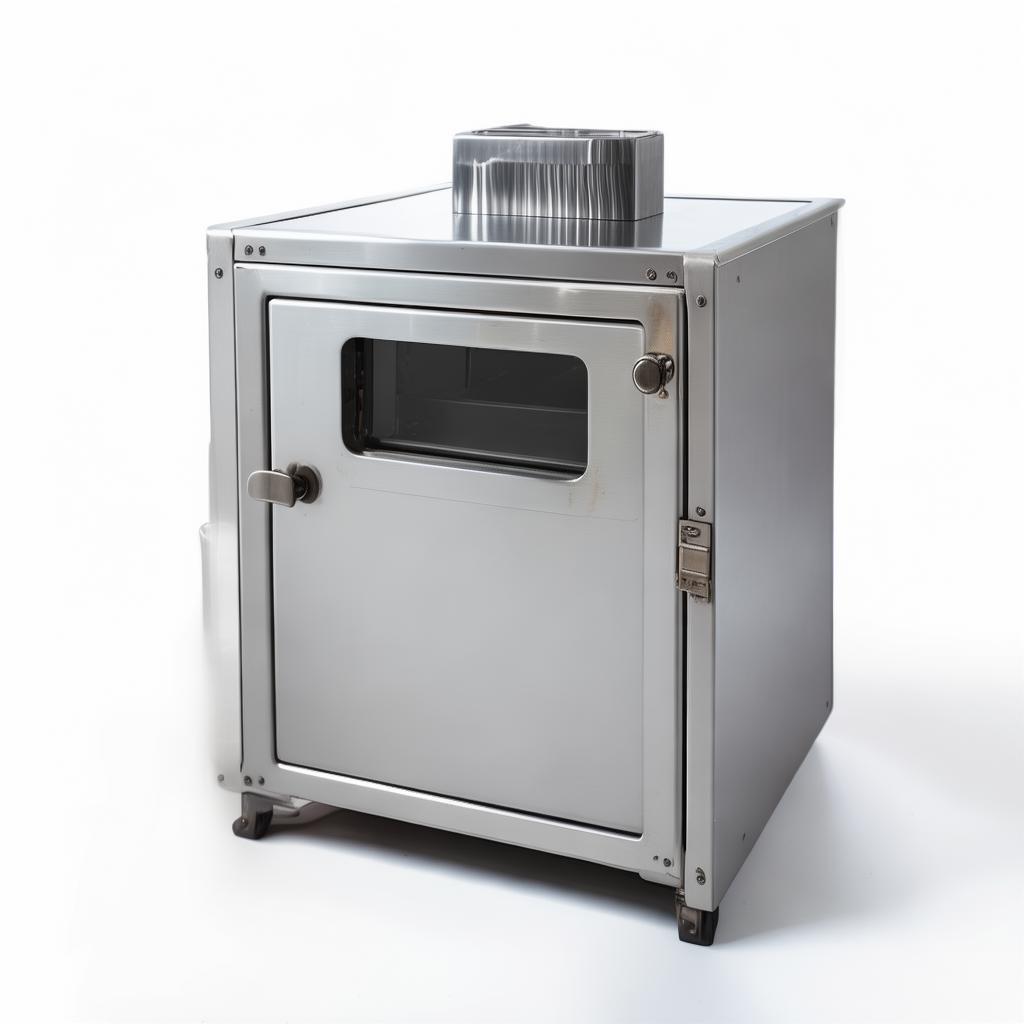
Understanding the Versatility of Mixers in Industrial Applications
A Comprehensive Guide by Hebei Yuanchang Food Mechanism & Technology Co., Ltd.
Introduction: The Unsung Hero of Product Formulation
In the intricate world of industrial manufacturing and wholesale export, few pieces of equipment are as fundamental yet as varied in their application as the mixer. Often, it's the engine that drives the homogeneity, consistency, and ultimately, the quality of a final product. Whether you're producing processed meats, pharmaceuticals, chemicals, or even composite materials, the process of blending disparate ingredients into a unified whole hinges on the right mixing technology. For procurement managers, operations directors, and engineers, understanding precisely what a mixer is used for is critical to optimizing production lines, ensuring product integrity, and maintaining a competitive edge.
The global meat processing equipment market, a sector where mixers are indispensable, was valued at approximately USD 11.29 billion in 2025 and is projected to reach USD 17.39 billion by 2034, showcasing a steady CAGR of 5.0%. This growth is driven by the escalating demand for processed meats, the imperative for automation to enhance hygiene and labor efficiency, and the stringent adherence to food safety standards. Key segments, including filling, massaging, and grinding machines, highlight the critical role of precise blending and texturizing technologies. Within this landscape, mixers are central to pretreatment, ensuring uniform distribution of spices, binders, and other additives. Furthermore, the trend towards convenience foods and the expansion of the processed meat market globally, projected to reach USD 1,330.45 billion by 2035, directly translates to an increased reliance on robust and efficient mixing solutions. This isn't just about combining things; it's about achieving specific textures, ensuring microbial stability, and maximizing yield. The right mixer can prevent costly batch rejections, reduce processing time, and even enable the creation of novel product formulations that capture market share.
From a wholesale export perspective, reliable mixing equipment translates directly into consistent product quality for international clients. Imagine a food manufacturer in North America receiving a shipment of a seasoned meat blend that is perfectly uniform, batch after batch, thanks to precision mixing back at the source. That's the kind of dependability that builds long-term contracts and a strong brand reputation. Similarly, in the chemical industry, precise mixing is paramount for reactions, dispersion, and the creation of stable emulsions or suspensions. Deviations can lead to incomplete reactions, product stratification, or even hazardous outcomes. The operational complexities involved – from handling viscous liquids and abrasive powders to maintaining sterile environments – demand machinery built for purpose, durability, and precision. As the industry moves towards Industry 4.0, smart mixers with integrated sensors and data analytics are becoming more prevalent, offering real-time feedback on mixing parameters and predictive maintenance capabilities. This not only boosts efficiency but also enhances traceability and compliance, which are non-negotiable in cross-border commerce.
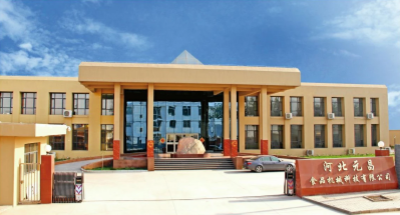
At Hebei Yuanchang Food Mechanism & Technology Co., Ltd., with our 40 years of experience since 1986, we've seen firsthand how crucial the right mixing technology is. We understand that when you ask what is a mixer used for, you're not just looking for a definition; you're seeking a solution. You're assessing how this equipment fits into your complete production workflow, how it impacts your raw material utilization, your energy consumption, and your overall output quality. We equip manufacturers with the tools they need to meet stringent global standards, whether it's for food safety (like HACCP principles), material integrity, or production throughput. The investment in quality mixing machinery is an investment in the future of your product and your business. Let's delve deeper into the multifaceted world of industrial mixers and discover how they can elevate your operations.

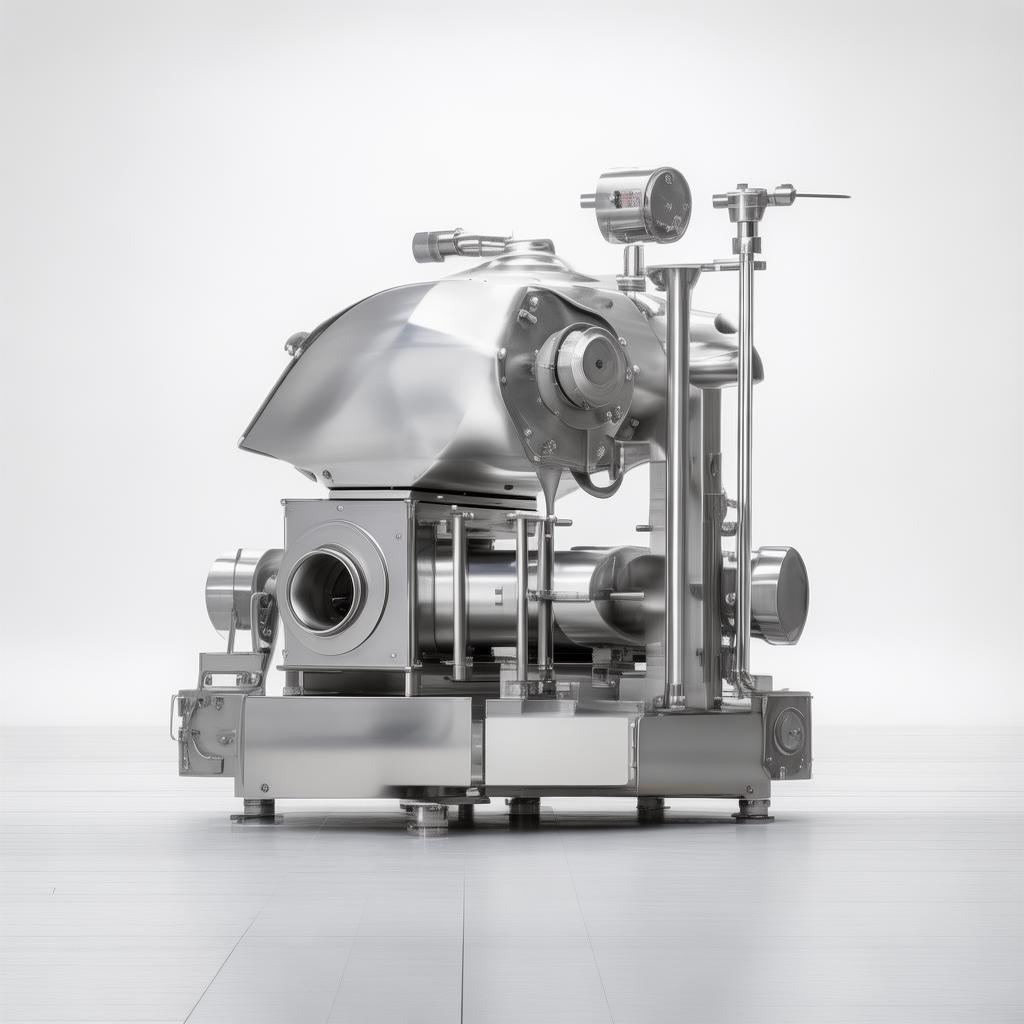
A typical industrial mixing setup.
What is a Mixer and How Does It Work? The Core Principles
At its most fundamental level, an industrial mixer is a piece of equipment designed to uniformly combine two or more substances. These substances can range from liquids and solids to gases, or various combinations thereof. The primary goal is to achieve a homogeneous mixture, where each component is evenly distributed throughout the batch, ensuring consistent properties and performance in the final product. This seemingly simple objective can involve complex engineering when dealing with diverse material characteristics like viscosity, particle size, density, and temperature.
The working principle of most industrial mixers revolves around imparting mechanical energy to the materials. This is typically achieved through rotating impellers, blades, paddles, or agitators within a vessel. The type of motion and the design of the mixing elements are crucial. They can induce various types of flow within the mixture:
- Radial Flow: Material is moved outwards from the center.
- Axial Flow: Material is moved up or down along the axis of the impeller.
- Turbulent Flow: Characterized by chaotic, irregular fluid motion, ideal for rapid blending but can be energy-intensive and potentially damaging to delicate materials.
- Laminar Flow: Smooth, ordered fluid motion, suitable for viscous materials where shearing is important without excessive aeration.
The design of the mixing vessel itself also plays a role. Baffles are often incorporated to disrupt flow patterns and promote better turbulence, preventing the formation of "dead zones" where material might not be adequately mixed. The speed of rotation, the geometry of the impeller, and the size and shape of the vessel are all meticulously calculated based on the specific application and the properties of the materials being processed.
For instance, in meat processing, a mixer might be used to uniformly distribute spices, curing agents, and fat throughout ground meat. The goal is to achieve consistent flavor, texture, and color in products like sausages, patties, and cured meats. The mixer needs to handle the meat's viscosity and its tendency to clump, ensuring complete incorporation of additives without overworking the meat, which could lead to a tough final product. This often involves paddle-style mixers designed to gently lift and fold the meat, minimizing shear while maximizing coverage.
Contrast this with mixing fine powders in the pharmaceutical industry. Here, a high-shear mixer or a specialized blender like a V-blender might be employed to ensure that minute quantities of active pharmaceutical ingredients (APIs) are perfectly dispersed into a large volume of excipients. The requirement is extreme homogeneity and the prevention of segregation, often necessitating specific impeller designs and controlled mixing times. The global meat processing equipment market's projected growth to USD 19.66 billion by 2033 reflects the broad demand for precise mechanical processing, with filling, grinding, and massaging equipment (where mixers are key) being central to this expansion. Understanding these core principles allows us to appreciate the diverse capabilities and the critical importance of selecting the right mixer for your unique production needs.
Key Applications Across Diverse Industries
The utility of industrial mixers transcends any single sector, demonstrating remarkable adaptability across a vast array of manufacturing and processing environments. Their ability to achieve homogeneity, create specific textures, and ensure ingredient uniformity makes them indispensable in countless production lines.
1. Food & Beverage Processing
This is perhaps the most recognized domain for mixers. In meat processing, as mentioned, mixers are vital for creating sausages, deli meats, burgers, and pet food. They ensure even distribution of seasonings, binders, fats, and curing agents, directly impacting flavor, texture, and shelf-life. Beyond meat, mixers are used for:
- Dairy: Blending yogurts, cheeses, and ice cream mixes.
- Bakery: Dough mixers, cake batter blenders, and filling homogenizers.
- Confectionery: Mixing chocolate, caramels, and other sweet treats.
- Beverages: Creating uniform blends for juices, sauces, and even alcoholic beverages.
how to use a mixer mixer usage mixer agitator
The demand for processed and convenience foods is a significant driver, with the global processed meat market alone expected to reach USD 1,330.45 billion by 2035. This growth necessitates high-capacity, reliable mixing equipment that can maintain strict hygiene standards.
2. Chemical & Pharmaceutical Manufacturing
Precision is paramount here. Mixers are used to:
- Chemical Reactions: Facilitating reactions by ensuring proper contact between reactants.
- Dispersion: Creating stable suspensions and emulsions (e.g., paints, coatings, agrochemicals).
- Homogenization: Ensuring uniform particle distribution in powders or liquids for pharmaceuticals, ensuring accurate dosing.
- Product Formulation: Blending active ingredients with carriers or excipients.
Material handling for corrosive or volatile chemicals requires specialized mixer designs, often incorporating corrosion-resistant alloys and explosion-proof components. The need for consistency in drug formulation makes mixers essential for tablet production, liquid medicines, and topical creams.
3. Cosmetics & Personal Care
Creating stable emulsions for lotions and creams, dispersing pigments in makeup, and blending fragrances and active ingredients in skincare products all rely heavily on sophisticated mixing technology. The aesthetic quality and functional performance of these products are directly linked to the uniformity achieved during the mixing phase.
4. Plastics & Polymers
Mixers are used to blend plastic pellets with colorants, additives (UV stabilizers, flame retardants), and fillers to create custom polymer compounds. This is critical for achieving specific properties like color consistency, mechanical strength, and fire resistance in the final plastic products.
5. Construction Materials
In industries producing concrete, mortar, plaster, and adhesives, powerful mixers are essential for thoroughly combining cementitious materials, aggregates, water, and admixtures. Uniformity ensures the structural integrity and performance of the finished construction elements.
The global food processing equipment market, including mixers, is experiencing robust growth, with projections indicating a rise to USD 17.39 billion by 2034. This trend underscores the universal need for efficient and precise mixing solutions across industrial operations. Selecting the appropriate mixer based on the specific application, material properties, and desired outcome is a strategic decision that impacts production efficiency, product quality, and ultimately, profitability. What a mixer is used for is defined by the challenges and goals of the industry it serves.
Common Types of Industrial Mixers: Matching Technology to Task
The vast array of applications for mixers has led to the development of specialized designs, each optimized for different material types, viscosities, and mixing objectives. Choosing the correct mixer type is paramount for efficiency and product quality. At Hebei Yuanchang, we leverage our 40 years of experience to guide clients toward the optimal solution.
1. Paddle Mixers (Low to Medium Viscosity)
Characterized by robust, often intermeshing paddles, these mixers excel at handling bulk solids, pastes, and doughs. They provide gentle, thorough mixing without excessive shearing, making them ideal for sensitive food products like ground meat, sausages, or delicate powders. The paddles can be designed to lift, fold, and tumble materials, ensuring comprehensive blending. For meat processing, paddle mixers are a workhorse, distributing ingredients uniformly and maintaining the desired texture.
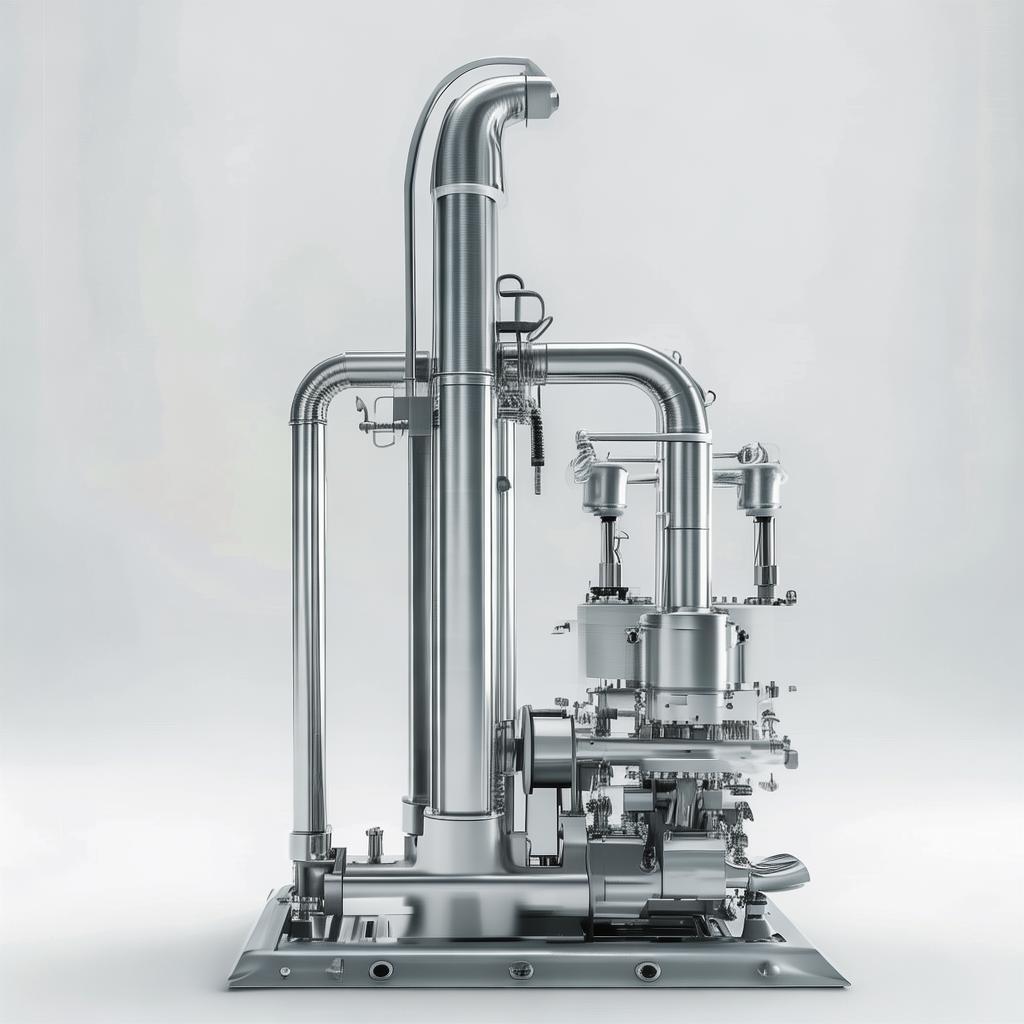
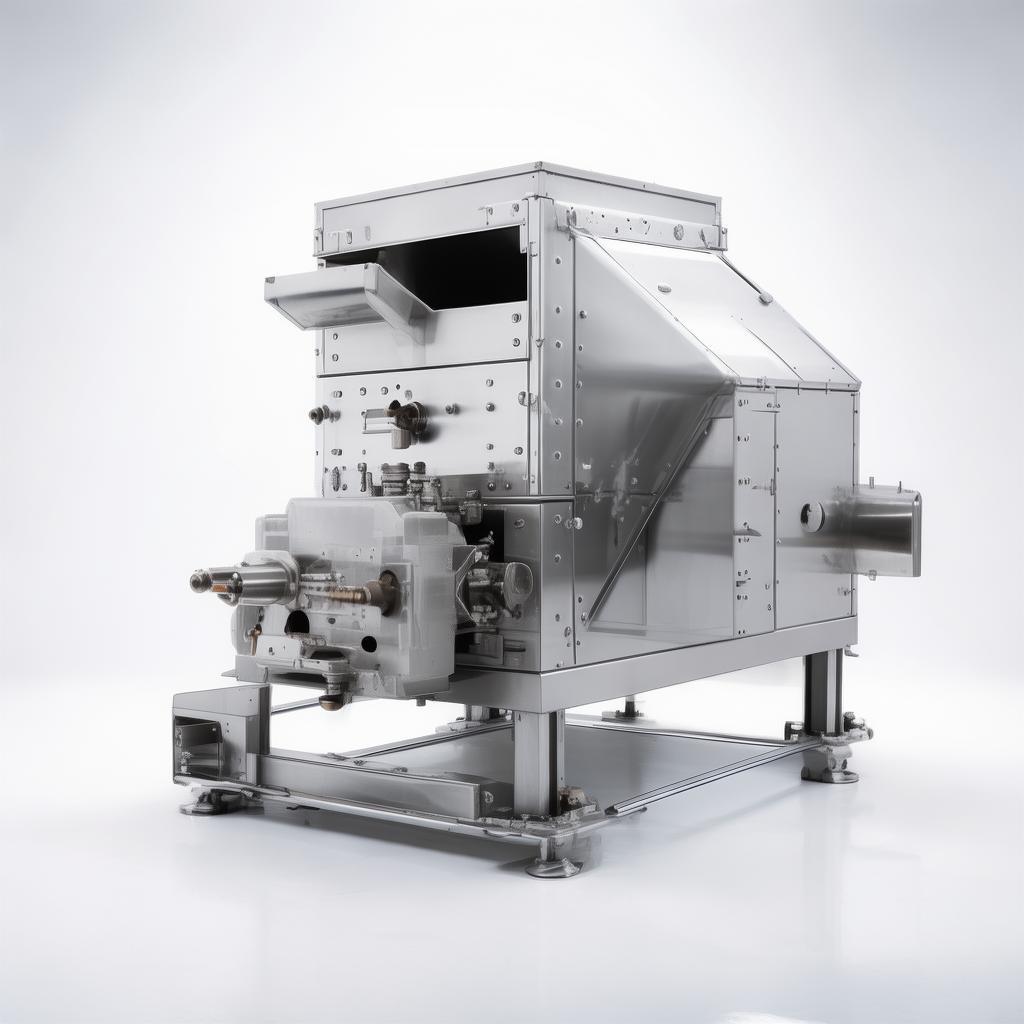
A typical heavy-duty paddle mixer for food processing.
2. Ribbon Mixers (Powders & Granules)
These mixers use helical ribbons (inner and outer) that rotate within a trough to move materials. They are highly effective for blending dry powders, granules, and sometimes light pastes. The ribbons create a cascading action, ensuring intimate mixing. They are common in chemical blending, food ingredient mixing, and pharmaceutical powder preparation. Ribbon mixers can be very efficient for achieving homogeneity in free-flowing solids.
3. Planetary Mixers (High Viscosity & Doughs)
The distinctive feature of a planetary mixer is its rotating agitator that orbits around the inside of a stationary bowl. This simultaneous motion ensures that all parts of the mixture are reached, making them excellent for very viscous materials like heavy doughs, batters, or abrasive pastes. They provide thorough kneading and blending action.
4. High-Shear Mixers (Emulsions & Dispersions)
These mixers employ rotors and stators designed to generate intense shear forces. They are used to break down particles, create fine dispersions, and form stable emulsions. Applications include producing mayonnaise, sauces, cosmetics, pharmaceutical suspensions, and chemical emulsions. The high energy input ensures rapid breakdown of agglomerates and uniform dispersion.
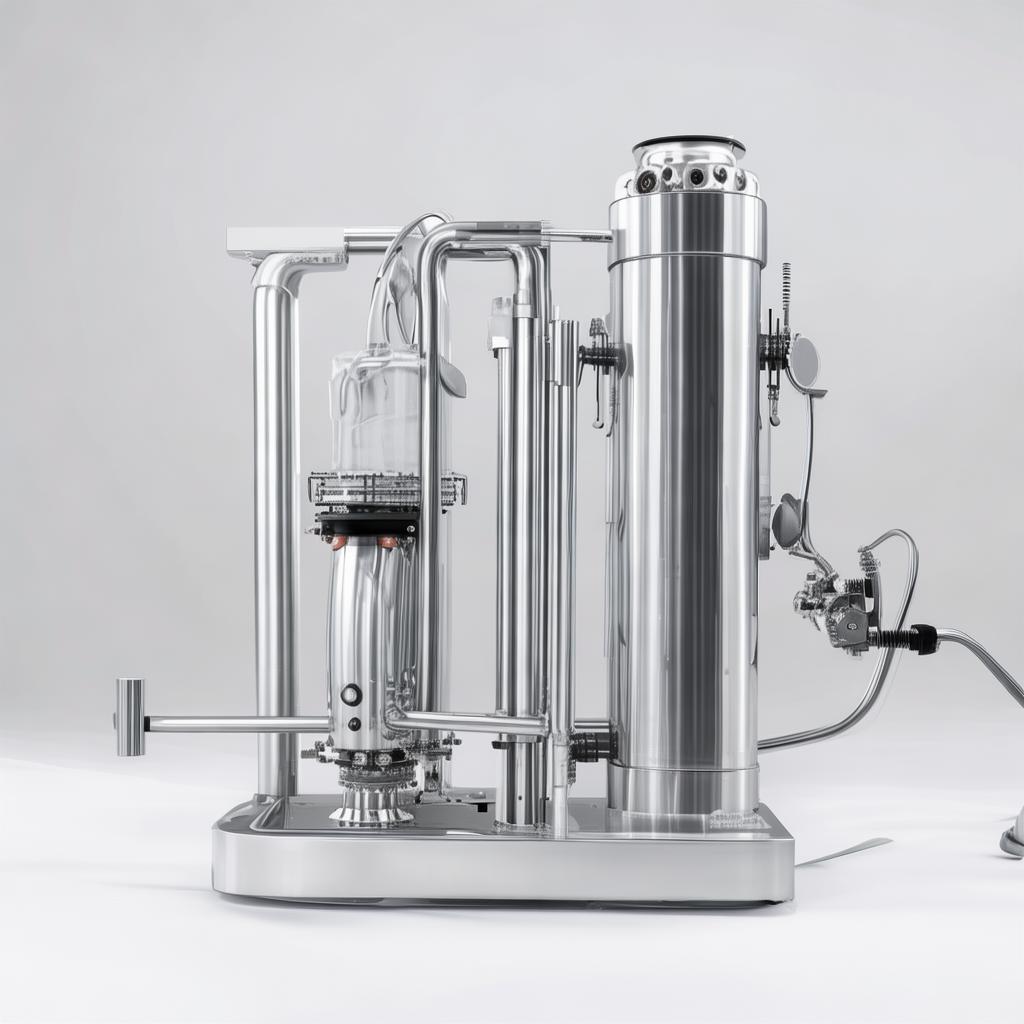
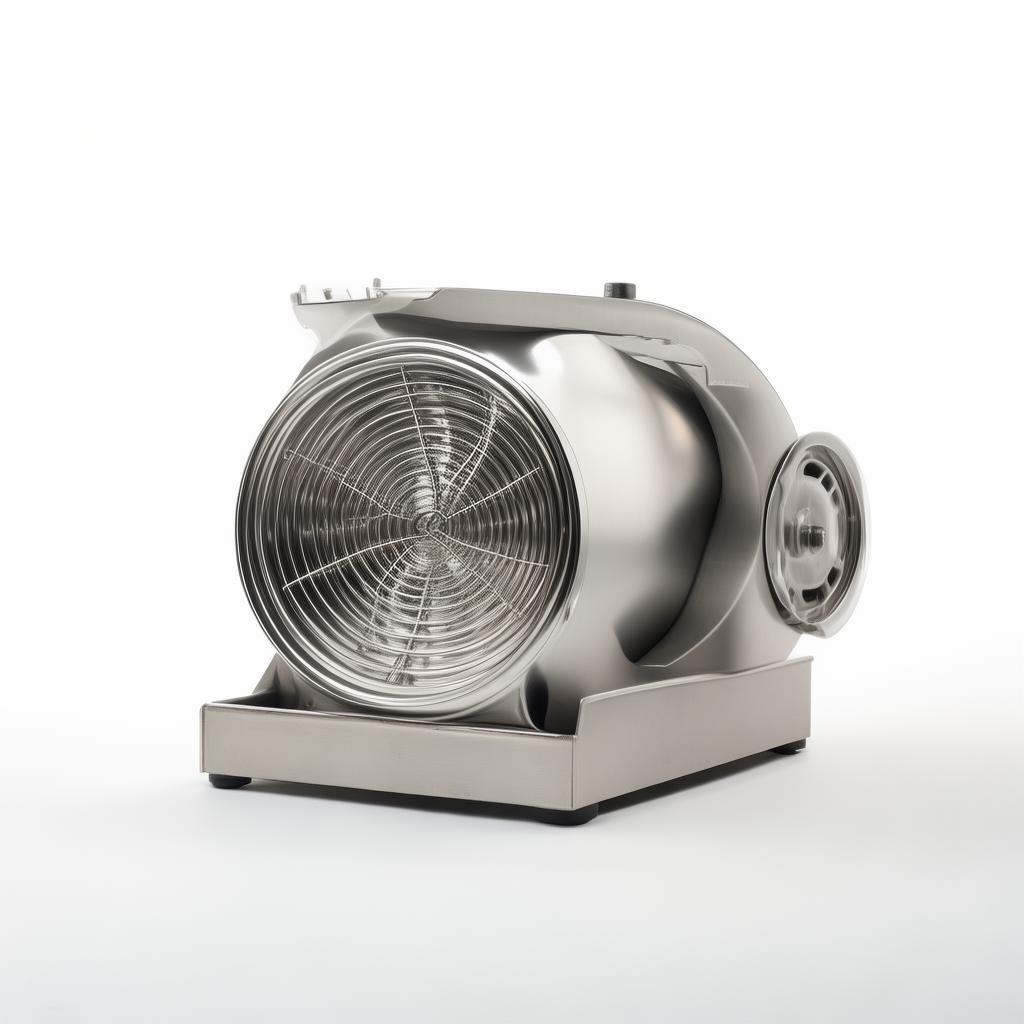
Rotor-stator mechanism in a high-shear mixer.
5. Vacuum Mixers (Moisture & Air Sensitive Materials)
These mixers operate under vacuum conditions. This is crucial for applications where removing air or moisture is critical for product quality or stability. Examples include degassing resins, preventing oxidation in sensitive food products, or drying powders. In the food industry, vacuum mixers are also used to prevent spoilage and extend shelf life by removing air that can promote microbial growth.
6. Continuous Mixers
Unlike batch mixers, continuous mixers process materials as they are fed into the system, offering high throughput for large-scale production. They are common in large-volume food production, chemical processing, and material compounding. The integration of continuous mixers can significantly streamline operations and reduce bottlenecks in high-demand production environments.
Selecting the right mixer type is not a one-size-fits-all decision. It requires a deep understanding of the materials, the desired end-product characteristics, and the operational constraints. For instance, while the meat processing equipment market is expanding, ensuring the right mixer is chosen for specific cuts or product types is key to avoiding over-processing or under-blending. We offer a range of mixer types, supported by our expertise in food machinery and OEM/ODM capabilities, to meet these diverse needs.
Technical & Operational Considerations: Beyond the Basics
Beyond the fundamental type of mixer, numerous technical and operational factors dictate its suitability and effectiveness in a real-world industrial setting. These considerations are critical for procurement professionals and engineers tasked with specifying and implementing new equipment or upgrading existing lines. Our 40 years of experience have shown that overlooking these details can lead to inefficiencies, product quality issues, and unexpected maintenance costs.
Material Properties & Compatibility
The physical and chemical characteristics of the materials to be mixed are paramount. This includes:
- Viscosity: Ranges from thin liquids to thick pastes and solids.
- Particle Size & Density: Affects settling, segregation, and the energy required for dispersion.
- Abrasiveness: Requires wear-resistant materials for mixing elements and vessels.
- Temperature Sensitivity: Some materials degrade or change properties with heat generated during mixing.
- Reactivity & Corrosiveness: Dictates the need for specific materials of construction (e.g., stainless steel grades, specialized coatings, PTFE).
For food applications, compliance with standards like FDA or EU regulations for food contact materials is essential. For instance, using 304 or 316 stainless steel is common, depending on the corrosiveness of ingredients.
Mixing Action & Objectives
What outcome are you aiming for?
- Homogenization: Achieving a uniform blend throughout the batch.
- Dispersion: Suspending solid particles evenly in a liquid.
- Emulsification: Creating a stable mixture of immiscible liquids.
- Aeration/Deaeration: Incorporating or removing air.
- Kneading/Shearing: Developing texture or breaking down material structure.
The choice of impeller design, speed, and vessel geometry directly influences which of these objectives can be met most effectively. A mixer designed for delicate meat blending won't achieve the fine particle dispersion needed for a cosmetic emulsion.
Capacity & Throughput
Consider the batch size or continuous flow rate required. Over-sizing a mixer can lead to inefficient energy use and poor mixing in small batches, while under-sizing will create bottlenecks. Production forecasts and peak demand scenarios are essential inputs for determining the appropriate capacity. For instance, the growth in the processed meat market, expected to reach USD 19.11 billion by 2035, demands scalable mixing solutions that can handle increasing volumes efficiently.
Hygiene & Cleanability (CIP/SIP)
For food, pharmaceutical, and cosmetic applications, ease of cleaning is non-negotiable. Mixers should be designed for effective Cleaning-In-Place (CIP) or Sterilization-In-Place (SIP) to prevent cross-contamination and ensure product safety. This means smooth surfaces, minimal crevices, easily detachable components, and materials compatible with cleaning agents. For international markets, adherence to standards like HACCP, GMP, and ISO is crucial.


Certifications for quality and compliance.
Power Requirements & Controls
Understand the motor power needed for the specific viscosity and batch volume. Variable speed drives (VSDs) offer flexibility to adjust mixing intensity for different products or stages of the process. Advanced control systems can automate sequences, monitor parameters, and integrate with plant-wide SCADA systems for improved process control and data logging. This is increasingly important for achieving consistency and traceability.
Installation & Footprint
Consider the physical space available, structural load requirements, and ease of installation. Some mixers are floor-mounted, while others are designed for integration into existing process lines. Ventilation, power supply, and drainage needs should also be factored in during the planning phase.
Addressing these technical and operational aspects upfront ensures that the selected mixer not only performs its primary function but also integrates seamlessly into your existing infrastructure, meets regulatory requirements, and contributes to overall operational efficiency. Our expertise at Hebei Yuanchang extends to advising on these critical details for international trade clients.
Procurement & Supplier Choice: Navigating the Market
Sourcing industrial equipment, especially for critical processes like mixing, involves more than just comparing price tags. For purchasing managers and procurement directors, a strategic approach is necessary to ensure long-term value, reliability, and compliance. With 40 years in the manufacturing sector, Hebei Yuanchang understands the procurement challenges faced by businesses operating in wholesale export and international B2B trade.
1. Define Your Needs Precisely
Before even looking at suppliers, conduct a thorough needs assessment. This involves:
- Product Specifications: Clearly define the ingredients, desired texture, homogeneity requirements, and batch sizes.
- Production Volume: Estimate daily, weekly, and annual output targets.
- Operational Constraints: Space, power availability, existing infrastructure, and sanitation requirements.
- Regulatory Compliance: Identify all applicable local and international standards (e.g., FDA, CE, ISO, GMP).
2. Evaluate Supplier Capabilities
When evaluating potential suppliers, look beyond just the product catalog. Consider:
- Experience & Track Record: How long has the company been in business? Do they specialize in your industry? (e.g., our 40 years in food machinery).
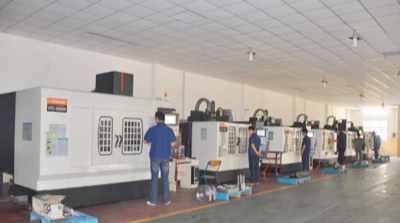
- Manufacturing Strength: Do they have in-house manufacturing capabilities, including precision machining like Japanese Mazak CNC centers, allowing for high-standard component production? This is key for OEM/ODM.
- Quality Control & Certifications: Do they adhere to international quality standards? (e.g., ISO certification).
- Technical Support & After-Sales Service: This is crucial for international clients. Can they offer installation guidance, spare parts, and troubleshooting? A traceable after-sales management system is a strong indicator.
- Customization (OEM/ODM): Can they modify existing designs or develop entirely new solutions to meet your unique needs?
At Hebei Yuanchang, our extensive in-house machining workshop, equipped with over 20 sets of processing machinery and advanced CNC centers, allows us to independently produce high-precision parts. This capability is foundational to our OEM/ODM services and ensures our commitment to quality and customization.
3. Consider Total Cost of Ownership (TCO)
The initial purchase price is only one factor. TCO includes:
- Energy Consumption: More efficient designs can save significantly over time.
- Maintenance & Spare Parts: Availability and cost of replacement parts.
- Downtime: The cost of production loss due to equipment failure.
- Labor Costs: Ease of operation and cleaning can impact staffing needs.
4. Logistics & Export Capabilities
For international buyers, a supplier's experience in handling export logistics is vital. This includes:
- Packaging for Transit: Ensuring equipment is protected during long-distance shipping.
- Documentation: Providing necessary export/import paperwork.
- Shipping Options: Familiarity with container loading and various shipping methods.
We understand the complexities of international trade and work to ensure a smooth export process for our clients worldwide. Our commitment is to deliver not just machinery, but reliable solutions.
Ready to find the right mixer for your operation?
Leverage our decades of experience to optimize your production.
Request Factory Pricing NowFrequently Asked Questions About Industrial Mixers
We've compiled answers to some common questions prospective buyers have about industrial mixers and their applications.
Q1: What is the primary function of a mixer in meat processing?
A1: In meat processing, mixers are used to uniformly blend various ingredients such as meat, fat, spices, binders, and curing agents. This ensures consistent flavor, texture, color, and structural integrity in products like sausages, patties, cured meats, and pet foods. It's critical for achieving predictable results batch after batch.
Q2: How do I choose the right type of mixer for my application?
A2: The choice depends on the materials you're mixing and your desired outcome. Factors to consider include viscosity, particle size, abrasiveness, batch size, whether you need high shear or gentle folding, and hygiene requirements. Consulting with an experienced manufacturer like Hebei Yuanchang is highly recommended.
Q3: Can your mixers be customized for specific needs (OEM/ODM)?
A3: Absolutely. We specialize in OEM/ODM solutions. With our in-house advanced machining capabilities, including Japanese Mazak CNC centers, we can modify existing designs or engineer entirely new mixing systems to meet your precise operational and product specifications. This is a cornerstone of our service for international clients.
Q4: What are the key considerations for cleaning and maintenance of industrial mixers?
A4: For food and pharmaceutical applications, ease of cleaning (CIP/SIP capabilities) is paramount to prevent contamination and ensure product safety. Look for smooth surfaces, minimal crevices, and easy-to-disassemble parts. Regular maintenance, including lubrication and inspection of wear parts, is crucial for longevity and preventing unexpected downtime. We provide detailed maintenance guidelines with our equipment.
Q5: How does the global market trend for processed meat affect mixer demand?
A5: The robust growth in the processed meat market, projected to exceed USD 17 billion by 2034, directly fuels demand for high-capacity, efficient, and hygienic mixers. Manufacturers are investing in advanced mixing technologies to meet increased production volumes, ensure product consistency, and comply with stringent global food safety standards. This includes demand for specialized mixers for various meat products.
Q6: What is the advantage of using a vacuum mixer?
A6: Vacuum mixers are used when removing air or moisture from the mixture is critical. This is important for preventing oxidation, extending shelf life in food products, degassing sensitive materials like resins, or achieving specific product textures. For instance, in some meat applications, vacuum mixing can improve binding and reduce spoilage.
Have more questions about mixers? Let's talk.
Talk With Our EngineersWhat Our Clients Say

Operations Manager, USA
"We were looking for a reliable mixer for our sausage production. The paddle mixer from Hebei Yuanchang has significantly improved our batch consistency. The build quality is robust, and the after-sales support has been responsive, which is crucial for our export operations."

Procurement Specialist, Canada
"Hebei Yuanchang's ability to provide OEM solutions was a game-changer for us. They modified a mixer to perfectly fit our specialized food product formulation needs. Their technical team was professional and understood our requirements well."

Plant Manager, Mexico
"The build quality of the equipment is impressive, especially considering the price point. We received our order on schedule, and the installation was straightforward. The mixer has been running reliably for over a year with minimal maintenance."
Optimize Your Production with the Right Mixing Solution
Don't let inefficient mixing limit your product quality or production output. Hebei Yuanchang Food Mechanism & Technology Co., Ltd. offers robust, reliable, and customizable mixing solutions backed by 40 years of industry experience.