What Is A Bone Crusher
What is a Bone Crusher? A Comprehensive Guide for Industrial Applications
Understanding the critical role of bone crushing technology in modern processing and manufacturing.

Senior Export Manager, Hebei Yuanchang Food Mechanism & Technology Co., Ltd.
Over 15 years in international industrial equipment sales and support.
Table of Contents
- Introduction: The Essence of Bone Crushing
- Defining a Bone Crusher: Function and Form
- Why Crush Bones? Unpacking the Industrial Need
- Types of Industrial Bone Crushers
- Key Industrial Applications
- Essential Technical Specifications to Consider
- Material Science: What Makes a Durable Bone Crusher?
- Operational Insights & Best Practices
- Procurement: Navigating the Buying Process
- Our Manufacturing Strength: Hebei Yuanchang
- Frequently Asked Questions (FAQs)
- What Our Clients Say
- Ready to Enhance Your Processing?
In the complex world of industrial processing, especially within the food and rendering sectors, efficiently breaking down raw materials is paramount. While many think of grinders and slicers, a more fundamental piece of machinery is often at play: the bone crusher. This isn't your backyard compost gadget; we're talking about heavy-duty, precision-engineered equipment designed to pulverize bone matter into manageable sizes. Whether it's for creating nutrient-rich animal feed, extracting valuable fats and proteins, or preparing by-products for further refinement, the bone crusher is a cornerstone technology. Understanding its capabilities, different forms, and the specific requirements for your operation is crucial for maximizing efficiency, ensuring product quality, and achieving your production targets. This guide delves into what a bone crusher truly is, its diverse industrial applications, and what factors you should consider when selecting or specifying such a machine for your facility. For businesses aiming to optimize their supply chain and extract maximum value from raw materials, mastering the role of bone crushing equipment is a strategic imperative.
The global meat processing equipment market, a sector where bone crushers play a vital role, was valued at approximately USD 11.29 billion in 2025 and is projected to reach USD 17.39 billion by 2034, growing at a CAGR of around 5.0%. Key segments like cutting, grinding, and processing machines are driven by rising demand for processed meats, adoption of automation for hygiene and efficiency, and stringent food safety standards, particularly in the Asia-Pacific region. Our own experience at Hebei Yuanchang Food Mechanism & Technology Co., Ltd., with 40 years in meat processing equipment since 1986, has shown us firsthand how critical robust pretreatment equipment, including advanced bone crushing solutions, is to the overall success of a processing line. We've seen how investing in the right machinery directly impacts throughput, product consistency, and profitability. For instance, efficient bone crushing can significantly improve the yield of valuable rendered products and create a more homogeneous feedstock for subsequent processing stages.
Beyond the direct processing of meat by-products, bone crushing technology finds its way into surprising corners of industry. Consider the creation of bone meal for fertilizers, a critical input for agriculture, or the production of specialized gelatin and collagen extracts used in pharmaceuticals and cosmetics. Each of these applications demands a specific type of bone crushing capability, from coarse reduction to fine powderization. The choice of equipment hinges on the desired particle size, the types of bones being processed (e.g., poultry vs. beef), and the required throughput. It’s not a one-size-fits-all scenario. As the industry continues to evolve, driven by demands for sustainability, higher yields, and stricter quality controls, the sophistication and application of bone crushers are also advancing. We've invested heavily in R&D, including incorporating Japanese Mazak CNC machining centers, to ensure our equipment meets these rising expectations with precision and reliability. This commitment allows us to produce high-precision parts independently, ensuring the long-term performance and support for our global clientele.
Defining a Bone Crusher: Function and Form
At its core, a bone crusher is a piece of industrial machinery designed to break down bones into smaller fragments or particles. The primary goal is size reduction, transforming large, unwieldy bone material into a more manageable form for subsequent processing, disposal, or value extraction. This transformation can range from simple fracturing to fine pulverization, depending on the specific machine and its intended purpose. The process typically involves mechanical forces such as crushing, grinding, shearing, or impact, applied through rotating elements, fixed jaws, or hammering mechanisms.
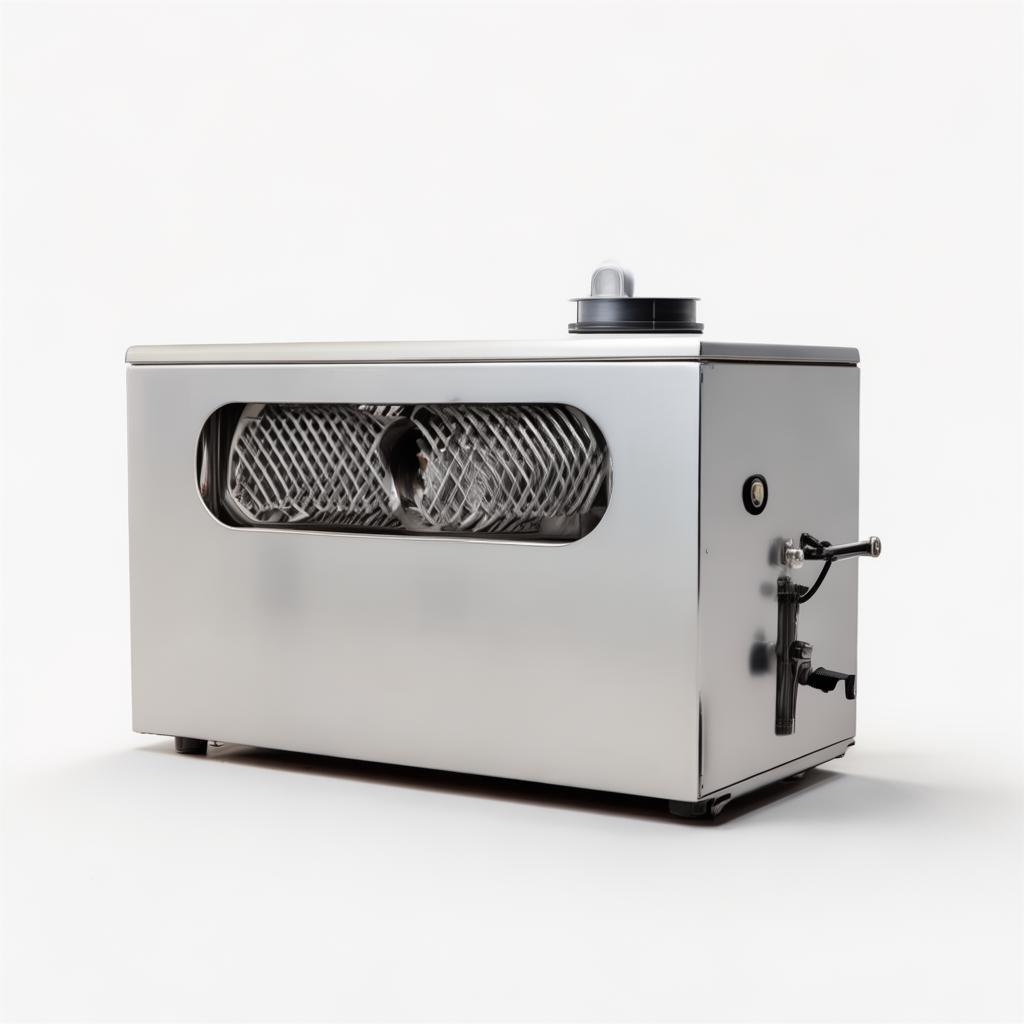
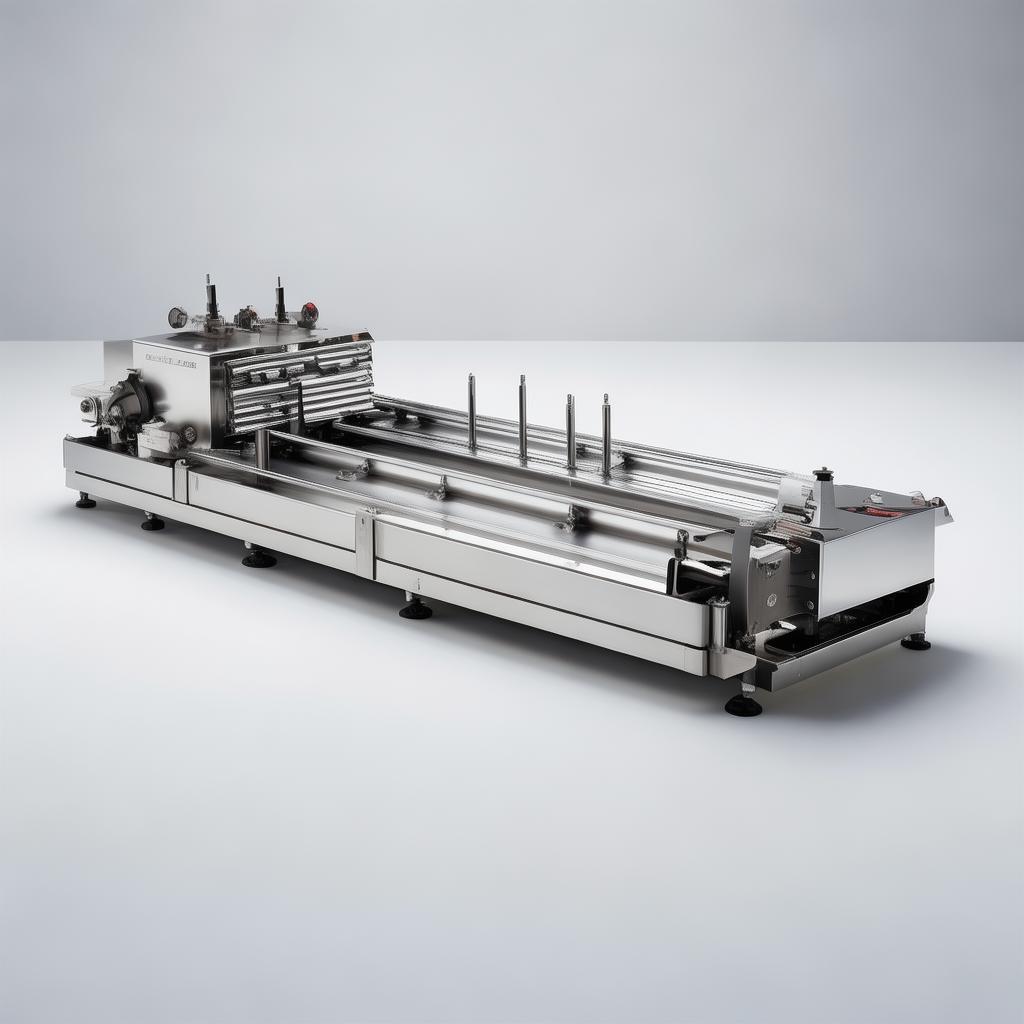
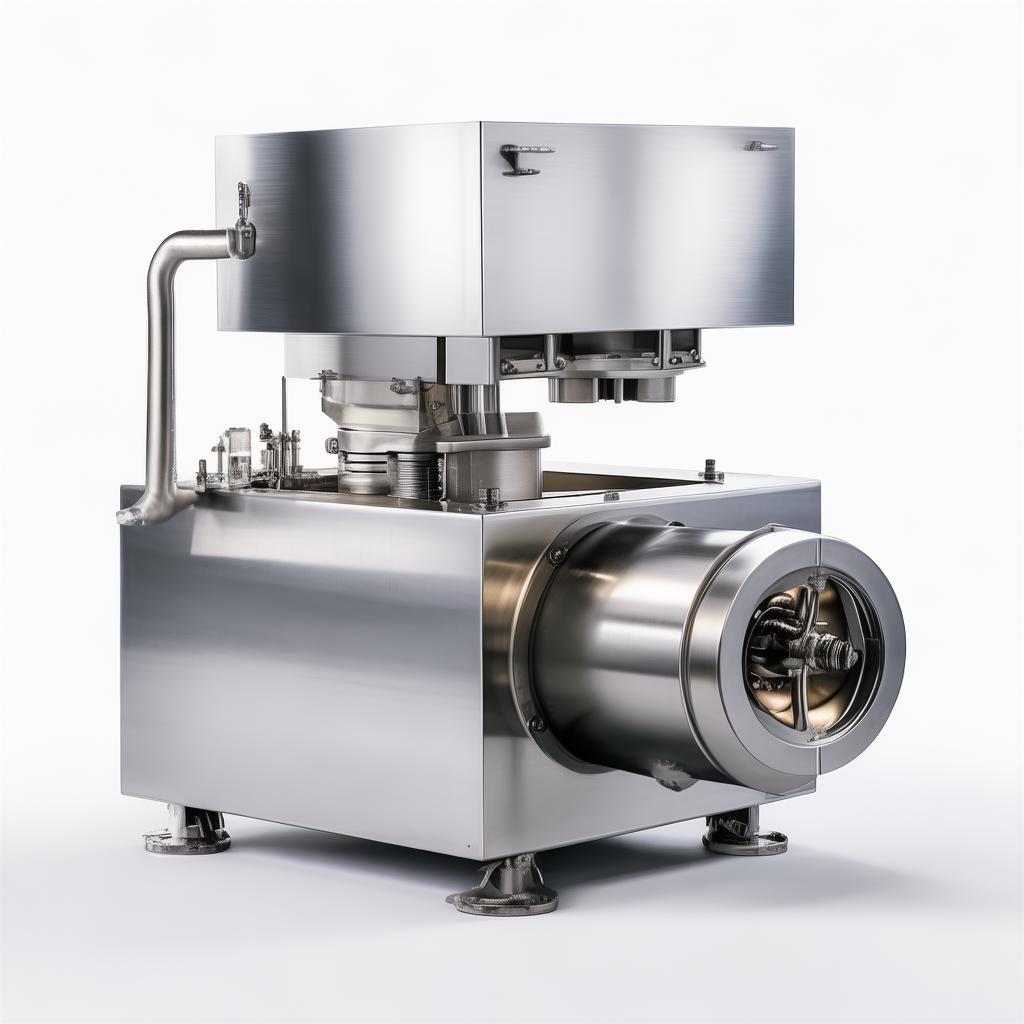
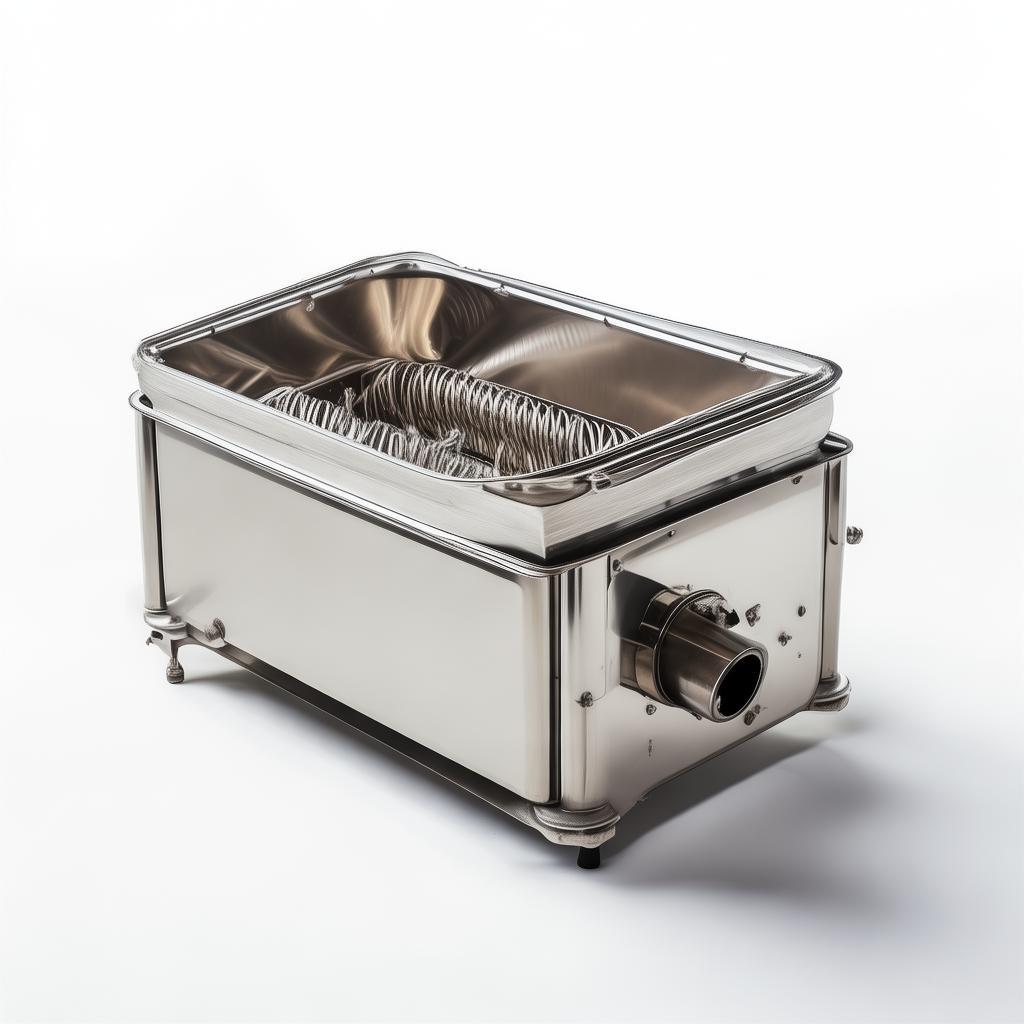
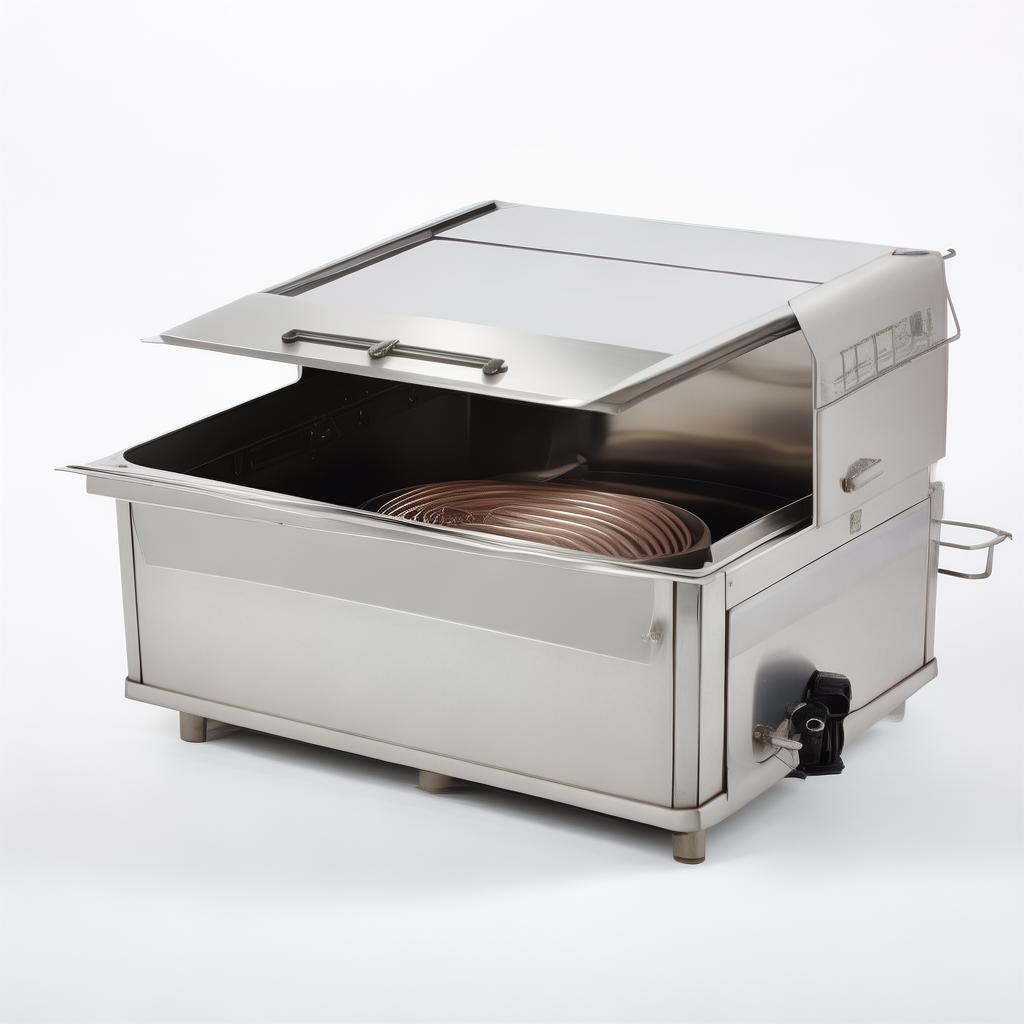
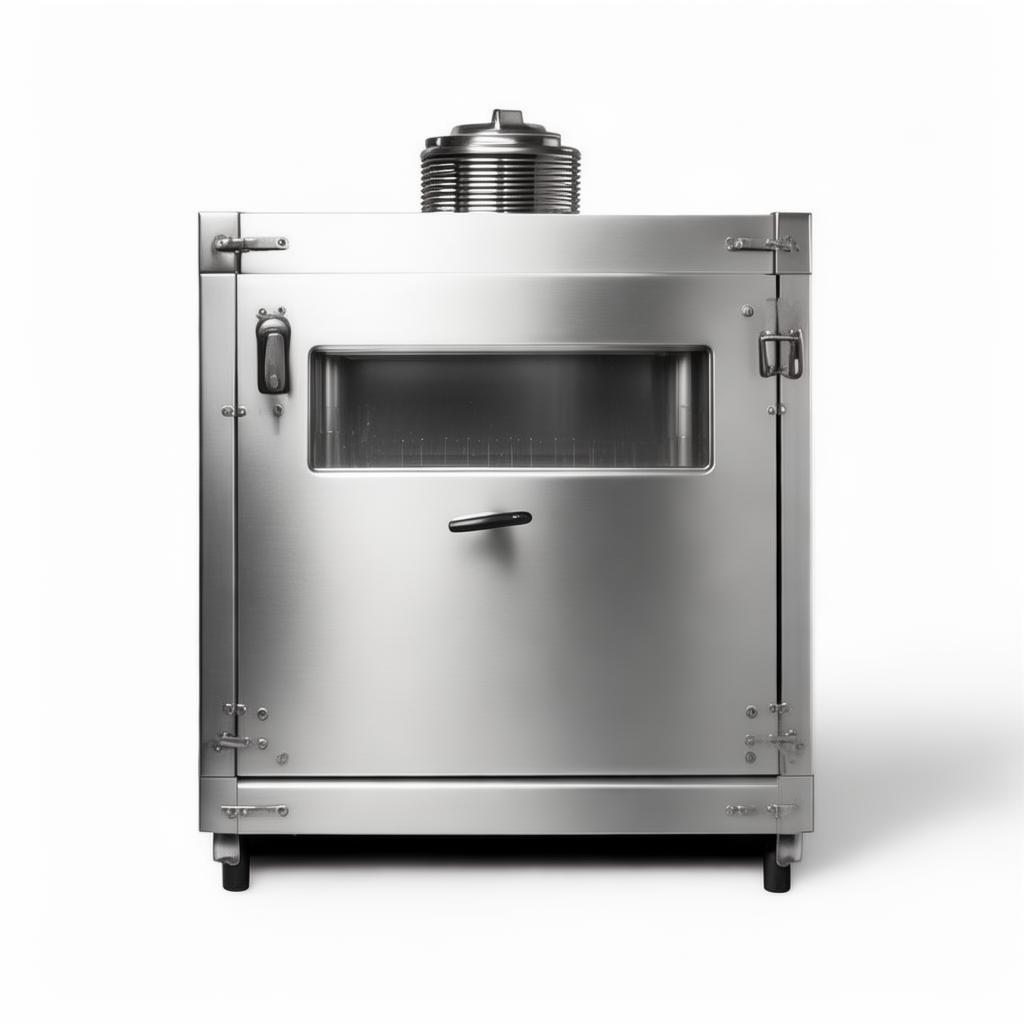
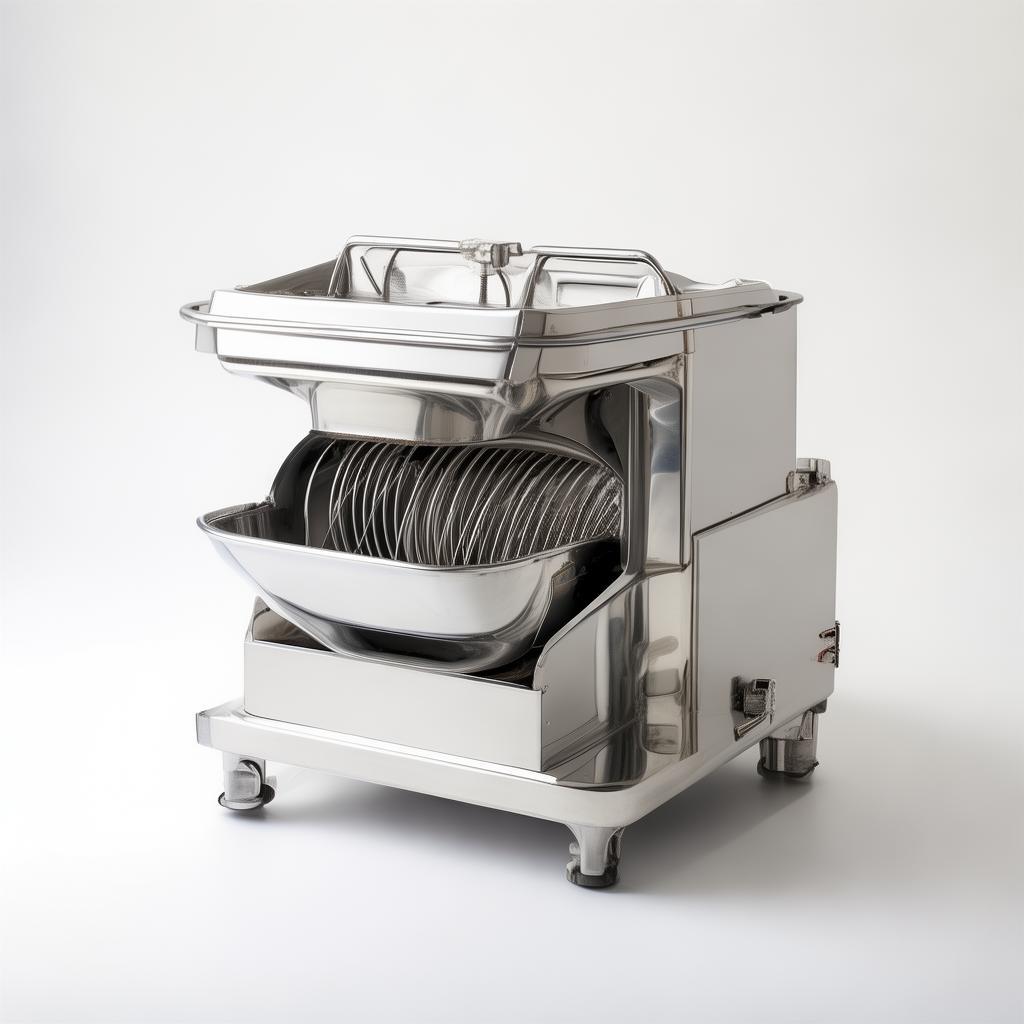
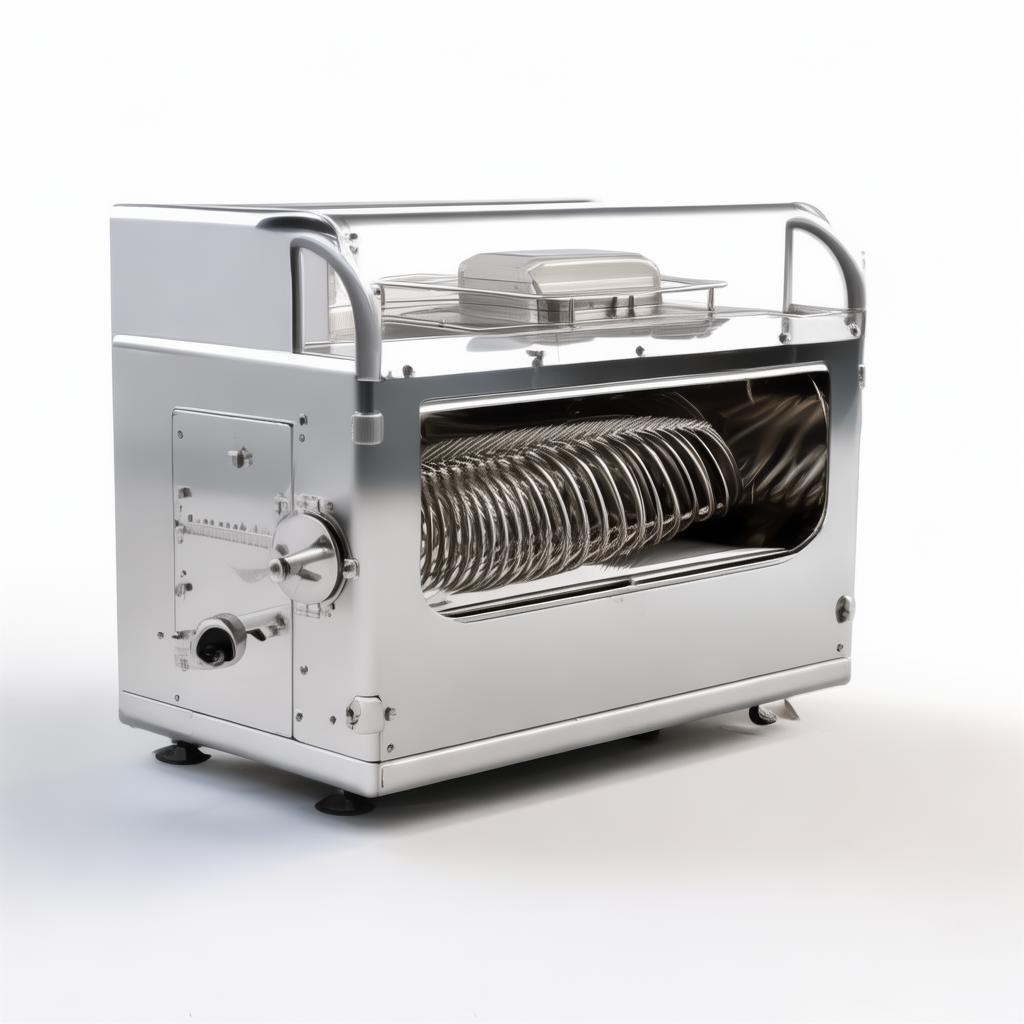
The form factor of a bone crusher can vary significantly. Some are compact, designed for smaller-scale operations or specific pretreatment steps, while others are massive, heavy-duty units capable of handling thousands of kilograms per hour. They are almost always constructed from robust, wear-resistant materials like high-grade stainless steel or specialized alloys to withstand the abrasive nature of bone material and the immense forces involved. Critical components often include hardened cutting blades, crushing plates, hammers, or grinding surfaces, all engineered for longevity and efficient material breakdown. The drive systems are typically powerful electric motors, often with gear reduction, to provide the torque needed for this demanding task.
Think of it as a sophisticated industrial shredder or grinder, but specifically optimized for bone. Unlike a food processor, an industrial bone crusher must contend with the inherent hardness and density of skeletal material, including marrow, cartilage, and compact bone. The output size is a key differentiator; while some crushers aim for coarse, pea-sized fragments, others are designed to produce a fine powder, almost flour-like consistency, for applications like bone meal production.
The operational efficiency of a bone crusher directly impacts the yield and quality of downstream products. For instance, in rendering, efficiently breaking down bones allows for better extraction of fats (tallow/grease) and proteins. In pet food manufacturing, finely ground bone can be an integral part of the kibble formulation, providing calcium and phosphorus.
Why Crush Bones? Unpacking the Industrial Need
The decision to invest in bone crushing equipment is driven by several compelling industrial and economic factors. It's not just about breaking things; it's about unlocking value and streamlining processes.
- Enhanced Value Extraction: Raw bones contain valuable components like fats, proteins, collagen, and minerals (calcium, phosphorus). Crushing increases the surface area, significantly improving the efficiency of extraction processes like rendering (for fats and proteins) or cooking (for gelatin and collagen). This means higher yields and better product quality from the same raw material input.
- Improved Feedstock Preparation: For applications like animal feed or pet food, crushed bone can be a critical ingredient. Size reduction ensures a more uniform mixture, better digestibility, and easier incorporation into final products. Uniform particle size also prevents separation during storage and transport.
- Waste Reduction and By-product Valorization: Bones, often considered waste from meat processing, can be transformed into marketable commodities like bone meal, fertilizer, or ingredients for various industries. Crushing is the essential first step in this valorization process, turning a disposal cost into a revenue stream.
- Volume Reduction for Disposal: In cases where bones are simply being disposed of, crushing them significantly reduces their volume. This can lead to lower transportation costs and less space required in landfills, making waste management more efficient and cost-effective.
- Facilitating Further Processing: Many downstream processes, such as cooking, steaming, or high-pressure extraction, require materials to be in a smaller, more consistent form. Bone crushers prepare the material for these stages, preventing bottlenecks and ensuring smoother operation of the entire production line.
Considering market reports, the demand for processed meat products continues to surge globally. For example, the processed meat market is projected to reach USD 1,330.45 billion by 2035. This growth directly fuels the need for efficient processing equipment, including robust bone crushing solutions, to handle the increased volume of by-products generated. Our experience aligns with this; the demand for our pretreatment equipment, especially for handling bones, has seen a steady increase as processors look to maximize their output from every animal processed.
Types of Industrial Bone Crushers
The "bone crusher" is a broad category. The specific type of machinery used depends heavily on the scale of operation, the type of bone, and the desired output particle size. Here’s a look at common industrial configurations:
Jaw Crushers
Jaw crushers are primary crushers, often used for initial, coarse reduction. They work by closing a gap between two hard plates (jaws), one fixed and one moving, crushing the material fed into the gap. They are robust and can handle large, bulky materials. For bone processing, they are typically used for very large bones or in facilities processing a wide variety of materials.
Hammer Mills
Hammer mills are widely used for secondary crushing and grinding. They utilize a series of swinging or fixed hammers mounted on a rotor to strike, shatter, and pulverize the material against a breaker plate or screen. For bone crushing, hammers are typically made of hardened steel. They are effective for reducing bone into smaller, more granular pieces, suitable for bone meal production or as feedstock for further grinding.
Impact Crushers (HSI/VSI)
Impact crushers, including Horizontal Shaft Impact (HSI) and Vertical Shaft Impact (VSI) types, use high-speed impact to break material. Material is thrown against hard breaker plates or impellers. They tend to produce a more cubical or flakey product and can achieve finer reduction than jaw crushers. HSI types are common for primary and secondary crushing, while VSI can be used for tertiary crushing and producing very fine aggregates or powders.
Rotary/Roller Crushers
These machines use rotating rollers or drums, often with teeth or lugs, to crush or shred material. They are effective for breaking down softer, more brittle materials. For bones, they are typically used in conjunction with other methods or for specific types of bone where a less aggressive reduction is required.
Specialized Bone Cutters & Grinders
These machines are often more akin to heavy-duty food processing equipment but built for bone. They might feature augers, cutting plates, and knives designed to shear or grind bone into very fine particles, sometimes as small as 3-10mm or even finer. These are common in pet food manufacturing, meat product formulation, and smaller-scale rendering operations where precise particle size control is crucial. At Hebei Yuanchang, we specialize in such robust, purpose-built machinery for meat processing, including units designed for efficient bone reduction as part of complete production lines.
The choice between these types often comes down to the balance between initial capital investment, operating costs (energy, wear parts), and the specific output required. For example, a hammer mill might be more energy-efficient for producing granular bone meal, while a specialized grinder offers superior control for pet food applications.
Key Industrial Applications
The utility of bone crushers extends across multiple industries, highlighting their versatility and essential role in modern manufacturing.
- Animal Feed & Pet Food Production: This is arguably the largest sector. Crushed bones are a primary source of calcium, phosphorus, and other essential minerals for livestock and companion animals. They are ground into bone meal or incorporated directly into kibble formulations. The global processed meat market, which directly impacts by-product generation, is expected to reach USD 1,330.45 billion by 2035, underscoring the sustained demand for efficient processing of these materials.
- Rendering Plants: Rendering facilities process animal by-products, including bones, to recover fats (grease, tallow) and proteins. Bone crushing is a prerequisite for efficient rendering, increasing the surface area and allowing for better heat transfer and extraction of valuable components. The meat processing equipment market, including rendering machinery, sees consistent growth.
- Fertilizer & Agricultural Industry: Bone meal, derived from finely crushed and processed bones, is an excellent organic fertilizer, rich in phosphorus and calcium, which are vital for plant growth.
- Pharmaceuticals & Nutraceuticals: Bones are a source of gelatin, collagen, and calcium phosphates, used in the production of capsules, dietary supplements, bone grafts, and other medical applications. Precise crushing and further processing are required for these high-purity applications.
- Composting & Waste Management: In some large-scale waste management or industrial composting operations, bone crushing can help reduce the bulk of organic waste, accelerating decomposition or making it more amenable to other processing methods.
- Specialty Food Products: Beyond basic pet food, crushed bones can be a base for broths, stocks, or even some artisanal food products, requiring specific particle sizes and purity standards.
The demand for processed and reconstituted meat products, which inherently generate more bone by-products, continues to grow. This is a direct driver for advanced pretreatment equipment like industrial bone crushers. Our 40 years of experience have shown us that processors who invest in high-quality, efficient bone crushing machinery are best positioned to capitalize on these market trends.
Essential Technical Specifications to Consider
Selecting the right bone crusher requires a deep dive into its technical capabilities. Here are the key specifications to scrutinize:
| Specification | Description & Importance | Considerations for Bone Crushing |
|---|---|---|
| Capacity/Throughput | Rate at which material can be processed (e.g., kg/hr, tons/hr). | Must match your production volume. Over-specifying can be inefficient; under-specifying leads to bottlenecks. |
| Output Particle Size | Desired size of the crushed material (e.g., mm, mesh size). | Crucial for downstream use (e.g., 3-10mm for pet food, fine powder for bone meal). Often controlled by screen size or crusher type. |
| Motor Power (kW/HP) | The energy driving the crushing mechanism. | Adequate power prevents stalling and ensures consistent crushing of dense bone. Higher power usually means higher throughput or finer crushing. |
| Construction Material | Metals and alloys used in the machine's build. | Stainless steel (e.g., 304, 316) is vital for hygiene and corrosion resistance, especially in food-grade applications. Wear parts (hammers, jaws) need hardened alloys. |
| Feed Opening Size | Dimensions of the inlet where material is introduced. | Must accommodate the size of the bones you typically process to avoid pre-cutting or blockages. |
| Power Supply Requirements | Voltage, phase, and frequency needed. | Ensure compatibility with your plant's electrical infrastructure. International clients need to verify specifications carefully. |
| Safety Features | Guards, emergency stops, interlocks. | Critical for operator safety in high-risk industrial environments. Compliance with CE or UL standards may be required. |
bone crusher bone crusher bone crusher machine
When evaluating suppliers, ask for detailed datasheets that clearly outline these specifications. At Hebei Yuanchang, we provide comprehensive specification sheets and work closely with clients to ensure the chosen model aligns perfectly with their operational needs and existing infrastructure. Contact us for detailed technical information on our range.
Material Science: What Makes a Durable Bone Crusher?
The harsh reality of crushing bone material demands exceptionally robust construction. The choice of materials is not merely about cost; it's fundamentally about longevity, performance, and hygiene.
Primary Structure: The main body and frame of the crusher are typically constructed from heavy-gauge stainless steel, most commonly 304-grade for general food processing applications. For environments demanding even higher corrosion resistance or where aggressive cleaning agents are used, 316-grade stainless steel is preferred. This ensures structural integrity and compliance with food safety regulations (like FDA standards).
Wear Parts (Hammers, Jaws, Blades): These are the components that directly interact with the bone. They must be exceptionally hard and wear-resistant. High-carbon steel alloys, often heat-treated and hardened, are standard. For extremely demanding applications or longer wear life, specialized hardened tool steels or even carbide inserts might be considered, though these significantly increase cost. Regular maintenance and replacement of these parts are critical to maintaining efficiency.
Screens and Grates: If the crusher uses screens to control output particle size, these are typically made from robust stainless steel mesh or perforated plates. The mesh size and perforation pattern are critical design elements for achieving the desired output.
Seals and Bearings: To prevent contamination from lubricants or dust ingress, high-quality seals are essential, especially for food-grade applications. Bearings supporting the rotating shafts need to be robust enough to handle the axial and radial loads encountered during bone crushing.
In our manufacturing process at Hebei Yuanchang, we pay meticulous attention to material selection. Our in-house machining workshop, equipped with advanced CNC centers, allows us to precisely craft components from materials specified to international standards, ensuring both durability and food-grade compliance. We understand that the materials used directly impact the total cost of ownership, not just through initial purchase price but also through reduced downtime and replacement part costs.
Operational Insights & Best Practices
Beyond the specifications, how a bone crusher is operated and maintained significantly influences its performance and lifespan. Here are some practical considerations:
- Pre-processing: While crushers are robust, removing excessive foreign materials (metal, plastic, large intact hides) from the bone input can prevent damage and prolong wear part life.
- Feed Rate Control: Avoid overloading the crusher. A consistent, controlled feed rate ensures the machine operates at its optimal capacity without stalling or excessive motor strain. Automatic feeding systems can greatly assist here.
- Moisture Content: Very wet or very dry bones can behave differently. While most crushers handle a range, extreme moisture levels can sometimes affect flowability or create dust issues.
- Wear Part Maintenance: This is non-negotiable. Regularly inspect hammers, jaws, or blades for wear. Worn components reduce efficiency, increase energy consumption, and can lead to inconsistent output. Implement a scheduled replacement or refurbishment program.
- Cleaning and Sanitation: For food-grade applications, thorough cleaning protocols are essential. Ensure the machine design facilitates easy access for cleaning to prevent bacterial growth and cross-contamination. Follow recommended cleaning cycles.
- Noise and Vibration: Bone crushing can be inherently noisy. Ensure your facility has adequate sound dampening and consider the vibration transmitted to the floor, which may require specialized mounting or foundations.
- Operator Training: Ensure all operators are fully trained on the machine's operation, safety features, and basic maintenance procedures. This is crucial for both safety and operational efficiency.
Many of our clients initially underestimate the importance of wear part management. However, a proactive approach to wear part inspection and replacement dramatically reduces unplanned downtime and maintains throughput. We offer comprehensive maintenance guides and spare parts support to help our customers optimize their operations.
Procurement: Navigating the Buying Process
Sourcing industrial bone crushing equipment involves careful consideration beyond just price. For purchasing managers and procurement directors, a strategic approach is key to ensuring a sound investment.
-
Define Your Specific Needs: Before contacting suppliers, clearly document your requirements:
- Type of bones processed (e.g., poultry, beef, pork)
- Typical bone size and density
- Required output particle size and consistency
- Daily/hourly processing volume
- Space constraints and available utility connections (power, water)
- Hygiene and certification requirements (e.g., FDA, CE, NSF)
-
Supplier Qualification:
- Experience: Look for manufacturers with a proven track record in industrial bone processing or similar heavy-duty applications. 40 years of experience, like ours at Hebei Yuanchang, demonstrates deep industry knowledge.
- Manufacturing Capabilities: Does the supplier have in-house machining, quality control, and R&D? Advanced capabilities like CNC machining (e.g., Japanese Mazak centers) are a good indicator of precision and quality.
- Certifications: Ensure the equipment meets relevant industry and safety standards (ISO, CE, UL, etc.).
- After-Sales Support: This is critical for industrial machinery. What kind of warranty is offered? Is technical support readily available? Can they supply spare parts reliably and quickly? A traceable after-sales management system is a significant plus.
-
Request Detailed Proposals: Obtain formal quotes that include:
- Full technical specifications
- Material certifications
- Performance guarantees (e.g., throughput, power consumption)
- Delivery timelines and shipping terms (Incoterms)
- Installation and commissioning support options
- Warranty details
- Spare parts list and pricing
-
Total Cost of Ownership (TCO): Don't just compare initial purchase prices. Factor in:
- Energy consumption
- Maintenance costs
- Spare parts costs and availability
- Downtime impact
- Expected lifespan
- Logistics and Importation: For international purchases, understand customs duties, import regulations, shipping costs, and lead times. A reliable supplier will have experience in exporting and can assist with documentation.
Navigating international procurement requires diligence. Understanding Incoterms like FOB, CIF, and DDP is crucial for managing costs and responsibilities. At Hebei Yuanchang, we have extensive experience exporting our machinery worldwide and provide comprehensive support to ensure a smooth procurement and delivery process for our clients. We can assist with shipping plan estimates and necessary export documentation.
Our Manufacturing Strength: Hebei Yuanchang
At Hebei Yuanchang Food Mechanism & Technology Co., Ltd., our 40-year legacy since 1986 is built on a foundation of deep manufacturing expertise and a commitment to quality. We operate from a substantial facility spanning approximately 14,000 square meters, employing a dedicated team of 80-100 skilled professionals. Our integrated approach covers R&D, production, and sales, enabling us to offer complete solutions for meat processing, including specialized bone processing equipment.

Our in-house machining workshop is the heart of our precision manufacturing. It's equipped with over 20 sets of advanced processing machinery, including:
- Lathes
- Milling machines
- High-precision grinding machines
- Boring machines
- Plate shears and bending machines
- Wire cutting equipment
A significant advancement in our capabilities came in 2012 with the introduction of 8 sets of Japanese Mazak CNC machining centers. This investment allows us to undertake the production of high-standard components that require large volumes, high precision, and non-standard specifications. For our clients, this means unparalleled accuracy, consistency, and the ability to produce critical parts that meet the most demanding tolerances.
Furthermore, our traceable after-sales management system ensures that every component we produce is accounted for, providing our customers with absolute confidence in the reliability and support they receive. This independent production of high-precision parts is central to our promise of worry-free after-sales service. We are committed to providing machinery that not only performs exceptionally but also offers long-term value and support.

ISO Certified
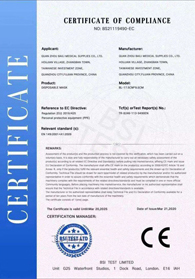
CE Compliant

FDA Approved Materials
Frequently Asked Questions (FAQs)
Q: What is the primary function of an industrial bone crusher?
Its main purpose is to reduce the size of bones, making them easier to handle, process, or extract valuable components from, such as fats, proteins, minerals, or collagen.
Q: Can a bone crusher handle all types of bones?
While many industrial crushers are designed for robustness, the type and size of bone matter. Larger, denser bones (like beef femurs) require more powerful crushers than smaller, less dense bones (like chicken bones). It's essential to match the crusher's capacity and design to the specific bone material you'll be processing.
Q: What is the difference between a bone crusher and a bone grinder?
Generally, "crusher" implies a coarser reduction, breaking large pieces into smaller fragments. "Grinder" often refers to machinery that achieves a finer particle size, sometimes down to a paste or powder. Many machines can perform both functions to varying degrees, or are part of a multi-stage process.
Q: How important is stainless steel in bone crushing equipment?
For any application involving food, animal feed, or pharmaceutical by-products, stainless steel construction is paramount for hygiene, corrosion resistance, and compliance with regulatory standards. Wear parts, however, may utilize hardened steel alloys for durability.
Q: What is the typical lifespan of wear parts like hammers or jaws?
This varies greatly depending on the type of bone, the intensity of use, the material of the wear part, and operating practices. It can range from a few months to over a year. Regular inspection and proactive replacement are key to maintaining efficiency and preventing unexpected breakdowns. We recommend consulting the machine's manual and your supplier for specific wear part life estimates.
What Our Clients Say

Procurement Manager, Pet Food Co.
"The HBYC-G1000 bone crusher we purchased has significantly streamlined our raw material preparation. The consistency of the output is excellent, which has improved our kibble mixing process. Service has been responsive."

Operations Director, RenderTech USA
"We needed a heavy-duty solution for processing poultry and beef bones. Hebei Yuanchang's industrial crusher exceeded our expectations. Throughput is consistently high, and maintenance is manageable. A solid investment."

Production Supervisor, AgriFertilizers
"We use the bone crusher to prepare material for bone meal production. The particle size control is excellent, and the machine is built to last. The export process was handled smoothly by the YC team."
These testimonials reflect the real-world impact of reliable bone crushing equipment on operational efficiency and product quality. We pride ourselves on building long-term partnerships with our clients.
Ready to Optimize Your Bone Processing?
Discover how Hebei Yuanchang's advanced bone crushing solutions can enhance your production efficiency, improve yield, and reduce operational costs.
We are committed to providing comprehensive support, from initial consultation to after-sales service.