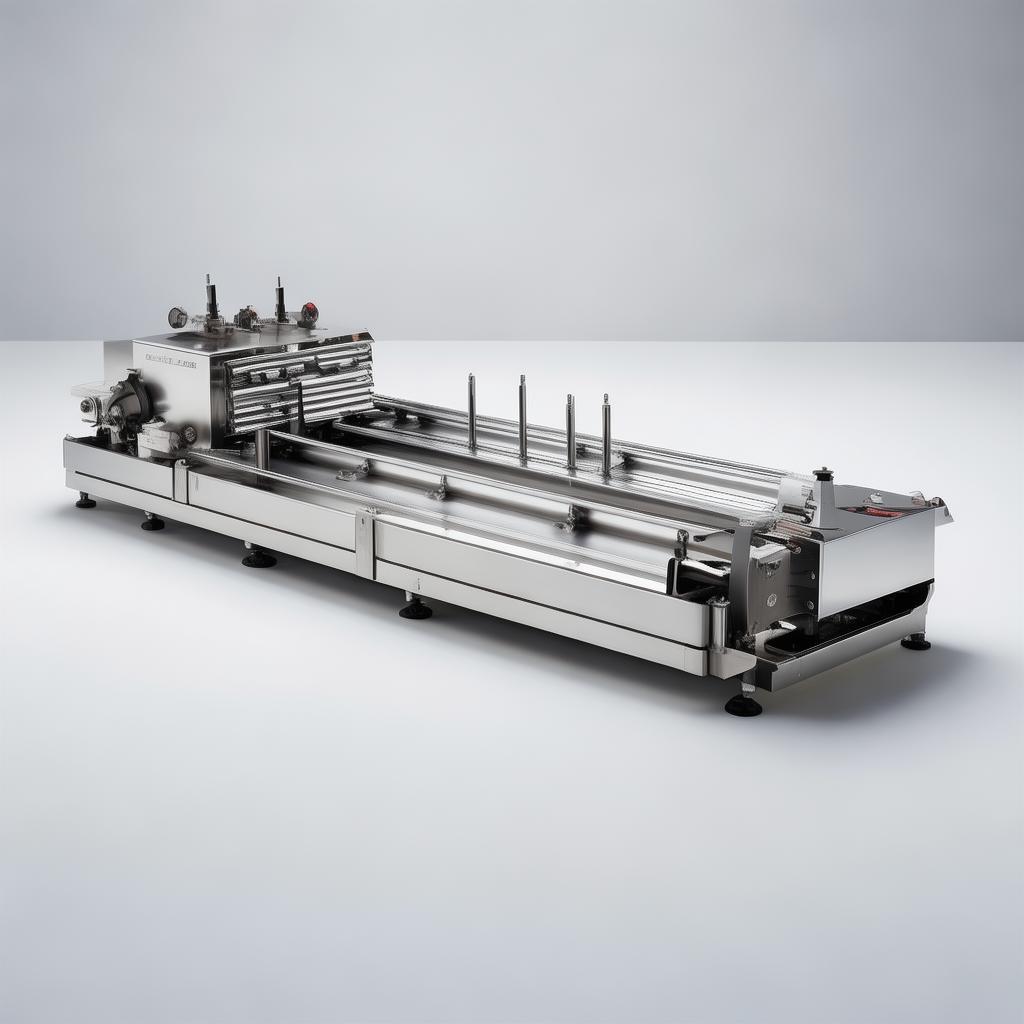
Used Commercial Meat Grinder
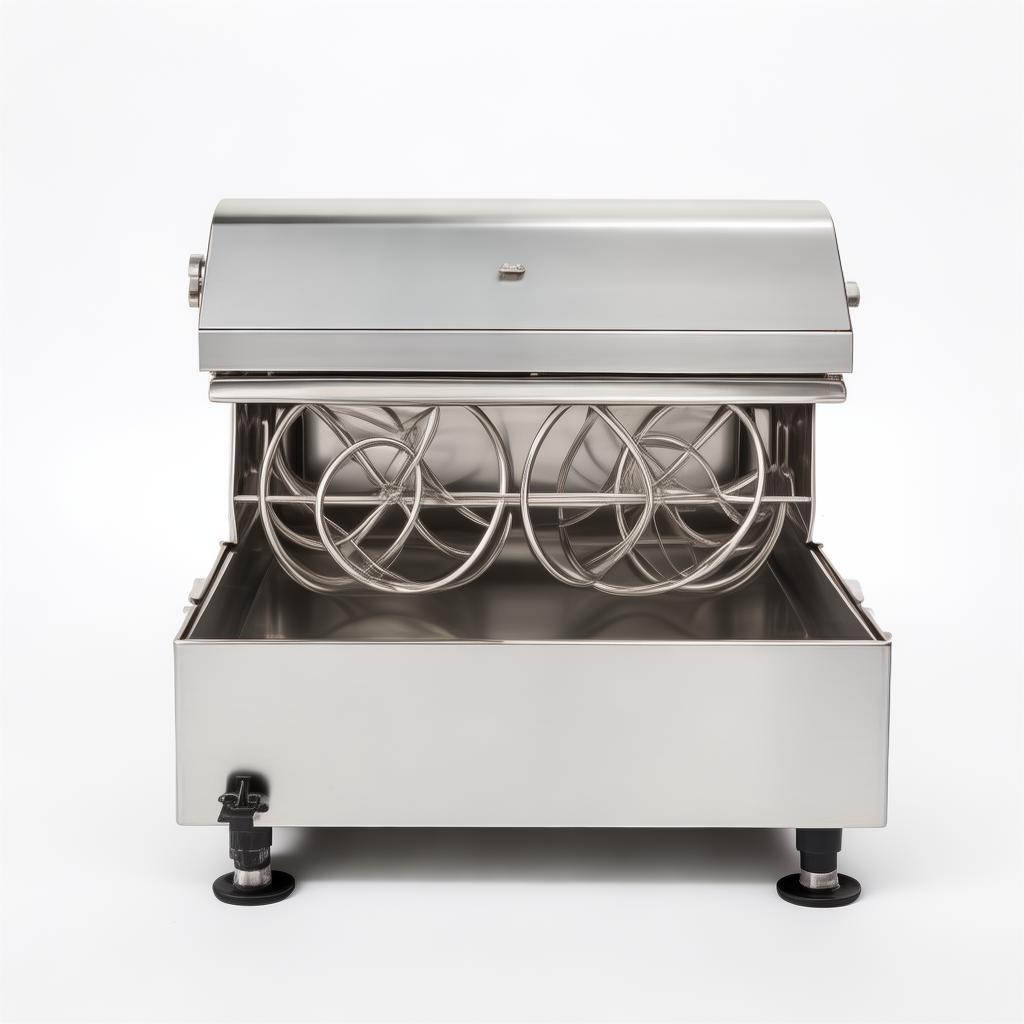
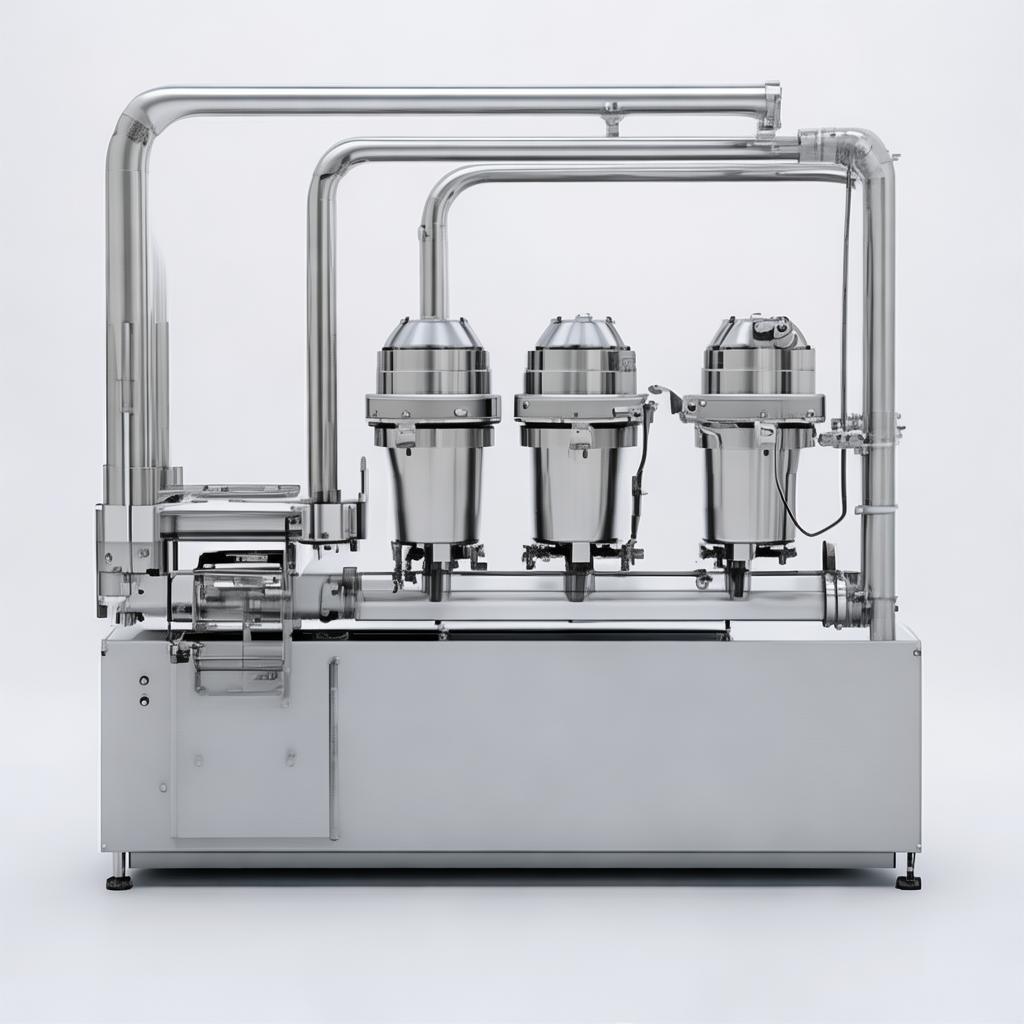
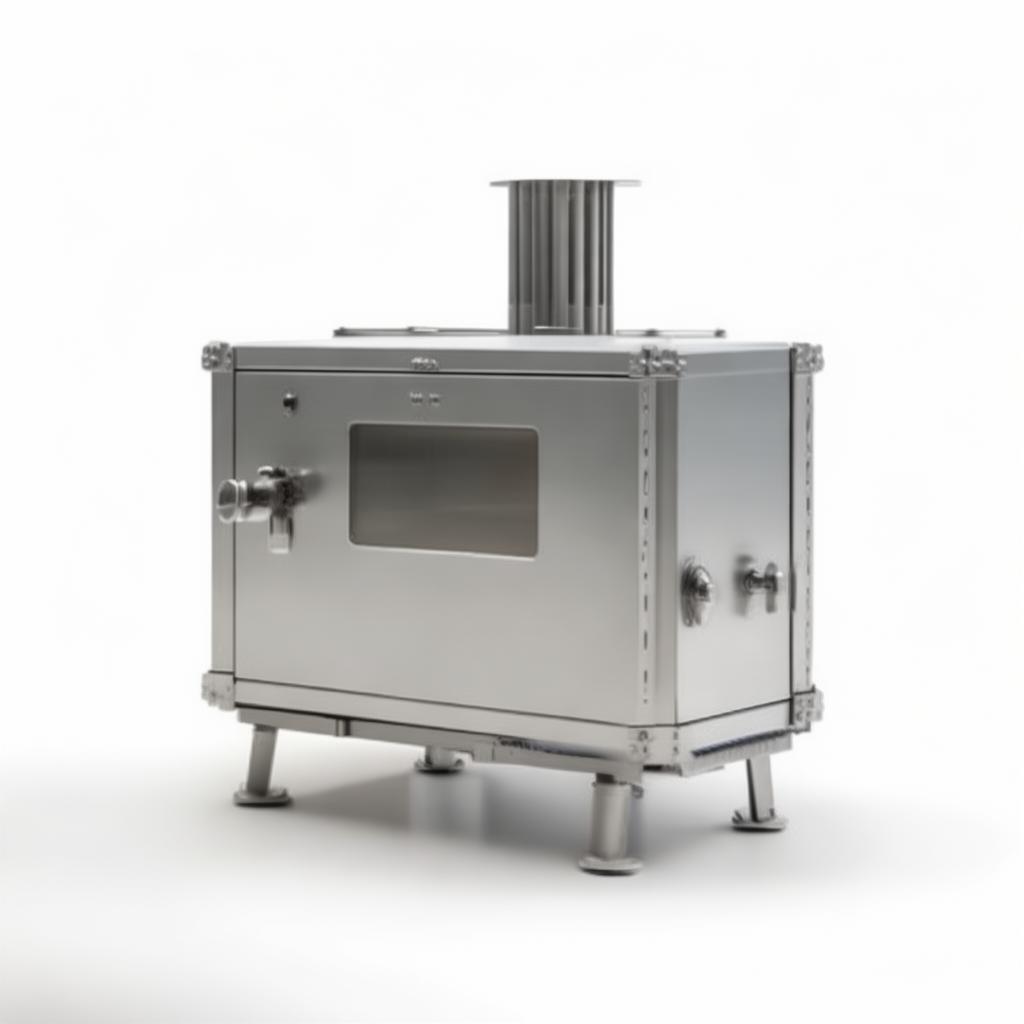
Reliable & Cost-Effective: Sourcing Used Commercial Meat Grinders for Your Food Service Operation
Maximize your budget without compromising on crucial processing power. Discover how to select and integrate pre-owned industrial grinders.
 Authored by: Chen Wei, Senior Export Manager at Hebei Yuanchang Food Mechanism & Technology Co., Ltd.
Why Consider a Used Commercial Meat Grinder? The Smart Procurement Choice
In the fast-paced world of food processing and service, operational efficiency and robust equipment are paramount. Every dollar saved on capital expenditure can be reinvested into your core business—whether that means expanding your menu, improving ingredient sourcing, or enhancing customer experience. This is precisely where the strategic acquisition of a used commercial meat grinder comes into play. It’s not simply about buying "second-hand"; it’s about making an intelligent procurement decision that offers substantial advantages without a steep learning curve or significant compromises on performance, provided you approach it with the right mindset and due diligence.
For many businesses, particularly startups, catering operations, small to medium-sized butcher shops, or even established restaurants looking to expand their in-house processing capabilities, the upfront cost of new, industrial-grade meat grinding machinery can be a significant barrier. New equipment represents a substantial capital outlay, often requiring extensive financing or draining operational budgets. A used commercial meat grinder, on the other hand, can deliver the same essential functionality and processing power at a fraction of the original price. This allows for quicker ROI and frees up capital for other critical investments.
Moreover, the market for used industrial equipment is mature and well-established. Reputable suppliers and manufacturers, like ourselves at Hebei Yuanchang, often recondition, inspect, and even offer warranties on pre-owned machinery. This means you aren't just buying a piece of equipment that's seen better days; you're often acquiring a unit that has been professionally vetted, serviced, and is ready to perform. The key is to partner with experienced suppliers who understand the intricacies of these machines and can vouch for their operational integrity. Our 40 years of experience since 1986 have seen us source, refurbish, and supply countless machines, ensuring they meet stringent performance standards before they leave our facility.
Beyond cost savings, opting for a used grinder can also shorten lead times. Sourcing new equipment, especially specialized industrial machinery, can involve lengthy manufacturing and shipping schedules. In contrast, a readily available used unit can often be procured, serviced, and delivered much more rapidly, allowing you to integrate it into your workflow and start reaping its benefits sooner. For businesses facing seasonal demands or rapid growth, this speed to market can be a critical operational advantage.
The environmental aspect also merits consideration. Purchasing used equipment is a form of industrial recycling, extending the lifespan of machinery and reducing the demand for new manufacturing, which conserves resources and energy. It aligns with growing trends toward sustainability in business operations.
However, it’s crucial to acknowledge that not all used equipment is created equal. The decision to purchase a used commercial meat grinder requires a thorough understanding of the product's capabilities, the seller's reputation, and the specific needs of your operation. It involves more than just browsing listings; it requires informed evaluation of technical specifications, condition, and available support. This guide aims to equip you with that knowledge, ensuring your investment in a used grinder is a sound one, paving the way for enhanced processing efficiency and improved product quality.
Market Trends & The Imperative for Processing Efficiency
The global food processing equipment market is experiencing robust growth, driven by several interconnected factors. Reports consistently indicate a rising demand for processed meats, convenience foods, and value-added meat products worldwide. For instance, the meat processing equipment market was valued at USD 11.29 billion in 2025 and is projected to reach USD 17.39 billion by 2034, with grinding equipment being a core segment. This growth isn't just about volume; it's about evolving consumer preferences for quality, consistency, and safety.
Automation and efficiency are no longer optional; they are necessities. Labor shortages, the increasing cost of skilled labor, and the stringent hygiene standards required in food handling all push businesses toward more mechanized solutions. A high-capacity meat grinder significantly reduces manual labor, minimizes processing times, and ensures a more uniform product compared to manual methods. This is critical for maintaining competitive pricing and meeting high-volume orders. The trend towards automation in processing lines is undeniable, impacting everything from pretreatment to final product molding.
Furthermore, the demand for consistent product quality across different batches is paramount. Consumer expectations for perfectly textured sausages, consistently ground meat for burgers, or uniformly prepared fillings mean that reliable grinding performance is non-negotiable. This necessitates equipment that can deliver predictable results, day in and day out. This is where a well-maintained commercial-grade grinder, even a used one, excels over less robust alternatives.
Consider the expansion of ready-to-eat meals and convenience food segments. This trend, amplified by urbanization and changing lifestyle patterns, directly fuels the need for efficient meat processing. As highlighted by Grand View Research, "Rising consumption of ready-to-eat meats, automation for labor shortages and hygiene, and infrastructure investments in emerging markets drive demand" for meat processing equipment. This creates a strong market for grinders capable of handling large volumes and diverse raw materials.
The geographic landscape also plays a role. The Asia-Pacific region, in particular, is emerging as a key growth driver due to rapid industrialization and increasing meat consumption. However, markets in North America and Europe also demand advanced, reliable equipment to maintain their competitive edge. Whether you're a small butcher shop in Chicago or a large-scale processor in Southeast Asia, the underlying need for effective grinding technology remains constant. This global demand ensures a steady supply of capable, albeit pre-owned, machinery entering the secondary market. The market was valued at USD 12.04 billion in 2024 and is poised to reach USD 19.66 billion by 2033, underscoring the scale of this industrial sector.
In this environment, businesses that can optimize their capital expenditure without sacrificing operational capability are best positioned for success. Acquiring a used commercial meat grinder is a direct response to these market dynamics, allowing businesses to invest wisely, improve efficiency, and meet evolving consumer demands effectively. It’s a practical approach to staying competitive.
Your Checklist: Key Considerations When Buying a Used Commercial Meat Grinder
Purchasing a used piece of industrial equipment requires more than just a casual inspection. It’s a process that demands attention to detail, especially with machinery involved in food preparation. Here’s a structured approach to ensure you make a sound investment:
1. Assess Your Specific Needs (Volume & Product Type)
- Throughput Requirements: How much meat do you need to grind per hour or per day? This dictates the size and power of the grinder. Grinders are often rated by pounds/kilograms per hour.
- Product Consistency: Are you aiming for coarse grinds, fine grinds, or a specific texture for sausages, burgers, or pâtés? Different plate sizes and grinder designs yield different results.
- Meat Type: Will you be grinding fresh, partially frozen, or cooked meats? Some grinders are better suited for specific conditions. Extremely hard frozen meat can strain even robust machines.
- Space Constraints: Measure your available floor space, including access routes for installation and cleaning.
2. Inspect the Grinder's Condition (Mechanical & Electrical)
- Motor & Gearbox: Listen for unusual noises (grinding, whining) when the motor is running. Check for oil leaks. The motor should provide consistent power without overheating.
- Auger & Barrel: Examine the auger flighting for wear, bending, or damage. The barrel interior should be smooth, without deep scoring or corrosion. Stainless steel is preferred for hygiene and durability.
- Plates & Knives: Inspect the grinding plates and knives for wear, chips, or unevenness. These are consumable parts but significant damage indicates potential misuse or neglect. Replacement kits are available but add to the cost.
- Housing & Frame: Look for signs of rust, damage, or structural compromise. Stainless steel construction is ideal for food-grade environments.
- Electrical Components: Check the condition of the power cord, switchgear, and any control panels. Ensure they meet local electrical safety standards.
3. Verify Seller Reputation & Support
- Supplier Experience: Does the seller specialize in food processing equipment? Do they have a history of providing quality used machinery? Hebei Yuanchang has 40 years of experience since 1986.
- Documentation: Can they provide original manuals, maintenance logs, or a service report?
- Testing & Warranty: Was the unit tested before sale? Is there any form of limited warranty offered (e.g., 30-90 days on mechanical components)?
- After-Sales Support: Can they assist with parts sourcing or technical advice post-purchase? This is crucial for long-term reliability.
4. Understand Pricing & Total Cost of Ownership
- Market Comparison: Research prices for similar models and conditions.
- Reconditioning Costs: Factor in potential immediate repairs or upgrades. A grinder needing new plates and knives will cost more overall.
- Shipping & Installation: These can be significant hidden costs. Get detailed quotes.
- Operational Costs: Consider the grinder's power consumption (motor wattage).
Practical Tip: If possible, arrange to see the grinder in operation. A short test run can reveal a lot about its performance and potential issues. If you cannot be present, request a video demonstration.
Decoding the Specs: What Matters in a Commercial Meat Grinder
Understanding the technical specifications of a commercial meat grinder is crucial for matching equipment to your production needs. Don't get lost in jargon; focus on the practical implications of each spec:
| Specification | What It Means for You | Considerations for Used Models |
|---|---|---|
| Grinding Capacity (e.g., lbs/hr or kg/hr) | The volume of meat the grinder can process in one hour. Determines how quickly you can fulfill orders. | Verify the original capacity. Wear can slightly reduce efficiency, but a well-maintained unit should be close. |
| Motor Power (HP or kW) | Engine power driving the auger. Higher power means ability to handle tougher meats, larger volumes, and maintain consistent speed under load. | Ensure the motor runs smoothly without strange noises. Check for any signs of overheating or electrical damage. |
| Grind Size / Plate Diameter (e.g., #12, #22, #32) | Indicates the size of the grinding head and the standard plate sizes it accepts. Larger numbers usually mean higher capacity. | Confirm compatibility of plates and knives. Standard sizes are easier to find replacements for. Inspect existing plates for wear. |
| Hopper Capacity (lbs or kg) | The amount of meat that can be loaded into the grinder at once. Affects workflow and continuous operation time. | Larger hoppers are generally better for continuous runs. Check for any deformation or sharp edges inside. |
| Material Construction (e.g., Stainless Steel, Cast Iron) | Stainless steel is preferred for food safety, hygiene, corrosion resistance, and durability. Cast iron (often coated) is heavier duty but can be prone to rust if not maintained. | Prioritize stainless steel. If cast iron, check for any chipping of the coating and rust spots. |
| Voltage & Phase (e.g., 110V/1PH, 220V/3PH) | Essential for ensuring compatibility with your facility's electrical system. 3-phase power is common for heavy-duty industrial use. | Verify this matches your power supply. An adapter might be possible but can be complex and costly. |
| Dimensions (LxWxH) & Weight | Crucial for installation planning, ensuring it fits your designated space and that your floor can support its weight. | Verify measurements align with your space. Used units may have minor cosmetic imperfections on the exterior. |
| Safety Features (e.g., Guarding, Emergency Stop) | Important for operator safety and regulatory compliance. | Ensure all guards are present and secure. If an emergency stop button is present, test its functionality. Compliance with modern safety standards (e.g., CE marking for European markets) is a good indicator. |
commercial meat grinder commercial meat grinder commercial meat grinder machine
Entity Note: When reviewing specifications, look for terms like "food-grade stainless steel," "hardened steel plates," "industrial-grade motor," and compliance with standards like CE or UL listing (for electrical safety in North America). These add to the perceived value and reliability.
A well-specified grinder can handle a wide range of tasks. For example, a #32 size grinder with a 2-3 HP motor is often suitable for small to medium-sized butcher shops and restaurants needing to grind 300-600 lbs (135-270 kg) of meat per hour. Larger operations might look for #42 or #52 sizes with 5 HP+ motors for significantly higher throughput.
Versatile Applications: Beyond Just Grinding Meat
While its primary function is clear, a robust commercial meat grinder is a surprisingly versatile piece of equipment that can support a wide array of food preparation tasks. Its ability to break down raw materials into consistent textures makes it invaluable in many settings:
1. Sausage and Charcuterie Production
This is perhaps the most common application. Grinders are essential for achieving the correct texture for various sausages – from coarse Italian or bratwurst grinds to fine, emulsified textures needed for frankfurters or bologna. Precise control over grind size is crucial for flavor distribution and mouthfeel.
2. Burger and Patty Forming
Creating high-quality, consistent burger patties starts with uniformly ground meat. A commercial grinder allows chefs and producers to control the fat-to-lean ratio and grind consistency, leading to superior taste and texture that customers will notice. It’s also key for specialty patties like lamb, turkey, or blended meats.
3. Pet Food Manufacturing
The pet food industry relies heavily on meat grinders for creating raw or processed pet food formulations. Grinding various meat cuts and offal is a foundational step in producing nutritious and palatable meals for pets. Our company, Hebei Yuanchang, also offers specialized pet food processing equipment, demonstrating our breadth of expertise in this area.
4. Filling and Stuffing Preparations
Ground meat can serve as a base for various fillings used in products like dumplings, wontons, meat pies, or stuffed peppers. The ability to achieve a specific grind consistency ensures the filling has the right texture and binding properties.
5. Reconstituted and Formed Meat Products
Creating value-added products often involves grinding meat to be mixed with binders, seasonings, and other ingredients before being formed into specific shapes. Grinders are fundamental to the reconstituted meat market, which is seeing significant growth.
6. Other Food Preparations
In some commercial kitchens, grinders might even be used for processing other food items like vegetables for purées or specific textures, though this is less common and requires strict cross-contamination prevention protocols.
Operational Insight: Proper cleaning and sanitation after each use are non-negotiable, especially when switching between different meat types or applications. This prevents flavor transfer and ensures food safety compliance. Consider if the grinder’s components are easily disassembled for thorough cleaning.
Maximizing Lifespan: Essential Maintenance and Operation for Your Grinder
To ensure your used commercial meat grinder continues to perform reliably for years to come, adhering to a consistent maintenance schedule and operating it correctly is paramount. Think of it as preserving your investment.
Daily Operational Best Practices
- Temperature Control: Always grind chilled or slightly frozen meat. Overly warm meat can smear and clog the grinder, putting unnecessary strain on the motor.
- Load Management: Avoid overloading the hopper. Feed meat at a steady, consistent rate that matches the grinder's capacity. Don't force large chunks through.
- Blade & Plate Assembly: Ensure the knife is properly seated against the plate. A loose or improperly installed knife will not cut effectively and can damage both components.
- Motor Load: Pay attention to the motor sound. If it sounds strained or slows down significantly, reduce the feed rate or stop to clear any blockage.
Post-Operation Cleaning is Critical
This is arguably the most important maintenance step. Failure to clean properly leads to bacterial growth, cross-contamination, and premature wear.
- Disassembly: Immediately after use, disassemble the grinding head components: screw, plate, knife, and ring.
- Washing: Wash all removable parts thoroughly with hot, soapy water. Use a stiff brush to clean the plate holes and the auger. Avoid harsh abrasive cleaners that can damage surfaces.
- Rinsing & Sanitizing: Rinse all parts completely and sanitize according to local health regulations. Food-grade sanitizers are essential.
- Drying: Thoroughly dry all components before reassembly or storage. Moisture is the enemy of metal parts.
- Lubrication: Lightly coat metal components (especially the auger and barrel interior) with a food-grade mineral oil or lubricant after drying. This protects against rust and ensures smooth operation.
Periodic Maintenance Checks
- Blade & Plate Sharpening/Replacement: Dull blades and worn plates significantly reduce grinding efficiency, increase motor strain, and produce a poorer quality grind. Inspect regularly and replace/sharpen as needed. This is a consumable expense, but crucial.
- Motor & Gearbox Inspection: Periodically check for unusual noises, vibrations, or leaks. Refer to the manufacturer's manual for specific lubrication points for the gearbox, if applicable.
- Electrical Cord & Connections: Inspect the power cord for any fraying or damage. Ensure all connections are secure.
- Structural Integrity: Check for any loose bolts, cracks, or damage to the main housing.
Procurement Warning: When buying used, ask about the replacement history of plates and knives. If they've never been replaced, budget for this immediately after purchase. This is a common area of wear and tear.
Following these practices will not only extend the operational life of your used grinder but also ensure it consistently produces high-quality results, contributing to the overall success of your food business.
Choosing Your Partner: Evaluating Suppliers for Used Commercial Meat Grinders
The price tag is only one part of the equation when buying a used commercial meat grinder. The reliability and reputation of your supplier are equally, if not more, important. A trustworthy supplier can save you significant headaches and long-term costs. Here's how to evaluate them:
1. Industry Experience and Specialization
Does the supplier focus on industrial food processing machinery, or are they a general used equipment dealer? Specialization means they likely possess deeper technical knowledge, understand the nuances of different brands and models, and have established channels for parts and service.
Look for: Suppliers with decades of experience in the specific equipment niche. At Hebei Yuanchang, our 40 years (since 1986) in meat processing equipment R&D, production, and sales is a testament to our deep industry roots.
2. Transparency and Information Provided
A reputable seller will be upfront about the condition of the equipment. They should readily provide detailed specifications, origin of the machine (if known), any reconditioning work performed, and clear photos or videos.
Red Flags: Vague descriptions, stock photos, reluctance to answer specific technical questions, or pressure to buy quickly.
3. Reconditioning and Testing Processes
What does "refurbished" or "reconditioned" actually mean to this supplier? Do they simply clean it, or do they perform mechanical checks, replace worn parts, and test functionality? The most reliable suppliers will have a structured process.
Ideal Scenario: Supplier performs in-house diagnostics, replaces critical wear parts (like seals, bearings, knife/plate if needed), tests run-time and performance, and can provide a report or certification of work done.
4. After-Sales Support and Parts Availability
A sale shouldn't be the end of the relationship. Can the supplier assist you with finding spare parts (knives, plates, motors, belts) down the line? Do they offer technical advice if you encounter operational issues?
Our Commitment: With our own machining workshop equipped with advanced CNC machinery, Hebei Yuanchang can independently produce high-precision parts, ensuring traceable and worry-free after-sales service for our clients.
5. Communication and Logistics Capabilities
Clear communication is vital, especially for international transactions. Can they manage the complex logistics of shipping machinery safely and efficiently? Do they understand export documentation requirements?
Check for: Responsiveness, clear shipping terms, and a history of successful international deliveries.
Choosing a supplier like Hebei Yuanchang means partnering with an experienced manufacturer that understands the entire lifecycle of meat processing equipment, from design and production to sales and ongoing support. This holistic approach provides a level of confidence rarely found in the general used equipment market.


Our Edge: 40 Years of Manufacturing Expertise for Your Advantage
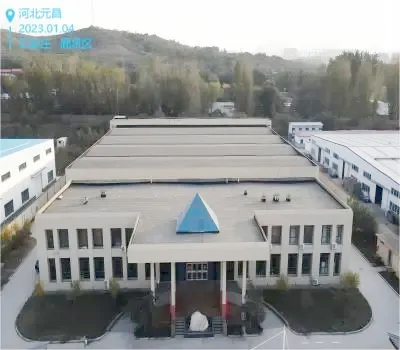
At Hebei Yuanchang Food Mechanism & Technology Co., Ltd., our extensive experience isn't just a number; it's the foundation of the quality and reliability you receive, even with our used commercial meat grinders. With over 40 years in the industry since 1986, we've cultivated a deep understanding of meat processing equipment, from initial design concepts to the daily operational realities faced by our clients.
Our comprehensive facility, spanning approximately 14,000 square meters and staffed by 80-100 dedicated professionals, allows us to control every aspect of production and quality assurance. This includes:
- In-House Machining Excellence: Our workshop houses over 20 sets of advanced processing machinery, including precision lathes, milling machines, grinding machines, and wire-cutting equipment. This capability is elevated by our 2012 investment in 8 Japanese Mazak CNC machining centers. This allows us to produce high-standard, non-standard, and high-precision components independently.
- Quality Control from Component to Assembly: Because we manufacture critical parts in-house, we ensure superior quality and adherence to precise specifications. This direct control over component manufacturing translates to more durable and reliable finished machines, whether new or refurbished.
- Traceable After-Sales Management: Our commitment extends beyond the sale. Our traceable system ensures that if any issues arise, we can quickly identify the root cause and provide effective solutions, often leveraging our internal parts production capabilities.
- Broad Product Range Expertise: We specialize in complete production lines for meat products, including pretreatment, filling, molding, and ripening processes. This holistic view of the processing chain informs our understanding of how a meat grinder fits into the larger operational picture.
When you procure a used commercial meat grinder from us, you are benefiting from this ingrained manufacturing philosophy. Our machines are not merely resold; they are supported by a legacy of engineering integrity and a commitment to delivering processing solutions that work. We understand the pressures of international trade, the need for dependable machinery, and the importance of a reliable supply chain for spare parts. This is the Hebei Yuanchang advantage.

Common Questions About Used Commercial Meat Grinders
Q1: What is the average lifespan of a commercial meat grinder?
With proper maintenance, cleaning, and operation, a well-built commercial meat grinder can last 10-15 years or even longer. For used units, the remaining lifespan depends heavily on its previous usage and how well it has been cared for. Our focus on robust construction and quality components means our machines, even when pre-owned, are built for longevity.
Q2: Can I grind frozen meat in a commercial grinder?
Most commercial grinders are designed for chilled meat. Grinding partially frozen meat (e.g., meat with an internal temperature around -2°C to -4°C / 25°F to 28°F) is often acceptable and can yield a cleaner grind. However, attempting to grind fully frozen meat can severely damage the motor, auger, and plates. Always check the specific model's capabilities and manufacturer recommendations.
Q3: How do I prevent my grinder from jamming?
Ensure the meat is properly chilled. Cut it into manageable pieces that fit easily into the hopper. Don't force excessive amounts of meat at once. If you notice the motor straining, stop immediately, clear the blockage, and check the auger and plate assembly. Consistent feed rates are key.
Q4: What certifications should I look for?
For food processing equipment, look for certifications that indicate safety and compliance. In North America, UL or ETL listings are important for electrical safety. For international markets, CE marking (for Europe) signifies compliance with EU standards. While used equipment may not always retain original certification documentation, reputable suppliers should be able to confirm if the original design met these standards. We offer CE-certified equipment and adhere to international standards.
Q5: Can I use a used grinder for OEM applications?
Yes, absolutely. Many businesses use reliable used grinders as part of a larger production line for OEM (Original Equipment Manufacturer) or ODM (Original Design Manufacturer) projects. The key is ensuring the grinder meets the required specifications, performance, and durability for your end product. Our ability to produce high-precision parts means we can often adapt or ensure the reliability of machines used in such demanding roles.
Q6: What are the shipping considerations for a commercial meat grinder?
Commercial meat grinders are heavy and bulky. Shipping requires robust packaging (e.g., crating or palletizing) to prevent damage. International shipping involves customs duties, import taxes, and freight charges. It's crucial to get a detailed shipping quote upfront that includes insurance. We have extensive experience managing international logistics for machinery, ensuring safe and timely delivery.
Ready to Enhance Your Processing Capabilities with a Reliable Used Meat Grinder?
Don't let budget constraints limit your operational potential. Explore our selection of thoroughly inspected and competitively priced used commercial meat grinders.
Contact us today for a personalized consultation and a detailed quote.
Phone: +86 15830991513 | E-mail: ycmeatmech@gmail.com