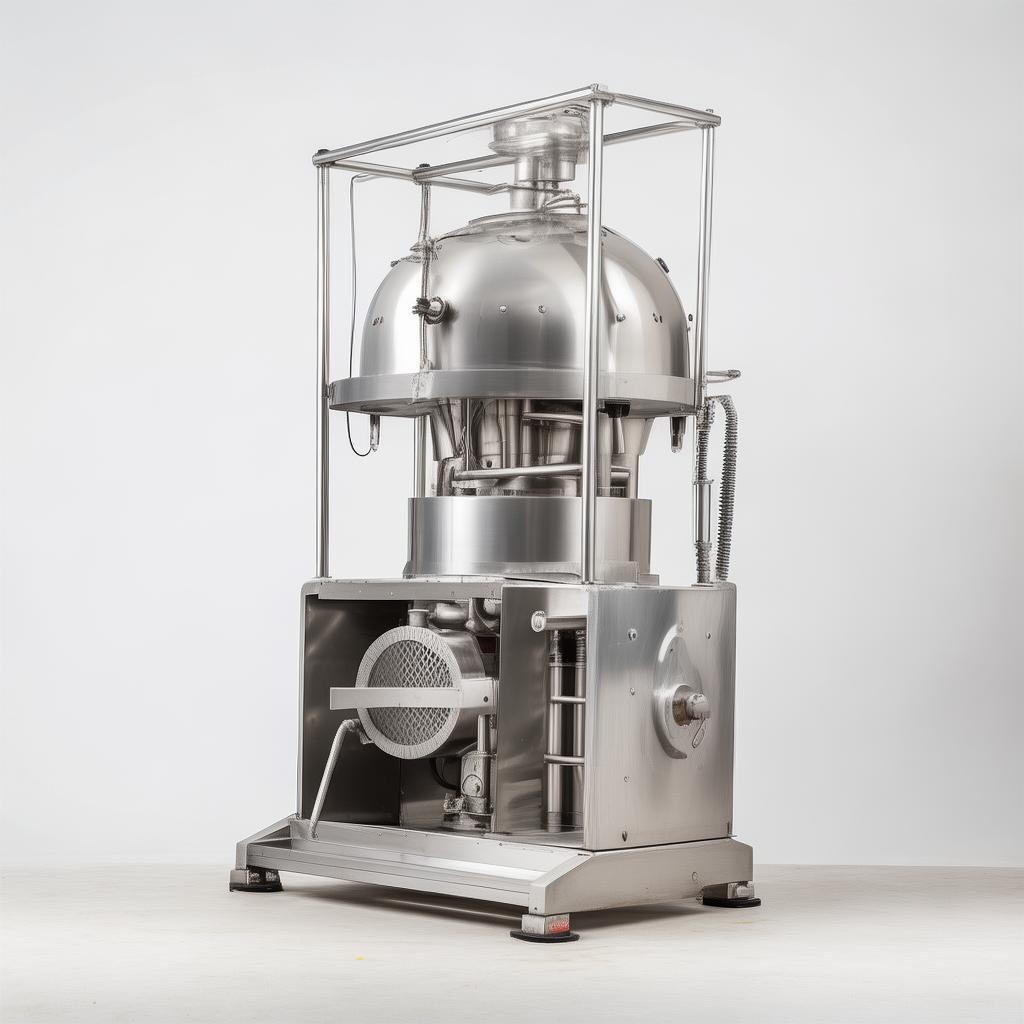
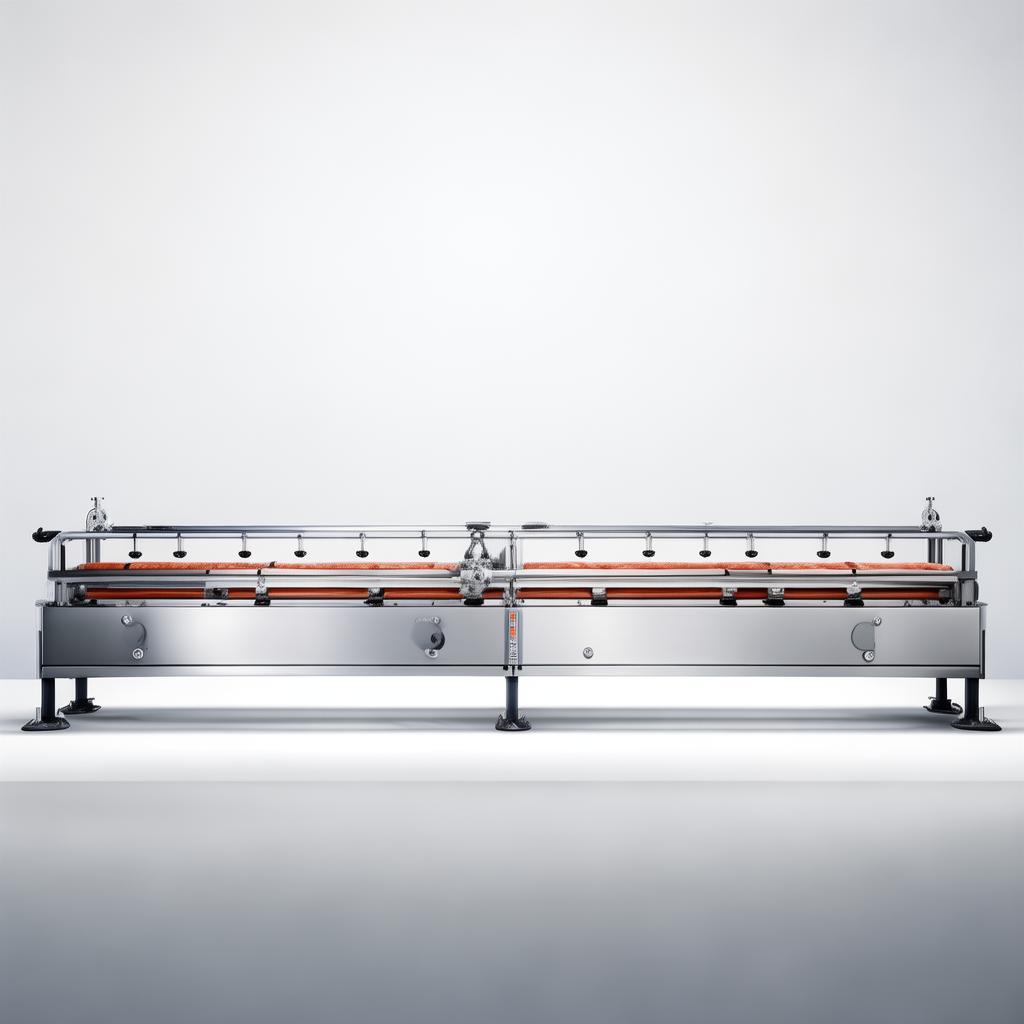
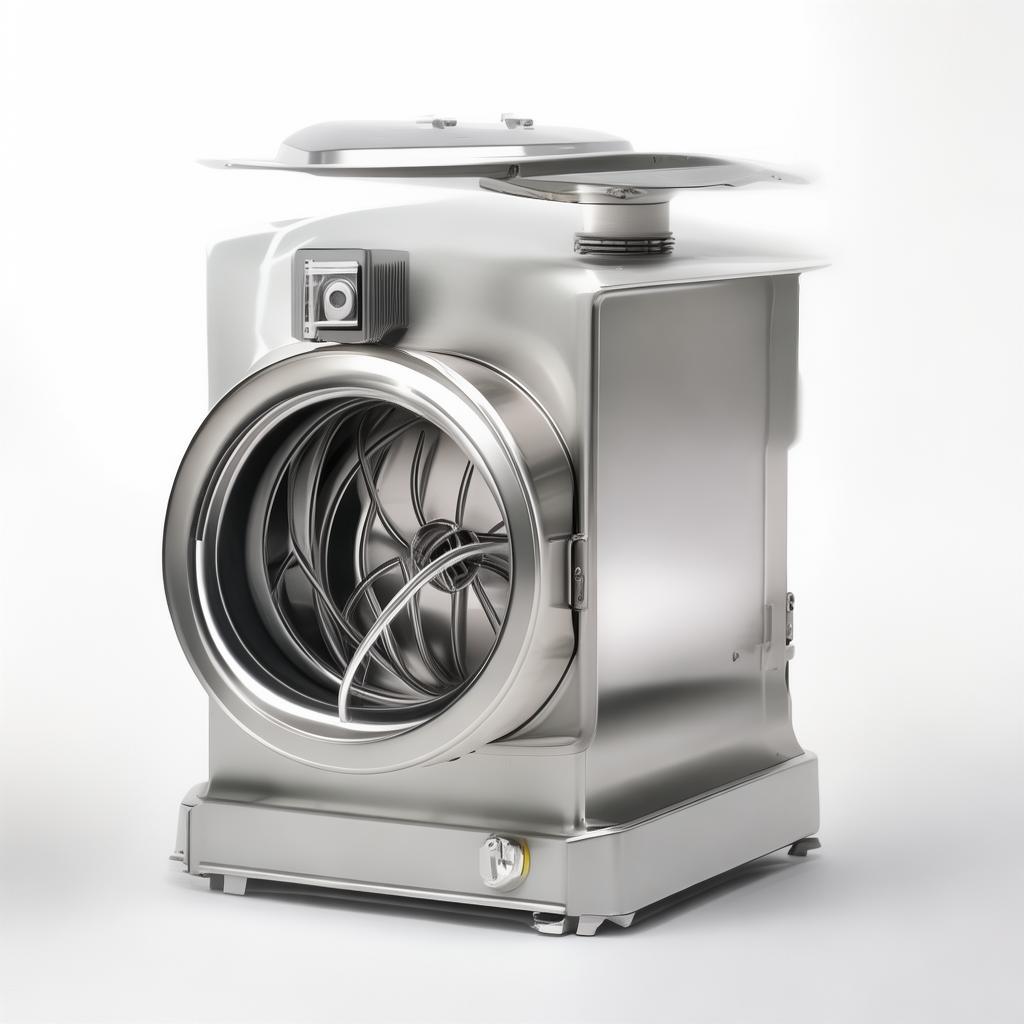
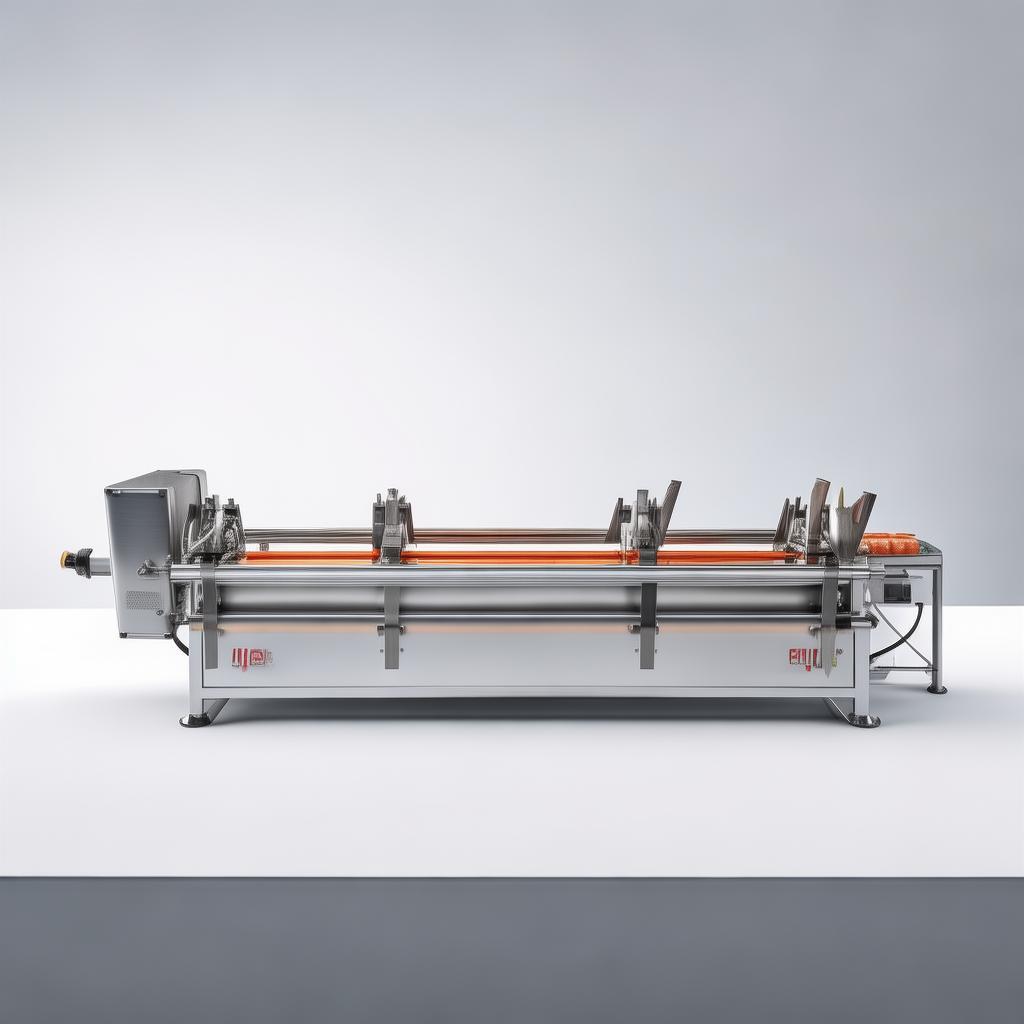
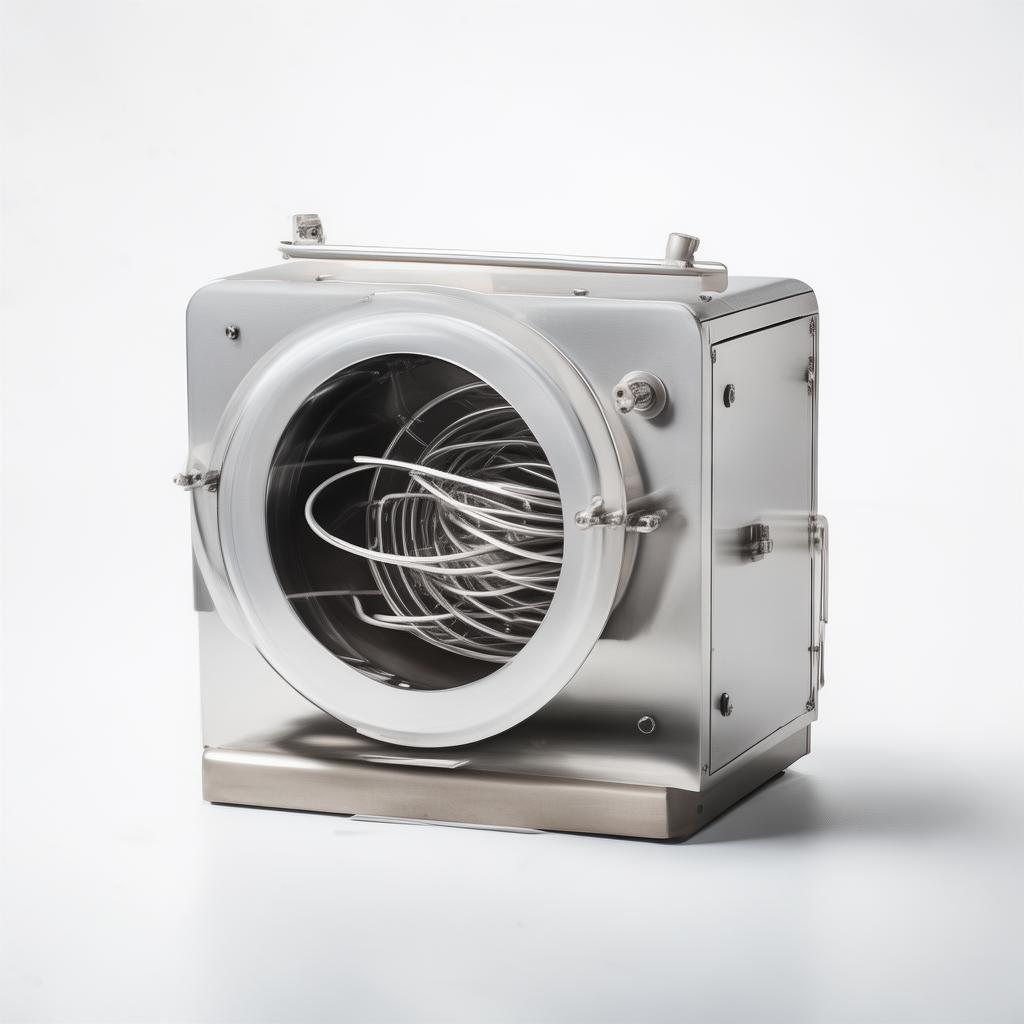
Washing Machine For Crates
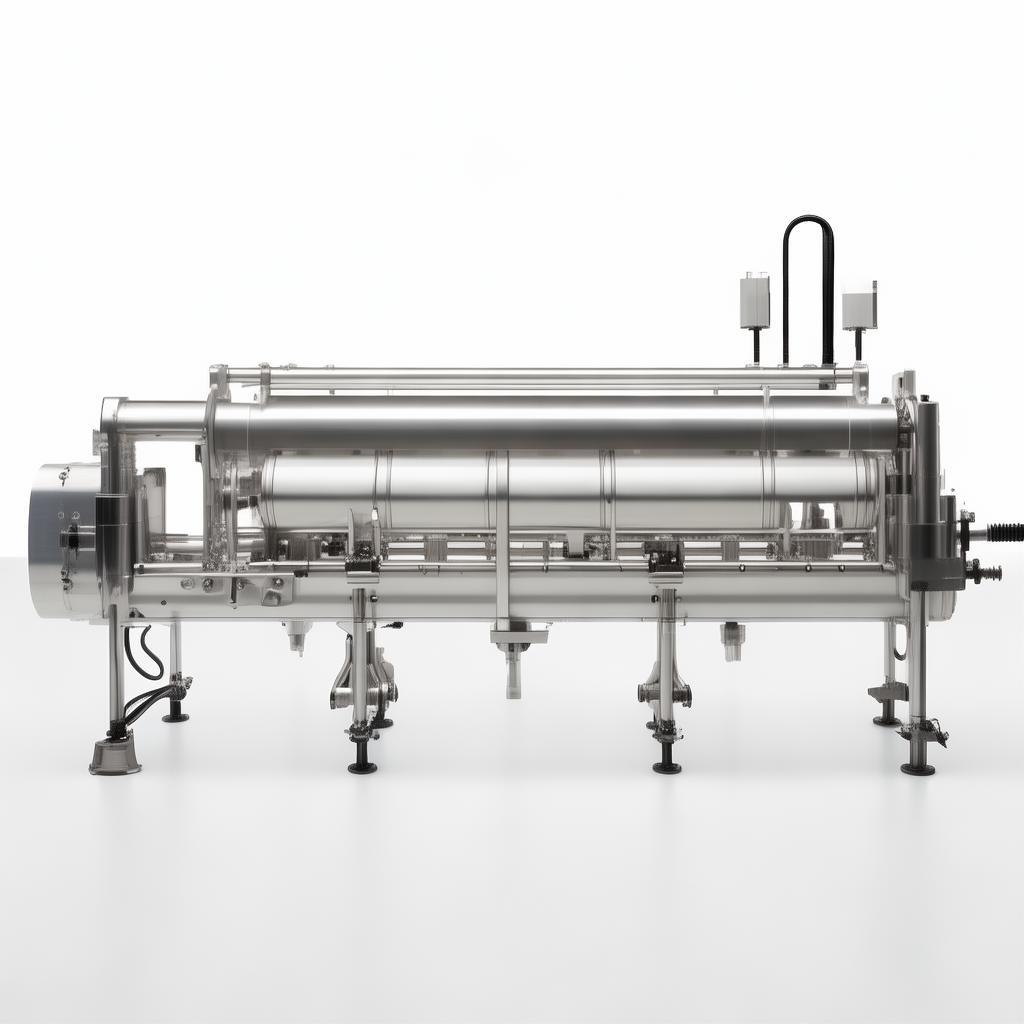
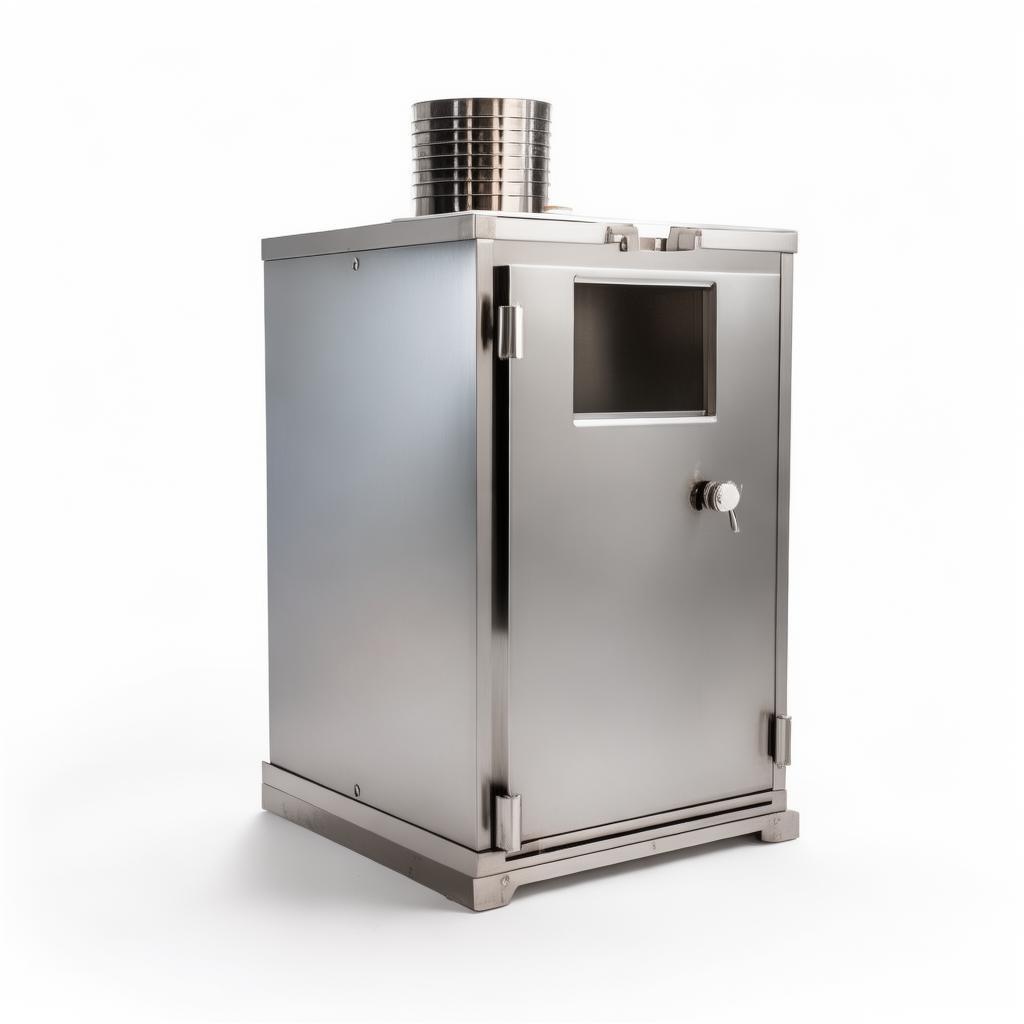
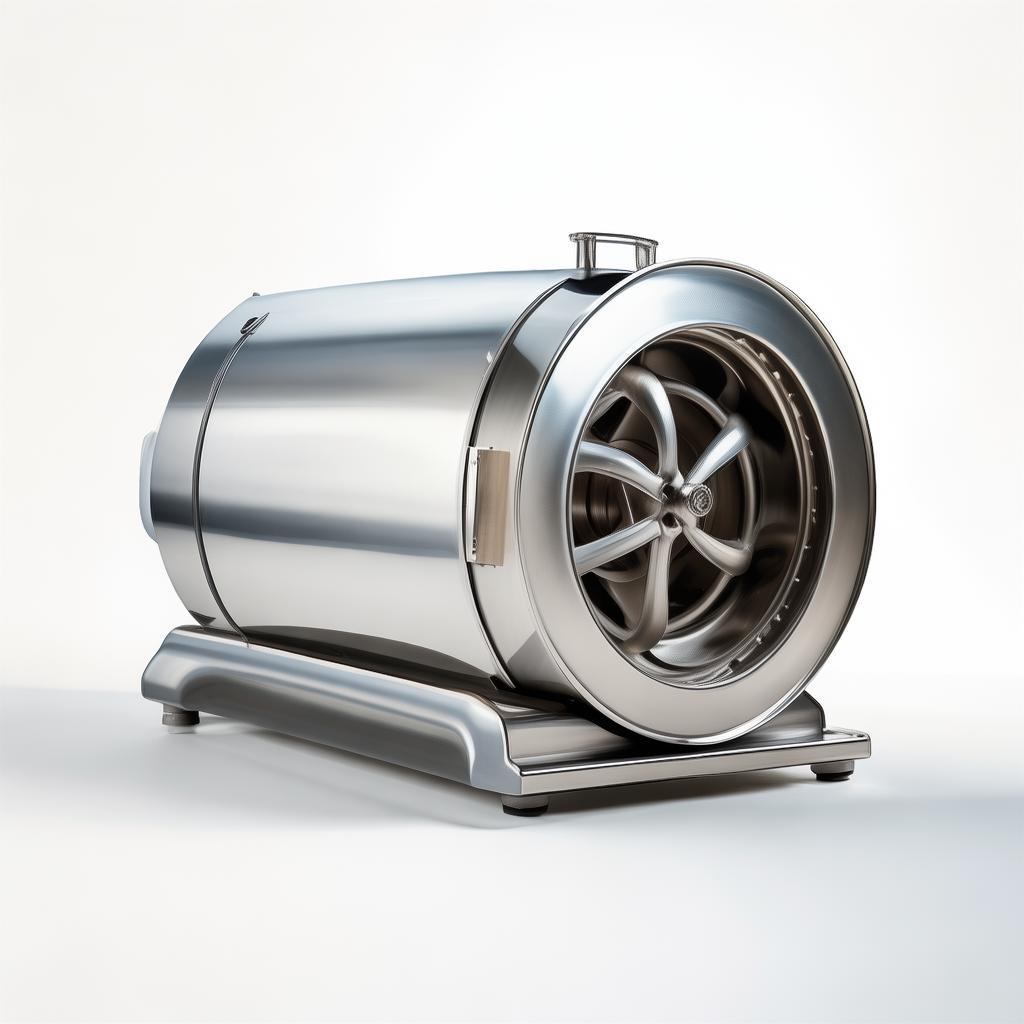
Industrial Crate Washing Machines: Optimizing Your Supply Chain Hygiene and Efficiency
Streamline operations, ensure compliance, and protect your products with advanced crate cleaning solutions.
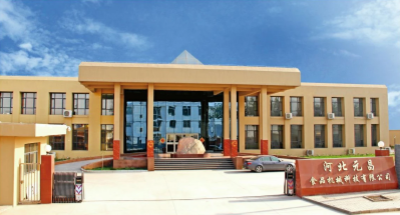
Hebei Yuanchang Food Mechanism & Technology Co., Ltd. – Your Partner in Industrial Hygiene Solutions.
Why Crate Hygiene Matters More Than Ever
In today's highly competitive global marketplace, maintaining the integrity of your products from origin to consumer is paramount. For businesses involved in food processing, logistics, manufacturing, and retail, the humble crate is a critical component of this chain. It's more than just a container; it's a carrier of your brand's reputation. A contaminated crate can lead to product spoilage, cross-contamination, costly recalls, and severe reputational damage. This is why investing in a robust and efficient industrial crate washing machine isn't just about cleanliness; it's a strategic business decision that directly impacts your bottom line and operational continuity.
The global processed meat market, for instance, is projected to reach USD 1,253.77 billion by 2034, growing at a CAGR of 6.62% [1]. This expansion necessitates increasingly stringent hygiene standards throughout the entire processing and distribution pipeline. Similarly, the meat processing equipment market itself is a significant industry, valued at approximately USD 11.29 billion in 2025 and expected to reach USD 17.39 billion by 2034 [2]. Within this ecosystem, efficient crate cleaning plays a vital role in ensuring that raw materials and finished goods are handled with the utmost care, preventing contamination and maintaining quality. Manually cleaning crates is time-consuming, labor-intensive, and often inconsistent, failing to meet the high-pressure washing and sanitization demands of modern facilities.
Our industrial crate washing machines are engineered to address these precise challenges. We understand that in sectors like food production, where regulatory compliance (e.g., HACCP, GMP) is non-negotiable, every step of the process must be scrutinized. Residual food particles, bacteria, or chemical contaminants left on crates can jeopardize an entire batch. Beyond food, industries dealing with sensitive materials in logistics, electronics manufacturing, or even pharmaceuticals require a sterile environment for their reusable transport packaging. The risk of introducing foreign contaminants into cleanroom environments or sterile packaging lines via dirty crates is a real and present danger that requires a dedicated, industrial-grade solution.
Furthermore, the drive towards sustainability and reduced waste in logistics and manufacturing means that reusable crates are favored over single-use packaging. This recirculation model inherently increases the importance of thorough and consistent cleaning. A well-designed crate washer not only cleans effectively but also conserves water and energy, contributing to your operational sustainability goals. It's about maximizing the lifespan of your assets – your crates – while ensuring they are fit for purpose, every single time they enter your workflow. The initial investment in a professional crate washing system pays dividends through reduced product loss, minimized re-cleaning efforts, and improved operational throughput. We’ve seen firsthand how inadequate crate hygiene can cascade into significant operational disruptions, from production line stoppages due to contamination alerts to expensive manual re-cleaning operations that divert skilled labor from core tasks.
Consider the pressure on modern supply chains. With increased demand for faster delivery and reduced lead times, the efficiency of every touchpoint is critical. Your crate washing process should be a seamless, automated step that keeps pace with your production and distribution schedule. Relying on manual labor for washing is a bottleneck waiting to happen, especially during peak seasons or unexpected surges in demand. Our machines are built for high-volume, continuous operation, designed to integrate smoothly into existing conveyor systems or operate as standalone units, depending on your facility's layout and workflow. The goal is to transform crate cleaning from a potential liability into a reliable, efficient, and compliant operational asset.
Operational Challenges in Crate Management
Many businesses grapple with recurring issues in their crate handling and cleaning processes. These aren't just minor inconveniences; they often represent significant operational inefficiencies and potential risks:
- Inconsistent Cleaning Quality: Manual washing or outdated equipment rarely achieves uniform cleanliness across all crates. This leads to missed contaminants, bacteria buildup, and potential product integrity issues.
- High Labor Costs & Shortages: Dedicating staff to manual crate washing is expensive and diverts them from more productive tasks. Finding and retaining labor for such demanding roles can be a persistent challenge.
- Time Consumption & Bottlenecks: Manual or slow automated cleaning processes create bottlenecks, slowing down production lines, order fulfillment, and overall operational throughput. This is particularly acute in fast-paced food processing environments.
- Water & Chemical Waste: Inefficient washing methods often result in excessive water usage and chemical consumption, increasing operational costs and environmental impact.
- Damage to Crates: Harsh manual scrubbing or poorly designed equipment can cause wear and tear, shortening the lifespan of expensive reusable crates.
- Compliance & Audit Failures: Inconsistent hygiene standards can lead to failed audits, fines, and reputational damage, especially in regulated industries like food and pharmaceuticals.
- Cross-Contamination Risks: Incomplete cleaning leaves residues that can spread between batches or product types, leading to spoilage or allergen cross-contamination.
"We used to spend hours every day manually scrubbing crates, and even then, we’d sometimes find residue. It was a huge bottleneck and a constant worry for our quality control team." - Operations Manager, Food Distribution Firm
The Advanced Crate Washing Machine Solution
Our industrial crate washing machines are engineered from the ground up to provide a powerful, reliable, and efficient solution to these widespread operational challenges. Built with robust materials and intelligent design, they offer a comprehensive approach to crate hygiene.
We leverage decades of experience in industrial mechanism design and manufacturing, drawing from our expertise in areas like meat processing equipment, which demands the highest standards of hygiene and durability. Our machines are not off-the-shelf solutions; they are precision-engineered systems designed for demanding industrial environments. The core of our offering lies in a multi-stage cleaning process that can be customized to your specific needs:
- Pre-wash: High-pressure spray jets dislodge stubborn debris and large particles.
- Main Wash: Powerful detergent spray, often combined with rotating brush systems and heated water, thoroughly cleans all surfaces, corners, and crevices. The angle and pressure of the jets are optimized to reach every part of the crate, including complex interiors and underhandles.
- Rinse: Clean water jets remove all detergent and loosened debris, ensuring a spotless finish. Multiple rinse stages can be incorporated for extra assurance.
- Sanitization (Optional): A final hot water rinse or chemical sanitization cycle can be implemented to achieve critical microbial reduction levels required by specific industry regulations.
- Drying (Optional): Integrated air knives or blower systems can efficiently dry crates, preparing them for immediate reuse and preventing water spotting or microbial regrowth.
The global demand for automated food processing equipment, including filling, molding, and auxiliary systems, highlights a broader trend towards efficiency and hygiene in the sector [3]. Our crate washers are a crucial, often overlooked, component of this automated workflow. By integrating our machines, you can achieve a level of consistent cleanliness and operational efficiency that manual methods simply cannot match. This translates directly into fewer product spoilage incidents, reduced risk of recall, and a more streamlined, cost-effective operation overall.
Our manufacturing facility, spanning approximately 14,000 square meters with over 80-100 dedicated employees, is equipped with advanced machinery, including Japanese Mazak CNC centers. This allows us to produce high-precision components, ensuring the reliability and longevity of every crate washing machine we build. We don't just assemble; we engineer and manufacture with meticulous attention to detail, a standard honed over 40 years of industrial experience since 1986.
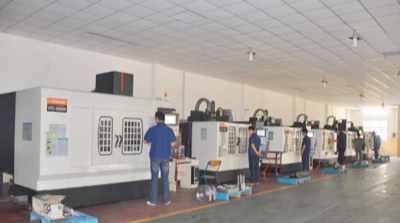
Advanced spray nozzle system ensures thorough coverage.
Key Features for Maximum Impact
Every aspect of our industrial crate washing machines is designed with operational efficiency, durability, and user satisfaction in mind. We focus on features that directly benefit your business:
| Feature | Benefit | Operational Insight |
|---|---|---|
| Robust Stainless Steel Construction (304/316L) | Exceptional durability, corrosion resistance, and hygiene compliance. Ideal for wet and demanding environments. | Minimizes material fatigue and rust, significantly extending the machine's service life even with daily, high-pressure cleaning cycles. Crucial for food-grade applications. |
| High-Pressure, Multi-Directional Spray Nozzles | Thoroughly removes all types of soil, grease, and residues from every surface and crevice. | Engineered to reach hard-to-access areas within complex crate designs, ensuring no contaminants are missed. Adjustable spray patterns offer flexibility. |
| Integrated Water Heating System | Enhances detergent effectiveness and sanitization for superior cleaning results. | Hot water significantly improves the breakdown of fats and proteins, crucial for greasy or organic residues. Precise temperature control ensures optimal performance and safety. |
| Adjustable Conveyor Speed & Spray Intensity | Allows customization for different crate types, sizes, and soil loads, optimizing cleaning efficiency and resource use. | Flexibility is key. A wash cycle for lightly soiled logistics crates can differ vastly from a heavy-duty food residue cycle. This control prevents over- or under-washing. |
| Efficient Filtration and Water Recirculation | Reduces water and chemical consumption, lowering operating costs and environmental impact. | A multi-stage filtration system captures debris, allowing clean water to be recirculated, making the process far more economical than single-pass systems. |
| User-Friendly PLC Control System | Easy operation, program selection, and monitoring of machine status and parameters. | Simplifies operator training and reduces the chance of errors. Error logging helps in quick diagnostics and maintenance. |
| Optional Integrated Drying Systems | Ensures crates are dry and ready for immediate use, preventing microbial growth and water spots. | Eliminates the need for manual drying or air-drying spaces, further streamlining the workflow and reducing post-wash contamination risks. |
Technical Specifications at a Glance
To ensure you select the right machine for your operational demands, here’s a general overview of what our standard models typically offer. Specific configurations are always available upon request.
| Specification | Typical Range / Detail | Notes |
|---|---|---|
| Machine Dimensions (L x W x H) | Varies: e.g., 4000 x 1200 x 1800 mm | Customizable to facility space. |
| Capacity (Crates/Hour) | e.g., 100 - 300 Crates/Hour | Dependent on crate size and wash cycle duration. |
| Power Supply | 380V/50Hz/3Phase (Customizable) | Standard industrial power, adaptable to regional needs. |
| Heating Power | e.g., 18 kW - 45 kW | For water heating; higher capacity for faster heating/maintaining temp. |
| Water Consumption | e.g., 0.5 - 1.5 Liters per Crate | Optimized with recirculation; varies by model and cycle. |
| Max Wash Temperature | Up to 90°C (194°F) | Essential for sanitization. |
| Material | Food-grade Stainless Steel (304/316L) | Ensures hygiene and longevity. |
| Control System | PLC with Touchscreen Interface | Reliable and easy to operate. |
industrial crate washing machine container washing machine crate washer machine
This data provides a baseline. We excel at customizing solutions. If your crates are unusually large, require specific cleaning protocols, or your facility has unique space constraints, please discuss your project needs with our engineering team.
Versatile Applications Across Industries
The robust design and configurable nature of our crate washing machines make them suitable for a wide array of industrial applications where hygiene and efficiency are critical:
Food & Beverage Processing
Cleaning crates for meat, poultry, dairy, produce, bakery items, and beverages. Essential for GMP and HACCP compliance.
- Meat processing plants
- Dairies
- Bakeries
- Vegetable & fruit wholesalers
- Brewery & beverage facilities
Logistics & Warehousing
Ensuring reusable plastic containers (RPCs) and transport crates are clean for multi-use cycles, preventing cross-contamination between shipments.
- Distribution centers
- Third-party logistics (3PL) providers
- E-commerce fulfillment centers
- Rental crate services
Pharmaceutical & Medical
Maintaining sterile conditions for reusable containers used in the transport of medical supplies, lab samples, or sterile packaging components.
- Pharmaceutical manufacturers
- Hospitals & healthcare facilities
- Medical device producers
- Biotech laboratories
Industrial Manufacturing
Cleaning component bins, parts washing trays, and reusable packaging for assembly lines and inter-facility transport.
- Automotive parts suppliers
- Electronics manufacturers
- General manufacturing facilities
- Metal fabrication
The demand for efficiency and hygiene in food processing is a significant driver. Market reports consistently show growth in meat processing equipment, with segments like filling, molding, and auxiliary ripening systems seeing strong investment [4]. Our crate washers are a foundational piece of equipment that supports these sophisticated production lines by ensuring the basic elements of the supply chain – the crates themselves – are pristine.
Seamless Installation and Integration
Integrating a new piece of industrial equipment can seem daunting, but we've streamlined the process for our crate washing machines. Our focus is on minimizing disruption to your operations while ensuring optimal performance from day one.
Site Preparation: Before delivery, basic site requirements typically include adequate floor space, access to a suitable power supply (as per machine specifications), and drainage connections for wash and rinse water. We provide detailed drawings and specifications to your team well in advance, allowing for coordinated preparation. For larger installations, considerations might include integrated conveyor systems or specific workflow routing.
On-Site Installation: Our machines are typically shipped pre-assembled or in modular sections for easier transport and installation. Depending on your location and the complexity of the project, installation can be performed by your internal technical team following our comprehensive manual, or by our certified technicians. We offer guidance on connecting water, power, and drainage lines.
Commissioning and Training: Once installed, our engineers will conduct a thorough commissioning process. This involves running test cycles, calibrating settings for your specific crate types, and ensuring all safety features are operational. Crucially, we provide hands-on training for your operators and maintenance staff. This ensures your team can efficiently use the machine, understand its basic maintenance requirements, and recognize any potential operational issues.
Integration: Many facilities benefit from integrating crate washers with existing conveyor lines for a fully automated workflow. Our machines can be supplied with input and output conveyor extensions, or designed to seamlessly fit into gaps in your current material handling systems. For OEM/ODM production lines, integrating a washing station is a logical step to ensure product integrity from the very start of processing.
Practical Tip: Always ensure your drainage system can handle the volume of water discharged. Overloading floor drains can lead to water pooling and potential slip hazards, negating some of the safety benefits of automation. We can advise on the necessary flow rates and connection types.
Low-Maintenance Design for Continuous Operation
We understand that downtime is costly. That's why our industrial crate washing machines are engineered for reliability and ease of maintenance. Our 40 years of experience, particularly in demanding sectors like food processing equipment, has taught us the importance of robust, accessible components.
Daily Checks: Operators should perform quick visual inspections for any loose parts, debris in filters, or unusual noises. Checking water levels and detergent concentrations is also a simple daily task that ensures optimal performance.
Weekly/Monthly Tasks: This typically involves cleaning filters more thoroughly, inspecting spray nozzles for blockages, and checking pump seals and belts. Our machines are designed with accessibility in mind, often featuring easily removable panels for quick access to internal components.
Preventive Maintenance: We recommend a schedule for periodic checks of electrical connections, sensor calibration, and bearing lubrication. Our detailed manuals provide clear guidelines for these tasks. For critical applications, we also offer service contracts that include scheduled preventive maintenance visits by our expert technicians. This proactive approach is far more cost-effective than reacting to breakdowns.
Component Quality: The use of high-grade stainless steel (304/316L), industrial-grade pumps, and reliable PLC control systems means fewer component failures. We source components known for their durability, minimizing the need for frequent replacements. Our in-house machining capabilities, including advanced CNC centers, allow us to produce high-precision wear parts if ever needed, ensuring you’re never left waiting for a critical replacement.
Logistical Consideration: Keep a small inventory of common wear parts, like seals or specific nozzles, on-site if your operation is in a remote location. This can prevent extended downtime if a part is needed unexpectedly between scheduled maintenance.
Global Shipping & Logistics
Hebei Yuanchang Food Mechanism & Technology Co., Ltd. has extensive experience exporting industrial machinery worldwide. We understand the complexities of international shipping and are equipped to ensure your crate washing machine reaches your facility safely and efficiently.
Packaging: Our machines are robustly packaged for ocean freight. This typically involves crating or framing, using protective materials to guard against moisture, impact, and vibration during transit. We adhere to international standards for packaging and labeling.
Shipping Options: We work with reliable freight forwarders to offer competitive shipping rates. Whether you require Full Container Load (FCL) or Less than Container Load (LCL) options, we can accommodate your needs. Air freight is also an option for urgent requirements, though it comes at a higher cost.
Documentation: We provide all necessary export documentation, including commercial invoices, packing lists, bills of lading, and certificates of origin. We can also assist with any specific documentation required for import into your country, helping to streamline customs clearance.
Lead Times: Production lead times for our crate washers typically range from 30 to 60 days, depending on the model and any customization required. Shipping times vary significantly based on destination, but we will provide accurate estimates as part of your quotation. We understand that timely delivery is crucial for project planning.
Container Optimization: For larger orders or multiple machines, we can advise on container loading strategies to maximize space and minimize shipping costs. This is a practical aspect of cross-border commerce that we manage diligently.
Important Note for Importers: Be sure to investigate your country's import duties, taxes, and any specific import regulations for industrial machinery well in advance of placing an order. This proactive step can prevent unexpected costs or delays.
Choosing the Right Supplier: What to Look For
Selecting an industrial equipment supplier is a decision with long-term implications. For crate washing machines, consider these critical factors beyond just the initial price:
- Manufacturing Experience: How long has the company been designing and producing this type of equipment? Decades of experience, like our 40 years since 1986, indicate deep knowledge and a proven track record.
- Technical Expertise: Does the supplier have in-house engineering and machining capabilities? Our use of advanced CNC centers allows us to produce high-precision parts, ensuring quality and customization. This capability is vital for OEM/ODM requirements.
- Material Quality: Are they using food-grade stainless steel (304/316L)? This is non-negotiable for hygiene-sensitive applications.
- Customization Capabilities: Can they tailor the machine to your specific crate sizes, throughput needs, and facility layout? Not all suppliers offer true customization.
- After-Sales Support: What is their policy on spare parts, technical assistance, and maintenance? A traceable after-sales management system, like ours, provides peace of mind.
- Global Reach: Do they have experience exporting and understand international shipping and compliance?
- References & Reviews: Can they provide testimonials or case studies from similar clients?
The global meat processing equipment market is projected to reach USD 15.04 billion by 2030 [3]. In such a competitive landscape, suppliers who focus on genuine quality, engineering excellence, and customer support stand out. We pride ourselves on being that type of partner.
Our Commitment to Quality & Compliance
At Hebei Yuanchang, quality and safety are not afterthoughts; they are foundational to our manufacturing philosophy. While specific certifications can vary by machine model and region, our commitment is demonstrated through:
- ISO 9001 (Potential): While not explicitly stated, our manufacturing processes are geared towards meeting stringent quality management standards akin to ISO 9001, ensuring consistency and reliability in production. We operate with a strong focus on process control and continuous improvement.
- Food-Grade Materials: We exclusively use food-grade stainless steel (typically 304 or 316L) for all contact surfaces, ensuring compliance with food safety regulations. This is critical for any application in the food processing industry.
- CE Marking (Upon Request): For shipments to European Union countries, machines can be configured and certified to meet CE marking requirements, demonstrating compliance with EU safety, health, and environmental protection standards.
- RoHS Compliance (Material Sourcing): We ensure that the components we source, particularly for electrical and electronic parts, comply with the Restriction of Hazardous Substances (RoHS) directive where applicable, protecting both the environment and end-users.

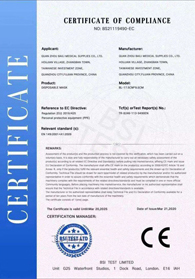
Our stringent internal quality control processes, coupled with our advanced manufacturing capabilities, ensure that every machine leaving our facility meets high operational and safety standards. We are dedicated to providing equipment that you can trust for years of reliable service.
What Our Clients Say
Real-world feedback from businesses like yours is the best indicator of our equipment's performance and our service quality.

Procurement Manager, AgriFresh Produce
"Implementing the Yuanchang crate washer was a game-changer for our produce packing facility. We previously struggled with manual washing, which was slow and inconsistent. Now, our crates are hygienically clean, and our throughput has significantly improved. The machine is robust and handles our heavy-duty crates without any issue."

Operations Director, Global Food Exports
"As an exporter, maintaining strict hygiene standards is crucial for market access. This crate washer exceeded our expectations. It's efficient, uses water wisely, and the stainless steel construction means it will last. The after-sales support from Yuanchang has also been excellent, especially with spare parts availability."

Plant Manager, Artisan Bakery Co.
"The automation provided by this washing machine has freed up significant labor hours. We were worried about integration, but the team at Yuanchang guided us through it smoothly. It’s a solid piece of equipment, built tough. Highly recommend for any bakery serious about cleanliness and efficiency."

Logistics Supervisor, E-Commerce Fulfillment
"We needed a reliable way to clean our fleet of reusable totes between distribution cycles. The Yuanchang machine is exactly what we needed. It’s fast, effective, and the low maintenance is a huge plus for our 24/7 operations. Our quality checks have shown a marked improvement in crate cleanliness."
Frequently Asked Questions
+ Can these machines handle different types of crates?
+ What kind of water and power requirements are there?
+ What is the typical lead time for delivery?
+ Do you offer spare parts and technical support?
+ Can the machines be used for chemical sanitization?
Ready to Elevate Your Crate Hygiene and Operational Efficiency?
Discover how our industrial crate washing machines can transform your operations. Get a tailored solution that fits your needs and budget.
We look forward to discussing your specific requirements and providing a solution that enhances your business.