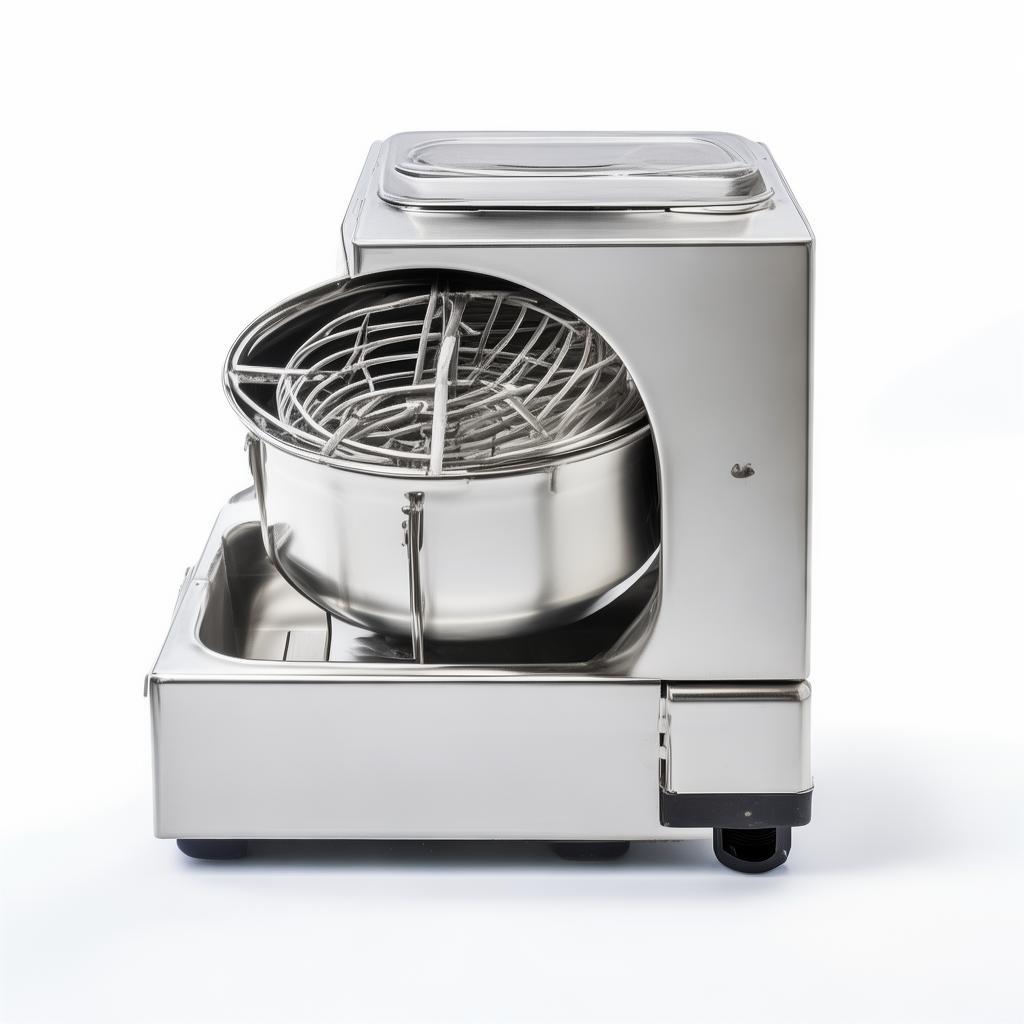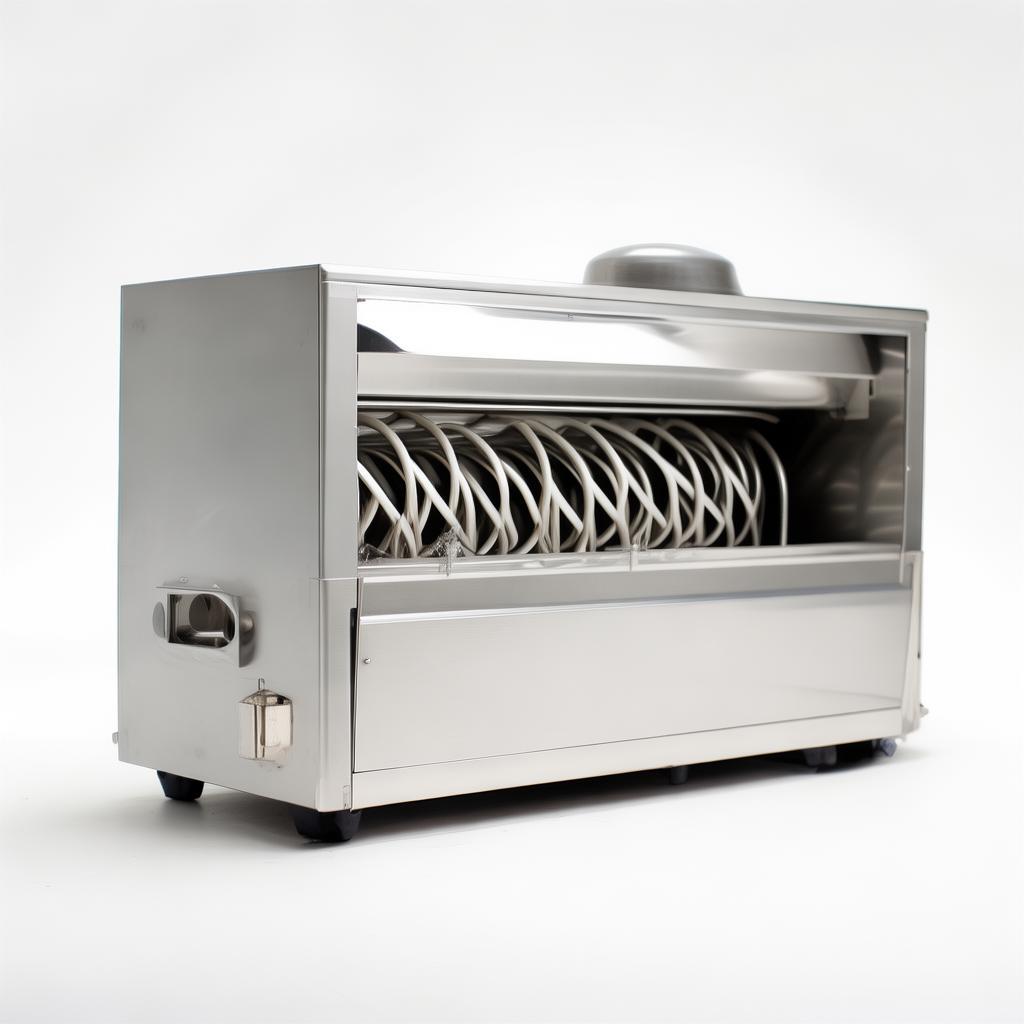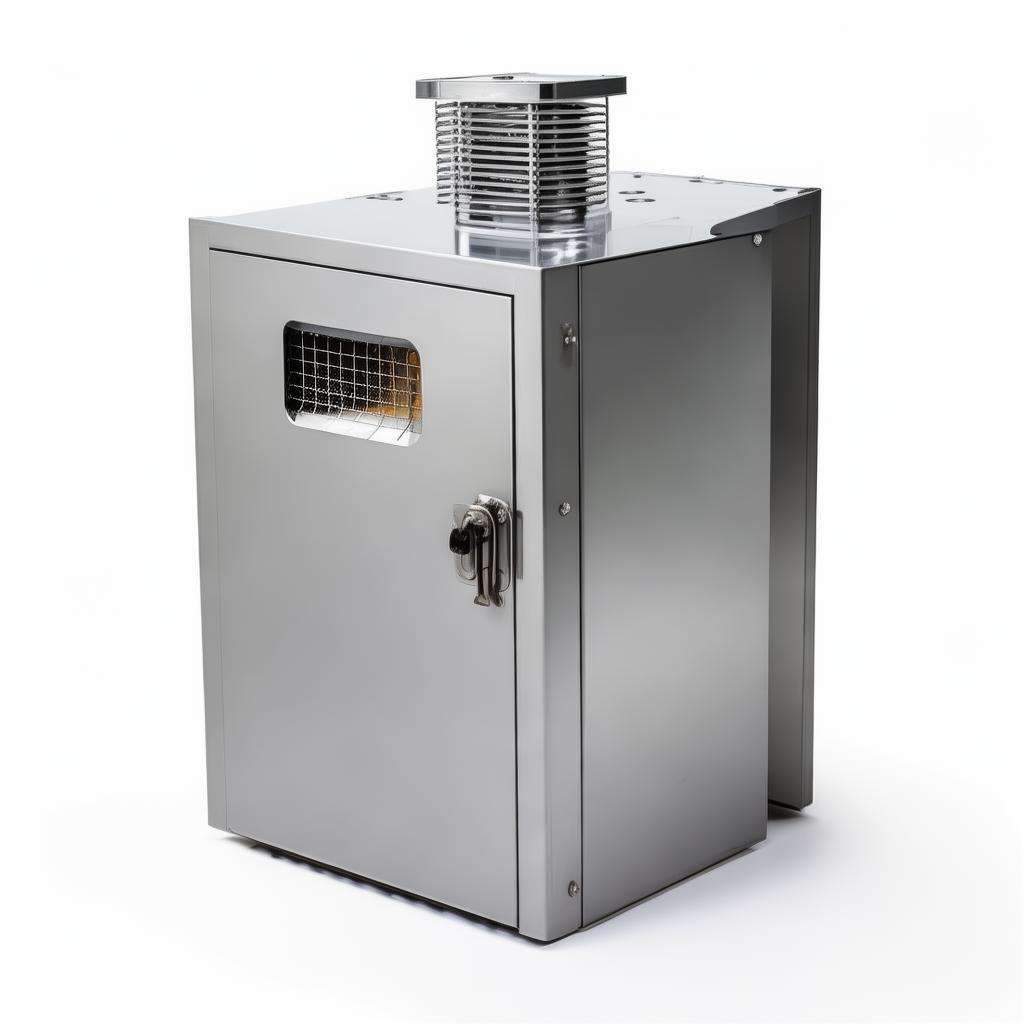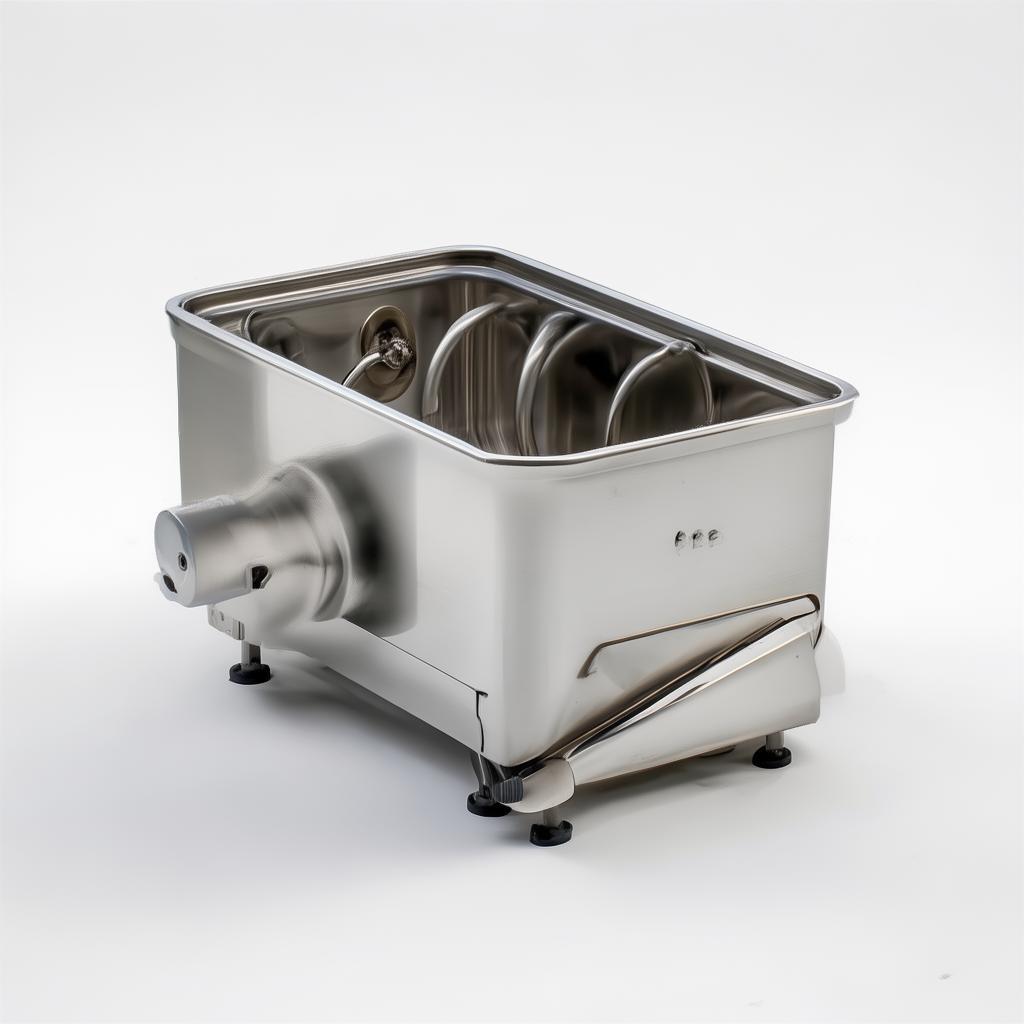
Vibrating Hopper
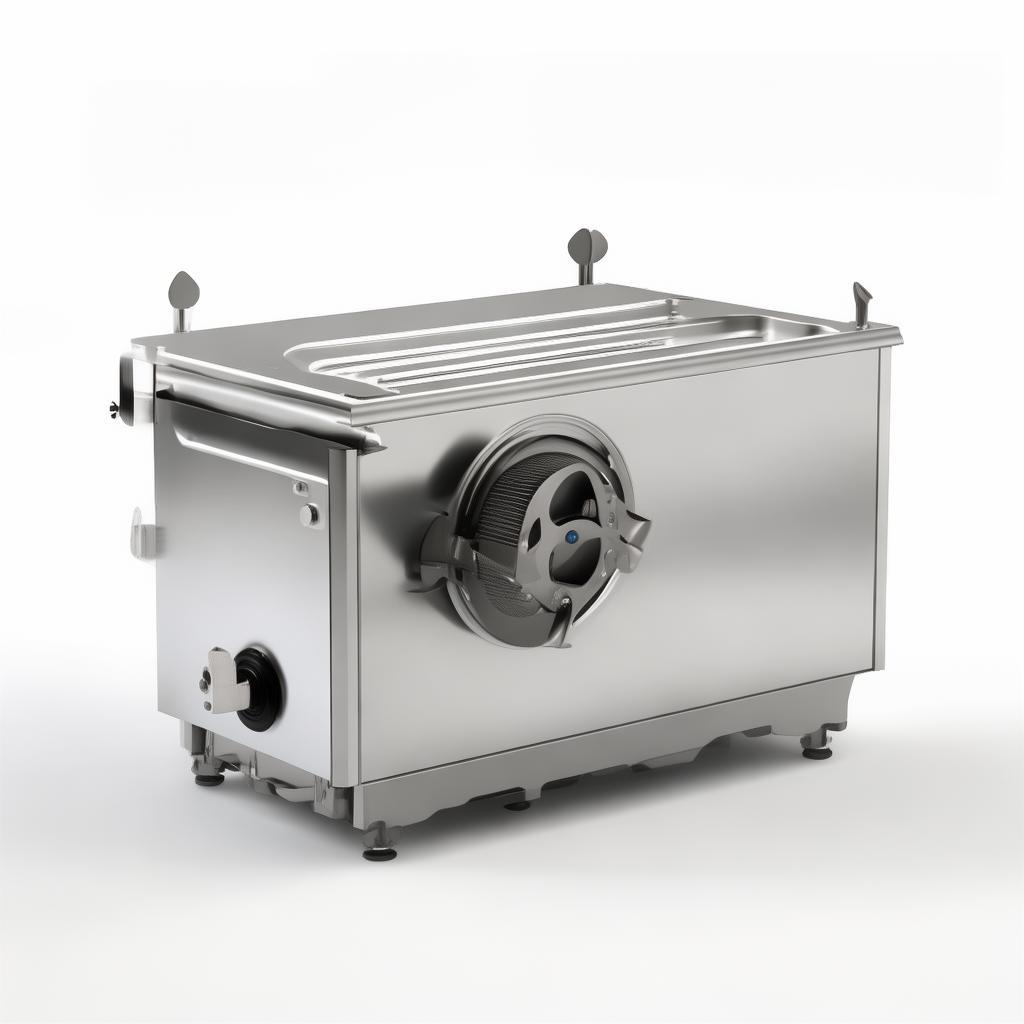
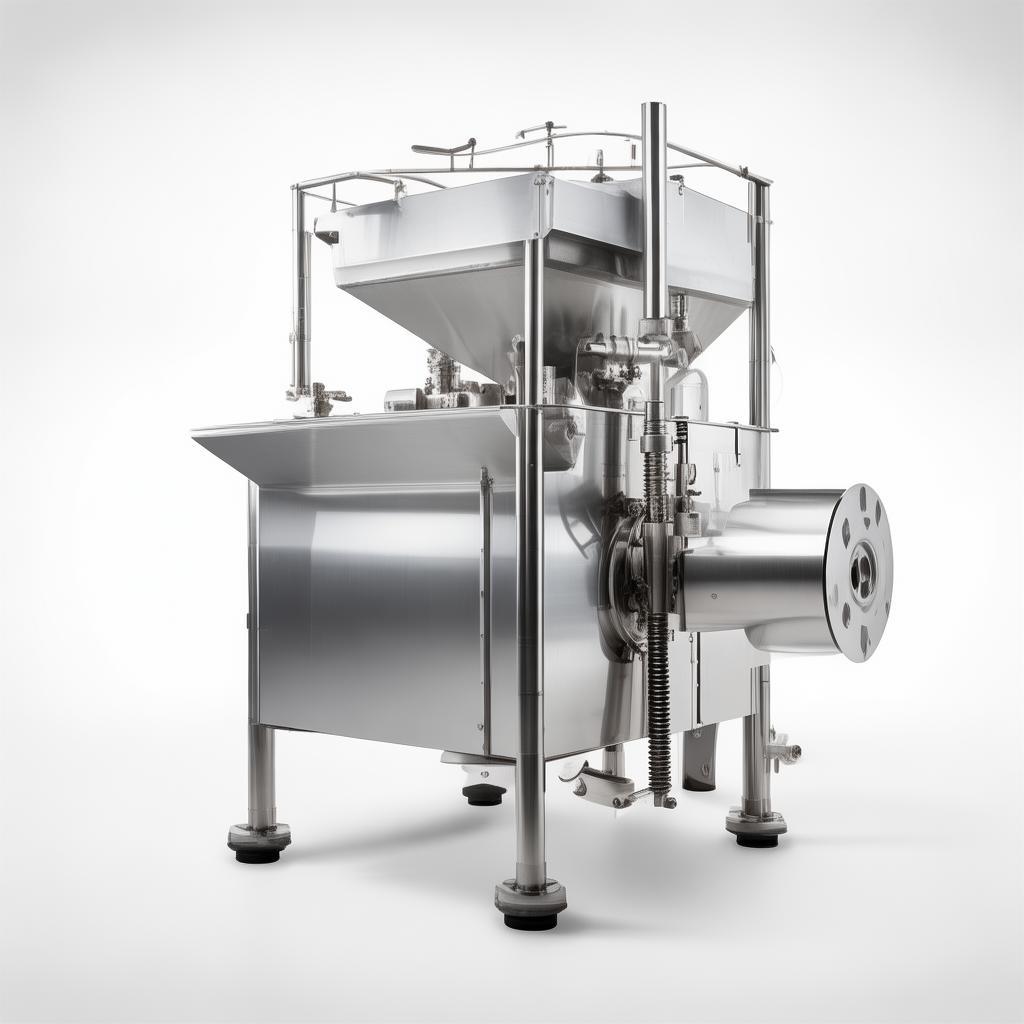
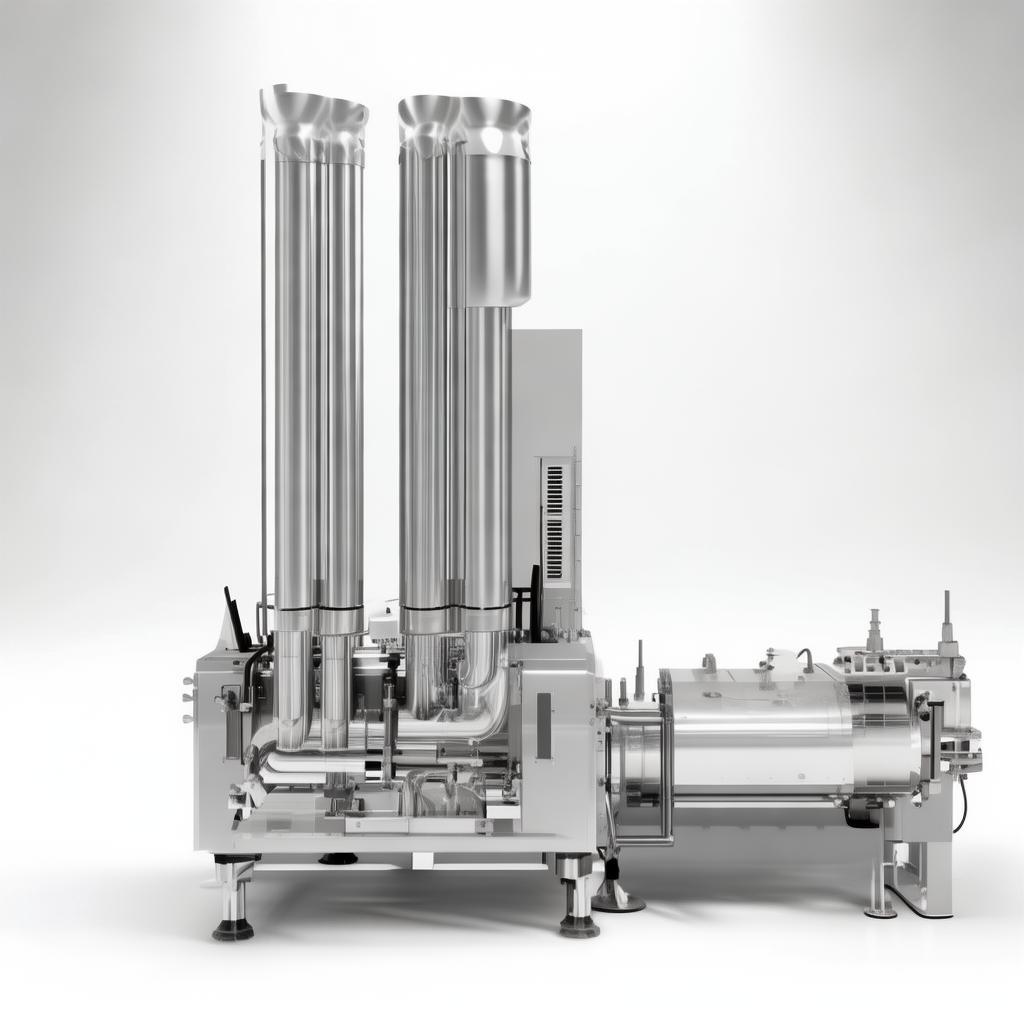
Vibrating Hoppers: Enhancing Material Flow and Production Efficiency
Your Partner for Reliable Material Handling Solutions
The Backbone of Efficient Material Processing: Understanding Vibrating Hoppers
In the intricate world of industrial manufacturing, from food processing to pharmaceuticals and chemical handling, the consistent and controlled movement of bulk materials is paramount. Blockages, inconsistent feeding, and product damage can significantly disrupt production lines, leading to costly downtime and reduced output. This is where the humble yet indispensable vibrating hopper steps in. More than just a funnel, a well-designed vibrating hopper acts as a critical interface, ensuring a steady, predictable flow of materials into downstream processing equipment.
The global meat processing equipment market, for instance, highlights the critical need for efficient material handling. Valued at approximately USD 11.29 billion in 2025 and projected to reach USD 17.39 billion by 2034, this sector heavily relies on equipment like filling and stuffing machines, which in turn depend on reliable material supply. A vibrating hopper is often the first step in this chain, ensuring that raw meat, marinades, or fillers are precisely metered. Similarly, in the broader food processing machinery market, which is expected to reach USD 109.61 billion by 2035, consistent product feeding is non-negotiable for maintaining quality and efficiency. This demand underscores the universal need for solutions that prevent material bottlenecks.
At Hebei Yuanchang Food Mechanism & Technology Co., Ltd., we understand that the right vibrating hopper isn't just a component; it's an integral part of a seamless production system. With over 40 years of experience in designing and manufacturing food processing equipment, including sophisticated complete production lines, our expertise extends to the foundational elements that ensure optimal performance. We’ve seen firsthand how improper material flow can cripple even the most advanced processing machinery. That's why our vibrating hoppers are engineered not just to hold material, but to actively manage its movement with precision and reliability, minimizing bridging, ratholing, and segregation.
Choosing the correct vibrating hopper involves understanding the properties of the materials you're handling – their particle size, flowability, density, and potential for sticking or clumping. Factors such as the required discharge rate, the type of processing equipment it feeds into, and the operational environment all play a crucial role. For example, handling sticky doughs in a bakery requires a different approach than feeding granular chemicals in a production plant. Our engineered solutions consider these nuances, offering tailored designs that might include specific liner materials, variable vibration intensities, or even heated surfaces to prevent material adhesion.
Furthermore, the global market trends in processed meat indicate a growing demand for value-added products. Reports suggest the processed meat market is projected to reach USD 1,330.45 billion by 2035. This growth means more complex formulations and a greater need for precise ingredient blending and feeding. Vibrating hoppers are key to achieving this consistency. They ensure that multiple ingredients, if fed through separate systems, enter the mixing or molding stages at the correct rates, preventing batch variability. This level of control is vital for maintaining product quality and meeting consumer expectations for consistency, whether it's for sausages, formed patties, or other processed meat items.
Our commitment to quality is backed by our robust manufacturing capabilities. With a 14,000 square meter facility and over 20 sets of advanced machining equipment, including Japanese Mazak CNC centers, we ensure high-precision components for all our equipment. This means that when you partner with Hebei Yuanchang, you're not just buying a vibrating hopper; you're investing in a piece of meticulously engineered machinery designed for longevity and performance. We offer solutions that are not only functional but also built to last, reducing long-term operational costs for our clients worldwide.
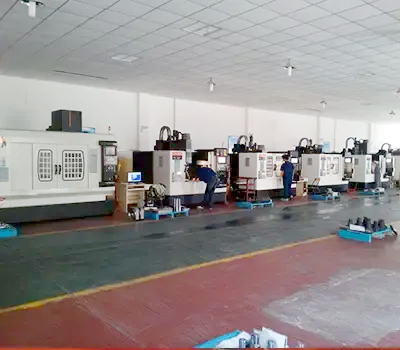
Precision engineered vibrating hopper for consistent material flow.
Navigating the Hurdles of Bulk Material Handling
Many businesses grapple with challenges that directly impact their production efficiency and bottom line. These aren't minor inconveniences; they're operational bottlenecks that can halt progress. Recognizing these common issues is the first step toward finding effective solutions.
- Material Bridging & Arching: Powdery or fibrous materials can form stable bridges across the hopper outlet, preventing any material from flowing. This is a frequent headache in chemical and food ingredient handling.
- Ratholing: In conical hoppers, material may flow down the walls, leaving a solid core in the center that gradually empties. This leads to inconsistent feed rates and product quality.
- Segregation: When handling mixtures of different particle sizes or densities, lighter or smaller particles tend to stay higher while larger ones flow down, leading to a non-uniform product.
- Flow Stoppages: Moisture, static electricity, or compacted materials can cause complete blockages, requiring manual intervention – a process that's time-consuming and often introduces contamination risks.
- Inconsistent Feed Rates: Equipment downstream, like filling machines or conveyors, requires a steady supply. Fluctuations in material flow can lead to underfilling, overfilling, or jamming.
- Product Damage: Overly aggressive vibration or poorly designed outlets can crush fragile materials, impacting their quality and marketability.
These challenges are not unique to any single industry. Whether you're processing grains, plastics, powders, or even delicate food items, the physics of bulk solids can be unforgiving. Without the right handling equipment, these issues translate directly into lost production time and increased operational costs. A common observation among procurement managers is that the initial cost of a reliable system is often significantly less than the cumulative cost of production interruptions over its lifespan.
For instance, the Meat Processing Equipment Market sees significant investment, projected to reach USD 17.39 billion by 2034. Within this, ensuring consistent delivery of ingredients to stuffing and molding machines is vital. A malfunctioning hopper can lead to inconsistent sausage density or improperly formed patties, directly impacting consumer satisfaction and brand reputation. Our focus at Hebei Yuanchang is to eliminate these pain points through intelligent design and robust engineering.
Engineered for Performance: The Benefits of Our Vibrating Hoppers
Our vibrating hoppers are designed with a singular focus: to provide reliable, efficient, and controlled material flow. By integrating advanced engineering principles with practical operational insights, we deliver solutions that directly address the challenges faced in diverse industrial settings.
| Feature | Benefit | Impact on Your Operations |
|---|---|---|
| Optimized Flow Path Design | Reduces bridging, ratholing, and segregation through specific geometry and vibration patterns. | Ensures consistent material supply, minimizing manual intervention and preventing production halts. Improved throughput. |
| Variable Vibration Control | Allows precise adjustment of vibration frequency and amplitude to match material properties. | Handles a wide range of materials, from fine powders to sticky granules, without damage. Enhanced material compatibility. |
| Robust Construction & Materials | Built with high-quality stainless steel (e.g., SUS304, SUS316) and durable vibration mechanisms. | Ensures longevity, resistance to wear and corrosion, and compliance with hygiene standards (e.g., FDA, CE where applicable). Reduced maintenance and replacement costs. |
| Sealed Vibration System | Prevents dust leakage and contamination, crucial for food, pharma, and chemical applications. | Maintains product integrity, ensures workplace safety, and simplifies cleaning protocols. Higher product quality and safety. |
| Easy Integration | Designed to seamlessly connect with conveyors, mixers, filling machines, and other processing equipment. | Minimizes installation complexity and downtime, allowing for quick setup in existing production lines. Faster project completion. |
hopper vibration system hopper vibration motor vibrating hopper feeder
The Food Processing Equipment Market is growing, with various segments showing significant expansion. For instance, the reconstituted meat market is projected to grow at a substantial CAGR of 18.0%, heavily relying on efficient molding and pretreatment. Our vibrating hoppers play a key role in the pretreatment stage, ensuring uniform material feed into forming machinery. This capability translates to consistent product texture and shape, critical for value-added meat products.
Consider the operational advantage: less product loss, reduced energy consumption due to fewer machine stops, and a more predictable output schedule. This directly impacts your ROI. Our engineering team continuously refines designs based on real-world feedback, ensuring our hoppers are not just standard components but genuine productivity enhancers. We often advise clients on optimizing their hopper-to-process integration to maximize these benefits. It's about more than just the equipment; it's about the entire material flow system.
Where Our Vibrating Hoppers Make a Difference
The versatility of our vibrating hoppers allows them to be deployed across a wide spectrum of industries, solving critical material handling problems wherever consistent flow is essential.
Key Industry Applications:
- Food & Beverage Processing: Essential for feeding ingredients like powders, granules, meat fillings, spices, confectionery, and pet food into mixers, extruders, fillers, and packaging machines. This is crucial for maintaining batch consistency and preventing product defects.
- Pharmaceuticals: Ideal for handling sensitive powders, granules, and tablets, ensuring precise dosing and preventing cross-contamination. Compliance with strict hygiene and material integrity standards is paramount here.
- Chemical Industry: Used for feeding raw materials, additives, and intermediates into reactors, blenders, and packaging systems. Materials can range from fine powders to pellets, requiring robust and often corrosion-resistant designs.
- Plastics & Polymers: Facilitates the controlled feeding of plastic pellets, powders, and masterbatches into injection molding machines, extruders, and compounding equipment.
- Mining & Metallurgy: Applicable for handling ores, mineral powders, and metal granules in feeding and sorting processes, often requiring heavy-duty construction to withstand abrasive materials.
- Agriculture: Used for feeding seeds, fertilizers, animal feed, and other granular materials into processing or packaging lines.
Consider the Processed Meat Market, projected to reach USD 1,330.45 billion by 2035. Within this vast market, the demand for efficient filling and molding technologies is immense. Our vibrating hoppers are designed to supply these machines with uniform meat mixtures, ensuring consistent product quality and texture. This directly impacts the ability of manufacturers to produce standardized products that meet consumer expectations for convenience and quality.
A practical consideration: when dealing with diverse materials, a single hopper setup might not suffice. We often recommend clients assess the flow characteristics of all materials they intend to process. This ensures the chosen hopper, whether it's a standard design or a custom OEM/ODM solution, is optimized for their specific needs. For instance, a hopper designed for free-flowing sand might not perform adequately with a cohesive, sticky powder without modifications like special coatings or internal baffling.

Seamless integration into automated production lines.
Technical Specifications Overview
While specific configurations can be customized, our standard vibrating hoppers are built to meet rigorous industrial demands. Below is a general overview of key technical parameters.
| Parameter | Standard Range / Description | Notes |
|---|---|---|
| Hopper Capacity | Customizable: 100L to 5000L (and larger upon request) | Determined by processing volume requirements. |
| Material of Construction | Food-grade Stainless Steel (SUS304/SUS316L), Carbon Steel with coating | Selection based on material properties, hygiene standards, and environment. |
| Vibration Source | Electromagnetic vibrator or Mechanical vibrator | Electromagnetic for finer control, Mechanical for heavy-duty applications. |
| Vibration Frequency | Adjustable: 10Hz - 30Hz (typical) | Fine-tuned for specific material flow characteristics. |
| Amplitude | Adjustable | Controlled to prevent product damage. |
| Outlet Diameter | Customizable: 100mm to 500mm+ | Matched to downstream equipment inlet size and material particle size. |
| Power Supply | 220V/380V/440V, 50Hz/60Hz, 3-Phase | Configurable for international market requirements. |
| Optional Features | Liner materials (e.g., UHMW-PE), Heating jackets, Covers, Bag dumping stations, Dust collection ports | Enhance performance for specific challenging materials. |
The global meat processing equipment market is projected to grow to USD 15.04 billion by 2030. Our specialized hoppers are integral to achieving the precise material handling required for consistency in processed meats, sausages, and formed products. The ability to adjust vibration parameters is key to handling different meat textures and ingredient mixes effectively.
When evaluating specifications, pay close attention to the material of construction. For food and pharmaceutical applications, SUS304 or SUS316L stainless steel is standard for its hygienic properties and corrosion resistance. For extremely abrasive or sticky materials, specialized liners like UHMW-PE can significantly extend the life of the hopper and improve flow characteristics. Our team can guide you through these critical choices to ensure optimal performance and compliance.
Smart Procurement: Choosing the Right Vibrating Hopper Supplier
Selecting the right supplier for your vibrating hopper is as crucial as choosing the right equipment itself. A reliable partner ensures not only product quality but also provides essential support for installation, operation, and after-sales service. Here’s what to consider:
Key Evaluation Criteria:
- Manufacturing Experience & Expertise: Look for suppliers with a proven track record, especially in your industry. Over 40 years of experience, like ours at Hebei Yuanchang, means deep practical knowledge and a history of solving complex material handling challenges.
- Customization Capabilities (OEM/ODM): Does the supplier offer tailored solutions? Standard equipment isn't always optimal. The ability to provide OEM/ODM services ensures the hopper precisely matches your unique material properties and process requirements.
- Quality Control & Certifications: Verify their manufacturing processes and any relevant certifications (e.g., CE, ISO). For food-grade applications, ensure materials comply with FDA or equivalent standards. Our in-house machining workshop with advanced CNC centers guarantees high-precision component manufacturing.
- Technical Support & After-Sales Service: A responsive support team is vital for troubleshooting and maintenance. Ask about warranty periods, spare parts availability, and technical consultation. Our traceable after-sales management system ensures peace of mind.
- International Logistics & Export Experience: If you're importing, ensure the supplier has robust export capabilities, including proper documentation, packaging, and shipping logistics. We are experienced in serving global markets.
- References & Testimonials: Real-world feedback from existing clients provides invaluable insight into the supplier's reliability and product performance.
A common pitfall is focusing solely on price. While cost is important, the long-term operational efficiency, reliability, and support offered by a supplier often yield a far greater return on investment. For instance, the Meat Processing Equipment Market sees significant growth driven by automation and hygiene standards. Selecting a supplier who understands these industry drivers ensures you receive equipment that not only functions today but is also future-ready.
Consider our 40-year history. We've evolved with industry demands, investing in technology like Japanese Mazak CNC machining centers to produce high-standard, non-standard components. This dedication to quality and innovation means our clients receive equipment built for demanding applications, backed by a system designed for worry-free operation. Always ask potential suppliers about their approach to continuous improvement and how they incorporate customer feedback into their designs.
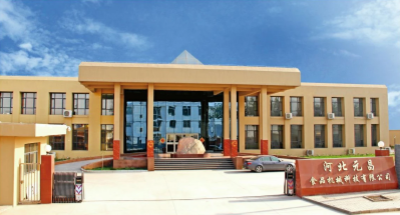
State-of-the-art manufacturing ensures precision and durability.
Frequently Asked Questions
Q1: How do I choose the right vibrating hopper for my specific material?
A1: Consider the material's flowability (free-flowing, cohesive, sticky), particle size and shape, density, and any tendency for bridging or dusting. Our technical team can assist in evaluating these properties and recommending the most suitable hopper design, outlet size, and vibration settings.
Q2: What is the typical lead time for a vibrating hopper?
A2: Lead times vary based on the complexity of the order and current production schedules. Standard models may be available more quickly, while custom-engineered solutions (OEM/ODM) can take several weeks. Please contact us for an accurate quotation and delivery estimate.
Q3: Can your vibrating hoppers handle high-temperature or corrosive materials?
A3: Yes, we can specify appropriate materials of construction, such as higher-grade stainless steels or specialized coatings, and design features like heating jackets or sealed systems to accommodate challenging environments and materials.
Q4: What kind of maintenance is required?
A4: Routine maintenance typically involves checking electrical connections, lubricating moving parts (if any), and ensuring the vibration system is functioning correctly. Regular cleaning, especially for food-grade applications, is also essential. We provide detailed maintenance manuals for all our equipment.
Q5: Do you offer installation support or guidance?
A5: While our hoppers are designed for straightforward integration, we provide comprehensive installation guides and technical support. For complex projects, we can discuss on-site support or commissioning services.
Q6: How does a vibrating hopper differ from a standard gravity-fed hopper?
A6: A standard gravity hopper relies solely on the material's natural angle of repose. Vibrating hoppers use controlled vibrations to overcome material cohesion, air resistance, and friction, ensuring a consistent, forced flow even for difficult-to-handle substances where gravity alone would fail or lead to inconsistent feeding.
What Our Clients Say

John Miller
Operations Manager, Food Processing
"We were struggling with consistent filling of our sausage line due to sticky meat mixtures. The custom vibrating hopper from Yuanchang solved our bridging issues completely. Feed rates are now stable, and product consistency has improved dramatically. Installation was straightforward."

Sarah Chen
Procurement Director, Chemical Manufacturer
"Handling fine chemical powders can be challenging. Their vibrating hopper with a specialized outlet and vibration control significantly reduced dusting and ensured a precise feed into our reactor. The build quality is excellent, and the support team was very helpful."

David Rodriguez
Plant Manager, Pet Food Production
"We needed a robust solution for our kibble line, and Yuanchang delivered. The hopper capacity and consistent flow rate have streamlined our packaging process. We appreciate their attention to detail and willingness to customize for our specific needs."
Ready to Optimize Your Material Flow?
Don't let material handling issues disrupt your production. Partner with Hebei Yuanchang for reliable, high-performance vibrating hoppers engineered for your specific needs.
We are committed to providing solutions that drive efficiency and profitability for your business.