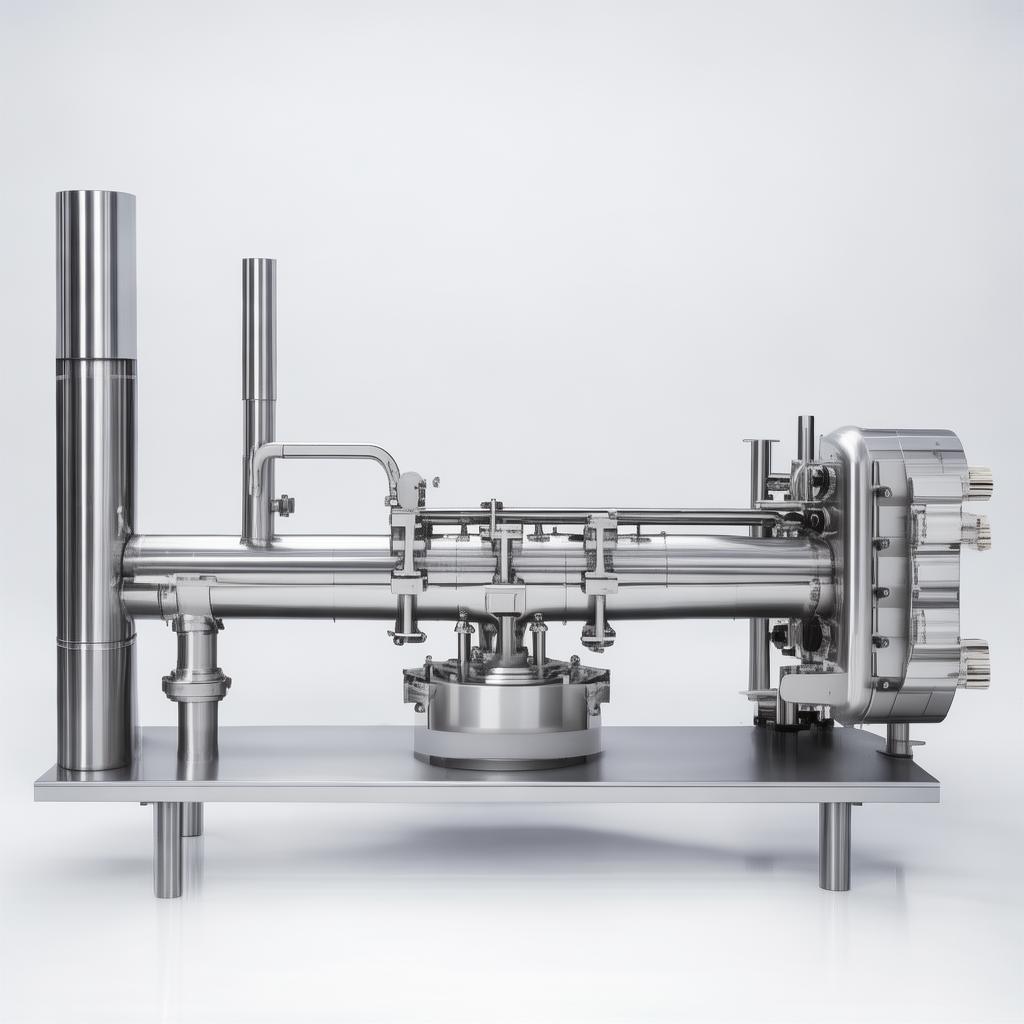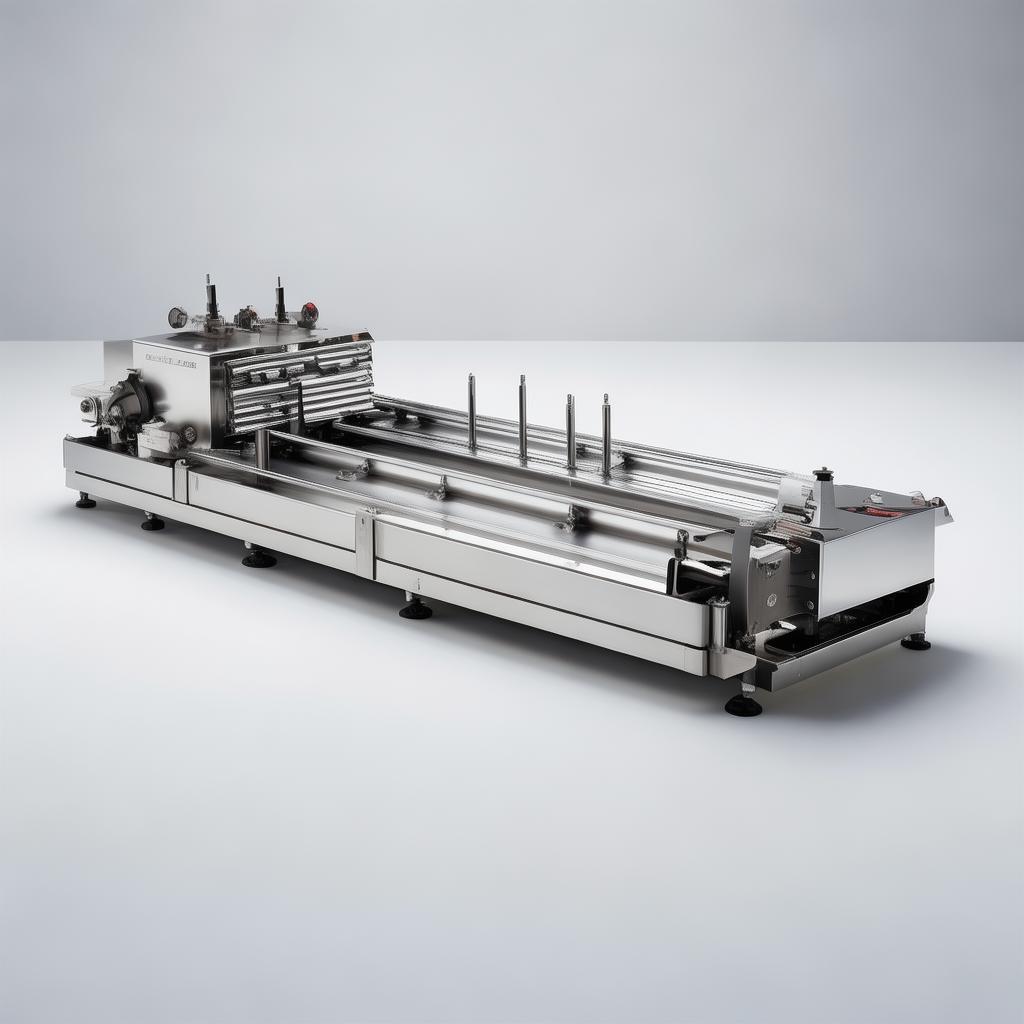
Vertical Grinders
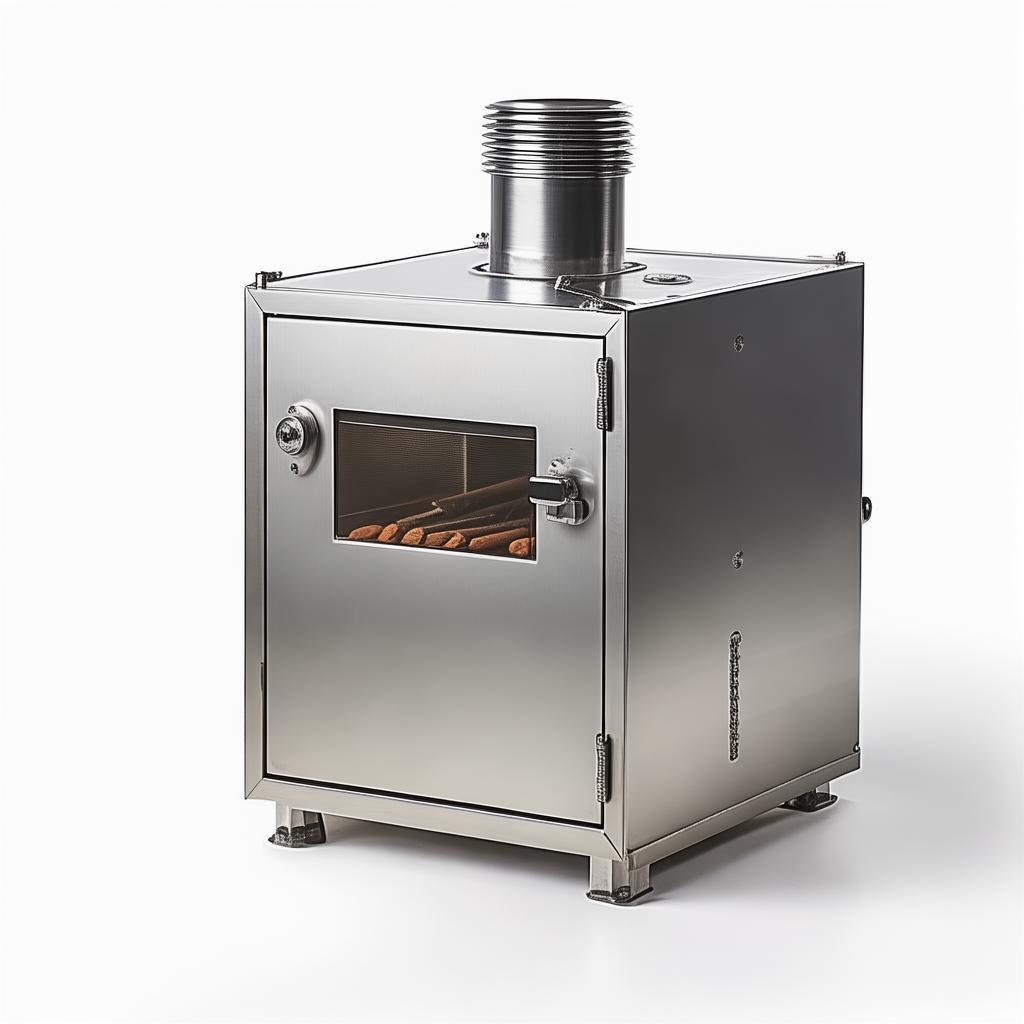
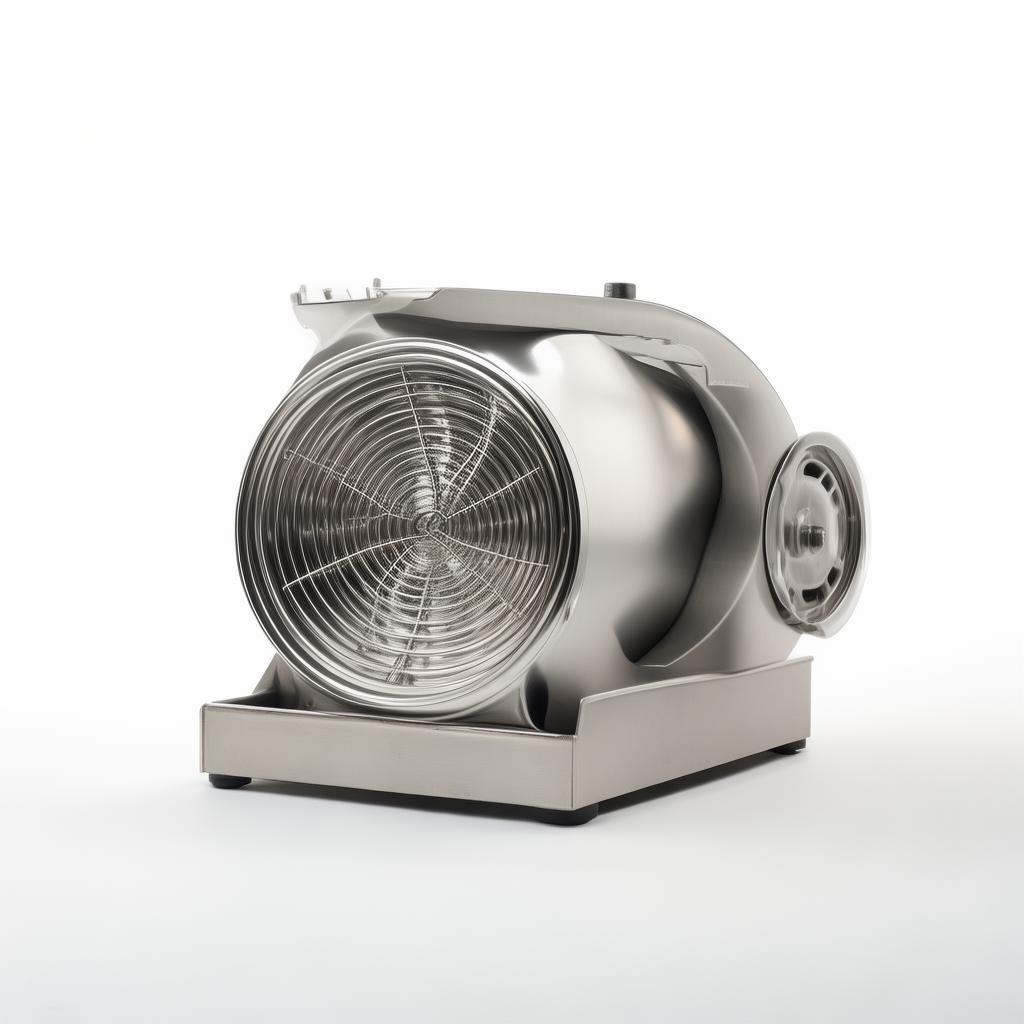
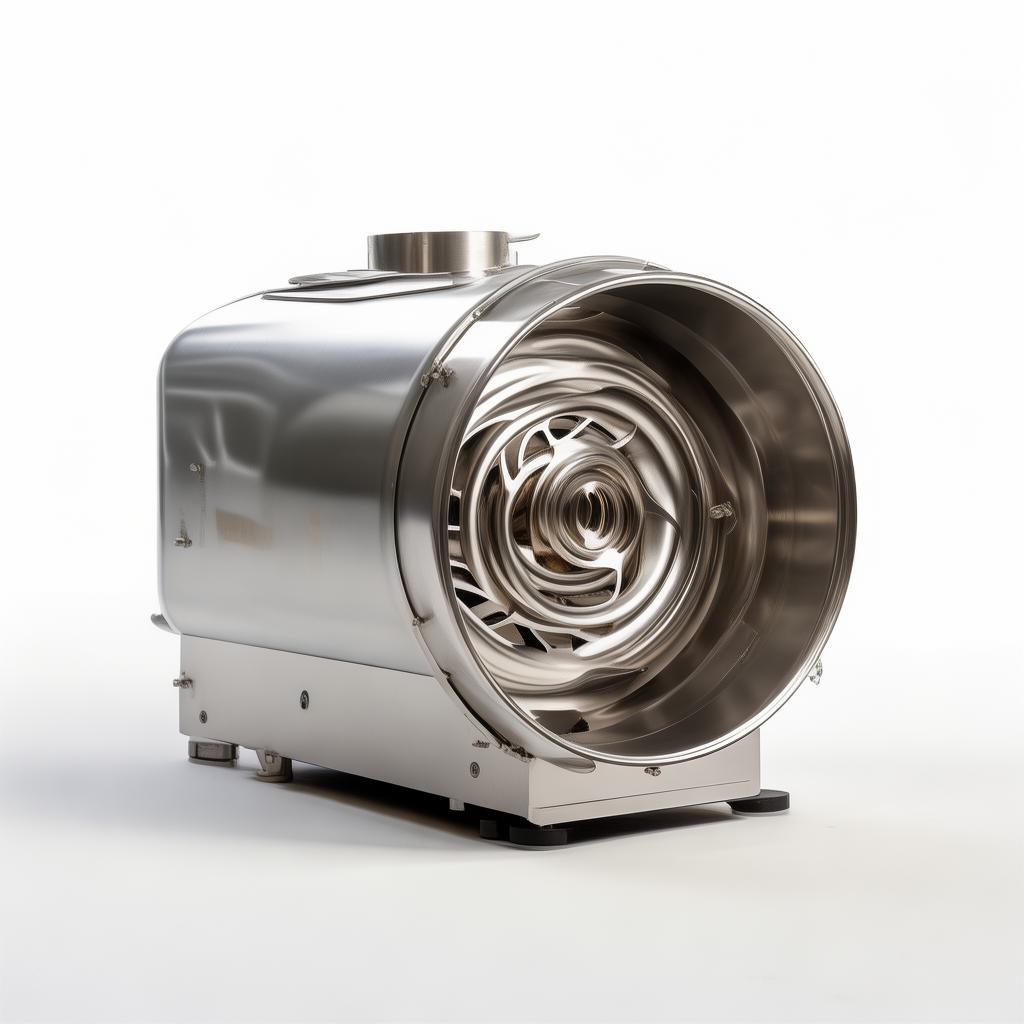
Precision Vertical Grinders for Industrial Meat Processing: Enhance Your Production Efficiency
 By Zhang Wei, Senior Production Engineer
In today's competitive meat processing industry, efficiency, consistency, and product quality are paramount. The foundation of many successful meat products, from sausages and burgers to pâtés and processed meats, lies in the precision of their grinding. A well-executed grind ensures optimal texture, fat distribution, and binding properties, directly impacting consumer satisfaction and brand reputation. At Hebei Yuanchang Food Mechanism & Technology Co., Ltd., we understand the critical role of reliable, high-performance grinding equipment. Our vertical grinders are engineered to deliver the consistent results businesses need to thrive in a demanding market.
The global meat processing equipment market, a sector projected to reach significant valuations like USD 17.39 billion by 2034 according to Fortune Business Insights, underscores the immense demand for specialized machinery. This growth is fueled by rising consumer appetites for processed meats and an increasing emphasis on automation for both hygiene and operational efficiency. Our focus on vertical grinders addresses a core segment of this market, offering solutions that directly contribute to the pretreatment and molding stages of meat production. This isn't just about machinery; it's about enabling you to meet market demands for diverse, high-quality meat products efficiently and cost-effectively.
Navigating the complexities of international procurement for industrial equipment requires a partner who understands not only the technical nuances but also the logistical and operational realities. We've built our reputation on decades of experience, offering solutions that are not only technologically sound but also commercially viable. Our 40 years in the industry, since 1986, have provided us with an unparalleled depth of knowledge in complete meat processing lines, from initial ingredient preparation to the final product. This extensive experience translates directly into the robust design and dependable performance of our vertical grinders.
Understanding search intent for equipment like vertical grinders is crucial. Buyers aren't just looking for a product; they're seeking a solution to specific operational challenges. They're comparing specifications, evaluating supplier reliability, and assessing long-term value. Whether you're a large-scale processing plant aiming to scale up production, a specialty food producer looking for finer control over grind consistency, or an importer sourcing robust machinery for a diverse client base, the underlying need is for dependable performance and predictable outcomes. This page is designed to provide the detailed, practical information procurement professionals, operations managers, and technical engineers need to make an informed decision.
We've structured this guide to offer comprehensive insights, moving beyond generic product descriptions to address the real-world considerations of purchasing and operating industrial grinding equipment. You'll find details on technical specifications, application versatility, the importance of material quality, and the practical aspects of installation, maintenance, and after-sales support. Our aim is to be a transparent and knowledgeable resource, reflecting our commitment to expertise, experience, authoritativeness, and trustworthiness – the core tenets of EEAT.
The challenges in meat processing are multi-faceted. Achieving the desired particle size distribution, managing fat rendering during grinding, ensuring minimal temperature rise to preserve product integrity, and maintaining strict hygiene standards are all critical. A vertical grinder, by its design, offers distinct advantages in controlling these factors, particularly for achieving finer grinds and maintaining a consistent product matrix. This is where the engineering prowess and material science applied in our machines truly make a difference.
Understanding the Vertical Grinder in Meat Processing
Vertical grinders, often referred to as stuffer-grinders or combination machines, represent a sophisticated approach to meat comminution. Unlike traditional plate-and-knife grinders that operate horizontally, vertical units typically employ a high-speed impeller or auger system that forces meat through a grinding plate. This design inherently offers several advantages, especially for processors aiming for specific textures or handling materials with higher fat content or binders. The enclosed design also enhances hygiene and minimizes operator exposure to moving parts.
The market for meat processing equipment is robust, with projections indicating continued growth. Reports from Grand View Research, for instance, estimate the market at USD 11.28 billion in 2024, set to reach USD 15.04 billion by 2030. This expansion is driven by increasing consumption of ready-to-eat meats, the adoption of automation to combat labor shortages and enhance hygiene, and significant infrastructure investments in emerging economies. Vertical grinders fit squarely into this trend, providing efficient and reliable grinding capabilities that are essential for mass production of formed and processed meat products.
For procurement specialists, understanding the operational context of these machines is key. A vertical grinder isn't a standalone unit; it's part of a larger processing line. Its performance directly impacts the efficiency of downstream processes like filling, molding, and ripening. Choosing the right grinder means considering not just its throughput but also the quality of grind it produces, its ease of cleaning, its energy consumption, and the availability of spare parts. Our 40 years of experience have taught us that the best equipment is one that integrates seamlessly and reliably into your existing or planned operations.
The distinction between different types of grinders is important. While some applications benefit from the coarser grind of a standard plate grinder, the finer, more homogenous texture often required for emulsified products or those needing excellent binding properties is where vertical grinders shine. This makes them indispensable for manufacturers of high-quality sausages, hot dogs, bologna, and other formed meat products. It's about precision and control at a microscopic level, which translates to superior macroscopic product quality.
Key Operational Advantages of Our Vertical Grinders
- Consistent Grind Quality: Engineered for uniformity, our vertical grinders ensure consistent particle size and fat distribution across batches. This is critical for product texture and shelf appeal.
- Reduced Product Temperature Rise: The efficient grinding mechanism minimizes friction and heat buildup, crucial for maintaining product integrity and preventing premature fat rendering, especially important for fresh sausage production.
- Enhanced Binding Properties: The fine, consistent grind achieved by our machines promotes superior protein extraction, leading to better binding in formed products. This means fewer 'fall-apart' issues and a more cohesive final product.
- Hygiene and Safety: With enclosed grinding chambers and easy-to-disassemble components, our units are designed for thorough cleaning and compliance with strict food safety standards. This reduces the risk of cross-contamination and minimizes downtime for sanitation.
- Versatility in Application: From fresh meats to frozen blocks (depending on model and preparation), our grinders can handle a range of raw materials. They are ideal for producing various sausages, burgers, meat pastes, and pre-mixes.
- Durability and Reliability: Built with high-quality stainless steel and precision-machined components from our in-house workshop, these machines are designed for continuous, heavy-duty operation in demanding industrial environments.
Many in the industry recognize the trend towards higher quality processed meats. According to the Global Processed Meat Market report by Fortune Business Insights, the market is projected to grow significantly, driving the need for equipment that can deliver superior product characteristics. Our vertical grinders are a direct response to this demand, enabling processors to achieve a higher caliber of product consistently.
Technical Specifications & Features
Understanding the technical capabilities is non-negotiable for engineers and procurement managers. Our vertical grinders are engineered with precision and built for performance. Below are indicative specifications; please consult our team for detailed datasheets tailored to specific models and your unique production requirements.
| Feature | Specification Example 1 | Specification Example 2 |
|---|---|---|
| Model | YC-VG200 | YC-VG400 |
| Hopper Capacity | 200 Liters | 400 Liters |
| Production Capacity (Approx.) | 300-500 kg/hour | 600-1000 kg/hour |
| Motor Power | 15 kW / 20 HP | 22 kW / 30 HP |
| Grinding Plate Diameter | 200 mm | 250 mm |
| Materials of Construction | High-Grade Stainless Steel (SUS304/316) | High-Grade Stainless Steel (SUS304/316) |
| Electrical Requirements | 380V/50Hz/3Ph (Customizable) | 380V/50Hz/3Ph (Customizable) |
| Overall Dimensions (L x W x H) | Approx. 1.5m x 1.2m x 1.8m | Approx. 1.8m x 1.5m x 2.1m |
Our commitment to quality extends to the very components used. Our in-house machining capabilities, including Japanese Mazak CNC centers, allow us to produce high-precision parts that meet stringent non-standard specifications. This ensures the longevity and performance of our grinding plates, knives, and internal components, a critical factor for any heavy-duty industrial equipment.
Applications: Where Precision Grinding Matters Most
The versatility of our vertical grinders makes them a cornerstone in numerous meat processing applications. Whether you are producing high-volume commodity items or niche gourmet products, the quality of your grind directly influences the final product's appeal and functionality.
| Application | Key Considerations | Our Grinder's Role |
|---|---|---|
| Sausage Manufacturing (Fresh, Cooked, Emulsified) | Achieving fine, homogenous grind for optimal texture and binding. Controlling fat content and temperature is critical. | Delivers consistent fine grinds, superior protein extraction for binding, and minimizes temperature rise. |
| Burger Patties & Formed Products | Consistent particle size for even cooking and texture. Effective for mixing binders and seasonings. | Ensures uniform particle size, aids in homogenous mixing of ingredients, and maintains product integrity. |
| Pâtés and Terrines | Requires very fine, smooth grind for a delicate texture. Emulsification is key. | Ideal for achieving the ultra-fine grind needed for smooth, emulsified pâté textures. |
| Pet Food Processing | Consistent grind size for kibble formulation and processed pet foods. | Reliable performance for large-scale pet food production, ensuring consistent texture and ingredient distribution. |
| Pre-mixes for Further Processing | Preparing ingredients for smoking, curing, or marinating. | Provides a consistent base for further value-added processing steps. |
Industry reports consistently highlight the growth of segments like reconstituted and formed meat products, which rely heavily on precise grinding and molding technologies. The Reconstituted Meat Market, for example, shows substantial growth potential, directly correlating with the demand for advanced grinding equipment like ours.
Procurement & Supplier Evaluation: What to Look For
Investing in industrial grinding machinery is a significant decision. As a procurement professional or operations manager, you need to assess not just the equipment's capabilities but also the reliability and support offered by the supplier. With 40 years of international trade experience, Hebei Yuanchang has developed robust systems to ensure client satisfaction and equipment longevity.
Key Evaluation Criteria:
- Technical Expertise & Customization: Can the supplier offer technical consultation and tailor specifications (e.g., motor power, grinding plate configurations, voltage) to your specific needs? Our in-house engineering team excels at this.
- Manufacturing Quality & Certifications: Look for evidence of rigorous quality control in manufacturing. While specific certifications for grinders vary, adherence to standards like ISO ensures a baseline quality management system. Our factory operates under stringent quality protocols.
- After-Sales Support & Parts Availability: This is often overlooked but critical. What is the lead time for spare parts? Is there accessible technical support? Our traceable after-sales management system and in-house parts production capability provide peace of mind.
- Logistics & Export Experience: Does the supplier have experience handling international shipments, including proper packaging for transit and documentation for customs? We have extensive experience exporting to various global markets.
- Factory Capabilities & History: Understanding the manufacturer's own production capacity and track record provides confidence. With over 20 sets of processing machinery and modern CNC centers, our factory is equipped for high-volume, high-precision component manufacturing.
We understand that procurement involves managing risks. Our approach is to mitigate these risks by offering transparency, robust engineering, and reliable support. When you choose Hebei Yuanchang, you're not just buying a machine; you're gaining a partner with decades of proven experience in the global food processing equipment market.
Installation, Operation & Maintenance Insights
Proper installation and routine maintenance are key to maximizing the lifespan and performance of your vertical grinder. While each unit comes with detailed operational manuals, here are some practical considerations from our engineering team.
Installation Notes:
- Stable Foundation: Ensure the grinder is placed on a level, stable surface capable of supporting its weight and absorbing operational vibrations.
- Electrical Connections: All electrical connections must be made by a qualified electrician according to local codes and the specifications provided in the manual. Ensure proper grounding.
- Ventilation: Provide adequate ventilation around the machine, particularly for the motor, to prevent overheating.
- Ergonomics: Position the grinder for easy loading of product into the hopper and access to the discharge chute.
Operational Best Practices:
- Pre-chilling: For optimal results, especially with higher fat meats, pre-chill the meat and any accompanying ingredients.
- Consistent Feeding: Load the hopper at a steady rate. Avoid overfilling or starving the machine, which can affect grind consistency and machine stress.
- Grinding Plate Selection: Utilize the appropriate grinding plate and knife combination for your desired product texture. Keep these components sharp and in good condition.
Routine Maintenance:
- Daily Cleaning: Thoroughly clean all food-contact parts after each shift to maintain hygiene and prevent bacterial growth. Disassembly and reassembly should be straightforward.
- Component Inspection: Regularly inspect grinding plates, knives, and augers for wear and tear. Replace as needed to maintain performance.
- Lubrication: Follow the manual's guidelines for lubricating bearings and other moving parts at specified intervals.
- Motor & Electrical Check: Periodically check electrical connections and motor performance.
Adhering to these practices ensures not only the longevity of your equipment but also the consistent quality of your finished products. It's about maximizing the return on your investment through diligent operational management.
Customer Testimonials: Real-World Success with Yuanchang Grinders
Hearing from our clients is invaluable. Their feedback reflects the practical impact our equipment has on their operations.

Operations Manager, USA
"We upgraded our grinding line to the YC-VG400, and the difference in product consistency is remarkable. Our sausage binding has improved significantly, leading to fewer rejects. The machine is robust and cleans up easily, which saves us valuable time during changeovers. The export process was smooth, and the team at Yuanchang was responsive."

Procurement Lead, Canada
"Reliability is key for our processing plant. Yuanchang's YC-VG200 has met our expectations. It handles our specialty meat blends with precision, and the output is consistently fine-grained. Support from their export department was excellent, ensuring all documentation was in order. A solid piece of equipment from a reputable supplier."

Plant Manager, Australia
"We needed a grinder that could produce a very smooth texture for our pâté line. The YC-VG400 exceeded our requirements. The precision of the grinding plates and the powerful motor allow us to achieve the exact consistency we need. Maintenance is straightforward, and the build quality feels substantial. Highly recommend for specialized applications."

Purchasing Director, Mexico
"Our goal was to improve throughput without sacrificing quality. The YC-VG200 has delivered on both fronts. It's efficient, durable, and the grind quality is consistently high. Communication with Hebei Yuanchang regarding shipping and specifications was clear and professional. It's a reliable workhorse for our facility."
These testimonials highlight the real-world benefits our vertical grinders provide: improved product quality, enhanced operational efficiency, and reliable performance.
Frequently Asked Questions (FAQ)
A: Vertical grinders typically use an impeller or auger system to force meat through a stationary grinding plate. This design is often preferred for achieving very fine, consistent grinds and for handling products requiring high binding properties. Traditional horizontal grinders use a rotating knife against a plate, which can offer a coarser grind and is sometimes preferred for certain textural applications.
A: While some models can handle slightly chilled or tempered meat, processing fully frozen blocks typically requires specialized heavy-duty machinery. For optimal performance and to prevent damage, it's generally recommended to grind meat that is chilled to around -1°C to 2°C (30°F to 35°F). Please consult our specifications for each model's recommended operating temperature range.
A: Routine maintenance involves daily cleaning of food-contact parts, regular inspection and replacement of grinding plates and knives, and periodic lubrication of moving components. Following the operational manual's guidelines is crucial for longevity and performance.
A: Yes, we do. With our extensive experience and in-house manufacturing capabilities, including advanced CNC machining, we can undertake OEM/ODM projects to meet specific client requirements, including custom branding, unique configurations, or specialized features.
A: Please navigate to our 'Contacts' page or click the 'Request a Quote' button on this page. You can fill out our inquiry form, or contact us directly via phone or email. We'll be happy to provide you with detailed product information and pricing.
Ready to Enhance Your Meat Processing Efficiency?
Discover how Hebei Yuanchang's precision vertical grinders can transform your production line. We combine 40 years of manufacturing expertise with a commitment to quality and customer support.
Hebei Yuanchang Food Mechanism & Technology Co., Ltd. | Shijiazhuang, Hebei Province, China
Enhancing Trust: Direct Consultation Previews
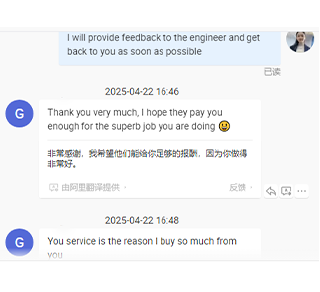


These previews demonstrate our commitment to direct, informative communication with clients regarding their specific needs.