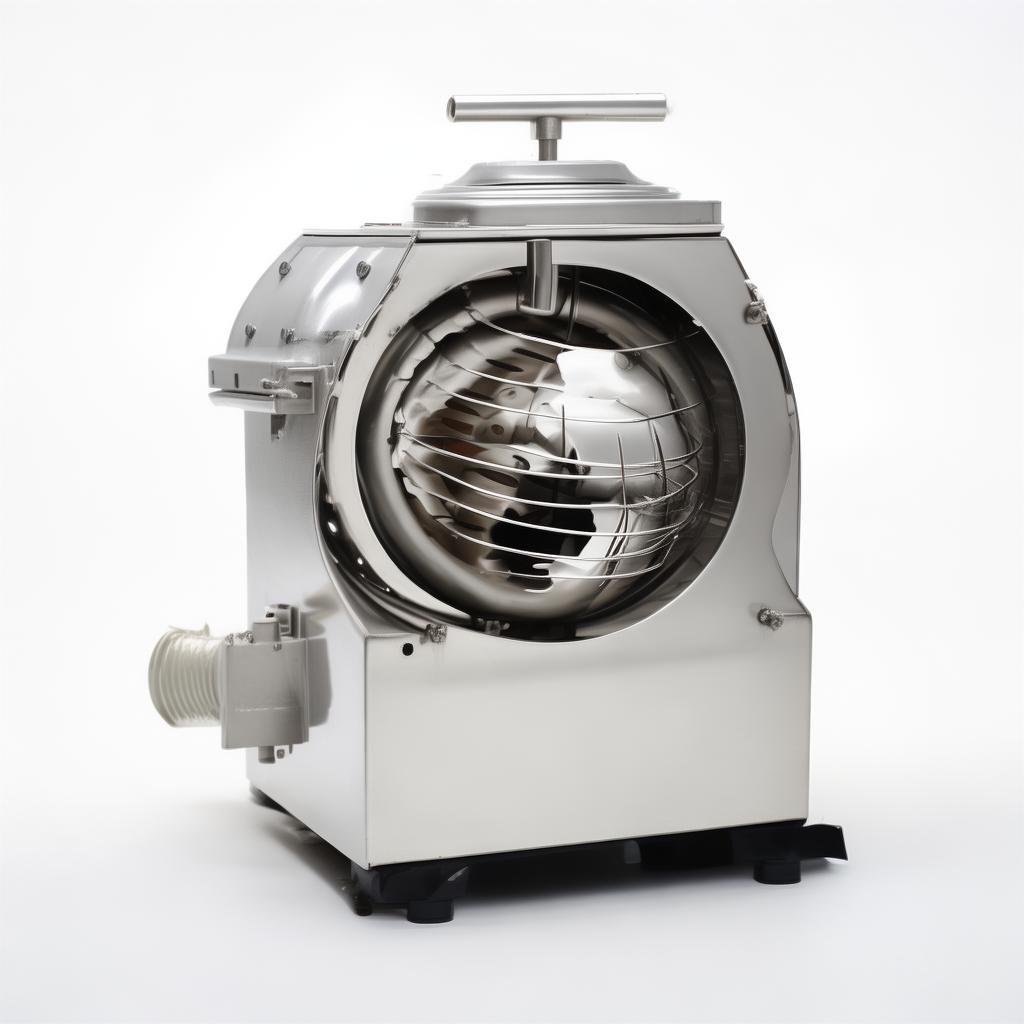
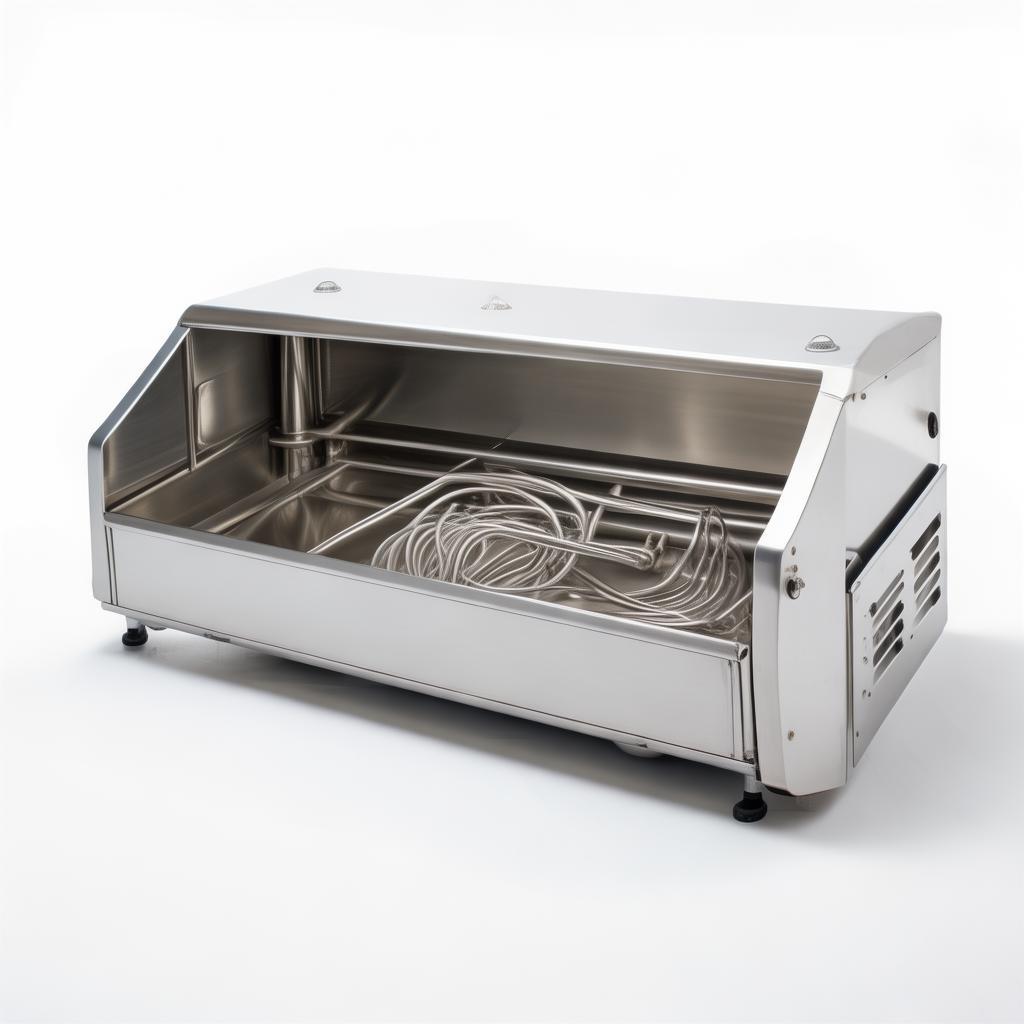
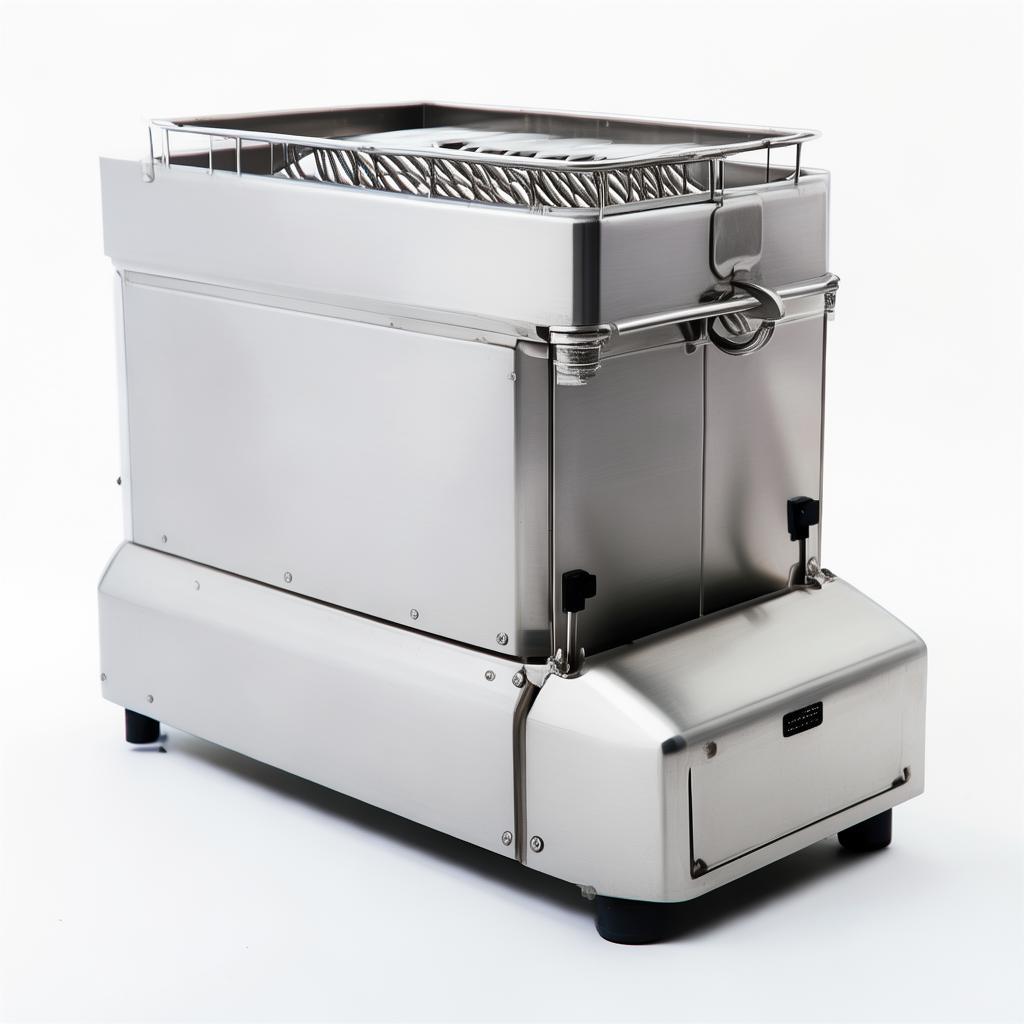
Valve Bag Filling Equipment
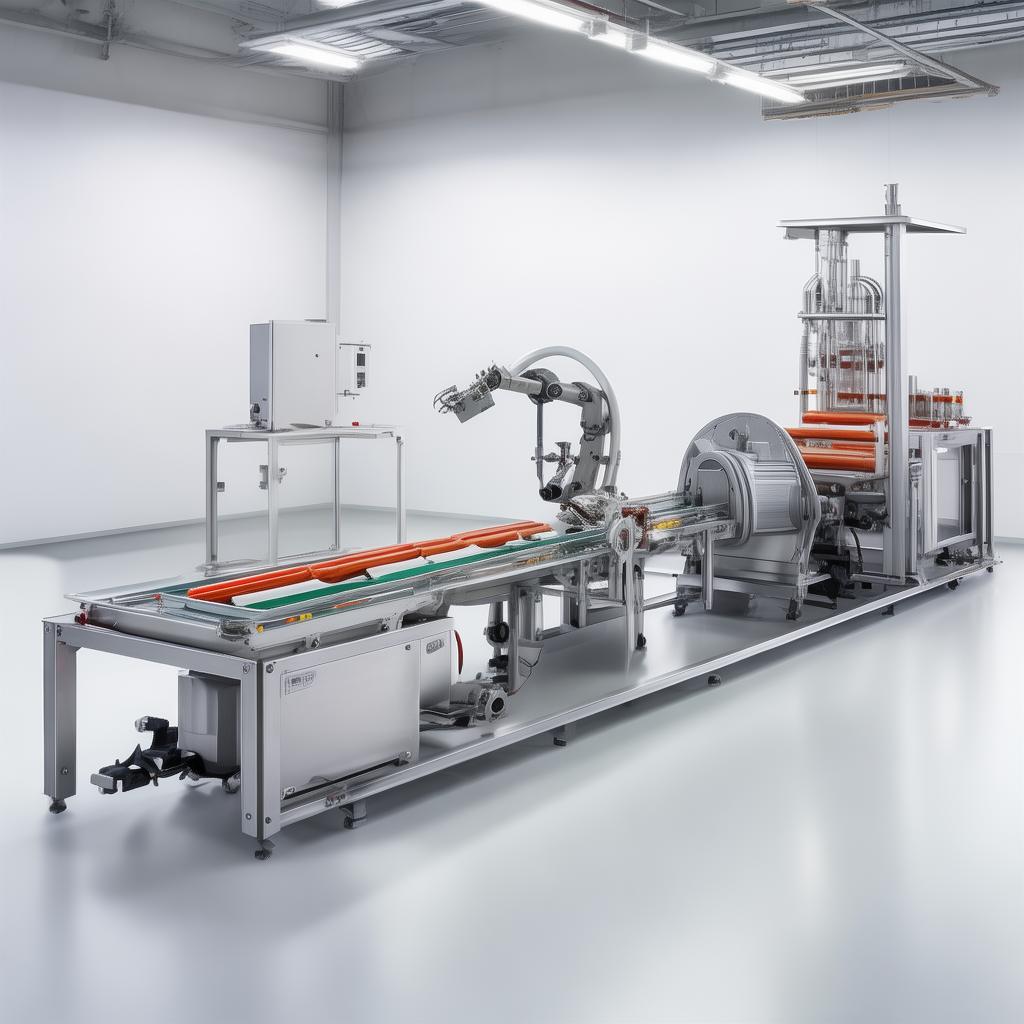
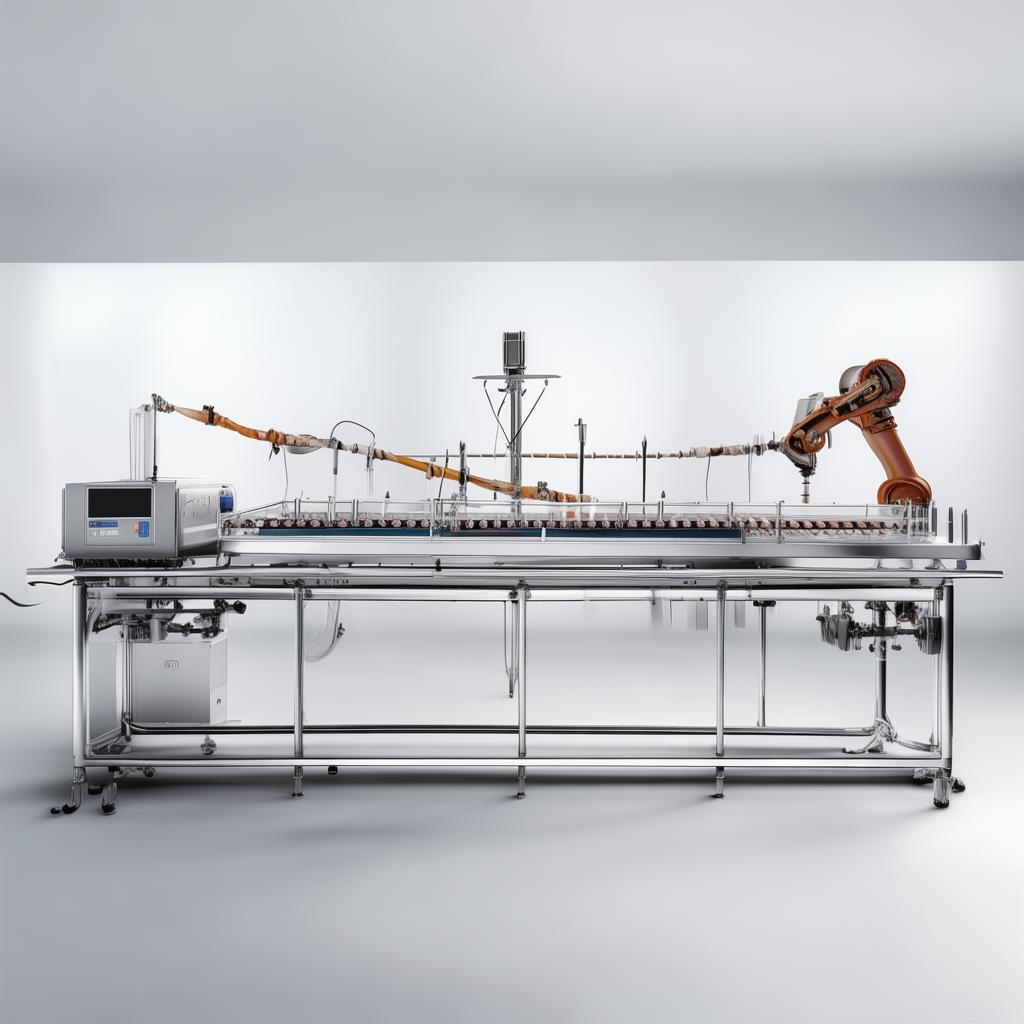
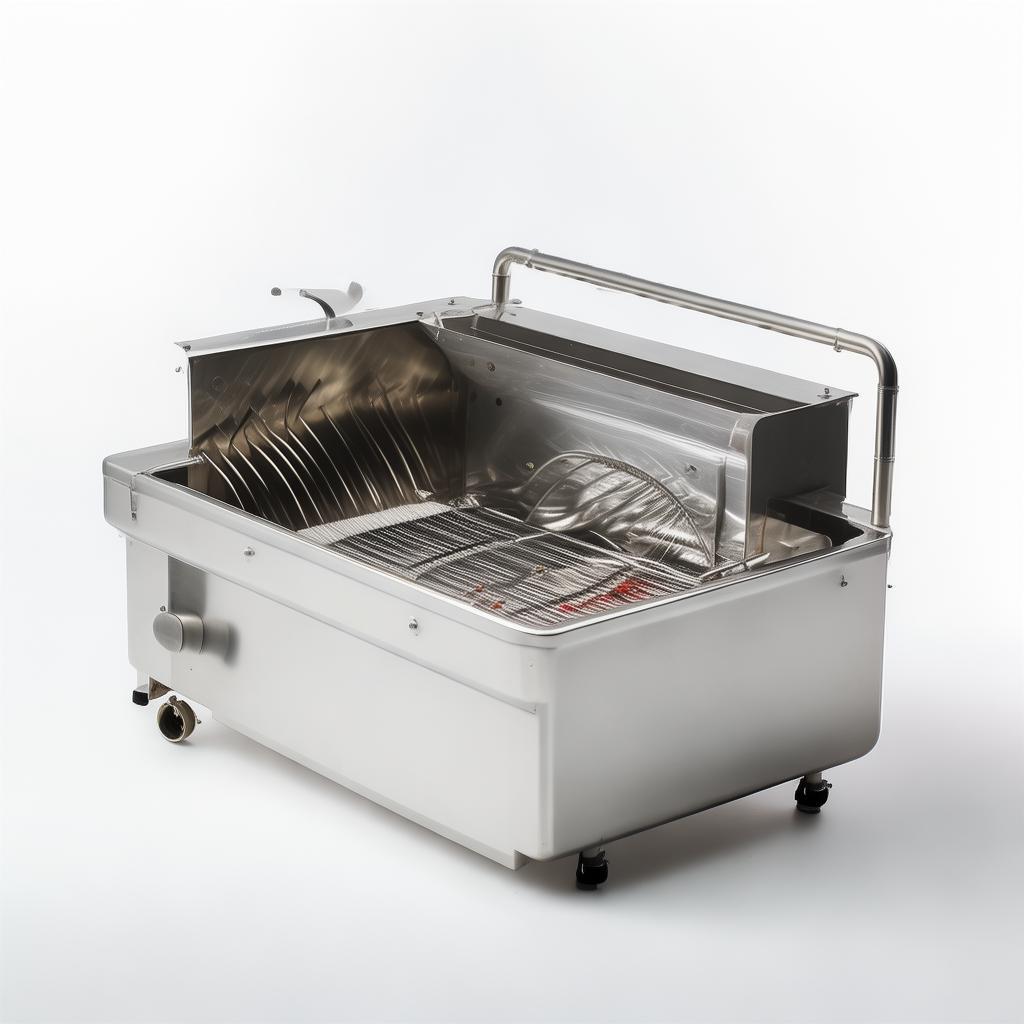
Valve Bag Filling Equipment: Precision, Efficiency, and Reliability for Your Bulk Material Operations
Empowering Industries with Advanced Filling Solutions for Powders, Granules, and Pastes

Our state-of-the-art manufacturing facility in Shijiazhuang, Hebei Province, China.
 By Li Wei, Senior Export Manager at Hebei Yuanchang Food Mechanism & Technology Co., Ltd.
40 Years of Expertise in Industrial Processing Solutions | Since 1986
The Backbone of Bulk Packaging: Understanding Valve Bag Filling Equipment
In the demanding world of bulk material handling, precision, speed, and containment are paramount. Whether you're dealing with fine powders, granular materials, or even viscous pastes, the method of packaging directly impacts product integrity, operational efficiency, and ultimately, your bottom line. This is where specialized valve bag filling equipment emerges as a critical piece of machinery. Unlike open-mouth bag fillers, valve bag systems are engineered to precisely dispense measured quantities of product into bags that feature a pre-formed valve – typically a small slit or opening designed to allow filling while minimizing dust escape and product loss. The process is often automated or semi-automated, offering significant advantages in terms of speed, accuracy, and labor reduction.
The global meat processing equipment market, for instance, is a testament to the specialized needs of bulk material handling, projected to reach USD 19.11 billion by 2035 at a CAGR of 4.89% (Precedence Research). Within this, precise filling and molding equipment are essential for products like sausages and formed meats, highlighting the universal requirement for accurate dispensing. Similarly, the broader food processing machinery market, including meat, is expected to reach USD 129.47 billion by 2036 (Meticulous Research). These figures underscore the immense scale and complexity of industries relying on sophisticated filling solutions. Valve bag fillers are specifically designed to meet the stringent requirements of these sectors, offering a closed-system approach that is particularly beneficial for materials prone to dusting, clumping, or requiring a high degree of accuracy.
At Hebei Yuanchang Food Mechanism & Technology Co., Ltd., we've dedicated over 40 years, since 1986, to mastering the nuances of industrial machinery. While our roots are deeply planted in meat processing equipment, our engineering expertise extends to precision filling systems applicable across a wide array of industries. Our understanding of material flow, particle integrity, and hygienic processing allows us to design valve bag filling equipment that is not only efficient but also robust and reliable. We recognize that a good filling machine isn't just about dispensing; it's about ensuring each bag is filled accurately, sealed effectively, and handled smoothly through the subsequent stages of your production line. This deep dive into valve bag filling equipment aims to provide you with the operational and technical insights needed to make an informed procurement decision.
The market for meat processing equipment is substantial, with reports indicating values ranging from USD 11.28 billion (Grand View Research) to over USD 18 billion (IMARC Group) in recent years, with significant growth projected. Key segments include filling, stuffing, and massaging equipment, demonstrating the critical role of precise dispensing and post-filling processes. Our experience equips us to understand these interconnected demands. Whether your product is cement, chemicals, animal feed, fertilizers, food ingredients, or specialized industrial powders, the principle remains the same: accurate, contained, and efficient filling is non-negotiable. The investment in quality valve bag filling equipment can significantly reduce material waste, improve packaging appearance, enhance worker safety by minimizing dust exposure, and streamline your overall throughput. It’s a strategic decision that impacts every stage of your supply chain, from production floor to final delivery.
Consider the operational complexity: filling a bag with fine silica powder versus coarse fertilizer pellets requires different approaches. One might necessitate dust control measures and gentle filling to prevent degradation, while the other demands high-speed, high-volume dispensing. Valve bag filling machines are engineered to accommodate these variations through adjustable fill rates, specialized augers or impellers, and precise volumetric or gravimetric measurement systems. The goal is always to match the machine's capabilities to the specific characteristics of your product and your production demands. We often see clients looking to upgrade from manual or less precise methods, seeking consistency that manual labor simply cannot replicate reliably over long shifts. This transition is typically driven by a need for increased output, better product uniformity, and compliance with stricter quality control standards.
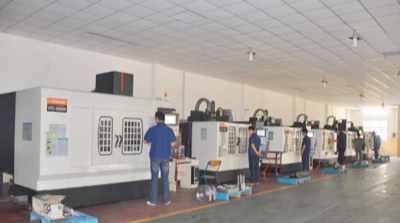
Our in-house precision machining workshop, featuring Japanese Mazak CNC centers.
Navigating the Challenges: Common Packaging Bottlenecks
Procurement managers and operations directors often face a complex array of challenges when it comes to bulk material packaging. The seemingly simple act of filling a bag can become a significant bottleneck if not handled with the right equipment. We've seen it across numerous industries, from construction materials to food ingredients.
- Product Loss & Dust Emission: Fine powders, especially, can create significant dust clouds during filling, leading to material waste, environmental concerns, and potential respiratory hazards for your workforce. This isn't just an operational issue; it's a safety and compliance one.
- Inconsistent Fill Weights: Overfilling wastes product and increases costs, while underfilling can lead to customer dissatisfaction and potential returns. Achieving consistent, accurate fill weights batch after batch is a primary challenge.
- Slow Throughput: Manual or outdated filling systems can severely limit your production capacity, becoming a bottleneck that prevents you from meeting market demand or capitalizing on growth opportunities.
- Bag Damage: Improper filling techniques can stress the bag, leading to tears, leaks, or poor seals, compromising product integrity and requiring costly rework or disposal.
- Material Clumping/Degradation: Sensitive materials might be susceptible to degradation or clumping if handled too aggressively during the filling process. The filling method must respect the product's physical properties.
- Labor Intensity & Ergonomics: Relying heavily on manual labor for bagging is not only inefficient but also poses ergonomic risks and can be challenging to staff consistently, especially in competitive labor markets.
The global market for processed meat, expected to reach USD 1,330.45 billion by 2035 (Precedence Research), relies heavily on efficient, safe, and consistent processing. This includes precise filling for products like sausages and formed meats, where any inconsistency can impact consumer perception and shelf life. Our valve bag filling equipment is designed to directly address these pain points, offering a robust solution for reliable bulk packaging.
Engineered for Excellence: The Yuanchang Valve Bag Filler Advantage
Our valve bag filling equipment, born from decades of industrial engineering experience, is built to overcome the challenges of bulk material packaging. We don't just build machines; we engineer solutions.
Precision & Accuracy:
Utilizing advanced volumetric or gravimetric weighing systems, our machines ensure fill weights are consistently within tight tolerances, minimizing product giveaway and maximizing value.
Enhanced Dust Control:
The integrated valve system inherently minimizes dust escape. For exceptionally fine materials, optional dust collection hoods and seals provide superior containment, ensuring a cleaner and safer working environment.
High Throughput:
Designed for continuous operation, our valve bag fillers can achieve rapid filling cycles, significantly boosting your production output and meeting demanding schedules.
Product Integrity:
Gentle filling mechanisms are available for sensitive materials, preventing degradation and ensuring the product reaches its destination in optimal condition. The valve design also promotes a neat, contained fill.
Durability & Reliability:
Constructed with high-quality materials and robust engineering, our machines are built for longevity in demanding industrial environments. We stand by the operational resilience of our equipment.
Reduced Labor Costs:
Automation dramatically reduces the need for manual labor, freeing up your staff for higher-value tasks and improving overall operational economics.
Precision Engineering: The Heart of Our Valve Bag Fillers
Understanding the mechanics behind the performance is crucial. Our valve bag filling equipment is designed with a focus on delivering repeatable, accurate results through sophisticated engineering.
Filling Mechanisms
We offer two primary filling methodologies, each suited for different material types and precision requirements:
- Auger Fillers: Ideal for powders, fine granules, and products that require precise volumetric dispensing. An adjustable auger screw rotates to move product from a hopper into the bag valve. Control over auger speed and rotation count allows for fine-tuning of fill weight. Our augers are designed to minimize shearing and product degradation.
- Impeller/Rotary Valve Fillers: Better suited for granular materials and products that require faster filling speeds without sacrificing too much precision. A spinning impeller or a rotary valve system directs product into the bag. These are often chosen for high-volume applications where speed is a critical factor.
Weighing and Control Systems
Accuracy is paramount. Our machines integrate advanced control systems:
- Gravimetric (Weight-Based) Filling: For the highest level of accuracy, our gravimetric fillers use integrated load cells to measure the exact weight of product dispensed into the bag. This compensates for variations in product density and flow characteristics. Many industry reports, like those from Fortune Business Insights on the meat processing equipment market, emphasize the importance of precision for quality control, and gravimetric filling directly supports this.
- Volumetric Filling: A cost-effective solution for products with consistent density. The auger or impeller dispenses a set volume of product, controlled by the number of rotations or cycle time. This is efficient for many granular and powder applications where density variations are minimal.
- PLC Control & HMI: Our systems feature robust Programmable Logic Controllers (PLCs) and Human-Machine Interfaces (HMIs) for intuitive operation, easy parameter adjustment, recipe management, and comprehensive diagnostics. This allows for quick changeovers and efficient troubleshooting on the plant floor.
Bag Handling & Valve Sealing
The machine's ability to handle the bag and ensure a secure fill is as important as the dispensing mechanism itself:
- Bag Clamping: Secure, pneumatic bag clamps ensure the bag remains in place during the filling process, preventing slippage and product spillage.
- Valve Settling/Tucking: After filling, mechanisms can gently settle or tuck the valve to ensure a tight seal and minimize any residual product escape.
- Bag Inflation: For some applications, a small burst of air can be introduced to ensure the bag fully opens and the product settles evenly.
The global meat processing equipment market is projected to reach USD 17.39 billion by 2034 (Fortune Business Insights), with filling and stuffing equipment being key segments. This indicates a broad demand for precise material handling. Our expertise, honed over 40 years, ensures that these filling technologies are robust, reliable, and adaptable to various product characteristics.
Versatile Solutions: Industries Powered by Our Valve Bag Fillers
The applications for precise valve bag filling are extensive, spanning numerous industrial sectors where bulk materials are a staple. Our equipment is engineered for adaptability, ensuring it can meet the unique demands of diverse products.
Chemical Industry
From bulk powders like pigments, resins, and additives to granular chemicals, our valve bag fillers provide accurate, contained packaging essential for hazardous or sensitive materials. Dust control is a critical factor here, aligning with regulatory compliance and worker safety.
Food & Agriculture
This is a cornerstone application. Think animal feed, fertilizers, seeds, flour, sugar, salt, coffee beans, and specialized food ingredients. For food-grade applications, our machines can be manufactured with stainless steel and meet stringent hygienic standards. The precision ensures product consistency, crucial for packaged foods. The market growth for processed meats, demanding precise filling and molding technologies, reflects the broader trend towards accuracy in food packaging.
Construction Materials
Cement, concrete mixes, plaster, stucco, sand, and other building materials are commonly packaged in valve bags. High-speed filling and durability are key characteristics for this sector, where machines must withstand harsh environments and high operational demands.
Minerals & Ores
Various mineral powders, clays, limestone, and industrial salts benefit from contained filling. Our robust designs handle abrasive materials effectively, ensuring longevity and consistent performance even with challenging substances.
Plastics & Polymers
Pellets, powders, and masterbatches used in plastic manufacturing require precise and dust-free packaging. Our equipment ensures product purity and prevents cross-contamination.
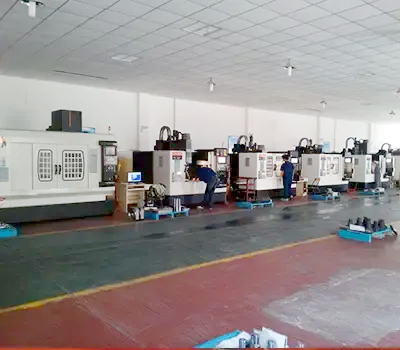
Our equipment is designed to handle a wide range of bulk materials.
The demand for automated solutions is growing across these sectors. For instance, the food processing equipment market, including filling technologies, sees strong growth driven by demand for ready-to-eat and convenience meats, pushing for automation and hygiene. This trend extends to many other industries relying on efficient bulk packaging.
Technical Specifications at a Glance
While specific configurations are tailored to client needs, here is a general overview of what you can expect from our standard valve bag filling equipment.
| Feature | Details |
|---|---|
| Filling Method | Volumetric Auger / Gravimetric Load Cell |
| Bag Type Compatibility | Pre-formed Valve Bags (Paper, Plastic, Woven PP) |
| Bag Size Range | Customizable (e.g., 10kg to 50kg standard, larger possible) |
| Filling Capacity | Typically 5-20 bags per minute (dependent on product & weight) |
| Accuracy | +/- 0.5% to 2% F.S. (Gravimetric) / +/- 1% to 3% (Volumetric) |
| Material Handling | Powders, Granules, Pellets, Flakes, Fine Pastes |
| Hopper Capacity | Variable, often 100-500 Liters standard |
| Power Requirements | 380V/50Hz/3Phase (Customizable) |
| Control System | PLC with HMI Touchscreen |
| Construction Material | Stainless Steel (304/316 food-grade available), Painted Carbon Steel |
| Optional Features | Dust collection systems, Bag inflation, Bag settling/tucking, Automated bag placer, Palletizer integration. |
valve bag filling manual bag filling equipment bag-in-box filling equipment
These specifications represent a baseline. We excel in providing customized solutions. If your product has unique characteristics – high abrasiveness, extreme stickiness, or requires specialized handling – please contact us to discuss tailored engineering.
Procurement Made Practical: Key Considerations for Buyers
Investing in valve bag filling equipment is a significant decision. As a procurement professional or operations manager, your focus is on ROI, reliability, and long-term value. Here’s how to approach the selection process.
1. Define Your Product & Needs
The most critical step is understanding your product's physical properties: particle size, density, flowability, abrasiveness, tendency to clump or dust. Also, define your target bag size, desired fill weight accuracy, and required production speed (bags per minute/hour). Don't guess; have this data ready.
2. Evaluate Filling Technologies
Based on your product, determine if an auger (for powders, fine granules) or impeller/rotary valve filler (for faster granular filling) is more appropriate. For critical accuracy needs, prioritize gravimetric (weight-based) systems over volumetric.
3. Assess Supplier Reliability & Experience
Look for manufacturers with a proven track record. How many years have they been in business? Do they have experience with similar products or industries? Forty years in the industrial mechanism business, like ours at Hebei Yuanchang, signifies deep practical knowledge and stability. Check for certifications and adherence to industry standards.
4. Consider After-Sales Support & Spares
Equipment downtime is costly. Understand the manufacturer's warranty, availability of spare parts, and their responsiveness to service requests. Can they provide remote diagnostics or on-site support if needed? Our in-house machining capabilities allow us to produce high-precision parts independently, ensuring worry-free after-sales service.
5. Factor in Total Cost of Ownership (TCO)
Beyond the initial purchase price, consider energy consumption, maintenance costs, potential for product loss, and the lifespan of the equipment. A higher initial investment in a robust, accurate machine often yields significant savings over its operational life.
6. Integration and Automation Potential
Will this machine integrate with your existing conveyor systems or upstream/downstream processes? Consider future automation needs. Can it be equipped with an automatic bag placer or linked to a palletizer? The meat and poultry processing equipment market, for example, is increasingly driven by automation for efficiency and hygiene.
The global meat processing equipment market is expected to reach USD 15.04 billion by 2030 (Grand View Research), emphasizing the trend towards sophisticated, integrated solutions. Choosing the right supplier is key to achieving these operational efficiencies.
Hebei Yuanchang: The Foundation of Your Confidence
Our commitment to quality and precision is deeply embedded in our manufacturing process. With over 40 years of experience since 1986, Hebei Yuanchang Food Mechanism & Technology Co., Ltd. isn't just a supplier; we are a dedicated partner in your operational success.
Extensive Facility & Team:
Operating from approximately 14,000 square meters with a dedicated team of 80-100 skilled professionals, we possess the capacity and expertise to handle complex manufacturing projects.
In-House Machining Excellence:
Our comprehensive machining workshop boasts over 20 sets of advanced equipment, including lathes, milling machines, and high-precision grinders. This allows for rigorous quality control and independent production of critical components.
Japanese CNC Technology:
In 2012, we invested in 8 sets of Japanese Mazak CNC machining centers. This capability is vital for producing high-standard, high-precision, and non-standard components in large volumes, ensuring the exact tolerances required for reliable filling equipment.
Commitment to R&D and Sales:
We integrate Research & Development with production and sales, ensuring our equipment stays at the forefront of technological advancement and meets evolving market demands.
Our foundation is built on experience, precision engineering, and a relentless pursuit of quality. We are not just building machines; we are forging partnerships based on trust and performance.

Precision machining ensures the critical components of our filling machines meet exact specifications.
Quality Assurance & Industry Compliance
Quality and safety are non-negotiable in industrial equipment. We adhere to rigorous standards to ensure our valve bag filling equipment meets global expectations.

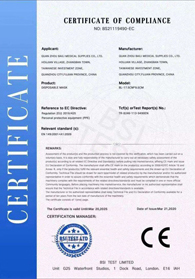

While specific certifications may vary based on regional requirements and product application (e.g., food-grade stainless steel components may require FDA compliance verification), our core manufacturing processes are geared towards international standards. We can provide documentation and discuss specific compliance needs for your target market.
Client Testimonials: Real-World Impact
Hear directly from businesses that have integrated our filling solutions into their operations:

"We switched to Yuanchang's automated valve bag filler for our fertilizer production. The reduction in dust and the consistency of fill weights have been remarkable. We're saving on material and improving our plant's safety conditions. Highly recommended for serious bulk operations."
- David Miller, Operations Manager, AgriChem Solutions, USA

"As a supplier of specialty chemical powders, accuracy is everything. Yuanchang's gravimetric filler delivers precisely what we need, bag after bag. Their engineering team was instrumental in helping us choose the right configuration for our fine particulate product. The support has been excellent."
- Sarah Chen, Procurement Director, ChemTech International, Canada

"We needed a reliable solution for bagging our premium pet food ingredients. Yuanchang's machine handles the delicate granular product without damage, and the valve system keeps it fresh and contained. The efficiency gain has been substantial. It's a robust piece of equipment."
- Mike Johnson, Plant Manager, Pawsome Nutrition, Australia
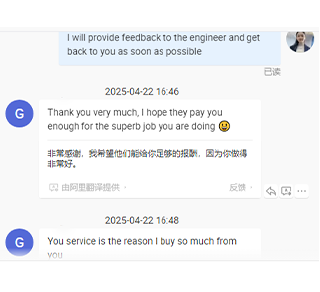
Direct Communication with Our Experts
See the kind of direct, problem-solving conversations you can have with our technical and sales team:


Ready to Optimize Your Bulk Packaging Operations?
Let our 40 years of industrial expertise work for you. Whether you need standard equipment or a custom-engineered solution, we're here to help you achieve peak efficiency and reliability.
Frequently Asked Questions (FAQ)
Q: What is the typical lead time for a valve bag filling machine?
Lead times can vary based on the complexity of the machine and current production schedules. Standard configurations might take 4-8 weeks, while custom-built solutions could range from 8-16 weeks. We'll provide a precise estimate upon detailed consultation.
Q: Can your machines handle abrasive materials like cement?
Yes, our machines can be configured with hardened wear parts and specialized seals to handle abrasive materials effectively. Durability is a key consideration in our design for such applications.
Q: What kind of after-sales support do you offer internationally?
We offer comprehensive support including remote diagnostics, technical assistance via phone and email, and readily available spare parts. For major issues or installations, we can arrange for certified technician dispatch, though this is subject to project scope and location.
Q: Do you offer OEM or ODM services for filling equipment?
Yes, we do. Our extensive manufacturing capabilities, including our advanced CNC machining centers, allow us to collaborate with partners on OEM and ODM projects, developing bespoke filling solutions tailored to specific brand requirements or unique market needs.
Q: How does your equipment compare to European or North American manufacturers?
Our 40 years of experience and investment in advanced manufacturing technologies, like Japanese Mazak CNC, allow us to achieve comparable levels of precision, reliability, and performance. We focus on delivering high-value solutions with competitive lead times and robust after-sales support, offering a compelling alternative for global buyers.