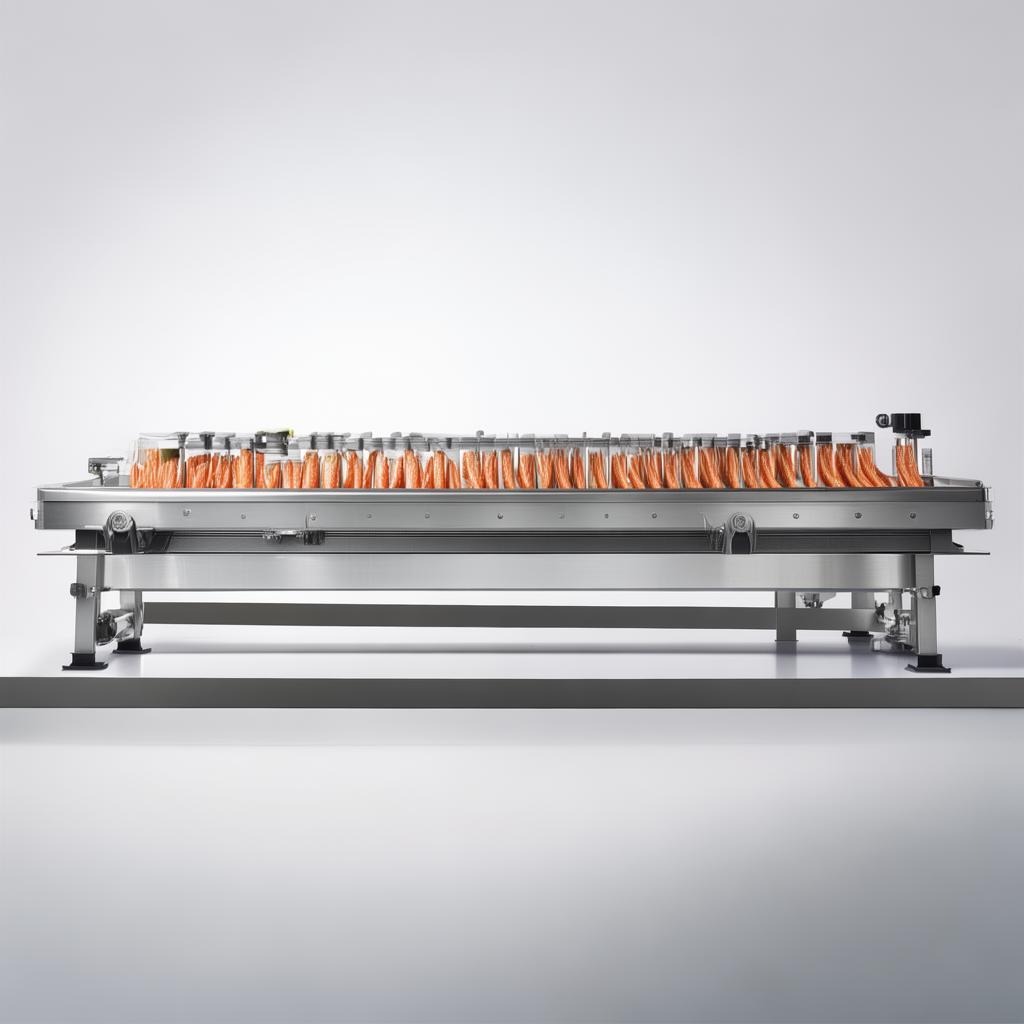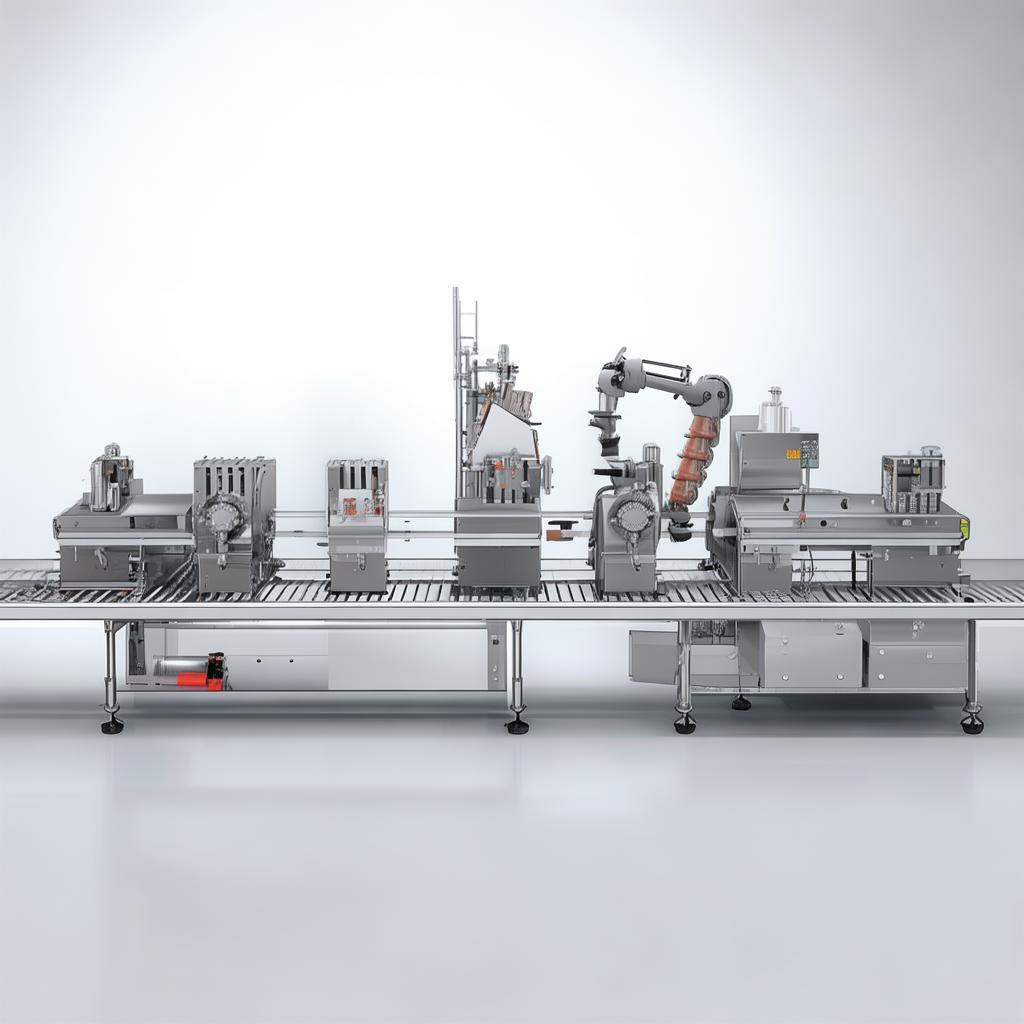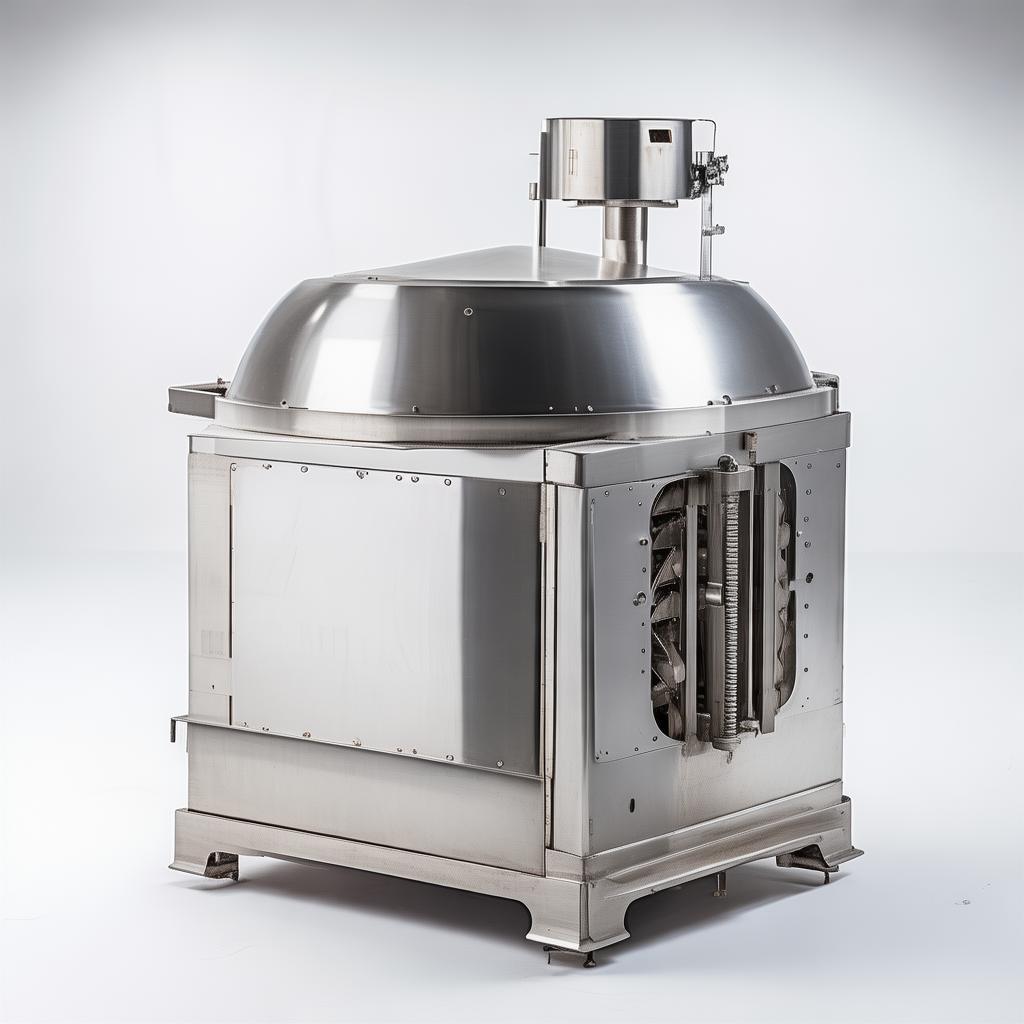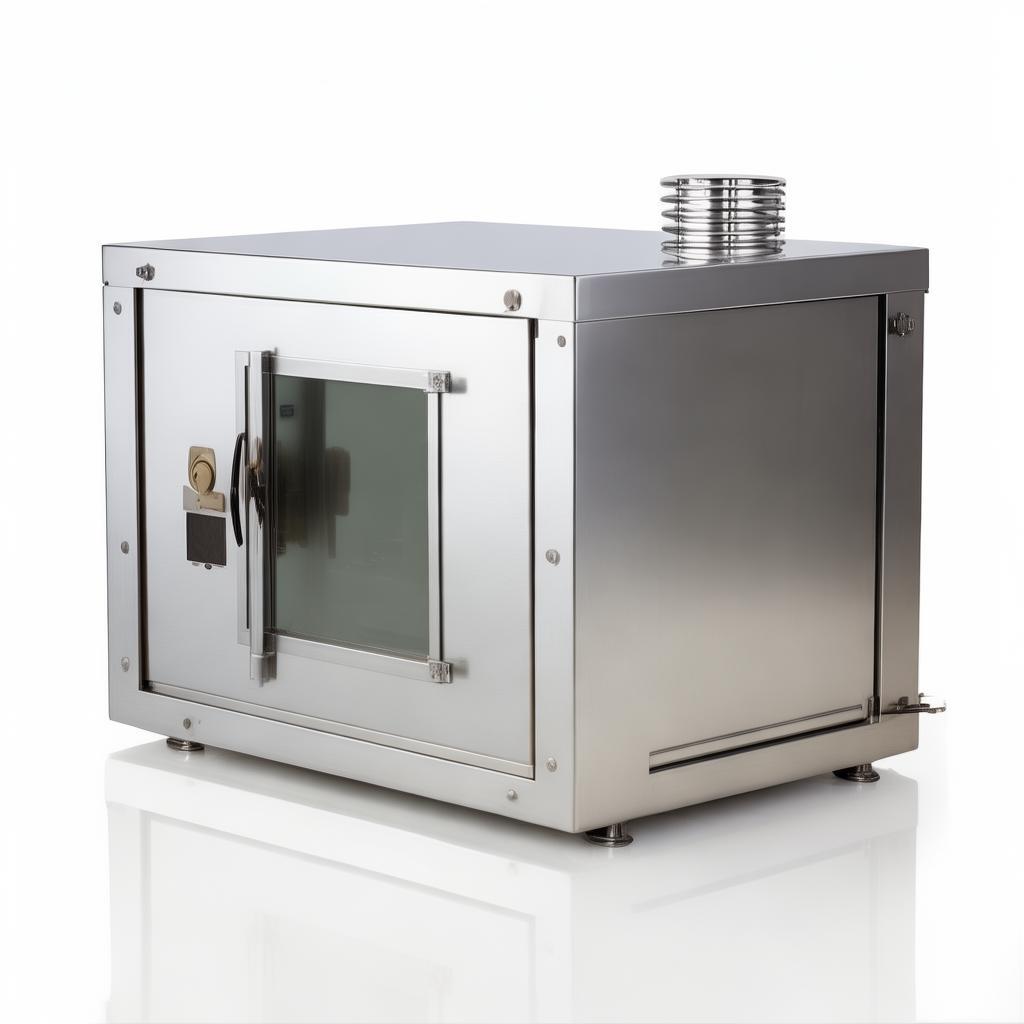
Vacuum Seal Packaging Machine
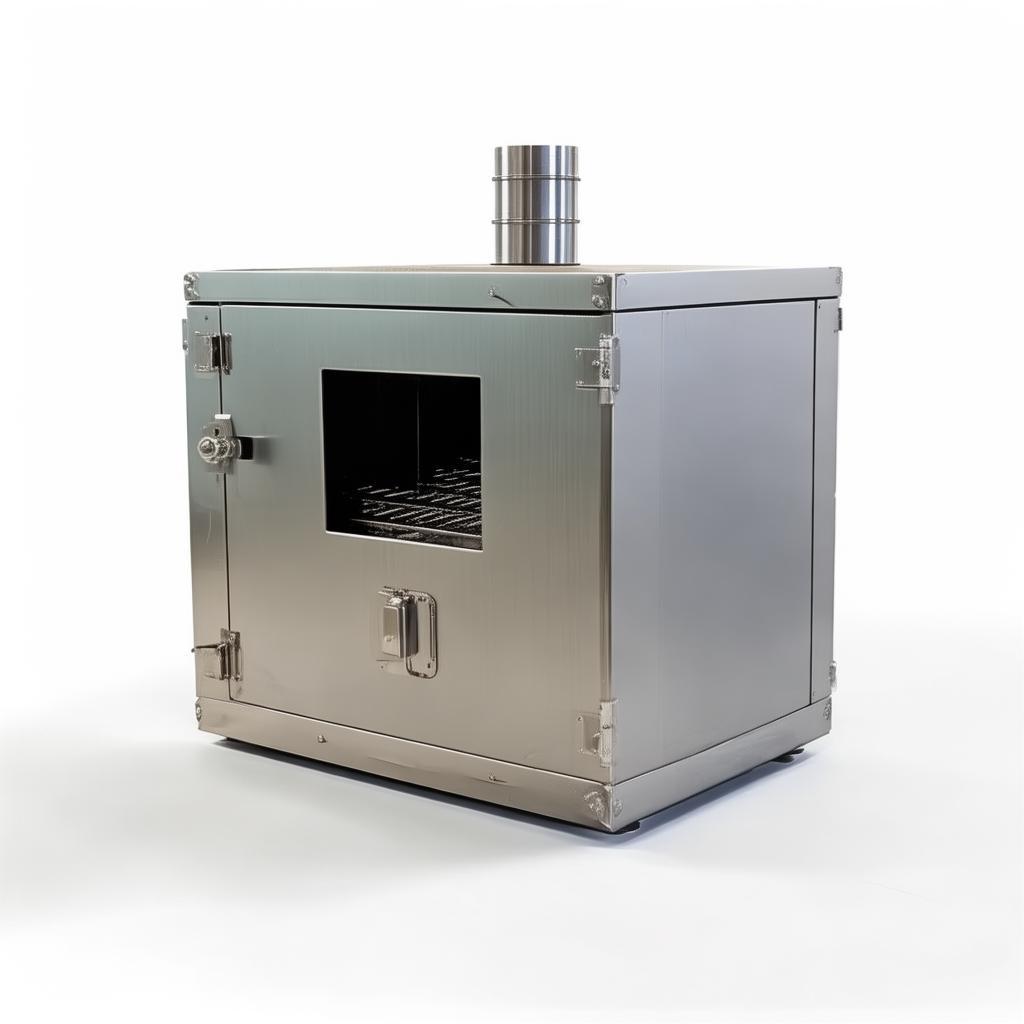
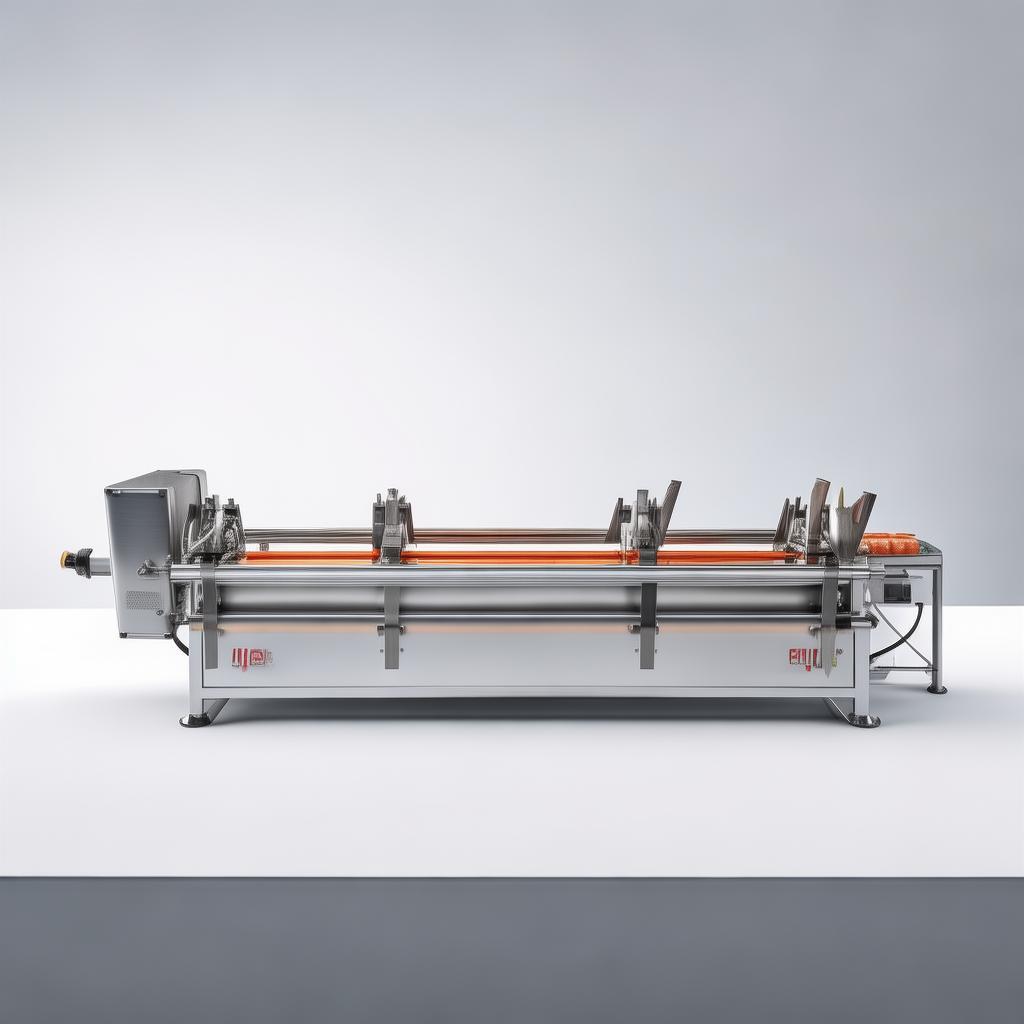
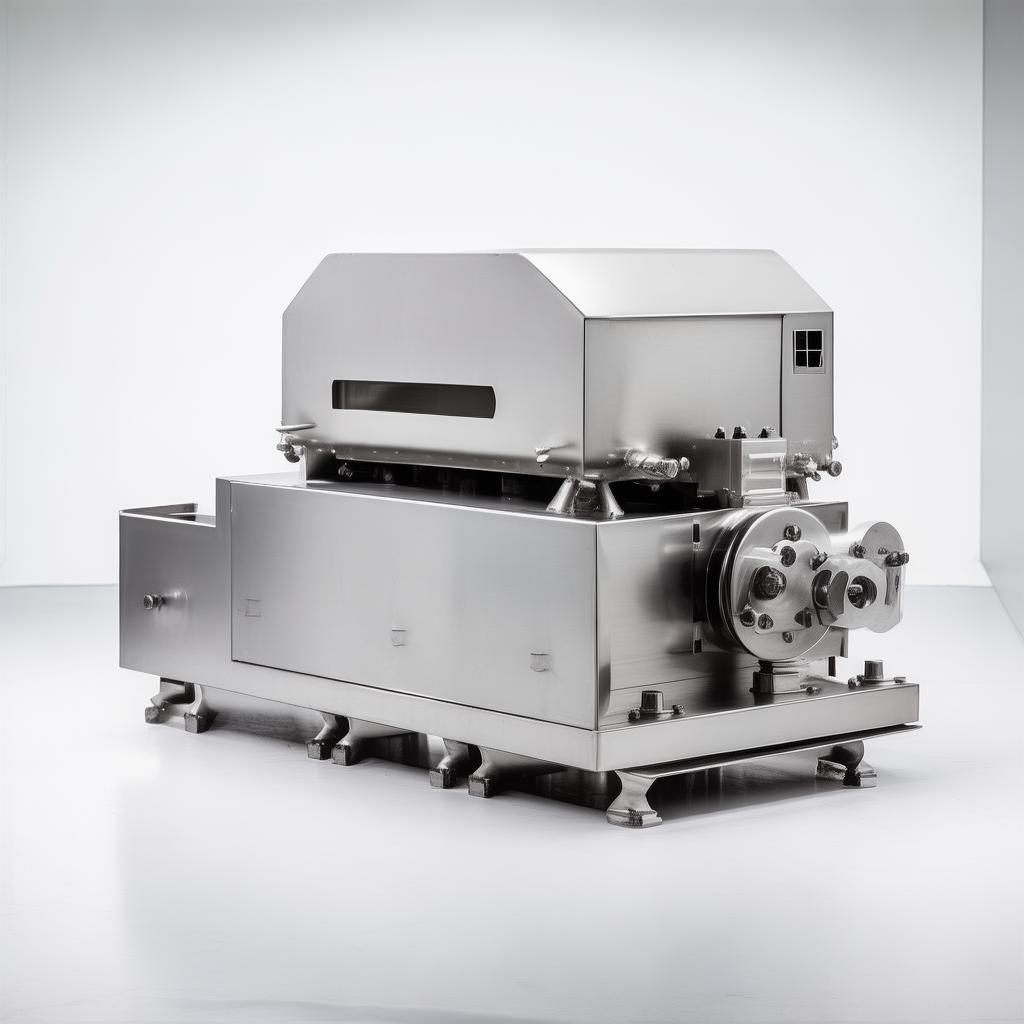
Vacuum Seal Packaging Machines: Precision, Preservation, and Profitability for Industrial Export
Elevating Product Integrity and Extending Shelf Life for Global Markets

Authored by: Li Wei, Senior Export Engineer | Hebei Yuanchang Food Mechanism & Technology Co., Ltd.
Understanding the Critical Role of Vacuum Seal Packaging in International Trade
In the intricate world of international B2B trade, especially within the industrial and wholesale export sectors, the integrity of your product from factory floor to end-user's hands is paramount. For manufacturers specializing in goods that require meticulous preservation – from delicate food items and sensitive chemicals to advanced industrial components and medical supplies – the method of packaging isn't just about containing the product. It's about safeguarding its quality, extending its viable shelf life, and ensuring it arrives at its destination exactly as intended. This is where the vacuum seal packaging machine emerges not merely as a piece of equipment, but as a strategic asset.
The global market for meat processing equipment, a sector heavily reliant on robust packaging solutions, underscores this demand. Reports indicate the global meat processing equipment market was valued at approximately USD 11.29 billion in 2025 and is projected to reach USD 17.39 billion by 2034, growing at a CAGR of 5.0%. This growth is fueled by rising demand for processed meats, which intrinsically require advanced preservation techniques. Similarly, the broader food processing equipment market is expanding, with projections suggesting it will reach USD 129.47 billion by 2036. These figures, while specific to food, illustrate a universal trend: as global consumption of processed and packaged goods rises, so does the necessity for reliable, high-quality packaging machinery that can meet stringent international standards for hygiene, durability, and preservation.
A vacuum seal packaging machine operates on a fundamental principle: the removal of air from a sealed package before the seal is made. This seemingly simple process has profound implications for product preservation. By eliminating atmospheric oxygen, it dramatically slows down oxidation, inhibits the growth of aerobic microorganisms (bacteria, mold, and yeast), and prevents freezer burn. For businesses involved in exporting, this means a reduced risk of product spoilage during lengthy transit times, lower return rates due to damaged or degraded goods, and the ability to meet the exacting quality expectations of international buyers. When you're shipping across continents, facing varying climates and extended logistical chains, your packaging is your first and most critical line of defense.
Consider the complexities of exporting perishable goods. A batch of premium cured meats, for instance, must maintain its flavor profile and texture from a processing plant in Hebei to a high-end restaurant in New York. Without effective vacuum sealing, the journey could introduce off-flavors, textural degradation, and even microbial contamination. The vacuum seal packaging machine ensures that the controlled atmosphere at the point of production is maintained throughout the supply chain. This isn't just about aesthetics; it's about maintaining nutritional value, preventing chemical breakdown, and upholding regulatory compliance regarding food safety. The implications extend beyond food. Sensitive electronic components can be protected from moisture and corrosion, while pharmaceuticals can maintain their potency and sterility, all thanks to the controlled environment a vacuum seal provides.
The choice of a vacuum seal packaging machine is also intrinsically linked to operational efficiency and cost-effectiveness. Industrial-grade machines are designed for high-volume throughput, allowing manufacturers to scale their production without compromising on quality. They offer consistent sealing performance, reducing material waste and ensuring that each package meets specifications. Furthermore, the investment in a reliable machine can lead to significant savings by reducing product loss, minimizing the need for expensive preservatives, and potentially allowing for more economical shipping methods by reducing the need for refrigerated transport in some cases. The return on investment isn't just in preserved products, but in streamlined operations and enhanced market competitiveness.
For businesses looking to break into or expand their presence in international markets, understanding the nuances of vacuum sealing technology is a competitive advantage. It signifies a commitment to quality, a readiness to meet global standards, and a sophisticated approach to supply chain management. This page delves into the critical aspects of vacuum seal packaging machines, offering insights from an engineering and export perspective to help you make an informed decision that supports your growth objectives. We'll cover the core technologies, application versatility, and the crucial considerations for sourcing reliable machinery from reputable manufacturers, such as our own 40 years of experience at Hebei Yuanchang Food Mechanism & Technology Co., Ltd.
Addressing Critical Industrial & Export Pain Points with Vacuum Sealing
- Product Degradation During Transit: International shipping involves significant time, varied temperatures, and potential for mishandling. Oxidation, moisture ingress, and microbial spoilage can ruin even the highest quality products before they reach the buyer, leading to costly rejections and damaged reputation.
- Extended Shelf-Life Requirements: Many export markets have specific shelf-life requirements for imported goods, especially in the food and pharmaceutical sectors. Failing to meet these can lead to missed market opportunities or necessitate complex inventory management.
- Maintaining Product Presentation & Quality: A vacuum seal preserves the product's visual appeal, preventing freezer burn on frozen goods, crushing of delicate items, and leakage of liquids or powders. This is crucial for buyer satisfaction and brand perception.
- Compliance with International Standards: Food safety regulations (e.g., FDA in the US), hygiene standards, and material compatibility requirements vary significantly by region. Reliable vacuum packaging is a foundational step in meeting these diverse compliance needs.
- Optimizing Shipping Volume & Costs: Removing air from packaging can reduce the overall volume of shipments, leading to more efficient use of container space and lower freight costs.
- Preventing Contamination & Tampering: A hermetic seal acts as a barrier against external contaminants, dust, insects, and potential tampering during transit, providing an added layer of security for high-value or sensitive goods.
- Reducing Reliance on Refrigeration for Certain Goods: For some products, effective vacuum sealing can extend their usability and transportability without the constant need for active refrigeration, significantly cutting down on energy costs and logistical complexity.
The Technology Behind Reliable Vacuum Seal Packaging Machines
At its core, a vacuum seal packaging machine removes air from the packaging chamber and then creates a heat seal across the opening of the bag or container. However, industrial-grade machines offer far more sophistication than basic countertop models. The primary components and technologies you'll encounter include:
- Vacuum Pump: This is the heart of the system, responsible for extracting air. Industrial machines often employ robust rotary vane or diaphragm pumps capable of achieving high vacuum levels (e.g., down to 0.1 mbar or lower), ensuring maximum air removal for superior preservation. The pump's efficiency and durability are critical for continuous operation.
- Sealing Bar(s): These are heated elements that melt and fuse the packaging material. High-quality machines utilize precise temperature control and pressure regulation to ensure a consistent, leak-proof seal. Some models feature double-sealing bars for added security. The width and length of the sealing bar determine the maximum package size.
- Chamber Design: For many industrial applications, machines feature a chamber that is evacuated. The "double chamber" configuration is common for high-throughput operations, allowing one chamber to be evacuated and sealed while the other is being loaded or unloaded, minimizing downtime.
- Control Systems: Modern machines integrate PLC (Programmable Logic Controller) systems for precise control over vacuum levels, sealing temperature, sealing time, and cooling time. This allows for repeatable results and adaptation to different packaging materials and product types. Digital displays and intuitive interfaces simplify operation and programming.
- Material Compatibility: The machine must be compatible with a range of packaging materials, including various types of plastic films (polyethylene, polypropylene, PET, multi-layer co-extrusions) and often specific barrier films designed for extended shelf life (e.g., EVOH, PA). The sealing technology needs to effectively bond these materials without scorching or compromising their integrity.
The choice between different types of vacuum packaging machines – such as external vacuum machines, chamber vacuum machines, and modified atmosphere packaging (MAP) machines that can also inject gases – depends heavily on the application. For industrial export, chamber machines, particularly double-chamber models, are often favored for their efficiency and ability to handle a wider variety of bag sizes and product shapes.
Applications Across Diverse Industries
The versatility of vacuum seal packaging machines makes them indispensable across a broad spectrum of industries, each with unique requirements for product preservation and presentation.
Food & Beverage Processing
From fresh meats, poultry, and seafood to cheeses, baked goods, dry goods, and ready-to-eat meals, vacuum sealing is critical for extending shelf life, preventing spoilage, and maintaining flavor. This is especially vital for export products that undergo long transit times. As noted, the global meat processing equipment market's growth highlights this demand. Specialized machines ensure compliance with strict food safety regulations like FDA.
Pharmaceuticals & Medical Devices
Sterility and potency are non-negotiable. Vacuum sealing is used for sterile packaging of surgical instruments, implantable devices, powders, and medications. It prevents contamination and ensures the product remains in its intended state until use. Machines must meet stringent cleanroom and ISO standards.
Industrial Components & Electronics
Sensitive components, circuit boards, and precision parts are vulnerable to moisture, corrosion, and static discharge. Vacuum sealing with anti-static bags protects these high-value items during storage and international shipping, preventing costly field failures.
Chemicals & Specialty Materials
Powders, granules, and even liquids that require protection from atmospheric elements (like humidity or oxygen) can be safely packaged. This ensures the material's efficacy and prevents clumping or degradation, crucial for consistency in manufacturing processes.
Consumer Goods
From high-end textiles and apparel to specialized retail items, vacuum sealing can offer compact packaging, protection from dust and moisture, and an appealing presentation for international e-commerce or retail distribution.
Key Advantages of Industrial Vacuum Seal Packaging Machines

Enhanced Product Preservation
Eliminates oxygen to combat spoilage, oxidation, and freezer burn, significantly extending shelf life for export markets.

Operational Efficiency
High-speed operation, particularly with double-chamber models, increases throughput and reduces labor costs per unit.

Reduced Waste & Costs
Minimizes product spoilage during transit, leading to fewer rejections and lower waste. Optimized packaging can also reduce shipping volume.

Market Access & Compliance
Helps meet international quality, safety, and labeling standards required for importing into regions like the USA, EU, and beyond.
Technical Specifications: What to Look For
When evaluating vacuum seal packaging machines for your export operations, pay close attention to these technical specifications. They dictate performance, reliability, and suitability for your specific production needs.
| Specification | Key Considerations for Industrial Export | Typical Range/Standard |
|---|---|---|
| Vacuum Level Achieved | Higher vacuum levels ensure maximum air removal, critical for long shelf life and product compression. | -0.90 to -0.99 mbar (or 100-10 mbar absolute pressure) |
| Sealing Temperature & Time Control | Precise control is vital for achieving a strong, consistent, leak-proof seal across various film types. | Adjustable digital settings, often with programmable recipes. |
| Chamber Configuration | Double-chamber systems are essential for high-volume, continuous production to minimize cycle times. | Single Chamber (for lower volume), Double Chamber (for high-volume export) |
| Sealing Bar Width & Length | Determines the maximum package size and the number of packages that can be sealed simultaneously. | Varies from 300mm to over 1000mm. |
| Pump Capacity (L/min or m³/hr) | Indicates how quickly the vacuum chamber can be evacuated. Higher capacity means faster cycle times. | 10 m³/hr to 100+ m³/hr |
| Construction Materials | Stainless steel is preferred for hygiene, durability, and resistance to corrosion, especially in food and medical applications. | Food-grade stainless steel (e.g., SUS304) |
| Power Requirements | Must match your plant's electrical infrastructure (voltage, phase). Ensure compatibility for international delivery. | 220V/380V, 50/60Hz, 1/3 Phase |
sealer vacuum packaging machine commercial vacuum sealer packaging machine vacuum sealer industrial packaging
Procurement Guidance: Selecting the Right Supplier
Sourcing industrial machinery, especially for export, requires due diligence. Beyond the machine's specifications, consider these factors when evaluating a supplier like Hebei Yuanchang Food Mechanism & Technology Co., Ltd., with our 40 years of experience.
- Manufacturing Experience & Expertise: Look for suppliers with a proven track record in the specific machinery type you need. Our 40 years since 1986 in meat processing equipment (including auxiliary items) means we understand the operational demands and have refined our designs for longevity and performance.
- Production Capabilities: A supplier with in-house machining capabilities, like our facility equipped with over 20 sets of processing machinery and Japanese Mazak CNC centers, ensures high precision, consistent quality, and the ability to produce critical components independently. This translates to more reliable machines and faster after-sales support.
- Certifications & Compliance: Ensure the manufacturer adheres to international standards. CE marking, ISO certifications, and compliance with food safety standards (like FDA compliance for materials in contact with food) are indicators of quality and market readiness.
- After-Sales Support & Spare Parts: This is crucial for international clients. A traceable management system for after-sales service and readily available spare parts can prevent prolonged downtime.
- Customization Options (OEM/ODM): If you have specific requirements not met by standard models, inquire about OEM (Original Equipment Manufacturer) or ODM (Original Design Manufacturer) capabilities. We offer custom solutions tailored to unique production lines.
- Logistics and Export Experience: A supplier experienced in international shipping can handle documentation, packaging for transit, and freight coordination more efficiently.
Hebei Yuanchang's Commitment: 40 Years of Industrial Excellence
At Hebei Yuanchang Food Mechanism & Technology Co., Ltd., we pride ourselves on integrating R&D, production, and sales of high-quality industrial equipment. With operations spanning 14,000 square meters and a dedicated team of 80-100 professionals, our 40 years of experience since 1986 have cemented our reputation for robust, reliable, and precision-engineered machinery.
Our in-house advanced machining workshop, featuring over 20 sets of specialized equipment and cutting-edge Japanese Mazak CNC machining centers introduced in 2012, allows us to independently produce high-precision, non-standard components. This vertical integration means enhanced quality control, shorter lead times, and unmatched after-sales service assurance. We understand that your production line's reliability hinges on the quality of every part, and we engineer our vacuum seal packaging machines with this principle at the forefront.
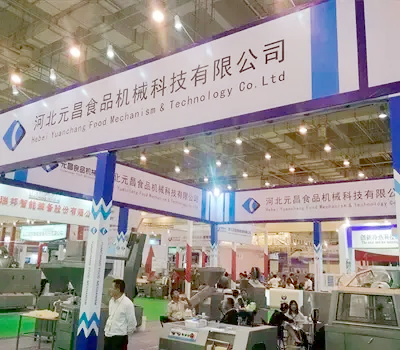
Our state-of-the-art manufacturing facility in Shijiazhuang, China.
Installation, Maintenance, and Logistics Considerations
Beyond the initial purchase, efficient operation of your vacuum seal packaging machine involves practical considerations:
Installation
Most industrial vacuum sealers require a stable, level surface and a dedicated power supply. For larger machines, especially double-chamber models, consider accessibility for maintenance and operation. Ensure adequate ventilation around the unit, particularly for the vacuum pump, which can generate heat. Connection to compressed air lines may also be necessary for some automated functions. Our team can provide detailed installation guidelines or arrange for technician support.
Maintenance
Regular maintenance is key to extending machine life and ensuring consistent seal quality. This typically includes:
- Cleaning the vacuum chamber and sealing bars after each shift.
- Checking and replacing sealing elements (e.g., Teflon tape, silicone gaskets) as they wear.
- Monitoring and changing the vacuum pump oil regularly, as specified by the manufacturer, to maintain pump efficiency.
- Inspecting pneumatic and electrical connections.
With our traceable after-sales management system and in-house part production, we ensure you have access to the necessary support and components for minimal operational disruption.
Logistics & Shipping
When exporting, machines are typically crated for maximum protection during international transit. Ensure the supplier provides robust export-grade packaging. Consider the dimensions and weight for import duties and local handling capabilities at your destination port. We offer comprehensive export packaging and documentation services to facilitate smooth customs clearance and delivery, optimizing container loading for efficiency.
Enhance Trust: What Our Clients Say
We believe in transparent partnerships. Here are a few insights from businesses that have integrated our packaging solutions into their export operations:

Maria Rodriguez, Purchasing Manager, Mexico
"The double-chamber vacuum sealer from Yuanchang has been a game-changer for our export of pre-packaged meats. The consistency of the seal is exceptional, and the increased throughput is undeniable. Our spoilage rate during long-haul shipments to the US has dropped significantly. The support for spare parts was also prompt."

David Lee, Operations Director, South Korea
"We needed a reliable packaging solution for our premium frozen seafood exports. Yuanchang's machine delivered. It handles our delicate products without damage, and the vacuum achieved is impressive, preventing freezer burn. Their team assisted us with export documentation, making the process smoother."

Sarah Chen, Procurement Specialist, Canada
"We evaluated several suppliers for our industrial components packaging. Yuanchang's ability to produce custom-sized sealing bars and their robust machine construction for handling ESD-safe bags were key deciding factors. We appreciate their straightforward approach and operational knowledge."
Ready to Optimize Your International Packaging Strategy?
Investing in a high-quality vacuum seal packaging machine is an investment in your product's integrity, your brand's reputation, and your company's global reach.
Get in Touch
Contact Us Directly
Phone: +86 15830991513
Email: ycmeatmech@gmail.com
Address: Shijiazhuang, Hebei Province, China
Quick Inquiry
Customer Support Chats