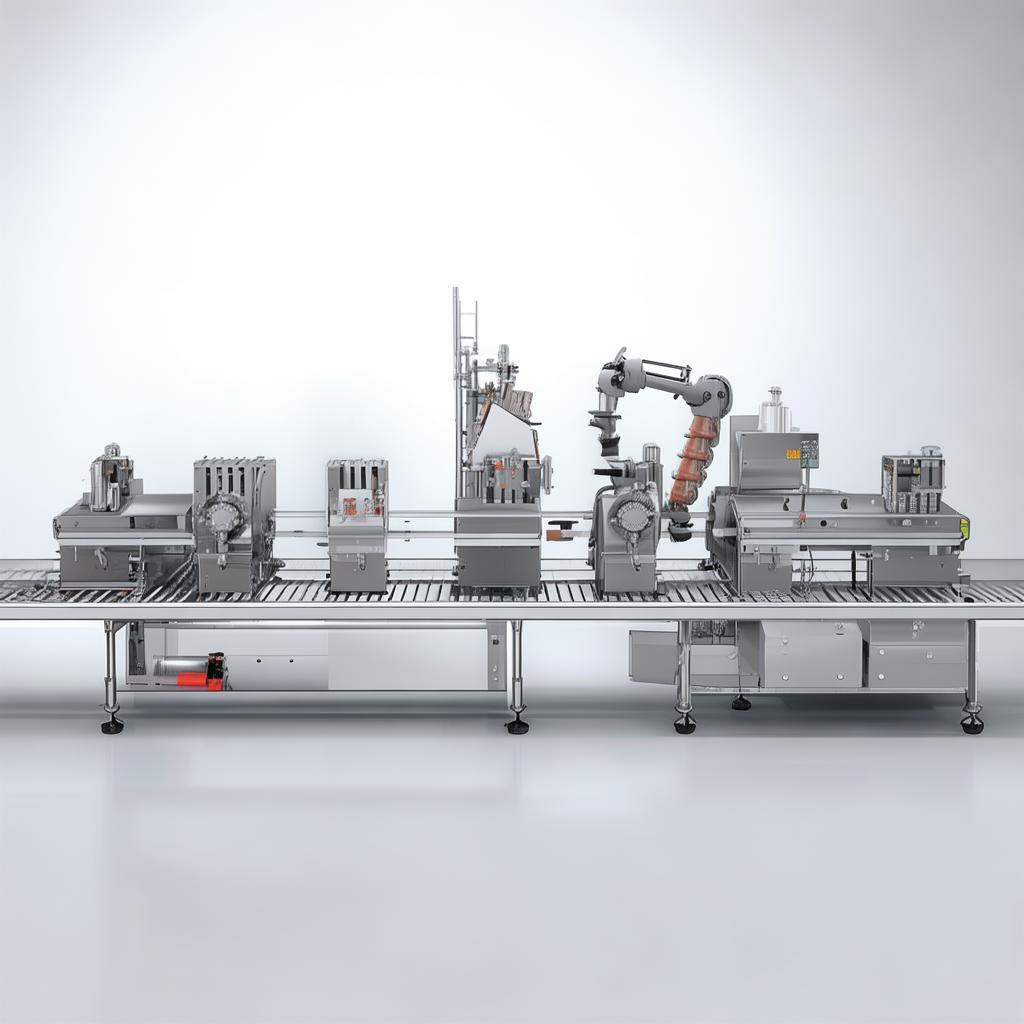
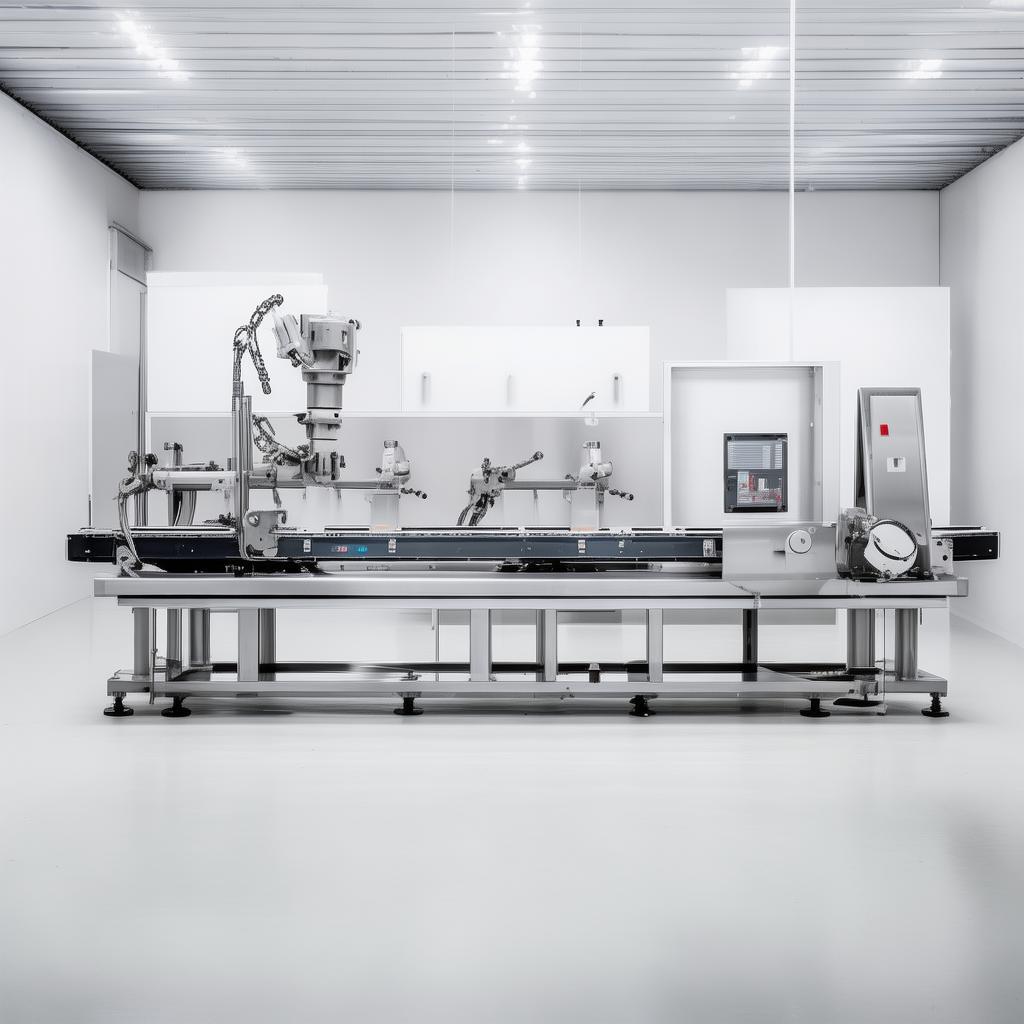
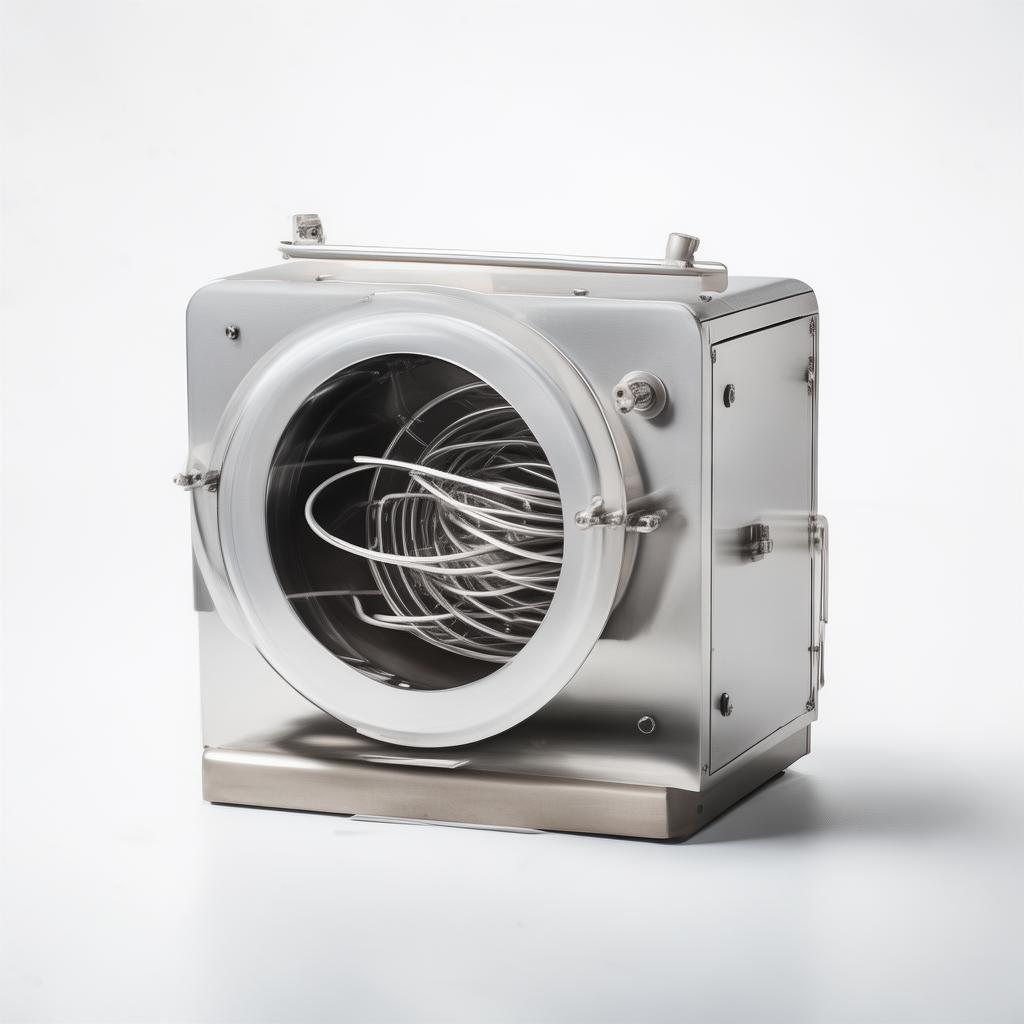
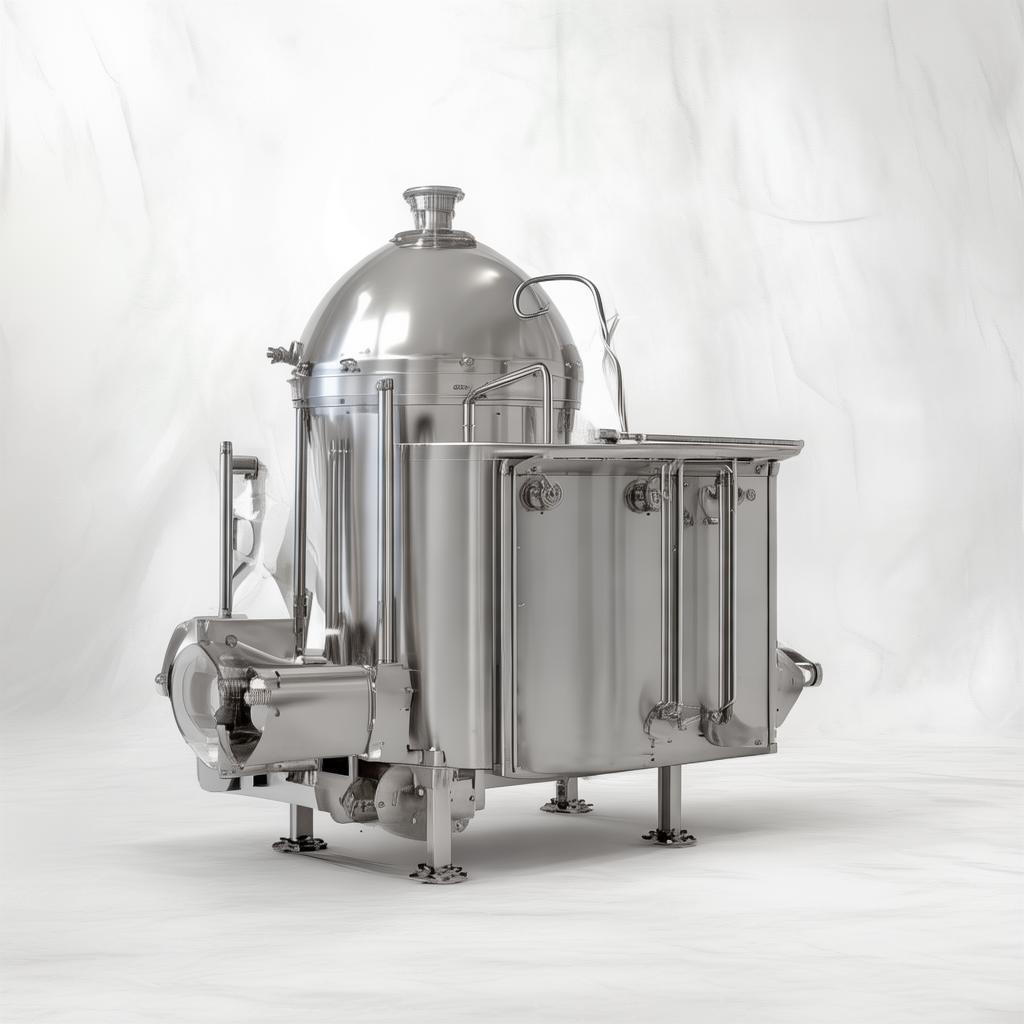
Vacuum Pycnometer

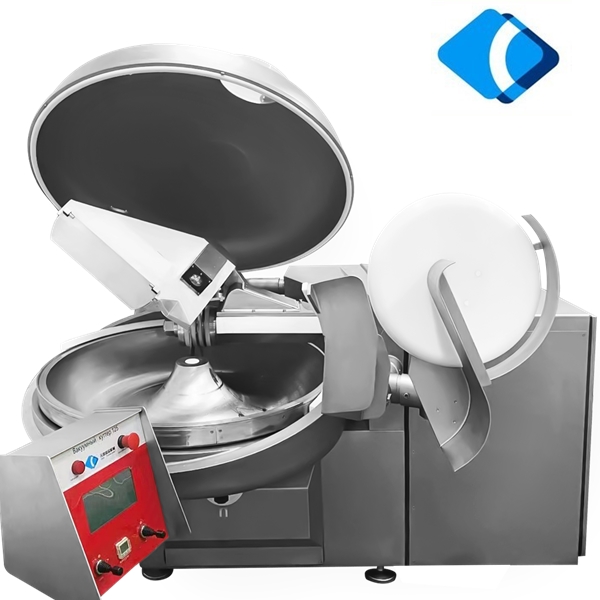
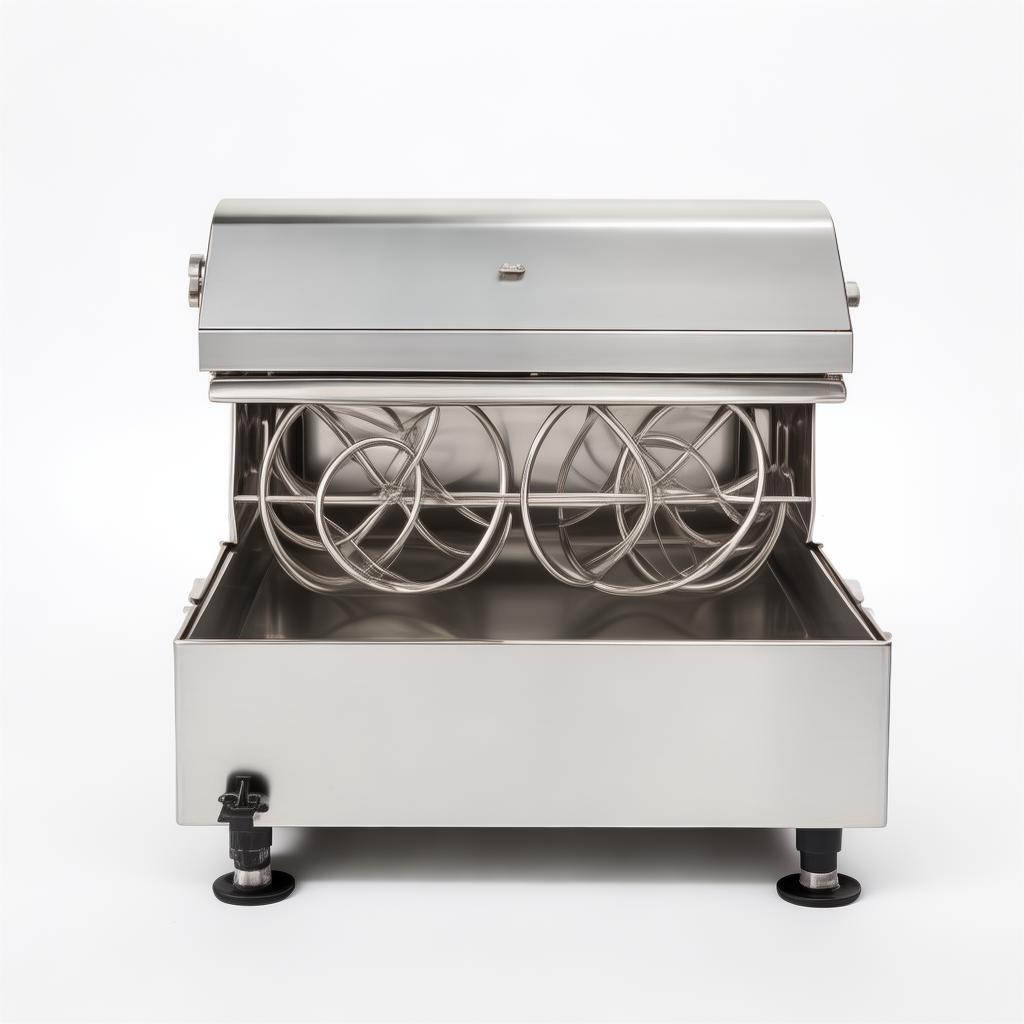
Vacuum Pycnometer: Precision Density Measurement for Industrial Applications
By  Alex Chen, Senior Export Manager | Hebei Yuanchang Food Mechanism & Technology Co., Ltd.
Understanding the Vacuum Pycnometer for Accurate Material Analysis
In the rigorous world of industrial manufacturing and material science, achieving precise and repeatable measurements is not just a best practice – it’s a fundamental requirement for quality control, product development, and process optimization. Among the critical parameters often needing exact determination is the true density of solid materials. This is where the vacuum pycnometer emerges as an indispensable tool. Unlike simpler methods that might struggle with porous or finely powdered substances, a vacuum pycnometer leverages principles of gas displacement under reduced pressure to accurately ascertain the volume of a solid sample, and subsequently, its true density. This capability is vital across a broad spectrum of industries, from the production of advanced ceramics and polymers to the formulation of pharmaceuticals and the development of construction materials.
The core challenge in density measurement often lies in accounting for the void spaces within a material. For granular, porous, or powdered samples, simply measuring bulk volume and dividing by mass will yield an inaccurate "bulk density" that includes these interstitial voids. True density, however, refers to the density of the solid material itself, excluding any internal porosity. Accurately determining this requires a method that can effectively penetrate and fill these voids, or conversely, remove air from them to measure the solid volume precisely. The vacuum pycnometer achieves this by creating a vacuum, which draws out air from the sample's pores. Once the air is evacuated, a known volume of inert gas (often helium, due to its small atomic size and inertness) is introduced. The pressure changes observed as this gas expands into the sample's volume allow for a highly accurate calculation of the solid material's volume, and by extension, its true density.
Our own 40 years of experience at Hebei Yuanchang Food Mechanism & Technology Co., Ltd., particularly in the precision machining and production of industrial equipment, has shown us firsthand how crucial accurate material characterization is. While our primary focus is meat processing, the underlying principles of precision engineering and quality assurance extend to any field requiring reliable instrumentation. The demand for sophisticated analytical tools like vacuum pycnometers is consistently high, reflecting an industry-wide drive for higher quality, better performance, and more predictable outcomes. For instance, in the formulation of complex composite materials, understanding the true density of each component is paramount to achieving the desired mechanical properties. In the pharmaceutical sector, the density of active pharmaceutical ingredients (APIs) can significantly influence dissolution rates and bioavailability. For powder metallurgy, the density of the raw materials directly impacts the final sintered part’s strength and porosity.
The global market for meat processing equipment, where we have deep roots, is projected to reach over USD 19 billion by 2034, with significant growth driven by automation and food safety standards. This parallels the trends in other industrial sectors: a relentless pursuit of efficiency, precision, and compliance. The vacuum pycnometer is a key enabler in this pursuit, providing data that underpins material selection, process validation, and quality assurance protocols. Its ability to handle diverse sample types—from fine powders and granular materials to solid irregular shapes—makes it a versatile instrument. Whether you are a researcher in a cutting-edge materials lab, a quality control engineer on a production line, or a procurement specialist sourcing analytical instruments for a global enterprise, understanding the capabilities and applications of a vacuum pycnometer is essential. This guide will delve into its operational principles, key advantages, and why investing in a high-quality unit from a trusted manufacturer like us is a strategic decision for any operation prioritizing accuracy and reliability.
Furthermore, the integration of vacuum pycnometers into R&D workflows can significantly accelerate product development cycles. By providing rapid and accurate density data, engineers and scientists can quickly iterate on material formulations, optimize processing parameters, and troubleshoot issues related to material packing or performance. This is particularly relevant in the context of emerging materials and advanced manufacturing techniques where precise material characterization is a prerequisite for innovation. For example, in the development of batteries, the density of electrode materials directly impacts energy storage capacity and lifespan. In the aerospace industry, precise density measurements are critical for ensuring the structural integrity and weight optimization of components.
The choice of an inert gas for the pycnometer is also a critical factor. Helium is often preferred due to its small molecular size, allowing it to penetrate even the finest pores, and its inertness, ensuring it does not react with the sample. This is a crucial aspect of why these instruments achieve such high levels of accuracy, especially with challenging materials. For procurement professionals, understanding these technical nuances is key to selecting an instrument that aligns with specific application needs and budget considerations, ensuring a good return on investment. The operational cost, including gas consumption and maintenance, also plays a role in the long-term value proposition of any analytical instrument.
In essence, the vacuum pycnometer is more than just a measuring device; it's a critical component of a robust quality assurance framework. It provides the fundamental data necessary to understand and control the properties of solid materials, directly impacting product performance, manufacturing efficiency, and ultimately, commercial success. As industries continue to demand higher performance and greater precision, the role of advanced analytical instruments like the vacuum pycnometer will only grow in importance. We are committed to providing manufacturing solutions that embody this precision and reliability, even as our core expertise lies in food processing machinery.
Key Applications and Industries Benefiting from Vacuum Pycnometry
The versatility of the vacuum pycnometer makes it a staple across numerous demanding industrial sectors. Its ability to accurately determine the true density of a wide array of solid materials, from fine powders to dense solids, addresses critical analytical needs:
- Pharmaceuticals: Essential for characterizing Active Pharmaceutical Ingredients (APIs), excipients, and solid dosage forms. True density influences dissolution rates, bioavailability, tablet compressibility, and powder flow properties, all crucial for drug efficacy and manufacturing.
- Ceramics and Advanced Materials: Crucial for determining the density of raw powders (alumina, zirconia, silicon carbide), sintered ceramics, and composites. This data is vital for controlling porosity, mechanical strength, thermal shock resistance, and electrical properties in components for electronics, aerospace, and industrial applications.
- Polymers and Plastics: Used to measure the true density of polymer resins, additives, fillers, and finished plastic parts. This aids in formulation development, quality control, and understanding material behavior under stress and temperature.
- Metallurgy and Powder Coatings: Critical for characterizing metal powders (iron, copper, titanium), alloys, and powder coating materials. True density impacts sintering behavior, final part density, wear resistance, and magnetic properties.
- Food and Nutrition: Although our primary focus is machinery, the principles apply. In food science, it can be used for density of ingredients like starches, proteins, or dehydrated food powders, influencing texture, processing, and nutritional analysis.
- Chemicals and Pigments: Vital for quality control of chemical powders, pigments, and fillers. Density affects dispersion properties, reactivity, and formulation consistency in paints, coatings, inks, and chemical manufacturing.
- Geology and Mining: Density is a fundamental physical property for analyzing mineral samples, ores, and soil components.
Procurement decisions in these sectors are often driven by the need for verifiable accuracy and long-term instrument reliability. A well-calibrated vacuum pycnometer from a reputable manufacturer can prevent costly errors in formulation and production, making it a sound investment. The global meat processing equipment market, for instance, saw significant growth driven by demand for precise, automated systems. While different industries, the underlying principle of investing in accurate measurement tools for consistent output is universal.
The Science Behind Accurate Density: How a Vacuum Pycnometer Works
At its heart, the vacuum pycnometer operates on Archimedes' principle combined with gas pycnometry. The process is designed to meticulously measure the volume of a solid sample by displacing a known quantity of gas under controlled conditions. Here’s a breakdown of the operational methodology:
- Sample Loading: A precisely weighed sample is placed into a measurement chamber (often called a sample cell). The mass of the sample is a known input.
- Initial Evacuation: The chamber is sealed, and a vacuum is applied. This critical step removes any ambient air and, more importantly, draws out any trapped air within the pores or voids of the sample material. Maintaining a good vacuum is paramount for accurate results, especially with porous samples.
- Introduction of Measurement Gas: Once a stable low pressure is achieved, a precisely measured volume of an inert, non-reactive gas (typically helium due to its small atomic size and inertness) is introduced into the sealed chamber.
- Pressure Measurement & Calculation: The gas now occupies the volume of the empty chamber *plus* the volume of the solid material itself. By measuring the pressure change as the gas expands from a known reference volume into the chamber containing the sample, the instrument's software can calculate the volume of the solid sample using gas laws (like the ideal gas law or Boyle's Law).
- Density Determination: With the precise mass (from weighing) and the precise volume (from gas displacement) of the solid sample known, the true density is calculated using the fundamental formula:
Density (ρ) = Mass (m) / Volume (V)
The use of vacuum is what differentiates it from standard gas pycnometers. By removing atmospheric pressure and pore air, the vacuum step ensures that the gas introduced only fills the interstitial spaces and the solid volume, not any air that was initially trapped. This makes it exceptionally well-suited for materials with fine porosity, such as certain catalysts, pharmaceutical powders, or advanced ceramics. We understand the intricacies of precision engineering from our background in manufacturing complex machinery, where even minute tolerances matter. This same dedication to precision engineering underpins the design and construction of reliable analytical instruments.
Advantages of Employing a Vacuum Pycnometer Over Traditional Methods
While various methods exist for density measurement, the vacuum pycnometer offers distinct advantages, particularly for challenging samples and applications demanding high accuracy:
| Feature | Vacuum Pycnometer Advantages | Notes for Procurement |
|---|---|---|
| Sample Versatility | Handles fine powders, granular materials, porous solids, and irregular shapes effectively due to gas penetration under vacuum. | Ideal if your materials have varying particle sizes or significant internal porosity. Checks sample size compatibility against chamber dimensions. |
| Accuracy & Precision | Minimizes errors from trapped air, providing highly accurate true density values, often to within 0.01%. Gas displacement is more precise than liquid displacement for many solids. | Crucial for R&D, critical QC, and applications where precise material properties dictate performance. Look for repeatability specifications. |
| Non-Destructive Testing | The measurement process does not alter the physical or chemical properties of the sample. | Important for valuable samples or when the same sample needs to be analyzed by other methods post-measurement. |
| Speed of Analysis | Modern automated units can perform a complete cycle in minutes, improving laboratory throughput. | Consider lab workload and how fast you need results for QC or R&D. Shorter cycle times mean higher sample capacity per day. |
| Ease of Operation | Automated systems with user-friendly interfaces reduce operator error and training time. | Look for intuitive software, clear display readouts, and simple sample loading/unloading procedures. Operator skill level is key. |
| Reduced Sample Preparation | Often requires minimal sample preparation compared to liquid immersion methods that might need sample coating or grinding. | Saves labor and time. Confirm if any specific sample preparation is recommended for your materials. |
When evaluating suppliers, consider not just the instrument's specifications but also the support infrastructure. Our 40 years in manufacturing have taught us that after-sales service and readily available spare parts are critical for operational continuity. For analytical instruments, this means ensuring calibration services and technical support are robust.
Technical Specifications and Features to Consider
Selecting the right vacuum pycnometer involves understanding its technical capabilities and ensuring they align with your specific requirements. Here are key specifications and features to scrutinize:
- Measurement Range: What is the minimum and maximum sample volume or cell size? Ensure it accommodates your typical sample sizes. Multiple cell options often provide greater flexibility.
- Accuracy and Repeatability: Look for specifications like ±0.01% or better for accuracy and < 0.01% for repeatability. These figures indicate the instrument's reliability.
- Vacuum Capability: The achievable vacuum level is crucial. Lower pressure levels (e.g., < 10 mbar or Torr) are generally better for extracting pore air.
- Measurement Gas: Standard units use helium. Confirm the gas type and the efficiency of gas usage, as helium can be costly.
- Pressure Transducer Accuracy: The precision of the pressure sensors directly impacts the accuracy of the volume calculation.
- Automation and Software: Modern units offer automated sample loading/unloading, temperature control, and sophisticated data analysis software. Features like built-in libraries for material densities, compliance reporting (e.g., for ISO standards), and data export capabilities are valuable.
- Construction Materials: Ensure the sample cells and internal components are made of inert materials (e.g., stainless steel, specific alloys) that will not react with your samples or measurement gas.
- Dimensions and Power Requirements: Check bench space availability and electrical specifications to ensure compatibility with your lab infrastructure.
- Certifications: While not always directly applicable to the pycnometer itself, understanding if the manufacturer adheres to quality management systems like ISO 9001 is a good indicator of product reliability.
As a manufacturer with our own extensive machining capabilities, including Japanese Mazak CNC centers, we understand the importance of precision components. Our ability to produce high-standard, high-precision parts independently is a testament to our commitment to quality, a commitment we extend to the reliability of the analytical instruments we can source and supply.
Example Technical Specifications (Model: YC-VP1000)
| Parameter | Specification |
|---|---|
| Measurement Principle | Gas Pycnometry with Vacuum Evacuation |
| Measurement Gas | Helium (He) |
| Sample Cell Volume Options | 10 cc, 20 cc, 50 cc (Interchangeable) |
| Accuracy | ± 0.02% of reading |
| Repeatability | < 0.01% |
| Minimum Achievable Pressure | < 5 Torr (< 6.7 mbar) |
| Analysis Time | Approx. 5-10 minutes per sample (automated) |
| Display | High-resolution Touchscreen Interface |
| Data Output | USB, Ethernet, Optional Printer |
| Power Requirements | 110-240V AC, 50/60 Hz |
| Certifications (Manufacturer) | ISO 9001 Certified Manufacturing Facility |
This table provides a glimpse into the performance metrics you can expect from a professional-grade vacuum pycnometer. When considering equipment, aligning these specs with your operational needs is key to a successful procurement. For example, the meat processing equipment market shows a trend towards higher precision and automation; analytical instruments must keep pace.
Procurement Guidance: What to Look For in a Vacuum Pycnometer Supplier
When you're ready to invest in a vacuum pycnometer, especially for international sourcing, a thorough supplier evaluation is critical. It's not just about the price; it's about long-term reliability, support, and ensuring the instrument meets your exact needs. We leverage our decades of export experience to offer insights:
- Manufacturer Reputation & Experience: How long has the company been manufacturing analytical instruments? Do they have a documented history of innovation and quality? Look for companies with a strong presence in your specific industry sector.
- Technical Expertise: Can the supplier's technical team answer detailed questions about the instrument’s operation, calibration, and application to your materials? This is where genuine expertise shines.
- Quality Certifications: As mentioned, ISO 9001 certification for manufacturing processes is a baseline. Look for evidence of rigorous quality control throughout production.
- After-Sales Support & Service: This is arguably the most critical factor for long-term investment.
- Calibration Services: Can they provide calibration certificates traceable to national standards?
- Technical Support: Is there readily available support for troubleshooting, software updates, or operational queries? What are their response times?
- Spare Parts Availability: How easily can you obtain replacement parts if needed? Lead times can be significant for international orders.
- Warranty: A standard warranty is expected, but understand its terms and duration. Extended warranties can offer peace of mind.
- Customization Options: Do they offer flexible sample cell sizes, software features, or integration capabilities to match unique workflow requirements?
- User Training: Does the supplier offer comprehensive training for your operators, either on-site or remotely? Proper training is key to maximizing instrument performance and longevity.
- References and Case Studies: Can they provide references from clients in similar industries or regions? Real-world testimonials offer invaluable insight.
At Hebei Yuanchang, our 40 years of experience have instilled in us the importance of dependable machinery and robust support. We understand the complexities of international trade and the need for suppliers who are not just selling a product, but a reliable solution backed by service. The meat processing equipment market is dynamic, and similarly, the analytical instrumentation market requires forward-thinking suppliers.
Consider the total cost of ownership. While initial purchase price is important, factor in consumables (like helium), maintenance, calibration costs, and potential downtime. A slightly higher upfront investment in a reliable instrument with excellent support can yield significant savings over its operational life.
Customer Experiences and Testimonials
"We were struggling to get consistent density readings on our new ceramic powder batches. The old liquid displacement method was cumbersome and inaccurate for our fine-grained materials. Switching to the YC-VP1000 vacuum pycnometer was a game-changer. The results are precise, repeatable, and the automated operation saves our lab technicians significant time. The team at YC was very helpful in explaining the technical aspects and ensuring we chose the right configuration."
- Dr. Emily Carter, Lead Materials Scientist, Advanced Ceramics Inc.
"As a procurement manager for a large pharmaceutical company, reliability and documentation are paramount. We needed a vacuum pycnometer that met strict QC standards and provided traceable data. The YC-VP1000 not only meets those requirements with its accuracy, but the supplier's commitment to quality, evidenced by their ISO certification and responsive support, gave us confidence in our decision. The instrument has performed flawlessly."
- David Lee, Procurement Director, PharmaSolutions Group
"We serve multiple industries, including polymer compounding. The ability of the vacuum pycnometer to accurately measure density for various polymer powders and additives is essential for our product development. The instrument's ease of use means even our junior technicians can operate it confidently after brief training. It's a robust piece of equipment that has proven its worth."
- Maria Rodriguez, Operations Manager, PolymerTech Solutions
pfeiffer vacuum gauge pneumatic vacuum system vacuum pneumatic conveying system
Trust and Transparency: Our Commitment to You
At Hebei Yuanchang Food Mechanism & Technology Co., Ltd., we bring over four decades of manufacturing and export experience to every partnership. While our legacy is in food processing machinery, our understanding of precision engineering, quality control, and international trade is universal. We stand by the instruments we supply, ensuring they meet rigorous standards.
We believe in building long-term relationships based on trust. This means providing:
- Transparent Pricing: Clear, competitive pricing with no hidden fees.
- Accurate Specifications: We provide detailed and truthful information about our products.
- Reliable Logistics: Efficient shipping and customs handling to ensure timely delivery.
- Responsive Communication: We are here to answer your questions promptly and thoroughly.
Here's a glimpse of our direct communication:



Frequently Asked Questions about Vacuum Pycnometers
- Q1: What is the primary difference between a vacuum pycnometer and a standard gas pycnometer?
- A1: The key distinction is the vacuum step. A vacuum pycnometer first evacuates the sample chamber to remove trapped air from pores before introducing the measurement gas. Standard gas pycnometers typically rely solely on the measurement gas to fill pores, which can be less effective for highly porous materials.
- Q2: Can I use any gas in a vacuum pycnometer?
- A2: While theoretically possible, helium is almost universally used because of its small atomic size, allowing it to penetrate very fine pores, and its inertness, preventing any reaction with the sample. Using reactive gases is generally not recommended.
- Q3: What is the typical sample size for a vacuum pycnometer?
- A3: Sample cell volumes vary but commonly range from 10 cc to 100 cc or more. Many instruments offer interchangeable cells to accommodate different sample sizes and densities. Always check the manufacturer's specifications for compatibility.
- Q4: How often does a vacuum pycnometer need to be calibrated?
- A4: Calibration is typically recommended annually or after any significant maintenance. However, frequent checks using a known standard (like a highly dense, non-porous material) can be performed more often to ensure consistent performance. We ensure our supplied instruments come with traceable calibration certificates.
- Q5: Is sample preparation difficult for vacuum pycnometry?
- A5: Generally, sample preparation is minimal. The sample should be dry and free from any loosely adhering contaminants. For some extremely fine powders, a gentle packing might be beneficial, but extensive grinding or coating is usually not required, unlike some liquid immersion methods.
Ready to Enhance Your Material Analysis Precision?
Discuss your specific application needs with our export specialists.
REQUEST A QUOTEOr call us: +86 15830991513