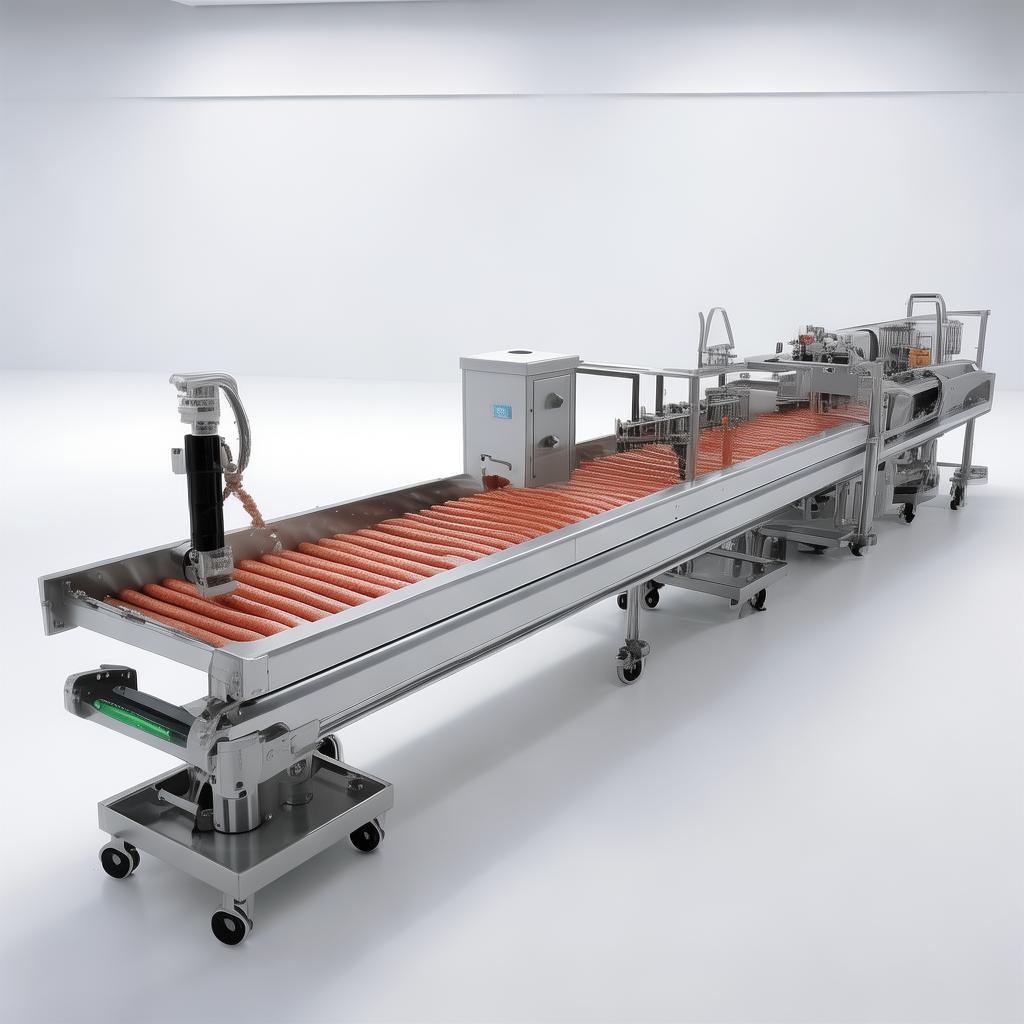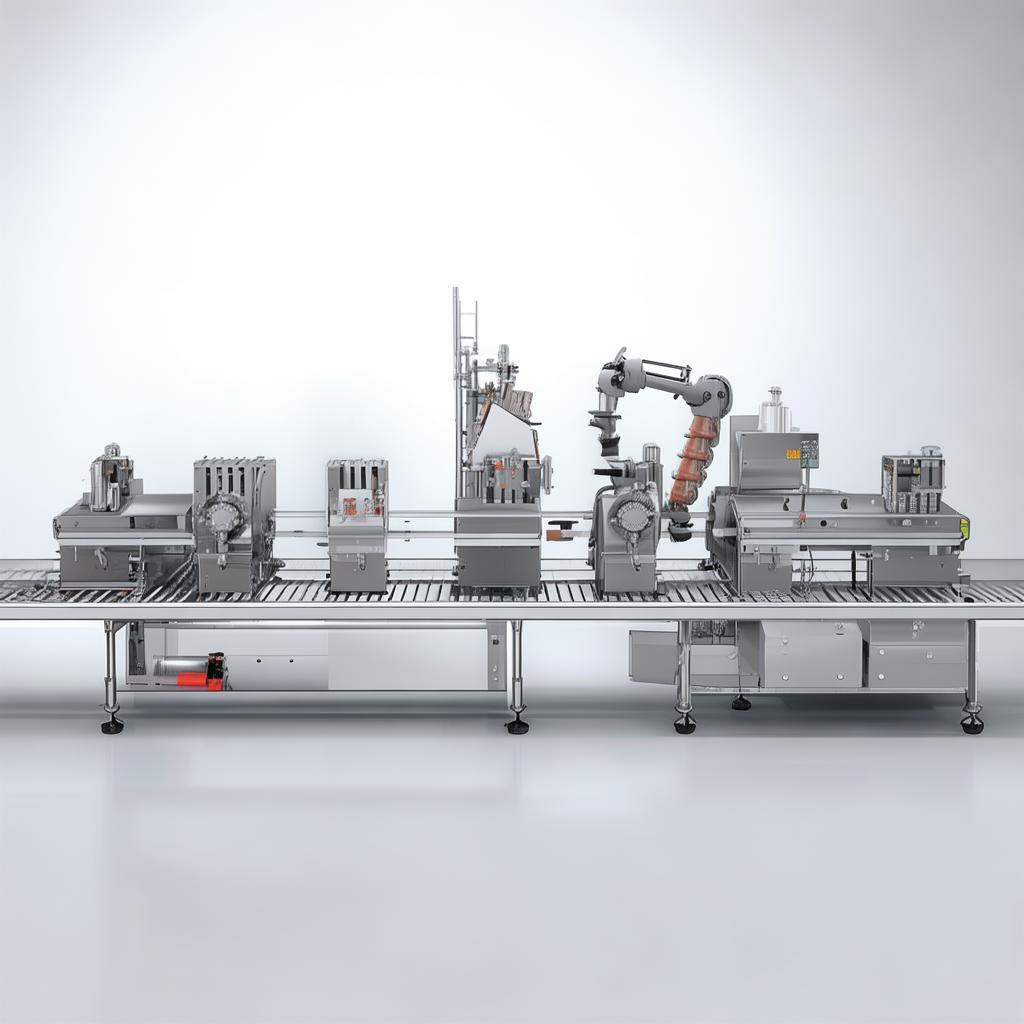
Vacuum Pump Separator
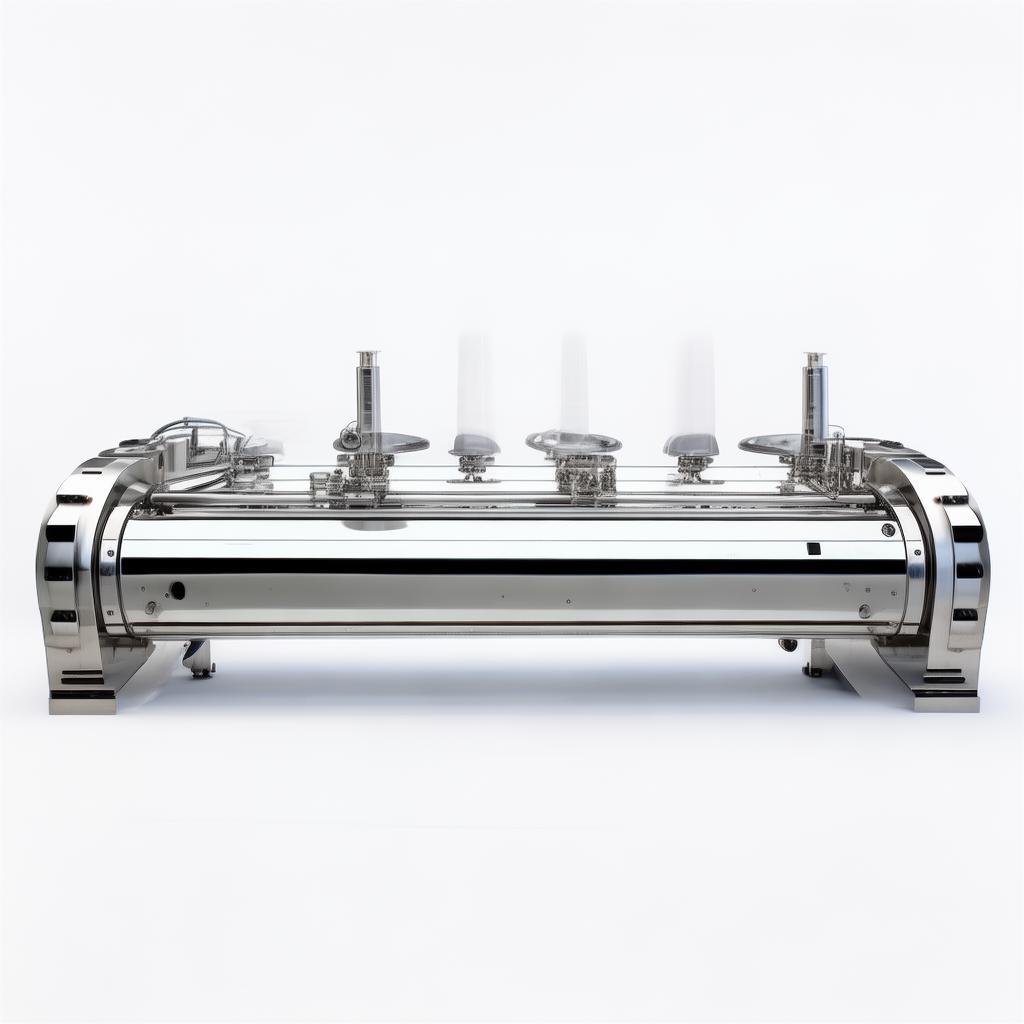
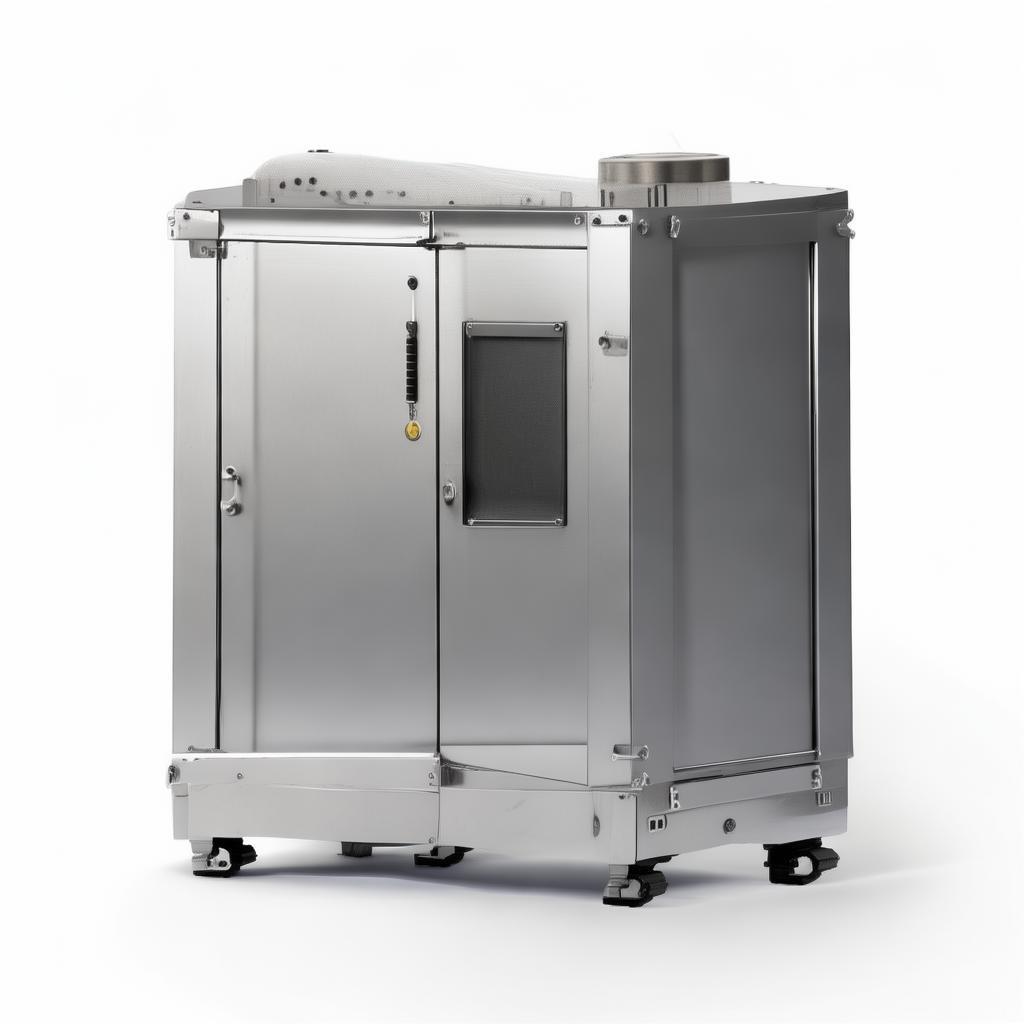
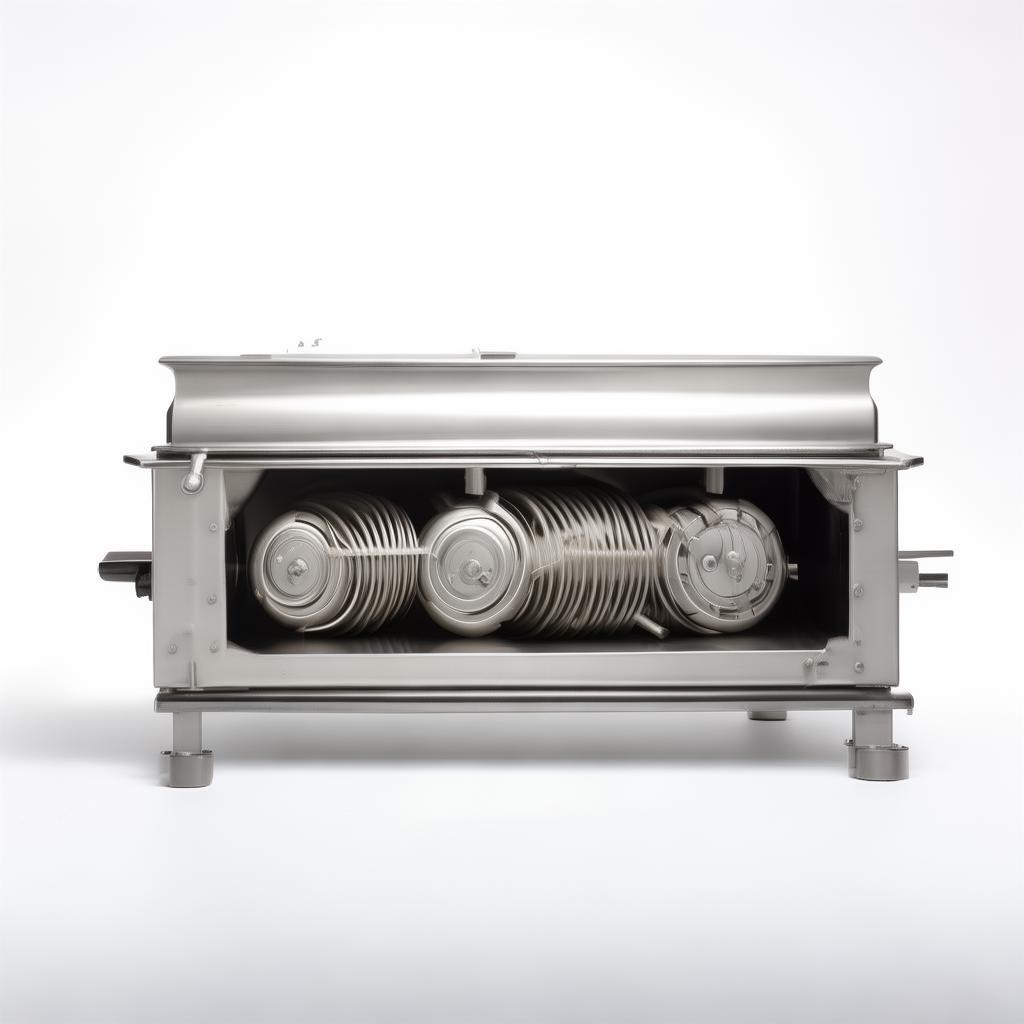
Vacuum Pump Separators: Ensuring Purity and Efficiency in Industrial Processes
By  David Chen, Senior Industrial Process Engineer
The Unseen Workhorses: Why Your Vacuum System Needs a Reliable Separator
In any industrial setting where vacuum technology plays a critical role, the efficiency and longevity of your equipment hinge on a crucial, often overlooked component: the vacuum pump separator. These devices are the unsung heroes, silently working to protect your valuable vacuum pumps from the very elements they're designed to remove. Think about it – your vacuum pump is pulling air, moisture, and sometimes even particulate matter from a process. Without a robust separation system in place, these contaminants are inevitably drawn into the pump itself. This isn't just an inconvenience; it's a direct pathway to accelerated wear, costly downtime, and compromised performance.
The implications of neglecting this vital component are far-reaching. For instance, in the food processing industry, where hygiene and product integrity are paramount, a failing vacuum pump separator can lead to cross-contamination, spoilage, and non-compliance with stringent food safety regulations. Imagine a scenario where vacuum sealing is critical for extending shelf life – if moisture or oils enter the pump, it can lead to inconsistent sealing, allowing air in and drastically reducing the effectiveness of the packaging. This directly impacts product quality and consumer trust.
Similarly, in chemical processing or pharmaceutical manufacturing, the introduction of corrosive elements or reactive vapors into a vacuum pump can have catastrophic consequences. Not only can it damage the pump's internal components, leading to premature failure, but it can also create hazardous conditions. The purity of a vacuum environment is often directly linked to the quality of the end product, whether it’s a precisely formulated pharmaceutical compound or a high-grade industrial chemical. A contaminated pump means a compromised vacuum, which translates into inconsistent process results and potentially unusable batches.
Even in seemingly less sensitive applications, like woodworking or material handling, the ingress of dust and debris into a vacuum pump can lead to overheating and mechanical stress. This translates into increased energy consumption as the pump struggles to maintain vacuum, along with a shortened operational lifespan. Regular maintenance might catch some of these issues, but prevention is always more cost-effective than cure. A well-designed vacuum pump separator acts as the first line of defense, significantly reducing the burden on the pump and the need for frequent, disruptive servicing.
The market for vacuum pump separators is diverse, reflecting the myriad applications they serve. From simple oil mist eliminators designed for rotary vane pumps to sophisticated multi-stage separation systems for large-scale industrial vacuum generators, the technology varies. Key considerations when selecting a separator include the type of vacuum pump you're using (e.g., rotary vane, dry screw, liquid ring), the nature of the contaminants being removed (e.g., oil, water, solvent vapors, solid particles), the required vacuum level, and the ambient operating conditions. Getting this selection right is not just about protecting equipment; it's about optimizing your entire process for efficiency, safety, and profitability.
At Hebei Yuanchang, we understand the intricate demands of modern industrial processing. With our roots deeply embedded in manufacturing and our eyes set on technological advancement, we’ve seen firsthand how critical seemingly small components can be. The meat processing industry, where we have decades of experience, provides a prime example. Maintaining vacuum for packaging, tenderizing, and molding processes requires absolute reliability. Contaminants like moisture, fat, and meat particulates can quickly foul vacuum systems if not effectively managed. This is precisely why a robust vacuum pump separator is indispensable.
This article aims to demystify the role of vacuum pump separators, explore the various types available, and guide you in selecting the optimal solution for your specific operational needs. We'll delve into the technical aspects, the material science involved, and the practical considerations that procurement managers and engineers must weigh. Ultimately, investing in the right vacuum pump separator is an investment in the resilience and productivity of your entire operation.
Common Pitfalls of Inadequate Vacuum Separation
Ignoring the need for effective vacuum pump separation is a costly oversight. Many operations find themselves grappling with recurring issues that, upon closer inspection, trace back to insufficient contaminant control within their vacuum systems. One of the most immediate problems is accelerated pump wear. Oil, water vapor, and particulates can erode internal pump components like vanes, rotors, and seals much faster than intended. This leads to reduced pumping speed and a less efficient vacuum over time.
Another significant consequence is increased energy consumption. As pump components wear, the pump has to work harder to achieve and maintain the desired vacuum level. This translates directly into higher electricity bills, a hidden operational cost that can add up substantially over months and years. It's a subtle drain on resources that a good separator can help mitigate.
Then there's the risk of process contamination. In sensitive industries like food, beverage, or pharmaceuticals, any backflow or carryover from a contaminated pump can ruin entire batches, leading to significant financial losses and damage to brand reputation. This is where our experience in meat processing shines; maintaining absolute hygiene is non-negotiable.
Frequent maintenance and unexpected downtime are also direct results of poor separation. Mechanics spend more time diagnosing pump issues, replacing worn parts, or cleaning out debris, leading to production stoppages that are far more expensive than the cost of a proper separator. This impacts production schedules and can strain client relationships.
Finally, consider the shortened lifespan of the vacuum pump itself. While pumps are designed for durability, exposing them to harsh conditions without adequate protection will inevitably lead to premature failure. The cost of replacing a high-capacity industrial vacuum pump is substantial, not to mention the associated installation and recalibration costs.
These are the operational realities we aim to prevent. By understanding these pain points, we can better appreciate the value a well-chosen vacuum pump separator brings to your plant floor.
Understanding the Mechanics: How Vacuum Pump Separators Function
At its core, a vacuum pump separator's job is to intercept and remove unwanted substances from the gas stream before they reach the vacuum pump's sensitive internal mechanisms. The specific method of separation can vary significantly depending on the type of separator and the nature of the contaminants, but the general principles involve manipulating the gas flow to isolate and collect these undesirable elements.
One common technique involves cyclonic separation. Here, the gas enters a chamber tangentially, causing it to spin rapidly. Centrifugal force throws heavier particles and liquid droplets outward, where they collect on the chamber walls and then drip down into a collection reservoir. This is particularly effective for removing larger particulate matter and bulk liquids.
For finer contaminants or oil mist, filtration is often employed. This can range from simple mesh screens to highly efficient coalescing filters made from specialized materials like sintered bronze, cellulose, or synthetic fibers. These filters physically trap particles and coalesce small liquid droplets into larger ones that can then be drained away. The efficiency of these filters is critical; a clogged filter can restrict gas flow, while a low-efficiency one won't adequately protect the pump.
In applications involving oil-lubricated pumps, oil mist eliminators are essential. These often use a series of stages, beginning with mechanical impingement and progressing to coalescing media. They work by causing the tiny oil droplets suspended in the exhaust gas to collide, merge, and grow large enough to be captured by gravity or a final filter element. The collected oil is then typically returned to the pump reservoir or collected separately.
For moisture and water vapor, especially in vacuum systems used for drying or moisture removal, specialized separators might incorporate condensation principles. These often feature cooling elements or large surface areas designed to lower the temperature of the gas, causing water vapor to condense into liquid water, which is then collected. In some advanced systems, desiccant materials might even be used to absorb residual moisture.
The collected contaminants need a place to go. Most separators include a collection vessel or reservoir. These often feature sight glasses for easy monitoring and drain valves (manual or automatic) for efficient removal of the separated substances. The design of this reservoir is important for preventing re-entrainment of contaminants back into the gas stream.
Understanding these fundamental separation mechanisms is key to selecting a unit that will effectively protect your vacuum pump and ensure process integrity. It’s about matching the technology to the problem.
Navigating the Options: Key Types of Vacuum Pump Separators
The landscape of vacuum pump separators is varied, with different designs optimized for specific pump types, operating conditions, and contaminant profiles. Choosing the right one isn't a one-size-fits-all decision; it requires understanding the nuances of each category.
- Oil Mist Eliminators: Primarily used with oil-lubricated pumps (like rotary vane pumps), these separators are designed to capture and often return the fine oil mist generated by the pump. They typically feature coalescing filter elements and can significantly reduce oil consumption and environmental emissions. Proper sizing is crucial to avoid restricting pump exhaust.
- Inlet Separators (Pre-Separators): These units are installed *before* the vacuum pump on the process side. Their main role is to remove larger particulate matter, liquids, or debris from the gas stream before it enters the pump. This is vital for protecting pumps in dusty environments or where significant liquid carryover is expected. They can take the form of simple knock-out pots or more complex cyclonic separators.
- Liquid Ring Pump Separators: Liquid ring vacuum pumps use a sealing liquid (often water). Separators for these systems are designed to remove contaminants from the sealing liquid or to separate any process gas that might be entrained. Efficient liquid/gas separation is key to maintaining consistent pump performance and preventing foaming.
- Dry Pump Exhaust Separators: For dry vacuum pumps (like screw or claw types), the exhaust stream might still contain heat or oil carryover from lubrication points. Exhaust separators manage these, ensuring clean air is released into the atmosphere and preventing contamination of downstream equipment.
- Multi-Stage Separation Systems: For highly demanding applications with complex contaminant mixes (e.g., aggressive chemicals, fine powders, high moisture), integrated systems combining cyclonic separation, filtration, and possibly condensation or chemical adsorption might be necessary. These offer the highest level of protection but come with increased complexity and cost.
When evaluating options, consider not just the primary function but also factors like pressure drop across the unit, ease of maintenance (e.g., filter replacement, draining), material compatibility with your process gases, and the capacity required to handle your peak vacuum flow rates. A separator that's too small will restrict flow; one that's oversized might be unnecessarily expensive.
Materials Matter: Durability and Chemical Resistance
The materials used in constructing a vacuum pump separator are paramount to its performance and lifespan, especially when dealing with corrosive or aggressive industrial environments. Selecting the wrong material can lead to premature failure, costly replacements, and potential process contamination from material degradation.
For the housing and primary components, stainless steel (e.g., 304, 316L) is a common and robust choice, offering excellent corrosion resistance for many applications. It's particularly suitable for food processing, pharmaceuticals, and general industrial use where hygiene is a concern. For extremely aggressive chemical environments, specialized alloys or even coated carbon steel might be considered, though these come at a higher cost.
The filtration and coalescing elements are where material science truly comes into play. Standard separators might use cellulose-based filter media, which are cost-effective for general-purpose use but can degrade in the presence of moisture or certain chemicals. For more demanding applications, synthetic media like polyester, polypropylene, or fiberglass offer better durability and resistance. Sintered bronze is a popular choice for its robust structure, allowing for good flow rates and mechanical strength, often used in heavier-duty oil mist eliminators.
Elastomers and seals (like O-rings and gaskets) also need careful consideration. Materials such as Buna-N (Nitrile) are suitable for general oil resistance but can swell with certain solvents. Viton® (FKM) offers superior chemical and temperature resistance, making it a better choice for harsher conditions. EPDM is good for water and steam applications but less resistant to oils and hydrocarbons. Understanding the chemical compatibility of all wetted parts is crucial.
At Hebei Yuanchang, our manufacturing expertise allows us to select and work with a range of materials suited to the diverse needs of our clients. We understand that in sectors like food processing, material compliance (e.g., FDA-approved materials) is as important as performance. Our in-house machining capabilities, including Japanese Mazak CNC centers, enable us to produce components with the precision required for effective sealing and durability, regardless of the material chosen.
When specifying your requirements, be explicit about the process fluids and operating temperatures. This ensures we can recommend a separator constructed from materials that will withstand your specific environment and provide long-term, reliable service.
Where They Shine: Applications Across Industries
The versatility of vacuum pump separators means they are integral to a vast array of industrial processes. Their primary function – protecting vacuum pumps and ensuring process purity – makes them indispensable wherever vacuum technology is employed.
- Food & Beverage Processing: This is a massive area. Vacuum is used extensively for packaging (vacuum sealing to extend shelf life), deaeration (removing air from liquids or solids to improve texture and prevent oxidation), and in processes like vacuum tumbling or massaging for meat tenderization and marination. Moisture, fats, and small food particulates are common contaminants, making effective separation critical. Our 40 years in meat processing equipment have shown us this firsthand.
- Pharmaceutical & Medical: In drug manufacturing, vacuum is used for drying powders, sterilization processes, and sterile filtration. Maintaining absolute purity is paramount. Separators must prevent any contamination from the pump and handle potentially sensitive or volatile compounds.
- Chemical Processing: Vacuum distillation, solvent recovery, and conveying of powders or liquids rely heavily on vacuum. Corrosive vapors, reactive gases, and abrasive solids are common challenges that require robust, chemically resistant separation solutions.
- Woodworking & Furniture Manufacturing: Vacuum clamping systems hold workpieces securely for machining and finishing. Dust and wood chips are the primary contaminants, and effective separation prevents them from damaging pumps and ensures consistent clamping pressure.
- Printing Industry: Vacuum tables are used to hold substrates flat during printing processes. Ink mist and solvents can be present, necessitating efficient separation to maintain pump performance.
- Plastics & Packaging: Vacuum forming of plastics and vacuum sealing of packaging materials are core applications. Moisture, plasticizers, and fine plastic particles need to be managed.
- Semiconductor Manufacturing: Ultra-high purity is essential. Vacuum systems are used in various stages, and separators must prevent even microscopic contamination.
The demands vary greatly. A food packaging application might prioritize ease of cleaning and FDA compliance, while a chemical plant might require high chemical resistance and robust filtration for abrasive particles. Understanding your specific process contaminants and vacuum requirements is the first step to identifying the right separation technology.
Technical Deep Dive: Key Specifications to Consider
Selecting the right vacuum pump separator goes beyond just identifying the application. A detailed look at technical specifications ensures the unit will perform optimally and reliably within your system. Don't get caught out by overlooking these critical parameters.
| Specification | Description & Importance |
|---|---|
| Flow Rate Capacity | Measured in CFM (cubic feet per minute) or m³/hr. Must match or exceed the vacuum pump's maximum flow rate to avoid starving the pump or causing excessive pressure drop. An undersized unit is a primary cause of premature pump failure. |
| Maximum Vacuum Level | The highest vacuum the separator can maintain without significant performance degradation. Needs to be compatible with your pump's ultimate vacuum capability. |
| Pressure Drop | The reduction in pressure as the gas passes through the separator. Lower is better, as excessive drop can reduce pump efficiency and performance. Specified typically in inches of water column (in. H2O) or mbar. |
| Filtration Efficiency | Often expressed as a Beta ratio (e.g., Beta 10 = 99% efficient at 10 microns) or percentage of particles removed at a specific size. Crucial for protecting pumps from fine particulates and aerosols. |
| Material Compatibility | Ensures all wetted parts (housing, seals, filter media) are resistant to the process gases and fluids. Incompatibility leads to rapid failure. |
| Operating Temperature Range | The ambient and process gas temperature limits within which the separator will function correctly and safely. |
| Connection Ports | Size and type (e.g., NPT, BSP, flange). Must be compatible with your existing piping. |
| Drain Type | Manual, automatic, or float-actuated. Affects maintenance frequency and efficiency of contaminant removal. Automatic drains are preferred for unattended operation. |
liquid separator for vacuum pump 2BE vacuum pump vacuum pumping
When discussing your needs with a supplier, be prepared to provide details on your vacuum pump model, its rated flow and vacuum, the nature of the substances being evacuated, and the operating environment. This allows for an informed recommendation. For example, if you're handling solvents, a standard cellulose filter won't suffice; you'll need materials resistant to chemical attack.
Installation & Maintenance: Practical Considerations
A high-quality vacuum pump separator is only as good as its installation and ongoing maintenance. Getting these aspects right ensures maximum performance and longevity, preventing issues before they arise.
Installation:
- Orientation: Most separators are designed to be installed in a specific orientation (often vertical) to allow for proper gravity drainage of collected liquids. Check the manufacturer's recommendations carefully. Incorrect installation can lead to pooling and re-entrainment.
- Connection: Ensure all pipe connections are clean and sealed properly using appropriate thread sealant or gaskets to prevent vacuum leaks. Leaks upstream of the pump can compromise vacuum performance and efficiency.
- Bypass Lines: For critical processes, consider installing a bypass line around the separator. This allows for continuous operation of the vacuum pump if the separator needs to be removed for maintenance or if a filter element requires replacement.
- Support: Larger separators may require additional support to prevent stress on the piping system. Ensure they are securely mounted.
Maintenance:
- Regular Draining: The collected liquid or debris must be removed regularly. If you have a manual drain, establish a schedule based on process observation. Automatic drains require periodic checks to ensure they are functioning correctly. Overfilling can lead to carryover into the pump.
- Filter Element Inspection/Replacement: If your separator uses filter elements, these will require periodic inspection and replacement. Signs of clogging include increased pressure drop, reduced vacuum performance, or a noticeable pressure differential across the element. Follow the manufacturer's recommended service intervals, but also monitor performance.
- Seal and Gasket Checks: Periodically inspect seals and gaskets for signs of wear, cracking, or chemical attack. Replacing a faulty seal is far less costly than repairing pump damage caused by leaks.
- Cleaning: The housing and internal components of the separator may require periodic cleaning, especially if processing sticky or viscous materials. Use appropriate cleaning agents that are compatible with the separator materials.
Proactive maintenance is key. A simple visual inspection and a few minutes of attention can save hours of costly downtime and prevent expensive repairs. Our extensive experience in manufacturing, particularly for the meat processing sector, reinforces the value of a well-maintained system. We design our products with ease of access for maintenance in mind.
Procurement Insights: What Buyers Need to Know
Sourcing industrial equipment like vacuum pump separators involves more than just comparing prices. As procurement professionals, your focus is on total cost of ownership, risk mitigation, and ensuring long-term operational reliability. Here are some points to consider when making your selection:
1. Understand Your True Requirements: Don't rely on generic specifications. Document your vacuum pump's exact model and performance curve, the specific contaminants you need to remove (composition, concentration, physical state), process flow rates, operating temperatures, and any relevant industry standards (e.g., FDA, ATEX). This detailed brief is essential.
2. Evaluate Supplier Expertise: Look for manufacturers or suppliers with a proven track record in your industry or with similar vacuum applications. Companies that understand the operational challenges, like Hebei Yuanchang with its 40 years in food processing machinery, can offer invaluable insights and customized solutions. Ask about their engineering support and after-sales service.
3. Prioritize Total Cost of Ownership (TCO): The cheapest unit upfront might not be the most economical in the long run. Consider:
- Initial purchase price
- Installation costs
- Frequency and cost of replacement parts (filters, seals)
- Maintenance labor
- Energy savings (from reduced pump strain)
- Cost of downtime if the separator fails
4. Check Certifications and Compliance: Depending on your industry, you may need certifications such as ISO, CE, or materials compliant with FDA, RoHS, or REACH standards. Verify these are current and relevant.
5. Inquire About Lead Times and Logistics: Understand the production lead time and shipping options. For critical replacements, a supplier with readily available stock or efficient global logistics can be a significant advantage. We can coordinate container loading efficiently to minimize transit times.
6. Ask About OEM/ODM Capabilities: If standard solutions don't quite fit, explore options for custom modifications or fully bespoke designs. This demonstrates a supplier's flexibility and technical depth. Our CNC machining capabilities allow us to produce non-standard, high-precision components.
7. Seek References and Case Studies: If possible, ask for references from similar companies or look for documented case studies that demonstrate the effectiveness of their products in real-world scenarios.
A strategic procurement approach minimizes risks and ensures you invest in a solution that truly enhances your operational efficiency and protects your valuable vacuum assets.
Our Manufacturing Edge: Hebei Yuanchang's Commitment
At Hebei Yuanchang Food Mechanism & Technology Co., Ltd., our 40 years of experience, dating back to 1986, have forged a deep understanding of industrial machinery and process optimization. While our primary focus has been on meat processing equipment, the core principles of robust design, precision manufacturing, and unwavering quality extend to every component we produce, including vacuum pump separators.
Our state-of-the-art facility, covering approximately 14,000 square meters and staffed by 80-100 dedicated professionals, integrates R&D, production, and sales. This vertical integration allows us complete control over the manufacturing process, from initial design to final quality checks.
Our in-house machining workshop is the backbone of our production capabilities. It is equipped with over 20 sets of advanced processing machinery, including:
- Lathes and milling machines
- High-precision grinding machines
- Boring machines
- Plate shears and bending machines
- Wire cutting equipment
Furthermore, since 2012, we have invested in 8 sets of Japanese Mazak CNC machining centers. This technology is pivotal, enabling us to produce high-standard components that demand large volumes, exceptional precision, and non-standard specifications. This capability is crucial for delivering vacuum pump separators that meet exact performance criteria, ensuring tight tolerances and superior sealing performance.

Our commitment extends beyond initial production. We maintain a traceable after-sales management system, giving you confidence in the long-term support for our products. This allows us to independently produce high-precision parts, ensuring worry-free after-sales service and minimizing potential disruptions to your operations.
Whether you require standard vacuum pump separators or need a custom-engineered solution, our extensive experience, advanced manufacturing infrastructure, and dedication to quality ensure you receive a product that enhances your operational efficiency and reliability.
What Our Clients Say
"We switched to their intake separator for our sausage line last year, and the difference has been substantial. Less oil mist in the vacuum filler, cleaner packaging, and the pump hasn't needed service since. Great product, very reliable."

Operations Manager, Premium Meats Co.
"We were having issues with moisture in our vacuum drying system for pharmaceutical ingredients. Their custom separator solution with a coalescing filter has completely resolved the problem. The support team was knowledgeable and helped us select the right configuration. Highly recommended for critical applications."

Process Engineer, PharmaInnovate Ltd.
"The oil mist eliminators on our rotary vane pumps have significantly reduced our oil consumption. Installation was straightforward, and the periodic draining is simple. It's a small investment that's paying dividends in reduced operating costs and a cleaner work environment."

Plant Supervisor, Precision Manufacturing Inc.
Frequently Asked Questions
Q: How often should I drain my vacuum pump separator?
This depends heavily on your process. For applications with significant liquid carryover, daily or even multiple daily drains might be necessary. For drier applications, weekly checks may suffice. Always refer to the manufacturer’s guidelines and monitor the collection level. Automatic drains help automate this process.
Q: Can I use a standard separator for a chemically aggressive process?
Generally, no. Standard materials like aluminum or certain plastics may not withstand aggressive chemicals. You will likely need a separator constructed from specific alloys (like Hastelloy) or stainless steel with chemically resistant seals (like Viton® or Kalrez®). Always specify your exact chemical environment when ordering.
Q: What is the difference between an inlet separator and an exhaust separator?
An inlet separator is installed on the process side, *before* the vacuum pump, to remove contaminants from the gas stream being evacuated. An exhaust separator (like an oil mist eliminator) is installed on the pump's outlet to capture oil or other substances released with the exhausted gas. They serve different, but equally important, protective functions.
Q: My vacuum pump seems to be losing efficiency. Could it be the separator?
Yes, it's possible. A clogged separator or filter element will create excessive back pressure, reducing the pump's overall efficiency and the achievable vacuum level. Also, if the separator is failing and allowing contaminants through, it can damage the pump internally, leading to performance degradation. Check the separator's pressure drop and filter condition.
Talk to Our Experts



See how our engineers can help optimize your vacuum system.
Ready to Protect Your Vacuum Pump and Boost Efficiency?
Don't let inadequate separation lead to costly downtime and performance issues. Hebei Yuanchang offers robust, reliable vacuum pump separators designed for demanding industrial environments.