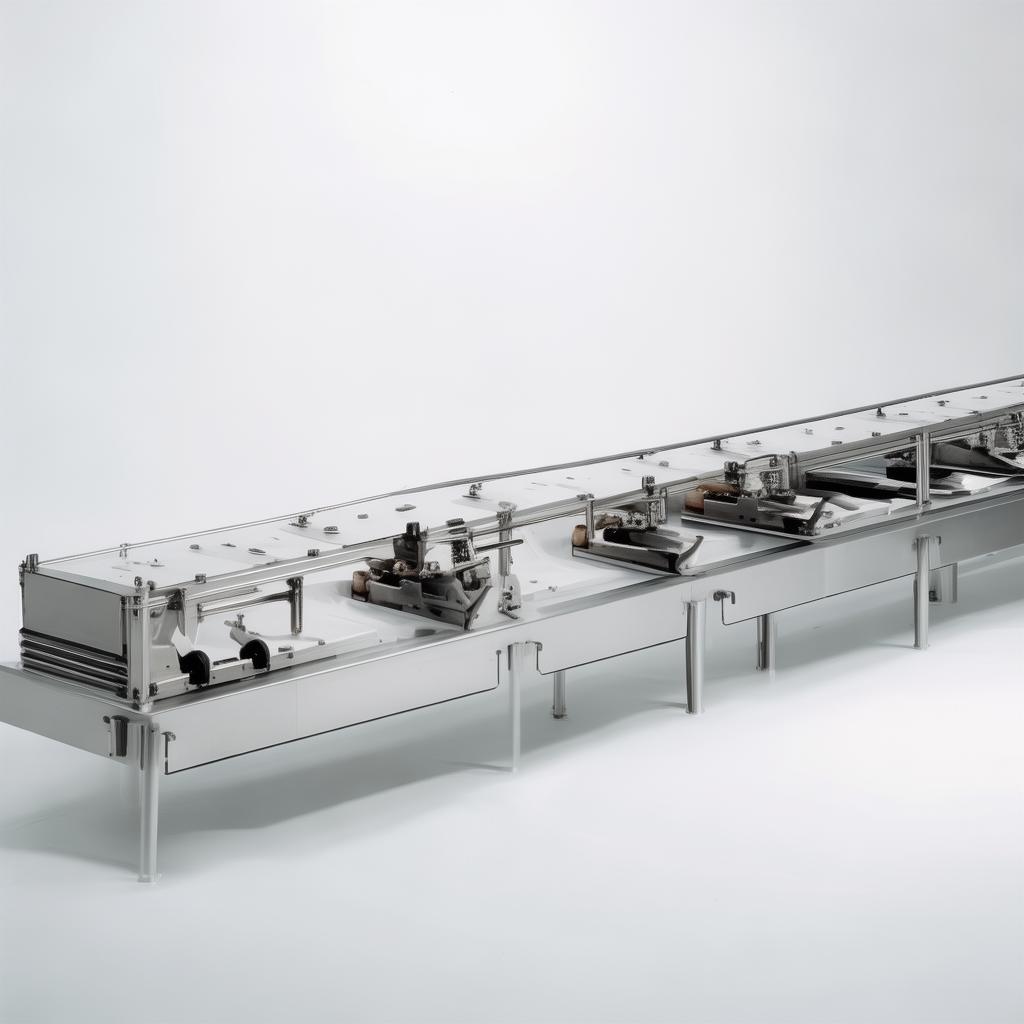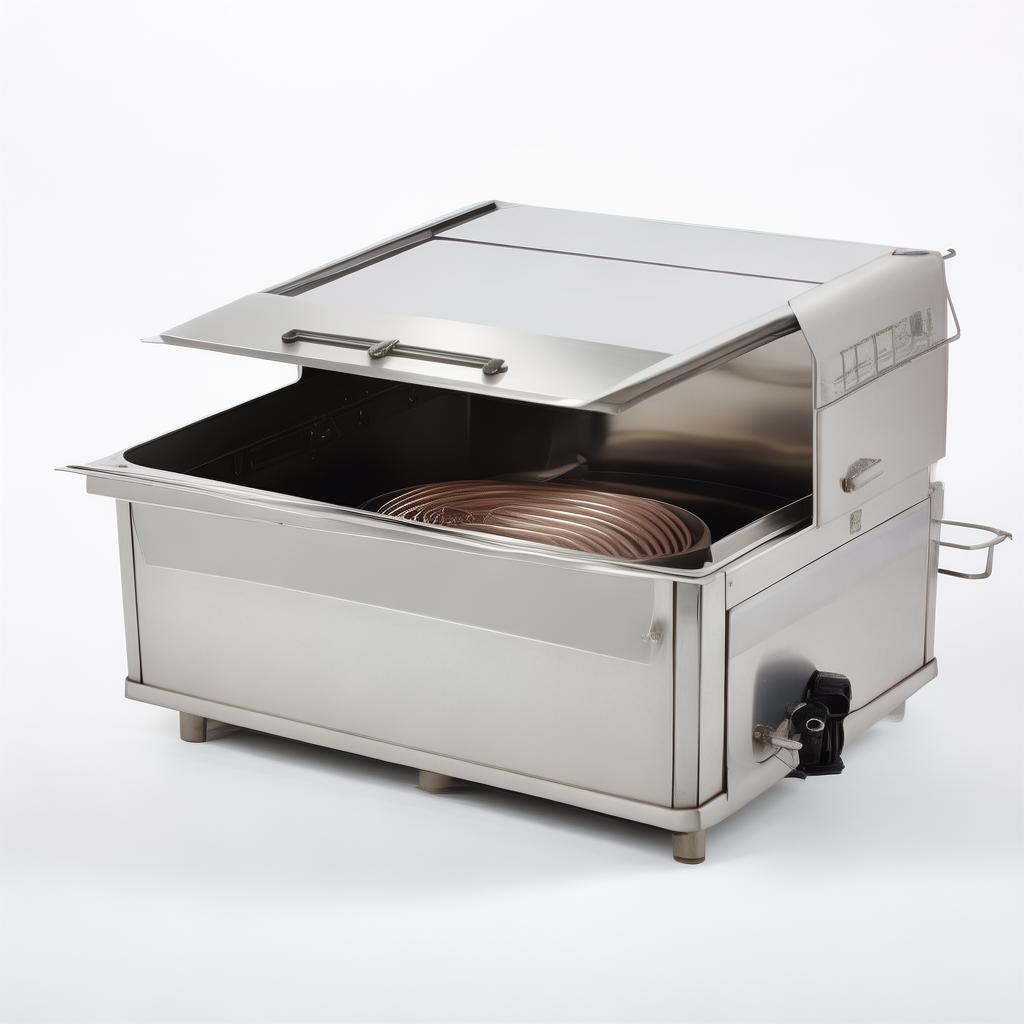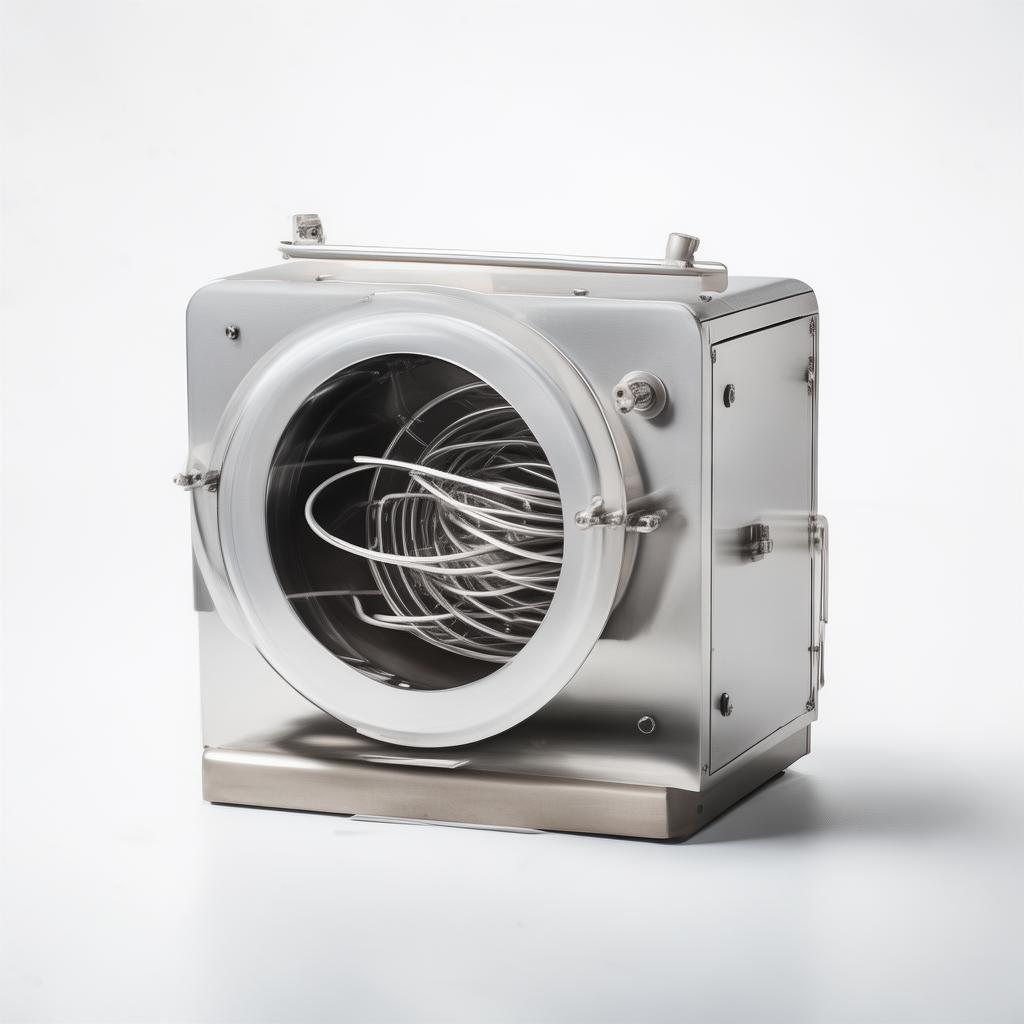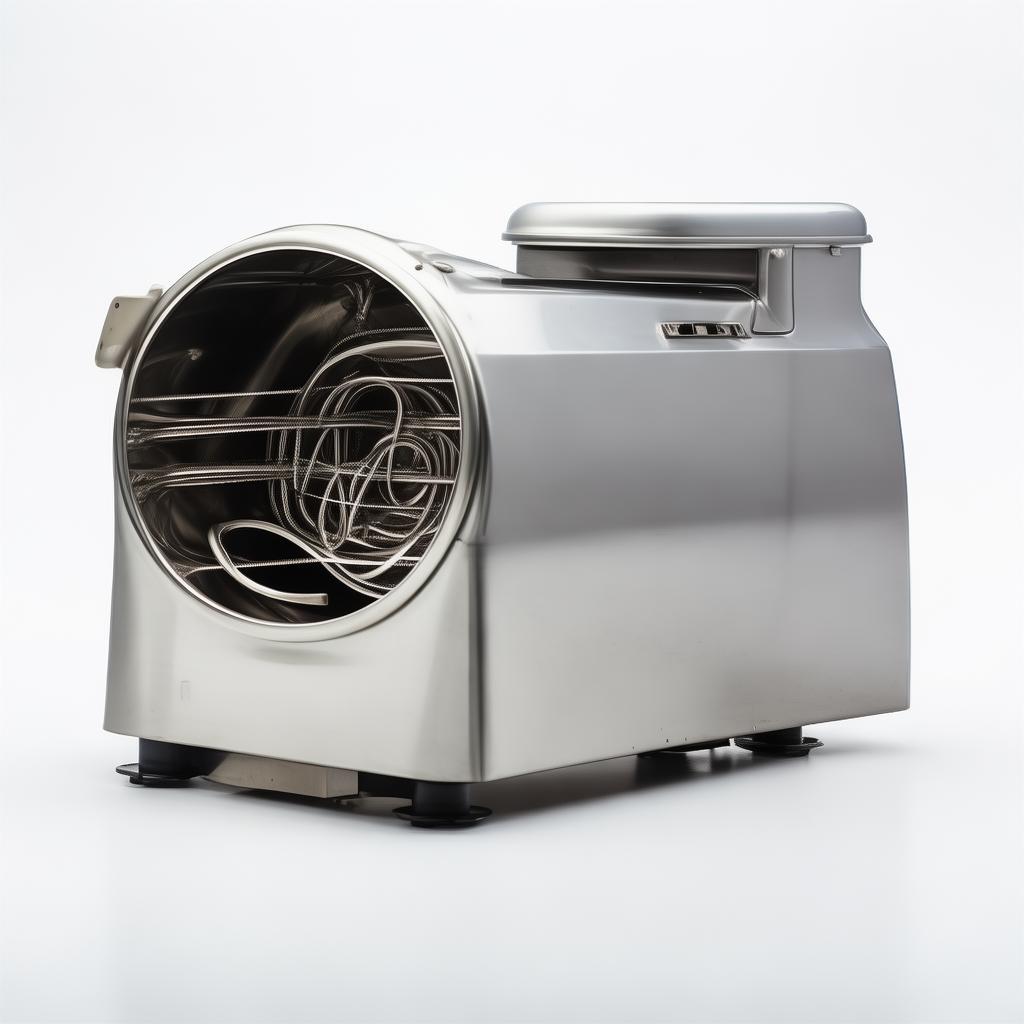
Vacuum Plate Dryer
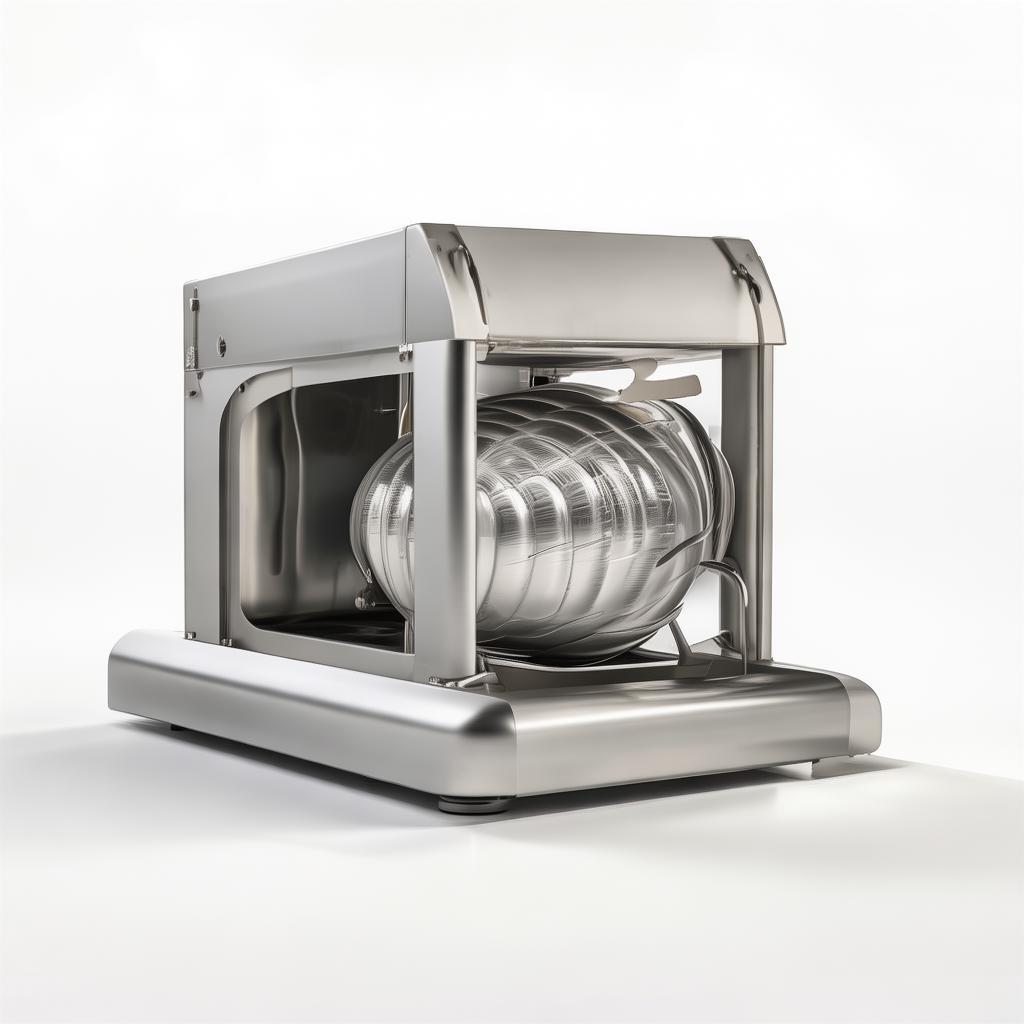
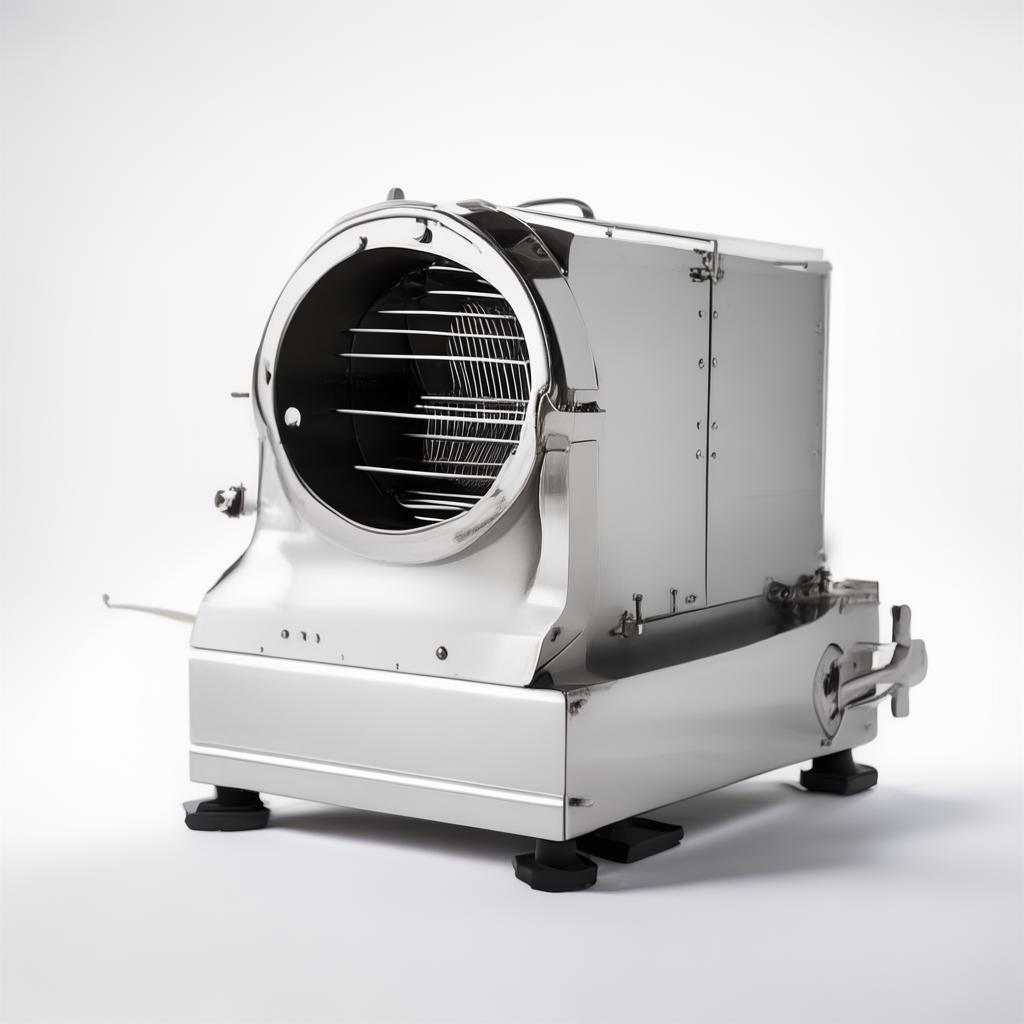
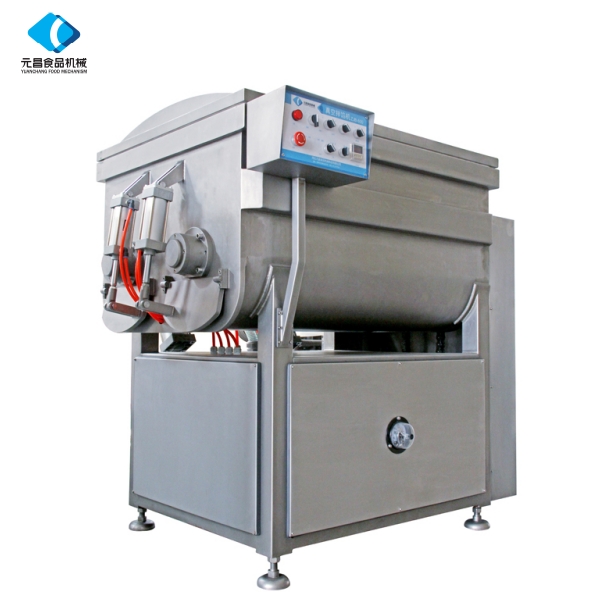
Vacuum Plate Dryer: The Next Evolution in Efficient Product Dehydration

October 26, 2023
Understanding the Vacuum Plate Dryer: Precision Dehydration for Demanding Industries
In today's competitive global manufacturing landscape, the efficiency, quality, and cost-effectiveness of every step in the production process are paramount. Drying, a fundamental unit operation across numerous sectors from pharmaceuticals and chemicals to food processing and advanced materials, is often a bottleneck. Traditional drying methods, while established, can suffer from long processing times, high energy consumption, potential product degradation due to heat, and inconsistent results. This is where the advanced vacuum plate dryer emerges as a superior solution, offering a controlled, low-temperature, and rapid dehydration environment that preserves product integrity while significantly boosting throughput.
The core principle behind a vacuum plate dryer is deceptively simple yet remarkably effective: reducing the pressure within a sealed chamber to significantly lower the boiling point of water or other solvents. This allows for efficient moisture removal at much lower temperatures than would be possible under atmospheric conditions. Coupled with precisely heated shelves that transfer thermal energy directly to the product, the vacuum plate dryer creates an ideal scenario for drying heat-sensitive materials, compounds that degrade easily, or products requiring extremely low residual moisture content. The controlled environment minimizes oxidation and prevents loss of volatile compounds, crucial for preserving the efficacy of active pharmaceutical ingredients (APIs), the delicate flavors of food products, or the structural integrity of specialty chemicals.
Looking at the broader market, the global meat processing equipment market, which often involves dehydration and ripening processes, was valued at approximately USD 11.28 billion in 2024 and is projected to reach USD 15.04 billion by 2030, indicating a strong trend towards sophisticated processing technologies. [Grand View Research]. While not directly a meat processing machine, the vacuum plate dryer is critical for many components or ingredients used in processed foods, including drying of extracts, starches, or specialty ingredients that require precise moisture control. The demand for processed meat itself is also growing robustly, with the global processed meat market expected to reach USD 1,330.45 billion by 2035, driving the need for highly efficient and reliable auxiliary processing equipment. [Precedence Research]. This signals an underlying need for advanced drying solutions that can keep pace with these expanding industries.
The sophistication of the vacuum plate dryer lies in its engineering. The chamber is designed for optimal vacuum integrity, ensuring minimal leakage and consistent pressure reduction. The heated plates are typically made from high-conductivity materials, engineered for uniform temperature distribution across the entire surface. Control systems range from basic thermostat and vacuum gauge setups to fully automated programmable logic controllers (PLCs) that manage temperature, vacuum levels, and drying cycles with high precision. This level of control is essential for achieving reproducible results batch after batch, a non-negotiable requirement in regulated industries like pharmaceuticals and high-value chemicals. Furthermore, the design often includes safety features such as pressure relief valves and interlocks to ensure safe operation, even under demanding vacuum conditions.
For procurement managers and operations directors, understanding the nuances of vacuum drying is key to making informed investment decisions. It’s not just about removing water; it’s about preserving value. The ability to dry sensitive materials at low temperatures means less product loss due to thermal decomposition, reduced risk of oxidation, and preservation of active properties. This translates directly into higher yields, superior product quality, and a stronger competitive advantage in markets where product differentiation is critical. The energy efficiency gains, while sometimes subtle, also contribute significantly to the total cost of ownership over the lifespan of the equipment. Given the market growth for processed foods and ingredients, which often require meticulous drying of components, the vacuum plate dryer is becoming an indispensable piece of equipment for manufacturers aiming for global quality standards.
This technology supports a wide array of applications, from drying bulk pharmaceutical intermediates and APIs where purity and stability are paramount, to dehydrating delicate food ingredients like herbs, spices, and fruit powders, where flavor and color retention are crucial. In the chemical sector, it's used for drying specialty powders, catalysts, and fine chemicals that might be reactive or thermally unstable. Even in research and development, pilot-scale vacuum plate dryers are vital for exploring new materials and processes. The operational simplicity, once parameters are established, makes it an attractive option for facilities looking to streamline their drying operations and move away from more labor-intensive or less controlled methods. Our experience shows that successful implementation often hinges on understanding the specific material properties and optimizing the drying cycle accordingly – a process where expert guidance is invaluable.
As we delve deeper, we will explore the specific advantages, technical considerations, and practical aspects of integrating a vacuum plate dryer into your operations. We’ll highlight why selecting the right model and supplier is crucial for long-term success and how this technology can become a strategic asset in your production chain, moving beyond a mere piece of machinery to a critical enabler of product quality and market competitiveness. The global food processing equipment market is projected to reach USD 17.39 billion by 2034, with segments like filling and massaging equipment seeing strong growth, underscoring the overall trend towards advanced food production technologies. [Fortune Business Insights]. This growth is intrinsically linked to the need for precise drying of various ingredients and components used in these expanded food processing lines.
The Hidden Costs of Inefficient Drying: Common Industry Pain Points
Many manufacturers grapple with the inherent limitations of conventional drying methods. One of the most significant issues is the requirement for high temperatures, often exceeding 100°C. This approach is fundamentally flawed when dealing with heat-sensitive materials. Pharmaceutical compounds can lose their potency or undergo chemical degradation, rendering them ineffective or even hazardous. Similarly, food ingredients can suffer significant losses of flavor, aroma, color, and essential nutrients, drastically impacting final product quality and consumer acceptance. This isn't just an academic concern; it directly affects batch yields and market value.
Another pervasive problem is the prolonged drying time. Tray dryers, for instance, can require many hours, sometimes days, to achieve the desired moisture content, especially for bulkier materials. This inefficiency creates a significant bottleneck in the production line, reducing overall throughput and increasing lead times. Long cycle times also tie up valuable production space and labor, driving up operational costs. In a fast-paced market, any delay can mean missed opportunities or falling behind competitors.
Energy consumption is another critical factor. Traditional dryers, particularly those operating at high temperatures or with inefficient airflow, are notorious energy hogs. The cost of electricity or fuel required to evaporate moisture can become a substantial portion of the production cost, eroding profit margins. This is especially true in regions where energy prices are high or volatile. Furthermore, many older drying systems are not designed for optimal energy recovery, meaning a significant amount of heat is lost to the atmosphere.
Product consistency is also frequently compromised. Non-uniform heat distribution or airflow in conventional dryers leads to uneven drying. Some parts of the product might be over-dried and brittle, while others remain too moist, leading to spoilage or inconsistent performance. This variability necessitates additional quality control measures, re-processing, or even product rejection, all of which add to costs and reduce overall efficiency. Achieving tight moisture specifications becomes a constant challenge.
Oxidation and contamination risks are also present. Exposure to ambient air at elevated temperatures can accelerate the oxidation of delicate compounds, altering their chemical structure and properties. For products requiring high purity, such as pharmaceuticals or sensitive food ingredients, the risk of airborne contamination during extended drying cycles is a serious concern, often requiring complex filtration systems or cleanroom environments that add further complexity and cost.
Finally, many traditional drying methods involve extensive manual handling. Loading and unloading trays, for example, can be labor-intensive and ergonomically challenging, increasing the risk of worker injury and product contamination. This is particularly relevant in industries with high labor turnover or in regions facing labor shortages. The operational complexity and potential for human error also contribute to variability in the final product.
The Vacuum Plate Dryer Advantage: A Superior Approach to Dehydration
The vacuum plate dryer directly addresses these challenges by fundamentally altering the drying environment. By operating under vacuum, the boiling point of water is dramatically reduced. This allows for efficient moisture removal at low temperatures, often ranging from 30°C to 70°C. This low-temperature drying is crucial for preserving the integrity of heat-sensitive materials. Pharmaceuticals retain their efficacy, delicate food flavors and aromas are maintained, and active ingredients remain stable.
The sealed vacuum chamber, combined with direct heat transfer from the plate shelves, ensures rapid and uniform drying. The vacuum helps to draw moisture away from the product core, while the heated plates provide efficient thermal energy. This dual action significantly shortens drying times compared to atmospheric methods, often by as much as 50-70%. Shorter cycles mean higher throughput, reduced bottlenecks, and a faster return on investment.
Energy efficiency is another significant benefit. Because the boiling point is lowered, less thermal energy is required to drive off moisture. The sealed chamber also minimizes heat loss to the surroundings. This translates into substantial energy savings over the equipment's lifespan, contributing to a lower operating cost and a smaller environmental footprint. For instance, reducing drying times by half directly cuts energy consumption for that process step by a similar proportion, assuming equivalent energy input per unit of time.
Product consistency is a hallmark of vacuum plate drying. The uniform heat distribution across the plates and the consistent vacuum environment ensure that the product dries evenly. This minimizes variations between batches and within a single batch, leading to higher quality and more reliable product performance. Meeting stringent moisture content specifications becomes achievable and repeatable. The market for processed meat, driving demand for sophisticated equipment, is growing significantly, with projections reaching USD 15.44 billion by 2035 at a CAGR of 5.6%. [Market Research Future]. While this report focuses on meat processing, the need for precise drying of ingredients used in processed foods is directly supported by technologies like the vacuum plate dryer.
The contained environment of a vacuum plate dryer offers superior protection against oxidation and contamination. By isolating the product from ambient air, the risk of oxidative degradation is minimized. The vacuum itself helps to create a barrier against external contaminants, making it an ideal choice for high-purity applications. This is a critical advantage for pharmaceutical manufacturers adhering to strict GMP guidelines or food producers focused on absolute purity.
Finally, vacuum plate dryers often allow for automated loading and unloading systems, or simpler manual handling due to more accessible shelf designs, reducing labor requirements and the risk of ergonomic injuries. This aligns with industry trends towards automation and improved workplace safety, contributing to a more streamlined and cost-effective operation. The ability to integrate these dryers into automated production lines further enhances their appeal for modern manufacturing facilities.
Key Advantages of Vacuum Plate Dryers for Industrial Applications
- Preservation of Heat-Sensitive Materials: Drying at significantly reduced temperatures preserves the chemical integrity, biological activity, and delicate flavors of pharmaceutical ingredients, APIs, food products, and specialty chemicals.
- Reduced Drying Times: The combined effect of vacuum and direct heat transfer accelerates moisture removal, cutting cycle times dramatically and increasing production capacity.
- Enhanced Energy Efficiency: Lower operating temperatures and minimized heat loss result in substantial energy savings compared to conventional atmospheric dryers.
- Improved Product Quality and Consistency: Uniform drying leads to homogenous moisture content, preserving color, aroma, texture, and preventing degradation or spoilage.
- Minimized Oxidation and Contamination: The sealed, low-oxygen environment protects sensitive materials from degradation and external contaminants.
- Versatility: Suitable for a wide range of products, including powders, granules, pastes, and even some liquids, in various industries.
- Ease of Operation and Automation: Modern designs offer intuitive controls and can be integrated into automated production lines, reducing labor and human error.
- Solvent Recovery Potential: In some applications, the vacuum system can be configured to condense and recover valuable solvents, adding further economic benefits.
Technical Deep Dive: Understanding the Specifications
Selecting the right vacuum plate dryer requires a thorough understanding of its technical specifications. These parameters dictate the unit's performance, suitability for specific materials, and overall capacity. As an expert engineer, I always emphasize these critical points:
| Specification | Details & Considerations |
|---|---|
| Drying Chamber Material | Typically constructed from high-grade stainless steel (e.g., SS304, SS316L) for corrosion resistance and ease of cleaning. Compliance with GMP or food-grade standards is essential for relevant industries. |
| Heating Plate Material & Design | High-conductivity aluminum alloy or stainless steel. Ensure uniform heating channels and surface finish for efficient thermal transfer and easy product removal. |
| Operating Temperature Range | Typically from ambient to 150°C (or higher for specialized models). Precision control is key; +/- 1-2°C is common for high-end units. |
| Vacuum Level Capability | Ranges from rough vacuum (~100 mbar) down to high vacuum (<1 mbar). The required vacuum depends on the material's vapor pressure and desired drying temperature. A reliable vacuum pump and tight seals are critical. |
| Number and Spacing of Plates | Determines the drying capacity. Plate spacing must accommodate the product's expanded volume when dried. Higher plate density allows for more product per batch. |
| Control System | Options range from basic mechanical thermostats and vacuum gauges to advanced PLC-based systems with programmable cycles, data logging, and remote monitoring capabilities. |
| Safety Features | Pressure relief valves, door interlocks, overheat protection, emergency stop buttons are standard. ATEX-certified models are available for hazardous environments. |
| Condenser (Optional) | For solvent recovery or to prevent moisture from reaching the vacuum pump. Capacity and efficiency are key considerations. |
| Footprint and Power Requirements | Essential for site planning. Ensure your facility can accommodate the physical dimensions and has the necessary electrical infrastructure. |
vacuum dryer vacuum tray dryer conical vacuum dryer
When specifying a unit, consider not just the standard model but also options like explosion-proof designs (for flammable solvents or dusts), CIP (Clean-In-Place) capabilities for pharmaceutical applications, or specialized tray designs. The market for meat processing equipment, including auxiliary items, is robust, with many segments projected for strong growth. For example, the market was valued at USD 11.29 billion in 2025 and is expected to reach USD 17.39 billion by 2034 [Fortune Business Insights]. This indicates a broader industrial trend towards adopting advanced machinery, and understanding the technical specifications of vacuum plate dryers is crucial for any manufacturer looking to enhance their processing capabilities.
Versatile Applications: Where Vacuum Plate Dryers Excel
The unique capabilities of vacuum plate dryers make them indispensable across a wide spectrum of industries. Their ability to handle delicate, heat-sensitive, or high-value materials reliably is a key differentiator.
Pharmaceuticals & APIs
Drying of active pharmaceutical ingredients (APIs), intermediates, antibiotics, enzymes, and sterile powders. Low-temperature drying preserves potency and prevents degradation, meeting stringent GMP requirements.
Food & Beverage
Dehydration of sensitive food ingredients such as fruit powders, vegetable powders, herbs, spices, coffee extracts, tea leaves, and dairy products. Essential for preserving flavor, color, aroma, and nutritional value.
Chemical Industry
Drying of specialty chemicals, fine chemicals, catalysts, polymers, pigments, and intermediates that are sensitive to heat or oxidation. Useful for solvent recovery applications.
Biotechnology
Drying of biological samples, cultured cells, diagnostic reagents, and other bio-based materials where maintaining structural integrity and activity is critical.
Research & Development
Pilot-scale units are invaluable for process development, material testing, and small-batch production of novel compounds and formulations. Enables exploration of new drying parameters.
The demand for processed meats and related ingredients, which often require specialized drying techniques for certain components, is driving innovation across the food processing sector. The global meat processing equipment market is expected to grow substantially, with multiple reports projecting market values around USD 15-19 billion by 2033-2035, at CAGRs between 4.8% and 7.7% [ResearchAndMarkets]. This growth underscores the need for advanced technologies that ensure product quality and safety, where vacuum plate dryers play a crucial supporting role.
Installation and Operational Considerations: Getting Started
Proper installation and setup are critical for maximizing the performance and longevity of your vacuum plate dryer. It’s not just plug-and-play; a bit of planning goes a long way.
- Site Preparation: Ensure a clean, dry, and well-ventilated area with sufficient space for operation, maintenance access, and potential future expansion. The floor should be level and capable of supporting the equipment's weight.
- Electrical & Vacuum Systems: Verify that the facility's power supply meets the dryer's specifications. A reliable vacuum source (either built-in pump or connection to a central vacuum system) is essential, along with appropriate piping and filtration to protect the pump.
- Condenser Setup (if applicable): If solvent recovery or pump protection is required, the condenser must be properly plumbed for coolant circulation and condensate collection.
- Initial Commissioning: A thorough pre-operational check, including leak testing of the vacuum chamber, functional testing of heating and control systems, and initial calibration, should be performed by qualified technicians.
- Operator Training: It is imperative that all personnel operating the equipment receive comprehensive training on its functions, safety procedures, loading/unloading protocols, and basic troubleshooting. Understanding the material's behavior under vacuum is key.
- Ventilation: Ensure adequate ventilation around the unit to dissipate any heat generated and to handle potential off-gases safely.
Many manufacturers overlook the importance of integrating the vacuum source and potentially a condenser system. For instance, if you are drying with flammable solvents, ATEX-rated vacuum pumps and explosion-proof electrical components are not optional – they are regulatory necessities. The market reports consistently highlight automation and safety standards as key drivers in the broader processing equipment landscape [GM Insights], and these principles extend directly to the installation and operational safety of vacuum drying equipment.
Routine Maintenance: Ensuring Longevity and Performance
Regular maintenance is not an expense; it's an investment in the reliable performance and extended lifespan of your vacuum plate dryer. Neglecting it can lead to costly downtime and premature component failure.
Daily/Per Batch Checks
Inspect door seals for damage or debris. Clean trays and chamber surfaces. Verify vacuum gauge readings and temperature stability.
Weekly/Monthly Checks
Check vacuum pump oil levels and condition. Inspect all hoses and electrical connections for wear or damage. Clean condenser coils if applicable.
Quarterly/Annual Service
Full vacuum leak test. Calibration of temperature and vacuum sensors. Lubrication of moving parts. Replacement of pump oil and filters. Inspection of heating elements.
We recommend keeping a detailed maintenance log. For specific tasks, especially those involving electrical systems or vacuum pumps, always refer to the manufacturer's manual. For advanced units with PLC controls, periodic software checks or updates might be necessary. Proper maintenance ensures that your dryer continues to meet the high standards of industries like pharmaceuticals and fine chemicals, where consistent quality is non-negotiable.
Procurement Guide: Making the Right Choice
Purchasing a vacuum plate dryer is a significant investment. As a procurement professional, your focus will be on ROI, reliability, and compliance. Here's what to consider:
- Define Your Needs Precisely: What materials will you be drying? What are your target moisture content levels? What is your required throughput? What are your critical quality parameters (e.g., color, potency)?
- Understand Material Properties: Delicate, sticky, or abrasive materials may require specific tray coatings or chamber designs. Heat sensitivity dictates the necessary temperature range and vacuum level.
- Scale of Operation: Are you looking for a small lab unit, a pilot-scale dryer, or a large industrial production system? Capacity requirements will drive the choice of size and number of plates.
- Compliance and Certifications: For pharmaceutical, food, or medical device applications, ensure the dryer meets relevant standards (e.g., GMP, FDA, CE, ATEX).
- Automation and Control: Do you need simple manual controls, or sophisticated programmable cycles with data logging for regulatory compliance and process optimization?
- Service and Support: What level of after-sales service, spare parts availability, and technical support does the supplier offer? This is crucial for minimizing downtime.
- Total Cost of Ownership (TCO): Look beyond the initial purchase price. Consider energy consumption, maintenance costs, spare parts, and potential downtime.
The global processed meat market, projected to reach USD 1,330.45 billion by 2035 [Precedence Research], highlights the increasing demand for sophisticated food processing. This translates to a growing need for precise auxiliary equipment like vacuum dryers, even if they aren't directly processing the meat itself but rather ingredients or components. A thorough needs assessment is the first step to ensuring you select a dryer that aligns with your overall production strategy and delivers tangible ROI.
Evaluating Your Vacuum Plate Dryer Supplier: Beyond the Price Tag
Choosing the right supplier is as important as choosing the right equipment. A good supplier acts as a partner, offering not just a product but also expertise and support.
- Experience and Specialization: Does the supplier have a proven track record specifically with vacuum plate dryers? Do they understand your industry's unique requirements (e.g., pharmaceutical validation, food safety)?
- Technical Expertise: Can their sales engineers discuss material properties and drying parameters in detail? Do they offer process consultation?
- Manufacturing Capabilities: Where and how are the dryers manufactured? Do they have in-house machining for precision components? Our facility, for example, uses over 20 sets of processing machinery, including Japanese Mazak CNC centers, ensuring high-precision parts.
- Quality Control: What quality assurance measures are in place during manufacturing and before shipment?
- After-Sales Support: What is their warranty policy? How accessible are spare parts? Do they offer installation assistance or commissioning services? What is their response time for technical inquiries or service requests?
- References and Case Studies: Can they provide references from clients in similar industries or applications?
- Customization Options: Can they modify standard designs to meet specific needs, or do they offer fully custom solutions?
We understand the criticality of reliable equipment. With 40 years of experience since 1986, Hebei Yuanchang Food Mechanism & Technology Co., Ltd. has honed its manufacturing processes. Our 14,000 sqm facility and 80-100 employees are dedicated to producing high-quality machinery. We pride ourselves on our in-house machining capabilities, which allow us to control the precision and quality of every component, ensuring the reliability and longevity of our equipment.
"When we were looking for a vacuum plate dryer for our API drying, we needed a supplier who understood validation requirements. The team at Hebei Yuanchang not only provided a robust machine but also detailed documentation that significantly eased our qualification process. Their commitment to quality control was evident in the build."
- Michael Chen, Senior Procurement Manager, Pharma Innovations Ltd.
Industry Certifications and Compliance
For many applications, particularly in the pharmaceutical and food sectors, certifications are not just desirable—they are mandatory. We ensure our vacuum plate dryers can meet stringent international standards.

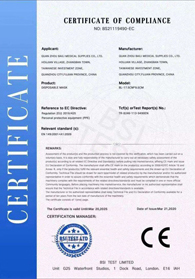


Our vacuum plate dryers can be manufactured to comply with:
- ISO 9001: For quality management systems in manufacturing.
- CE Marking: Indicating conformity with health, safety, and environmental protection standards for products sold within the European Economic Area (EEA).
- RoHS Compliance: Restricting the use of specific hazardous materials found in electrical and electronic products.
- FDA Compliance: For equipment used in food and pharmaceutical processing in the United States.
- ATEX Directives: For equipment intended for use in potentially explosive atmospheres.
Our Manufacturing Strength: Precision, Experience, Scale
At Hebei Yuanchang Food Mechanism & Technology Co., Ltd., we combine decades of manufacturing experience with modern technological capabilities to deliver exceptional industrial equipment, including our vacuum plate dryers.
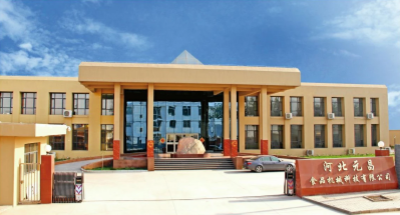 Our state-of-the-art machining workshop.
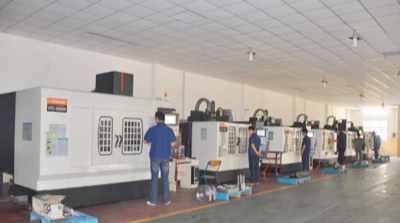 Japanese Mazak CNC machining centers for high precision.
Our facility spans approximately 14,000 square meters and houses a dedicated team of 80-100 skilled professionals. Since our inception in 1986, we have accumulated invaluable expertise in complete production line design and manufacturing. Our in-house machining workshop is equipped with over 20 sets of advanced processing machinery, including:
- Lathes and Milling Machines
- High-Precision Grinding Machines
- Boring Machines
- Plate Shears and Bending Machines
- Wire Cutting Equipment
Significantly, in 2012, we invested in 8 sets of Japanese Mazak CNC machining centers. This allows us to produce high-standard, complex components requiring exceptional precision, large volumes, and non-standard specifications. This internal capability is critical for ensuring the quality and consistency of our vacuum plate dryers, providing clients with the confidence of receiving robust, reliable equipment designed for demanding industrial environments. Coupled with our traceable after-sales management system, this independent production capability ensures peace of mind for our international clientele.
What Our Clients Say: Real-World Experiences

Operations Manager, NovaChem Ltd.
"We implemented their vacuum plate dryer for our specialty chemical catalyst drying. The low-temperature capabilities were essential to maintain catalyst activity. Cycle times are significantly reduced, and the final product moisture is consistently below 0.5%. The support during installation was professional and efficient."

R&D Lead, BioTech Solutions
"The vacuum plate dryer from Yuanchang has been a game-changer for our pilot plant. Drying our sensitive biological extracts at such low temperatures preserves crucial compounds that would be lost in conventional methods. We've achieved impressive results in terms of yield and purity."

Food Ingredient Specialist
"We use the dryer for fruit powders. The color retention is outstanding, and the final product has a consistent texture. It’s easy to operate, and the cleaning process is straightforward, which is vital for our food-grade facility. The export process was handled smoothly by their team."
Frequently Asked Questions About Vacuum Plate Dryers
Q1: What is the typical vacuum level achievable by these dryers?
Our standard vacuum plate dryers can achieve vacuum levels down to 1-10 mbar. For applications requiring even higher vacuum, custom configurations are available. This vacuum level is crucial for lowering the boiling point of water and other solvents, enabling low-temperature drying.
Q2: Can these dryers be used for materials that are sticky or paste-like?
Yes, they are suitable for sticky materials and pastes. The heated plate surface can be coated with non-stick materials, and specialized scrapers or tray designs can aid in product discharge. It is always best to consult with our technical team regarding specific material properties.
Q3: What is the energy efficiency like compared to other drying methods?
Vacuum plate dryers are generally much more energy-efficient than atmospheric dryers, especially for heat-sensitive products. The lower operating temperature and efficient heat transfer minimize energy consumption per kilogram of moisture removed. Reduced drying times also contribute to overall energy savings.
Q4: Do you offer custom-built vacuum plate dryers?
Absolutely. While we offer standard models, we specialize in tailoring equipment to meet specific client needs. This includes custom sizes, specific materials of construction, advanced control systems, and specialized features for unique applications. Our 40 years of experience, combined with advanced CNC machining, allows for high-precision custom manufacturing.
Q5: What is the typical lead time for a vacuum plate dryer?
Lead times can vary depending on the model's complexity and customization. Standard units may range from 8-12 weeks, while highly customized or larger industrial systems could take 16-24 weeks or more. We provide accurate lead time estimates upon receiving detailed order specifications.
Q6: How important is solvent recovery?
For applications involving valuable or hazardous solvents, solvent recovery is critical. It reduces operational costs by reclaiming solvents and minimizes environmental impact by preventing their release into the atmosphere. Our vacuum systems can be equipped with efficient condensers to facilitate this recovery. The global market for processing equipment is driven by efficiency and environmental concerns, making solvent recovery a key consideration.
Ready to Elevate Your Drying Process?
Invest in precision, efficiency, and superior product quality with a vacuum plate dryer tailored for your needs. Let our 40 years of manufacturing experience and commitment to quality work for you.
Contact us: +86 15830991513 | ycmeatmech@gmail.com
Address: Shijiazhuang, Hebei Province, China | Visit: ycmeatmech.com