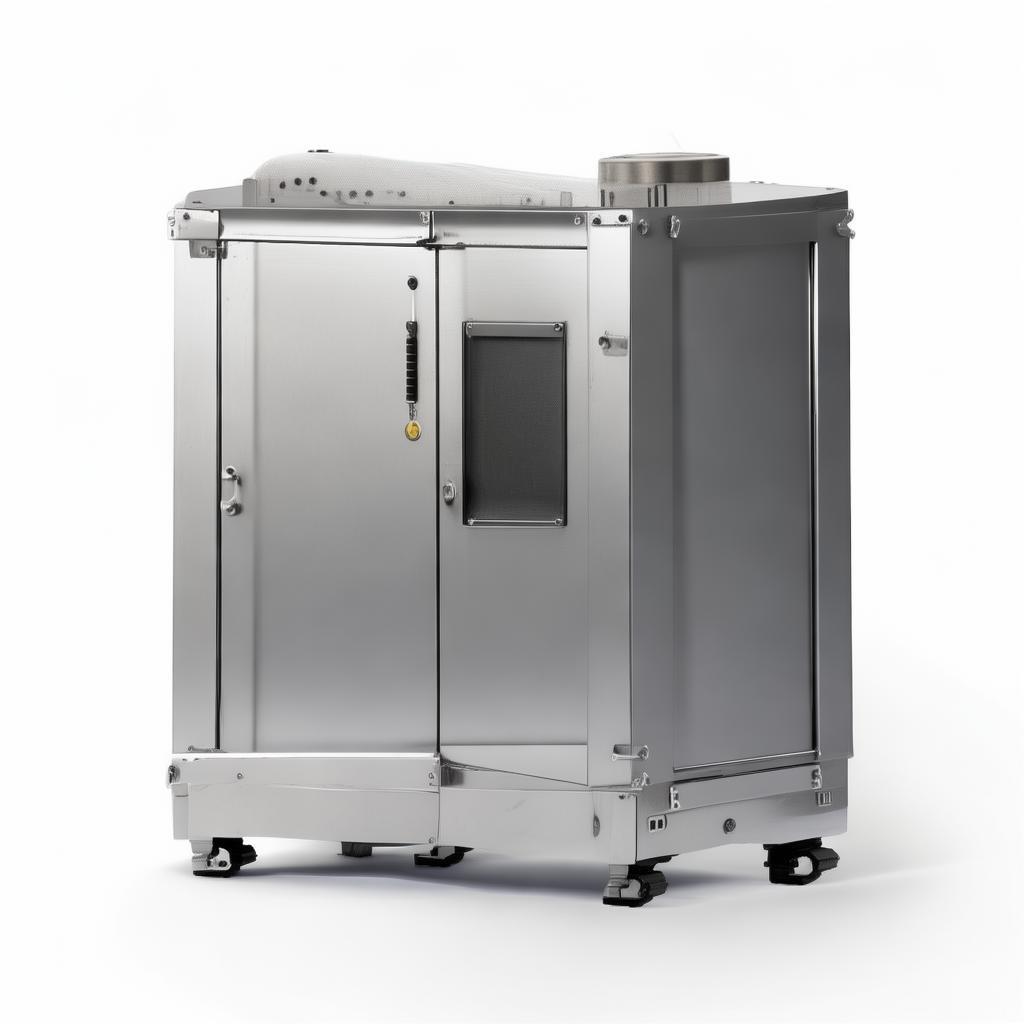
Vacuum Pans
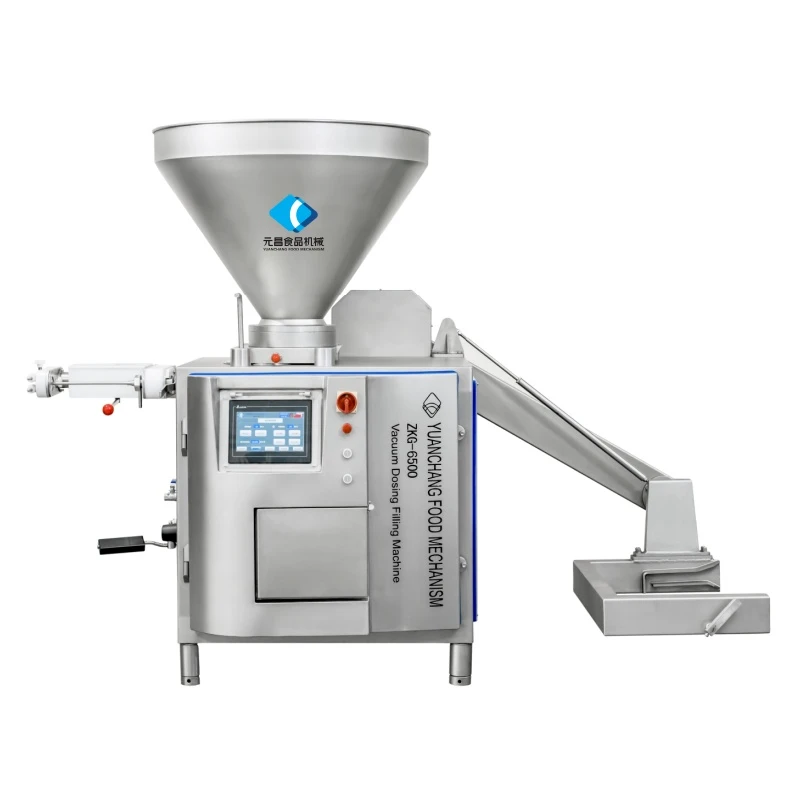
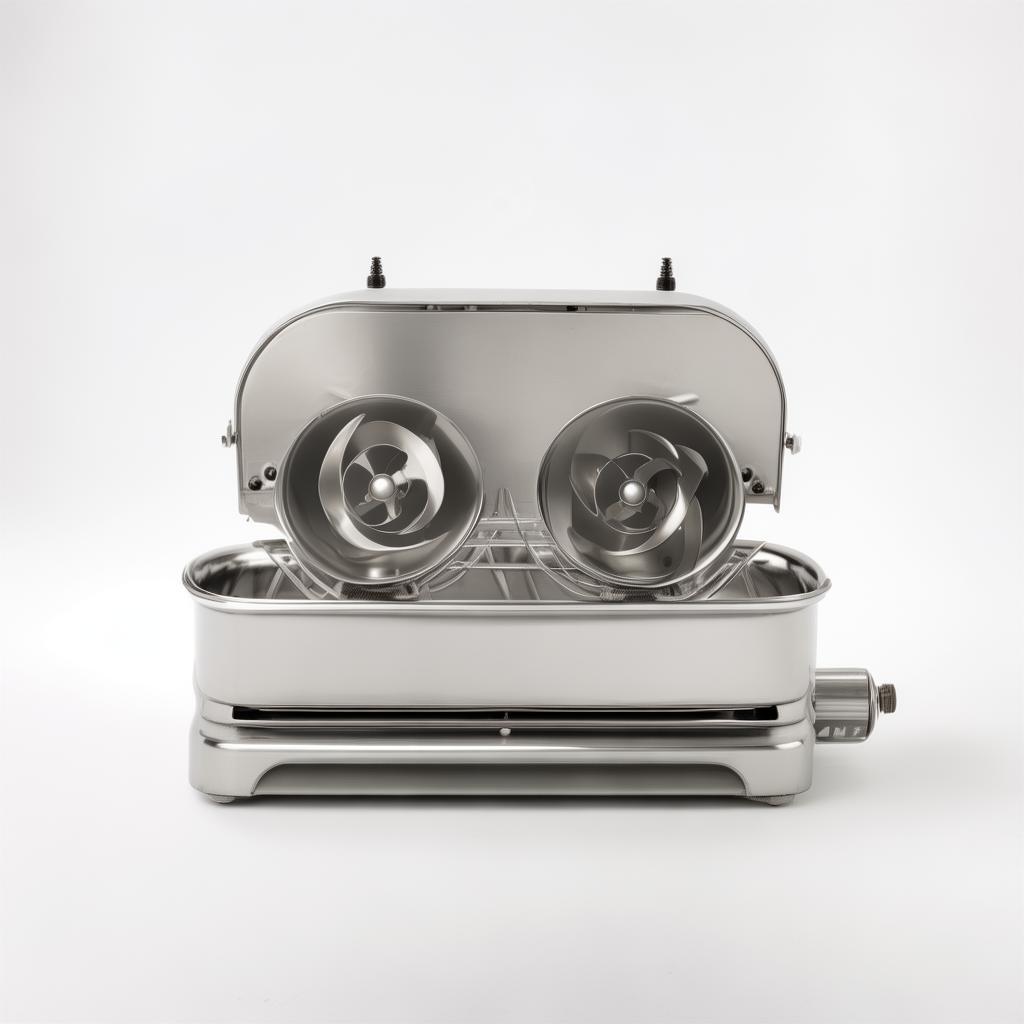
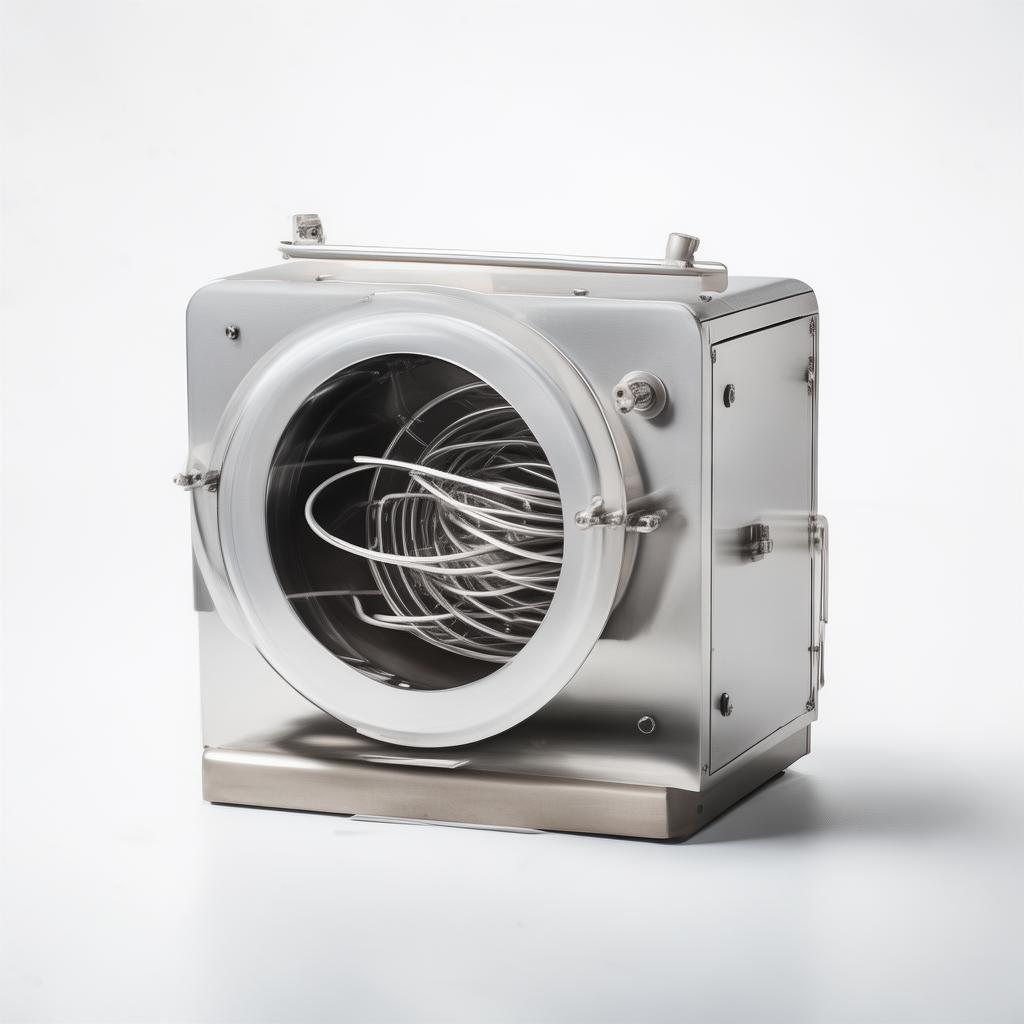
High-Performance Vacuum Pans for Efficient Meat Processing
 By Li Wei, Senior Production Engineer
|
Hebei Yuanchang Food Mechanism & Technology Co., Ltd.
By Li Wei, Senior Production Engineer
|
Hebei Yuanchang Food Mechanism & Technology Co., Ltd.
Understanding Vacuum Pans in Modern Meat Processing
In the demanding world of meat processing, efficiency, hygiene, and product quality aren't just goals; they are necessities. Achieving these standards often hinges on specialized equipment that streamlines operations. Among these crucial components, vacuum pans play a vital, albeit sometimes understated, role, particularly in conjunction with meat filling and molding machinery. For businesses focused on producing sausages, formed meat products, pet food, or even certain delicatessen items, the right vacuum pan isn't just an accessory—it’s a performance enhancer that directly impacts throughput and final product integrity.
The global meat processing equipment market is a robust sector, projected to continue its significant growth. With estimates placing the market value at over USD 11 billion in 2025 and expected to reach upwards of USD 17 billion by 2034, the demand for advanced, reliable machinery is clear. Market analysis reports consistently highlight key segments including filling and stuffing equipment, which is where vacuum pans are indispensable. The increasing consumer appetite for processed and convenience meats, coupled with stringent food safety regulations, pushes manufacturers towards automation and superior equipment. This is precisely where understanding the nuances of components like vacuum pans becomes critical for any procurement professional or operations manager aiming to stay competitive.
Our experience at Hebei Yuanchang Food Mechanism & Technology Co., Ltd., spanning over 40 years since 1986, has shown us firsthand how seemingly simple components can have a profound effect. We’ve seen production lines bottlenecked by inadequate vacuum systems or experience product quality issues stemming from poorly designed pans. A vacuum pan's primary function is to efficiently remove air from the meat mixture *before* it enters the filling or molding mechanism. This process is crucial for several reasons: it prevents oxidation, reduces spoilage, improves texture and color, enhances binding in formed products, and, importantly, ensures consistent density for precise portioning and packaging. Without effective air evacuation, air pockets can lead to inconsistent product structure, potential for bacterial growth, and visually unappealing finished goods.
Consider the challenges faced by a typical sausage manufacturer. The meat emulsion, often a complex mix of lean meat, fat, water, and spices, needs to be homogenous and free of air for optimal stuffing into casings. Air trapped within the mixture can cause the sausage skin to rupture during cooking, lead to a "gappy" texture, or create voids that compromise shelf life. Similarly, for manufacturers producing formed patties or nuggets, air inclusion can result in uneven cooking, a crumbly texture, and reduced appeal. This is where the design and performance of the vacuum pan are paramount. It must be capable of generating sufficient vacuum force to draw out this air effectively, while also ensuring a smooth, uninterrupted flow of the meat mixture into the subsequent processing stage.
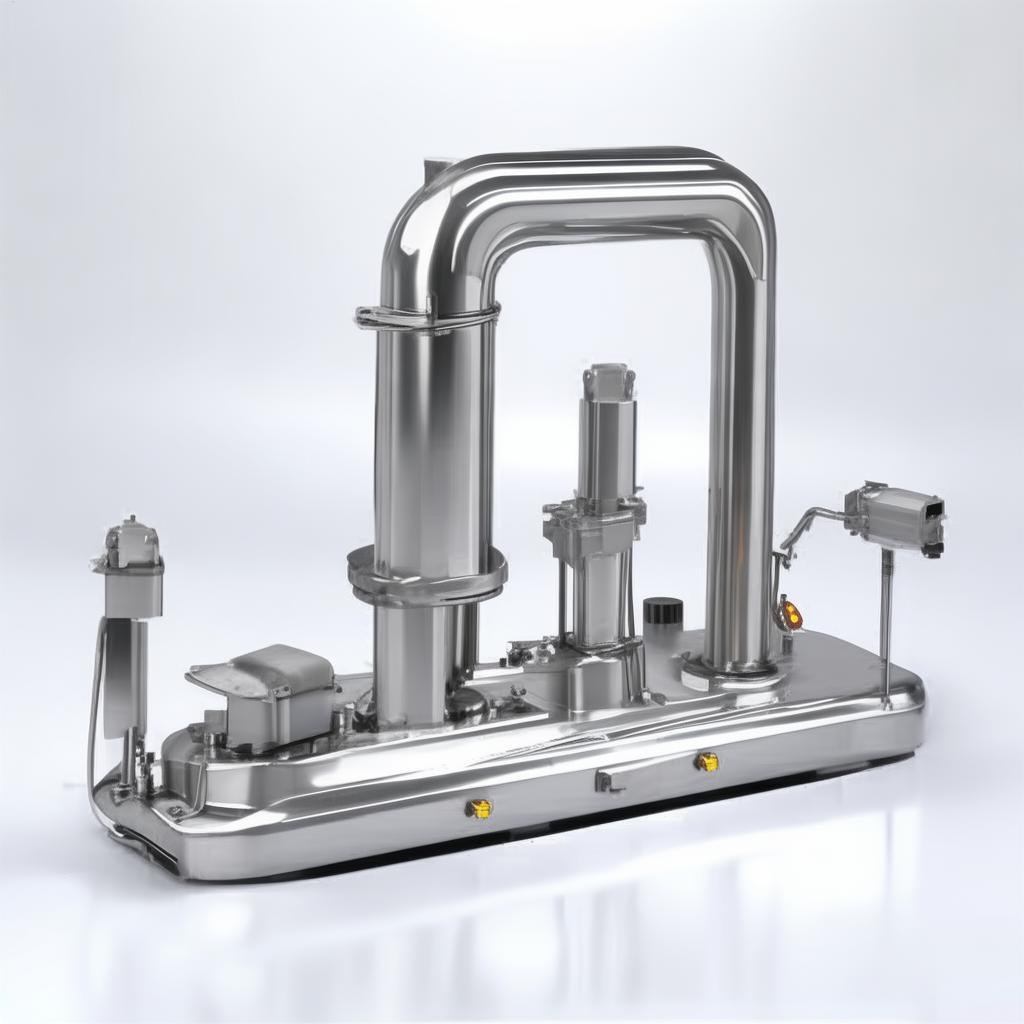
The intricacies of vacuum pan design involve material selection, precise engineering of the vacuum chamber and its seals, and integration with the overall filling machine. Stainless steel is the industry standard for good reason: its durability, non-reactive nature, and ease of cleaning are essential for food-grade applications. However, even within stainless steel, the grade and finish matter. A high-quality pan will utilize food-grade stainless steel (like AISI 304 or 316) with a smooth, polished surface to prevent meat sticking and to facilitate thorough sanitation. The sealing mechanism is another critical point; leaks in the vacuum seal directly translate to reduced efficiency and potential contamination. We invest heavily in ensuring our vacuum pans feature robust, hygienic sealing solutions that maintain vacuum integrity throughout continuous operation.
Furthermore, the capacity and flow rate of the vacuum pan must be appropriately matched to the output of the primary mixing equipment and the demands of the filling or molding machine. An oversized pan might introduce unnecessary residence time, while an undersized one will create a bottleneck. Our engineering team works closely with clients to specify the optimal vacuum pan for their specific setup, considering factors like batch size, product viscosity, and desired processing speed. The global nature of the food processing industry means that equipment must be reliable across diverse operational environments, from large-scale industrial plants in North America to emerging facilities in Asia-Pacific, all facing similar pressures for efficiency and quality.
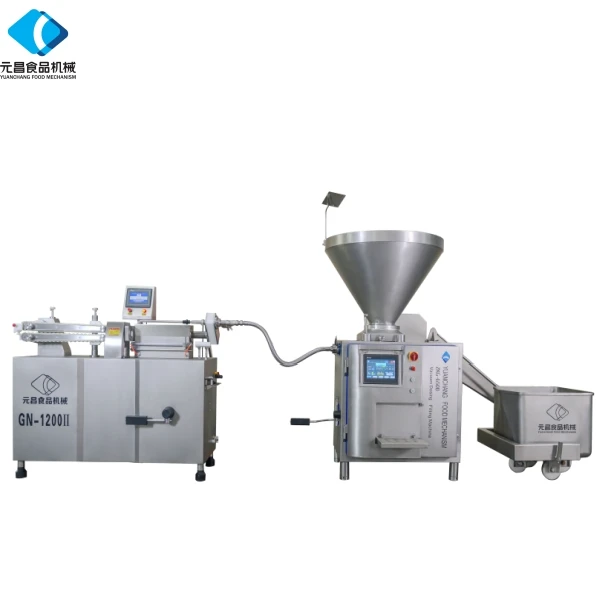
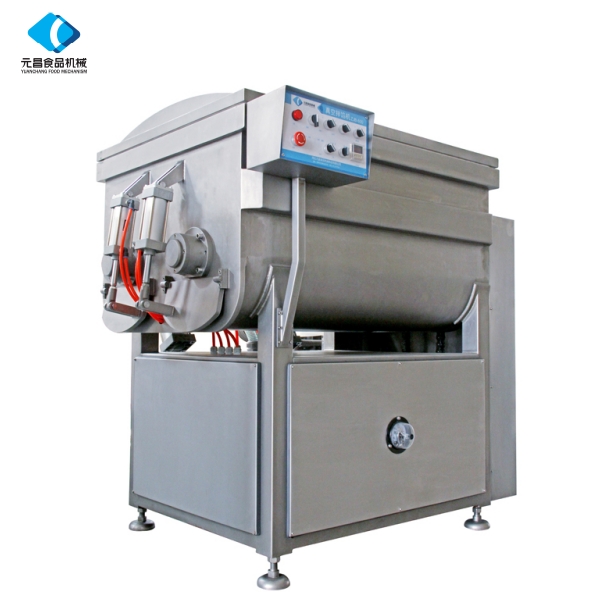
At Hebei Yuanchang, we understand that a vacuum pan is part of a larger system. It’s not just about the pan itself, but how it integrates with your mixers, emulsifiers, and filling machines. Our designs are conceived with ease of integration in mind, often featuring standard connection points and adaptable mounting solutions. This focus on practical, operational effectiveness is what sets our equipment apart. We don't just build components; we engineer solutions that contribute directly to your bottom line by reducing waste, improving product consistency, and increasing overall production efficiency.
The market trends further support the importance of these components. Reports indicate a steady CAGR for meat processing equipment, driven by automation and the demand for processed meats. Filling and stuffing equipment, intrinsically linked to vacuum pan performance, are often cited as high-growth areas. This underscores the strategic advantage of investing in high-quality vacuum pans: they are foundational to producing desirable end products and optimizing the very processes that are driving market expansion. This is why we are committed to providing vacuum pans that not only meet but exceed industry expectations for performance, durability, and hygiene.
Whether you are looking to upgrade an existing line, set up a new production facility, or explore OEM/ODM opportunities for specialized meat processing solutions, understanding the role and specifications of vacuum pans is a critical first step. Our 40 years of experience are here to guide you, ensuring you select equipment that delivers tangible operational benefits and a strong return on investment.
Addressing Common Industry Challenges
Procurement managers and plant operators in the food processing sector face a constant barrage of challenges. From maintaining consistent product quality to meeting stringent hygiene standards, the pressure is immense. Let's look at some common pain points where a well-designed vacuum pan makes a real difference:
- Inconsistent Product Texture & Density: Air trapped in meat mixtures leads to voids, uneven cooking, and a poor mouthfeel. This is a frequent complaint for sausages and formed products.
- Reduced Shelf Life & Increased Spoilage: Oxidation initiated by air exposure degrades product quality and accelerates spoilage, impacting profitability and brand reputation.
- Production Bottlenecks: Inefficient air evacuation can slow down the filling process, limiting overall throughput and straining production schedules.
- Hygiene & Sanitation Difficulties: Poorly designed pans with hard-to-clean areas or ineffective seals can become breeding grounds for bacteria, posing a serious food safety risk.
- Product Deformation & Casing Rupture: Air pockets can lead to inconsistent filling, causing casings to burst during processing or cooking, resulting in waste and rework.
- High Maintenance & Downtime: Substandard materials or seals in vacuum pans can lead to frequent breakdowns, costly repairs, and significant production interruptions.
The meat processing equipment market is valued significantly, with segments like filling equipment showing strong growth. This suggests that equipment directly impacting product formation and quality, like vacuum pans, is a key investment area. Reports indicate the global meat processing equipment market is poised for substantial growth, driven by demand for processed meats and automation. Our vacuum pans are engineered to directly mitigate these widespread operational and quality issues, offering a reliable solution for manufacturers prioritizing efficiency and excellence.
Key Advantages of Our Vacuum Pans
At Hebei Yuanchang, we don't just build parts; we craft solutions that enhance your entire operation. Our vacuum pans are the result of decades of refinement and a deep understanding of the meat processing environment.
Superior Air Evacuation
Engineered for maximum vacuum efficiency, our pans ensure thorough removal of air, leading to denser, more uniform products and extended shelf life.
Hygienic Design & Materials
Constructed from high-grade, food-safe stainless steel (AISI 304/316) with polished surfaces and easy-to-clean seals, minimizing contamination risk.
Enhanced Product Quality
Achieve superior texture, color, and binding in your meat products. Reduce casing ruptures and cooking defects for consistent, high-quality output.
Optimized Production Flow
Designed for seamless integration and reliable operation, our pans prevent bottlenecks, allowing for higher production speeds and greater efficiency.
Durable Construction
Built to withstand the rigors of continuous industrial use, ensuring longevity and minimal maintenance requirements.
Customization Options (OEM/ODM)
We offer OEM/ODM services to tailor vacuum pans to your specific machine designs and processing needs.
Detailed Technical Specifications
To ensure optimal performance for your specific application, our vacuum pans are designed with precision. Below are typical specifications. We encourage you to consult with our technical team for custom configurations or specific models.
| Feature | Specification | Notes |
|---|---|---|
| Material | Food-Grade Stainless Steel (AISI 304 or 316) | Polished interior surface for easy cleaning and non-stick properties. |
| Vacuum Level Achieved | Up to -0.98 Bar (adjustable) | Dependent on vacuum pump capacity and system seal. |
| Seal Type | High-Integrity, Food-Grade Silicone/EPDM | Durable, heat-resistant, and easy to replace. |
| Inlet/Outlet Connections | Standardized Flange or Tri-Clamp Fittings | Adaptable to most common filling machines. |
| Capacity Options | Varies (e.g., 20L, 40L, 60L, custom) | Selected based on mixer and filler throughput. |
| Operating Temperature | -10°C to +120°C | Suitable for chilled and warm mixtures. |
| Certifications (Optional) | CE, FDA Compliant Materials | Available upon request for specific markets. |
vacuum cookers vacuum filling machine vacuum fill
The effective functioning of vacuum pans is crucial for maintaining product quality, a key driver in the processed meat market. Reports show this market is expanding significantly, necessitating efficient equipment. For instance, Grand View Research notes the importance of filling and stuffing equipment within the broader meat processing sector, underscoring the role of associated components like vacuum pans. Our commitment to high-quality materials and precise engineering ensures your vacuum pan performs reliably, supporting these critical market demands.
Versatile Application Scenarios
While often associated with traditional sausage making, the utility of our vacuum pans extends to a wide range of meat processing applications. Their ability to improve product homogeneity and reduce air inclusion is beneficial wherever precise texture and quality are paramount.
Sausage Production
For all types of sausages – fresh, smoked, cooked. Enhances bind, reduces breakage, and ensures uniform filling.
Formed Meat Products
Patties, nuggets, meatballs, and plant-based meat alternatives benefit from improved structural integrity and consistent density.
Pet Food Manufacturing
Crucial for producing high-quality, homogenous pet food products, ensuring palatability and nutritional consistency.
Deli & Prepared Meats
For products like loaves, terrines, and pâtés, ensuring a smooth, dense texture and clean slicing.
Reconstituted Meat Products
Essential for binding and forming reconstituted meat blocks or portions effectively.
The demand for processed meat products is on a continuous rise, driving innovation in machinery that ensures quality and efficiency. IMARC Group reports project significant growth, with filling, tenderizing, and smoking equipment being key drivers. Our vacuum pans are integral to the efficient operation of filling and molding systems, supporting the production of the diverse range of products consumers increasingly demand.
Practical Installation and Integration
Installing a new vacuum pan or integrating one into an existing line requires careful planning. While our designs prioritize ease of installation, understanding a few key aspects can prevent common headaches and ensure optimal performance from day one.
First, compatibility is paramount. Ensure the pan's inlet and outlet dimensions and connection types (flange, clamp, threaded) match your current mixer discharge and filler inlet. Our standard fittings cover most industry requirements, but custom adapters can be fabricated if needed. Always confirm the physical dimensions of the pan against available space in your processing line.
Second, vacuum source integration. A vacuum pan requires a reliable vacuum pump. The pump's capacity (CFM or L/min) and ultimate vacuum level must be sufficient to overcome the system's air ingress and effectively evacuate the mixture. We can advise on appropriate vacuum pump specifications based on the pan model and your production volume. Proper plumbing from the pump to the pan, including check valves and filtration, is also essential to protect the pump and maintain vacuum integrity.
Third, sealing and pressure testing. After installation, it's critical to ensure all seals are properly seated and the system is airtight. A simple vacuum test can reveal leaks. Small leaks might not seem significant, but they drastically reduce the effectiveness of air evacuation, impacting product quality. Regularly inspect and clean seals to maintain their integrity.
Finally, ergonomics and maintenance access. Ensure the pan is installed at a height that allows for easy loading from the mixer and is accessible for cleaning and seal replacement. Many of our pans are designed with quick-release mechanisms for seals and inspection ports to simplify maintenance routines.
Proper installation isn't just about getting the equipment running; it's about ensuring it performs to its potential. Consider this: the global meat processing equipment market is driven by automation and efficiency. Reports highlight the need for efficient filling technologies. Investing time in correct installation directly contributes to that efficiency and the quality of your end products.
Ensuring Longevity: Maintenance Insights
To maximize the lifespan and performance of your vacuum pan, a consistent and thorough maintenance routine is essential. Our 40 years in manufacturing have taught us that proactive care prevents costly breakdowns and ensures consistent product quality.
Daily Cleaning: This is non-negotiable. After each production run, the pan must be thoroughly cleaned and sanitized. Use approved food-grade detergents and sanitizers. Pay special attention to the seals, internal surfaces, and any crevices where meat residue might accumulate. A high-pressure washer can be effective, but ensure it's used at a safe distance to avoid damaging seals or components.
Seal Inspection & Replacement: Vacuum seals are critical. Inspect them daily for signs of wear, cracking, or deformation. Damaged seals are the most common cause of vacuum loss. Depending on usage, seals typically need replacement every 6-18 months. Have spare seals readily available. When replacing, ensure the seating area is clean and the new seal is correctly oriented.
Periodic Checks: Beyond daily cleaning, schedule weekly or monthly checks for:
- Overall structural integrity
- Fastener tightness
- Vacuum line connections
- Any signs of corrosion or wear
Lubrication: Moving parts, if any, should be lubricated with food-grade lubricants as per the manufacturer's recommendations. However, vacuum pans themselves typically have few moving parts requiring lubrication; focus is on seals and surfaces.
Professional Servicing: While much maintenance can be done in-house, consider periodic professional servicing. Our technicians can perform in-depth inspections, identify potential issues before they become critical, and ensure your equipment continues to operate at peak performance.
Investing in proper maintenance translates directly to longer equipment life and more consistent production. It's a small operational cost that yields significant returns, far outweighing the expense of emergency repairs or product quality failures.
Global Shipping and Logistics
As a global supplier, Hebei Yuanchang Food Mechanism & Technology Co., Ltd. understands the complexities of international logistics. We are experienced in preparing and shipping our vacuum pans and other meat processing equipment to clients worldwide, ensuring timely and secure delivery.
Packaging: Our equipment is meticulously packed to withstand the rigors of international transit. This typically involves protective wrapping, robust internal bracing, and durable crates or skids designed for forklift handling. We consider the specific demands of container loading and potential transit environments.
Documentation: We provide all necessary export documentation, including commercial invoices, packing lists, bills of lading, and certificates of origin. For specific markets, we can also assist with compliance documentation for certifications like CE or FDA, where applicable to the product.
Shipping Options: We offer flexible shipping solutions, including:
- FCL (Full Container Load): For larger orders, maximizing container space and cost-efficiency.
- LCL (Less than Container Load): For smaller orders, consolidating shipments.
- Air Freight: For urgent deliveries, though typically more costly.
- Door-to-Door Service: We can arrange for freight forwarders to manage transit from our factory to your facility.
Lead Times: Production lead times vary depending on order volume and customization. Standard models can often be shipped within 4-8 weeks. We provide estimated lead times upon order confirmation.
Import Duties & Taxes: Clients are responsible for any applicable import duties, taxes, and customs clearance fees in their respective countries. We can provide HS codes to assist with pre-shipment cost estimations.
Our experience in export logistics ensures that your investment arrives safely and efficiently, no matter your global location.
Smart Procurement Strategies for Vacuum Pans
Procuring industrial equipment like vacuum pans requires a strategic approach to ensure you get the best value, reliability, and long-term performance. Here are key considerations for purchasing managers:
- Define Your Needs Clearly: Before you shop, document your exact requirements. What type of products will you process? What is your production volume? What are the specifications of your current or planned filling equipment? This clarity prevents over- or under-specification.
- Prioritize Material Quality & Construction: Opt for food-grade stainless steel (304/316) with a good surface finish. Look for robust sealing mechanisms. Cheap materials often lead to premature failure and hygiene issues, negating any initial cost savings.
- Evaluate Supplier Reputation & Experience: Partner with manufacturers who have a proven track record, like Hebei Yuanchang with our 40 years of experience. Look for suppliers with industry expertise, clear technical support, and traceable after-sales service.
- Request Detailed Specifications & Certifications: Ensure the supplier provides comprehensive technical data sheets. Inquire about relevant certifications (CE, FDA compliance for materials) if your market requires them.
- Consider Total Cost of Ownership (TCO): Don't just look at the purchase price. Factor in shipping, installation, maintenance, energy consumption, and potential downtime. A slightly more expensive but durable and efficient unit often proves more cost-effective over its lifecycle.
- Inquire About OEM/ODM Capabilities: If you have proprietary filling machines or unique product requirements, a supplier offering OEM/ODM services can provide custom-built solutions, ensuring perfect integration and performance.
- Seek References or Case Studies: Ask for references from companies with similar operations or look for case studies that demonstrate the equipment's performance in real-world scenarios.
Choosing the right supplier and equipment is an investment in your operational efficiency and product quality. By following these guidelines, you can make informed decisions that benefit your business long-term.
Our Manufacturing Prowess
At Hebei Yuanchang Food Mechanism & Technology Co., Ltd., our 40-year legacy is built on a foundation of robust manufacturing capabilities and a relentless pursuit of precision. Our 14,000-square-meter facility houses advanced machinery and a skilled workforce dedicated to producing high-quality meat processing equipment, including our range of vacuum pans.
In-House Machining: We operate our own machining workshop equipped with over 20 sets of precision machinery, including lathes, milling machines, high-precision grinders, boring machines, and wire cutting equipment. This self-sufficiency allows us to control every aspect of component manufacturing.
Advanced CNC Technology: Since 2012, we've invested in 8 Japanese Mazak CNC machining centers. This cutting-edge technology enables us to produce complex, high-standard components with exceptional accuracy, crucial for the tight tolerances required in vacuum systems and filling mechanisms. It allows us to tackle large-volume, high-precision, and non-standard specifications with confidence.
Experienced Team: Our team of 80-100 employees includes experienced engineers, skilled technicians, and dedicated production staff who bring decades of collective knowledge to every project.
Quality Control: Rigorous quality control measures are integrated at every stage of production, from raw material inspection to final assembly testing. Our in-house capability for producing high-precision parts ensures that every component meets our exacting standards.
Traceable After-Sales Management: Coupled with our robust manufacturing, our traceable after-sales management system provides our clients with peace of mind, knowing that support and spare parts are readily available.
This integration of R&D, production, and sales, supported by advanced manufacturing infrastructure, is how we deliver reliable, high-performance equipment that meets global industry demands.
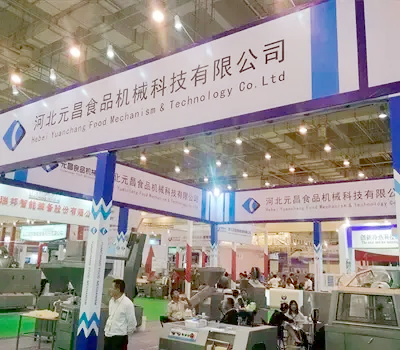
Our state-of-the-art machining capabilities ensure precision components.
Commitment to Quality Standards
Adherence to international quality standards is fundamental to our operations at Hebei Yuanchang. We understand that for global markets, certifications are a testament to our commitment to producing safe, reliable, and compliant equipment.

ISO 9001 Certified Quality Management
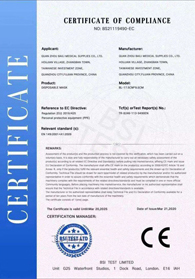
CE Marking (for relevant products/markets)

Food Grade Material Compliance

RoHS Compliant Components
Our dedication to quality ensures that our vacuum pans and other machinery not only meet performance expectations but also comply with the safety and regulatory requirements of your specific market. We are equipped to provide documentation and support for various international standards, facilitating smoother import and operational compliance for our global clientele.
Frequently Asked Questions
Q: How do I determine the correct size vacuum pan for my needs?
A: The ideal size depends on your specific mixer's batch size and your filling machine's throughput. Generally, the pan's capacity should comfortably accommodate a full batch from your mixer, and its flow rate should match or exceed your filler's intake. Our technical team can help you calculate the optimal size based on your production data.
Q: What is the typical lifespan of a vacuum pan?
A: With proper maintenance, our high-quality stainless steel vacuum pans can last for many years, often exceeding 10-15 years in industrial settings. The primary wear components are the seals, which are designed for easy replacement.
Q: Can your vacuum pans be integrated with any brand of filling machine?
A: Our pans are designed with standardized connections (flange or tri-clamp) to ensure broad compatibility. While they are designed to work seamlessly with our own equipment, integration with most major brands of filling machines is typically straightforward. We recommend confirming connection specifications with your filling machine manufacturer.
Q: What maintenance is required for the vacuum seals?
A: Seals require daily cleaning and inspection for wear. They should be replaced as needed, typically every 6-18 months, depending on usage and operating conditions. Ensuring the sealing surface is clean and free of debris is crucial for performance.
Q: Do you offer OEM/ODM services for custom vacuum pan designs?
A: Absolutely. With our advanced CNC capabilities and experienced engineering team, we specialize in developing and manufacturing custom vacuum pans to meet unique OEM/ODM requirements. Contact us to discuss your project.
What Our Clients Say
Hear directly from businesses that have integrated our vacuum pans into their operations and experienced the difference.

Mark Johnson
Production Manager, USA
"Switching to Yuanchang's vacuum pan significantly improved our sausage consistency. We saw a noticeable reduction in casing blowouts, and the product texture is much more uniform now. Their technical support was also very helpful in selecting the right model."

Sarah Chen
Operations Lead, Canada
"We use Yuanchang's pans for our pet food production line. The hygiene standards are excellent, and the durability is impressive. Cleaning is straightforward, which is critical for our food safety protocols. Highly recommended."

David Rodriguez
Procurement Specialist, Mexico
"The quality of the stainless steel and the precision machining are top-notch. We've experienced significantly less downtime since installing their vacuum pan. The lead time was also very reasonable for an international shipment."
Ready to Elevate Your Meat Processing Efficiency?
Don't let inefficient air evacuation compromise your product quality and throughput. Partner with Hebei Yuanchang for reliable, high-performance vacuum pans.
We are dedicated to providing solutions that drive your business forward.