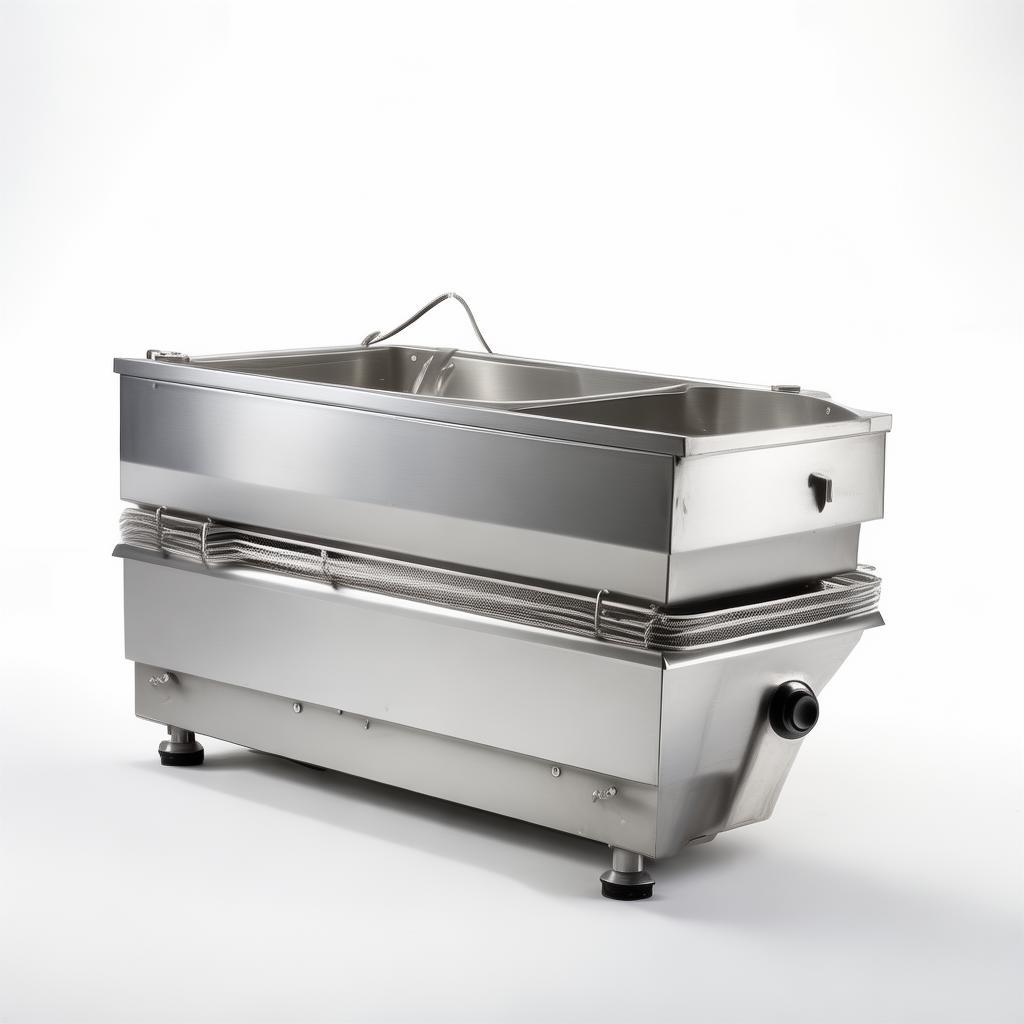
Vacuum Cookers
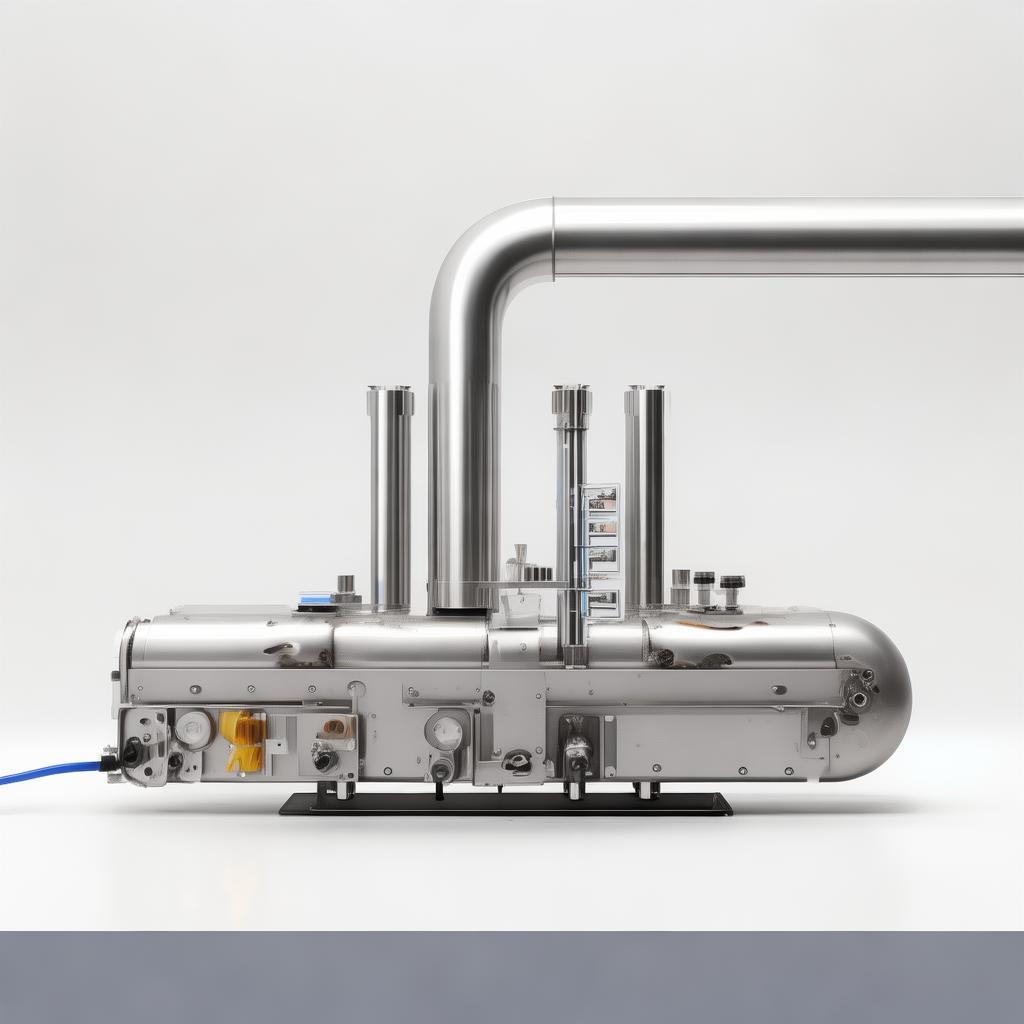
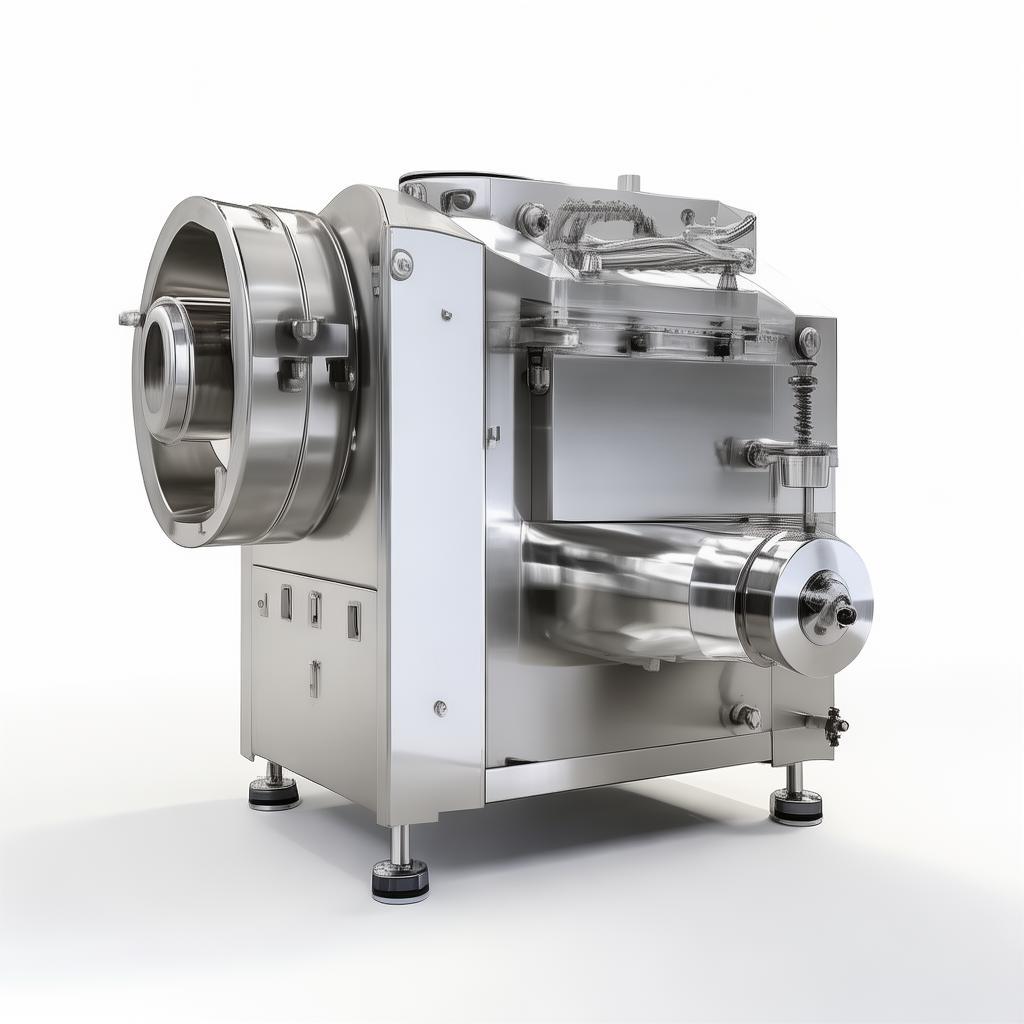
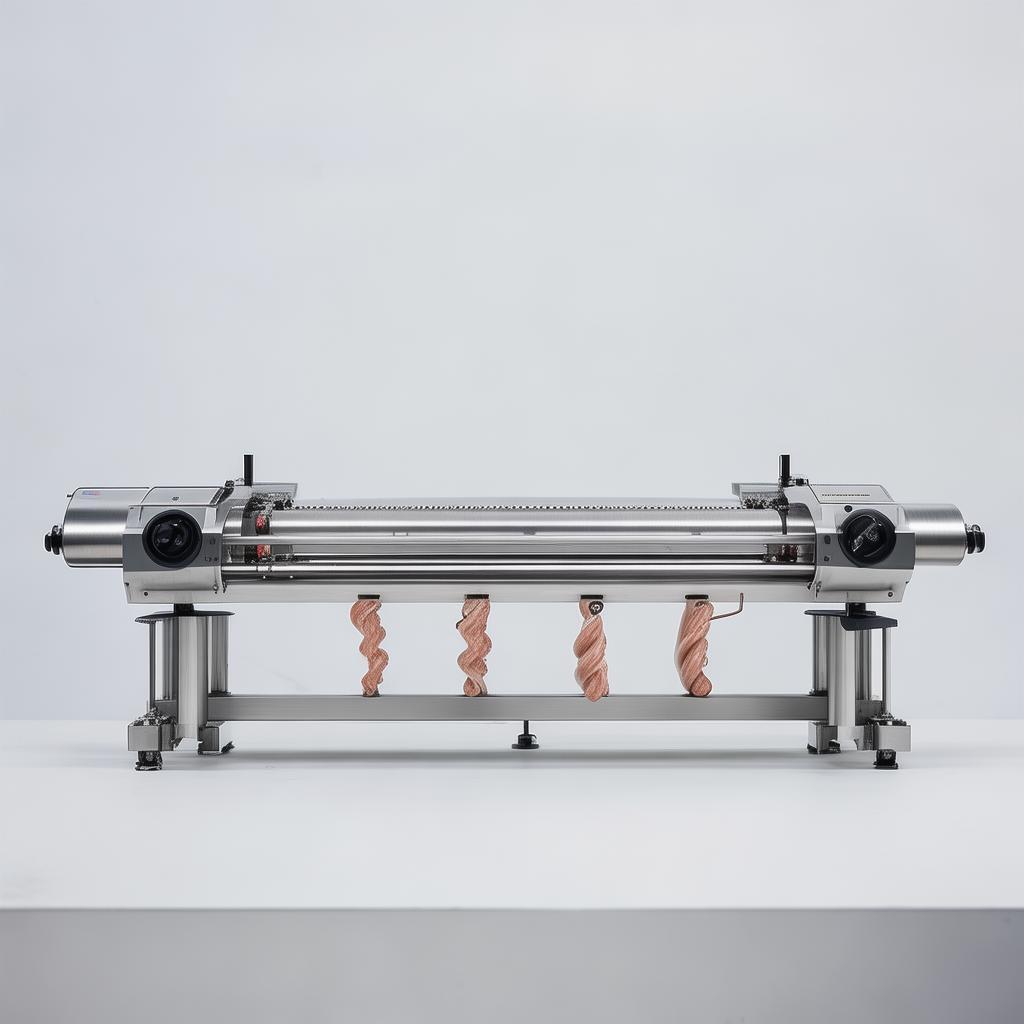
Precision Vacuum Cooking: Elevating Your Food Processing Through Advanced Technology
 By Dr. Anya Sharma, Senior Food Processing Consultant
Published: October 26, 2023 | Updated: October 26, 2023
Introduction: The Evolving Landscape of Precision Cooking
In the dynamic world of food manufacturing and culinary innovation, the pursuit of consistent quality, enhanced shelf-life, and superior texture is relentless. For businesses operating in the B2B space – from large-scale food producers and contract manufacturers to specialized gourmet kitchens – achieving these goals often hinges on mastering precise cooking methodologies. Among these, vacuum cooking has emerged as a pivotal technology. It's not just a trend; it's a foundational shift in how we approach heat transfer, nutrient preservation, and flavor development in a controlled, reproducible manner. This isn't about simple boiling or steaming; it's about a sophisticated process that leverages controlled pressure and temperature to unlock new levels of product integrity and sensory appeal.
The global meat processing equipment market, a closely related sector, is substantial and growing. Reports indicate it was valued at approximately USD 11-12 billion in 2024, with projections reaching upwards of USD 17-30 billion by 2034, depending on the market research firm. Key segments include filling, massaging, cutting, grinding, and smoking equipment – all areas where vacuum cooking plays a complementary role by enhancing the quality of the base product. The demand is driven by the increasing consumption of processed meats, the need for automation to ensure hygiene and efficiency, and stringent food safety standards. This growth trajectory underscores a broader industry imperative: the adoption of advanced machinery that delivers both quality and compliance. Understanding this context is crucial for any business looking to invest in technology that offers a competitive edge.
Vacuum cooking, at its core, refers to the process of cooking food in a sealed environment where the air has been removed, creating a vacuum. This simple-sounding alteration has profound implications. It drastically reduces the cooking temperature required for a given level of heat penetration, particularly for liquids and semi-liquids. This low-temperature, high-efficiency heat transfer minimizes the degradation of sensitive nutrients, preserves vibrant colors, and locks in volatile aromas that would otherwise be lost to evaporation. For ingredients susceptible to oxidation or browning, the absence of oxygen is a game-changer, leading to products that maintain their visual appeal and taste profiles for longer periods. This technology is especially relevant for products that require precise internal temperatures for safety and texture, such as delicate custards, sous-vide preparations, or fully cooked meat products where achieving a perfect, uniform doneness without overcooking the exterior is paramount.
Consider the implications for OEM/ODM manufacturers. Their success hinges on delivering consistent, high-quality products for diverse clients. The ability to replicate precise cooking parameters reliably, batch after batch, is non-negotiable. A vacuum cooker provides this level of control. Whether a client requires a specific texture for a ready-meal component, a perfectly emulsified sauce, or a delicate protein preparation for a high-end market, the vacuum system ensures that the process is repeatable and scalable. This translates directly into reduced waste, fewer product recalls, and enhanced customer satisfaction, all critical factors in the competitive B2B food supply chain. The operational advantage is clear: predictable outcomes in complex manufacturing environments.
Furthermore, the energy efficiency of vacuum cooking systems is a significant consideration for modern industrial operations. By operating at lower temperatures and reducing the mass of water that needs to be heated and evaporated, these systems can often be more energy-efficient than traditional high-temperature cooking methods. This isn't just about environmental responsibility; it directly impacts operational costs and ROI. In an era of fluctuating energy prices and increasing scrutiny on sustainability, a technology that offers both superior product quality and cost savings is highly attractive. For procurement directors, this is a compelling argument that balances technological advancement with financial prudence.
The applications are remarkably broad. From the production of shelf-stable desserts and sauces that retain their fresh, homemade taste, to the precise cooking of delicate seafood or poultry for gourmet ready-to-eat meals, vacuum cookers offer unparalleled versatility. They are also instrumental in the creation of certain types of processed meats and fillings where precise temperature control and moisture retention are key to achieving the desired texture and stability. The ability to gently cook ingredients without introducing air or excessive heat means that delicate proteins remain tender, emulsified mixtures stay stable, and vibrant colors are preserved, offering a distinct advantage over conventional cooking methods that often lead to nutrient loss and textural degradation.
At Hebei Yuanchang Food Mechanism & Technology Co., Ltd., we understand that investing in new processing technology is a significant decision. It requires not only an understanding of the equipment's capabilities but also how it integrates into your existing workflow, its long-term maintenance requirements, and its impact on your overall production efficiency. With our 40 years of experience in designing and manufacturing food processing machinery, including specialized equipment for pretreatment, filling, molding, and ripening of meat products, we bring a depth of operational knowledge to every solution we offer. Our commitment extends beyond supplying a machine; it's about providing a robust, reliable, and high-performance cooking solution backed by extensive manufacturing expertise and a dedication to customer success. This introduction aims to shed light on the critical role vacuum cooking plays in modern food production and how it can be a transformative asset for your business.
Industry Challenges Addressed by Vacuum Cooking
- Nutrient Degradation: High-temperature cooking, especially with oxygen present, can significantly degrade vitamins, antioxidants, and other heat-sensitive nutrients. Vacuum cooking's lower temperature requirement and oxygen-free environment minimize this loss.
- Color and Flavor Loss: Volatile aromatic compounds and pigments are often lost through evaporation in open-pot cooking. The sealed vacuum system retains these crucial elements, leading to more intense flavors and vibrant, appealing colors.
- Textural Inconsistency: Uneven heat distribution in traditional methods can lead to overcooked exteriors and undercooked interiors, or undesirable textural changes like toughening or breakdown of delicate ingredients. Vacuum cooking promotes uniform heat penetration, ensuring consistent texture throughout.
- Oxidation and Browning: Exposure to air during cooking can cause oxidation, leading to off-flavors, reduced shelf-life, and undesirable browning in many food products. The vacuum environment prevents these issues.
- Energy Inefficiency: Traditional methods often require high temperatures and long cooking times, leading to significant energy consumption. Vacuum systems can achieve similar results at lower temperatures, potentially reducing energy costs.
- Process Repeatability: Achieving identical results across multiple batches can be difficult with manual or less controlled cooking methods. Vacuum cooking's precise temperature and pressure control ensure high repeatability.
The Mechanics of Precision: How Vacuum Cookers Work
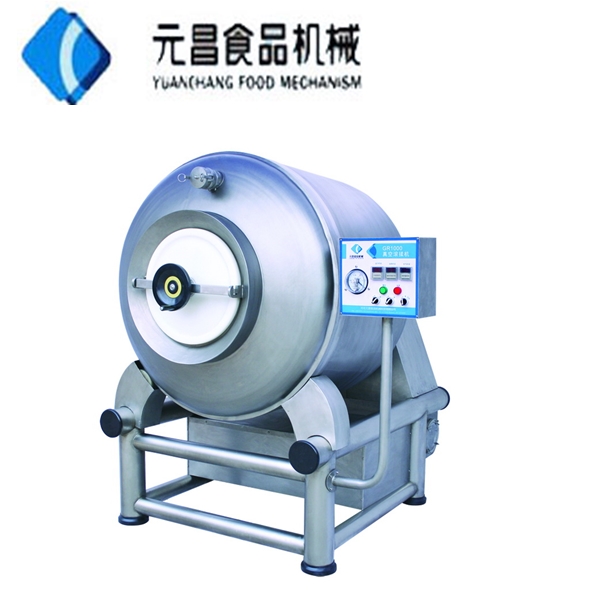
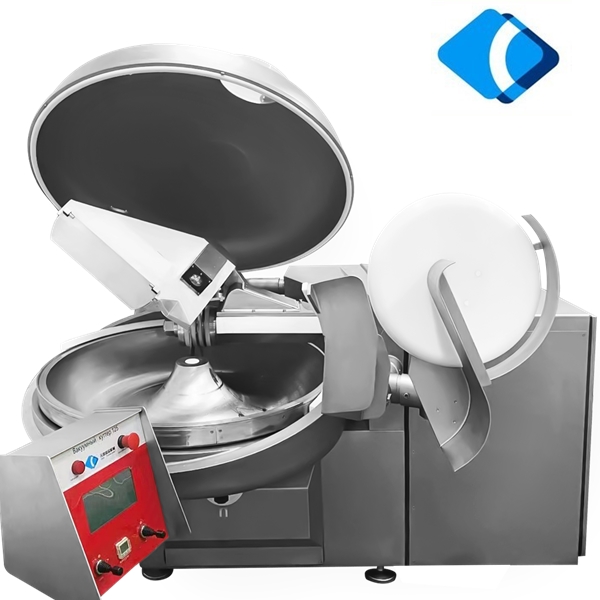
At its heart, a vacuum cooker operates on a few fundamental principles that combine to create a superior cooking environment. The primary component is a robust, sealed vessel, typically constructed from high-grade stainless steel to meet stringent food safety standards (e.g., SUS304 or SUS316). This vessel is designed to withstand both vacuum pressure and, depending on the model, positive pressure for certain applications. The heating mechanism is often integrated into the vessel's jacket or coils, allowing for efficient and uniform heat transfer to the product inside. Common heating methods include steam, hot water, or electric heating elements.
The process begins with loading the ingredients into the sealed cooking vessel. Once the vessel is secured, a vacuum pump is engaged. This pump systematically removes air from the chamber. As the air pressure drops, the boiling point of liquids within the food also decreases. This is a critical scientific principle: water boils at 100°C (212°F) at standard atmospheric pressure, but at significantly lower temperatures under reduced pressure. For instance, at 0.5 atmospheres, water boils around 80°C (176°F), and at a deeper vacuum, it can be even lower. This phenomenon allows cooking to occur at much gentler temperatures than would be possible at atmospheric pressure.
With the vacuum established, the heating system is activated. The gentle heat is applied, cooking the food at a precisely controlled low temperature. Because the cooking environment is sealed and oxygen-depleted, oxidation is prevented, preserving natural colors and flavors. Heat transfer in a vacuum environment is primarily through conduction (from the heated vessel walls/jacket to the food) and convection within any liquid present. The absence of air means that heat transfer is exceptionally efficient, ensuring that the desired internal temperature is reached uniformly and quickly without the risk of scorching or burning the exterior. This uniform penetration of heat is key to achieving consistent doneness and texture.
The cooking cycle is typically monitored and controlled by an advanced PLC (Programmable Logic Controller) system. Operators can set precise parameters for vacuum level, cooking temperature, and cooking time. Many advanced systems also include sensors for internal product temperature, allowing for highly accurate cooking endpoints. Once the cycle is complete, the vacuum can be broken by introducing inert gas (like nitrogen, if needed for specific preservation) or simply by admitting atmospheric air, depending on the product's requirements. The vessel is then safely opened for product discharge. This level of control ensures not only superior product quality but also high repeatability, which is invaluable for B2B suppliers and contract manufacturers needing to meet strict client specifications.
For businesses involved in meat processing, this translates into tangible benefits. For example, when producing sausages or other molded meat products, the filling and cooking stages are critical. A vacuum cooker can be used to cook pre-formed meat masses or fillings to exact specifications. This precise temperature control ensures that proteins are properly denatured and coagulated, leading to a firm yet tender texture, enhanced moisture retention, and a longer shelf life, all while preserving the rich, meaty flavor. The lack of oxygen also prevents the oxidation of fats, which can lead to rancidity in processed meat products.
Our manufacturing capabilities at Hebei Yuanchang reflect this technical sophistication. We operate a substantial machining workshop with over 20 sets of processing machinery, including high-precision grinding machines and wire cutting equipment. Crucially, in 2012, we invested in 8 sets of Japanese Mazak CNC machining centers. This allows us to produce components with extremely high precision, large volumes, and specific non-standard requirements – essential for the intricate and durable construction of vacuum cooking systems. This in-house capability ensures that every part of our vacuum cookers meets rigorous standards, contributing to their reliability and long-term performance.
Key Advantages of Utilizing Vacuum Cooking Technology
Superior Product Quality
Preserves nutrients, vibrant colors, and delicate aromas that are often lost in conventional cooking. Results in a more appealing and palatable end product.
Extended Shelf-Life
The oxygen-depleted environment minimizes oxidation and microbial growth, significantly extending the product's shelf-life without the need for excessive preservatives.
Enhanced Texture and Consistency
Gentle, uniform cooking prevents overcooking or toughening of ingredients, leading to a consistently desirable texture across all batches.
Precise Process Control
Advanced PLC systems allow for exact replication of cooking parameters (temperature, vacuum, time), ensuring batch-to-batch consistency vital for B2B specifications.
Energy Efficiency
Lower cooking temperatures and efficient heat transfer can lead to reduced energy consumption compared to high-temperature methods.
Versatile Applications
Suitable for a wide range of products, including sauces, custards, soups, dairy products, delicate proteins, and certain meat preparations.
Technical Specifications & Configuration Options
Our vacuum cookers are engineered for performance and reliability, designed to meet the diverse needs of industrial food processing. We offer a range of configurations, from compact units suitable for specialized kitchens and R&D departments to large-scale industrial systems capable of handling high-volume production. The core specifications are critical for understanding how these machines can be integrated into your operation.
| Feature | Standard Specification | Notes / Customization Options |
|---|---|---|
| Vessel Material | Food Grade Stainless Steel (SUS304/SUS316L) | Electropolished interior for enhanced hygiene. |
| Capacity Range | 100 L - 5000 L+ | Custom capacities available upon request. |
| Heating Method | Steam Jacket / Hot Water Circulation / Electric Heating | Selection based on plant utilities and efficiency needs. |
| Vacuum System | High-efficiency vacuum pump (liquid ring or dry screw) | Achieves deep vacuum levels (-0.095 MPa or lower) for optimal performance. |
| Control System | Programmable Logic Controller (PLC) with Touchscreen HMI | Recipe management, data logging, remote monitoring options. |
| Safety Features | Pressure relief valves, interlocks, emergency stops | Compliance with international safety standards. |
| Agitation (Optional) | Variable speed anchor or paddle agitator | Ensures uniform heating and prevents product stratification for viscous products. |
When considering your procurement, think about your current production volumes and future growth plans. Do you need a system that can handle delicate sauces, viscous emulsions, or perhaps heat-sensitive dairy products? The inclusion of an agitator, for instance, is crucial for products prone to sticking or requiring constant movement to ensure uniform cooking and prevent localized overheating. Our engineers can guide you through selecting the optimal configuration, including discharge valve types and vessel access for cleaning and maintenance.
Application Scenarios: Where Vacuum Cookers Excel
The versatility of vacuum cooking means it's not limited to a single niche. Its ability to control temperature, minimize oxidation, and preserve moisture makes it invaluable across a wide spectrum of food production. For businesses like contract manufacturers and private label producers, this adaptability is a significant asset, allowing them to serve diverse client needs with a single piece of sophisticated equipment.

Sauces & Condiments
Achieve richer, more stable emulsions and prevent flavor degradation. Ideal for delicate béchamels, hollandaise, and premium tomato-based sauces where vibrant color and fresh taste are paramount. Reduced oxidation means less browning and a cleaner flavor profile.

Dairy & Desserts
Perfect for custards, puddings, and ice cream bases. The low cooking temperature prevents curdling and scorching, while the vacuum preserves delicate flavors and textures, offering a smooth, consistent finish.

Delicate Proteins & Seafood
Ideal for sous-vide style cooking of fish, poultry, or even delicate meat preparations. It ensures precise internal temperature control for perfect doneness and tender texture without denaturation, and preserves natural moisture.

Meat Product Fillings
For processed meat items like sausages, pâtés, or terrines, vacuum cooking can precisely cook fillings to ensure safety and optimal texture. It helps retain moisture and flavor, contributing to a superior end product. This aligns directly with the needs of meat processing equipment manufacturers and their clients.
As a supplier to the international B2B market, your ability to produce consistently high-quality, safe, and appealing food products is paramount. Vacuum cooking technology provides a robust solution to many common production challenges, enabling you to meet demanding client specifications and gain a competitive advantage.
Installation, Maintenance & Operational Considerations
Integrating any new piece of industrial equipment requires careful planning. Vacuum cookers, while sophisticated, are designed for robust operation. However, understanding the installation, maintenance, and day-to-day operational aspects is key to maximizing their lifespan and efficiency.
Installation Insights:
- Utility Requirements: Ensure adequate supply of steam, hot water, or electricity as per the model specification. Proper electrical grounding is also critical for safety and equipment longevity.
- Ventilation: While a vacuum cooker is a sealed system, proper ventilation around the unit is necessary for heat dissipation and operator comfort, especially for steam-jacketed models.
- Drainage: Easy access to drainage for cleaning and product discharge is important. Consider floor drains or direct connection to a plant drainage system.
- Space Allocation: Allow sufficient clearance around the unit for operation, maintenance access, and safe product loading/unloading.
Routine Maintenance:
- Daily Cleaning: Thoroughly clean the vessel interior, agitator (if applicable), and discharge valve after each use to prevent residue buildup and cross-contamination. Use food-grade cleaning agents.
- Vacuum Pump Service: Follow the manufacturer's recommended schedule for checking oil levels, changing filters, and servicing the vacuum pump. This is crucial for maintaining vacuum integrity.
- Seal Inspection: Regularly inspect the vessel lid seal for wear and tear. A damaged seal will prevent achieving adequate vacuum and compromise cooking performance.
- Agitator & Drive System: Lubricate bearings and check for any signs of wear in the agitator mechanism.
- Periodic Professional Servicing: Schedule annual or bi-annual inspections by qualified technicians to check all critical components, including heating systems, control panels, and safety devices.
Operational Tips for Success:
- Recipe Optimization: Experiment with cooking parameters to fine-tune recipes for texture, flavor, and color. Document successful settings for repeatability.
- Product Loading: Avoid overfilling the vessel, as this can impede circulation and affect heating efficiency. Ensure ingredients are loaded appropriately to allow for even cooking.
- Monitoring: Utilize the PLC's data logging capabilities to track cooking cycles. This information is invaluable for quality control, troubleshooting, and process improvement.
- Operator Training: Ensure all operators are thoroughly trained on the equipment's functions, safety procedures, and cleaning protocols.
Our commitment at Hebei Yuanchang extends to providing comprehensive support. We offer detailed operation manuals and can arrange for installation assistance and operator training to ensure your team can utilize the equipment safely and effectively from day one. Reliable after-sales management is part of our promise.
Procurement Guidance: Choosing Your Vacuum Cooking Partner
Selecting the right vacuum cooker and, just as importantly, the right supplier, is a strategic decision for any food processing business. Beyond the technical specifications, consider these factors to ensure a successful partnership and a sound investment.
Supplier Evaluation Checklist:
- Experience & Track Record: Look for suppliers with a proven history in designing and manufacturing industrial food processing equipment. 40 years of experience, like ours at Hebei Yuanchang, signifies deep industry knowledge and product reliability.
- Manufacturing Capabilities: Does the supplier have in-house machining capabilities for critical components? Our investment in Japanese Mazak CNC centers demonstrates a commitment to high-precision manufacturing that directly impacts equipment quality and durability.
- Customization & Flexibility: Can they tailor the equipment to your specific process needs? Standardized machines aren't always the best fit. An OEM/ODM partner should be able to adapt designs.
- After-Sales Support: What is their warranty policy? Do they offer spare parts readily? Is technical support available when needed, especially for international clients? Traceable after-sales management is crucial.
- Certifications & Compliance: Ensure the equipment meets relevant industry standards (e.g., CE, FDA for specific applications) and safety regulations for your target markets.
- References & Case Studies: Request testimonials or case studies from similar businesses in your industry.
Understanding OEM/ODM:
As a manufacturer ourselves, we understand the complexities of OEM (Original Equipment Manufacturer) and ODM (Original Design Manufacturer) relationships. When you partner with us for vacuum cooking solutions, we can either manufacture a standard model to your specifications (OEM) or collaborate on developing a custom-designed machine based on your unique process requirements (ODM). This flexibility is key for businesses aiming to innovate or private label products. We have the engineering and production capacity to support both models, ensuring you get exactly what you need.
Logistics & Shipping:
For international buyers, the logistics of procuring heavy industrial machinery are a significant consideration. We have extensive experience in coordinating international shipments. This includes ensuring proper crating for transit, managing customs documentation, and arranging container loading to optimize space and minimize shipping costs. Our goal is to make the cross-border commerce process as seamless as possible, delivering your equipment safely and efficiently to your facility.
Hebei Yuanchang Food Mechanism & Technology Co., Ltd. is equipped to handle these demands. Our team of 80-100 employees and 14,000 sq. meters of operational space allow us to manage complex orders and international logistics effectively. We pride ourselves on delivering not just machinery, but a complete, worry-free solution.
Certifications & Quality Assurance
Quality and compliance are non-negotiable in the food processing industry. Our commitment to excellence is reflected in our adherence to rigorous standards and the certifications we hold.
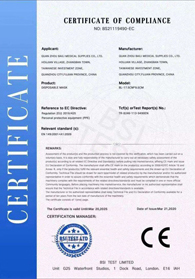

Our vacuum cooking equipment is manufactured to meet international standards, ensuring safety, performance, and environmental compliance. This dedication to quality assurance provides our clients with the confidence that they are investing in reliable, high-performance machinery that will serve them for years to come.
Client Testimonials: Real-World Success with Our Technology
Hear directly from businesses that have integrated our vacuum cooking solutions into their operations and experienced tangible benefits.

Operations Manager, Gourmet Foods Co.
"We were struggling to achieve consistent texture and vibrant color in our specialty sauces. Since implementing their vacuum cooker, the results have been night and day. The product is more stable, tastes fresher, and we've seen a noticeable reduction in spoilage. Their support team was invaluable during installation."
Benefit: Enhanced Product Quality & Reduced Spoilage

Procurement Director, Premium Meats Ltd.
"For our line of ready-to-eat meal components, particularly delicate poultry dishes, consistent cooking is critical. The precision of the vacuum cooker allows us to hit exact internal temperatures reliably, ensuring food safety and perfect texture every time. The efficiency gains in our production cycle have been significant."
Benefit: Precision Cooking & Production Efficiency

Head of R&D, Innovative Food Solutions
"We use the vacuum cooker for product development, especially for creating new dessert formulations. The ability to control the cooking environment so precisely allows us to experiment with different textures and flavors that wouldn't be possible with traditional methods. It's a vital tool in our innovation pipeline."
Benefit: Product Innovation & R&D Enablement
Ready to Elevate Your Food Processing?
Discover how Hebei Yuanchang's advanced vacuum cooking solutions can transform your production, enhance product quality, and drive your business forward.
Get In Touch With Us
Contact Information
Company: Hebei Yuanchang Food Mechanism & Technology Co., Ltd.
Address: Shijiazhuang, Hebei Province, China
Phone: +86 15830991513
Email: ycmeatmech@gmail.com
Website: ycmeatmech.com
Connect With Our Team
Have questions about our vacuum cookers, need a custom quote, or want to discuss your specific processing needs? Our experts are ready to assist you.
We offer solutions tailored for international B2B trade, including logistics and after-sales support.
We look forward to partnering with you for your food processing equipment needs.
Chat with Us
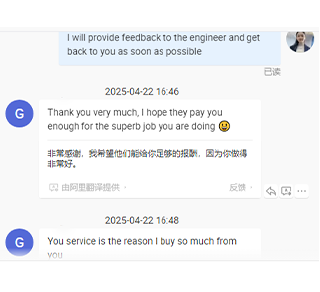


Example conversations showing our responsiveness and technical support.