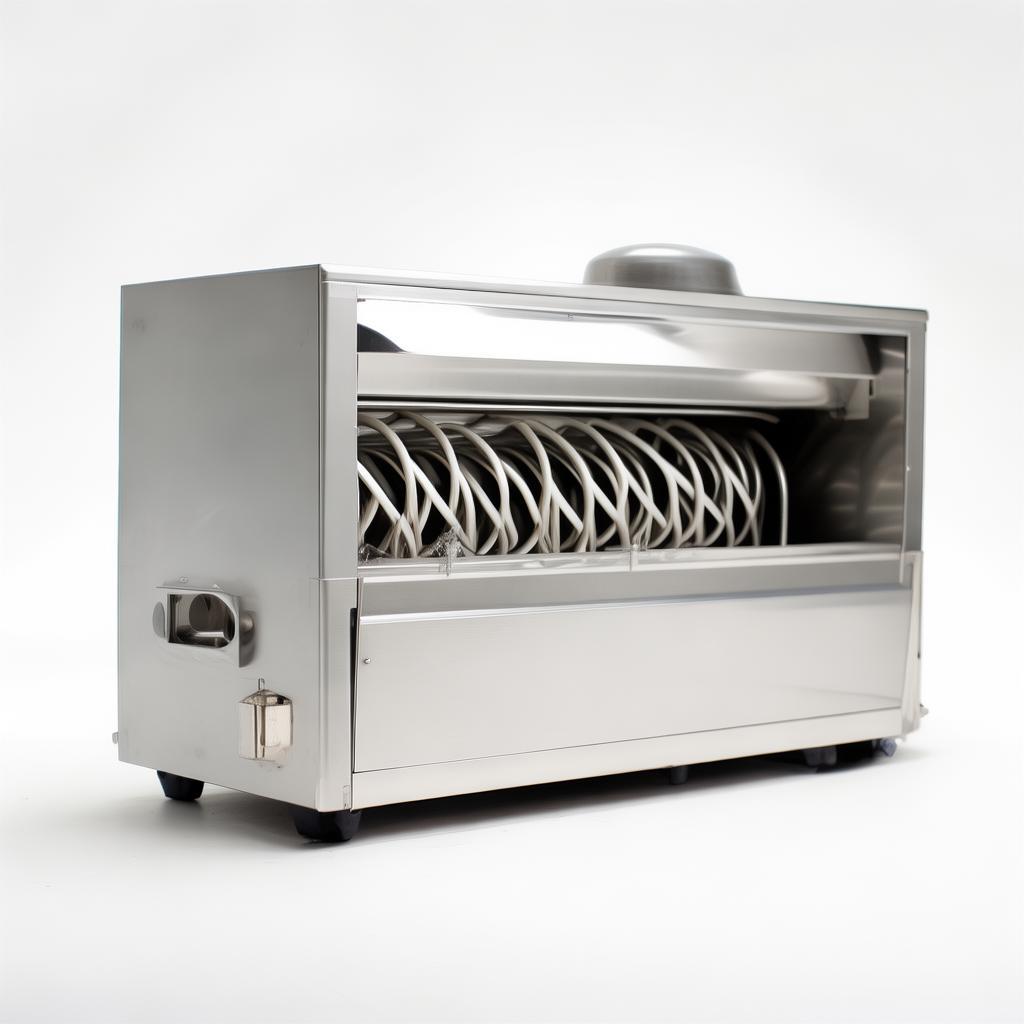
Vacuum Lift System
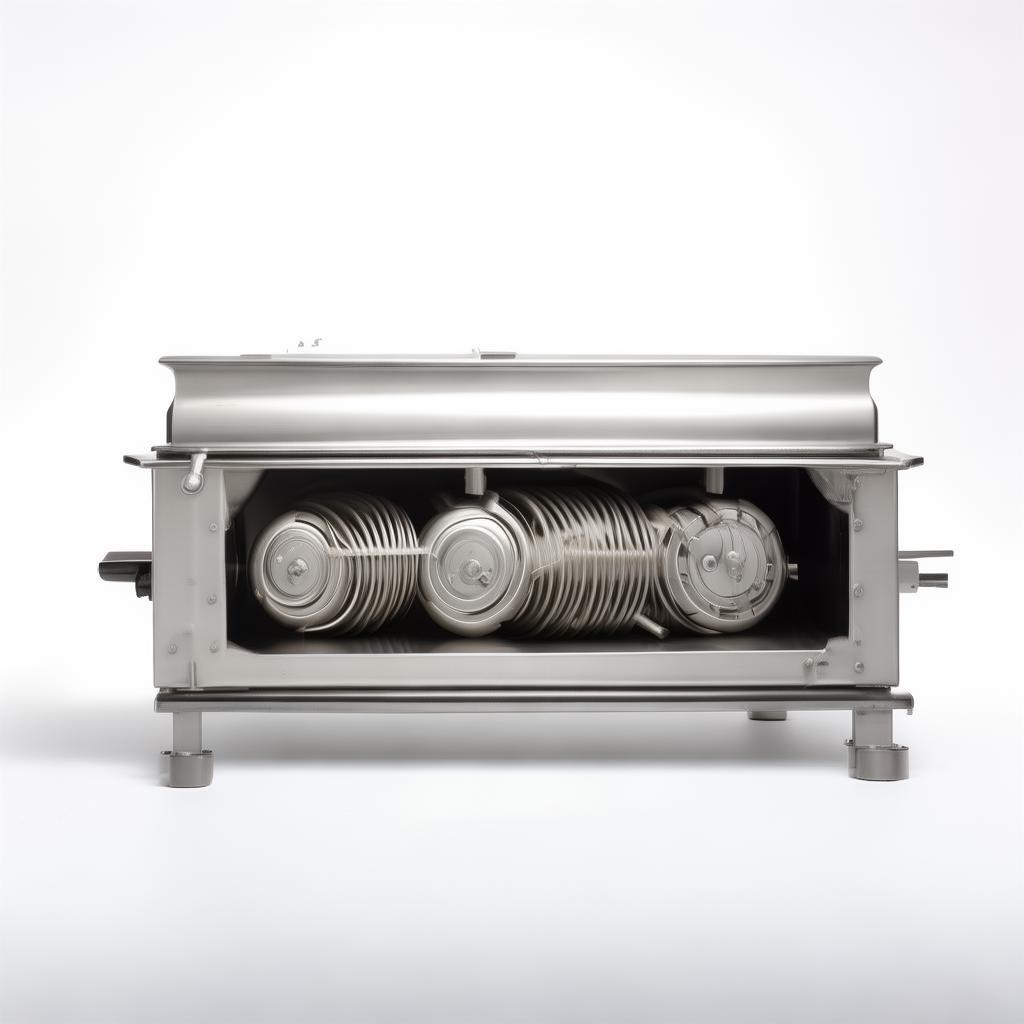
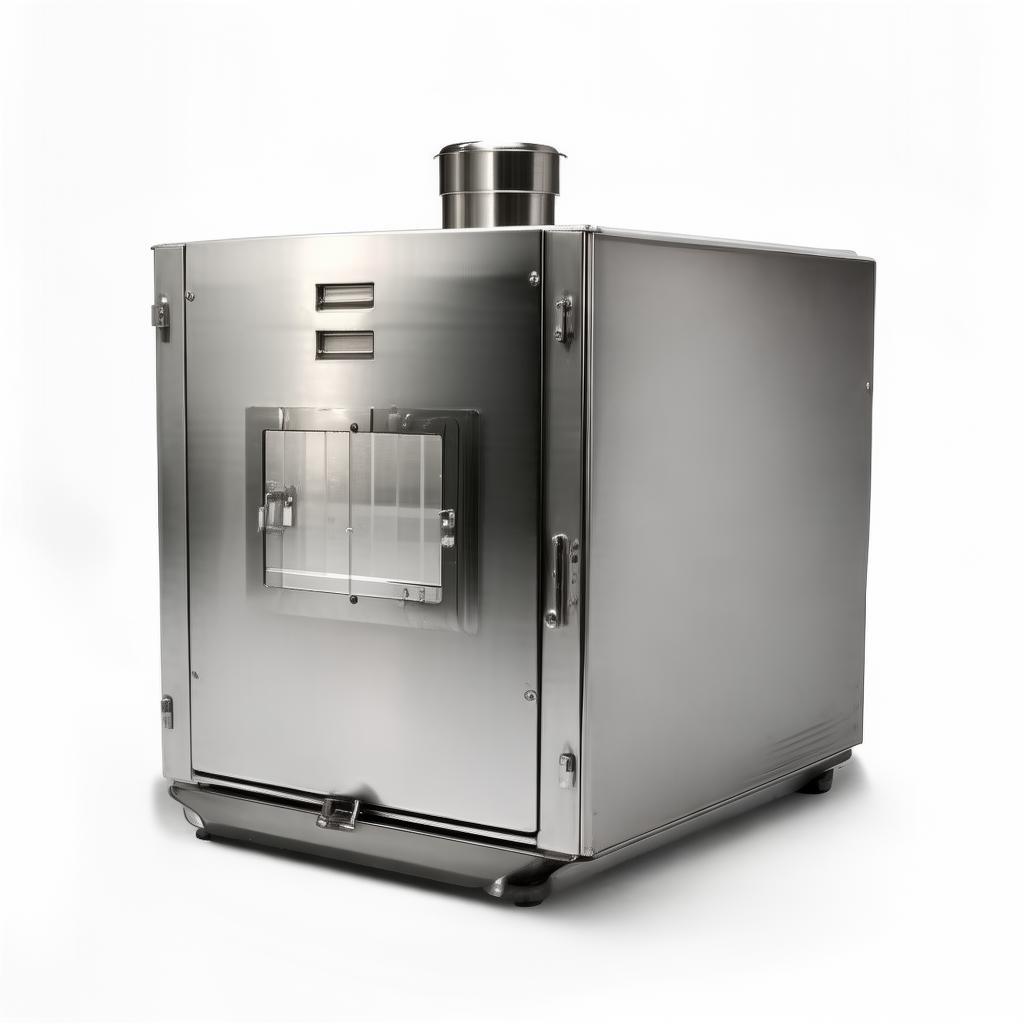
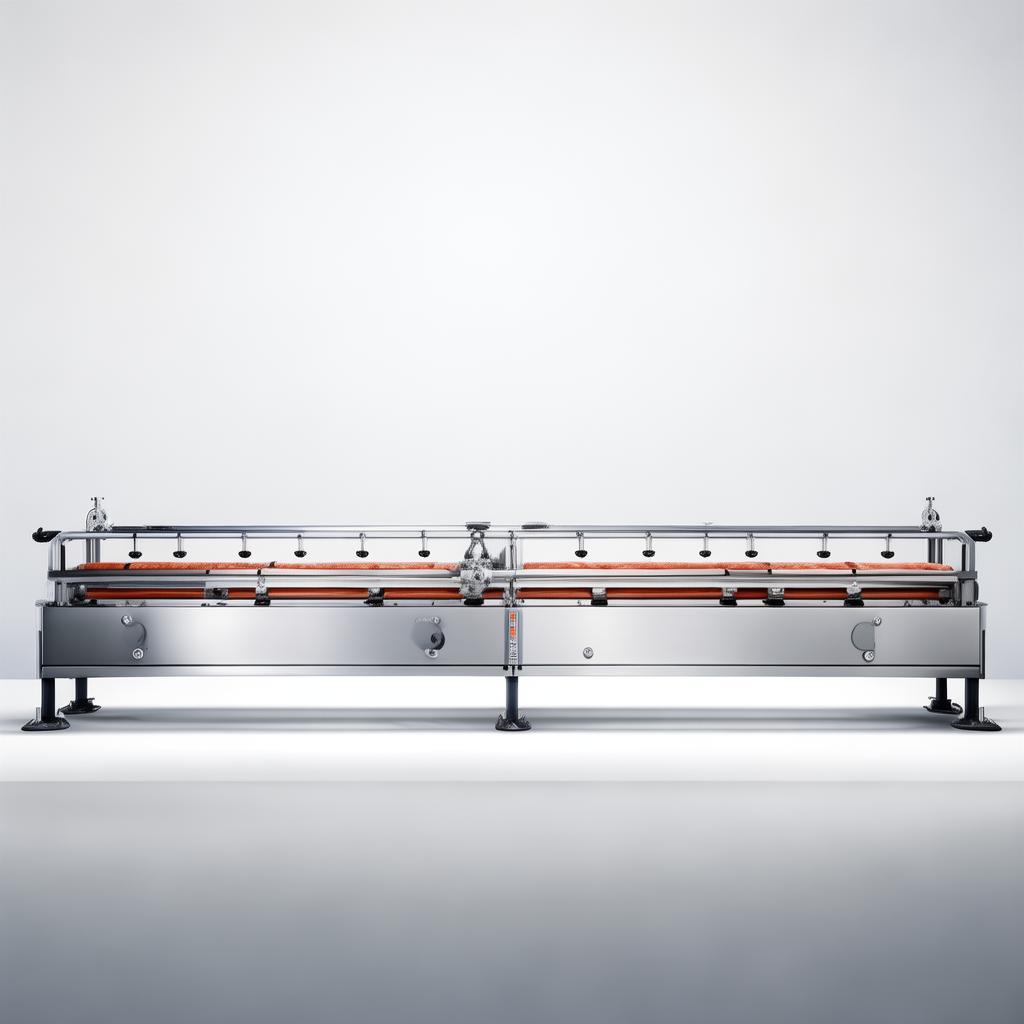
Revolutionize Your Material Handling: The Power of Advanced Vacuum Lift Systems
Streamline Operations, Enhance Safety, and Boost Productivity with Precision Engineered Lifting Solutions.

Unlock Efficiency and Safety in Your Operations
In today's demanding industrial landscape, the efficient and safe movement of materials is paramount. From manufacturing floors and warehouse operations to construction sites and specialized packaging facilities, the traditional methods of lifting and transporting goods often present significant challenges. Manual lifting strains your workforce, risking injuries and costly downtime. Inefficient machinery can slow down your entire production line, impacting delivery schedules and your bottom line. This is where a sophisticated vacuum lift system emerges as a game-changer, offering a blend of power, precision, and ergonomic design that traditional methods simply cannot match.
We understand the pressures you face. The need for faster throughput, reduced operational costs, and an unwavering commitment to employee well-being are not just metrics; they are the bedrock of successful businesses. Procurement managers, operations directors, and plant engineers are constantly seeking solutions that deliver tangible improvements without introducing new complications. That's precisely the value proposition of our advanced vacuum lift technology. It's not just about lifting; it's about transforming how your team interacts with materials, making every lift safer, faster, and more economical.
Consider the sheer variety of items that need moving: delicate electronic components, heavy industrial parts, large sheets of glass or metal, sealed containers, and even oddly shaped or porous materials. Each presents unique handling challenges. A properly designed vacuum lift system leverages atmospheric pressure to create a powerful, yet gentle, grip. This adaptable force allows for the secure manipulation of a wide array of objects, often eliminating the need for complex rigging or specialized attachments. This versatility translates directly into fewer specialized tools, reduced training requirements, and faster changeovers between different product types.
The global meat processing equipment market, for instance, is projected to reach USD 17.39 billion by 2034, with key segments including filling, molding, and ripening equipment. This growth, driven by rising demand for processed meats and automation for hygiene and efficiency, highlights the need for robust handling solutions throughout the production chain. 【Meat Processing Equipment Market Size, Share & Industry Analysis - https://www.fortunebusinessinsights.com/meat-processing-equipment-market-115455 - Key segments include filling & stuffing equipment, massaging & tumbling (for ripening/tenderizing), cutting, grinding, and smoking machines. Growth is driven by rising demand for processed meat, automation adoption for hygiene and labor efficiency, strict food safety standards, and strong expansion in Asia-Pacific.】 Similarly, in manufacturing, the reliable handling of sheet metal, glass panels, or pre-fabricated components is critical. The ability of vacuum lifters to securely grasp these items without damage, while allowing for smooth, controlled movement, directly impacts production speed and product quality.
Beyond mere lifting capacity, the ergonomic benefits are substantial. By transferring the weight and awkwardness of the load to the vacuum system, operators can manipulate heavy items with minimal physical effort. This significantly reduces the risk of musculoskeletal disorders (MSDs), a common and costly issue in industrial settings. For businesses operating in regions with stringent labor laws and a focus on worker safety, implementing such ergonomic solutions isn't just good practice; it's a compliance imperative.
Our commitment extends to providing solutions that integrate seamlessly into your existing workflows. We understand that implementing new equipment can seem daunting. That's why we focus on intuitive operation, straightforward maintenance, and comprehensive support. Whether you're a large-scale OEM facility looking to optimize a critical production line or a wholesale distributor needing to improve warehouse efficiency, our vacuum lift systems are engineered for reliability and performance. Let's explore how this technology can benefit your specific operation.

Addressing Common Industrial Handling Challenges
Worker Strain & Injury Risk
Manual handling of heavy or awkward items is a leading cause of workplace injuries, particularly back strain and sprains. This results in lost productivity, medical expenses, and potential legal issues.
Slowed Throughput & Bottlenecks
Inefficient lifting processes can create bottlenecks in production or logistics, delaying shipments and impacting overall operational efficiency. This is critical in fast-paced environments.
Material Damage
Improper handling can lead to scratches, dents, or breakage of valuable materials like glass, sensitive electronics, or finished goods, resulting in significant financial losses.
Limited Application Scope
Traditional lifting equipment may not be suitable for all materials, especially those with porous surfaces, irregular shapes, or extreme temperatures, requiring multiple specialized solutions.
High Operational Costs
Manual labor, equipment maintenance, and the cost of damaged goods all contribute to significant operational expenses that can be optimized.
Ergonomic Deficiencies
Workplaces lacking ergonomic solutions face higher rates of fatigue and strain among employees, impacting morale and long-term health.
The Mechanics of a Reliable Vacuum Lift System
How it Works: Harnessing Air Pressure
At its core, a vacuum lift system operates on a simple yet powerful principle: creating a pressure differential. A vacuum generator (typically an electric pump or a venturi system) removes air from a sealed chamber or, more commonly, from a vacuum cup that makes contact with the load. This process lowers the air pressure within the cup, causing the higher atmospheric pressure acting on the outside of the load to push it against the cup. The stronger the vacuum, the more powerful the holding force.
The design of the vacuum cups is critical. They come in various shapes, sizes, and materials (like durable rubber or specialized polymers) to ensure a proper seal on different surfaces – whether smooth, slightly textured, or even porous to a degree. A well-designed system includes safety features, such as vacuum loss alarms and backup systems, to ensure the load is never dropped unexpectedly. This attention to detail is what distinguishes industrial-grade equipment.
Furthermore, these systems are often mounted on an articulated arm, a jib crane, or a mobile base, providing a full range of motion for precise placement. Controls are typically intuitive, allowing operators to easily attach, lift, maneuver, and release loads with minimal training. This ease of use is a significant factor in rapid adoption and maximizing ROI.
Key Components for Performance
- Vacuum Generator: The heart of the system, creating the necessary vacuum. Options include electric pumps (reliable for continuous use) and venturi systems (compact, efficient with compressed air).
- Vacuum Cups: Designed for specific load types, materials, and surface textures. Multiple cups can be used for heavier or larger items.
- Control System: Features intuitive controls for vacuum engagement/disengagement and lift/lower operations. Often includes visual and audible warnings for low vacuum.
- Articulated Arm/Boom: Provides the reach and maneuverability to move loads precisely where needed, often with 360-degree rotation.
- Safety Features: Critical elements like vacuum reservoirs (to maintain grip during momentary power interruptions), check valves, and audible/visual alarms ensure safe operation.
Advantages That Drive Real-World Value
Enhanced Operator Safety
Reduces physical strain and the risk of injury from manual lifting, contributing to a safer work environment and lower insurance premiums.
Increased Productivity
Faster lifting and precise placement of materials significantly speed up workflows, leading to higher output and quicker turnaround times.
Reduced Material Damage
Gentle, secure gripping minimizes the risk of scratches, dents, or other damage to sensitive or high-value materials.
Versatile Application
Ideal for a wide range of materials including glass, metal sheets, plastic panels, stone, wood, and even certain porous or irregular items, often replacing multiple specialized tools.
Lower Operational Costs
Fewer personnel required for heavy lifting, reduced material spoilage, and lower instances of workplace injuries contribute to significant cost savings.
Improved Ergonomics
Effortless material manipulation leads to less operator fatigue, higher job satisfaction, and better long-term employee health.
Technical Specifications & Customization
Our vacuum lift systems are engineered for robust performance across various demanding applications. We offer a range of standard configurations, and importantly, we excel in providing OEM/ODM solutions tailored to your unique operational needs. Below is a typical overview of what you can expect. Specific capacities, reach, and features are highly customizable.
| Feature | Standard Specification | Customization Options |
|---|---|---|
| Lifting Capacity | Up to 500 kg (1100 lbs) | Higher capacities available upon request |
| Power Source | Electric 220V/380V, 50/60Hz (or as specified) | DC powered options, Pneumatic venturi systems |
| Vacuum Generation | High-efficiency electric vacuum pump | Integrated safety reservoir, redundant systems |
| Control Type | Ergonomic handle with intuitive lift/lower/release buttons | Remote controls, foot pedals, PLC integration |
| Articulated Arm Reach | Up to 3 meters (approx. 10 ft) | Extended reach booms, floor-to-ceiling masts |
| Vacuum Cups | Standard flat, high-grip rubber cups | Specialized cups for porous, curved, or hot surfaces; multiple cup arrays |
| Safety Features | Low vacuum alarm (audible/visual), check valves | Vacuum pressure gauges, automatic shut-off, emergency release |
vacuum lifting device sheet vacuum lifter vacuum tube lifter
Considerations for Material:
- Surface Type: Smooth, polished surfaces require excellent sealing. Textured or slightly porous materials may need specialized cups or higher vacuum levels.
- Weight and Dimensions: Proper cup selection and arrangement are crucial for stable and secure lifting of items large or small, light or heavy.
- Temperature: Extreme temperatures can affect vacuum cup material integrity and seal performance.
We encourage you to discuss your specific material handling needs with our technical team. Our ability to engineer custom vacuum lift systems is a core strength.
Applications Across Industries
The versatility of vacuum lift systems makes them indispensable in a wide range of sectors:
Manufacturing & Assembly
Handling of sheet metal, glass panels, automotive components, electronic assemblies, and machine parts.
Warehousing & Logistics
Loading/unloading pallets, moving crates, handling bagged goods, and stacking inventory efficiently.
Construction
Installation of windows, facade panels, pre-cast concrete elements, and roofing materials.
Food Processing
Handling sealed food packaging, bags of ingredients, and moving trays or containers within processing lines. Compliance with food-grade materials is often a requirement.
Packaging
Placing lids on containers, manipulating large boxes, and handling film or wrapping materials.
Automotive Industry
Assembly of doors, windshields, body panels, and interior components. The global automotive industry, a major consumer of industrial equipment, increasingly relies on automation and safe handling.
Installation, Integration, and Logistics
Implementing a new vacuum lift system is typically a straightforward process, designed for minimal disruption to your operations. However, careful planning ensures optimal integration.
Installation Considerations
Most of our vacuum lifters are designed for plug-and-play operation. Depending on the model, installation may involve:
- Mounting the main boom or support structure.
- Connecting the power source (electrical outlet or air supply).
- Performing initial system checks and calibration.
For larger jib crane or overhead rail installations, professional site assessment and fitting are recommended. We work with certified partners globally to ensure seamless installation, especially for international clients.
Logistics and Shipping
We have extensive experience managing international shipments. Our logistics team ensures that your vacuum lift system reaches your facility efficiently and safely.
- Secure packaging to withstand transit stress.
- Compliance with all international shipping regulations.
- Optimized container loading to reduce freight costs.
- Clear documentation for customs clearance.
We can provide detailed shipping plans and transit time estimates upon request, making cross-border procurement worry-free.
Procurement Guidance: Selecting the Right System
Choosing the right vacuum lift system is critical for achieving your operational goals. Here’s what to consider:
1. Define Your Loads
What is the maximum weight, size, and shape of the items you need to lift? What is the surface texture and material?
2. Assess Your Workspace
What is the available headroom? What is the reach required? Are there obstructions?
3. Determine Throughput Needs
How many lifts per hour/shift are expected? This influences the speed and efficiency requirements of the system.
4. Evaluate Safety & Ergonomics
Prioritize systems with clear safety features like alarms and sufficient holding capacity under fault conditions.
5. Consider Power & Environment
What power sources are available? Is the environment clean, dusty, wet, or hazardous?
6. Factor in Support & Service
Reliable after-sales support, spare parts availability, and maintenance services are crucial for long-term investment protection.
Don't guess. Let our experts guide you. We’ve seen countless applications and can help you avoid common pitfalls. For example, trying to lift a pallet of diverse items with a single vacuum setup might seem efficient but can lead to inconsistent grip and potential failure. We’ll advise on optimal configurations.
Our Manufacturing Strength: 40 Years of Expertise
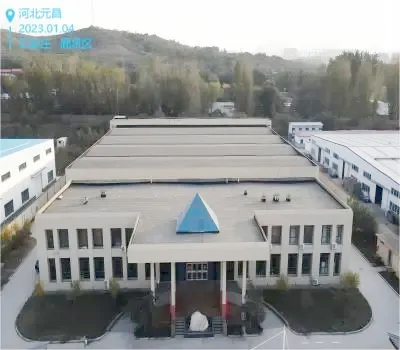
At Hebei Yuanchang Food Mechanism & Technology Co., Ltd., our 40-year legacy since 1986 is built on a foundation of rigorous R&D, precision manufacturing, and deep industry knowledge. While our roots are in food processing equipment, our in-house machining capabilities and commitment to quality extend to highly engineered industrial solutions like vacuum lift systems.
Our 14,000 square meter facility houses over 20 sets of advanced processing machinery, including lathes, milling machines, and high-precision grinders. Crucially, since 2012, our investment in Japanese Mazak CNC machining centers allows us to produce components with exceptional precision, large volumes, and non-standard specifications. This internal capability means we control every step of the manufacturing process, ensuring superior quality and reliability for your vacuum lift system.
We understand that in international trade, consistency and traceability are key. Our traceable after-sales management system, combined with our independent production of high-precision parts, offers unparalleled assurance for your investment. We don't just build machines; we build trust.
State-of-the-art CNC machining for precision components.
Certifications and Quality Assurance
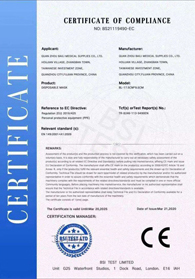
Our commitment to quality is validated by industry-recognized certifications. This demonstrates our adherence to stringent international standards, providing you with confidence in the reliability and safety of our products.

Customer Testimonials

Operations Manager, USA
"The vacuum lift system we purchased has significantly improved our workflow in the distribution center. Loading and unloading pallets is now much faster and safer for our team. The support from Yuanchang was excellent, especially navigating the import process."

Plant Engineer, Mexico
"We needed a reliable way to handle large glass panels during manufacturing. This vacuum system is precise, gentle, and has drastically reduced breakage. The customized vacuum cups were perfect for our specific product."

Procurement Specialist, Japan
"The build quality of the vacuum lift is impressive. It operates smoothly and the safety features are robust. Integrating it with our existing overhead crane system was surprisingly simple. Highly recommended for demanding industrial environments."
Frequently Asked Questions
What is the typical lifespan of a vacuum lift system? +
Can vacuum lift systems handle porous materials? +
What kind of maintenance is required? +
Do you offer training for operators? +
What are the lead times for custom orders? +
Ready to Enhance Your Material Handling?
Don't let inefficient lifting slow you down. Discover how a precision vacuum lift system from Hebei Yuanchang can transform your operations. We're here to provide expert advice, custom solutions, and reliable support.
Get a Personalized Quote
Request QuoteTalk to an Engineer
Call UsOr visit our contact page: ycmeatmech.com/contacts.html
Hebei Yuanchang Food Mechanism & Technology Co., Ltd. | Shijiazhuang, Hebei Province, China