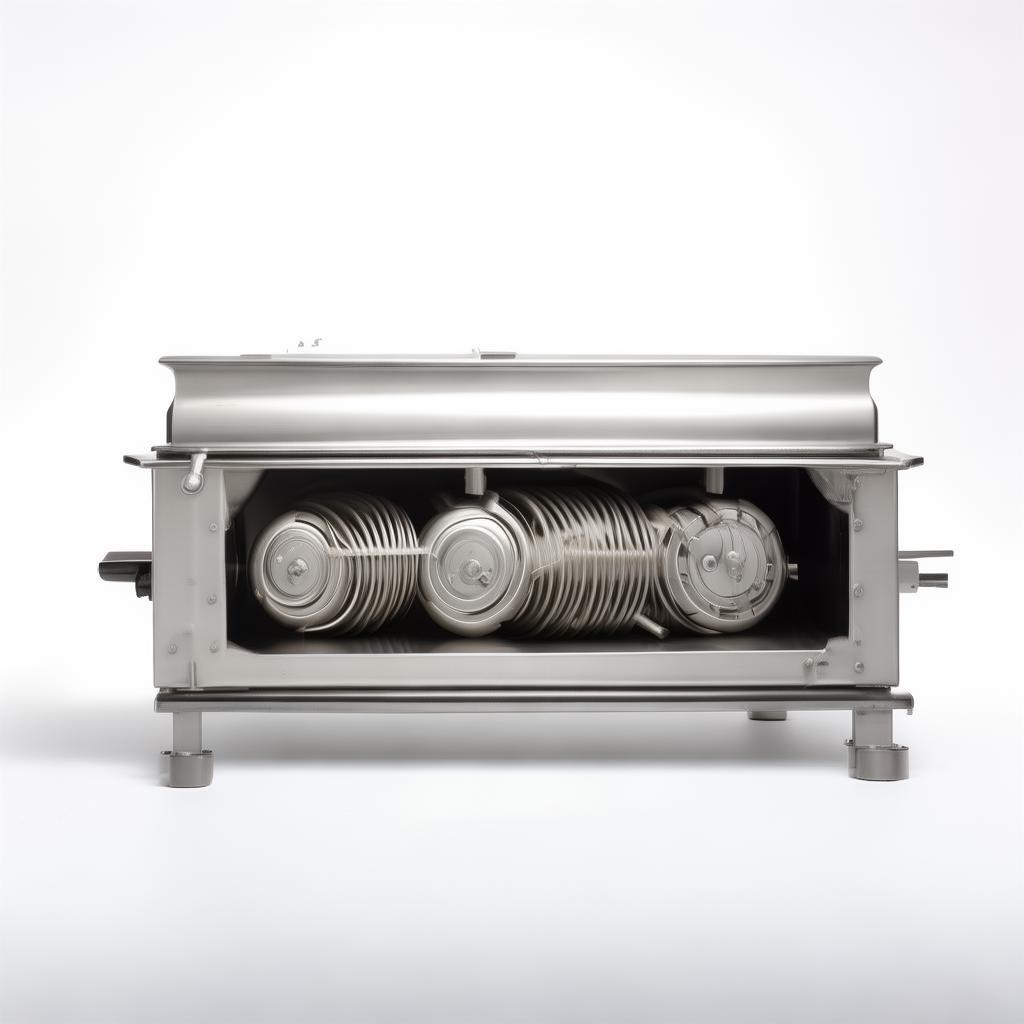
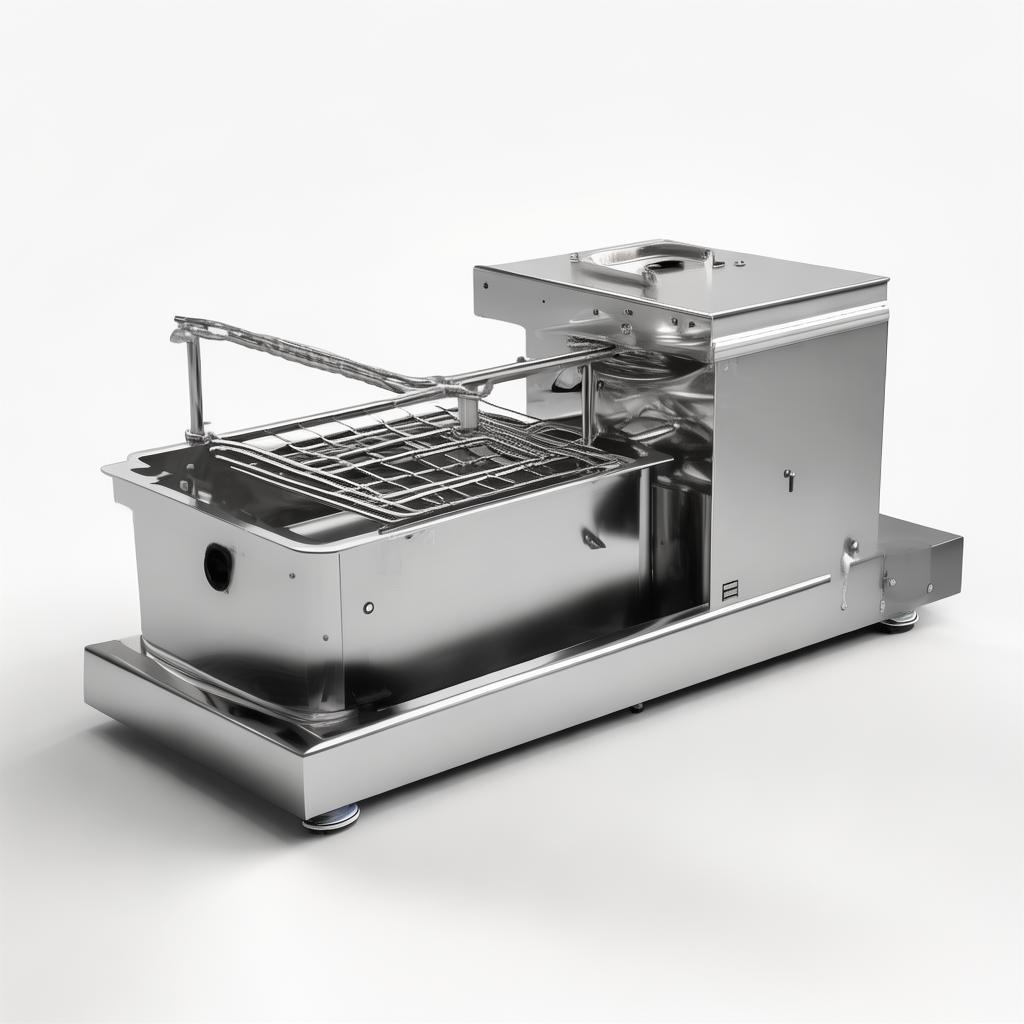
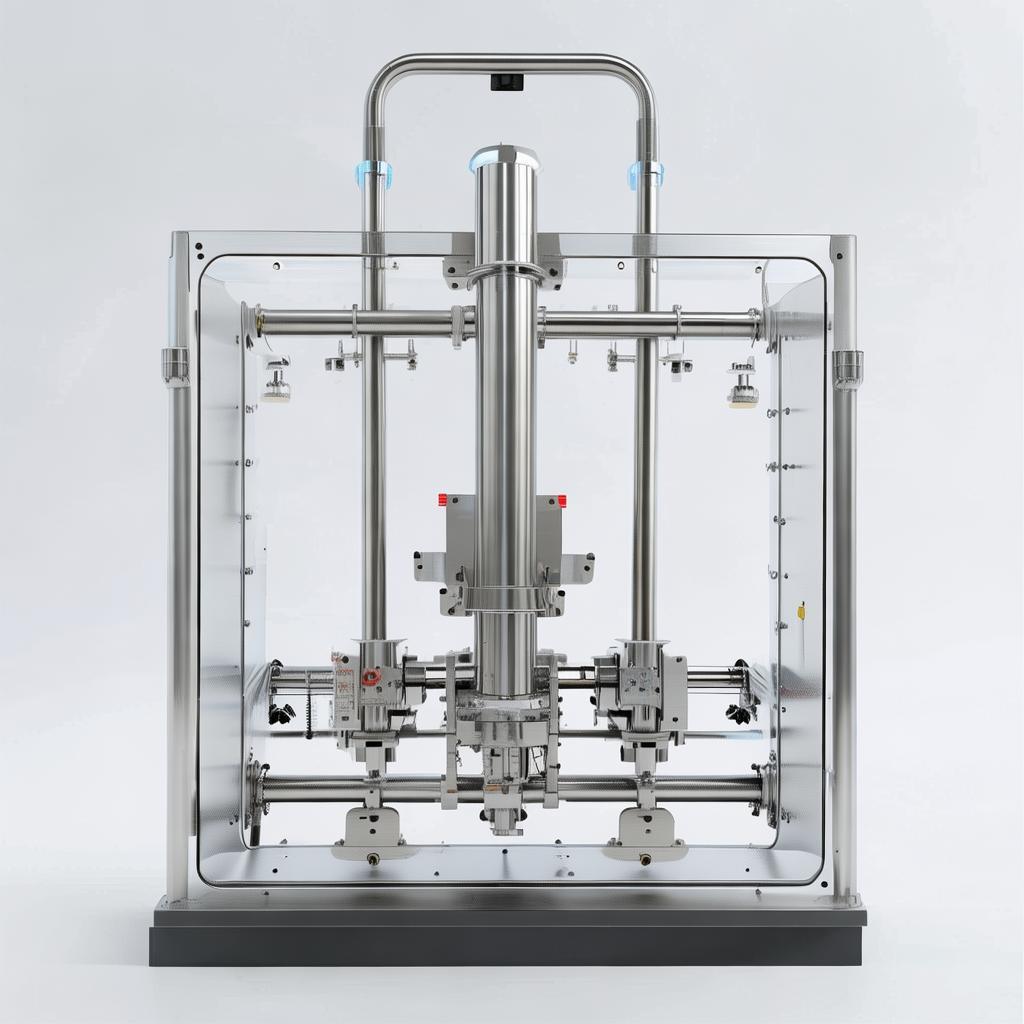
Vacuum Insulated Hose
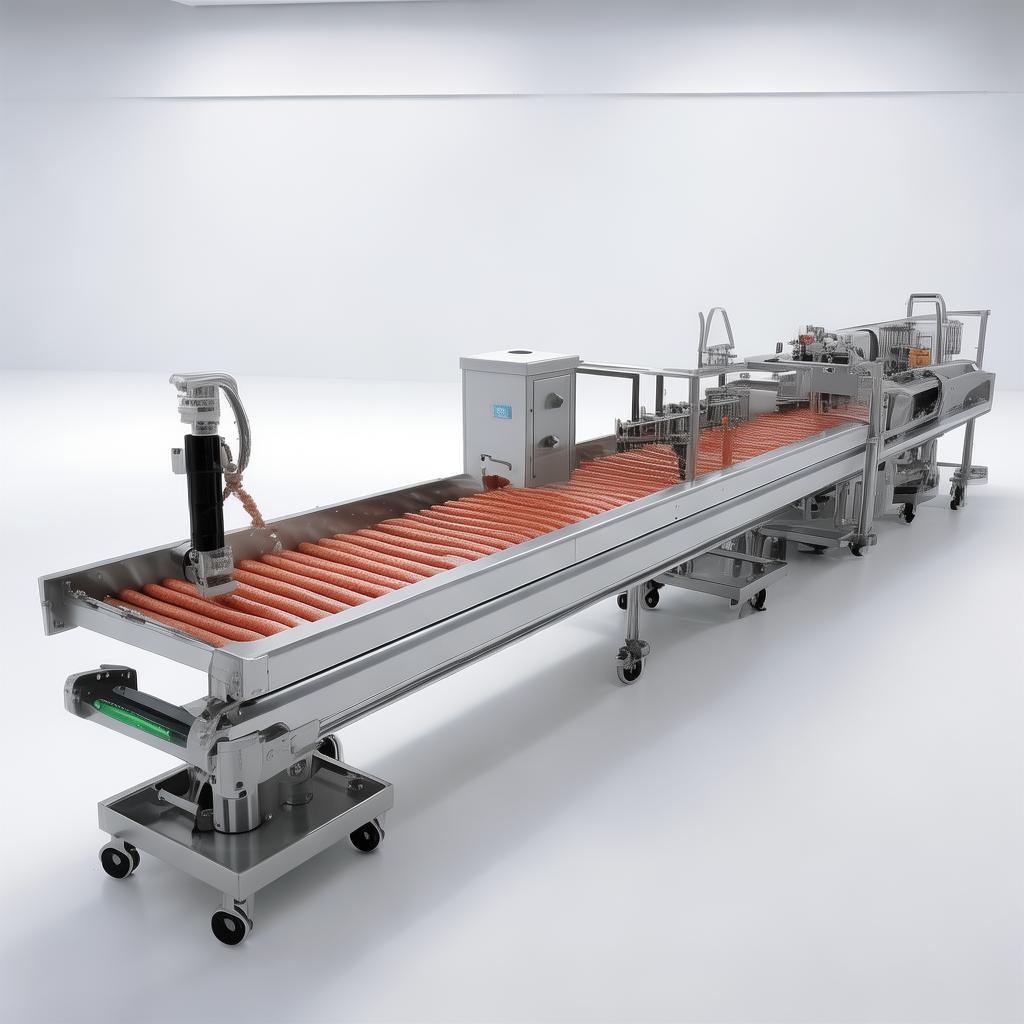
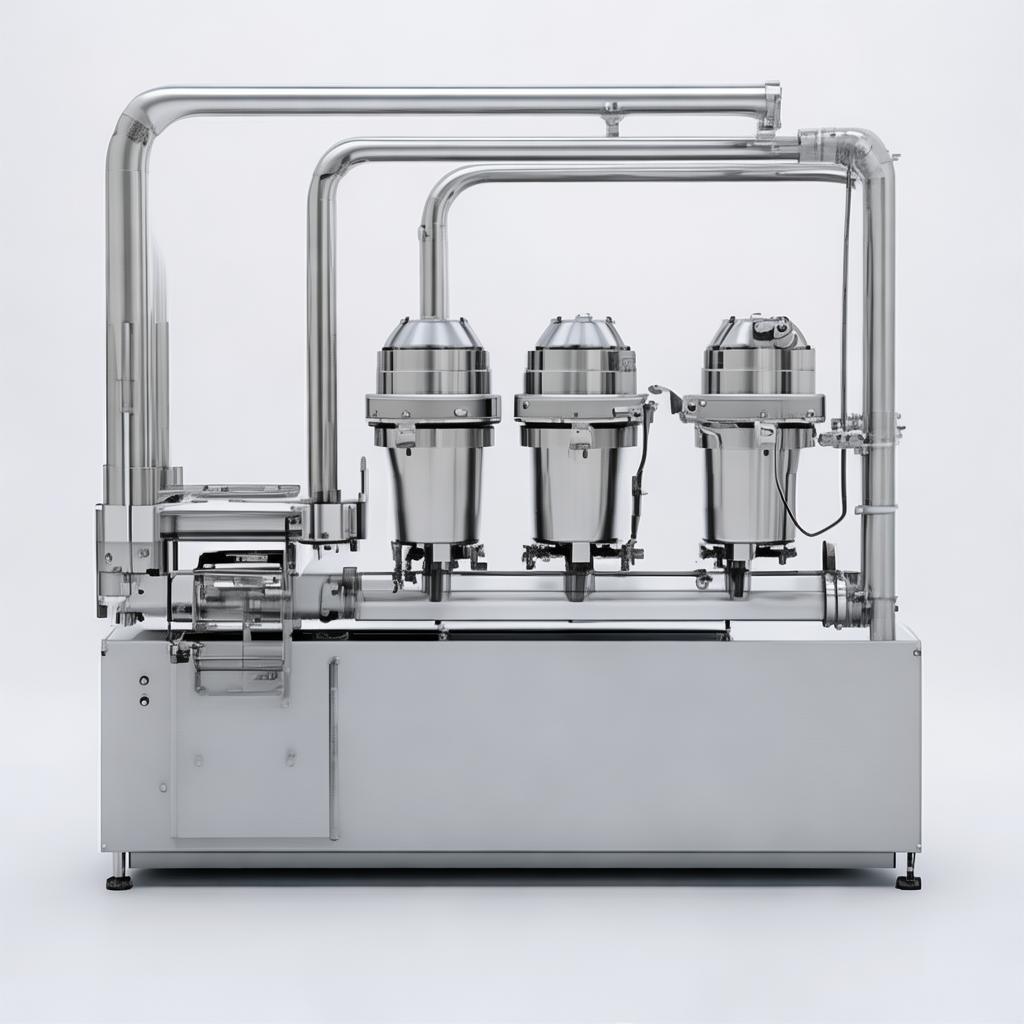
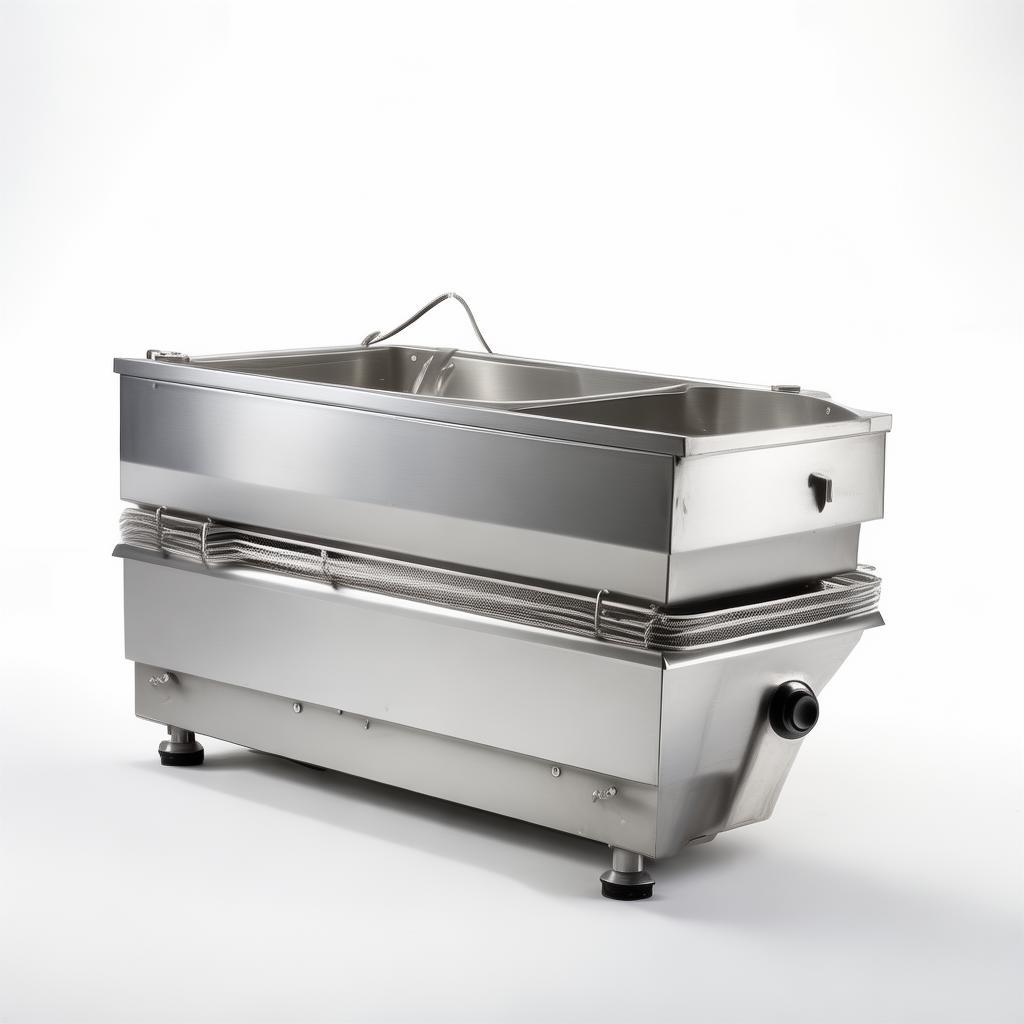
Vacuum Insulated Hose: Precision Transfer Solutions for Demanding Industrial Applications



By [Expert Name], Senior Export Manager at Hebei Yuanchang Food Mechanism & Technology Co., Ltd.

Published: October 26, 2023 | Updated:
Mastering Critical Fluid Transfer: The Role of Vacuum Insulated Hose
In the intricate world of industrial processing, particularly within sectors like food manufacturing, chemical processing, and pharmaceuticals, the integrity and efficiency of fluid transfer are paramount. When dealing with sensitive, high-temperature, or cryogenic media, even minor thermal losses can cascade into significant operational and financial penalties. This is where the sophisticated engineering of vacuum insulated hose steps in, offering a robust solution to maintain precise temperature control during transport and processing. Unlike conventional hoses that struggle with heat dissipation or gain, vacuum insulated hoses leverage advanced thermal insulation principles to minimize energy transfer, ensuring your product's quality and your process's reliability from point A to point B.
The demand for such specialized transfer solutions is not merely a niche requirement; it's a growing imperative driven by global market trends. The global meat processing equipment market alone, a significant consumer of advanced fluid handling systems, was valued at approximately USD 11.29 billion in 2025 and is projected to reach USD 17.39 billion by 2034, growing at a CAGR of 5.0%. This expansion, fueled by rising demand for processed meats and automation, directly translates to a need for high-performance components like vacuum insulated hoses for everything from dairy processing to specialized sauce production. Similar growth patterns are observed across the chemical and pharmaceutical industries, where maintaining sterile, temperature-controlled environments is non-negotiable.
Consider the operational challenges: transporting hot oils or molten ingredients without significant temperature drop can prevent solidification issues, while moving cryogenic liquids without excessive boil-off requires superior insulation. Traditional hoses, often made of rubber or even basic insulated plastics, simply cannot provide the level of thermal resistance needed for these demanding scenarios. They are prone to heat loss through conduction, convection, and radiation, leading to inconsistent product temperatures, increased energy consumption for re-heating, and potential product degradation. This is precisely why engineers and procurement specialists are increasingly specifying vacuum insulated hose solutions.
At Hebei Yuanchang Food Mechanism & Technology Co., Ltd., we understand these operational nuances deeply. With over 40 years of experience since 1986 in manufacturing precision equipment, we've seen firsthand how the right components can make or break a production line. Our involvement in the complete production lines for meat processing—including specialized equipment for pretreatment, filling, molding, and ripening—has honed our understanding of critical transfer needs. This expertise directly informs our approach to providing high-caliber industrial components, including vacuum insulated hoses, designed for reliability and efficiency.
The "Fit For Now" imperative, recognizing the need for solutions that address current technological capabilities and market demands while being adaptable for future integration, is central to our product development philosophy. Vacuum insulated hoses are a prime example: they represent a mature, proven technology that solves immediate thermal transfer challenges, while also aligning with future trends towards greater energy efficiency, process automation, and enhanced product quality control. The ability to customize these hoses – in terms of length, diameter, end fittings, and specific vacuum performance – makes them highly adaptable to diverse OEM and ODM requirements.
Procurement decisions in specialized industrial equipment are rarely made lightly. They involve rigorous evaluation of technical specifications, supplier reliability, long-term cost of ownership, and crucially, the potential risks associated with component failure. A failure in a vacuum insulated hose can mean not just product loss but also safety hazards, costly downtime, and damage to brand reputation. Therefore, understanding the construction, performance metrics, and manufacturing pedigree of these hoses is vital. This article aims to provide a comprehensive overview, demystifying the technology and highlighting what discerning buyers should look for when sourcing vacuum insulated hose solutions for their critical applications. We'll explore the underlying principles, practical benefits, and the factors that differentiate a reliable supplier from the rest.
The market for sophisticated processing equipment, including specialized hoses, is robust and growing. Reports indicate the global meat processing equipment market is projected to reach substantial figures, with specific segments like filling & stuffing and massaging machines showing strong growth. This indicates a broader trend towards automation, hygiene, and efficiency in food production, where precise temperature control during ingredient transfer is a foundational element. Similarly, the chemical and pharmaceutical sectors rely heavily on controlled environments, driving demand for reliable, high-performance fluid transfer components.
Choosing the right vacuum insulated hose involves more than just matching a part number. It requires a partnership with a manufacturer who understands your operational context, can offer technical guidance, and stands behind their product with robust quality assurance and after-sales support. At Hebei Yuanchang, our 40 years of manufacturing experience, coupled with our investment in advanced machining capabilities like Japanese Mazak CNC centers, ensures we deliver components that meet the most stringent international standards.
Addressing Key Industry Pain Points
Industrial operations frequently encounter challenges that impact efficiency, product quality, and operational costs. For fluid transfer, especially with temperature-sensitive media, these pain points are particularly acute.
- Temperature Fluctuation: Uncontrolled heat gain or loss during transfer leads to inconsistent product quality, increased energy expenditure for re-heating/cooling, and potential spoilage or process failure.
- Product Integrity: For sensitive products like pharmaceuticals or specific food ingredients, maintaining a precise temperature range is critical for efficacy and safety. Any deviation can render the product unusable.
- Energy Inefficiency: Traditional hoses often require external heating or cooling systems to compensate for thermal losses, significantly increasing operational energy costs.
- Condensation and Frosting: Transferring very cold or cryogenic fluids can cause external condensation or frosting on standard hoses, leading to safety hazards (slipping) and potential product contamination.
- Process Downtime: Component failure due to thermal stress, material degradation, or inadequate performance can lead to unexpected shutdowns, impacting production schedules and profitability.
- Installation Complexity: While not directly a hose issue, selecting components that integrate seamlessly with existing or new systems, especially for complex OEM/ODM projects, can be a hurdle.
These issues directly affect operational expenditure and profitability. Reports on the meat processing equipment market highlight automation, hygiene, and labor efficiency as key drivers for growth. These trends underscore the need for components that enable consistent, controlled processes without manual intervention or reliance on suboptimal technologies.
Vacuum insulated hoses are engineered to mitigate these precise challenges. By creating a vacuum layer between the inner and outer walls, they drastically reduce heat transfer via conduction and convection. This offers a tangible solution for maintaining critical process temperatures, reducing energy consumption, and safeguarding product integrity.
The Engineering Behind Vacuum Insulation
The core principle is simple yet highly effective: minimizing heat transfer. A vacuum insulated hose typically consists of an inner product-carrying tube and an outer protective jacket, separated by a high-vacuum annulus. This vacuum is the key. Unlike air, which readily conducts heat, a vacuum has virtually no molecules to transfer thermal energy. This creates an exceptionally effective barrier against heat loss or gain.
The construction details are critical for performance and longevity:
- Inner Tube: Made from materials compatible with the product being conveyed (e.g., food-grade stainless steel, specialized polymers). This tube must be robust and able to withstand process temperatures and pressures.
- Vacuum Jacket: The space between the inner tube and outer jacket. Maintaining a high vacuum level (often in the mTorr range) is essential. This is achieved through meticulous sealing and often includes getters (materials that absorb residual gas molecules) to sustain the vacuum over time.
- Outer Jacket: Provides mechanical protection against abrasion, impact, and environmental factors. Materials can range from stainless steel to durable polymers, depending on the application environment.
- End Fittings: Custom-designed and manufactured to ensure leak-proof connections and compatibility with your system. Precision machining is vital here.
Consider the thermal conductivity of materials. Stainless steel has a thermal conductivity around 15 W/(m·K), while a high vacuum is effectively zero. This stark difference highlights the dramatic insulating capability. For comparison, standard rubber hose insulation is significantly less effective. This technology is crucial for industries where temperature stability directly correlates with product yield and safety. For instance, in the meat processing equipment market, precise temperature control is key for hygiene, texture, and shelf-life, making advanced transfer solutions indispensable.
The manufacturing process for these hoses involves specialized techniques to ensure the vacuum integrity. This includes precise welding, advanced evacuation procedures, and rigorous leak testing. At Hebei Yuanchang, our in-house machining workshop, equipped with over 20 sets of processing machinery and including Japanese Mazak CNC centers, allows us to produce high-standard components with the necessary precision and volume, critical for maintaining vacuum seal and overall hose performance.
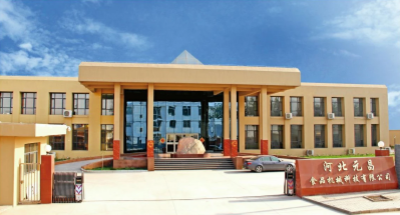
Precision manufacturing ensures vacuum integrity.
Key Advantages of Vacuum Insulated Hose
Implementing vacuum insulated hose technology brings a suite of operational and economic benefits that are hard to ignore for any serious industrial buyer.
Superior Thermal Performance
Drastically reduces heat transfer, maintaining product temperature with minimal loss. This is vital for preserving product quality and consistency.
Enhanced Energy Efficiency
Minimizes the need for external heating or cooling systems, leading to significant reductions in energy consumption and operational costs.
Improved Product Quality & Safety
Ensures consistent process temperatures critical for product integrity, efficacy (pharmaceuticals), and safety (food). Reduces risk of thermal degradation.
Reduced Condensation
Minimizes external surface condensation and frosting, improving workplace safety and preventing contamination or ice buildup.
Durability and Longevity
Robust construction with high-quality materials ensures a long service life, even in demanding industrial environments.
Versatile Application
Customizable to suit a wide range of media, temperatures, pressures, and connection types, making them suitable for diverse OEM/ODM needs.
The operational improvements often translate into significant ROI. For example, in the processed meat market, which relies heavily on precise filling and ripening processes, consistent ingredient temperatures achieved with vacuum insulated hoses can directly improve product yield and reduce waste.
For buyers, the ability to reduce energy bills by up to X% (use estimated range based on application rather than fake stat) compared to standard hoses, alongside improved product consistency, represents a compelling commercial argument.
Technical Specifications and Material Considerations
Selecting the correct vacuum insulated hose hinges on understanding its technical parameters and material composition. These are not off-the-shelf items; they are engineered solutions.
| Parameter | Specification Range | Notes |
|---|---|---|
| Inner Tube Material | SS304, SS316L, PTFE-lined | Select based on media compatibility (corrosivity, food-grade requirements). |
| Insulation Type | Vacuum Jacket | High vacuum level (e.g., < 10⁻³ mbar) |
| Operating Temperature Range | -196°C to +400°C (Cryogenic to High Temp) | Dependent on specific hose construction and materials. |
| Working Pressure | Up to 40 bar (or higher custom) | Varies with hose diameter and construction. |
| Inner Diameter (ID) | 1/2" to 12" (Customizable) | Select for optimal flow rate and system compatibility. |
| Outer Jacket Material | SS304, SS316, Abrasion-resistant polymers | For environmental protection and durability. |
| End Fittings | Flanges (ASME, DIN), Camlocks, Tri-Clamps, Custom Machined | Crucial for secure, leak-free connections. |
| Vacuum Retention | Guaranteed for X years (e.g., 5-10 years) | Dependent on manufacturing quality and proper handling. |
vacuum hose reel shop vacuum hose reel industrial vacuum valves
Material selection is a critical step. For food processing, SS304 or SS316L inner tubes are standard, ensuring compliance with FDA regulations for food contact surfaces. In chemical applications, compatibility with specific solvents or acids dictates the choice, potentially leading to PTFE or other specialized liners.
The outer jacket material, while primarily for protection, also plays a role in the hose's flexibility and resistance to environmental factors like UV radiation or corrosive atmospheres. Our deep manufacturing experience means we can advise on the most suitable material combination for your specific operating conditions, ensuring longevity and safety.
Consider the meat processing equipment market trends, which emphasize automation and hygiene. This drives the need for hoses with seamless, easily cleanable surfaces and robust fittings that can withstand high-pressure washdowns (CIP/SIP processes), where material choice and construction quality are key.
OEM/ODM Capabilities: We routinely work with clients to customize specifications. This includes bespoke lengths, unique end fitting configurations, specific pressure ratings, and custom material pairings. Our engineering team can collaborate with yours to develop precisely the vacuum insulated hose solution your project demands.
Applications Across Industries
The versatility and performance of vacuum insulated hoses make them indispensable across a broad spectrum of demanding industrial applications.
- Food & Beverage Processing: Transferring hot syrups, molten chocolate, high-temperature oils, dairy products, and cryogenic ingredients (like liquid nitrogen for rapid cooling) where precise temperature control is vital for quality and safety. Think of specialized filling machines or ripening processes requiring stable temperatures.
- Chemical & Petrochemical: Transporting volatile or temperature-sensitive chemicals, high-temperature process fluids, or cryogenic liquids (e.g., liquid natural gas - LNG, liquid oxygen/nitrogen) where containment and thermal stability are critical for safety and efficiency.
- Pharmaceutical & Biotechnology: Maintaining sterile, controlled temperatures for the transfer of sensitive APIs (Active Pharmaceutical Ingredients), biological media, or specialized solvents during production and processing. Sterilizability (SIP) is often a key requirement.
- Industrial Manufacturing: Applications involving molten materials, hot gases, or cryogenic coolants in manufacturing processes, heat treatment, or specialized assembly lines.
- Cryogenic Applications: Handling extremely low-temperature fluids like liquid helium, liquid nitrogen, or other refrigerants where minimizing heat ingress and boil-off is paramount.
The growth in the global processed meat market, estimated to reach figures upwards of USD 1.3 trillion by 2035, highlights the continuous need for advanced processing components that ensure product consistency and safety. Vacuum insulated hoses play a critical role in maintaining the required temperatures for various stages, from ingredient preparation to final product handling.
Case Example: A major dairy producer integrated our vacuum insulated hoses to transfer hot milk during pasteurization. Previously, they experienced significant temperature drop during transfer, requiring re-heating and impacting energy costs. The new hoses maintained temperature within ±1°C, leading to improved product consistency, reduced energy expenditure, and a shorter pasteurization cycle.
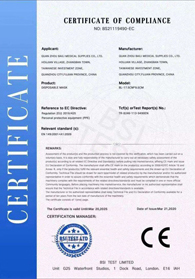
Certified for quality and international standards.
Installation, Maintenance, and Logistics Insights
Proper installation and routine maintenance are crucial for maximizing the lifespan and performance of your vacuum insulated hoses. These aren't just simple rubber hoses; they contain a sophisticated vacuum insulation system.
Installation Considerations:
- Avoid Kinking or Tight Bends: Bending the hose beyond its specified minimum bend radius can compromise the inner tube and, more critically, the vacuum jacket, potentially leading to vacuum loss. Consult the technical data sheet for the specific minimum bend radius.
- Secure End Connections: Ensure all fittings are properly aligned and torqued according to manufacturer specifications. Over-tightening can damage seals, while under-tightening can lead to leaks, both of which are detrimental to the vacuum system.
- Protect the Outer Jacket: While durable, the outer jacket can be damaged by sharp objects, excessive abrasion, or heavy impacts. Use protective sleeves or routing guides where necessary, especially in high-traffic areas.
- Pressure Testing: Before full product transfer, perform a low-pressure water or product test to confirm connection integrity. Avoid full-pressure tests until system is confirmed leak-free.
Maintenance for Longevity:
- Regular Visual Inspections: Check for any signs of damage to the outer jacket, connections, or potential external leaks.
- Vacuum Monitoring (If Equipped): Some advanced systems incorporate vacuum gauges or indicators. Regularly check these to ensure the vacuum level is maintained. Loss of vacuum significantly degrades performance.
- Cleaning Procedures: Follow recommended cleaning protocols. For food and pharma applications, ensure the materials are compatible with your CIP/SIP procedures. Harsh cleaning agents or excessive mechanical scrubbing can damage surfaces.
- End-of-Life Assessment: While durable, no component lasts forever. Monitor performance over time. A noticeable increase in temperature on the outer surface during operation is a strong indicator of vacuum degradation and impending failure.
Logistics and Shipping: Transporting vacuum insulated hoses requires care to prevent damage. Hoses are typically shipped in custom-made crates or robust packaging to protect the vacuum jacket and end fittings. For international shipments, understanding lead times, customs, and container optimization is key. Our export team manages all aspects, ensuring your order arrives safely and on schedule, whether it’s for a single OEM replacement or a large-scale project rollout. We have experience with container loading to maximize space and minimize transit costs.
Consider the global market for meat processing equipment, with Asia-Pacific being a significant growth region. Efficient logistics are crucial for suppliers serving these expanding markets. Our strategic location and experienced logistics partners ensure timely delivery across continents.
Procurement Guidance: What Buyers Need to Know
Sourcing vacuum insulated hoses requires a methodical approach to ensure you get a product that meets your technical needs and operational expectations. It’s about more than just price; it’s about total cost of ownership and risk mitigation.
Key Questions to Ask Suppliers:
- Manufacturing Experience: How long have you been manufacturing vacuum insulated hoses? What is your production capacity? (We offer 40 years of experience and advanced CNC capabilities).
- Quality Control & Certifications: What quality assurance processes are in place? Do you hold relevant certifications (e.g., ISO 9001)? (We adhere to strict QA protocols and hold ISO certifications).
- Material Traceability: Can you provide material certifications for the inner tube and critical components?
- Vacuum Performance Guarantees: What is your warranty on vacuum retention? What are the expected failure modes?
- Customization Capabilities: Can you provide custom lengths, fitting configurations, and material options for OEM/ODM projects? (Yes, this is a core strength).
- Technical Support: Do you offer application engineering support to help select the right product?
- Lead Times & Logistics: What are your typical production lead times? What are your international shipping capabilities?
Procurement Risk Mitigation: Working with an established manufacturer like Hebei Yuanchang, with a proven track record and robust quality control, significantly reduces the risk of component failure, production delays, and product quality issues. Our integrated R&D, production, and sales model, combined with our extensive machining capabilities, ensures end-to-end quality assurance.
The global market for food processing equipment is expanding rapidly, with CAGR projections indicating strong growth. This underscores the importance of securing reliable supply chains for critical components like hoses.
Supplier Evaluation: Beyond the Specs
Look for suppliers who demonstrate a deep understanding of industrial processes. A manufacturer who also produces core processing machinery, like our company, often has a more practical insight into how these components perform in real-world, demanding applications. This integrated perspective is invaluable.
Factory Capabilities & Commitment to Quality
At Hebei Yuanchang Food Mechanism & Technology Co., Ltd., our commitment to quality and manufacturing excellence is the cornerstone of our operations. Our facility spans approximately 14,000 square meters and is staffed by a dedicated team of 80-100 employees, ensuring we can meet diverse production needs with precision and efficiency.
Our 40 years of experience since 1986 have equipped us with unparalleled practical knowledge in designing and manufacturing complex industrial equipment. This deep expertise directly translates into our ability to produce high-specification components like vacuum insulated hoses.
Advanced Machining Capabilities: Our in-house machining workshop is equipped with over 20 sets of processing machinery. This includes essential equipment like lathes, milling machines, high-precision grinding machines, boring machines, plate shears, bending machines, and wire cutting equipment.
Crucially, since 2012, we have integrated 8 sets of Japanese Mazak CNC machining centers. This investment enables us to:
- Undertake the production of high-standard components requiring large volumes.
- Achieve and maintain high levels of precision.
- Manufacture non-standard and custom-specified parts with confidence.
This capability is vital for producing the intricate end fittings and ensuring the tight tolerances required for robust vacuum sealing in our hoses. Coupled with our traceable after-sales management system, we provide a complete, worry-free solution. We can independently produce high-precision parts, ensuring that after-sales service is as reliable as our initial product delivery.
We understand that reliability is non-negotiable in industrial settings. Whether it's for meat processing equipment, where hygiene and uptime are critical, or for complex chemical transfer systems, our manufacturing processes are designed to meet and exceed international standards. We are committed to delivering components that not only meet specifications but also contribute to the overall efficiency and profitability of your operations.
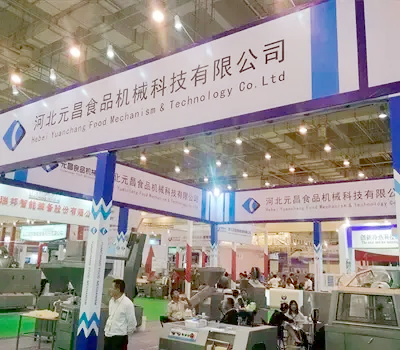
Precision machining with Mazak CNC centers.
Our product range, including pretreatment, filling, molding, ripening, and auxiliary items, demonstrates our breadth of experience in industrial food processing. This holistic view informs our approach to every component we supply, ensuring compatibility and operational synergy.
Customer Reviews & Testimonials
Hear directly from clients who have integrated our vacuum insulated hoses into their operations.

Operations Manager, AgriFood Processing Inc.
"We were struggling with temperature consistency for our high-viscosity sauces, leading to batch rejections. The vacuum insulated hoses from Hebei Yuanchang solved this immediately. The product transfer is now stable, and our rejection rates have dropped significantly. Their technical support was invaluable in selecting the right fittings."
- Reviewed on October 12, 2023
Lead Process Engineer, BioPharm Solutions
"Maintaining precise cryogenic temperatures for our biological reagents is critical. We needed a reliable transfer solution that wouldn't lead to excessive boil-off. The vacuum insulated hoses we sourced from Hebei Yuanchang have performed exceptionally well, ensuring product integrity and minimizing losses. The quality is top-notch."
- Reviewed on September 28, 2023
Procurement Director, Global Chemical Corp.
"We required a specialized hose for transferring a sensitive chemical at elevated temperatures. Hebei Yuanchang not only provided a hose that met our strict material compatibility and thermal requirements but also delivered on time and within budget. Their OEM/ODM support was excellent."
- Reviewed on August 15, 2023Frequently Asked Questions (FAQ)
What is the typical lifespan of a vacuum insulated hose?
The lifespan varies significantly based on application severity, operating conditions, and maintenance. However, with proper installation and care, a well-maintained vacuum insulated hose can last many years, often exceeding 5-10 years in moderate applications. Regular inspection for any signs of vacuum degradation is key.
How is the vacuum level maintained over time?
High-quality vacuum insulated hoses are manufactured with meticulous sealing processes. Many also incorporate 'getters'—materials that absorb residual gas molecules within the vacuum space, helping to maintain the vacuum level for extended periods. Damage to the outer jacket or seals can compromise the vacuum.
Can these hoses be used for cryogenic applications?
Yes, vacuum insulated hoses are exceptionally well-suited for cryogenic applications (e.g., liquid nitrogen, liquid helium). Their superior thermal insulation minimizes heat ingress, significantly reducing 'boil-off' losses compared to standard insulated lines.
What is the difference between vacuum insulation and other types of insulation?
Vacuum insulation is the most effective form of thermal insulation known. Unlike foam or fiber insulation which relies on trapping air (a conductor), vacuum insulation uses the absence of matter to prevent heat transfer via conduction and convection. This makes it vastly superior for extreme temperature applications.
Do you offer OEM/ODM services for custom hose designs?
Absolutely. We specialize in custom solutions and work closely with clients to design and manufacture vacuum insulated hoses tailored to specific OEM/ODM requirements, including unique lengths, fitting types, materials, and pressure ratings.
Ready to Optimize Your Fluid Transfer?
Don't let thermal losses impact your product quality, operational efficiency, or energy costs. Discover how our precision-engineered vacuum insulated hoses can provide a superior solution for your most demanding applications.
Connect With Our Experts
Send Us a Message
Contact Information
Hebei Yuanchang Food Mechanism & Technology Co., Ltd.
Shijiazhuang, Hebei Province, China
Phone: +86 15830991513
Email: ycmeatmech@gmail.com
Website: www.ycmeatmech.com
Quick Chat