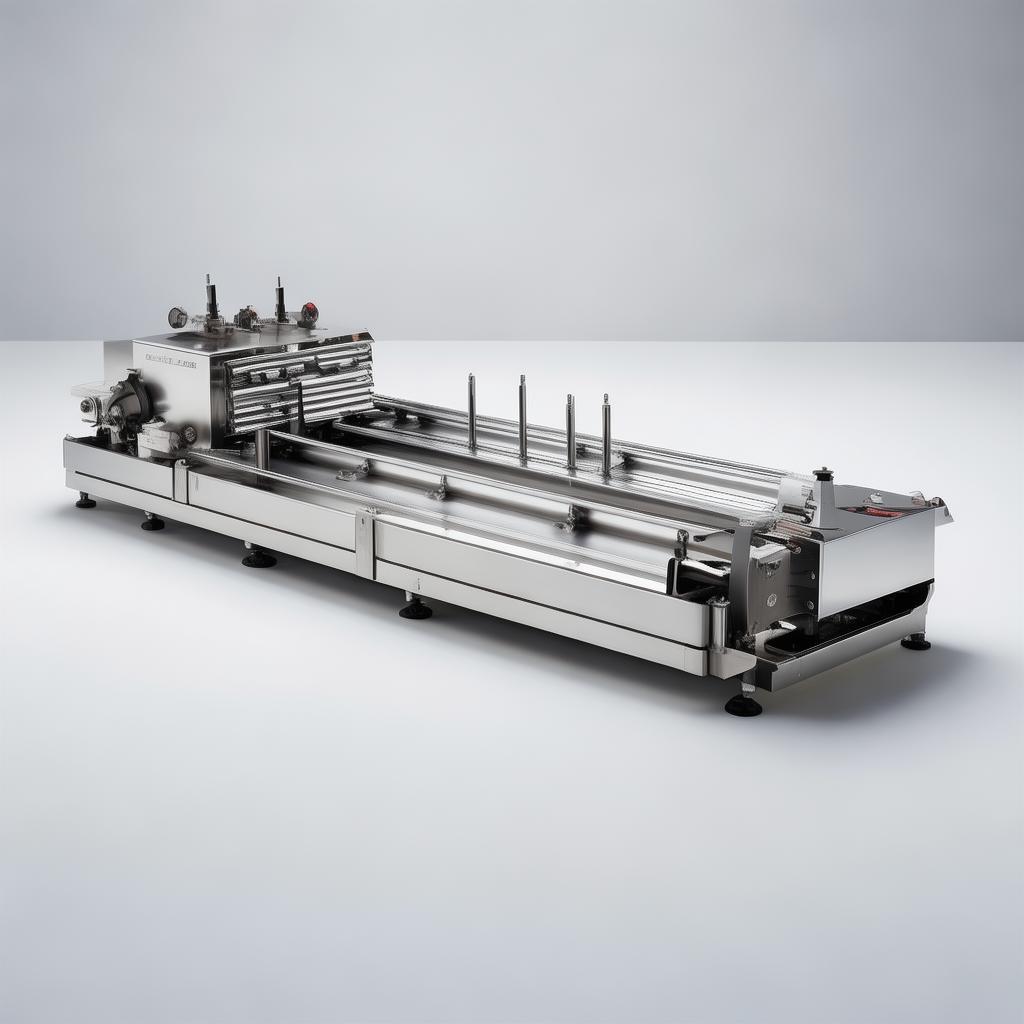
Vacuum Filled
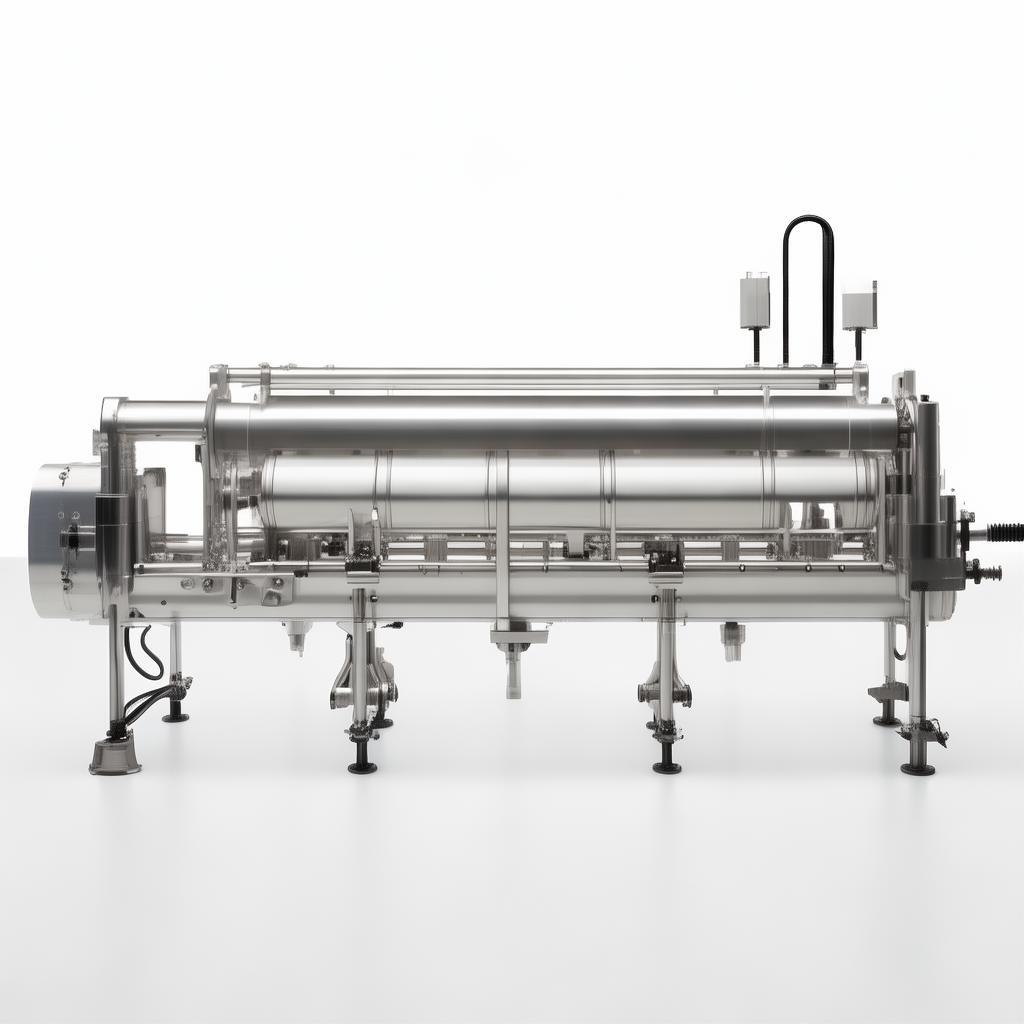
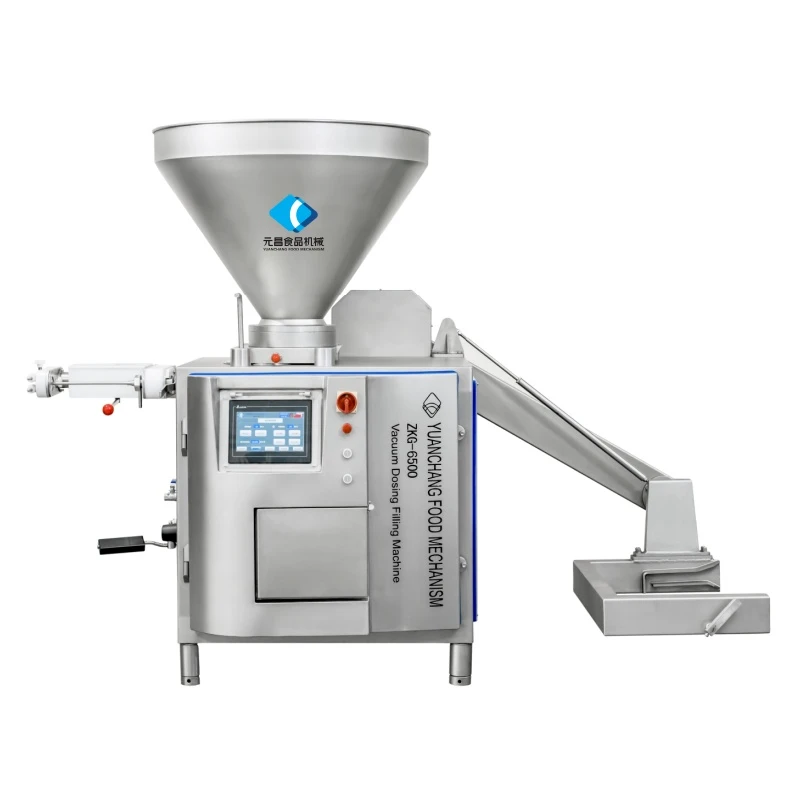
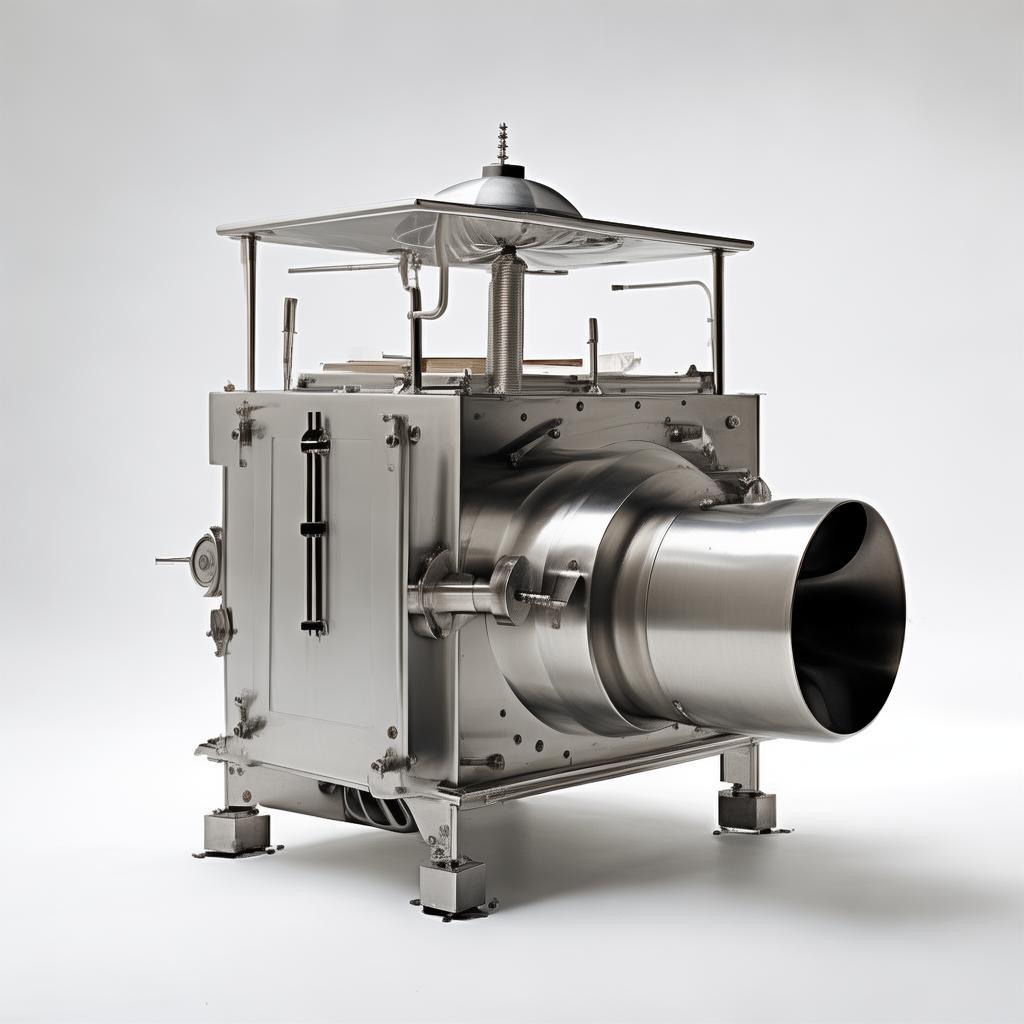

High-Performance Vacuum Filling Solutions for Industrial Meat Processing
By Chen Wei, Senior Export Manager at Hebei Yuanchang Food Mechanism & Technology Co., Ltd.
Precision Filling, Enhanced Shelf Life, and Uncompromised Quality
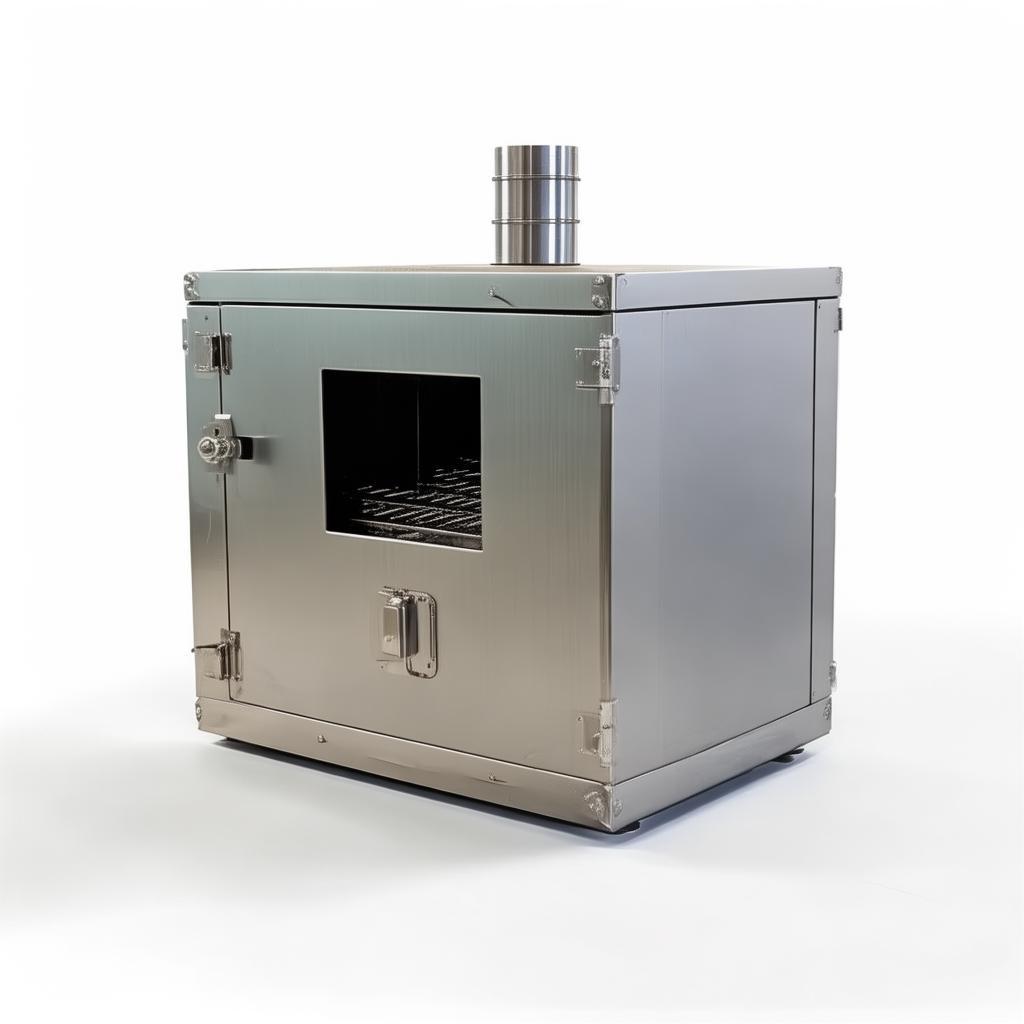
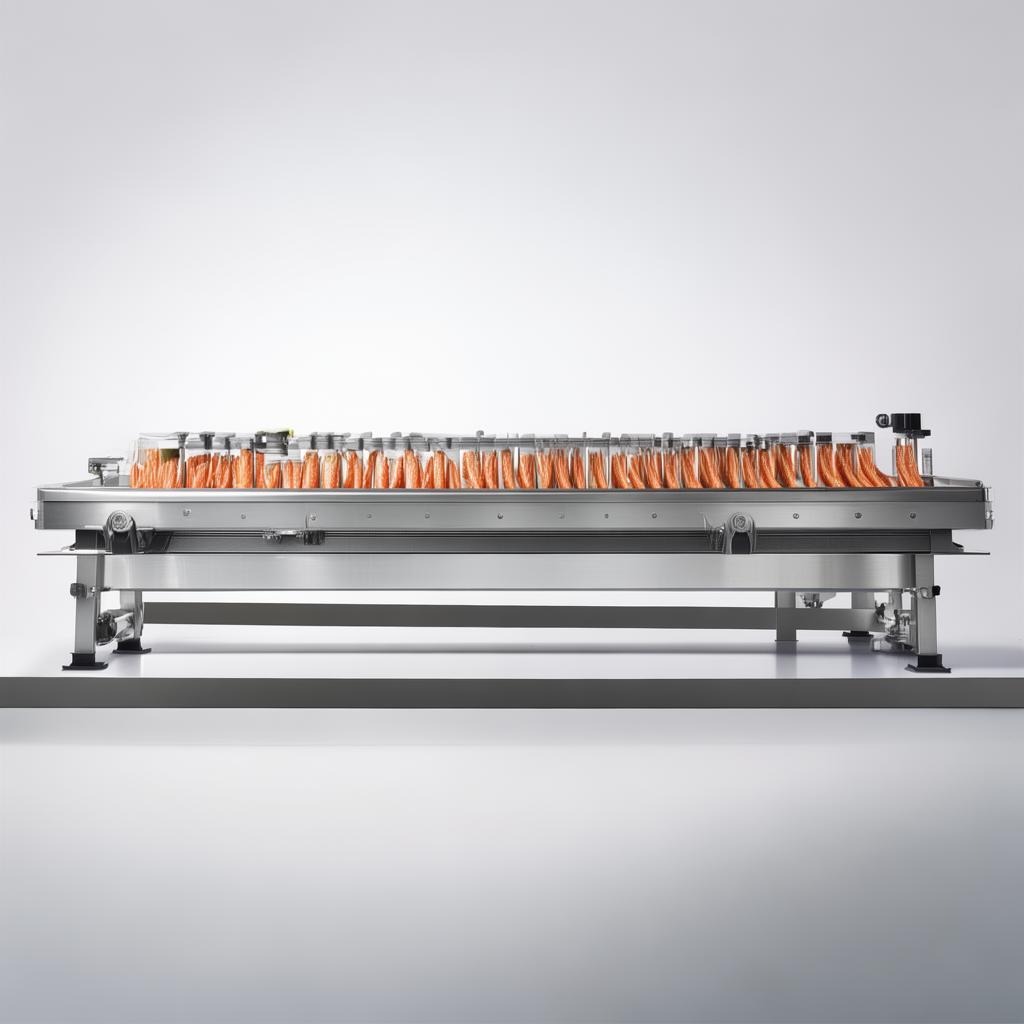
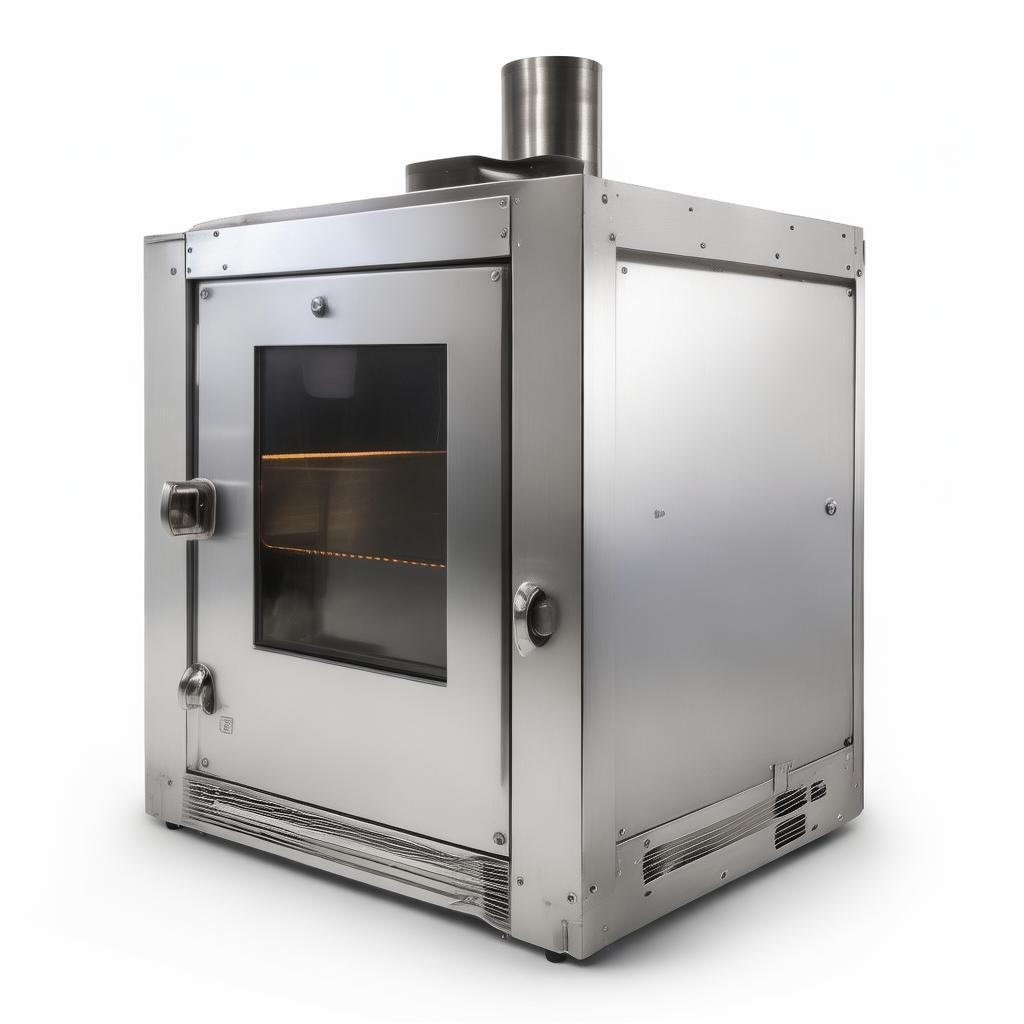
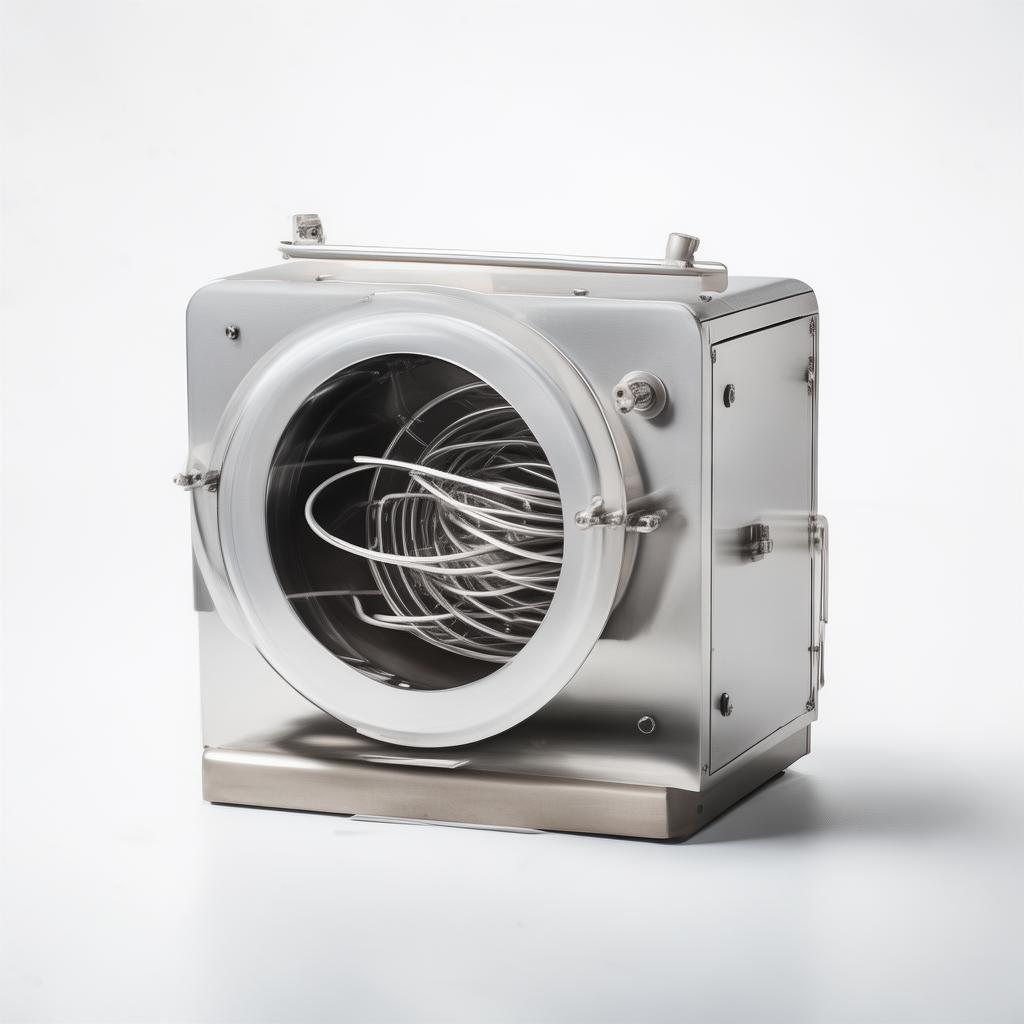
In the fast-paced world of industrial food production, particularly within the meat processing sector, achieving consistent product quality, maximizing yield, and ensuring food safety are paramount. The ability to precisely fill product into casings or containers is not just about volume; it's a critical step that directly impacts texture, appearance, shelf-life, and ultimately, consumer satisfaction. When we talk about "vacuum filled" in this context, we're referring to a sophisticated process employing specialized machinery designed to inject meat formulations into packaging under a vacuum. This technique is vital for producing high-quality sausages, hams, deli meats, and even pet food.
The global meat processing equipment market is a substantial and growing sector. Reports indicate the market was valued at approximately USD 11.28 billion in 2024 and is projected to reach USD 15.04 billion by 2030, growing at a CAGR of around 5%. This growth is fueled by increasing demand for processed meats, the drive for automation to enhance hygiene and efficiency, and the strict adherence to food safety standards. Within this market, filling and stuffing equipment, alongside systems for ripening and tenderizing, are identified as key segments. Our focus here is on the precision and benefits derived from industrial-grade vacuum filling solutions, a core competency at Hebei Yuanchang.
For operations managers, procurement directors, and engineers in the USA and other English-speaking markets, understanding the nuances of vacuum filling technology is essential for optimizing production lines. It’s about more than just a machine; it’s about a reliable partner in your production chain that guarantees reduced product spoilage, minimizes air entrapment (which can lead to oxidation and off-flavors), and ensures your products meet the high standards expected by today's discerning consumers. We've seen firsthand how a well-specified vacuum filler can transform a production line, moving from inconsistent results to predictable, high-volume output.
The journey from raw meat to a perfectly formed sausage or filled product involves several critical stages. Pretreatment, which can include chopping, grinding, and mixing, prepares the meat formulation. Then comes the molding or filling process, where the formulation is shaped and encased. This is often followed by ripening, tenderizing, or curing stages, and finally, packaging. The vacuum filling process is central to the molding and filling stages. By removing air, we prevent the formation of voids, which are breeding grounds for bacteria and can cause product to lose its integrity during cooking or storage. This is particularly important for products like cooked sausages or pâtés, where internal texture and appearance are key selling points.
Consider the typical challenges faced: inconsistent fill weights leading to yield loss or customer complaints, air pockets causing premature spoilage and a less appealing product, and wear and tear on machinery that results in costly downtime. Our experience, honed over 40 years, has taught us that investing in robust, precision-engineered vacuum filling equipment isn't an expense; it's a strategic decision that yields tangible returns. We’ve worked with numerous clients who initially focused solely on price, only to later realize the long-term costs associated with lower throughput, higher spoilage rates, and more frequent maintenance.
The "vacuum filled" process inherently speaks to a level of sophistication in meat processing. It indicates an operation that is concerned with more than just basic functionality. It’s about precision engineering, material science (in terms of the formulations being handled), and a deep understanding of food microbiology and preservation. The equipment must be designed for easy cleaning, to prevent cross-contamination, and to withstand the rigors of continuous industrial operation. At Hebei Yuanchang, we integrate these principles into every machine we design and manufacture, drawing on our 40 years of expertise since 1986.
For buyers in the USA, understanding the "Fit For Now (2026)" landscape means looking for solutions that are not only efficient today but also adaptable to evolving market demands and regulatory environments. This includes machinery that can handle a wider variety of formulations, supports automation for labor efficiency, and complies with stringent food safety certifications. Our commitment to integrating advanced Japanese CNC machining centers, for instance, allows us to produce high-precision components essential for the reliable performance of our vacuum fillers. This internal capability ensures we can meet demanding specifications and provide parts for worry-free after-sales service.
In the following sections, we’ll delve deeper into the specific advantages of vacuum filling, explore the technical specifications that matter to procurement professionals, discuss common applications, and provide insights into what to look for when selecting a supplier. We aim to equip you with the knowledge to make an informed decision, ensuring your investment in vacuum filling technology translates directly into improved product quality, operational efficiency, and a stronger bottom line.
The term "vacuum filled" itself is a technical descriptor that signals a certain standard of production. It contrasts with simply "filled" or "stuffed," implying a deliberate removal of air to enhance preservation and product integrity. This detail is crucial for buyers who need to differentiate between equipment levels and understand the precise benefits each offers. Whether you're looking to produce premium sausages, uniform meat patties, or specialized deli products, the vacuum filling process is often the key to achieving the desired outcome.
Let's explore how our advanced vacuum filling solutions can elevate your meat processing operations.
Addressing Key Challenges in Meat Formulation and Filling
The meat processing industry faces a persistent set of challenges that directly impact profitability and brand reputation. Inconsistent product quality is a major concern. Variations in fill weight, density, and texture can lead to customer dissatisfaction and, in regulated markets, potential non-compliance with labeling requirements. For example, if a sausage is inconsistently filled, its weight per unit might vary, affecting pricing and perceived value.
Air entrapment is another significant issue. When meat formulations are filled into casings or molds with insufficient air removal, the resulting product can be prone to oxidation. This leads to faster spoilage, discoloration (e.g., greyish tones in red meats), and the development of off-flavors, drastically reducing shelf life and product appeal. Furthermore, voids created by trapped air can compromise the structural integrity of the product, leading to breakage during handling or processing.
Yield optimization is a constant battle for processors. Every gram of product counts. Inaccurate filling, material waste due to poor seals or product loss during the filling process, and a high rate of rejected products all contribute to reduced overall yield. A highly efficient vacuum filler can precisely meter product, minimize waste, and ensure consistent output, directly impacting the bottom line.
Hygiene and food safety are non-negotiable. Equipment must be designed for easy and thorough cleaning to prevent bacterial growth and cross-contamination. This is where robust design, material selection (stainless steel is standard), and accessibility for cleaning play a critical role. The vacuum filling process, when executed with well-maintained equipment, inherently contributes to better food safety by minimizing exposure of the product to the atmosphere during a critical stage.
Operational efficiency and throughput are also key concerns. Production lines need to run smoothly with minimal bottlenecks. The speed and reliability of the filling equipment directly influence the overall capacity of the plant. Downtime for maintenance or repairs can be incredibly costly, impacting schedules and delivery commitments. Investing in durable, high-performance machinery is crucial for maintaining consistent output.
The market is also evolving. Consumers are demanding more convenience, higher quality, and often, healthier options. This means processors need equipment that can handle a wider range of formulations, from traditional sausages to more complex, value-added meat products. Automation is becoming increasingly important to offset labor shortages and improve consistency. A vacuum filler is a central piece of automated processing.
Procurement Insight: When evaluating vacuum fillers, look beyond the initial price. Consider the total cost of ownership, including maintenance, spare parts availability, energy consumption, and the impact on your overall yield and product quality. A slightly higher initial investment in a well-built machine can save substantial costs down the line.
The Hebei Yuanchang Vacuum Filling Advantage
At Hebei Yuanchang, we don't just build machines; we engineer solutions. Our vacuum filling equipment is designed to directly address the challenges faced by modern meat processors, delivering superior performance and reliability. With 40 years of dedicated experience in meat processing machinery since 1986, we have a deep understanding of the intricacies involved in achieving perfect product outcomes.
Precision Filling & Consistent Quality
Our vacuum fillers utilize advanced volumetric filling systems combined with powerful vacuum pumps. This ensures that each portion dispensed is accurate in weight and density. The precise control over filling pressure and volume minimizes variations, leading to consistently uniform products batch after batch. This is crucial for maintaining brand integrity and meeting customer expectations for quality.
Enhanced Shelf Life Through Air Removal
The core benefit of our vacuum filling technology is the efficient removal of air from the meat mixture before and during filling. By creating a near-vacuum environment, we displace oxygen, significantly slowing down oxidation and the growth of aerobic bacteria. This directly translates to an extended product shelf life, reduced spoilage rates, and improved product appearance, which are critical for profitability and market competitiveness.
Maximizing Yield and Minimizing Waste
Our machines are engineered for efficiency. The precise filling mechanism reduces overfilling and underfilling, ensuring that you utilize your valuable raw materials effectively. Minimal product loss during the filling process, combined with the ability to fill at high speeds, contributes directly to maximizing your operational yield. Fewer rejected products due to inconsistency also mean less waste.
Robust Construction and Hygienic Design
Built with high-grade stainless steel, our vacuum fillers are designed for durability and easy cleaning. All surfaces are smooth, with no hard-to-reach crevices where bacteria can accumulate. This adheres to the highest industry standards for hygiene and food safety. The robust construction ensures long-term operational reliability, minimizing downtime and maintenance costs. Our in-house machining capabilities, including advanced CNC centers, allow us to produce critical components with exceptional precision and quality.
Versatility for Diverse Applications
Our vacuum fillers are adaptable to a wide range of meat formulations, from fine emulsions for sausages and pâtés to coarser mixtures for products like meatloaf or formed patties. With interchangeable tooling and adjustable settings, they can efficiently handle different casing types (natural or artificial), trays, or molds, making them a versatile asset for any meat processing facility.
Reliable OEM/ODM Support
As an OEM/ODM factory, we understand the need for custom solutions. Whether you require modifications to our standard models or a completely bespoke filling system, our engineering team is equipped to collaborate with you to develop the perfect fit for your specific production needs and integration requirements.
Technical Specifications & Features to Consider
When selecting industrial vacuum filling equipment, understanding the technical specifications is crucial for ensuring it meets your operational demands and integrates seamlessly into your production line. Here at Hebei Yuanchang, our machines are built with performance and practicality in mind.
Key Machine Features:
- Vacuum System: High-capacity vacuum pumps (e.g., rotary vane, liquid ring) are essential for efficient air removal. Look for integrated vacuum control for precise adjustment.
- Filling Capacity & Speed: Measured in kg/min or portions/min. Higher throughput is key for large-scale operations. Our machines are designed for continuous, high-speed operation.
- Filling Accuracy: Typically expressed as a percentage variance (e.g., +/- 1%). Precision volumetric filling is critical for yield.
- Hopper Capacity: Larger hoppers reduce the frequency of manual refills, improving line efficiency.
- Materials of Construction: Food-grade stainless steel (e.g., SUS304, SUS316) is standard for all product contact parts.
- Control System: User-friendly interfaces, often with touchscreen capabilities, allow for easy recipe management, parameter adjustment, and diagnostics. Programmable Logic Controllers (PLCs) ensure reliability and repeatability.
- Portability/Mobility: Some models may include casters for easy relocation and cleaning.
- Safety Features: Interlocks, emergency stops, and guards are standard to ensure operator safety.
Example Technical Specification Table (Model: YC-VF3000)
| Specification | Details |
|---|---|
| Filling Volume Range | 10g - 5000g (Adjustable) |
| Filling Speed | Up to 200 portions/min (product dependent) |
| Hopper Capacity | 100 Liters |
| Vacuum Pump Capacity | 63 m³/h (Rotary Vane) |
| Filling Accuracy | ± 1% |
| Power Supply | 380V, 50Hz, 3-Phase (Customizable) |
| Machine Dimensions (L x W x H) | 2200mm x 900mm x 1700mm |
| Material | SUS304 Stainless Steel |
Operational Note: The stated filling speed and accuracy are indicative. Actual performance can vary based on the viscosity, temperature, and composition of the meat formulation. Thorough testing with your specific product is always recommended.
Applications: Where Vacuum Filling Excels
The versatility of vacuum filling technology makes it indispensable across a broad spectrum of meat and poultry processing applications. Whether you are producing high-volume consumer goods or niche specialty products, our machines are designed to integrate seamlessly.
Sausage Production (Fresh, Cured, Cooked)
This is perhaps the most common application. Vacuum filling ensures that sausages are densely packed without air pockets, resulting in a uniform texture, consistent cooking performance, and extended shelf life. It is critical for achieving the desired snap and mouthfeel in premium sausages. Our machines can handle various casing diameters and materials, including collagen, cellulose, and natural casings.
Deli Meats & Loaves
Products like ham loaves, potted meats, and restructured deli hams benefit greatly from vacuum filling. The process helps create a compact, sliceable product with excellent texture and appearance, free from internal voids that could lead to crumbling or spoilage.
Formed Meat Products (Patties, Nuggets, Meatballs)
vacuum fill uhv vacuum vacuum plus
While often associated with filling, vacuum technology is also crucial in many forming machines. By pre-forming the mixture under vacuum, manufacturers can produce consistent patties, nuggets, or formed meatballs with improved binding, texture, and reduced shrinkage during cooking. Our systems can be integrated with forming equipment to ensure a flawless filling stage.
Pet Food Processing
The production of high-quality wet pet food, particularly extruded or filled products, demands the same level of precision and hygiene as human food. Vacuum filling ensures that meat-based pet food formulations are packed densely, enhancing their appeal and extending shelf life, while also meeting the stringent quality standards required for pet nutrition.
Pâtés and Spreads
For smooth and creamy products like pâtés, liverwurst, or meat spreads, vacuum filling is essential. It prevents air bubbles from creating a porous texture and ensures a smooth, consistent mouthfeel that consumers expect. The vacuum process also protects the delicate flavors and colors.
Specialty Meat Products
This includes items like terrines, galantines, and other value-added meat preparations. The ability to precisely control filling and ensure no air entrapment allows for the creation of products with superior visual appeal and texture.
Installation, Maintenance, and Logistics: Practical Considerations
Integrating new equipment into an existing production line requires careful planning. At Hebei Yuanchang, we provide comprehensive support to ensure a smooth transition and long-term operational success for our vacuum filling machines.
Installation Insights
Our vacuum fillers are designed for relatively straightforward installation. Key considerations include:
- Power Supply: Ensuring a stable 380V, 50Hz, 3-phase power supply is crucial. We can adapt to other voltage/frequency requirements.
- Space & Accessibility: Adequate space around the machine is needed for operation, cleaning, and maintenance.
- Ventilation: Proper ventilation helps with cooling, especially in warmer environments.
- Integration with Upstream/Downstream Equipment: Careful alignment with mixers, emulsifiers, stuffers, or forming machines is necessary for optimal workflow.
Routine Maintenance for Longevity
Regular maintenance is key to extending the lifespan and ensuring the consistent performance of your vacuum filler. This typically involves:
- Daily Cleaning: Thoroughly wash and sanitize all product contact parts using approved food-grade cleaning agents.
- Lubrication: Regular lubrication of moving parts according to the manufacturer's recommendations prevents wear.
- Vacuum Pump Maintenance: Checking and changing vacuum pump oil, and inspecting seals, are critical.
- Seal & Gasket Inspection: Worn seals can lead to vacuum loss and reduced efficiency. These should be replaced proactively.
- Periodic Checks: Inspecting electrical connections, mechanical linkages, and control systems.
Logistics and Shipping Considerations
Exporting industrial machinery requires careful logistical planning. We have extensive experience shipping our equipment globally.
- Packaging: Machines are typically crated or palletized with protective wrapping to withstand transit.
- Shipping Options: We work with reliable freight forwarders to arrange sea freight (FCL or LCL) or air freight, depending on urgency and budget.
- Documentation: We provide all necessary export documentation, including commercial invoices, packing lists, bills of lading, and certificates of origin.
- Import Duties & Taxes: Buyers are responsible for understanding and paying any import duties, taxes, or fees applicable in their destination country.
- Lead Times: Production and shipping lead times can vary. We provide estimated delivery timelines upon order confirmation.
Buyer Tip: When planning for a new machine, factor in potential lead times for manufacturing, shipping, and customs clearance. It's often wise to initiate the procurement process well in advance of when you need the equipment operational.
Why Partner with Hebei Yuanchang?
Choosing the right supplier is as important as choosing the right equipment. With 40 years of experience, Hebei Yuanchang Food Mechanism & Technology Co., Ltd. offers a unique blend of traditional expertise and modern manufacturing capabilities.
Experience & Heritage
Since 1986, we have been at the forefront of meat processing equipment innovation. This extensive history means we understand the real-world challenges and needs of our clients. We've seen technologies evolve and have adapted, ensuring our machinery remains relevant and highly effective.
Manufacturing Excellence
Our 14,000 square meter facility houses a dedicated in-house machining workshop with over 20 sets of advanced processing machinery. The integration of Japanese Mazak CNC machining centers allows us to produce high-precision, non-standard components that meet stringent quality requirements. This internal capability ensures superior part quality and allows us to offer truly customized OEM/ODM solutions.
Commitment to Quality & Service
We pride ourselves on delivering robust, reliable machinery. Coupled with our traceable after-sales management system, we provide customers with the assurance of consistent support and easy access to parts. Our team of 80-100 dedicated employees is committed to customer satisfaction.
Global Reach
We serve clients worldwide, understanding the diverse needs and regulatory landscapes of international markets. We are adept at managing export logistics and ensuring our equipment meets global standards.
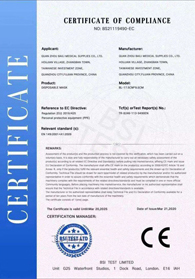
Certifications
Our commitment to quality is backed by industry standards. While specific certifications may vary per product line and region, we adhere to manufacturing practices that align with international quality and safety benchmarks, ensuring our equipment is suitable for global markets.


Real-World Impact: What Our Clients Say
We believe in the tangible results our equipment delivers. Here's what some of our partners have experienced:

Operations Manager, Texas, USA
"We upgraded our sausage line with a Yuanchang vacuum filler a year ago. The consistency in fill weight has been remarkable. We've seen a noticeable reduction in product loss and our QA reports are cleaner than ever. The vacuum feature really improved our shelf-life too. Installation was smooth, and their support team was responsive."

Procurement Lead, Ontario, Canada
"Finding reliable OEM suppliers from overseas can be challenging. Yuanchang stood out due to their clear communication, advanced manufacturing capabilities, and competitive pricing for custom parts. Their vacuum filler for our specialty pâté line has met all our specifications. The after-sales team has been professional and efficient."

Factory Manager, Melbourne, Australia
"The reduction in air entrapment from our new Yuanchang vacuum filler has been significant. We’re seeing fewer spoilage issues, especially with our high-moisture processed meats. The machine is robust, easy to clean, and runs reliably throughout our shifts. It's a solid piece of engineering that has improved our product quality and reduced waste."
Frequently Asked Questions (FAQ)
1. What is the primary benefit of vacuum filling compared to standard filling?
The main advantage is the removal of air from the meat formulation before and during filling. This significantly reduces oxidation, which extends shelf life, prevents discoloration, improves texture, and minimizes the risk of bacterial growth in air pockets.
2. Can your vacuum fillers handle different types of meat products?
Yes, our machines are designed for versatility. They can handle fine emulsions (like sausages and pâtés) as well as coarser mixtures, with adjustable settings for various formulations and applications.
3. What is the typical maintenance schedule for your vacuum filling equipment?
Daily cleaning is essential. Routine maintenance, including lubrication, seal checks, and vacuum pump service, is recommended monthly or quarterly, depending on usage. We provide detailed maintenance manuals.
4. Do you offer OEM/ODM services?
Absolutely. As an OEM/ODM factory with advanced CNC machining capabilities, we can customize our vacuum fillers to meet specific client requirements, including unique configurations, capacities, or integration needs.
5. What is the warranty period for your machines?
We typically offer a one-year warranty on our industrial machinery, covering defects in materials and workmanship. Specific terms can be discussed during the sales process.
Ready to Elevate Your Production?
Don't let inconsistent filling and product spoilage impact your business. Invest in precision, efficiency, and quality with Hebei Yuanchang's advanced vacuum filling solutions. We have the experience, the technology, and the commitment to help your operation thrive.
Or contact us directly: +86 15830991513 | ycmeatmech@gmail.com