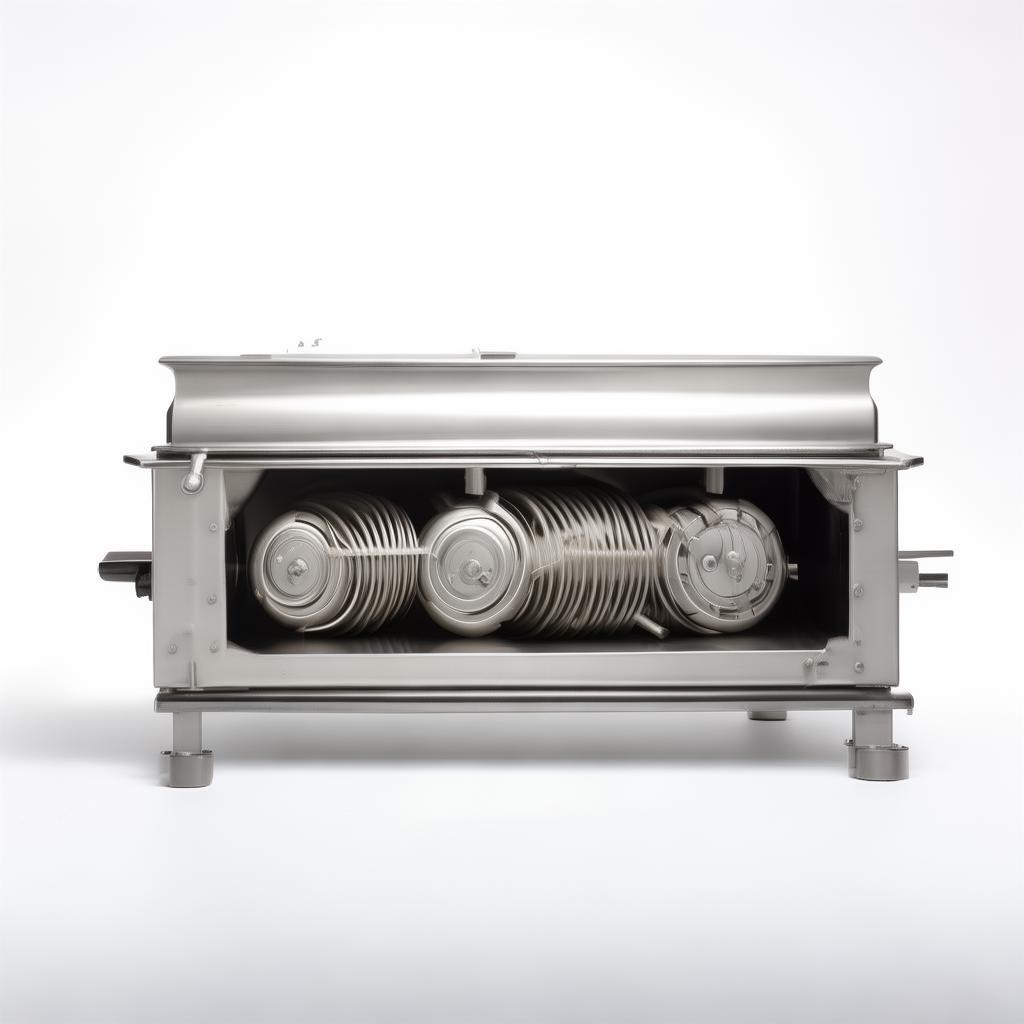
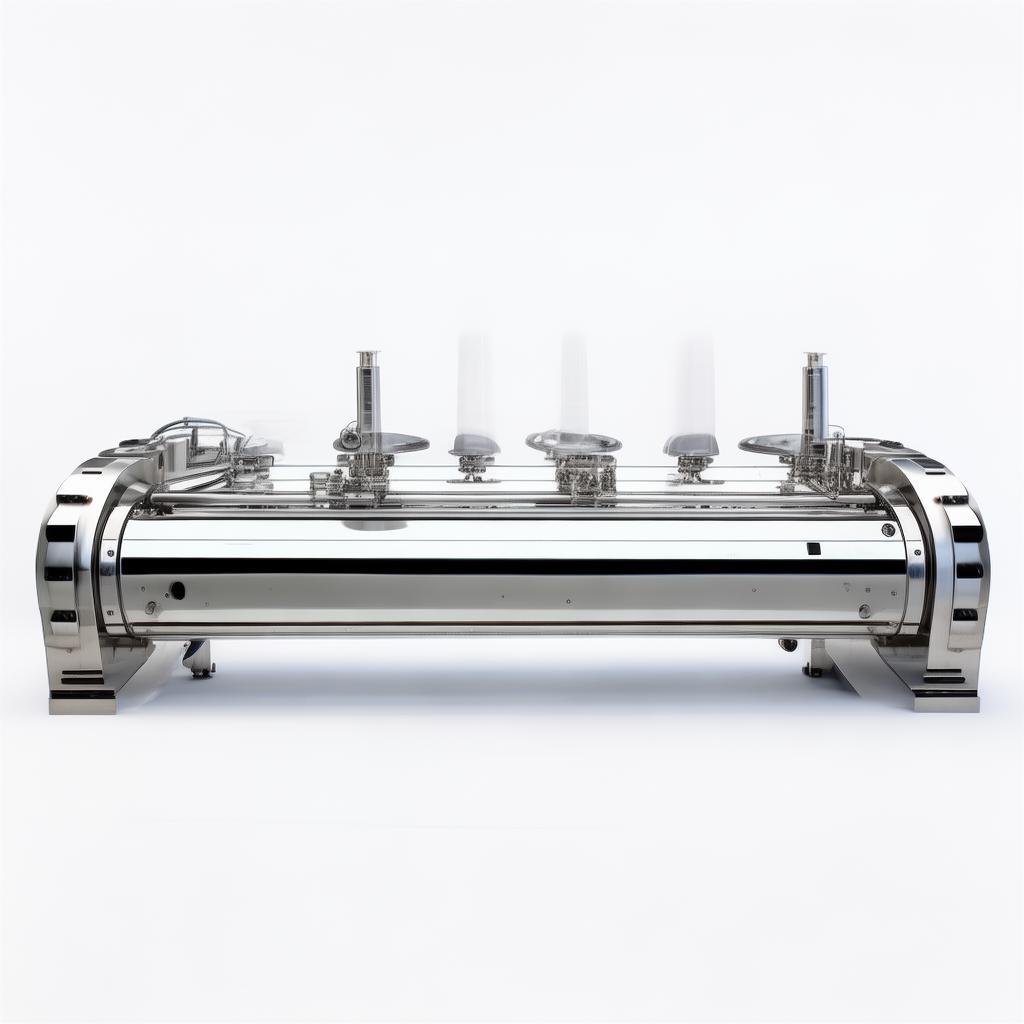
Vacuum Distillation Adapter
Vacuum Distillation Adapters: Precision Components for Advanced Separation
Streamline Your Lab Processes with Reliable, High-Performance Adapters
 Authored by: Dr. Anya Sharma, Senior Chemical Engineer & Procurement Specialist
Understanding the Critical Role of Vacuum Distillation Adapters
In the intricate world of chemical separation and purification, precision is not just a buzzword; it's the bedrock of reliable results and efficient operations. For laboratories, research facilities, and industrial processing plants that rely on distillation techniques, especially under reduced pressure, the components used are paramount. Among these, the vacuum distillation adapter stands out as a deceptively simple yet utterly essential piece of equipment. It acts as the crucial interface, connecting various parts of a distillation apparatus while maintaining the integrity of the vacuum environment. Without a robust and well-designed adapter, the entire process can be compromised, leading to inaccurate data, product loss, and significant operational inefficiencies. This is particularly true when dealing with heat-sensitive compounds or when aiming for very high purity levels, where even minor atmospheric leaks or pressure fluctuations can derail an experiment or production run.
The necessity for specialized adapters becomes even more apparent when considering the variety of distillation setups. Whether you're performing fractional distillation, short-path distillation, wiped-film evaporation, or rotary evaporation under vacuum, each application has unique requirements. A standard adapter might suffice for simple atmospheric distillations, but the moment you introduce vacuum, the demands on the connecting pieces increase dramatically. They must not only provide a secure, leak-proof seal but also withstand potential temperature gradients, resist chemical corrosion from the substances being processed, and facilitate the smooth flow of vapors and liquids. This is where the engineering and material science behind a quality vacuum distillation adapter truly come into play. We've seen firsthand in our 40 years of experience with Hebei Yuanchang Food Mechanism & Technology Co., Ltd. how the seemingly minor details of componentry can have a cascading effect on overall process yield and purity.
The market for laboratory and industrial equipment is vast, and navigating it can be challenging for purchasing managers and engineers alike. Identifying the right supplier for critical components like vacuum distillation adapters requires more than just looking at a catalog. It involves understanding the specific needs of your application, the materials best suited for your chemical environment, and the manufacturing capabilities of potential vendors. For instance, glass adapters are common for their inertness and transparency, allowing visual monitoring of the process. However, for more demanding industrial applications or situations involving significant mechanical stress, adapters made from specialized alloys or robust polymers might be necessary. The choice often hinges on a delicate balance between cost, durability, chemical compatibility, and the required level of precision. Our own manufacturing capabilities, including advanced CNC machining centers from Japanese Mazak, allow us to produce high-standard components that meet these diverse and often stringent requirements, ensuring that our clients receive parts engineered for performance and longevity.
The global demand for advanced separation technologies, driven by the burgeoning pharmaceutical, fine chemical, and food processing industries, underscores the importance of reliable equipment. The meat processing equipment market alone, for example, is projected to grow significantly, with various segments like filling, massaging, and ripening requiring precise control over conditions, often including vacuum. While our core expertise lies in meat processing machinery, the principles of precision engineering and material science we apply are transferable. The international trade landscape for such components means that buyers are increasingly looking for suppliers who can offer not just products, but also technical support, consistent quality, and adherence to global standards. This is where understanding the nuances of vacuum distillation adapters – their design, materials, and intended use – becomes a strategic advantage for any operation looking to optimize its separation processes.
We recognize that many procurement professionals are tasked with sourcing a wide array of equipment, and sometimes the specifics of a seemingly small component like an adapter can be overlooked until a problem arises. This can lead to delays, increased operational costs, and even safety concerns. A leaky vacuum adapter can lead to the contamination of valuable product with air, degrading its quality or rendering it unusable. It can also lead to inefficient solvent recovery in rotary evaporators, increasing operational costs. The goal of this guide is to shed light on these critical components, empowering you to make informed decisions. We will delve into the types of adapters available, the materials they are constructed from, and the key considerations when selecting them for your specific vacuum distillation setup. Our aim is to provide you with the insight needed to source adapters that enhance your process efficiency, ensure product integrity, and contribute to the overall success of your laboratory or industrial operations. By focusing on quality, material science, and precision manufacturing, we aim to be a trusted partner in your supply chain, offering solutions that go beyond mere component provision to genuine process enhancement.
Key Applications Where Vacuum Distillation Adapters Are Indispensable
The versatility of vacuum distillation makes it a cornerstone technique across numerous scientific and industrial disciplines. The role of a reliable vacuum distillation adapter is therefore critical in a wide array of applications:
- Pharmaceutical Manufacturing: Isolating active pharmaceutical ingredients (APIs), purifying intermediates, and solvent recovery where precise control over temperature and pressure is vital to prevent degradation of sensitive compounds.
- Fine Chemical Synthesis: Purifying specialty chemicals, removing reaction byproducts, and concentrating reaction mixtures. The inertness of materials like glass or specific alloys is often crucial here.
- Essential Oil Extraction: Employed in steam or vacuum distillation to extract volatile oils from plant materials, preserving delicate aromas and compounds that might be damaged by high heat.
- Petrochemical Industry: Separating complex hydrocarbon mixtures, refining crude oil fractions, and analyzing petroleum products where high vacuum and chemical resistance are paramount.
- Food and Beverage Processing: Concentrating fruit juices, de-aromatizing oils, and purifying flavors. For instance, in the production of certain food additives or extracts.
- Research and Development: Fundamental laboratory work in organic chemistry, material science, and biochemistry, where purity and accurate separation are key to experimental success.
Each of these applications presents unique challenges, from the corrosiveness of chemicals to the need for extremely low vapor pressure maintenance. Selecting the correct vacuum distillation adapter ensures that these processes can be carried out safely, efficiently, and with the desired level of purity. For instance, the meat processing industry, while seemingly disparate, increasingly relies on advanced techniques for flavor extraction or byproduct refinement, areas where precise vacuum control is essential. The global market for meat processing equipment highlights a trend towards automation and sophisticated processing, demanding reliable ancillary components. Reports indicate significant market growth, with projections reaching USD 30.5 billion by 2035 at a CAGR of 7% for meat and poultry processing equipment, reflecting the ongoing investment in advanced technologies that necessitate high-quality components like vacuum distillation adapters.
Types of Vacuum Distillation Adapters and Their Design Considerations
The design of a vacuum distillation adapter is dictated by its intended function within the distillation train. Key types include:
1. Connecting Adapters (e.g., Victor, West, Claisen)
These are the workhorses, designed to connect flasks, condensers, and receiving vessels. They often feature angled ports to facilitate vapor flow and liquid drainage. A Victor adapter typically has a single side arm for vacuum connection, while a West adapter might have a larger diameter to accommodate larger condensers or additional inlets. The Claisen adapter is specifically designed for fractional distillation, allowing for the insertion of a thermometer or distillation head while simultaneously providing a vacuum connection.
2. Vacuum Adapters (Vacuum Traps)
These are specialized adapters often placed between the distillation apparatus and the vacuum pump. Their primary function is to trap volatile vapors, preventing them from reaching and damaging the pump, or to condense evaporated solvents for recovery. They can be simple U-shaped tubes or more complex designs incorporating cold fingers or additional chambers.
3. Thermometer Adapters and Distillation Heads
While not exclusively vacuum adapters, these components are often integrated into vacuum distillation setups. They allow for precise temperature monitoring of the vapor phase. Ensuring a tight seal for these inlets is as critical as sealing the main vapor path, as leaks here can significantly affect boiling point measurements and separation efficiency.
4. Specialized Adapters
For specific applications like short-path distillation or wiped-film evaporation, specialized adapters are engineered to facilitate shorter vapor paths, reduce pressure drop, and handle higher throughputs.
When selecting an adapter, consider the joint size (e.g., 14/20, 24/40 standard taper joints), which must match the other components in your apparatus. The angle of the inlet and outlet ports is also crucial for optimizing vapor flow and preventing condensate backflow. For industrial-scale operations, the robustness and material of construction become even more critical, moving beyond standard laboratory glassware to more resilient materials.
Material Science: Choosing the Right Construction
The material from which a vacuum distillation adapter is made directly impacts its performance, durability, and chemical compatibility. The most common materials include:
1. Borosilicate Glass
The industry standard for laboratory glassware. Borosilicate glass offers excellent thermal shock resistance, high chemical inertness (resistant to most acids, alkalis, and solvents), and transparency, allowing for visual inspection of the process. It's ideal for a wide range of chemical applications, from R&D to pilot-scale operations. However, it can be fragile and susceptible to mechanical stress or scratches.
2. Quartz Glass
Offers superior thermal resistance and purity compared to borosilicate glass, making it suitable for high-temperature applications or where extremely low metal ion content is required. It is significantly more expensive.
3. Stainless Steel
For heavy-duty industrial applications, stainless steel (e.g., SS304, SS316) is often preferred. It offers superior mechanical strength, durability, and resistance to impact and vibration. Certain grades of stainless steel also provide excellent chemical resistance, though compatibility checks are always necessary, especially with aggressive acids or halogens.
4. PTFE (Polytetrafluoroethylene) and Other Polymers
High-performance polymers like PTFE (Teflon) are used for seals, O-rings, or sometimes for the entire adapter in specific corrosive environments where even glass or certain stainless steels might be unsuitable. They offer exceptional chemical inertness but may have limitations in terms of temperature range and mechanical strength compared to glass or metal.
At Hebei Yuanchang, our extensive machining capabilities, including advanced CNC centers, allow us to fabricate components from a variety of high-grade materials, ensuring we can meet diverse application requirements for precision parts. We understand that the choice of material is a critical decision impacting both performance and long-term cost-effectiveness. For international buyers, sourcing from a manufacturer with diverse material processing expertise provides a significant advantage in finding the optimal solution without compromising on quality or lead times.
Ensuring a Reliable Vacuum Seal: The Importance of Joints and Fittings
The effectiveness of a vacuum distillation adapter hinges on its ability to maintain a leak-free seal. This is primarily achieved through properly designed and fitted joints.
1. Ground Glass Joints (Standard Taper Joints)
The most common type in laboratory settings. These tapered joints provide a relatively good seal when properly greased. The key is to use the correct type and amount of vacuum grease – too little and you risk leaks; too much and it can contaminate your distillate or make disassembly difficult. For high vacuum applications, specialized greases with low vapor pressure are essential.
2. O-Ring Joints
Common in industrial setups and some specialized glassware. These use an O-ring (often made of Viton or EPDM for chemical resistance) seated in a groove to create a very tight seal. They are generally more reliable for high vacuum applications and less prone to leakage from grease degradation. The quality and integrity of the O-ring are paramount.
3. Flange Joints
Used in large-scale industrial reactors and processing equipment. These consist of two flat or raised faces that are clamped together, usually with a gasket in between. They provide robust and secure sealing for high-pressure or high-vacuum systems, though they are less common for standard benchtop distillation.
When specifying vacuum distillation adapters, pay close attention to the type and size of the joints. Ensure they are compatible with your existing apparatus. For international procurement, confirming compliance with standardized joint sizes (e.g., ISO, ANSI standards) can prevent costly errors. We ensure all our components meet precise dimensional tolerances, whether glass or metal, guaranteeing compatibility and reliable sealing.
Procurement Insights: What Buyers Need to Consider
Sourcing vacuum distillation adapters, especially for international trade, requires a strategic approach. Here are key considerations for purchasing managers and engineers:
1. Application Specifics
Define the exact use case: What chemicals will be processed? What temperature and vacuum levels are required? What scale of operation (lab, pilot, industrial)? This dictates material choice, joint type, and overall adapter design.
2. Material Compatibility
Crucial for preventing corrosion, product contamination, and premature failure. Always verify the chemical resistance of the adapter material against your specific process streams.
3. Supplier Reputation and Expertise
Look for manufacturers with a proven track record, especially in producing precision components. Do they adhere to industry standards? Can they provide technical documentation and certifications? Our 40 years of manufacturing experience, coupled with advanced machining capabilities, positions us to deliver high-quality, reliable components.
4. Certifications and Compliance
For regulated industries like pharmaceuticals, ensure adapters meet relevant standards (e.g., ISO, GMP guidelines where applicable). Check if materials are FDA-compliant if used in food processing. While vacuum distillation adapters may not always require explicit CE marking like larger machinery, adherence to material and manufacturing quality standards is critical.
5. OEM/ODM Capabilities
If standard adapters don't meet your needs, inquire about Original Equipment Manufacturer (OEM) or Original Design Manufacturer (ODM) services. Custom-designed adapters can offer significant advantages in performance and integration. At Hebei Yuanchang, our in-house machining workshop and CNC centers are fully capable of handling custom orders for high-precision, non-standard components.
6. Logistics and Lead Times
For international trade, understanding shipping options, customs procedures, and estimated delivery times is vital. Reliable suppliers will provide clear information on lead times for both standard and custom orders. We manage our production and logistics to ensure timely delivery for our global clientele.
Navigating these points helps mitigate risks, such as receiving incorrect or substandard components, which can lead to costly project delays. For example, in the context of the broader food processing equipment market, which is expected to reach USD 112.94 billion by 2030, the reliability of every component, including adapters, is key to operational success. This reflects a general industry trend where precision and component quality are increasingly scrutinized.
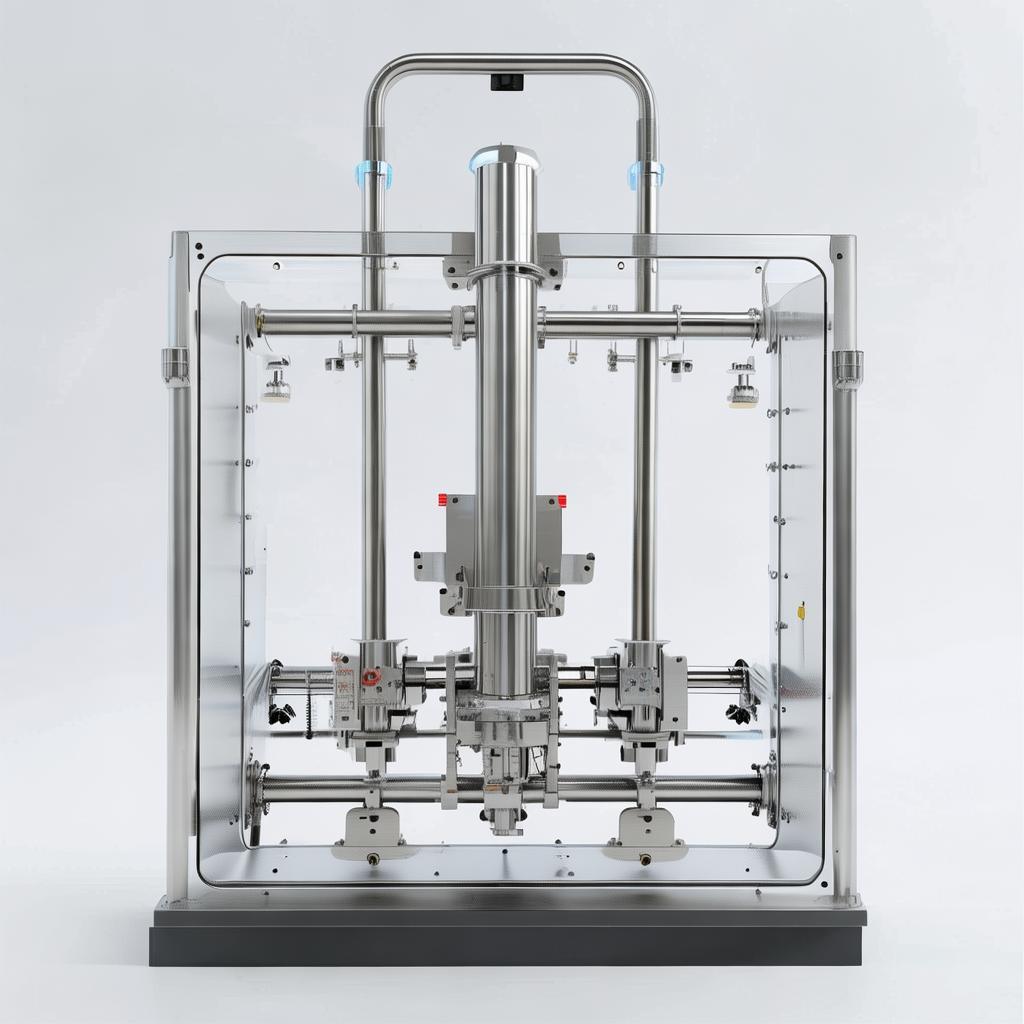
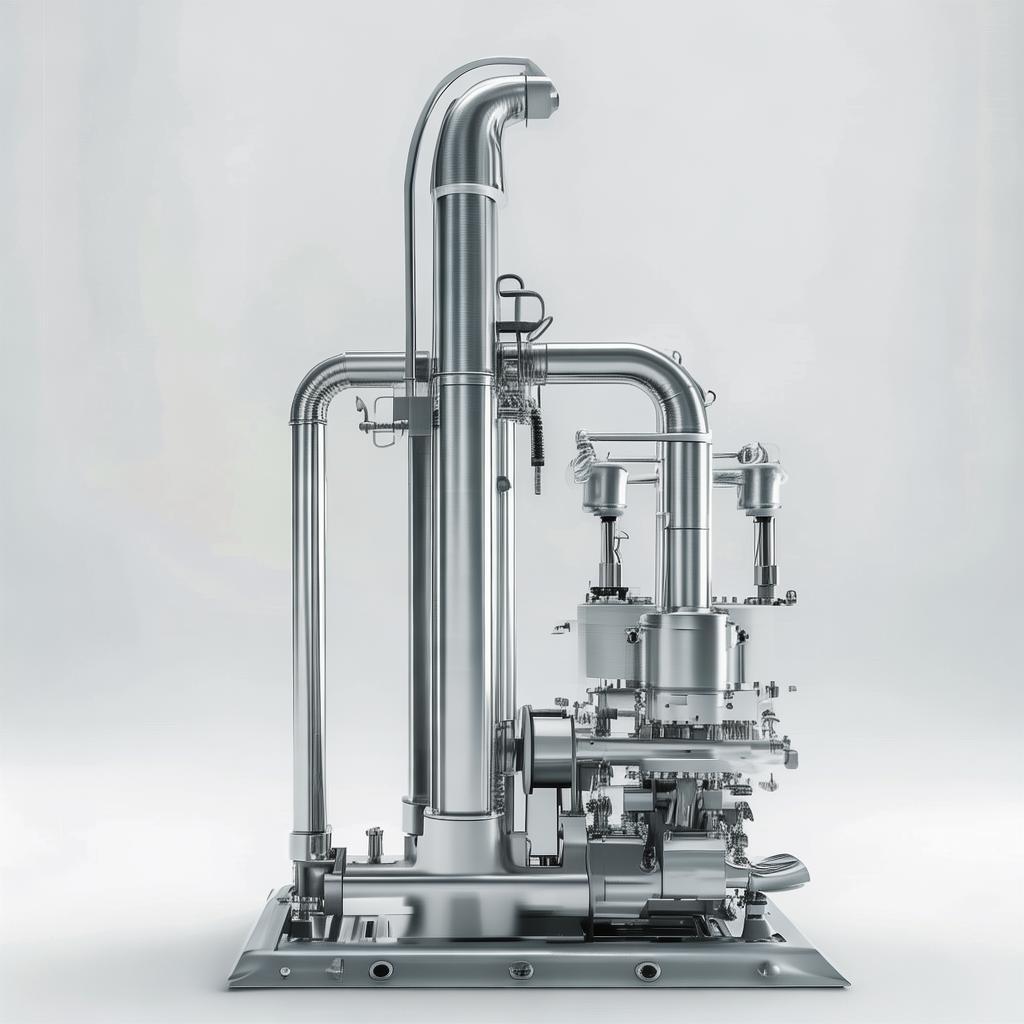
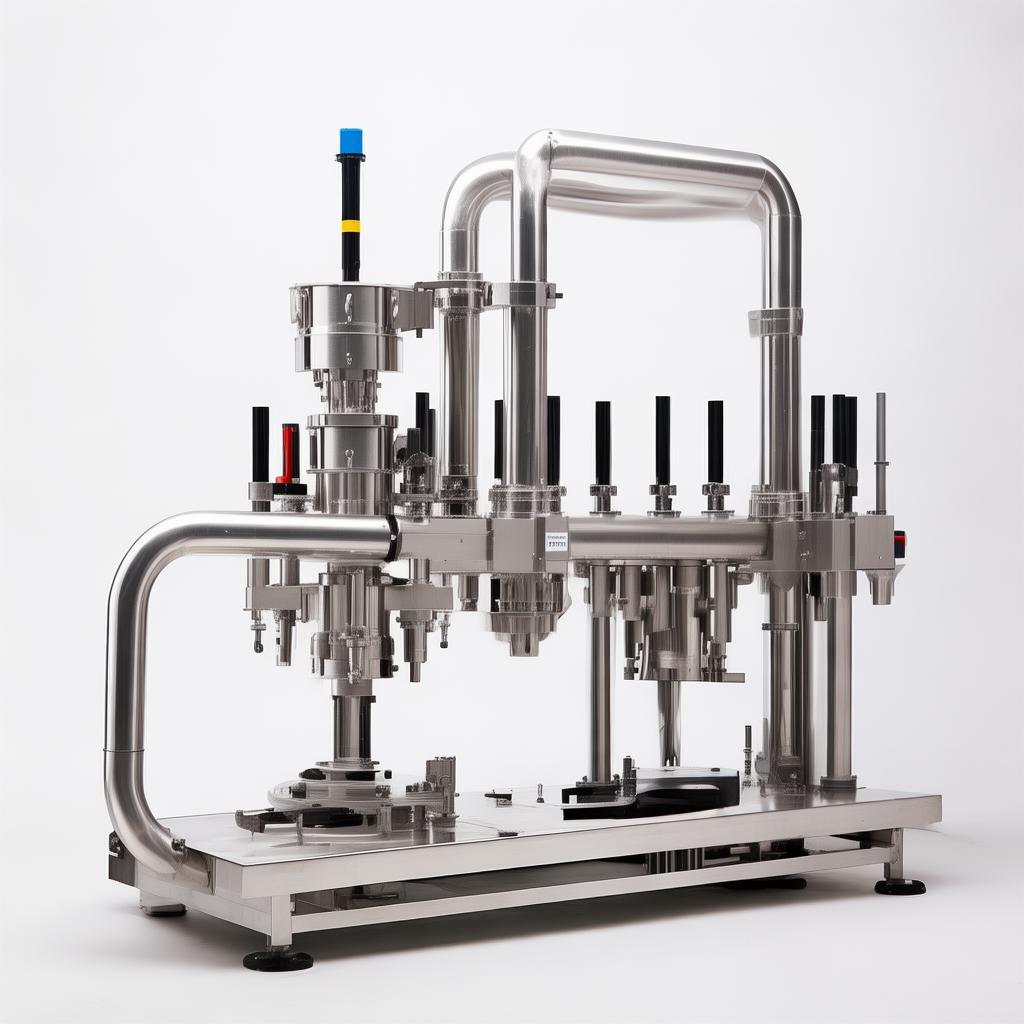
vacuum distillation apparatus vacuum distillation machine vacuum distillation unit
Why Hebei Yuanchang for Your Vacuum Distillation Adapter Needs?
With over 40 years of manufacturing excellence since 1986, Hebei Yuanchang Food Mechanism & Technology Co., Ltd. has cultivated a deep understanding of precision engineering and industrial component production. While our primary focus has been on comprehensive meat processing lines, the core principles of quality, precision, and reliability are embedded in everything we produce.
- Engineering Prowess: Our in-house machining workshop is equipped with over 20 sets of advanced processing machinery, including precision grinding and wire cutting equipment.
- High-Precision Manufacturing: The integration of Japanese Mazak CNC machining centers since 2012 allows us to produce high-standard components requiring large volumes, high precision, and non-standard specifications. This capability is directly transferable to producing bespoke or high-tolerance vacuum distillation adapters.
- Material Expertise: We work with a range of materials, enabling us to recommend and produce adapters suited to diverse chemical environments and operational demands.
- Traceable Quality Control: Our traceable after-sales management system ensures that every component we produce meets stringent quality checks.
- Global Export Experience: We understand the nuances of international trade, logistics, and customer support, ensuring a smooth procurement process for our global clients.
- Commitment to Innovation: While rooted in decades of experience, we continuously invest in technology to maintain our edge in precision manufacturing.
Whether you require standard laboratory-grade glass adapters or custom-engineered metallic solutions for industrial vacuum distillation, we possess the technical capacity and experience to deliver. Our commitment is to provide components that not only meet but exceed expectations, ensuring the integrity and efficiency of your critical separation processes.
Frequently Asked Questions (FAQ)
Q: What is the main purpose of a vacuum distillation adapter?
A: Its primary purpose is to connect different components of a distillation apparatus while maintaining a sealed vacuum environment, facilitating the efficient separation of substances under reduced pressure.
Q: How do I choose the correct joint size?
A: The joint size (e.g., 14/20, 24/40) must match the corresponding joints on your other distillation apparatus components (flasks, condensers, etc.) to ensure a secure and leak-free fit.
Q: Can glass vacuum distillation adapters be used in industrial settings?
A: Borosilicate glass adapters are common in pilot plants and some smaller industrial setups. For larger-scale, more demanding industrial applications, stainless steel or specialized polymer adapters are often preferred due to their superior mechanical strength and durability.
Q: What maintenance is required for vacuum distillation adapters?
A: For glass adapters, regular cleaning and careful inspection for cracks or chips are essential. For adapters with seals or O-rings, ensure these are in good condition and replaced if worn or degraded. For metal adapters, routine checks for corrosion or damage are advised.
Q: Do you offer custom vacuum distillation adapter manufacturing?
A: Yes, absolutely. With our advanced CNC machining capabilities, we specialize in producing custom-designed components to meet unique specifications. Please contact us with your requirements.
Ready to Optimize Your Separation Processes?
Invest in precision and reliability. Explore our range of high-quality vacuum distillation adapters or discuss your custom manufacturing needs with our engineering team.