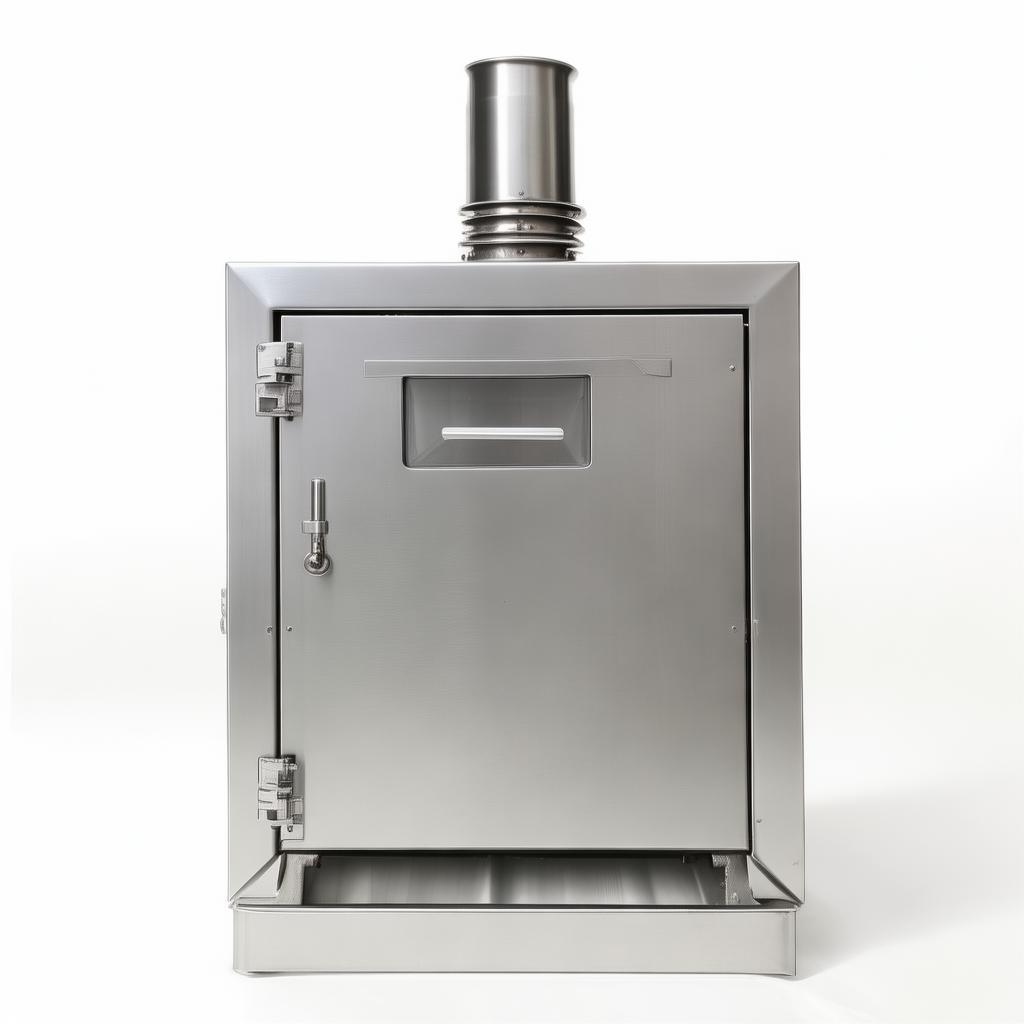
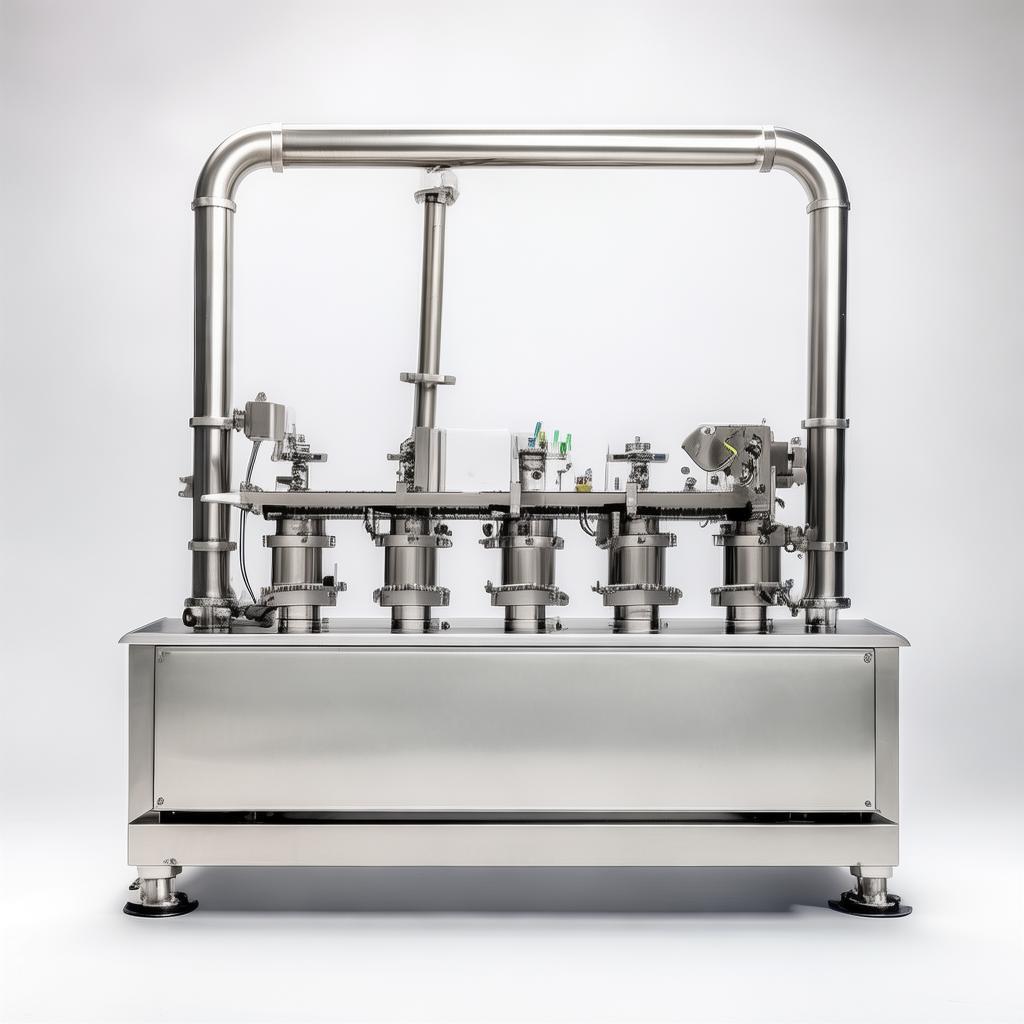
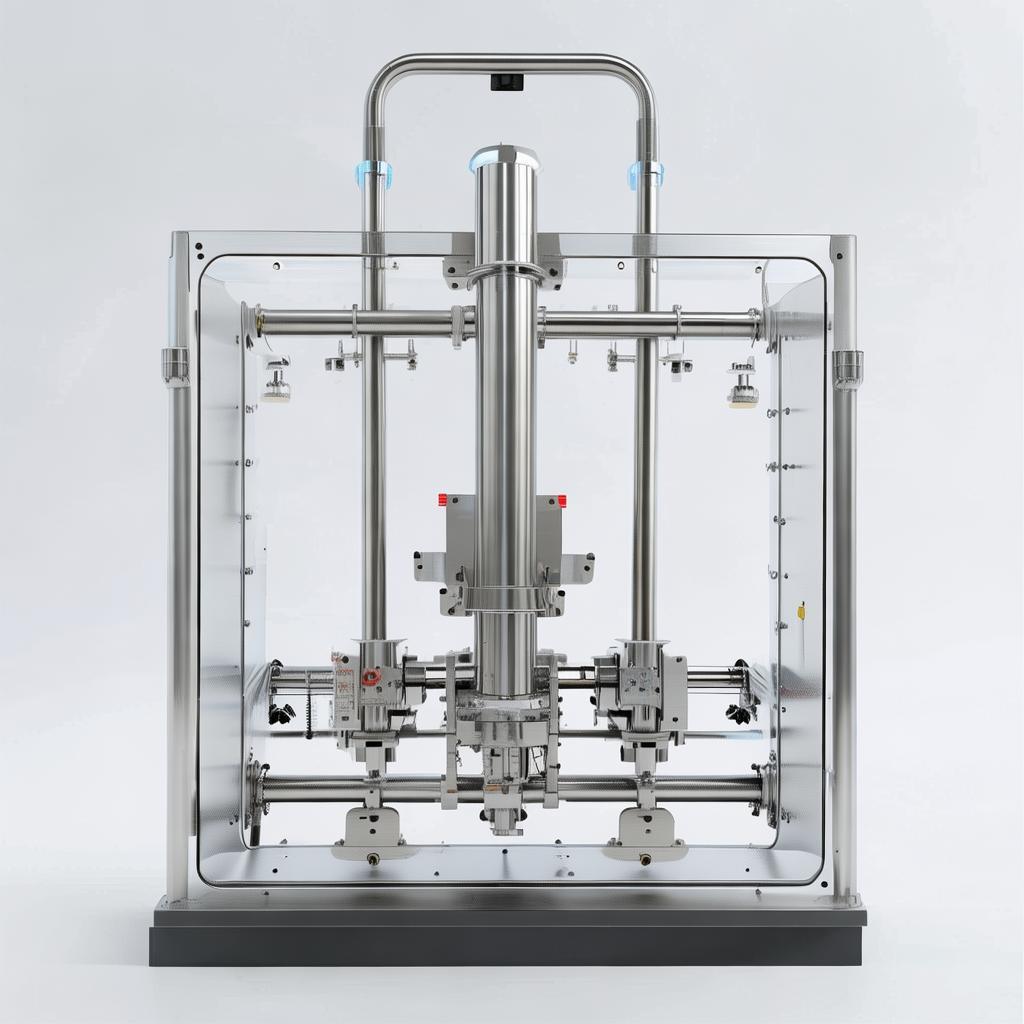
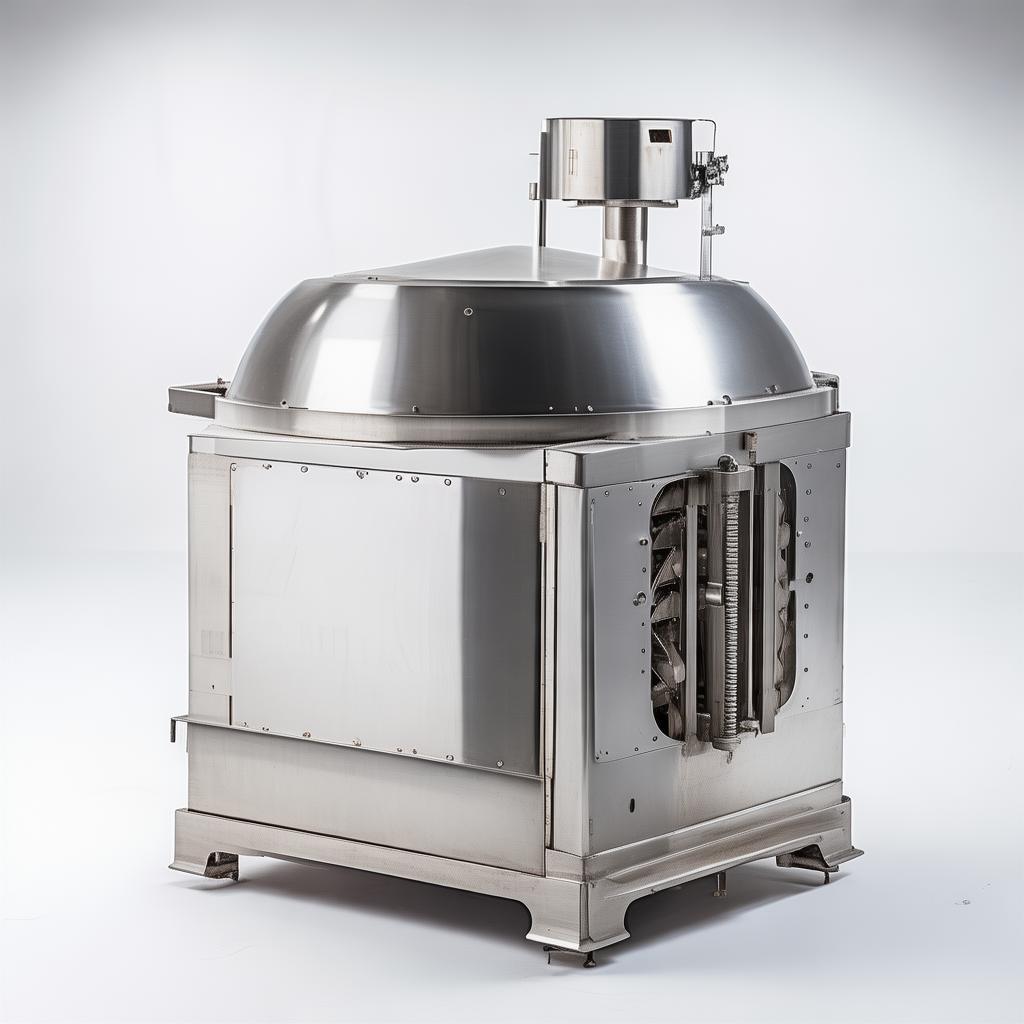
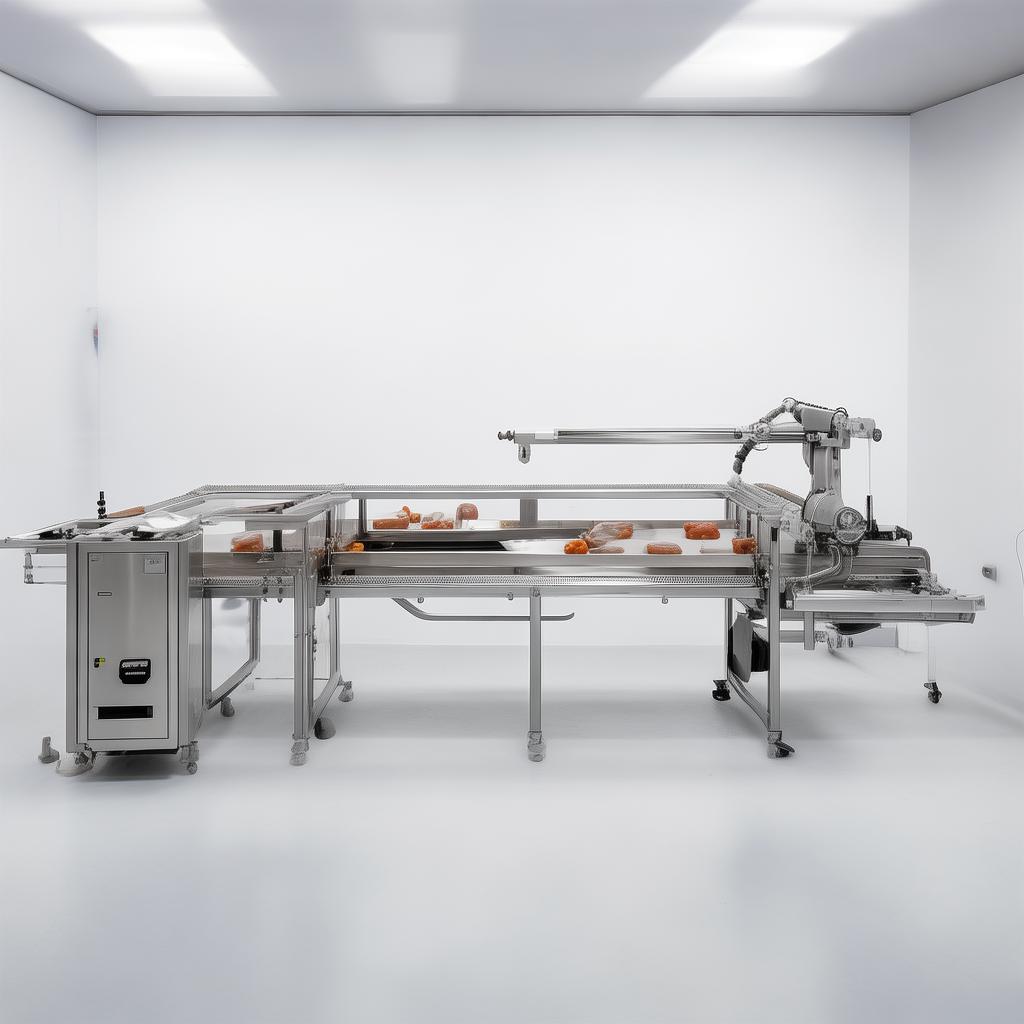
Vacuum Decay Tester
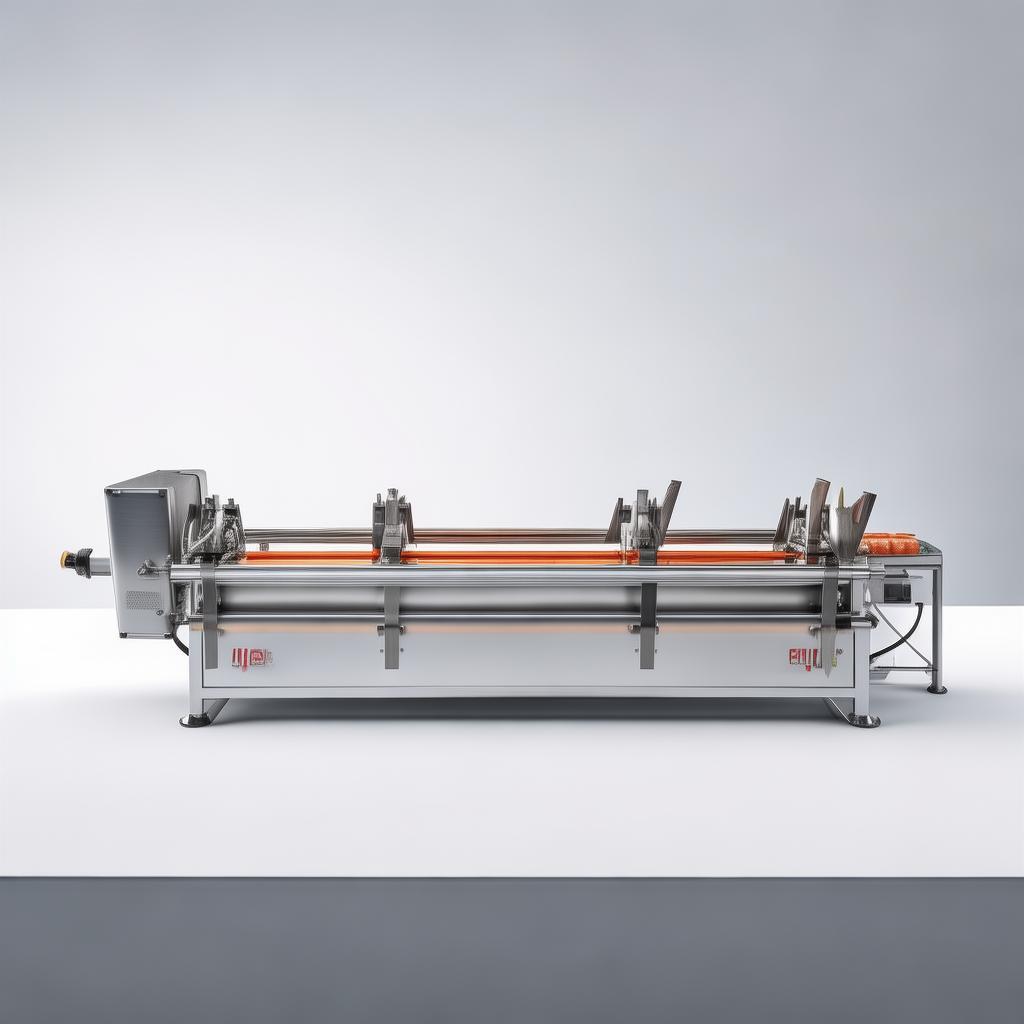
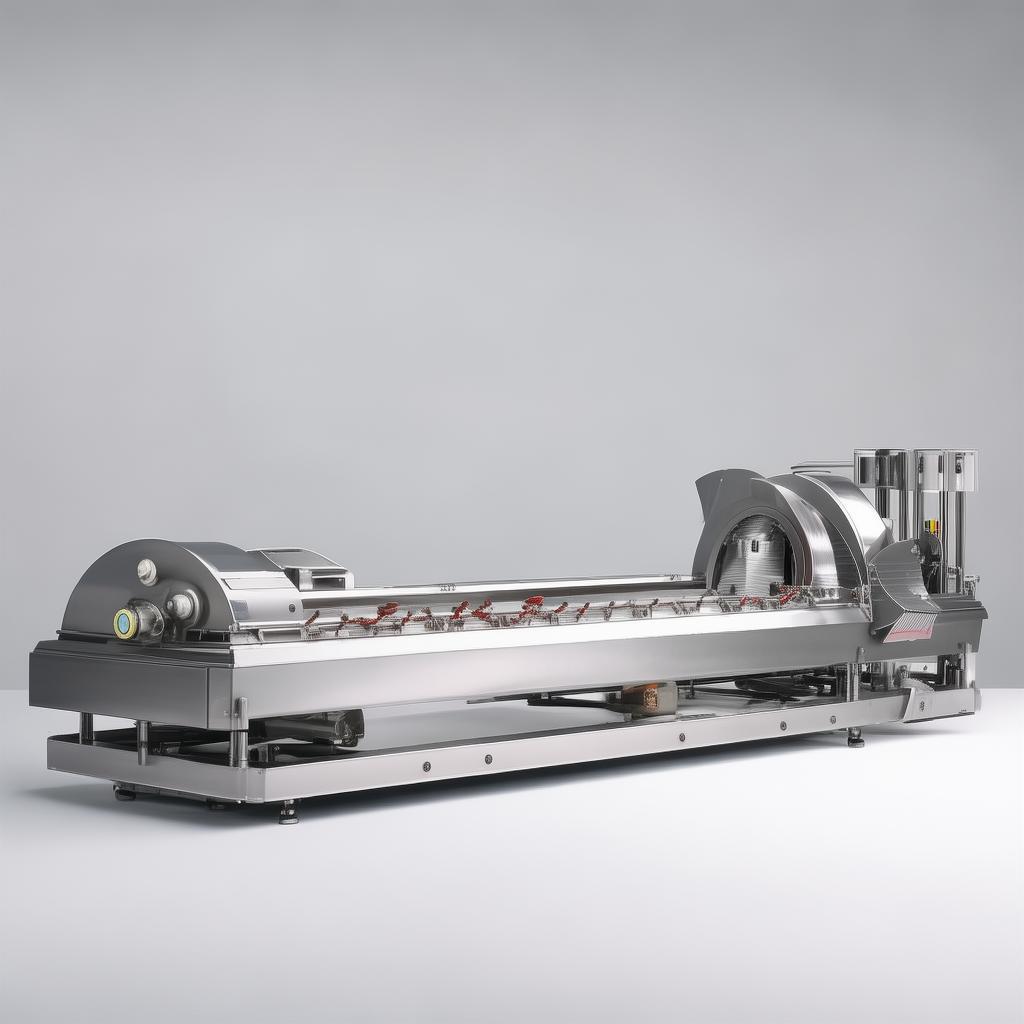
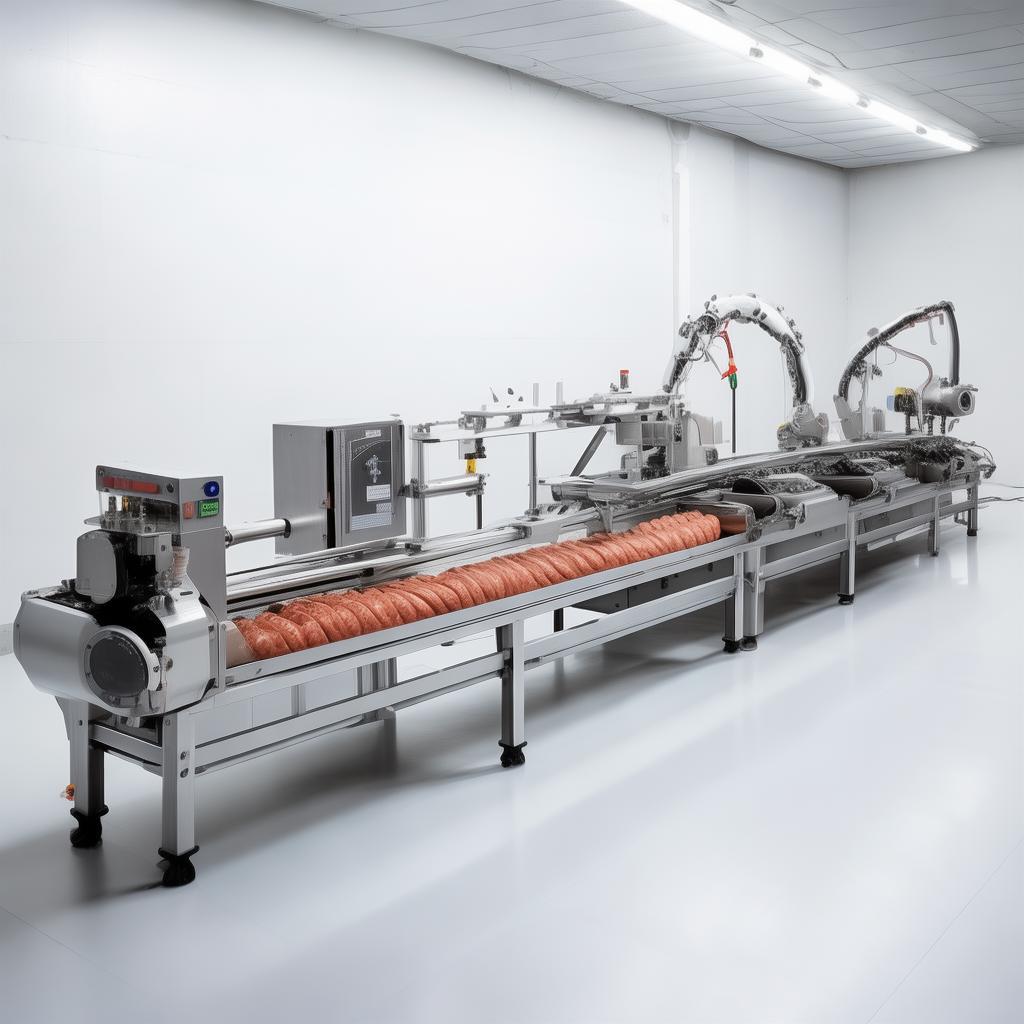
Precision Packaging Integrity: Mastering Vacuum Decay Testing for Uncompromised Product Quality
 By Dr. Evelyn Reed, Lead Process Engineer
Expert in Packaging Technology & Food Safety Compliance
In today's competitive B2B landscape, ensuring the integrity of packaged goods isn't just about aesthetics – it's a critical component of product safety, shelf-life extension, and brand trust. For manufacturers and exporters dealing with a vast array of products, from delicate food items to sensitive industrial components, maintaining hermetic seals is paramount. This is where sophisticated testing methodologies become indispensable. Specifically, vacuum decay testers have emerged as vital instruments, offering a robust and reliable way to verify the integrity of sealed packaging. This guide delves into the intricacies of vacuum decay testing, its applications across industries, and why investing in high-quality equipment is a strategic imperative for your business operations.
What is Vacuum Decay Testing?
Vacuum decay testing is a non-destructive method used to assess the hermetic seal integrity of packaging. At its core, it measures the rate at which a vacuum within a sealed package changes over time. A truly hermetic seal will maintain a consistent internal vacuum. If there's a leak, however small, ambient air will slowly permeate into the package, causing the internal pressure (vacuum) to decrease. The rate of this pressure change directly correlates to the size and severity of any leaks present.
This technology is crucial for a variety of packaging types, including modified atmosphere packaging (MAP), vacuum-sealed bags, trays with lidding film, and rigid containers. For industries like food and beverage, pharmaceuticals, and medical devices, where product safety and shelf life are paramount, detecting even microscopic leaks is non-negotiable. A compromised seal can lead to premature spoilage, contamination, loss of efficacy, and significant financial and reputational damage.
The global meat processing equipment market, valued at approximately USD 11.28 billion in 2024 and projected to reach USD 15.04 billion by 2030, highlights the industry's reliance on robust packaging solutions. As consumer demand for processed and convenience meats continues to rise, the emphasis on effective vacuum sealing for extending shelf life and ensuring food safety becomes even more pronounced. Vacuum decay testers play a direct role in validating these critical packaging processes. Similarly, the processed meat market is expected to expand significantly, underscoring the need for reliable packaging integrity checks.
Beyond food, sectors like electronics manufacturing and aerospace rely on vacuum-sealed packaging to protect sensitive components from moisture and environmental contaminants. Ensuring these seals hold a vacuum is vital for product longevity and performance. The ability to quickly and accurately test these seals makes vacuum decay technology a valuable asset for quality control departments.
How Does a Vacuum Decay Tester Work?
The operational principle is straightforward yet highly effective. A vacuum decay tester typically operates within a sealed chamber. The package to be tested is placed inside this chamber, and the chamber is then sealed.
- Initial Vacuum Creation: The tester's internal vacuum pump evacuates the air from the chamber to a predefined negative pressure level. This sets the baseline for the test.
- Vacuum Stabilization: Once the target vacuum is reached, the system isolates the chamber from the pump. The vacuum source is turned off, and a precise pressure sensor begins monitoring the chamber's internal pressure.
- Decay Measurement: The tester continuously measures the pressure within the sealed chamber over a specified test duration. If the packaging's seal is compromised, air will leak into the package from the outside environment. This ingress of air will cause the pressure inside the chamber to increase (or the vacuum to decrease).
- Leak Detection: The tester's sophisticated sensors detect any significant rise in pressure within the chamber. If the pressure rises beyond a pre-set threshold or at a rate exceeding acceptable parameters, the system flags the package as a leak or a potential leak.
Modern units often feature programmable test parameters, allowing users to define specific vacuum levels, test durations, and acceptable pressure decay rates tailored to their product and packaging material. This flexibility ensures the tester can be adapted to a wide range of applications, from rigid containers to flexible pouches. The speed and accuracy of these systems are critical for maintaining high production throughput without compromising quality assurance.
The integration of these testers into production lines can be seamless, allowing for inline quality checks. This immediate feedback loop is invaluable for identifying issues with sealing machinery or material inconsistencies early in the process, preventing costly rework or product recalls.
Key Advantages of Vacuum Decay Testing
Implementing vacuum decay testing offers tangible benefits that impact both operational efficiency and product integrity.
1. Non-Destructive Testing
The test does not damage the packaging or its contents. This means tested products can still be sold, making it ideal for 100% inspection of critical batches.
2. High Sensitivity
Modern testers can detect very small leaks, often down to a few microns, which is crucial for products requiring stringent protection against environmental factors.
3. Speed and Efficiency
Tests can be completed in seconds, allowing for high-volume production lines to maintain their throughput without significant bottlenecks.
4. Versatility
Applicable to a wide range of packaging formats, materials, and sizes, from small vials to large industrial bags.
5. Cost-Effectiveness
While an investment, the long-term savings from reduced product spoilage, fewer recalls, and enhanced brand reputation far outweigh the initial cost.
6. Compliance Assurance
Helps meet strict regulatory requirements for product safety and shelf-life, especially in food, medical, and pharmaceutical sectors.
Broad Industry Applications
The precision offered by vacuum decay testers makes them indispensable across a diverse range of B2B sectors. Their ability to guarantee seal integrity addresses unique challenges in each field.
| Industry Sector | Key Applications & Benefits |
|---|---|
| Food & Beverage | Ensuring freshness and preventing spoilage in vacuum-packed meats, cheeses, coffee, snacks, and ready-to-eat meals. Validating MAP (Modified Atmosphere Packaging) seals for extended shelf life. The processed meat market's growth demands these assurances. |
| Pharmaceuticals | Verifying sterile barrier packaging for drugs, capsules, and medical devices. A leak can compromise sterility, leading to patient risk and regulatory non-compliance. |
| Medical Devices | Crucial for sealed diagnostic kits, surgical instruments, and implants. Maintaining a sterile environment is paramount for device efficacy and patient safety. |
| Electronics & Components | Protecting sensitive electronic components, semiconductors, and PCBs from moisture and contamination during storage and transport. |
| Industrial Goods | Ensuring the integrity of vacuum-sealed parts, lubricants, or chemicals used in manufacturing or specialized applications. |
| Chemicals & Reagents | Confirming the containment of reactive or sensitive chemicals and laboratory reagents. |
vacuum leakage tester vacuum test chamber vacuum chamber leak tester
The market for meat processing equipment, which includes filling and molding machines essential for products requiring vacuum sealing, is experiencing robust growth. Market reports consistently indicate CAGRs of 5-7% for this sector, underscoring the operational importance of technologies like vacuum decay testers for maintaining product quality and meeting consumer expectations for freshness and safety.
Understanding Technical Specifications
When evaluating vacuum decay testers, several technical specifications are critical to ensure the unit meets your production needs and quality standards.
| Specification | Key Considerations for Buyers | Why It Matters |
|---|---|---|
| Test Chamber Size/Capacity | Internal dimensions, maximum package height. | Must accommodate your typical packaging dimensions. Insufficient size leads to bottlenecks or inability to test certain products. |
| Vacuum Pump Performance | Pump speed (L/min or m³/hr), ultimate vacuum level (mbar or Pa). | Determines how quickly the target vacuum is reached. A faster pump is essential for high-volume lines. |
| Pressure Sensor Accuracy | Resolution (e.g., 0.1 Pa), measurement range, accuracy class. | Crucial for detecting small leaks. Higher accuracy translates to greater reliability and finer leak detection capabilities. |
| Test Cycle Time | Typical time from sealing the chamber to obtaining a result. | Directly impacts production throughput. Shorter times are vital for high-speed lines. |
| Programmability & Data Logging | Number of test programs, internal memory for test results, connectivity (USB, Ethernet). | Allows for easy setup for different products and provides traceability and QC data for audits and analysis. |
| Compliance & Certifications | CE marking, FDA compliance (for food/pharma). | Ensures the equipment meets safety and regulatory standards for the intended markets. |
Consider the required operating environment as well. Some units are designed for benchtop use, while others are robust enough for harsh production floor conditions. Power requirements and compressed air needs (if any) should also be factored into your facility's readiness.
Choosing the Right Vacuum Decay Tester for Your Operation
Selecting the optimal vacuum decay tester involves a thorough assessment of your specific needs. It's not a one-size-fits-all decision.
- Understand Your Products and Packaging: What are you packaging? What materials are used? What is the typical size and shape? This dictates the required chamber size and the sensitivity needed. For example, testing delicate food pouches requires a different approach than testing rigid medical device packaging.
- Production Volume and Speed: Are you running a high-speed line with thousands of units per hour, or a smaller, specialized batch operation? This determines the importance of short test cycle times and the potential for integration with automated production lines.
- Regulatory Requirements: Are you operating in a highly regulated industry like pharmaceuticals or medical devices? If so, certifications like CE and FDA compliance, along with robust data logging capabilities, become critical.
- Budget and ROI: While cost is always a factor, focus on the total cost of ownership and the return on investment. Consider the potential savings from preventing recalls, reducing waste, and extending product shelf life. Investing in a slightly more advanced unit with better accuracy might pay for itself quickly.
- Ease of Use and Training: Will your operators be able to use the equipment effectively with minimal training? A user-friendly interface and clear testing protocols are important for consistent results and operator efficiency.
Don't hesitate to request product demonstrations and consult with potential suppliers. A reputable manufacturer will guide you through these considerations, helping you make an informed decision.



Installation & Routine Maintenance Insights
Proper installation and consistent maintenance are key to ensuring the longevity and reliable performance of your vacuum decay tester. This isn't just a plug-and-play device; it requires attention.
Installation Considerations:
- Environment: Install the tester in a clean, dry environment with stable ambient temperature and pressure. Extreme fluctuations can affect sensor readings. Avoid direct sunlight or proximity to heat sources.
- Power Supply: Ensure a stable, grounded power supply that meets the equipment's specifications. Voltage fluctuations can damage sensitive electronics.
- Ventilation: The unit requires adequate ventilation. Do not block air vents, as this can lead to overheating.
- Level Surface: The tester should be placed on a perfectly level surface to ensure consistent sealing and operation.
- Integration: If integrating into an automated line, ensure proper pneumatic and electrical connections are made by qualified personnel.
Routine Maintenance Schedule:
A proactive maintenance schedule prevents downtime and ensures accuracy.
- Daily: Visual inspection of the chamber seal for damage, check for any error messages on the display. Clean the chamber and any visible seals.
- Weekly: Verify the integrity of the chamber seal by running a test cycle with no product. Check for any air ingress by listening or using a leak detector spray if available.
- Monthly: Clean internal components as per the manufacturer's manual. Inspect vacuum tubing for cracks or kinks.
- Quarterly/Annually: Calibrate the pressure sensor(s) using certified calibration equipment. This is crucial for maintaining accuracy. The manufacturer or a certified service provider can perform this. Service the vacuum pump according to its specific maintenance requirements (e.g., oil changes for rotary vane pumps).
Always refer to the specific operation and maintenance manual provided by the manufacturer for detailed instructions. Neglecting maintenance can lead to inaccurate readings and premature equipment failure, a cost no B2B operation can afford.
Procurement & Supplier Evaluation: A Buyer's Guide
Sourcing reliable industrial equipment like vacuum decay testers requires a strategic procurement approach. It's about more than just the lowest price.
Key Evaluation Criteria for Suppliers:
- Manufacturing Experience: Look for suppliers with a proven track record in producing high-quality testing equipment. 40 years of experience, like that of Hebei Yuanchang Food Mechanism & Technology Co., Ltd., indicates deep operational knowledge and product refinement.
- Technical Support & After-Sales Service: This is paramount for industrial machinery. Can they provide installation assistance, calibration services, spare parts readily, and responsive technical support? Traceable after-sales management is a significant advantage.
- Customization Capabilities: If you have unique packaging requirements, does the supplier offer OEM/ODM services or modifications? Their in-house machining capabilities, including CNC centers, are a strong indicator of flexibility.
- Certifications and Quality Standards: Does the supplier adhere to international quality standards (e.g., ISO)? Do their products carry necessary certifications for your target markets (e.g., CE for Europe)?
- Global Reach and Logistics: For international trade, understanding lead times, shipping options (FCL, LCL), and export documentation is crucial. A supplier experienced in international B2B trade will streamline this process.
- Reputation and References: Seek testimonials, case studies, or industry references. What is their reputation for reliability and customer satisfaction?
When engaging with potential suppliers, always ask for detailed specifications, warranty terms, and a clear breakdown of costs including shipping and any applicable duties or taxes. Don't shy away from asking tough questions about their manufacturing processes and quality control procedures.
Buyer Warning: Be wary of suppliers who offer excessively low prices or make unrealistic delivery promises. This can often indicate lower quality components, inadequate quality control, or hidden costs down the line. Ensure transparency in all dealings.


What Our Clients Say: Real-World Impact
Hear directly from businesses that have integrated our vacuum decay testers into their operations and experienced tangible improvements.

"Before implementing the vacuum decay tester, we relied on manual checks which were time-consuming and prone to human error. Now, our QA process is significantly faster and more reliable. We've seen a noticeable reduction in product spoilage claims since installation."
— Mark Jenkins, Operations Manager, Gourmet Foods Inc.USA

"As a medical device manufacturer, seal integrity is non-negotiable. This tester gives us the confidence that our sterile packaging meets the highest standards. The data logging feature is invaluable for our compliance audits. It's a vital piece of equipment on our production line."
— Sarah Chen, Quality Assurance Lead, MediTech SolutionsCanada

"We export electronic components globally, and protecting them from moisture is critical. The speed of this vacuum decay tester allows us to perform checks without impacting our export schedule. We've reduced moisture-related product failures significantly."
— David Lee, Supply Chain Manager, Electro-Secure PartsUnited Kingdom

"The support from Hebei Yuanchang was exceptional. They understood our unique needs for testing packaging for specialized food ingredients. The unit was delivered on time, and their team provided excellent setup and calibration support. Highly recommended for B2B international trade."
— Anya Sharma, Procurement Specialist, Global Ingredients Co.Australia
Frequently Asked Questions (FAQ)
We've compiled answers to common questions regarding vacuum decay testers.
1. What is the difference between vacuum decay testing and leak testing using helium or air pucks?
Vacuum decay testing measures the pressure change within a sealed chamber containing the product. Other methods might involve injecting a tracer gas (like helium) and detecting its presence outside the package, or using a dye or colored liquid. Vacuum decay is generally faster and non-destructive for a wide range of packaging.
2. Can this test be used for Modified Atmosphere Packaging (MAP)?
Yes, vacuum decay testers are excellent for verifying the integrity of MAP seals. While MAP involves a specific gas mix inside, maintaining a perfect seal is critical. A leak can cause the desired atmosphere to escape and ambient air to enter, negating the benefits of MAP. The tester will identify if the seal is compromised.
3. What is the typical lifespan of a vacuum decay tester?
With proper installation, regular maintenance, and calibration, a high-quality vacuum decay tester can last for many years, often 10 years or more. The lifespan is heavily dependent on the quality of manufacturing and adherence to maintenance schedules.
4. Can I test packages that are already vacuum-sealed?
Absolutely. This is a primary application. The tester creates an initial vacuum and then measures if that vacuum is maintained. If the package was properly vacuum-sealed and has no leaks, it will hold the vacuum within the test chamber.
5. How often should the equipment be calibrated?
Calibration frequency depends on the manufacturer's recommendation and industry standards. Typically, annual calibration is recommended for critical applications. Some facilities with very high-volume or stringent regulatory requirements may opt for semi-annual calibration.
6. What are the lead times for these machines?
Lead times can vary based on the model, current demand, and whether customization is required. Typically, standard models might ship within 4-8 weeks, while custom configurations could take longer. It's best to inquire directly with the supplier for accurate estimates.
Elevate Your Packaging Integrity and Protect Your Brand
Don't leave your product quality and consumer trust to chance. Invest in precision. Invest in reliability. Invest in a vacuum decay tester that ensures every package meets the highest standards.
Let's discuss how our expertise in manufacturing and technology can serve your international trade needs.