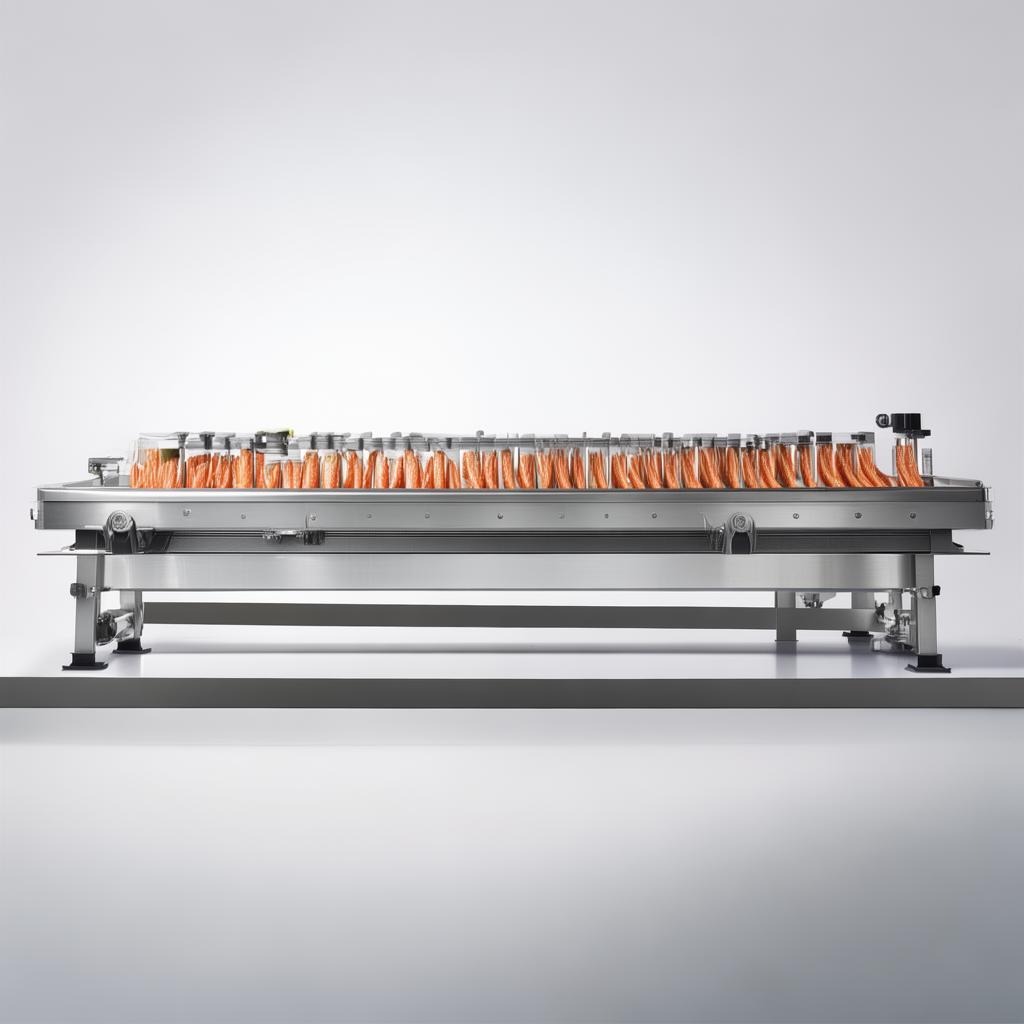
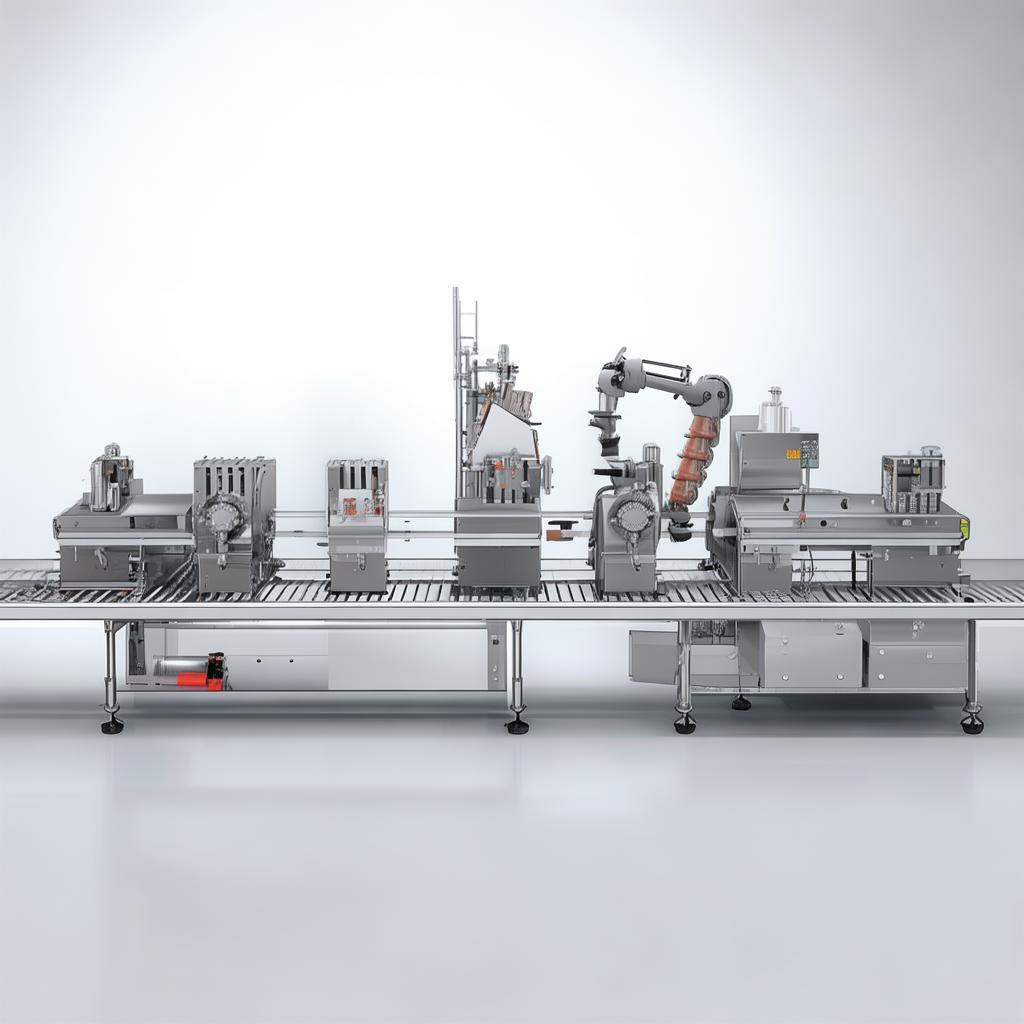
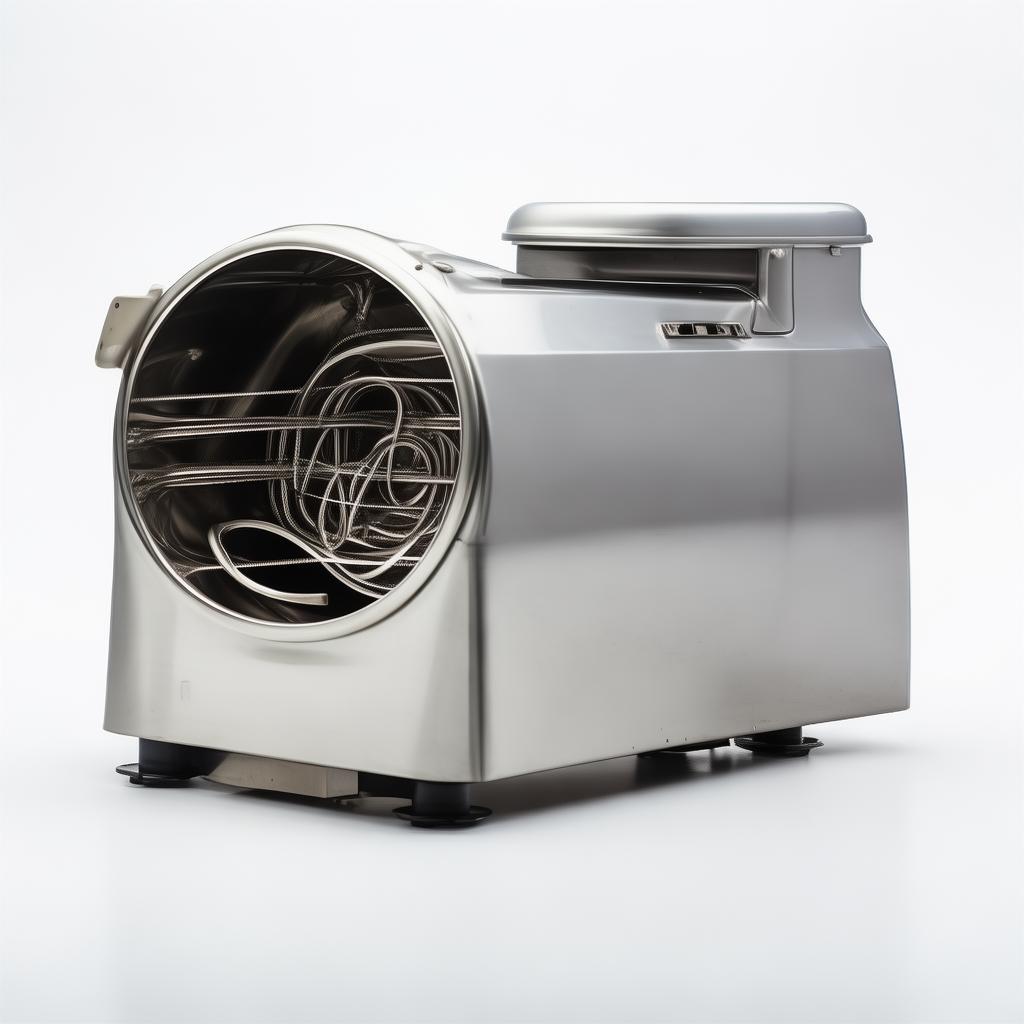
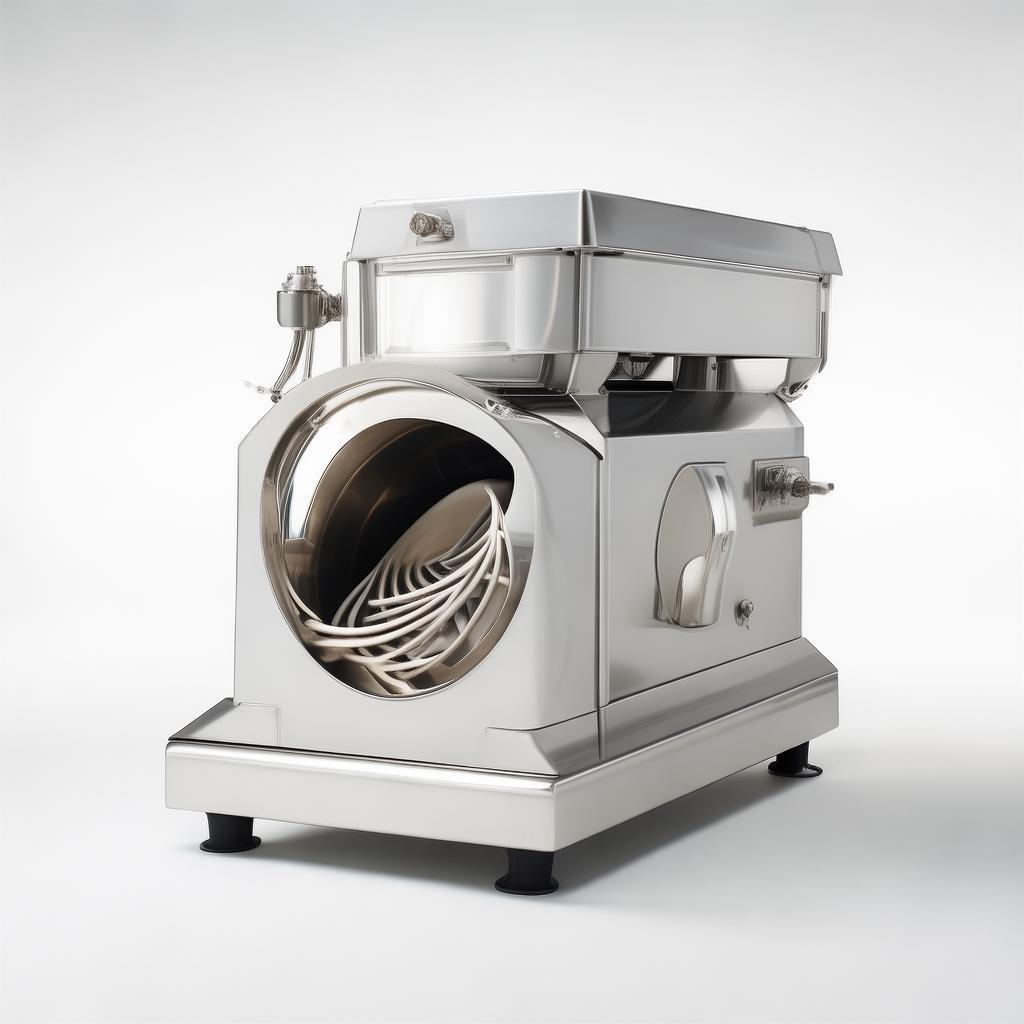
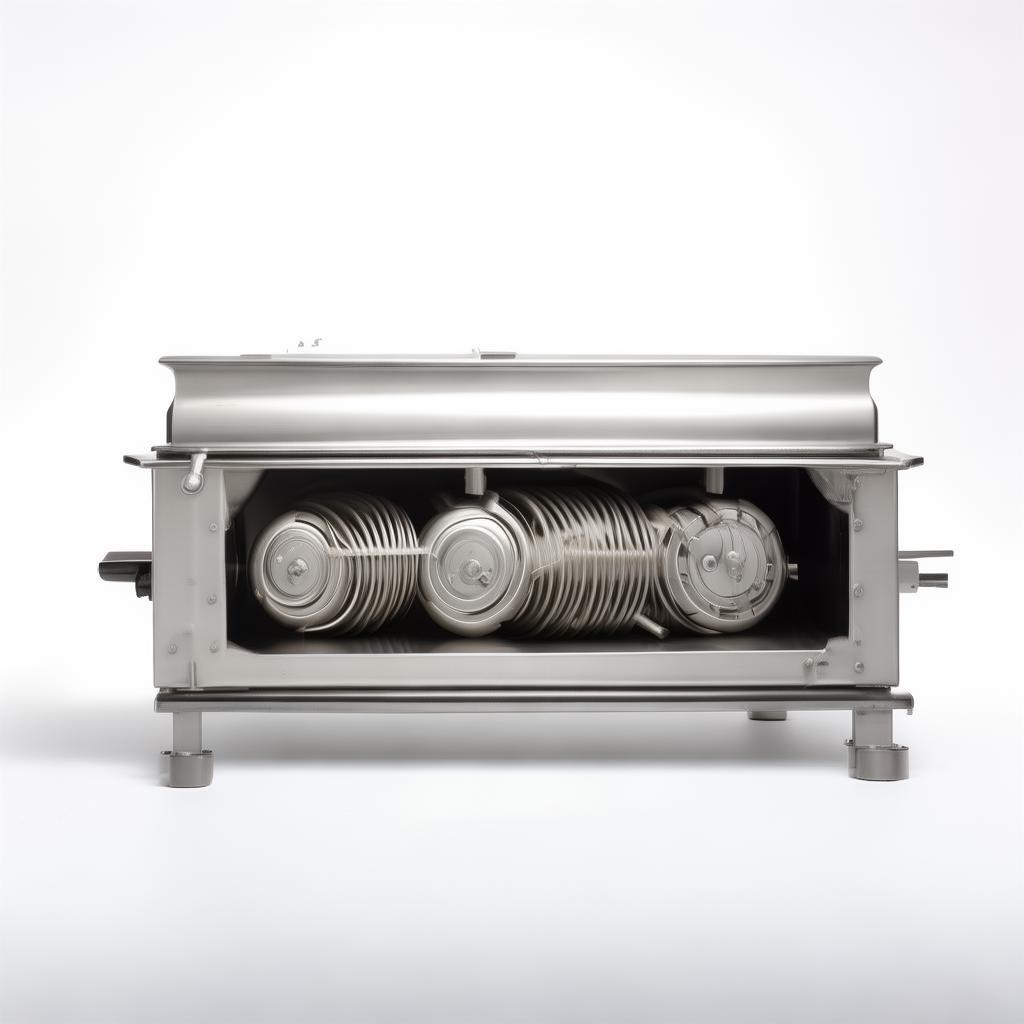
Vacuum Autoclave
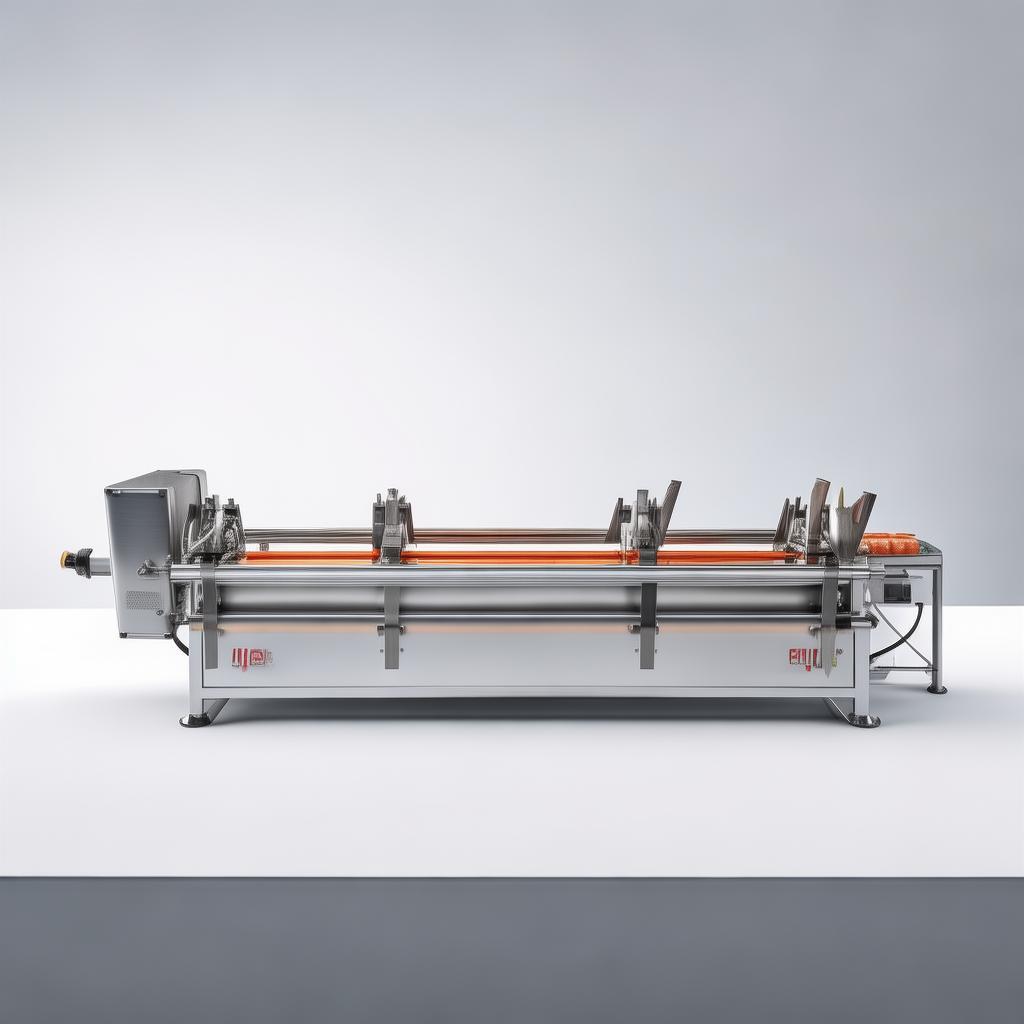
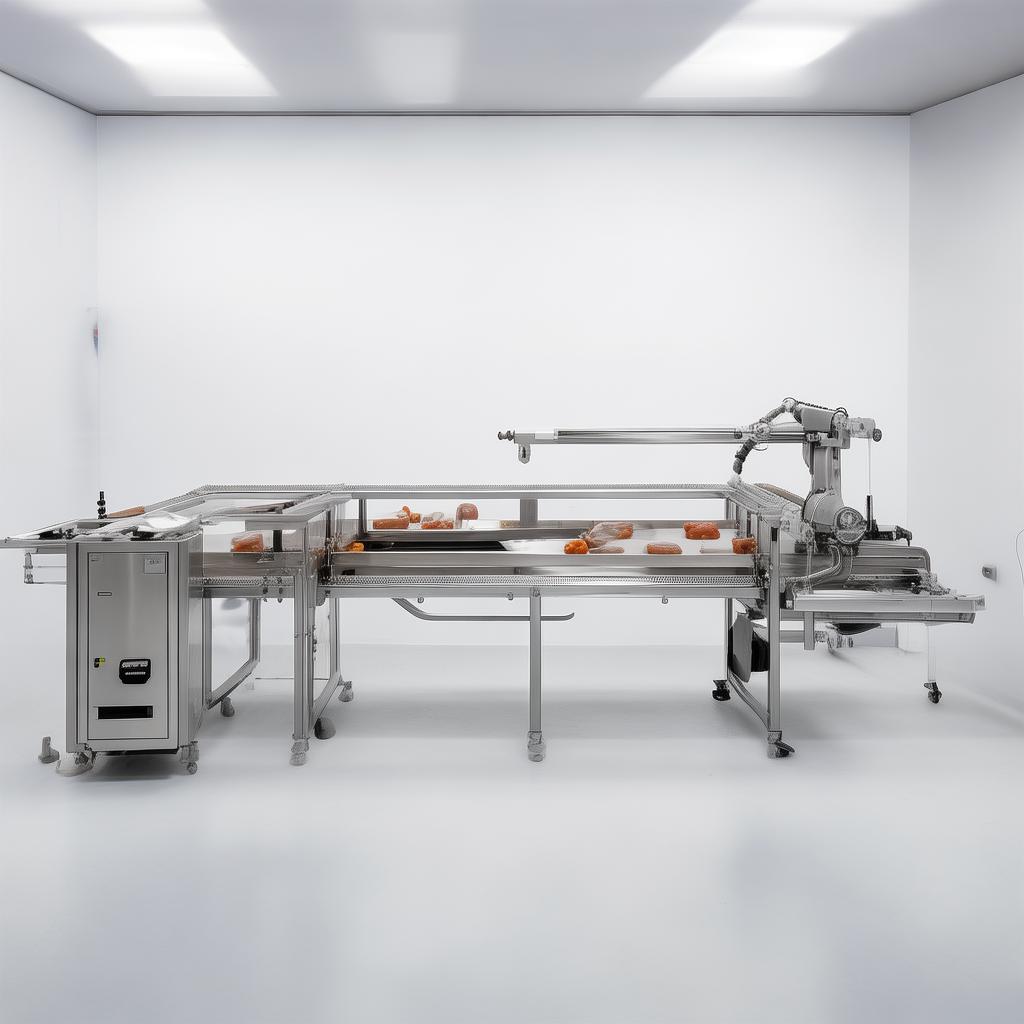
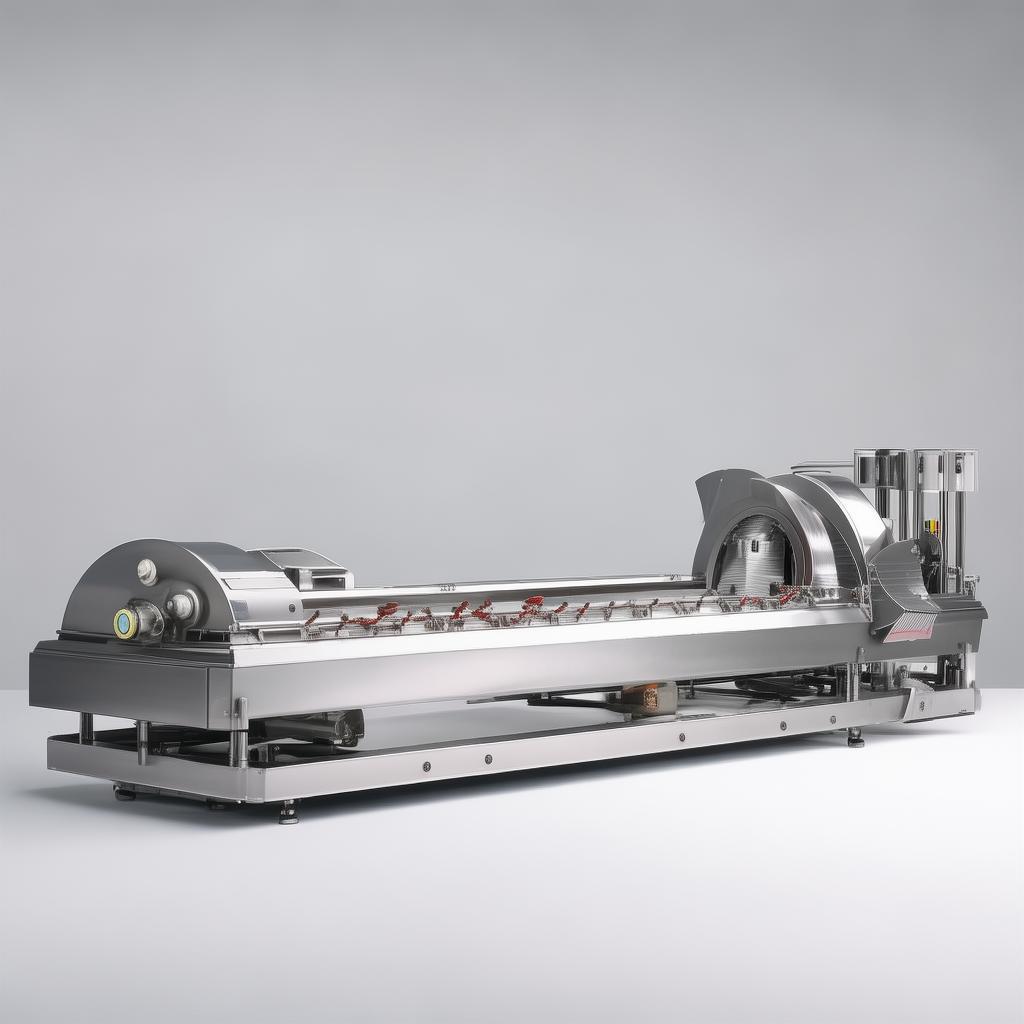
Vacuum Autoclaves: Precision Engineering for Demanding Sterilization and Curing Processes
Enhancing Product Integrity and Compliance Across Critical Industries
 By David Chen, Senior Export Manager at Hebei Yuanchang Food Mechanism & Technology Co., Ltd.
Understanding the Vacuum Autoclave: Precision Sterilization and Beyond
In modern industrial operations, achieving a perfect state of sterilization, curing, or material conditioning is often paramount. It’s not just about killing microbes; it’s about ensuring product integrity, extending shelf life, and meeting stringent regulatory standards that can vary dramatically by market and application. This is where the vacuum autoclave emerges as a sophisticated, indispensable piece of equipment. Far more than just a high-pressure steam sterilizer, its advanced design incorporates vacuum capabilities to overcome the limitations of traditional methods. For sectors ranging from medical device manufacturing and pharmaceuticals to food processing and advanced materials, the ability to precisely control atmospheric pressure alongside temperature and steam is a game-changer.
Consider the challenges faced in sterilizing porous or pre-packaged goods. Standard steam autoclaves rely on steam penetration. However, air trapped within complex geometries or packaging can create cold spots, preventing steam from reaching all surfaces, thus compromising sterility. Similarly, in certain curing processes or material treatments, the presence of atmospheric gases can interfere with desired chemical reactions or physical properties. The vacuum autoclave addresses these issues head-on. By creating a partial vacuum before introducing steam, it effectively removes air, allowing steam to penetrate more deeply and uniformly. This leads to more reliable sterilization cycles, reduced cycle times, and enhanced efficiency. It's a technological leap that directly impacts product quality and operational safety.
The demand for such advanced processing equipment is underscored by the growth in related industries. For instance, the global meat processing equipment market, which includes sophisticated systems for preparation, molding, and ripening, is projected to reach significant figures, with market reports citing values between USD 11 billion and USD 19 billion annually, and compound annual growth rates (CAGRs) typically between 4.5% and 7.7%.[1, 2, 3, 4, 5, 6, 7, 8, 9] While this specific market often focuses on different types of machinery, the underlying trend of increased automation, hygiene demands, and the need for precise processing conditions is universal. Vacuum autoclaves play a critical role in the high-stakes segments of this broader industrial landscape where sterility and material integrity are non-negotiable.
Our involvement at Hebei Yuanchang Food Mechanism & Technology Co., Ltd., spanning 40 years since 1986, has provided us with an intimate understanding of the intricate demands placed upon processing equipment. While our core expertise lies in meat and pet food machinery, the principles of precision engineering, material science, and robust process control that govern our designs are transferable to the manufacture of high-quality vacuum autoclaves. We understand that for a vacuum autoclave, reliability isn't just a feature; it's the foundation upon which product safety, regulatory compliance, and brand reputation are built. This is why our approach to engineering and manufacturing emphasizes durability, efficiency, and the precise control necessary for critical applications.
The procurement of a vacuum autoclave is a significant investment, often involving complex decision-making processes driven by technical requirements, budget constraints, and long-term operational goals. Buyers typically navigate through a landscape of specifications, certifications, and supplier capabilities. They need assurance not only in the performance of the machine itself but also in the vendor’s ability to provide ongoing support, spare parts, and technical expertise. Understanding these buyer journeys is crucial. Whether it’s a medical device manufacturer needing to validate sterilization cycles or a food producer ensuring the shelf-stability of a sensitive product, the chosen vacuum autoclave must deliver consistent, repeatable results, time after time.
The sophistication of a vacuum autoclave lies in its ability to perform multiple functions. It can execute full vacuum sterilization cycles, partial vacuum cycles to aid steam penetration, and even pre-vacuum pulses to remove residual air from challenging loads. This versatility makes it a cornerstone for applications requiring the highest levels of assurance. The engineering behind it involves advanced control systems, high-grade stainless steel construction for corrosion resistance and ease of cleaning, and robust safety features to protect operators and the equipment itself. For international buyers, understanding the nuances of these systems, along with the supplier's export experience and adherence to global standards like ISO, CE, or FDA (depending on the application), becomes a critical part of the due diligence process.
The Vacuum Advantage: Superior Sterilization and Material Conditioning
The key differentiator of a vacuum autoclave lies in its vacuum system. While conventional autoclaves use steam displacement to achieve sterilization, this method can falter when dealing with complex loads. Air, being lighter and less dense than steam, tends to collect in pockets, creating insulating barriers that steam cannot easily penetrate. This results in incomplete sterilization, a risk that is simply unacceptable in critical applications.
A vacuum autoclave combats this by:
- Air Removal: Before steam injection, a vacuum pump actively removes air from the chamber. This ensures that when steam enters, it encounters minimal resistance and can rapidly displace any remaining air, reaching every surface of the load.
- Enhanced Steam Penetration: With air pockets eliminated, steam can penetrate porous materials, lumens, and complex packaging with greater efficacy. This is vital for sterilizing surgical instruments, textiles, and other items with intricate designs.
- Reduced Cycle Times: Efficient air removal and uniform steam distribution lead to quicker heating of the load to the target temperature, thereby shortening the overall sterilization cycle and increasing throughput.
- Drying Cycles: Post-sterilization, a vacuum can be applied again, often combined with jacket heating, to effectively remove residual moisture from the load. This is crucial for items like surgical packs that need to remain dry.
- Material Treatment: Beyond sterilization, the vacuum function is invaluable for processes like degassing, impregnation, or specific curing applications where the absence of atmospheric gases is critical for achieving desired material properties.
The integration of a robust vacuum system, typically driven by a powerful liquid ring or rotary vane vacuum pump, is what elevates the performance of these machines. This isn't just a minor enhancement; it's a fundamental improvement that offers a higher assurance of sterility and greater process control, directly impacting product quality and safety.
When evaluating vacuum autoclaves, pay close attention to the vacuum pump specifications (capacity, ultimate vacuum level) and the control system's ability to manage these vacuum phases precisely. These elements dictate the effectiveness of the entire sterilization or conditioning process.
Where Vacuum Autoclaves Make a Difference: Core Industrial Applications
The versatility and reliability of vacuum autoclaves make them essential in a variety of demanding sectors. Understanding these applications helps frame the specific requirements you might have.
Medical Device Sterilization
Crucial for sterilizing pre-packaged surgical instruments, implants, and medical tubing where steam penetration is challenging. Achieving ISO 13485 compliance is often a key driver.
Pharmaceuticals & Laboratories
Sterilization of heat-sensitive media, laboratory glassware, and equipment. Validated cycles are essential for GLP/GMP environments.
Food & Beverage Processing
Ensuring shelf-stability for pre-cooked meals, canned goods, and vacuum-sealed food products. Aids in curing, sterilization, and extending product life, aligning with stringent food safety standards like FDA and HACCP.
Advanced Materials & Composites
Curing epoxy resins, impregnating materials with adhesives or sealants, and processing composite parts where void reduction through vacuum is critical.
Waste Treatment
Disinfection of laboratory waste and biohazardous materials to render them safe for disposal, often a regulatory requirement.
Dental Practices
Sterilization of dental instruments, ensuring patient safety and compliance with healthcare regulations.
Each application demands specific chamber sizes, pressure/temperature ratings, and control functionalities. Matching the autoclave to the precise operational need is key to maximizing its value and ensuring performance.
Engineering Excellence: Key Features of Our Vacuum Autoclaves
At Hebei Yuanchang, we leverage our decades of manufacturing experience to build vacuum autoclaves that are not only robust but also incorporate intelligent design for optimal performance and longevity. Our machines are engineered with the operator and the process in mind.
High-Grade Stainless Steel Chamber
Constructed from SUS304 or SUS316L stainless steel for superior corrosion resistance, durability, and ease of sanitation. Chamber walls are typically polished to a fine finish.
Advanced Vacuum System
Equipped with high-capacity liquid ring or rotary vane vacuum pumps for rapid air evacuation and deep vacuum levels, ensuring efficient steam penetration and effective drying.
Programmable Control System
User-friendly PLC control with touch screen interface allows for precise programming of temperature, time, pressure, and vacuum stages for multiple cycles. Data logging capabilities are often included for validation and traceability.
Efficient Heating and Steam Generation
Integrated steam generator or external steam source capabilities, coupled with jacketed chambers for rapid and uniform heating.
Comprehensive Safety Features
Multiple safety interlocks, pressure relief valves, and emergency stop functions are standard, complying with international safety directives.
Modular Design for Flexibility
Options for different chamber sizes, door configurations (e.g., single, double), and loading systems to suit specific facility layouts and workflow requirements.
We understand that each industry has unique requirements. Our engineering team can work with you to customize features, ensuring the autoclave seamlessly integrates into your existing operations.
Technical Specifications: The Backbone of Performance
Precise specifications are critical for selecting the right vacuum autoclave. Below is a typical overview of what you can expect. We recommend consulting directly with our technical sales team for detailed datasheets tailored to your specific needs.
| Parameter | Typical Range / Specification | Notes |
|---|---|---|
| Chamber Volume | 100 L to 5000 L (or custom) | Standard sizes or custom-built for unique loads |
| Chamber Material | SUS304 / SUS316L Stainless Steel | Polished interior for hygiene and cleanability |
| Working Temperature | 105°C - 135°C (adjustable) | Standard sterilization range |
| Working Pressure | 0.18 MPa (approx. 1.8 bar gauge) | Standard for steam sterilization |
| Vacuum Level | -0.08 MPa to -0.098 MPa (absolute) | Achievable vacuum for efficient air removal |
| Heating Method | Electric Steam Generator / Steam Jacket | Fast and uniform heat distribution |
| Control System | PLC with Touch Screen Interface | Programmable cycles, data logging, diagnostics |
| Power Supply | Customizable (e.g., 380V/50Hz/3Ph, 480V/60Hz/3Ph) | Configurable for regional standards |
| Certifications | CE, ISO, ASME (Optional) | Depends on model and target market |
Autoclave vacuum pump Vacuum filler commercial vacuum machine
Note: These are representative specifications. Actual parameters will vary based on model and custom configurations.
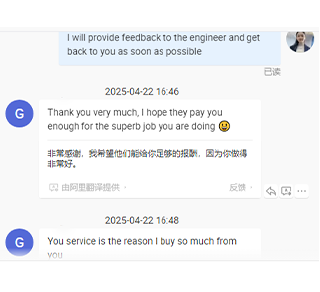
What Our Clients Say


Navigating Procurement: Key Considerations for Buyers
Investing in a vacuum autoclave is a decision with long-term implications. Buyers should approach this process methodically to ensure they secure the best fit for their operational and financial objectives.
Application & Load Type
Clearly define what you need to sterilize or process. This dictates chamber size, cycle complexity, and required certifications.
Regulatory Compliance
Ensure the autoclave meets the standards of your target market (e.g., FDA 21 CFR Part 11 for data logging, CE marking for EU, ASME for pressure vessels).
Supplier Reputation & Experience
Look for manufacturers with a proven track record, especially in international trade. Check for certifications and customer testimonials.
Technical Support & After-Sales Service
Inquire about installation assistance, operator training, maintenance schedules, spare parts availability, and warranty terms. This is where experienced exporters shine.
Total Cost of Ownership
Consider not just the purchase price but also installation, energy consumption, maintenance costs, and potential downtime over the machine's lifecycle.
Customization Options
Can the supplier adapt the design to fit your specific needs regarding size, utilities, or control features? This is a hallmark of OEM/ODM expertise.
At Hebei Yuanchang, we pride ourselves on transparent communication and a consultative approach. We help you navigate these factors to make an informed decision.
Our Manufacturing Prowess: 40 Years of Precision
Hebei Yuanchang Food Mechanism & Technology Co., Ltd. has been a cornerstone of industrial manufacturing since 1986. With 40 years of dedicated experience, we have cultivated a deep understanding of precision engineering, robust construction, and the critical importance of reliable processing equipment. Our facility, spanning approximately 14,000 square meters, houses a dedicated team of 80-100 skilled professionals, integrating R&D, production, and global sales.
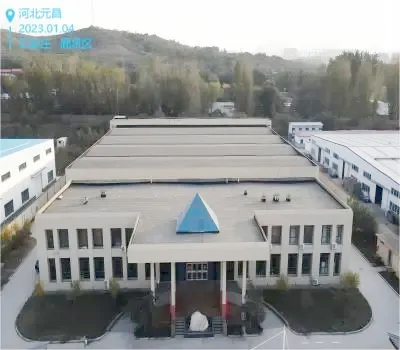
State-of-the-art machining workshop.

Japanese Mazak CNC centers.
Commitment to quality standards.
Our in-house machining capabilities are extensive, featuring over 20 sets of advanced processing machinery, including lathes, milling machines, high-precision grinding machines, boring machines, plate shears, bending machines, and wire cutting equipment. Since 2012, we have further enhanced our precision manufacturing capacity with 8 sets of Japanese Mazak CNC machining centers. This allows us to undertake the production of high-standard components requiring large volumes, exceptional precision, and non-standard specifications – capabilities that directly translate to the build quality of our vacuum autoclaves.
Our commitment extends to our after-sales service. With a traceable management system, we ensure that every component, down to the smallest part, is accounted for. This independent production of high-precision parts guarantees worry-free operation and support for our international clients. When you partner with Hebei Yuanchang, you are collaborating with a factory that understands true manufacturing excellence and is equipped to deliver it.
Client Testimonials: Real-World Impact
 Dr. Anya Sharma, Lead Research Scientist - BioGen Innovations
"The vacuum autoclave from Hebei Yuanchang has significantly improved our sterilization protocols for sensitive cell culture media. The consistent vacuum and precise temperature control have reduced failed batches dramatically. Their export process was smooth, and the support team was very responsive during installation."
 Mark Jenkins, Operations Manager - Global Medical Supplies Inc.
"We needed a reliable vacuum autoclave for our disposable medical device packaging line. Hebei Yuanchang delivered a unit that met our strict validation requirements. The PLC controls are intuitive, and the cycle repeatability is excellent. The team provided clear documentation for our validation team."
 Sofia Rodriguez, Production Supervisor - Artisan Foods Co.
"For our premium vacuum-sealed products, ensuring sterility and extending shelf life is crucial. The vacuum autoclave's ability to remove air effectively before steaming has been a breakthrough. It integrates well with our packaging line, and the efficient drying cycle means our products are ready faster."
Frequently Asked Questions About Vacuum Autoclaves
- Q: What is the main difference between a standard autoclave and a vacuum autoclave?
- A: A standard autoclave uses steam displacement for sterilization, which can leave air pockets. A vacuum autoclave uses a vacuum pump to remove air before steam injection, ensuring deeper and more uniform steam penetration. It also often includes post-cycle vacuum drying.
- Q: Are vacuum autoclaves suitable for all types of loads?
- A: Yes, they are particularly advantageous for porous materials, instruments with lumens, pre-packaged items, and any load where complete air removal is critical for effective sterilization. They are also used for non-sterilization processes like vacuum degassing.
- Q: What certifications are typically available or required?
- A: Common certifications include CE marking for the European market, ISO standards (e.g., ISO 13485 for medical devices), and ASME for pressure vessel construction. For food applications, FDA compliance and HACCP considerations are paramount. We can discuss specific needs.
- Q: How much maintenance do these machines require?
- A: Regular maintenance is crucial for optimal performance and longevity. This includes cleaning the chamber and filters, checking door seals, and performing scheduled maintenance on the vacuum pump and control systems. We provide detailed maintenance guidelines with each unit.
- Q: Can you provide OEM/ODM services for vacuum autoclaves?
- A: Absolutely. With our extensive engineering and manufacturing capabilities, including advanced CNC machining, we excel in providing OEM and ODM solutions. We can customize designs, incorporate proprietary features, and manufacture to your exact specifications.
Ready to Optimize Your Sterilization or Curing Process?
Experience the difference that precision engineering and robust manufacturing can make. Discuss your specific project requirements with our experienced team.
Or visit us at: Shijiazhuang, Hebei Province, China | Phone: +86 15830991513