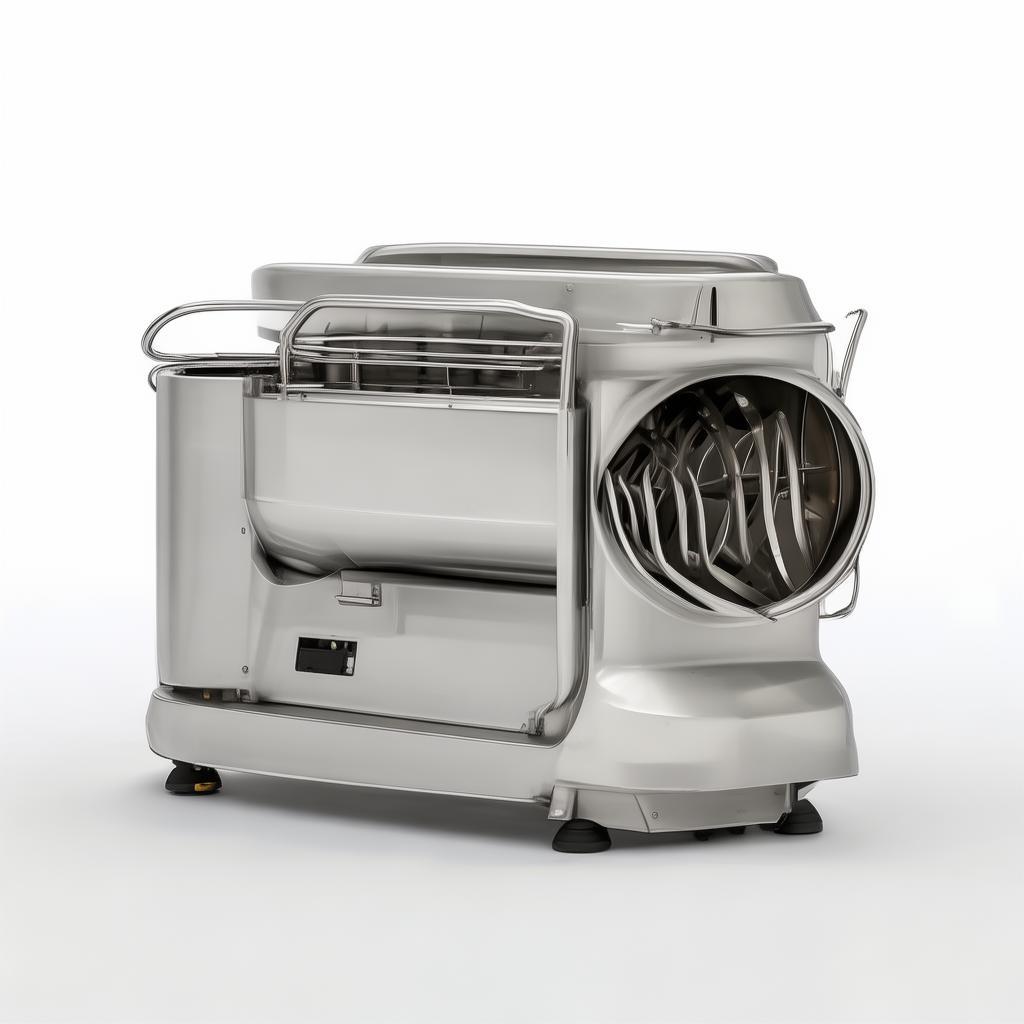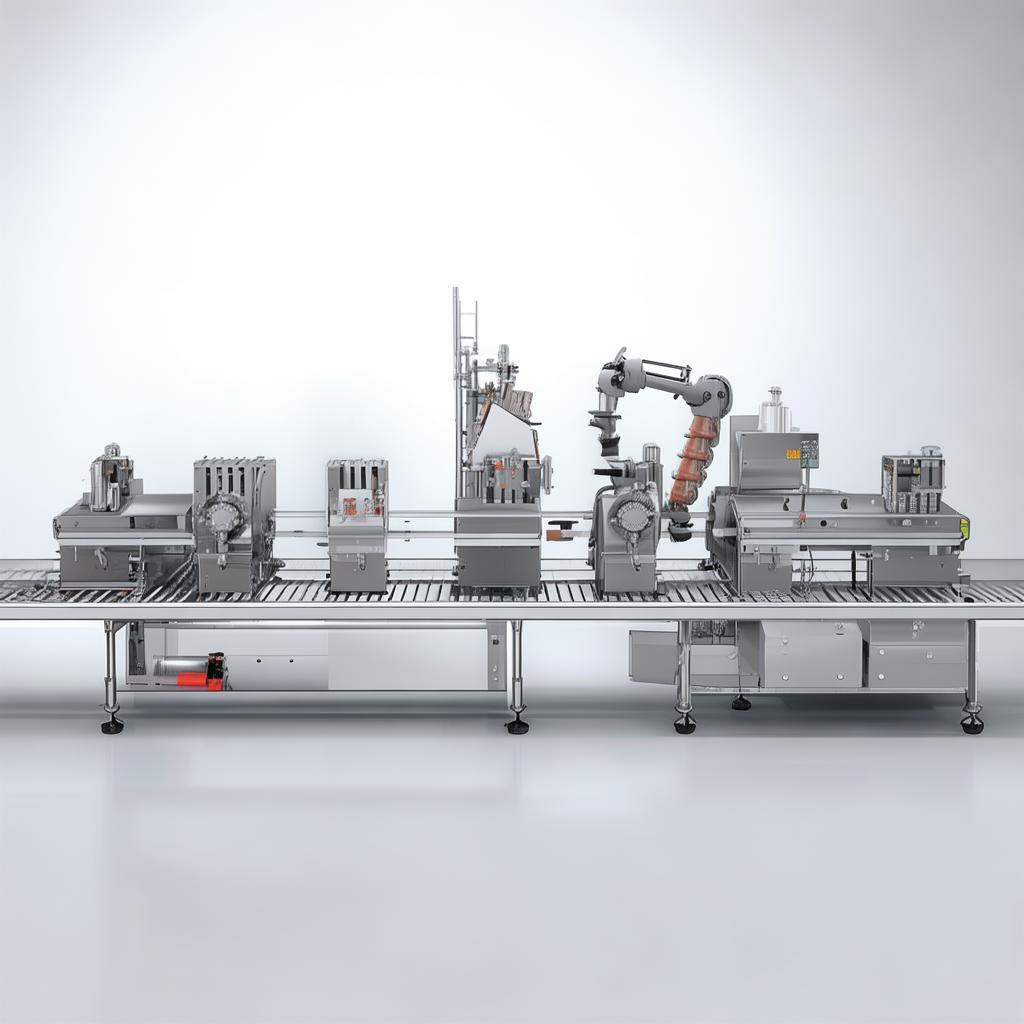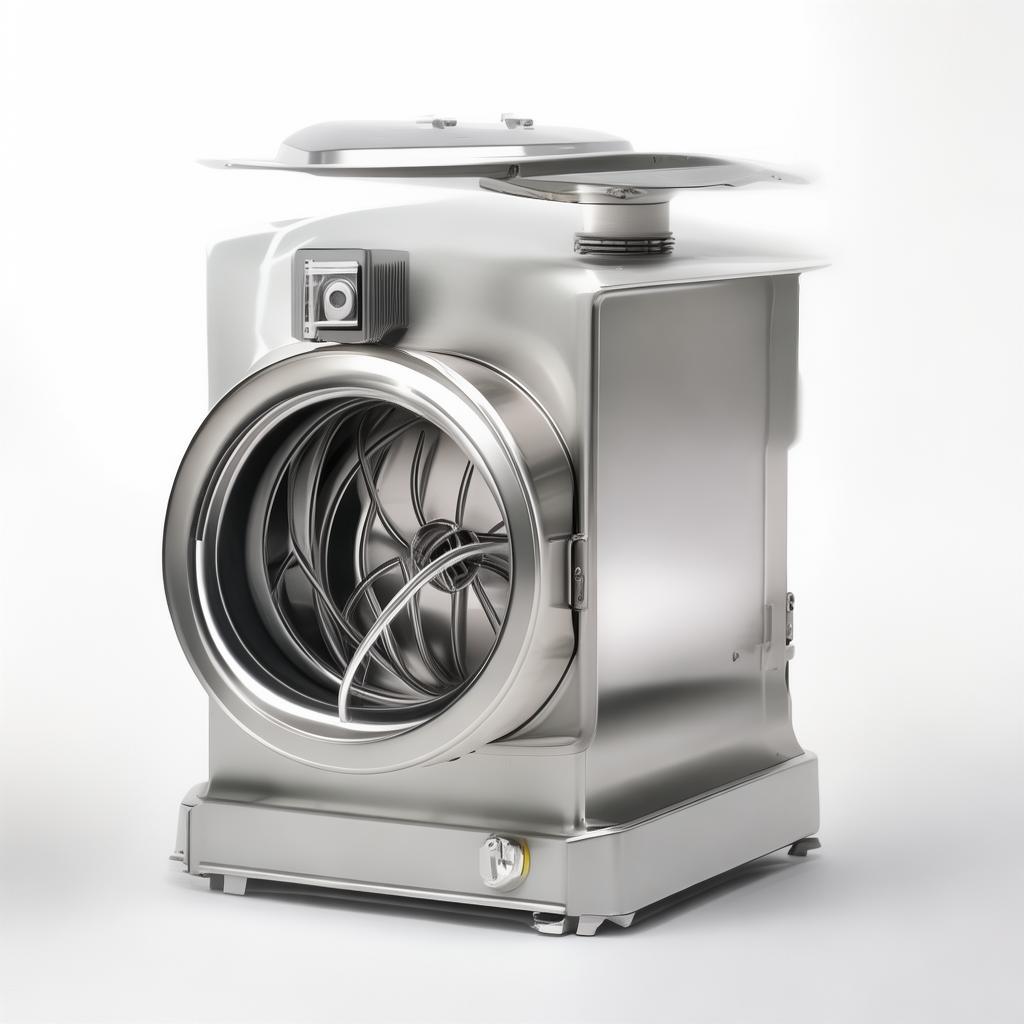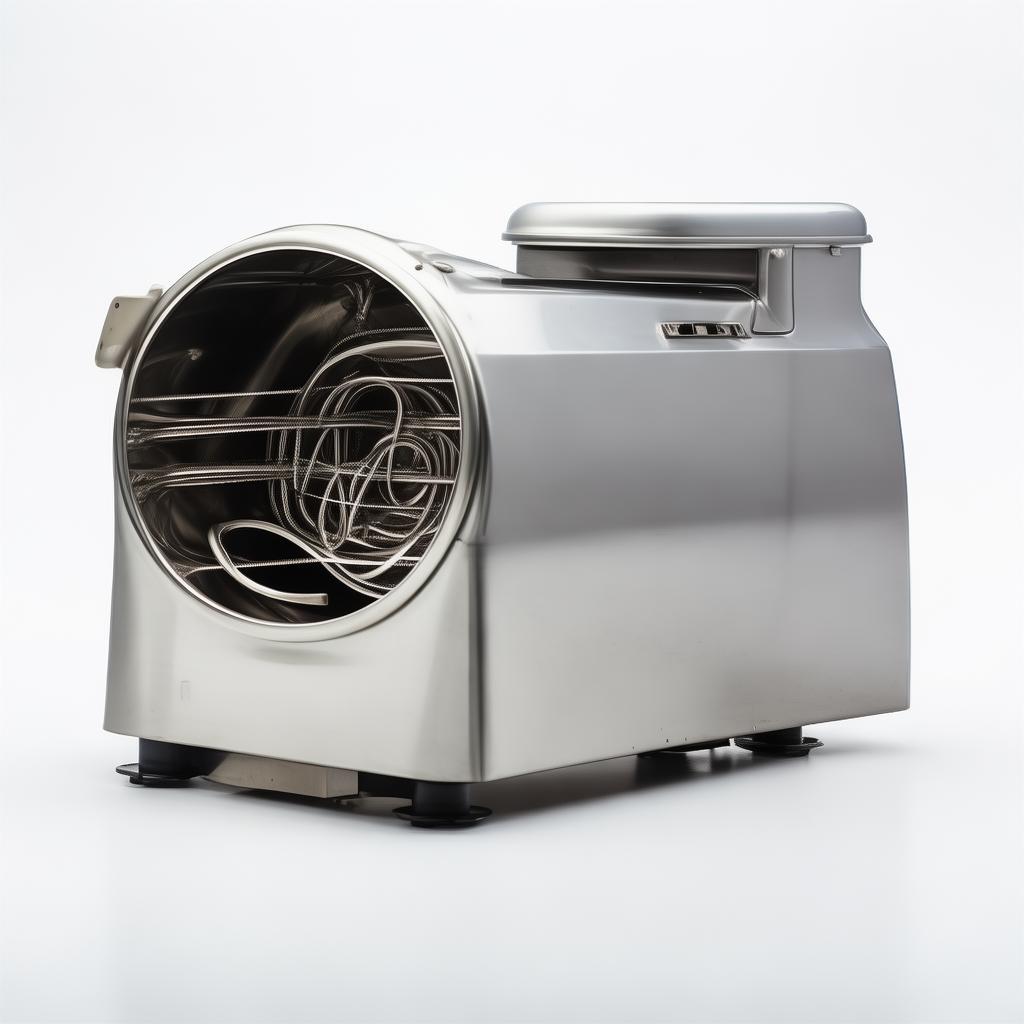
Vacuum Crystallizer
Vacuum Crystallizers: Precision Engineering for High-Purity Crystal Production
Optimizing Purity, Yield, and Operational Efficiency in Chemical and Pharmaceutical Manufacturing

By: Dr. Evelyn Reed
Senior Process Engineer & International Trade Specialist
What is a Vacuum Crystallizer and Why It Matters for Purity
In the intricate world of chemical synthesis and pharmaceutical production, achieving exceptional purity and precisely controlled crystal morphology isn't just a goal; it's a fundamental requirement for product efficacy, safety, and market acceptance. For many compounds, the crystallization step is the linchpin, dictating the final quality. When dealing with sensitive materials, heat-labile substances, or compounds that degrade at elevated temperatures, traditional atmospheric crystallization methods can introduce significant challenges. This is precisely where the vacuum crystallizer emerges as a critical piece of process equipment.
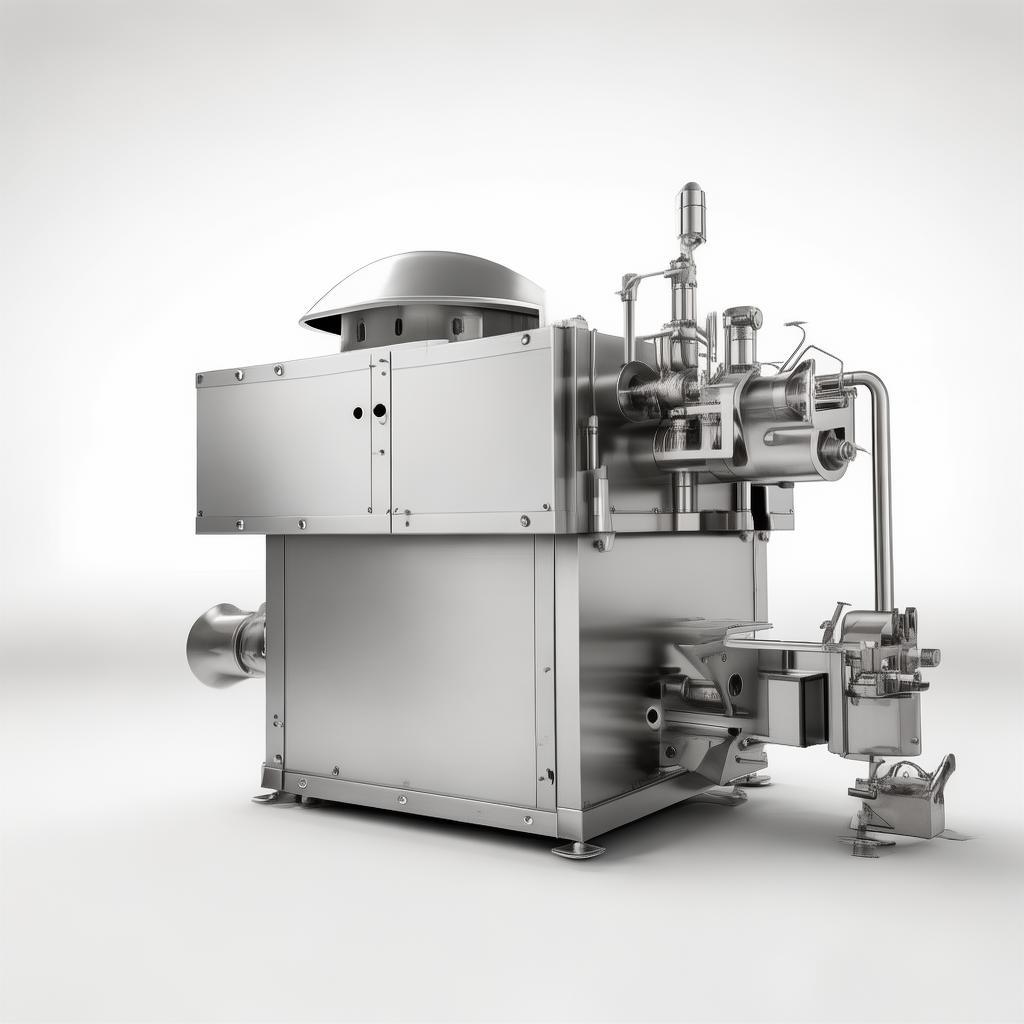
At its core, a vacuum crystallizer is a specialized vessel designed to facilitate the formation of solid crystals from a solution, melt, or gas by reducing the pressure within the system. This pressure reduction lowers the boiling point of the solvent, allowing crystallization to occur at significantly lower temperatures than would be possible under ambient conditions. This gentle operational window is paramount for preserving the integrity of delicate chemical structures. Think of it as creating a low-temperature environment where your desired compound can selectively precipitate out, leaving impurities behind in the mother liquor.
The implications for process engineers, procurement managers, and product development teams are substantial. By controlling the thermodynamic driving force – supersaturation – through precise vacuum application, one can influence critical parameters such as crystal size distribution (CSD), crystal habit (shape), and overall product yield. The ability to fine-tune these variables directly impacts downstream processing steps like filtration, drying, and milling, often leading to more efficient operations and a higher quality final product.
Consider the global market for processed foods and pharmaceuticals. The demand for highly pure active pharmaceutical ingredients (APIs) and specialty chemicals is constantly rising. Reports indicate a robust growth trajectory for the global meat processing equipment market, with projections reaching upwards of USD 17-30 billion by 2035, driven by demand for processed goods and automation. While this might seem tangential, the underlying principle of precision processing for quality output is universal. Similarly, the chemical and pharmaceutical industries, which rely heavily on crystallization, are seeing their own market expansions. The market for meat processing equipment, for instance, highlights the global trend toward more refined and efficient manufacturing. The demand for specialized equipment like vacuum crystallizers is a direct consequence of the need for higher purity, better yields, and more consistent product characteristics across a multitude of industries, from fine chemicals and APIs to advanced materials and even certain food ingredients. The fundamental drive is toward precision and control.
Furthermore, the economic benefits cannot be overstated. Increased yield means less wasted raw material. Improved purity can reduce the need for costly and time-consuming downstream purification steps. Enhanced crystal morphology can lead to better flowability and compressibility, which are vital for tablet formulation in pharmaceuticals or for handling bulk solids in chemical manufacturing. In essence, a well-designed vacuum crystallizer isn't just a piece of hardware; it's an investment in process optimization that can yield significant ROI.
The operational advantages extend to safety and environmental considerations as well. Operating at lower temperatures often means reduced energy consumption and a safer working environment by minimizing exposure to volatile solvents at high temperatures. The precise control afforded by vacuum systems can also lead to more predictable and repeatable outcomes, reducing batch-to-batch variability – a critical factor in regulated industries.
The journey from a dissolved solute to a high-purity crystalline solid is a delicate dance of thermodynamics and kinetics. Factors like temperature, pressure, agitation, and the presence of impurities all play a role. A vacuum crystallizer allows operators to exert significant control over the pressure-temperature relationship, which is fundamental to driving the crystallization process effectively. This level of control is often unattainable with atmospheric pressure systems, particularly when dealing with compounds that have narrow solubility windows or are prone to thermal degradation.
Our deep understanding of these processes, honed over decades of manufacturing expertise, allows us to engineer vacuum crystallizers that meet the rigorous demands of international B2B clients. We recognize that each application is unique, and that the perfect crystallizer is one that is tailored to your specific feedstock, desired crystal characteristics, and overall plant infrastructure.
Let's delve into how these sophisticated units address common industry pain points and unlock new levels of efficiency and product quality for your operations.
Addressing Key Industry Challenges
Manufacturing processes in the chemical, pharmaceutical, and food ingredient sectors are fraught with challenges. Relying on outdated or improperly scaled crystallization technology can lead to significant operational headaches and economic losses. A vacuum crystallizer is often the engineered solution to several persistent problems:
-
Thermal Degradation: Many valuable compounds, especially APIs, biologics, and sensitive food additives, break down when exposed to heat. Traditional methods that require higher operating temperatures can lead to product loss, reduced potency, and the formation of undesirable byproducts.
Vacuum crystallizers operate at significantly reduced temperatures, effectively mitigating thermal degradation and preserving product integrity. -
Low Yield and Purity: Inefficient crystallization can result in a large portion of the desired product remaining dissolved in the mother liquor, or impurities co-precipitating with the target crystals. This leads to wasted raw materials and increased downstream purification costs.
By precisely controlling supersaturation through vacuum and temperature adjustments, these systems maximize product recovery and minimize impurity inclusion. -
Inconsistent Crystal Morphology: Variations in crystal size and shape can cause significant issues in downstream handling, such as poor flowability, caking, filtration problems, and inconsistent dissolution rates. This is particularly critical for tablet formulation in pharmaceuticals.
The controlled nucleation and growth environment provided by a vacuum crystallizer allows for predictable and repeatable crystal habit, meeting stringent product specifications. -
Long Processing Times: Some crystallization processes under ambient conditions are slow, leading to bottlenecks in production and increased operational costs.
The enhanced solubility gradients achievable under vacuum can often accelerate the crystallization process, leading to shorter batch cycle times. -
Solvent Limitations: For certain compounds, traditional crystallization solvents may be hazardous, expensive, or difficult to recover. Operating under vacuum can sometimes enable the use of alternative, safer, or more economical solvents.
The lower boiling points under vacuum reduce solvent vapor pressure, making handling easier and recovery more efficient. -
Scalability Issues: Translating a laboratory-scale crystallization process to an industrial scale can be fraught with difficulties, especially when trying to maintain the precise conditions required for high purity.
Engineered for robust industrial performance, our vacuum crystallizers offer predictable scalability, ensuring consistent results from pilot plant to full production.
Addressing these pain points isn't just about fixing a problem; it's about unlocking operational excellence and gaining a competitive edge. The right crystallization technology is fundamental to achieving consistent, high-quality output.
The Science Behind Vacuum Crystallization
The fundamental principle behind vacuum crystallization hinges on manipulating the phase equilibrium of a solute within a solvent. In essence, we're creating a supersaturated solution under controlled conditions, prompting the solute to precipitate out as crystals.
1. Solution Preparation
The process begins with a solution containing the solute, prepared at a suitable temperature to ensure complete dissolution. The choice of solvent is critical and depends on the solute's solubility characteristics and safety requirements.
2. Evaporative Cooling / Pressure Reduction
vacuum metallizer vacuum distiller chemical vacuum
The prepared solution is then transferred into the vacuum crystallizer. A vacuum is applied to the vessel. As the pressure decreases, the boiling point of the solvent also decreases significantly. The system is typically designed to operate slightly below the solvent's boiling point at the reduced pressure, leading to controlled evaporation. This evaporation is an endothermic process, meaning it draws heat from the solution, thereby cooling it down. This cooling drives the solution into a supersaturated state.
3. Nucleation and Crystal Growth
Once the solution becomes supersaturated, spontaneous nucleation can occur, forming tiny crystal seeds. These nuclei then serve as sites for further crystal growth as more solute molecules deposit onto their surfaces. The rate of evaporation, and consequently cooling, can be precisely controlled by adjusting the vacuum level and, if necessary, the heat exchange via the vessel jacket. This control is key to influencing crystal size and morphology.
4. Separation and Recovery
Once the desired crystal mass has formed, the slurry (crystals suspended in mother liquor) is typically discharged. The crystals are then separated from the mother liquor through methods like centrifugation or filtration. The mother liquor, which still contains dissolved solute, can often be recycled back into the process to improve overall yield.
The design of the vacuum system, including the vacuum pump, condenser, and associated pipework, is crucial for efficient operation. A properly designed vacuum crystallizer system ensures stable vacuum levels, efficient solvent condensation, and minimal loss of valuable product vapor. The internal design of the crystallizer vessel, including agitator type and speed, also plays a vital role in maintaining uniform temperature distribution, promoting crystal growth, and preventing unwanted agglomeration or scaling.
Consider the parallels in the processed meat industry where precise temperature control and controlled processing environments (like vacuum tumbling for marination) are key to texture, flavor, and shelf-life. The principles of controlled environments for optimal product transformation are remarkably similar across different industrial applications.
Key Advantages for Your Operation
Implementing a vacuum crystallizer can transform your purification and product isolation processes. The benefits extend beyond just achieving purity; they impact your entire operational and economic landscape.
- Enhanced Purity: Reduced thermal stress and precise control over supersaturation lead to fewer impurities being incorporated into the crystal lattice. This is non-negotiable for pharmaceutical and high-value chemical applications.
- Maximized Yield: Efficient crystallization and the ability to recycle mother liquor significantly increase the recovery rate of your target compound, directly improving your bottom line. We often see clients achieve yields they previously thought were unattainable.
- Controlled Crystal Properties: Tailor crystal size distribution (CSD) and habit for optimal downstream processing. This translates to easier filtration, faster drying, better powder flow, and consistent bulk density.
- Energy Efficiency: Operating at lower temperatures and pressures typically requires less energy compared to atmospheric boiling or high-temperature processes.
- Process Safety: Lower operating temperatures reduce the risk associated with handling volatile and flammable solvents.
- Versatility: Suitable for a wide range of compounds, including heat-sensitive materials, where traditional methods fail.
- Reduced Footprint: Modern designs often integrate multiple functions into a single unit, optimizing plant space.
These aren't theoretical gains. They represent tangible improvements in product quality, operational efficiency, and cost savings that our clients consistently report.
Diverse Applications Across Industries
The utility of vacuum crystallizers spans across numerous high-stakes manufacturing sectors where precise control over solid-state properties is paramount. Their ability to handle temperature-sensitive materials makes them indispensable.
Pharmaceuticals:
Production of Active Pharmaceutical Ingredients (APIs) and intermediates. Achieving specific polymorphic forms, controlling particle size for drug delivery systems, and ensuring high purity are critical. Many APIs are inherently unstable at elevated temperatures, making vacuum crystallization the only viable method for controlled isolation.
Fine Chemicals:
Manufacturing high-purity specialty chemicals, organic intermediates, and electronic chemicals where even trace impurities can impact performance or product specifications. Precision in crystal habit can affect dissolution rates and reactivity.
Food Ingredients:
Production of ingredients like high-purity sugars, amino acids, vitamins, and flavor compounds. For example, producing food-grade citric acid or sweeteners often involves controlled crystallization to achieve desired purity and texture. Think about how consistency is key in the meat processing equipment market; the same applies here for ingredient functionality.
Agrochemicals:
Synthesis of active ingredients for pesticides and herbicides, requiring strict purity standards and controlled particle sizes for effective formulation and application.
Polymers and Materials Science:
Crystallization of monomers, additives, or specialized polymers where precise control over molecular structure and physical form is necessary for material properties.
The demand for precise solid-state control is a universal trend. Reports on the meat processing equipment market consistently highlight automation and precise process control as drivers for growth. This mirrors the sophistication required in chemical and pharmaceutical crystallization.
Whether you are producing life-saving medicines, critical industrial catalysts, or specialized food additives, the vacuum crystallizer offers a pathway to achieving the highest standards of quality and efficiency.
Technical Specifications & Customization
A vacuum crystallizer is not a one-size-fits-all piece of equipment. Its effectiveness is deeply tied to its design specifications and how well it's tailored to the specific application. At Hebei Yuanchang, we pride ourselves on our ability to engineer solutions that precisely match our clients' needs.
Our standard range covers various capacities, but the true value lies in our custom engineering capabilities. We work closely with your technical team to define requirements and build a system that optimizes your process.
Key Design Parameters:
- Materials of Construction: Typically stainless steel (e.g., SS304, SS316L) for excellent corrosion resistance and cleanability. For highly aggressive media, Hastelloy or glass-lined options are available. All materials comply with relevant industry standards for food contact and pharmaceutical use where applicable.
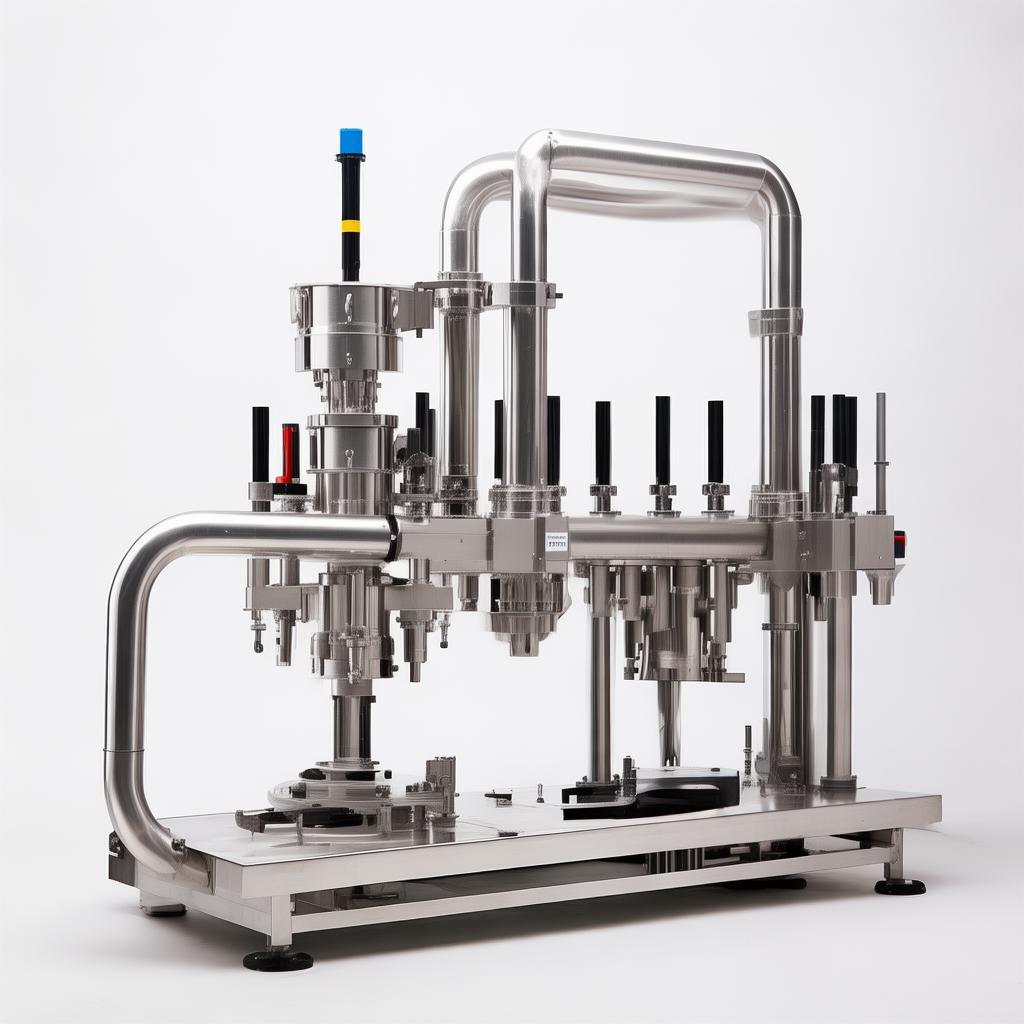
- Vessel Design: Jacketed vessels for precise temperature control (heating/cooling). Designs can be vertical or horizontal, batch or continuous, with varying agitator configurations (e.g., anchor, propeller, turbine) to ensure optimal mixing and crystal suspension.
- Vacuum System: Robust vacuum pumps (e.g., liquid ring, rotary vane) coupled with efficient condensers to handle solvent vapor and maintain desired vacuum levels (e.g., from atmospheric down to 10 mbar absolute, depending on application).
- Heating/Cooling Systems: Integrated systems or provision for connection to plant utilities (steam, chilled water, thermal fluids) for precise temperature control.
- Instrumentation & Control: Advanced PLC-based control systems with real-time monitoring of temperature, pressure, vacuum, agitator speed, and potentially crystal size via inline sensors. This ensures repeatable batch performance and facilitates process optimization.
- Capacity: Ranging from laboratory-scale pilot units (e.g., 50-500L) to large industrial production vessels (e.g., 5,000L - 50,000L or more).
- Certifications: Designed and manufactured to meet international standards such as ASME, PED, GMP, and ATEX for hazardous environments, where specified.
We understand that the perfect crystallizer is one that seamlessly integrates into your existing workflow. Our engineering team possesses the deep technical expertise required to design systems that go beyond basic functionality, offering optimized performance, ease of operation, and long-term reliability.
Customization Options:
We offer a wide array of customization options to meet unique process requirements:
- Specialized internal baffling for enhanced mixing.
- Integrated filtration or centrifugation stages.
- Automated mother liquor discharge and recycle loops.
- CIP (Clean-In-Place) and SIP (Sterilize-In-Place) capabilities.
- Explosion-proof (ATEX) configurations for flammable solvents.
- Advanced sensor integration for real-time process analytics.
Let's discuss your specific needs. Our team is ready to translate your process challenges into a precise engineering solution.
Installation, Operation, and Logistics Considerations
Bringing a sophisticated piece of equipment like a vacuum crystallizer online involves more than just placing it on your factory floor. Careful planning around installation, operation, and the logistics of international shipping is crucial for a smooth transition and optimal performance.
Installation & Commissioning:
Proper installation is paramount. This typically involves securing the unit on a stable, level foundation. Connections for utilities are critical: power, steam/hot water, chilled water/glycol, compressed air, and importantly, the vacuum system. Venting and exhaust for the vacuum system must be managed according to safety and environmental regulations.
Our team provides detailed installation manuals and can offer on-site commissioning support to ensure the unit is installed correctly and operates according to design specifications. This might include calibration of sensors, testing of control sequences, and initial process runs. For international clients, we work closely with your local engineering partners to facilitate this process.
Operational Best Practices:
Effective operation requires trained personnel. Key operational considerations include:
- Pre-operation Checks: Ensuring all safety guards are in place, utility supplies are stable, and the vessel is clean and free from foreign material.
- Controlled Evaporation: Gradually reducing pressure to manage the rate of evaporation and cooling, preventing shock cooling that can lead to poor crystal formation.
- Agitation Control: Maintaining consistent agitation to promote uniform crystal growth and prevent sedimentation, but avoiding excessive shear that can lead to crystal breakage.
- Monitoring: Continuous monitoring of temperature, pressure, and other critical parameters via the control system.
- Cleaning: Regular cleaning protocols are essential, especially in pharmaceutical and food applications, to prevent cross-contamination and maintain hygiene. CIP systems, if integrated, greatly simplify this.
We provide comprehensive operation and maintenance manuals. Training sessions can also be arranged to equip your operators with the knowledge needed for safe and efficient use.
Logistics and International Shipping:
As an international B2B supplier, we understand the complexities of global logistics.
- Packaging: Equipment is carefully packaged to withstand the rigors of international transit. This includes crating, bracing, and protecting sensitive components. We can tailor packaging to specific shipping requirements (e.g., sea freight, air freight).
- Documentation: We provide all necessary shipping documents, customs declarations, certificates of origin, and conformity documents required for import into your country. Our export team ensures accuracy to prevent delays.
- Shipping Methods: We work with reputable freight forwarders to arrange efficient and cost-effective shipping. Options range from FCL (Full Container Load) to LCL (Less than Container Load) for sea freight, and expedited air freight for urgent requirements.
- Lead Times: Production and shipping lead times will vary based on order complexity and current production schedules. We provide realistic timelines during the quotation phase and keep you informed throughout the manufacturing process.
Our goal is to make the entire process, from order to installation, as seamless as possible for our international clients.
Procurement Guidance for Vacuum Crystallizers
Selecting and procuring the right vacuum crystallizer is a significant investment. It demands a thorough evaluation of technical requirements, supplier capabilities, and long-term operational costs. Here's a pragmatic approach to guide your decision-making.
1. Define Your Process Needs:
- Feedstock Characteristics: What is the nature of your solution? What is the target solute, solvent, concentration, and anticipated impurity profile?
- Desired Output: What are the target crystal size, shape, purity, and yield? What are the acceptable limits for deviations?
- Capacity Requirements: What batch size or throughput is necessary? Consider future expansion plans.
- Operational Constraints: Are there limitations on temperature, pressure, or available utilities? Is the material heat-sensitive, corrosive, or hazardous?
- Regulatory Compliance: Are GMP, FDA, ATEX, or other certifications required for your industry and region?
Having clear answers to these questions is the foundation for selecting the appropriate equipment.
2. Evaluate Technical Capabilities:
Beyond basic specs, consider the supplier's ability to:
- Offer truly customized engineering, not just standard models.
- Provide detailed process calculations and design validation.
- Demonstrate a strong track record in similar applications.
- Offer comprehensive documentation (P&IDs, material certs, test reports).
- Support installation, commissioning, and training.
3. Understand Total Cost of Ownership (TCO):
The initial purchase price is only one component. Factor in:
- Energy Consumption: Operational costs for vacuum generation, heating, and cooling.
- Maintenance: Spare parts availability, service contracts, and expected lifespan.
- Process Efficiency: Impact on yield, batch cycle time, and downstream processing costs.
- Downtime: Reliability and ease of maintenance to minimize production interruptions.
A slightly higher initial investment in a robust, well-engineered system can lead to significant long-term savings.
4. Supplier Reliability and Support:
Choosing a reliable manufacturer is crucial, especially for international transactions. Look for:
- Established company with years of experience.
- Clear communication channels and responsiveness.
- References and case studies.
- Strong after-sales support and spare parts availability.
- Commitment to quality and international standards.
Hebei Yuanchang Food Mechanism & Technology Co., Ltd. brings over 40 years of manufacturing experience since 1986, combined with advanced CNC machining capabilities, ensuring precision and reliability in every unit we produce. We are committed to providing transparent pricing, comprehensive support, and customized solutions that deliver tangible value.
Evaluating Potential Manufacturers
When sourcing a vacuum crystallizer internationally, supplier evaluation is a critical step. It’s not just about the lowest quote; it’s about ensuring long-term partnership, quality, and reliability. Here’s what to look for:
Manufacturing Capacity & Capabilities
Does the factory have the infrastructure to handle your order size and complexity? Look for in-house machining capabilities for critical components, as this indicates greater control over quality and lead times. At Yuanchang, we have over 20 sets of precision machinery, including Japanese Mazak CNC centers, which are vital for producing high-standard, non-standard components.
Experience & Track Record
How long has the company been manufacturing industrial equipment? What is their specific experience with vacuum crystallization technology? Decades of experience, like our 40 years since 1986, translate into a deep understanding of process nuances and engineering challenges.
Quality Control & Certifications
What quality management systems are in place (e.g., ISO 9001)? Are their products certified to relevant international standards (e.g., CE, ASME, PED)? This demonstrates adherence to rigorous manufacturing and safety protocols.
After-Sales Support & Service
Crucially, how do they handle post-sale support? A traceable after-sales management system, as we maintain, ensures that spare parts and technical assistance are readily available, minimizing downtime. This is essential for international clients.
Engaging with a manufacturer that demonstrates these strengths builds confidence. It assures you that the equipment will not only meet your immediate needs but also provide reliable performance for years to come.
Consider the parallels in sourcing complex machinery like meat processing equipment. Buyers scrutinize manufacturers for their technical expertise, production capacity, and after-sales service to ensure operational continuity and product quality. The same diligence applies to high-value capital equipment like vacuum crystallizers.
Real-World Success: Case Studies
While specific client details are confidential, we can illustrate the impact of our vacuum crystallizers through typical scenarios:

Challenge: A leading pharmaceutical company was experiencing significant yield loss and batch-to-batch variability in the crystallization of a heat-sensitive API intermediate. Traditional cooling crystallization methods led to thermal degradation and inconsistent polymorphic forms.
Solution: We designed and supplied a custom SS316L vacuum crystallizer with precise temperature and vacuum control. The system was engineered to operate at significantly lower temperatures, minimizing degradation.
Result: The client reported a 15% increase in API yield and a marked improvement in batch consistency, leading to reduced reprocessing and a more predictable supply chain. The desired polymorphic form was achieved with greater reliability.
 "The precision control we have now is remarkable. We can dial in the parameters and trust the output. It’s a significant upgrade." - Lead Process Engineer

Challenge: A producer of fine chemicals for the electronics industry needed to achieve ultra-high purity for a specific monomer. Trace impurities were affecting the performance of downstream polymerization. Their existing atmospheric crystallization process was inefficient and prone to solvent loss.
Solution: We provided a vacuum crystallizer with a Hastelloy construction for superior corrosion resistance and a highly efficient solvent recovery system. The system was designed for easy cleaning to prevent cross-contamination.
Result: Purity levels of the monomer increased by over 99.8%, meeting stringent electronic-grade specifications. Solvent consumption was reduced by 20% due to efficient recovery, leading to operational cost savings.
 "The system's recovery of the solvent is excellent. And the purity we're achieving is exactly what our clients demand for high-end applications." - Operations Manager

Challenge: A company producing a high-value food additive required consistent crystal size and morphology for optimal flowability and dissolution in their final product blends. Their existing batch process was labor-intensive and produced inconsistent results.
Solution: A custom-designed vacuum crystallizer with a specific agitator profile and controlled cooling ramp was implemented. This allowed for precise management of nucleation and growth.
Result: The client achieved a narrower and more uniform crystal size distribution, significantly improving powder handling properties. Batch cycle time was reduced by 30%, increasing overall plant throughput.
 "We've seen a noticeable difference in how the powder handles. It flows much better, and we're seeing fewer issues in the blending stages. Excellent support from the Yuanchang team." - Production Supervisor
Frequently Asked Questions
1. What is the primary advantage of using a vacuum crystallizer over an atmospheric one?
The main advantage is the ability to operate at significantly lower temperatures. This is crucial for heat-sensitive compounds that would degrade or decompose at higher temperatures required for crystallization under atmospheric pressure. It also allows for more precise control over supersaturation and crystal growth.
2. Can a vacuum crystallizer be used for all types of solutions?
Generally, yes, provided the solvent has a reasonable vapor pressure that can be managed under vacuum, and the solute exhibits a desirable solubility profile. However, the efficiency and effectiveness can vary based on the specific solvent-solute system and the target crystal properties.
3. What is the typical operating vacuum level for these systems?
Operating vacuum levels can range widely, from slightly below atmospheric pressure (e.g., 800 mbar) down to very low levels (e.g., 10-20 mbar absolute), depending on the solvent's boiling point at desired operating temperatures and the specific process requirements.
4. How does vacuum crystallizer design influence crystal size and shape?
Several factors influence crystal morphology, including the rate of vacuum reduction (which controls evaporation and cooling), agitation speed and type, seed crystal addition, and the concentration of the solution. Our engineers design these systems to allow fine-tuning of these parameters to achieve desired crystal characteristics.
5. What maintenance is typically required?
Routine maintenance includes regular cleaning of the vessel and associated pipework, inspection of seals, agitator bearings, and the vacuum system components (e.g., pump oil, condenser efficiency). For systems in GMP environments, stringent cleaning and validation protocols are mandatory.
6. Do you offer pilot-scale units for testing?
Yes, we offer pilot-scale vacuum crystallizers that are ideal for process development, optimization, and small-batch production. These units allow you to validate the technology for your specific application before committing to a full-scale industrial system.
Optimize Your Crystallization Process with Precision Engineering
Ready to achieve superior purity, maximize yield, and enhance the consistency of your crystalline products? Partner with Hebei Yuanchang for expert-engineered vacuum crystallizer solutions.
We are committed to providing high-performance, reliable solutions tailored to your specific manufacturing needs.