Trailer Mounted Vacuum
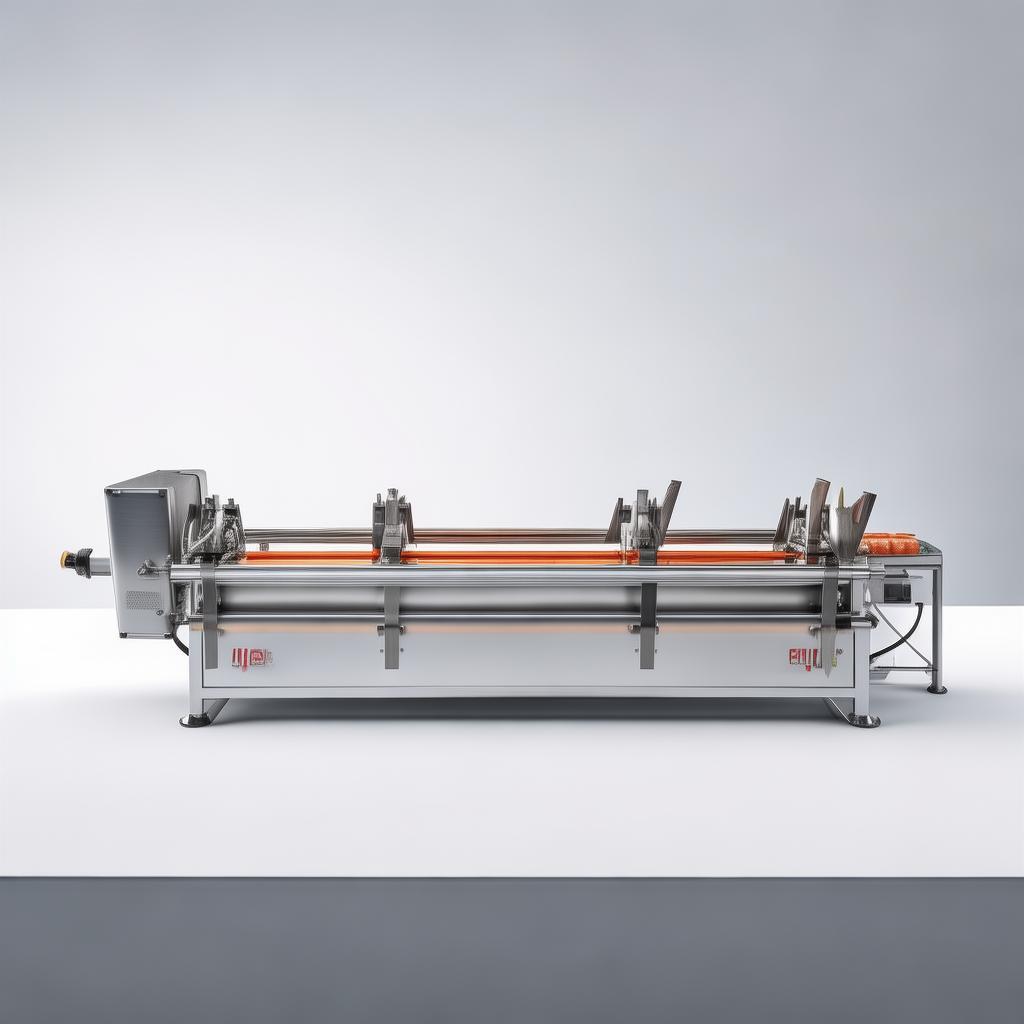
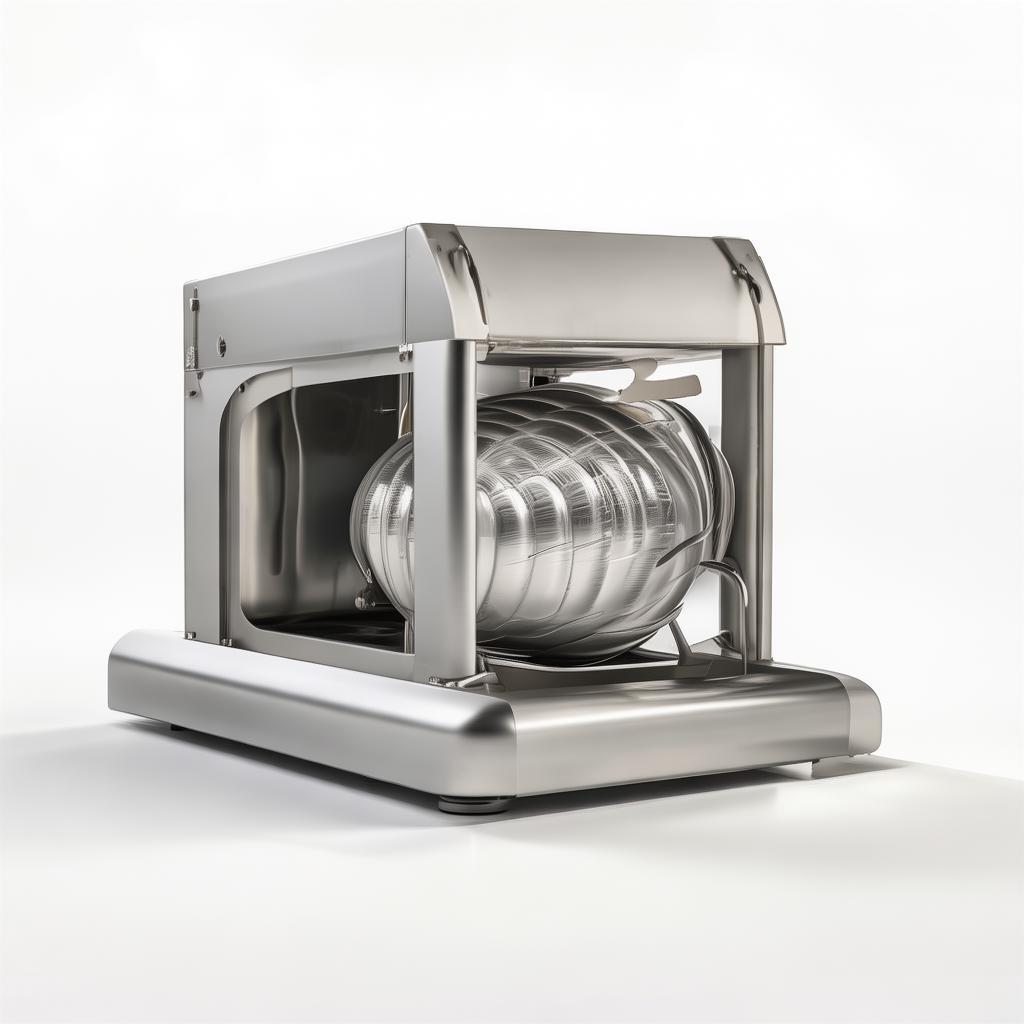
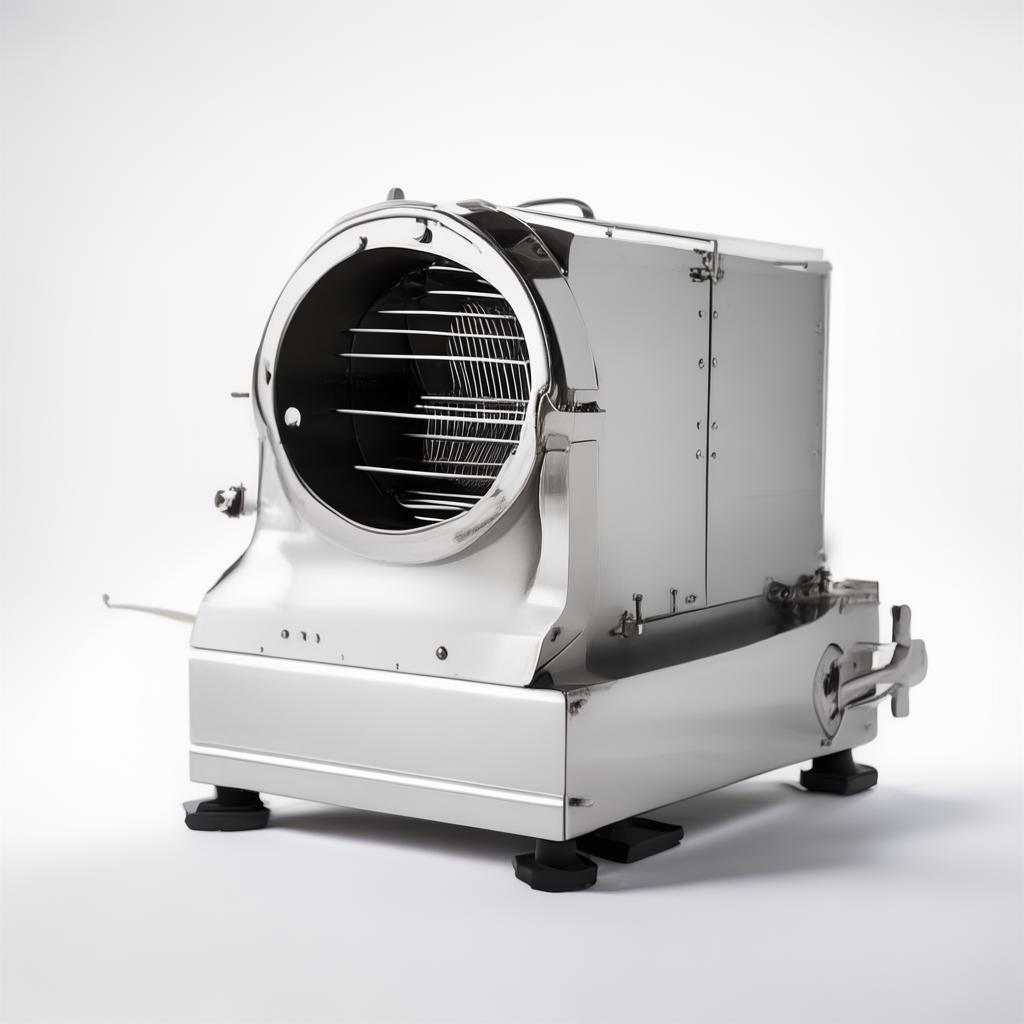
Trailer-Mounted Vacuum Systems: Powering Efficiency and Mobility in Industrial Applications
 By David Chen, Lead Export Manager | Hebei Yuanchang Food Mechanism & Technology Co., Ltd.
Published: October 26, 2023
Introduction: The Rise of Mobile Vacuum Solutions
In today's fast-paced industrial landscape, efficiency, flexibility, and robust performance are not just desirable – they are imperative. Businesses across sectors, from construction and material handling to environmental services and specialized manufacturing, constantly seek solutions that can adapt to dynamic work sites and streamline complex operations. The traditional, stationary vacuum systems, while effective in controlled environments, often present logistical challenges, limiting their applicability where mobility is key. This is precisely where the trailer-mounted vacuum system emerges as a critical innovation, bridging the gap between raw power and operational agility.
We've observed firsthand the evolution of industrial needs. For decades, companies have grappled with the inherent limitations of fixed infrastructure. Moving large volumes of bulk materials, cleaning up spills in remote locations, or facilitating precise component placement often required extensive setup and teardown, eating into valuable production time and increasing labor costs. The advent of integrated, trailer-mounted vacuum units directly addresses these pain points. These systems offer a potent combination of high-capacity vacuum generation, robust material collection, and the unparalleled advantage of being easily transportable to virtually any site.
The global market for meat processing equipment, a sector where our expertise lies, is a testament to this trend. Reports indicate a significant and steady growth, with market sizes projected to exceed $17 billion by 2034 and compound annual growth rates (CAGRs) hovering around 5-7% across various analyses (e.g., Fortune Business Insights, Grand View Research, SkyQuestT). This growth is fueled by increasing demand for processed meats, the critical need for enhanced hygiene and labor efficiency through automation, and stringent food safety standards. Within this complex ecosystem, efficient material handling – whether it’s moving raw ingredients, by-products, or cleaning up processing areas – is paramount. Trailer-mounted vacuum systems are increasingly vital for maintaining the sanitary conditions and operational flow required in such demanding environments. They allow for rapid response to spills, efficient transfer of bulk materials, and thorough cleaning of processing lines, directly impacting throughput and product integrity.
Beyond food processing, consider the construction industry. The requirement for efficient dust containment, site cleanup, and material relocation on dynamic building sites is immense. Similarly, in waste management and environmental remediation, the ability to quickly deploy powerful vacuum units to remote spill locations or for bulk material extraction from confined spaces is a game-changer. The underlying principle is consistent: bring the powerful vacuum extraction directly to the point of need, without being tethered to fixed power sources or extensive infrastructure.
At Hebei Yuanchang Food Mechanism & Technology Co., Ltd., with our 40 years of experience (since 1986) in designing and manufacturing robust industrial machinery, we understand the intricacies of operational challenges. Our deep roots in meat processing equipment – encompassing pretreatment, filling, molding, and ripening technologies – have honed our ability to engineer solutions that are not only powerful but also reliable, user-friendly, and built for the rigors of industrial use. We recognize that a piece of equipment is more than just its specifications; it's a tool that directly impacts a company's bottom line through improved efficiency, reduced downtime, and enhanced safety. This understanding drives our commitment to developing and supplying high-quality, mobile vacuum solutions designed for maximum impact.
This comprehensive overview aims to demystify the trailer-mounted vacuum system, exploring its technical underpinnings, diverse applications, and the tangible benefits it offers to businesses looking to optimize their operations. We'll delve into the critical aspects that buyers should consider, from power sources and collection capacities to material construction and ease of deployment. By understanding the full scope of what these versatile units can achieve, you can make an informed decision about integrating this powerful, mobile solution into your workflow.
Addressing Operational Bottlenecks: Why Mobile Vacuum Matters
For any operations manager or procurement director, identifying and mitigating bottlenecks is a constant priority. Mobile vacuum systems directly confront several common inefficiencies:
- Limited Reach and Accessibility: Fixed vacuum systems are inherently restricted by hose length and proximity to power sources. This means time-consuming setups, manual material transfer for distant areas, or simply leaving hard-to-reach spots less than perfectly clean. Mobile units eliminate this constraint.
- Downtime for Cleaning and Material Transfer: Significant operational time can be lost waiting for cleaning crews, manually shoveling materials, or dismantling and moving equipment. A trailer-mounted vacuum can be quickly deployed, perform its task, and be moved out of the way, minimizing production halts.
- Safety Hazards: Manual material handling increases the risk of musculoskeletal injuries. Inadequate cleanup can lead to slips, trips, and falls, especially in environments with dust, powders, or liquids. Powerful vacuum extraction significantly reduces these risks.
- Environmental Compliance: Many industries face stringent regulations regarding dust emissions, spill containment, and waste disposal. Mobile vacuum systems facilitate compliant material collection and cleanup, reducing the risk of fines and environmental damage.
- Inefficiency in Bulk Material Handling: Moving large quantities of granular materials, powders, or debris using manual methods or less powerful equipment is slow and labor-intensive. High-volume vacuum units can dramatically speed up this process.
- Cost of Fixed Infrastructure: Installing permanent vacuum lines can be expensive and disruptive, particularly for facilities that undergo frequent layout changes or expansion. A mobile solution offers an adaptable, often more cost-effective alternative.
Think about the challenges in the meat processing sector. Amidst the constant flow of raw materials, packaging, and by-products, maintaining a clean and efficient workspace is a Herculean task. Imagine trying to quickly clear large volumes of residual material from a processing floor or a filling machine's vicinity using only brooms and shovels. It’s inefficient, unsanitary, and time-consuming. A trailer-mounted vacuum can resolve this in minutes. This is why systems designed for robust material handling, even in demanding environments like food production where hygiene is paramount, are seeing increased integration. The market for meat processing equipment itself underscores the need for advanced solutions, with projections showing continued expansion. For instance, industry analysis suggests the meat processing equipment market could reach $19.11 billion by 2035 (Precedence Research), driven by demand for efficient, high-quality output.
Understanding the Trailer-Mounted Vacuum System
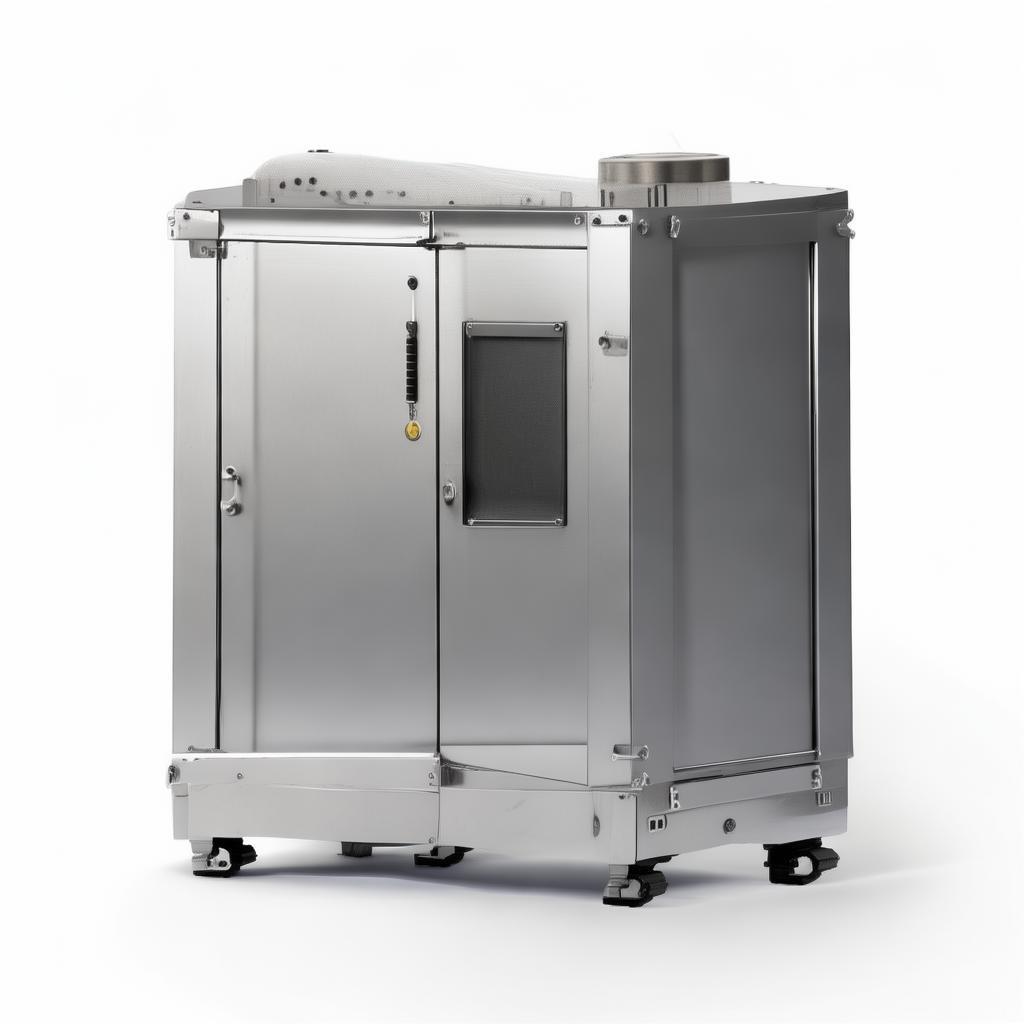
A trailer-mounted vacuum system is essentially a self-contained, industrial-grade vacuum unit integrated onto a mobile trailer chassis. This design allows for easy towing to and from job sites using standard commercial vehicles. The core components typically include:
Vacuum Generator
This is the heart of the system, typically powered by a robust engine (diesel or gasoline) or a high-power electric motor. It creates the powerful suction required for industrial applications. The type and size of the generator determine the CFM (Cubic Feet per Minute) and water lift (suction power).
Collection Vessel
A large-capacity tank or hopper designed to receive and contain the vacuumed material. These often feature quick-release mechanisms for efficient emptying and may include features like internal baffles to manage material flow and reduce wear on the vacuum system.
Filtration System
Crucial for protecting the vacuum generator from fine dust and particles, and for ensuring clean exhaust air. High-efficiency filters, such as HEPA or industrial-grade cartridge filters, are common. The type and maintenance schedule for filters are critical operational considerations.
Trailer Chassis & Controls
A sturdy trailer frame equipped with axles, wheels, braking systems, and stabilizers for safe transport and stable operation. The control panel integrates engine start/stop, vacuum level monitoring, and safety shut-offs.
The entire assembly is designed for robustness. Whether it’s handling abrasive materials, fine powders, or wet and dry debris, these units are built to withstand challenging industrial environments. The mobility aspect allows for a significant reduction in setup time compared to portable industrial vacuums that might require manual repositioning of multiple components or extensive hose laying.
Core Advantages: Beyond Simple Suction
The value proposition of a trailer-mounted vacuum extends far beyond just "sucking things up." Consider these operational and economic benefits:
Unmatched Mobility
The primary advantage. Tow it to the site, stabilize it, connect your hoses, and you're ready to go. This eliminates the need for fixed infrastructure and allows operations to occur in diverse or remote locations. It's like having a portable powerhouse.
High Capacity and Power
Engineered for industrial demands, these systems offer significantly higher vacuum flow rates and tank capacities than standard portable units. This translates to faster cleanup, less frequent emptying, and the ability to handle larger volumes of material.
Versatility (Wet & Dry)
Many models are designed to handle both dry materials (dust, powders, aggregates) and wet materials (slurries, spills, liquids), making them exceptionally adaptable to various industrial cleaning and material transfer tasks.
Reduced Labor Costs
By automating material collection and cleanup processes that would otherwise require manual labor, these systems directly reduce operational expenses and free up personnel for more value-added tasks.
Enhanced Safety
Minimizing manual handling of potentially hazardous materials and reducing airborne dust significantly contributes to a safer working environment, aligning with industry safety standards and reducing worker's compensation claims.
Durability and Longevity
Built with heavy-duty components and robust construction, these units are designed for continuous operation in demanding industrial settings, offering a long service life and reliable performance.
In sectors like meat processing, where rapid cleanup is essential to maintain food safety standards and prevent contamination, these advantages are amplified. The ability to quickly remove large volumes of product, by-products, or wastewater without disrupting the production line is critical. Industry reports consistently highlight automation and efficiency as key drivers in the meat processing equipment market, with some analyses projecting growth to $15.04 billion by 2030 (Grand View Research). Mobile vacuum systems fit perfectly into this drive for enhanced operational performance and hygiene.
Technical Deep Dive: Performance and Construction
When evaluating a trailer-mounted vacuum, several technical specifications are paramount for ensuring it meets your operational demands. Here's a breakdown of what to look for:
Power Source and Output
- Engine Type: Diesel engines generally offer higher torque and fuel efficiency for continuous heavy-duty use, while gasoline engines might be preferred for lighter-duty, intermittent applications due to lower initial cost and easier maintenance. Electric options are available for sites with reliable power grids but are less common for true off-site mobility.
- CFM (Cubic Feet per Minute): This measures the volume of air the vacuum can move. Higher CFM means faster material pickup. Industrial units can range from 300 CFM to over 1000 CFM.
- Water Lift (Inches of Water Column - WC): This indicates the vacuum's suction power. Higher WC is essential for lifting heavier materials or drawing from deeper into hoses. Values often exceed 150" WC for powerful industrial units.
- Vacuum Level (HG - Inches of Mercury): Another measure of suction power, particularly relevant for dense materials or long hose runs.
Collection System
- Tank Capacity: Measured in cubic yards or liters. The required capacity depends on the volume of material you typically need to collect before emptying. Frequent emptying means lost productivity.
- Discharge Method: Options include gravity dump, hydraulic dump (tipping the tank), or vacuum unloading (transferring collected material to another vessel). Each has implications for site requirements and operational speed.
- Material Handling: Some units are specifically designed for dry material, others for wet/dry. Ensure the system is rated for the type of material you intend to collect.
Filtration and Environmental Considerations
- Filter Type and Efficiency: Industrial-grade filters (e.g., Donaldson PowerCore, cyclone pre-separators) are crucial for longevity and air quality. Check the MERV rating or HEPA compliance if fine dust is a concern.
- Exhaust Air Quality: For environmentally sensitive sites or applications requiring high purity, the exhaust filtration is critical.
Trailer and Chassis Specifications
- Gross Vehicle Weight Rating (GVWR): Ensures the trailer can be safely operated on public roads.
- Tire Size and Type: Suitable for intended terrain and road conditions.
- Stabilizer Jacks: Essential for a secure and stable platform during operation, especially when hoses are under vacuum pressure.
- Hose Storage: Integrated storage solutions improve organization and safety.
For reference, the global market for meat processing equipment sees constant innovation in efficiency and performance. For example, trends in filling and stuffing equipment and massaging equipment for ripening highlight a demand for precision and high throughput (Fortune Business Insights, Mordor Intelligence). Trailer-mounted vacuum systems align with this demand by providing the powerful, flexible material handling needed to support these advanced processing lines, ensuring continuous operation and efficient cleanup of bulk ingredients or by-products.
Example Specification Snapshot (Illustrative)
| Parameter | Specification | Impact |
|---|---|---|
| Vacuum Generator | 300 HP Diesel Engine | High power for demanding tasks, fuel efficient for long jobs. |
| Airflow | 700 CFM | Rapid material collection and transfer. |
| Collection Capacity | 5 Cubic Yards | Reduced emptying frequency, increased uptime. |
| Filtration | Multi-stage Cyclone + HEPA Filter | Superior dust capture, protects engine, clean exhaust. |
| Discharge | Hydraulic Dump | Fast and efficient unloading of bulk materials. |
industrial vacuum trailer dirt vacuum truck vacuum loading trucks
Versatile Applications Across Industries
The robustness and mobility of trailer-mounted vacuum systems make them indispensable tools in a wide array of industrial and commercial operations:
Construction & Demolition
Dust control during concrete cutting, floor grinding, hazardous material abatement (e.g., asbestos), general site cleanup, and material transfer.
Industrial Manufacturing
Bulk material transfer (powders, granules), machine cleaning, dust collection from production lines, and spill cleanup.
Food Processing
Efficient cleanup of ingredients, bulk powders (flour, sugar), spices, by-products, and liquid spills. Crucial for maintaining hygiene standards. Our expertise here is deep; consider applications for removing residual meats or packaging materials quickly to ensure sanitary conditions.
Agriculture
Cleaning silos, grain bins, and handling bulk agricultural products like feed or fertilizer. Ensuring clean storage and handling is key to product quality.
Mining & Aggregates
Dust suppression and cleanup in processing plants, tunnel cleaning, and material recovery.
Waste Management & Environmental Services
Industrial cleaning services, spill response, vacuum excavation, and site remediation.
Ports & Terminals
Cleanup of bulk cargo spills (grains, minerals, coal) and general facility maintenance.
The sheer range of applications highlights the fundamental need for mobile, powerful vacuum solutions. For example, in the rapidly growing processed meat market, which is expected to reach $1.33 trillion by 2035 (Precedence Research), maintaining stringent hygiene is paramount. Mobile vacuum systems enable quick, efficient cleanup of bulk ingredients, processing by-products, and general debris without disrupting continuous production lines, directly contributing to product quality and safety.
Material Considerations for Longevity
The materials used in the construction of a trailer-mounted vacuum system directly influence its durability, resistance to corrosion, and overall lifespan. Given that these units often operate in harsh environments, material selection is critical. Common materials and their properties include:
Steel (Stainless & Carbon)
Stainless Steel: Offers excellent corrosion resistance, making it ideal for applications where exposure to moisture, chemicals, or washdowns is common. Often used for collection tanks and internal components. Higher initial cost but superior longevity in corrosive environments.
Carbon Steel: More cost-effective, offering good structural strength. However, it is susceptible to rust and corrosion if not properly coated or maintained. Typically powder-coated or painted for protection.
High-Density Polyethylene (HDPE)
Durable, lightweight, and resistant to many chemicals. Often used for smaller tanks or specific components. Its flexibility can absorb impact, but it may not withstand extreme temperatures or highly abrasive materials as well as steel.
Hoses and Fittings
Must be selected based on the material being conveyed. Common materials include PVC, rubber, polyurethane, and specialized abrasion-resistant composites. Consider flexibility, temperature rating, and chemical compatibility. Abrasion resistance is key for handling bulk solids.
At our facility, we prioritize robust construction. Our experience in manufacturing heavy-duty meat processing equipment has taught us the value of using materials that can withstand constant use, cleaning, and potential impacts. For our trailer-mounted vacuums, we employ high-grade steel for structural integrity and critical components, often with protective coatings or stainless steel options for enhanced durability, especially for the collection vessel and internal piping.
On-Site Integration and Logistics
While trailer-mounted vacuums are designed for mobility, efficient on-site deployment and logistical planning are still crucial for maximizing their benefit. Key considerations include:
Site Access & Maneuvering
Ensure the site has adequate access for the towing vehicle and the trailer. Consider gate sizes, turning radii, and overhead clearances. On rough terrain, appropriate tire options and the trailer's ground clearance become important.
Stabilization
Deploying the stabilizer jacks is a non-negotiable step before operation. This prevents movement during vacuuming, ensuring safety and efficient operation. Uneven ground may require chocks or leveling blocks.
Hose Configuration
Plan your hose layout to minimize kinks and excessive bends, which can impede airflow and strain the system. Consider the required reach and the diameter of hoses needed for effective material transport. Proper sealing at connections is vital.
Power & Fuel
For engine-driven units, ensure sufficient fuel supply for the expected duration of the job. If electric, confirm power outlet availability and capacity. Regular maintenance checks on fuel lines and filters are essential.
Material Disposal
Plan where and how the collected material will be disposed of. This might involve towing the unit to a designated dump site or using its discharge capabilities to load into another container or vehicle. Comply with all local environmental regulations.
Transportation
When transporting the unit, ensure it is properly secured to the towing vehicle. Check tire pressure, lights, and brakes before travel. Adhere to all local road regulations regarding trailer weight and dimensions.
Our company's 40 years of experience in manufacturing complex machinery means we understand the practicalities of equipment deployment. We design our trailer-mounted vacuums with ease of operation and transport in mind, including features like integrated hose management and robust chassis designs. Considering that the global meat processing equipment market is projected to reach $17.39 billion by 2034 (Fortune Business Insights), efficiency in every aspect of the operation, including cleanup and material handling, is key. Mobile vacuum solutions streamline these processes significantly.
Procurement Insights: What Buyers Need to Know
Purchasing an industrial vacuum system is a significant investment. To ensure you select the right unit and achieve the best ROI, consider these procurement factors:
1. Define Your Application Precisely
What materials will you be vacuuming (dry, wet, abrasive, hazardous)? What are the typical volumes? How frequently will it be used? What distances do hoses need to reach? A clear understanding of your primary use case is the foundation for selecting the right specifications. Don't buy more power than you need, but don't underspecify if it means compromising on effectiveness.
2. Power Source Considerations
Is diesel the most practical for your site’s fuel availability and duty cycle? Or would a powerful electric unit (if grid access is reliable) offer lower emissions and noise? Engine maintenance schedules and availability of spare parts should also factor into your decision.
3. Filtration Efficiency and Maintenance
This is often overlooked but critical for system longevity and operator health. Understand the filter type, its efficiency (e.g., HEPA for fine dust), and the ease of access for cleaning or replacement. Factor in the cost and availability of replacement filters.
4. Tank Capacity and Discharge Speed
A larger tank means less downtime for emptying, but also a heavier unit. The discharge method (gravity, hydraulic, vacuum) significantly impacts how quickly you can get back to work. Assess your workflow and typical material volumes.
5. Build Quality and Materials
Look for robust construction, quality welding, durable coatings, and appropriate materials for the intended environment. Stainless steel tanks or heavy-duty coatings are wise investments in corrosive or abrasive applications.
6. Manufacturer's Reputation and Support
Consider the manufacturer's experience, warranty offered, and the availability of spare parts and technical support. For international buyers, export experience and a reliable after-sales service network are essential. We pride ourselves on our 40 years of experience and robust after-sales management.
7. Total Cost of Ownership (TCO)
Look beyond the initial purchase price. Factor in fuel consumption, maintenance costs, filter replacements, potential repair costs, and the expected lifespan of the unit. A slightly higher upfront investment in a more durable, efficient unit can yield significant savings over its operational life.
The decision-making process for industrial equipment, whether it's vacuum systems or specialized machinery like meat processing units, demands a thorough evaluation of operational needs, technical specifications, and long-term value. With the global meat processing equipment market's continued growth (projected at 5.43% CAGR by IMARC Group), companies are investing in technologies that boost efficiency and compliance, making mobile vacuum solutions a logical addition to their operational toolkit.
Our Manufacturing Edge: 40 Years of Experience
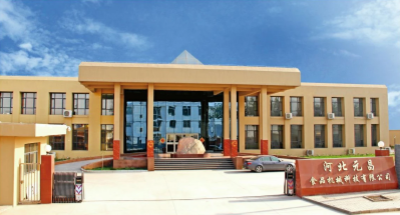
Hebei Yuanchang Food Mechanism & Technology Co., Ltd. isn't just another supplier; we are a seasoned manufacturer with a legacy dating back to 1986. Operating from a 14,000 square meter facility with a dedicated team of 80-100 professionals, we integrate R&D, production, and sales. Our 40 years of accumulated practical knowledge, particularly in complex meat processing lines, informs every piece of equipment we design, including our industrial vacuum systems.
Our in-house machining workshop is equipped with over 20 sets of advanced processing machinery, including lathes, milling machines, high-precision grinding machines, and wire cutting equipment. The strategic introduction of 8 Japanese Mazak CNC machining centers in 2012 significantly enhanced our capability to produce high-standard components requiring large volumes, exceptional precision, and non-standard specifications. This self-sufficiency in producing critical, high-precision parts means uncompromising quality control and worry-free after-sales service for our clients worldwide.
We understand that industrial equipment needs to be reliable and durable. Our expertise in the demanding food processing industry, where hygiene, precision, and efficiency are paramount, translates directly into the robust design and manufacturing of our trailer-mounted vacuum systems. We engineer these units with the same dedication to quality and performance that has defined our company for four decades.
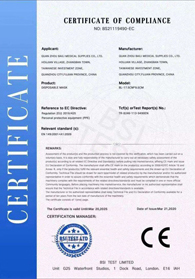
Commitment to Quality: Certifications and Standards
Quality and compliance are not afterthoughts; they are foundational to our manufacturing philosophy. While specific certifications for trailer-mounted vacuum systems can vary based on regional regulations and application focus, we adhere to rigorous internal quality standards and can meet common international requirements. Our commitment is demonstrated through:
- ISO 9001 Principles: Our quality management systems are aligned with the principles of ISO 9001, ensuring consistent product quality and continuous improvement in our processes.
- CE Marking (Where Applicable): For units destined for the European market, components and final assembly can be configured to meet CE directives for machinery safety and electromagnetic compatibility.
- Material Traceability: We maintain records for key materials used in critical components, ensuring accountability and quality assurance.
- Rigorous Testing Protocols: Every unit undergoes thorough pre-shipment testing to verify performance against specifications, including vacuum levels, airflow, and operational safety.

What Our Clients Say
Hearing directly from our customers provides the best insight into the real-world performance of our equipment.

"We brought the trailer-mounted vacuum for our aggregate processing plant. It's drastically cut down our cleanup time after material transfer. The diesel engine is powerful, and the tank capacity means we only empty it once per shift. Setup is quick, which is key when you're working against tight production schedules."
Mark Jenkins, Operations ManagerConstruction Aggregates Inc.

"For our food processing facility, hygiene is non-negotiable. This mobile vacuum unit allows us to quickly clear bulk ingredient spills and production waste without needing to bring in external cleaning services or disrupt our line. The wet/dry capability is a huge plus for us. Excellent build quality."
Sarah Kim, Production SupervisorGourmet Meats Ltd.

"We needed a flexible solution for our environmental cleanup projects across different sites. The trailer setup is straightforward, and the vacuum power is impressive, handling everything from fine dust to larger debris. Transporting it between jobs is simple with our standard service truck. A real workhorse."
David Rodriguez, Project LeadEcoRemediate Services
Frequently Asked Questions
Q1: What is the typical power output range for these systems?
A1: Power output is measured in CFM (airflow) and Water Lift (suction power). Industrial trailer-mounted vacuums commonly range from 300 to over 1000 CFM and can achieve 150+ inches of Water Lift. The exact specifications depend on the engine size and vacuum pump design.
Q2: Can these units handle both wet and dry materials?
A2: Many industrial trailer-mounted vacuums are designed for both wet and dry applications. However, it's crucial to confirm this capability with the manufacturer and ensure the unit is configured correctly, particularly regarding filtration and tank drainage for wet material.
Q3: What is the expected maintenance schedule?
A3: Regular maintenance is vital. Key tasks include checking and cleaning/replacing filters, inspecting hoses and fittings for wear, monitoring engine oil and fuel levels (for diesel/gasoline units), and checking the vacuum pump's lubrication. Filter replacement frequency depends heavily on the application and the material being vacuumed.
Q4: What are the typical lead times for a trailer-mounted vacuum system?
A4: Lead times can vary based on manufacturer stock, customization requirements, and production schedules. Standard configurations might be available within a few weeks, while highly customized units could take longer. Contact us directly for an accurate quote and estimated delivery timeframe.
Q5: Can these units be used for hazardous material abatement?
A5: For hazardous materials, such as asbestos or lead dust, specialized vacuum systems with certified HEPA filtration and containment protocols are mandatory. While some industrial vacuums can be configured for these tasks, it's essential to ensure they meet all regulatory standards (e.g., EPA RRP Rule in the US) and are operated by trained personnel. Always verify the specific certifications and suitability with the manufacturer.
Ready to Revolutionize Your Operations?
Discover how a powerful, mobile trailer-mounted vacuum system can enhance efficiency, safety, and productivity in your industry. Leverage our 40 years of manufacturing expertise.
Direct Inquiry Support