Tipper Machine
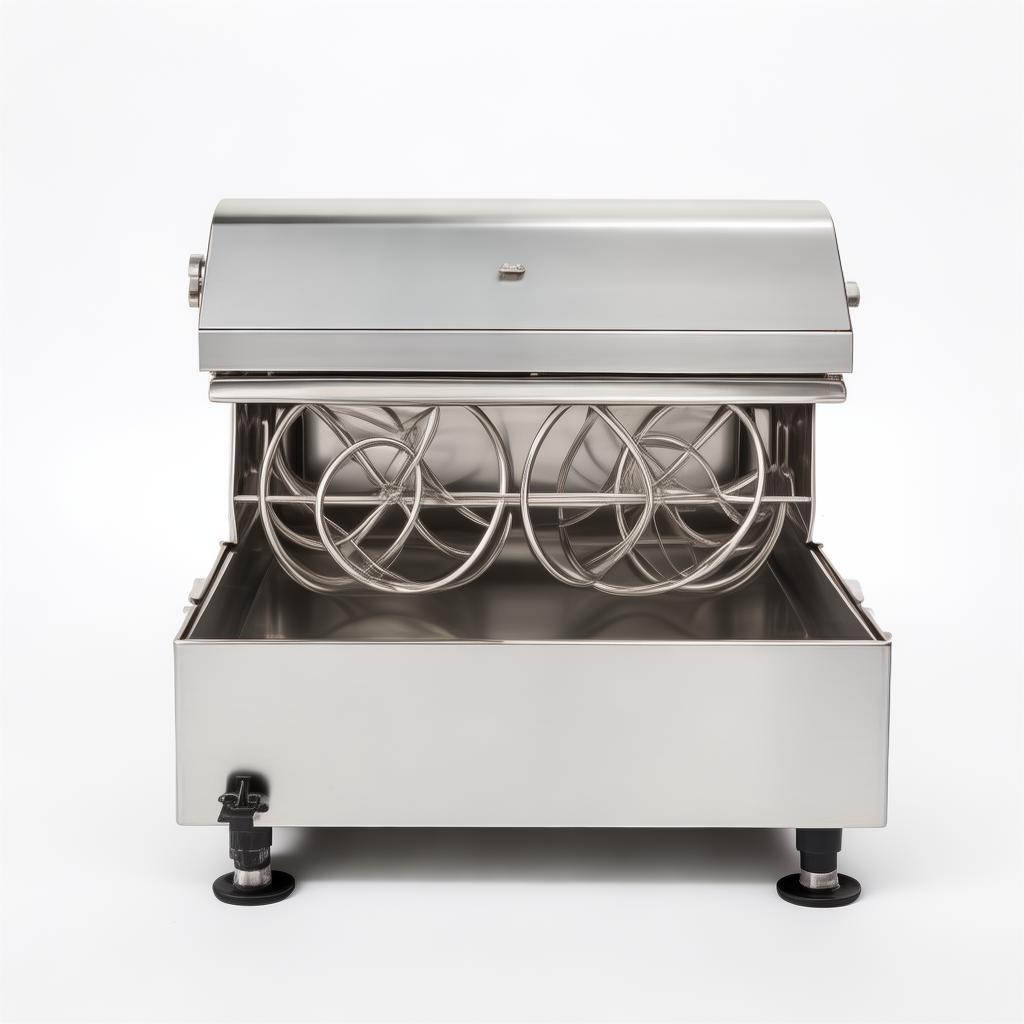
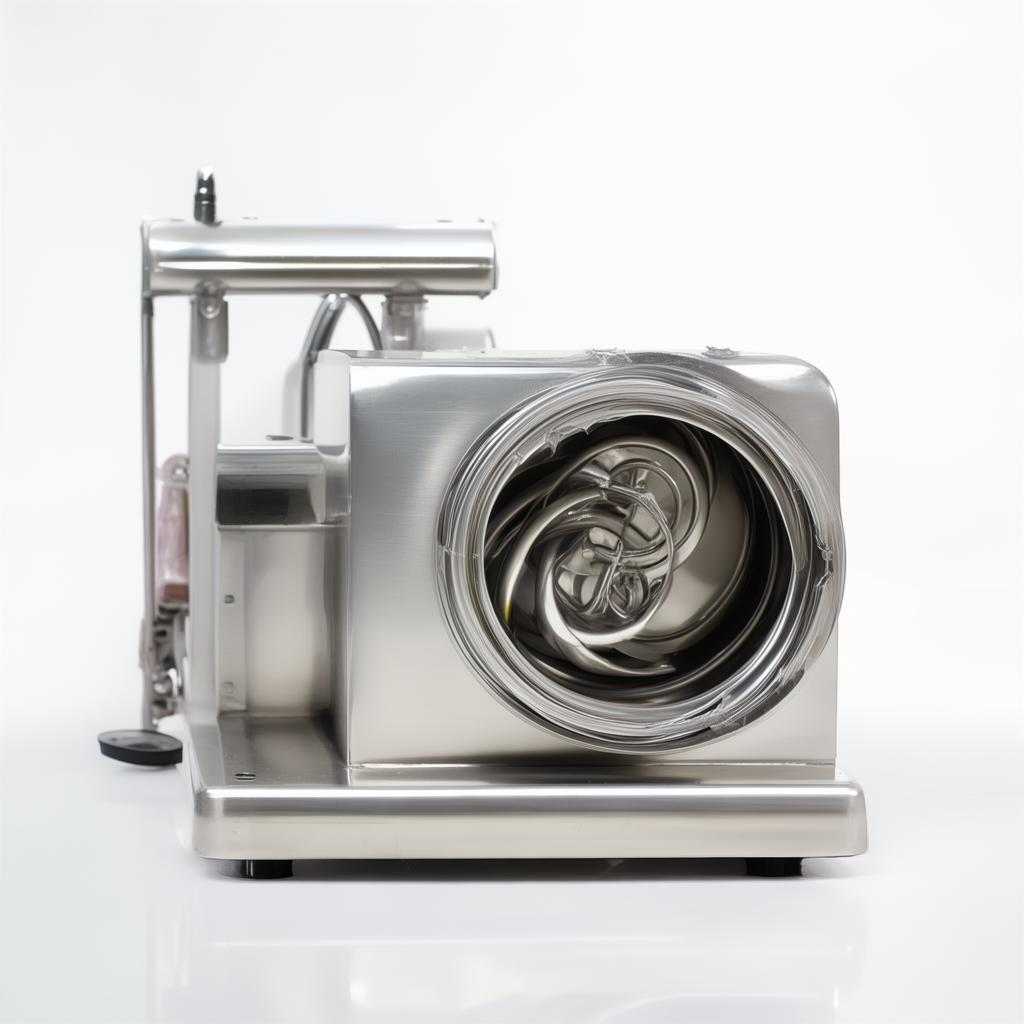
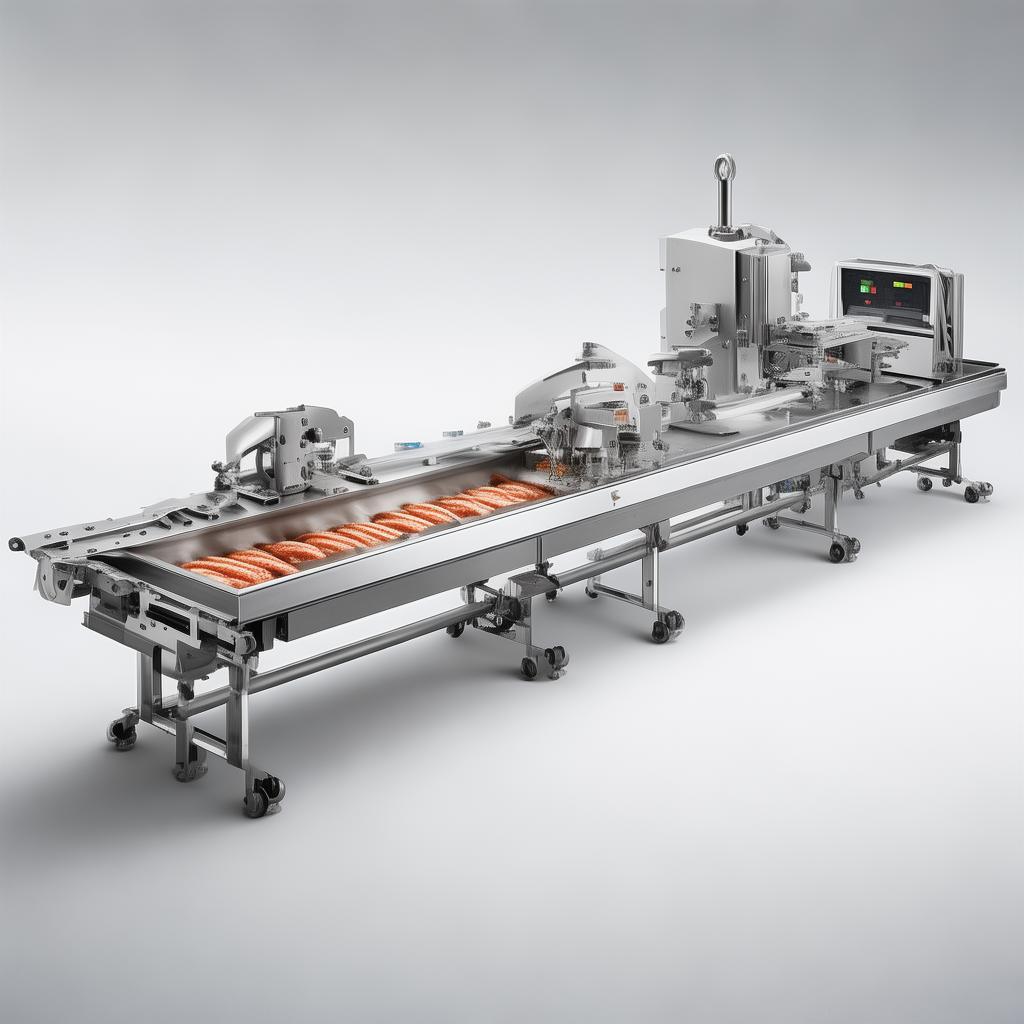
Mastering Meat Processing: The Essential Role of the Tipper Machine in Modern Operations
At Hebei Yuanchang Food Mechanism & Technology Co., Ltd., we understand that efficiency, quality, and reliability are non-negotiable in today's demanding food processing landscape. For over four decades, our commitment has been to provide robust, intelligent machinery that not only meets but exceeds industry expectations. In the intricate workflow of meat processing, the humble yet crucial tipper machine plays a pivotal role. Often overlooked, this piece of equipment is fundamental to achieving consistent product quality, optimizing labor, and ensuring a sanitary production environment. From initial meat preparation to final product formulation, the tipper machine facilitates the precise transfer and handling of ingredients, making it an indispensable asset for any serious processor. Whether you're involved in sausage production, meatball formation, pet food manufacturing, or any application requiring the meticulous handling of ground or mixed meat products, understanding the capabilities and strategic deployment of a tipper machine can significantly elevate your operational output and product integrity. We’ve seen firsthand how a well-integrated tipping system can reduce manual handling strain, minimize cross-contamination risks, and improve overall throughput. This isn't just about moving product; it's about controlled, hygienic, and efficient material flow, which directly impacts your bottom line and brand reputation.
The global meat processing equipment market, valued at approximately USD 11.29 billion in 2025, is projected to reach USD 17.39 billion by 2034, growing at a CAGR of 5.0%. This expansion underscores the increasing demand for specialized machinery that enhances efficiency and safety in meat handling and processing. Key segments include filling and stuffing equipment, massaging and tumbling for ripening, and cutting and grinding machines. Our tipper machines directly support these processes by ensuring that pre-mixed or pre-portioned ingredients are delivered accurately and hygienically to subsequent stages, such as stuffing or molding. The rise in demand for processed and convenience meats worldwide, coupled with stringent food safety standards, necessitates equipment that offers precision, ease of cleaning, and robust performance. This is precisely where our expertise at Hebei Yuanchang shines, offering solutions built on decades of practical manufacturing experience and a deep understanding of the operational challenges faced by our clients. We pride ourselves on engineering equipment that addresses these needs head-on, providing tangible benefits that translate into improved productivity and product quality for your business.
Considering the broader industry trends, the increasing automation in processing facilities is a significant driver. Businesses are investing in machinery that reduces manual labor, minimizes human error, and adheres to strict hygiene protocols. Our tipper machines are designed with these trends in mind, featuring intuitive controls, smooth surfaces for easy cleaning, and durable construction to withstand demanding industrial environments. We integrate feedback from production managers and engineers to refine our designs, ensuring they are not just functional but also user-friendly and maintainable. This practical approach, honed over 40 years, allows us to deliver equipment that truly performs on the factory floor. Whether your operation focuses on beef, pork, poultry, or specialized products like pet food, the efficient transfer of materials is a constant challenge. A well-designed tipper machine is your silent partner in overcoming this, ensuring that product integrity is maintained from the mixer to the filling nozzle.
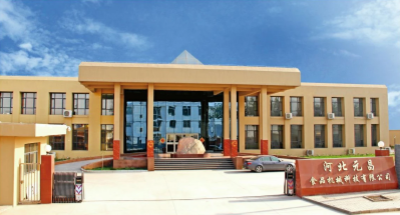
Our state-of-the-art manufacturing facility ensures precision engineering.
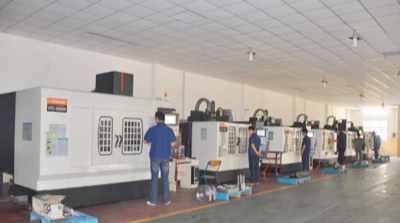
Advanced Japanese Mazak CNC centers for high-precision components.
Table of Contents
- Common Operational Hurdles in Meat Handling
- The Tipper Machine: A Pragmatic Solution
- Understanding Tipper Machine Mechanics and Design
- Material Integrity: Beyond Just Stainless Steel
- Key Advantages for Your Processing Line
- Versatile Applications Across the Industry
- Installation and Operational Considerations
- Routine Maintenance for Longevity
- Procurement Insights: What to Look For
- Hebei Yuanchang: Your Trusted Manufacturing Partner
- Quality Assurance and Certifications
- What Our Clients Say
- Frequently Asked Questions
- Ready to Optimize Your Production?
Common Operational Hurdles in Meat Handling
In the fast-paced world of meat processing, efficiency is paramount. However, achieving it often comes with significant challenges. Manual transfer of meat mixtures from mixers to filling machines or other processing equipment is laborious, time-consuming, and prone to inconsistencies. This manual labor not only slows down production but also increases the risk of physical strain for workers. Furthermore, repeated manual handling can compromise the integrity of the product, affecting texture and consistency, which are critical for end-consumer satisfaction.
Hygiene is another major concern. Every manual touch point introduces potential contamination risks. In environments where strict food safety regulations are enforced, minimizing human contact with the product is a top priority. Inconsistent fill weights or product distribution due to manual handling can lead to material waste and affect batch quality. This directly impacts your yield and profitability. Many operations struggle with bridging or clumping of meat mixtures within large bins, making it difficult to extract product evenly and efficiently, leading to product loss and extended processing times.
The market reports consistently highlight the drive for automation. For instance, the Meat Processing Equipment Market analysis points to automation adoption for hygiene and labor efficiency as a key growth driver. This means processors are actively seeking solutions that can reduce reliance on manual labor and improve sanitation. Failing to address these operational bottlenecks can hinder scalability and competitiveness. It’s a scenario we see time and again: a company with great product potential is held back by inefficient material flow.
- Labor Intensive Handling: Manual transfer is slow and physically demanding.
- Hygiene Risks: Increased potential for contamination with manual contact.
- Product Inconsistency: Difficulty in achieving uniform filling and texture.
- Material Waste: Product left behind in bins or uneven distribution.
- Production Bottlenecks: Slow material transfer impedes overall line speed.
The Tipper Machine: A Pragmatic Solution
This is where our tipper machines, also often referred to as bin tippers or portioning systems, come into play. Engineered for robustness and precision, they are designed to effortlessly and hygienically lift, tilt, and empty standard meat processing bins directly into downstream equipment like stuffers, grinders, or emulsifiers. By automating this critical transfer process, we eliminate the need for manual lifting and scooping. This significantly reduces labor costs, enhances worker safety by mitigating ergonomic risks, and dramatically improves hygiene by minimizing direct human contact with the product.
Our tipper machines ensure a controlled and consistent discharge of product. This means fewer air pockets, more uniform filling, and better overall product quality, crucial for applications like sausage production where consistency is key. The Meat Processing Equipment Market report by Grand View Research notes that filling & stuffing machines and massaging systems for ripening are high-growth areas supporting consistent product quality. Our tipper machine acts as the crucial bridge to these processes, ensuring the product fed is of the right consistency and volume.
Moreover, our designs prioritize ease of cleaning and maintenance. With food-grade materials and accessible components, daily sanitation is straightforward, helping processors meet stringent food safety standards. This operational efficiency and hygiene improvement are precisely why businesses in the US and globally are investing in such auxiliary equipment. For example, the Meat Processing Equipment Market is projected to reach USD 19.66 billion by 2033, with automation and hygiene standards being significant growth drivers.
Think about the direct impact: your team can focus on higher-value tasks rather than repetitive bin handling. Production lines can run more smoothly, with fewer interruptions. And your finished products will benefit from a more consistent texture and appearance, appealing to discerning consumers and distributors alike. It's a comprehensive upgrade to your workflow.
Understanding Tipper Machine Mechanics and Design
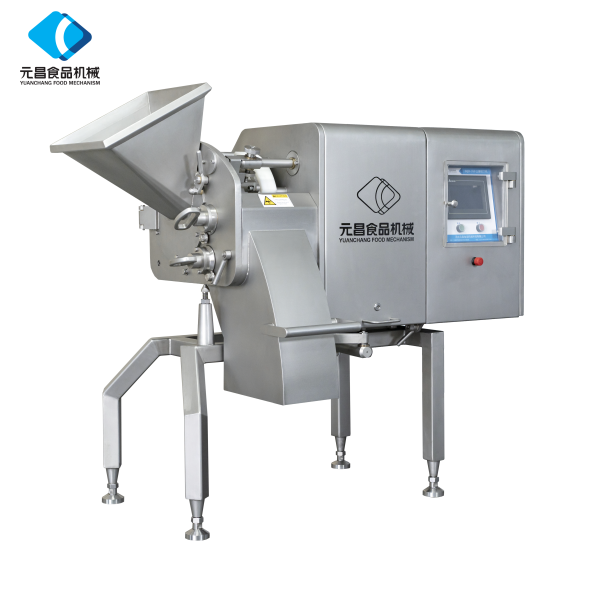
At its core, a tipper machine operates on a principle of mechanical advantage, allowing a single operator to manage heavy loads. Our models are typically constructed with a robust frame capable of supporting full processing bins, which can weigh several hundred pounds when filled with meat. The mechanism involves a lifting arm or platform that secures the bin, a hydraulic or electric system to raise and tilt the bin, and a controlled tilting angle to ensure product flow. We offer different configurations to accommodate various bin sizes and types, ensuring compatibility with existing infrastructure.
Key components include:
- Robust Frame and Base: Engineered for stability during lifting and tilting.
- Bin Securing Mechanism: Ensures safe and secure attachment of various bin types.
- Lifting & Tilting System: Typically hydraulic or heavy-duty electric motors for smooth, controlled operation.
- Control Panel: User-friendly interface for simple operation, often with safety interlocks.
- Discharge Chute/Adaptor: Designed to guide product into downstream equipment, minimizing spillage.
Our focus on design extends to safety features. Interlocks prevent operation unless the bin is properly secured, and emergency stop buttons are readily accessible. We also pay close attention to the angles of tilt and the discharge point to optimize flow and minimize product deformation. The entire unit is designed for minimal footprint on the factory floor, integrating seamlessly into existing layouts. It’s this combination of power, precision, and safety that makes our tipper machines a valuable asset.
The Meat Processing Equipment Market research highlights the importance of efficient pretreatment and ripening systems. Our tipper machines directly support these by ensuring the consistent delivery of raw materials, a foundational step for any high-quality outcome. We engineer these machines not just for function, but for endurance in harsh, demanding environments.
Material Integrity: Beyond Just Stainless Steel
When sourcing equipment for food processing, material selection is paramount for hygiene, durability, and compliance. Our tipper machines are predominantly constructed from high-grade stainless steel. This is not merely an aesthetic choice; it's a functional necessity. Stainless steel (typically 304 grade) offers exceptional resistance to corrosion, rust, and pitting, which is vital in environments exposed to salt, acids, and regular washdowns. Its non-porous surface prevents the harboring of bacteria and makes for highly effective cleaning and sanitization.
We understand that not all stainless steel is created equal. That's why we specify materials that meet international food-grade standards. The surfaces are polished to a specific Ra value to further enhance cleanability and minimize adhesion. For critical moving parts, we select robust components designed for longevity and smooth operation under heavy loads. Electrical components and seals are chosen to withstand the demanding conditions of a processing plant, including moisture and temperature fluctuations.
In contrast to painted steel or less durable alloys, stainless steel offers a superior lifecycle cost. While the initial investment might be higher, the resistance to degradation, ease of maintenance, and extended service life mean that our tipper machines provide a better return on investment. The Meat Processing Equipment Market report mentions the importance of auxiliary items and compliance with regulations. Using compliant materials is a core part of that. We ensure that every component that comes into contact with food meets stringent safety and hygiene requirements, providing you with peace of mind and ensuring your product integrity.
| Component | Material | Key Benefit |
|---|---|---|
| Main Frame & Structure | Food-Grade Stainless Steel (e.g., SUS304) | Corrosion resistance, hygiene, durability |
| Lifting Arms & Bin Holders | Heavy-Duty Stainless Steel | Strength, load-bearing capacity |
| Hydraulic/Electric Components | Industrial Grade, sealed | Reliability, longevity in wet/harsh conditions |
| Fasteners & Seals | Food-Grade Stainless Steel, FDA-compliant elastomers | Safety, leak prevention, hygiene |
Key Advantages for Your Processing Line
Implementing a tipper machine from Hebei Yuanchang delivers tangible benefits across your operation. The gains aren't just theoretical; they translate directly into improved productivity, enhanced product quality, and a safer working environment. We’ve engineered these machines to solve real-world problems faced by meat processors daily.
Boosted Efficiency & Throughput
Automating bin emptying significantly speeds up material transfer, reducing cycle times and increasing the volume of product processed per shift. This addresses the need for higher output driven by rising demand for processed meats.
Enhanced Product Quality
Controlled discharge minimizes product aeration and ensures uniform material flow into stuffing or molding equipment, leading to consistent fill weights and improved product texture and appearance.
Improved Operator Safety & Ergonomics
Eliminates the heavy lifting and awkward maneuvering associated with manual bin emptying, significantly reducing the risk of back injuries and other musculoskeletal disorders. This aligns with global trends toward safer workplaces.
Superior Hygiene and Sanitation
Minimized manual contact with product and easy-to-clean stainless steel surfaces help maintain a high level of sanitation, crucial for meeting strict food safety regulations.
Reduced Material Waste
Efficient emptying ensures virtually all product is transferred from the bin, minimizing residual waste and maximizing yield. No more scraping the bottom!
Optimized Labor Allocation
Frees up skilled operators from repetitive, physically demanding tasks, allowing them to focus on more critical aspects of production, quality control, or machine operation.
Versatile Applications Across the Industry
The utility of a well-designed tipper machine extends far beyond a single application. Its ability to efficiently and hygienically transfer bulk materials makes it an integral component in a wide array of meat processing operations. Whether you are dealing with fresh meat mixtures, cooked products, or even specialized items, our machines offer a versatile solution.
Consider the vast scope of the processed meat market, which is projected to grow significantly. This growth inherently requires robust supporting equipment. Fortune Business Insights reports the processed meat market is projected to grow from USD 750.58 billion in 2026 to USD 1,253.77 billion by 2034. This expansion fuels the demand for machinery that can handle the output of large-scale mixing operations.
- Sausage Production: The most common application, feeding seasoned meat mixtures from mixers directly into sausage stuffers. This ensures a consistent flow of product for uniform sausage filling.
- Meatball & Patty Forming: Transferring meat blends to forming machines ensures consistent portioning and reduces manual handling, which can affect the texture of formed products.
- Pet Food Processing: Handling pre-mixed pet food ingredients, ensuring precise delivery to extruders or forming equipment. The reconstituted meat market, heavily reliant on molding and pretreatment, shows the need for efficient material handling.
- Deli Meats & Prepared Foods: Transferring cooked or seasoned meats to slicing machines, packaging lines, or further processing equipment.
- Tenderizing & Marinating Operations: While not the primary function, tippers can be used to load materials into massagers or tumblers after mixing, streamlining the initial stages of ripening processes.
- Cheese & Dairy: Adapted for food-grade dairy processing, such as transferring cheese curds or other bulk dairy ingredients.
- Industrial Food Ingredients: Handling bulk ingredients in other food sectors requiring precise, hygienic transfer.
The adaptability of our tipper machines means they can be integrated into a vast range of production lines, supporting diverse product types and processing methods. Regardless of your specific product, the core benefit remains: improved material flow, better hygiene, and enhanced operational efficiency.
Installation and Operational Considerations
Integrating new equipment into an existing facility requires careful planning. Our tipper machines are designed for straightforward installation, but a few key considerations will ensure optimal performance and safety from day one. Firstly, ensure the floor area where the machine will be placed is level and can support the machine's weight, especially during operation. Power requirements (voltage, phase) must match your plant's supply. We typically provide standard electrical specifications, but custom options are available.
Clearance is another important factor. Ensure there is adequate space around the machine for the operator to work safely, for the bin to be loaded and unloaded, and for the machine to tilt without obstruction. It's also vital to consider the positioning relative to your downstream equipment. The discharge point of the tipper should align precisely with the intake of your stuffer, grinder, or other machinery to minimize product loss and spillage. We can offer guidance on optimal placement based on your specific line layout.
Regarding logistics, our machines are typically shipped in a partially assembled state, simplifying final setup. Packaging is designed to protect the equipment during transit, and comprehensive instruction manuals are included. We can also provide on-site installation support or remote assistance for setup and initial operation. From the moment you receive your tipper machine, our goal is to make the transition as seamless as possible. Thinking about logistics also extends to the bin handling itself – ensuring you have a sufficient supply of compatible bins to keep the tipper running continuously.
The Global Meat Processing Market outlook often emphasizes efficient throughput and automation. Proper installation and operational setup are the first steps to realizing these efficiencies. It’s about making sure the technology integrates perfectly with your workflow, not just physically, but operationally.
Routine Maintenance for Longevity
To ensure your tipper machine operates reliably and safely for years to come, a consistent maintenance schedule is essential. Our machines are built for durability, but proactive care is key to maximizing their lifespan and minimizing unscheduled downtime. Daily checks should focus on cleanliness. After each shift, thoroughly clean all food-contact surfaces with approved cleaning agents and hot water. Ensure all parts are dried properly to prevent corrosion. Pay close attention to pivot points and seals.
Weekly or bi-weekly inspections should include checking for any signs of wear or damage on the frame, lifting arms, and bin securing mechanisms. Lubricate all moving parts and pivot points according to the maintenance manual. Inspect hydraulic hoses and connections for leaks or damage. For electric models, check the motor and drive system for unusual noises or overheating.
Monthly or quarterly checks are more in-depth. This might involve inspecting the electrical control panel, ensuring all safety interlocks are functioning correctly, and checking the integrity of the power cable. If your model uses a hydraulic system, check the fluid level and condition. Following the manufacturer's recommended lubrication schedule and using the correct types of lubricants (food-grade where applicable) is crucial. Our service department is always available to assist with any maintenance queries or to schedule more in-depth service if needed. Proactive maintenance isn't just about fixing problems; it's about preventing them, ensuring your investment continues to deliver value.
Remember, a well-maintained machine is a productive machine. It directly impacts the quality of the meat products leaving your facility, and reduces the risk of costly production halts. Regular upkeep is part of the operational cost, but it's an investment that pays dividends in reliability.
Procurement Insights: What to Look For
Purchasing industrial equipment like a tipper machine involves more than just comparing price tags. As a procurement professional or operations manager, you need to assess several critical factors to ensure you're making a sound investment that supports your long-term operational goals. First and foremost, consider compliance and certifications. Does the machine meet food-grade standards? Is the manufacturer reputable and able to provide documentation?
Secondly, build quality and materials are non-negotiable. As discussed, stainless steel is standard, but the grade and finish matter. Look for robust construction that can withstand the rigors of a processing environment. Ask about the quality of the hydraulic or electric components – these are critical to longevity and reliable operation. Our 40 years of experience in manufacturing means we've refined our material choices and construction techniques for maximum durability.
Thirdly, ease of operation and maintenance is crucial for adoption and uptime. Is the control interface intuitive? Are cleaning procedures straightforward? Can your maintenance team easily access key components for servicing? A machine that is difficult to operate or clean will quickly become a bottleneck, negating its intended benefits.
Fourth, after-sales support and spare parts availability are vital. What kind of warranty is offered? How quickly can you get spare parts if something breaks down? At Hebei Yuanchang, our traceable after-sales management system and in-house machining capabilities mean we can independently produce high-precision parts, ensuring worry-free support. The global market for meat processing equipment is expanding, as indicated by reports from Market Research Future, which projects significant growth. Choosing a supplier with a proven track record and robust support is key to navigating this growing market.
Finally, consider the supplier's experience and reputation. Do they understand your industry? Can they offer tailored solutions or advice? Over 40 years of operation, with a team of 80-100 dedicated employees, Hebei Yuanchang has built a reputation for quality and reliability in the food processing machinery sector.
Investing wisely in a tipper machine means looking beyond the immediate cost to the long-term operational gains and reliability it will provide. It's about securing a partner who understands your needs.
Hebei Yuanchang: Your Trusted Manufacturing Partner
For over four decades, Hebei Yuanchang Food Mechanism & Technology Co., Ltd. has been at the forefront of designing and manufacturing high-quality meat processing equipment. Established in 1986, our company spans approximately 14,000 square meters and is powered by a skilled team of 80-100 employees dedicated to excellence. We integrate research and development, production, and sales, ensuring a cohesive approach to delivering superior machinery.
Our in-house machining workshop is a cornerstone of our capability. Equipped with over 20 sets of advanced processing machinery—including lathes, milling machines, high-precision grinding machines, boring machines, plate shears, bending machines, and wire cutting equipment—we possess the in-house capacity to produce components with exceptional precision. This capability was significantly enhanced in 2012 with the addition of 8 sets of Japanese Mazak CNC machining centers. This investment allows us to undertake the production of high-standard, non-standard, and large-volume components with extreme accuracy, critical for ensuring the performance and longevity of our tipper machines and other equipment.
This vertical integration means we have complete control over the quality and specifications of every part we use. It also drastically improves our ability to provide custom solutions and ensures a seamless, traceable after-sales service. When you choose Hebei Yuanchang, you are choosing a partner with deep manufacturing expertise, a commitment to technological advancement, and a proven history of delivering reliable, high-performance equipment for the global food processing industry. Our focus on complete production lines means we understand the interconnectedness of each piece of machinery, including the vital role of the tipper machine.
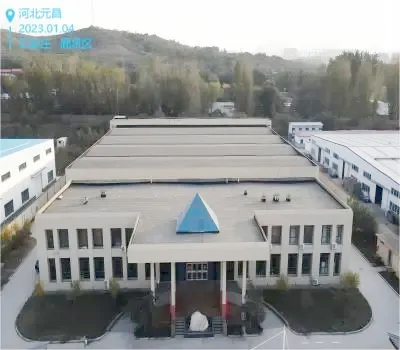
Precision machining capabilities in our workshop.
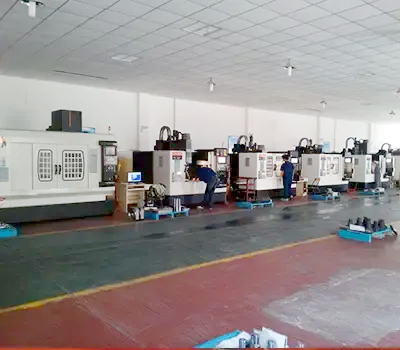
Our tipper machines are built for global export.
Quality Assurance and Certifications
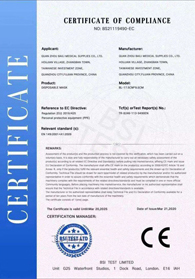
At Hebei Yuanchang, quality is not just a goal; it's ingrained in our manufacturing process. We understand that for international trade and for processors in highly regulated markets like the USA, adherence to standards is paramount. Our commitment to quality is reflected in our production methods and the materials we use. While specific certifications can vary by product line and customer requirement, our general manufacturing practices are designed to align with international quality management principles.
We operate under robust quality control systems, leveraging our advanced machinery and experienced personnel to ensure every piece of equipment meets rigorous internal standards. For our food processing machinery, including tipper machines, we ensure that all materials coming into contact with food products comply with relevant food-grade regulations, such as those set by the FDA (Food and Drug Administration) in the US and similar bodies globally. This includes the use of appropriate grades of stainless steel and food-safe lubricants.
We also understand the importance of certifications like CE for market access in some regions, or ISO standards for manufacturing process quality. We are capable of working with clients to ensure our equipment meets specific certification needs for their target markets. Our extensive export experience means we are adept at navigating international trade requirements and providing the necessary documentation to facilitate smooth customs clearance and regulatory approval. Trust in our ability to deliver equipment that is not only robust and efficient but also compliant with the safety and quality standards expected by global markets.


What Our Clients Say
Real feedback from processors who have integrated our equipment into their operations. We believe in transparency and the value of peer experience.

David Chen
Operations Manager, Premier Meats USA
"We were struggling with manual bin transfers for our sausage line. It was slow, and our team was getting worn out. The tipper machine from Hebei Yuanchang has been a game-changer. Installation was smooth, and the machine handles our large batches flawlessly. We've seen a noticeable increase in our daily throughput, and the reduction in manual effort has been immense. Plus, cleaning is a breeze thanks to the stainless steel construction."
Rated: ★★★★★

Maria Rodriguez
Production Supervisor, Texas Deli Foods
"We needed a reliable way to feed our meatball forming machine. The old method was inconsistent. Hebei Yuanchang's tipper machine provides a steady, controlled flow of our mixture, which has drastically improved the uniformity of our meatballs. The reduced handling also means less exposure for our staff, which is a big win for safety and hygiene. The build quality is robust – it feels like it will last for years."
Rated: ★★★★★

Kevin Lee
Procurement Specialist, Pet Nutrition Inc.
"We were looking for a more automated solution for transferring our pet food base ingredients from mixer bins to the extruders. Hebei Yuanchang's tipper was a perfect fit. It's easy to operate and clean, and it handles the dense ingredients without issue. The consistent feed has improved our extrusion process significantly. Their communication during the ordering and shipping process was excellent, very professional."
Rated: ★★★★☆

Sarah Jones
Plant Manager, Regional Meat Processors
"After years of manual work, upgrading to a tipper machine was a significant step for our cooked meat production. The Hebei Yuanchang machine is sturdy and performs reliably, day in and day out. It has simplified our workflow and improved our sanitation scores considerably. We appreciate the practical design that makes cleaning efficient, which is critical in our line of work."
Rated: ★★★★★
Frequently Asked Questions
Q: What types of bins can your tipper machines handle?
A: Our tipper machines are designed to accommodate standard industry processing bins, typically 200L (50-gallon) and 300L (80-gallon) sizes. We can often customize our machines to handle specific bin dimensions or types. Please provide your bin specifications for a tailored solution.
Q: What is the typical power requirement for your tipper machines?
A: Standard models usually operate on 380V/50Hz/3Phase power, common in industrial settings. However, we can configure machines for different voltages and frequencies to meet specific regional requirements. Always confirm specifications before purchase.
Q: How easy is it to clean these machines?
A: Cleaning is designed to be straightforward. The primary food-contact surfaces are made of food-grade stainless steel with smooth finishes. Most models feature accessible components and can be cleaned effectively with standard industrial cleaning procedures. We provide detailed cleaning guidelines in our manuals.
Q: What kind of warranty do you offer?
A: We offer a standard warranty on our equipment, typically covering defects in materials and workmanship for a specified period (e.g., 12 months). Specific warranty terms can be discussed and confirmed with our sales team. Our robust manufacturing process and use of high-quality components contribute to reliable operation.
Q: Can you provide installation and training support?
A: Yes, we offer comprehensive support. This can range from detailed installation manuals and remote assistance to on-site installation and operator training services, depending on your location and requirements. Our aim is to ensure your team can operate the equipment safely and efficiently from the start.
Q: How do I get spare parts?
A: Due to our in-house manufacturing capabilities, including high-precision CNC machining, we can quickly produce and supply critical spare parts. We maintain detailed records of each machine's build, ensuring accurate part identification and rapid delivery to minimize your downtime.
Streamline Your Meat Processing Operation Today
Discover how Hebei Yuanchang's industrial tipper machines can enhance your efficiency, improve product quality, and boost operator safety.
Or visit our contacts page for more details: ycmeatmech.com/contacts.html