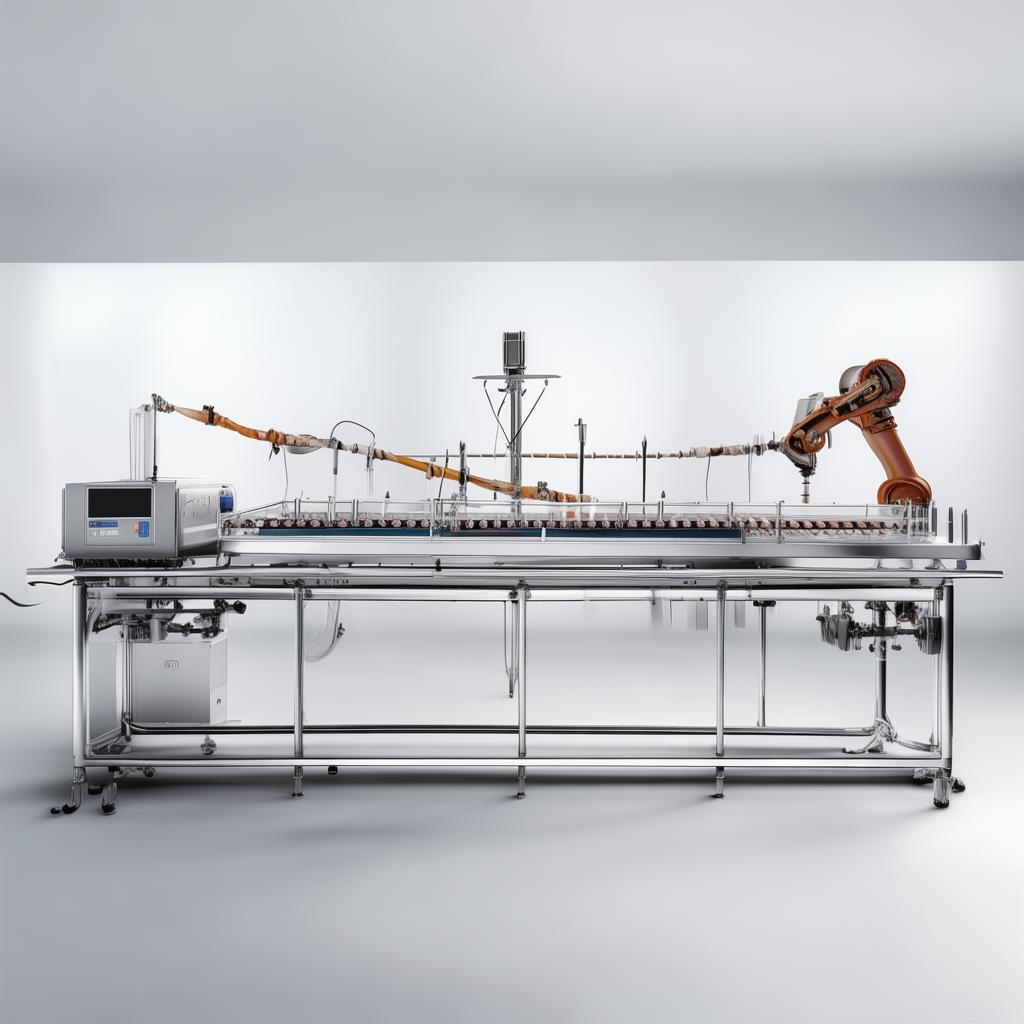
Sterile Vial Filling
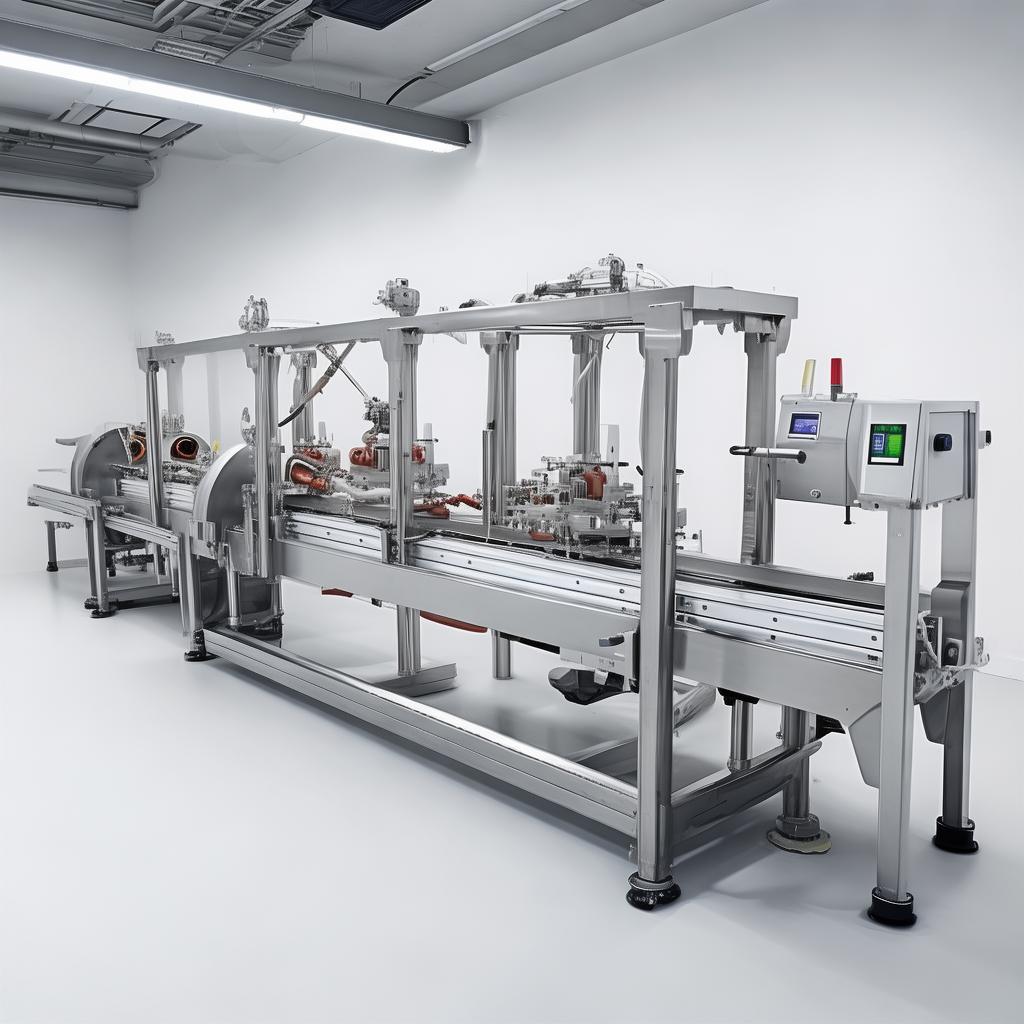
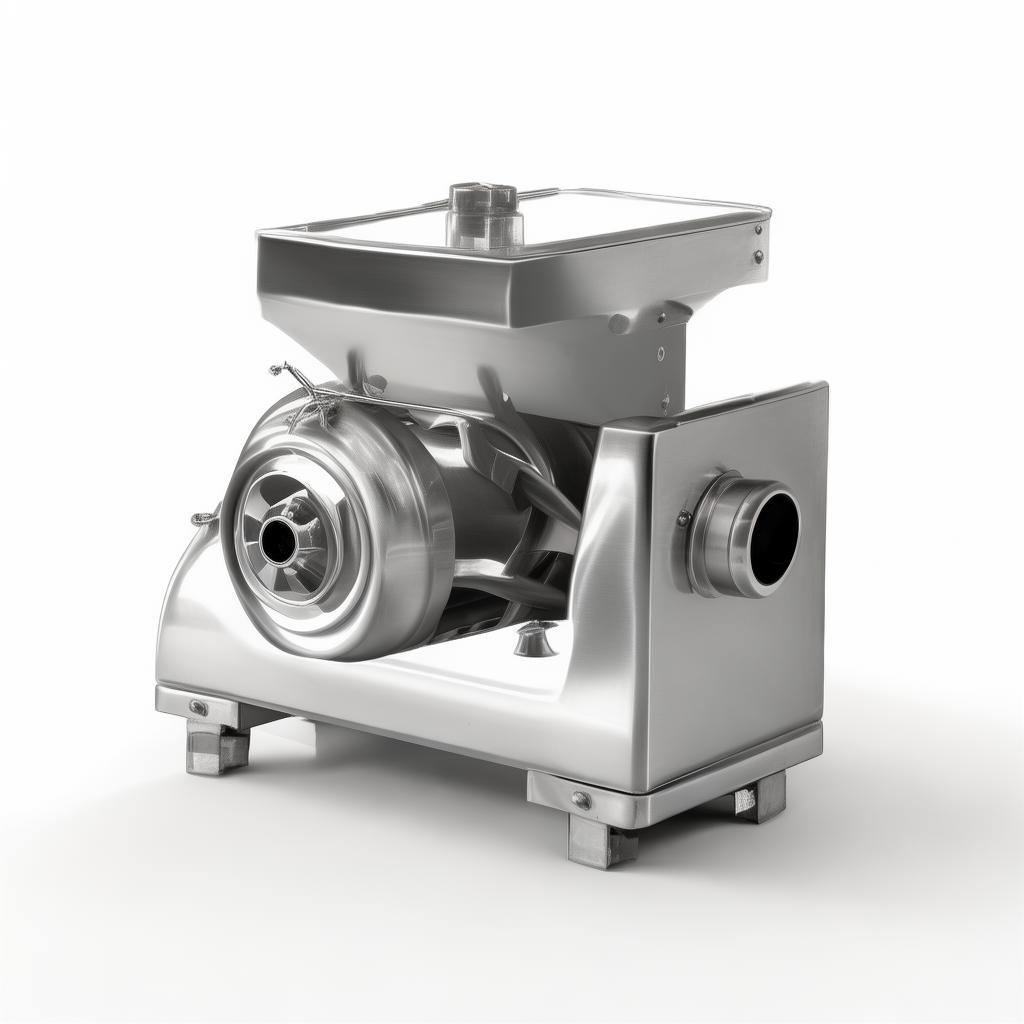
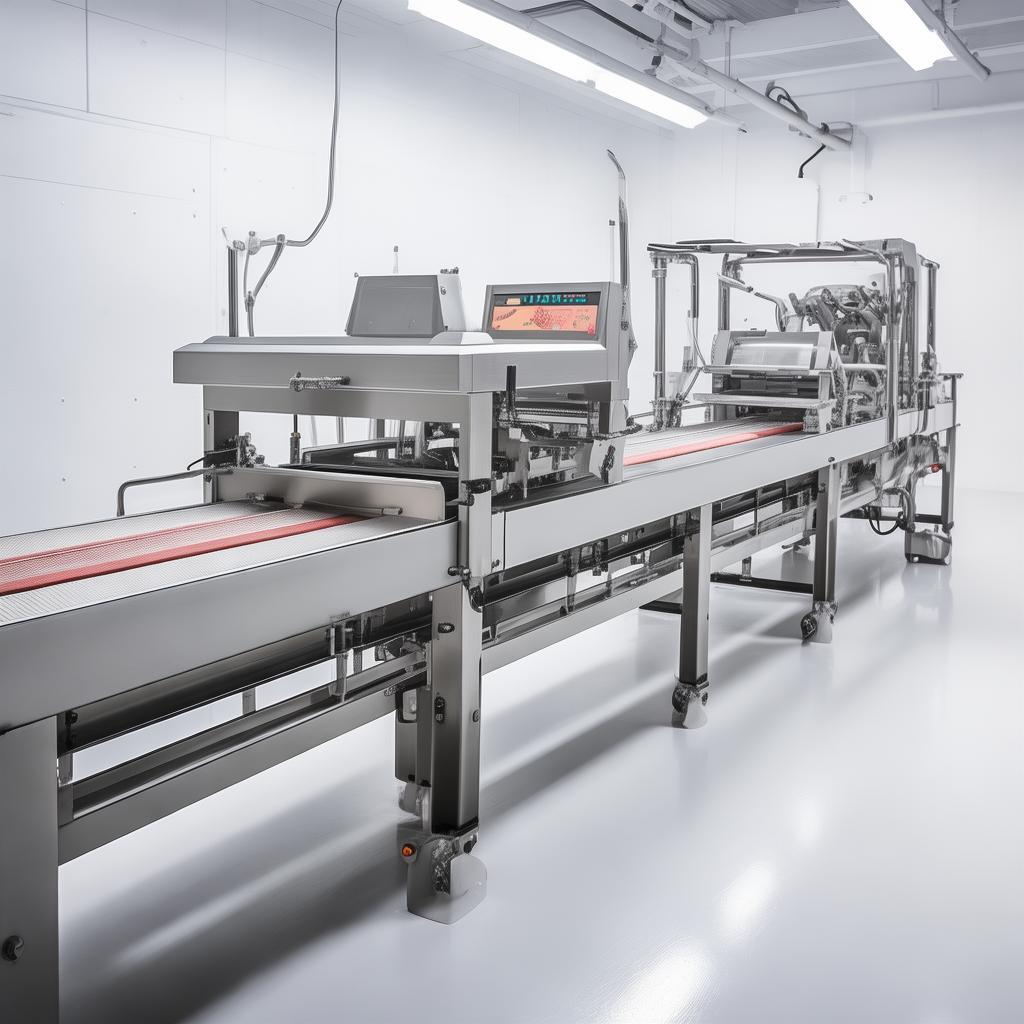
Sterile Vial Filling Solutions: Precision, Purity, and Partnership
Ensuring Product Integrity from Production to Pharmaceutical Application
Securing the integrity and sterility of pharmaceutical and biotech products is paramount. For any organization operating within these highly regulated sectors, the sterile vial filling process isn't merely a production step; it's a critical juncture where product efficacy, patient safety, and regulatory compliance converge. At Hebei Yuanchang Food Mechanism & Technology Co., Ltd., we understand the intricate demands of this process. With nearly four decades of hands-on experience, dating back to 1986, we've honed our expertise not just in machinery, but in delivering comprehensive solutions that meet the exacting standards of sterile environments.
Our journey began with a focus on meat processing equipment, a field that demands robust engineering, precision, and an unwavering commitment to hygiene. This foundational experience has directly translated into our capabilities in sterile vial filling, where principles of contamination control, material inertness, and operational repeatability are equally vital. We've learned that producing reliable equipment for food production, where spoilage can be rapid and consequences immediate, instills a deep-seated discipline in manufacturing that is directly applicable to the sterile pharmaceutical landscape. This isn't a jump into a new market; it's an evolution built on a bedrock of industrial manufacturing excellence.
The global meat processing equipment market, as reported by Fortune Business Insights, was valued at USD 11.29 billion in 2025 and is projected to reach USD 17.39 billion by 2034. While our roots are in this sector, our capabilities have expanded significantly. The core principles of hygiene, precision, and efficient material handling required for meat products are remarkably transferable to the sterile filling of vials. Think about the delicate handling needed for fine sausages or the stringent cleaning protocols for food-grade stainless steel – these are not dissimilar to the requirements of aseptic filling. This cross-industry learning allows us to bring unique perspectives and robust engineering solutions to the sterile vial filling challenge.
Our facility in Shijiazhuang, Hebei Province, China, spans approximately 14,000 square meters and is staffed by a dedicated team of 80-100 professionals. This scale allows for integrated R&D, production, and sales, ensuring that every piece of equipment leaving our workshop adheres to our high standards. We are not a reseller; we are a manufacturer with deep in-house capabilities. This includes over 20 sets of processing machinery, from conventional lathes and milling machines to advanced Japanese Mazak CNC machining centers introduced in 2012. This investment means we can independently produce high-precision, non-standard components with assured quality and traceability, a critical factor when precision directly impacts vial fill volumes and sterility.
The sterile vial filling process demands more than just dispensing liquid. It involves meticulous control over environmental conditions, precise dosing, secure sealing, and often, integrated inspection systems. Whether you are filling small-batch research compounds, therapeutic biologics, or large-scale pharmaceutical products, the choice of filling equipment profoundly impacts your operational efficiency, product yield, and ultimately, patient outcomes. Understanding the procurement decision workflow for such critical equipment means recognizing the interplay between technical specifications, regulatory adherence, supplier reliability, and total cost of ownership. We aim to be a partner that addresses all these facets.
The market for meat processing equipment itself is dynamic, with Grand View Research estimating the global market at USD 11.28 billion in 2024, projected to reach USD 15.04 billion by 2030. Our long tenure in this sector has provided us with invaluable insights into automation, material science, and hygienic design. For instance, the need to prevent cross-contamination in meat processing mirrors the absolute necessity of preventing microbial contamination in pharmaceutical filling. Similarly, the efficiency gains achieved through automation in high-volume food production translate directly to cost savings and increased throughput in sterile filling operations.
We recognize that selecting a sterile vial filling solution involves more than just comparing technical data sheets. It requires a partner who understands the operational realities: the challenges of validation, the necessity of reliable spare parts, the importance of lead times, and the complexities of international shipping. Our forty years of experience have taught us that strong after-sales support is not an afterthought; it’s integral to the long-term success of our clients. Our traceable after-sales management system, coupled with our in-house high-precision part production, provides a level of assurance that is difficult to find. We don't just build machines; we build lasting relationships based on trust and performance.
The demand for processed meats, a sector we've served extensively, drives the need for efficient and reliable filling, molding, and ripening equipment. Fortune Business Insights forecasts the processed meat market to grow from USD 750.58 billion in 2026 to USD 1,253.77 billion by 2034. This substantial market growth highlights the continuous innovation and demand for precision machinery within the food industry, principles that we rigorously apply to our sterile vial filling systems. Our expertise in handling sensitive materials, ensuring consistent product delivery, and meeting stringent hygiene standards in food processing provides a strong foundation for sterile applications.
Understanding the Core Requirements of Sterile Vial Filling
At its heart, sterile vial filling is about precision and purity. The process involves introducing a specific, measured volume of liquid or powder into a container (the vial) under conditions that prevent any microbial contamination. This is critical for products where sterility is a key attribute, such as injectable drugs, vaccines, diagnostic reagents, and certain ophthalmic solutions. The equipment must be designed to maintain an aseptic environment throughout the filling cycle, from the moment the vial enters the filling zone to when it is sealed.
Several key factors dictate the performance and suitability of sterile vial filling equipment:
- Sterility Assurance: The primary objective. Equipment must be designed for cleanability, often with materials that can withstand rigorous sterilization methods like autoclaving or CIP/SIP (Clean-In-Place/Sterilize-In-Place).
- Dosing Accuracy: Precise fill volumes are non-negotiable for efficacy and to meet regulatory requirements. Overfilling or underfilling can have serious consequences.
- Speed and Throughput: For commercial production, filling speed is crucial for meeting market demand and achieving favorable cost structures.
- Material Compatibility: The filling mechanisms and product contact parts must not react with or leach into the product. Stainless steel (e.g., 316L) and specific polymers are common choices.
- Ease of Operation and Maintenance: Complex machinery requires skilled operators and straightforward maintenance to minimize downtime.
- Validation Support: Equipment must be designed and documented to support IQ (Installation Qualification), OQ (Operational Qualification), and PQ (Performance Qualification) processes required by regulatory bodies.
The intricacies of handling biological products or sensitive chemical compounds in a sterile state demand equipment that operates with near-perfect repeatability. Our extensive experience in the meat processing industry, for instance, has taught us the importance of hygienic design. Consider the need for crevice-free surfaces and easy-to-clean components in food equipment; these principles are directly applied to our sterile filling solutions to prevent the harborage of microorganisms.
Our Approach to Sterile Vial Filling Equipment
Hebei Yuanchang leverages its robust manufacturing capabilities to produce sterile vial filling solutions that are both technically advanced and operationally sound. We focus on delivering systems that are:
- Precision Engineered: Utilizing our in-house CNC machining, we ensure extremely tight tolerances for all critical components, leading to consistent fill volumes and reliable performance.
- Hygienically Designed: Drawing from our legacy in food processing, our machines feature smooth surfaces, minimal dead spaces, and are constructed from high-grade stainless steel (e.g., 316L) to facilitate thorough cleaning and sterilization.
- Flexible and Scalable: We understand that production needs evolve. Our solutions are designed with adaptability in mind, allowing for adjustments in fill volumes and potentially accommodating different vial sizes.
- Built for Longevity: Robust construction and quality materials mean our equipment is an investment that provides reliable service for years, reducing the need for frequent replacements.
- Supported by Expertise: Our team of engineers and technical specialists are available to assist with integration, validation, and ongoing support, ensuring you get the most out of your investment.
The global meat processing equipment market is projected to reach USD 17.39 billion by 2034, driven by automation and hygiene standards. While our core focus has been food, the engineering principles—precision, durability, ease of cleaning, and efficient material handling—are directly applicable to sterile pharmaceutical filling. We apply the same rigorous quality control that ensures safe food production to the critical task of sterile vial filling.
Key Features and Specifications (Example Configuration)
Our sterile vial filling machines can be configured to meet specific client needs. Here’s a typical specification for a liquid filling machine, designed for aseptic or cleanroom environments:
| Feature | Specification |
|---|---|
| Filling Mechanism: | Peristaltic Pump or Piston Pump (customer choice based on product viscosity and accuracy needs) |
| Fill Volume Range: | 0.5 mL to 100 mL (configurable) |
| Accuracy: | ± 0.5% or better (depending on pump type and product) |
| Vial Handling: | Automatic vial infeed, precise positioning for filling, and controlled outfeed. Compatible with standard glass or plastic vials. |
| Material Contact Parts: | 316L Stainless Steel, FDA-approved silicone tubing (for peristaltic), or inert materials. |
| Environmental Control: | Designed for use in Class 100 (ISO 5) cleanrooms or with integrated laminar flow hoods. HEPA filtration can be integrated. |
| Operation: | PLC controlled with HMI touchscreen interface for easy parameter adjustment and operation monitoring. |
| Sealing Integration: | Option for integrated capping or stoppering stations (e.g., rubber stoppers, aluminum seals). |
| Power Supply: | Configurable for 220V/380V, 50/60Hz (per client requirements). |
Aseptic vial filling sterile filling machine vial and aseptic liquid filling services
The investment in high-precision machining, like our Japanese Mazak CNC centers, allows us to produce components with tolerances measured in microns. This is the level of precision required for sterile vial filling where even slight variations can impact product quality and compliance.
Applications & Industries Served
While our core expertise originates from industrial manufacturing, our sterile vial filling solutions are engineered for rigorous applications across several key sectors:
- Pharmaceutical Manufacturing: For sterile injectables, IV solutions, and other critical drug formulations. Meeting GMP standards is a given.
- Biotechnology: Filling of cell culture media, diagnostic reagents, and sensitive biological compounds.
- Veterinary Medicine: Production of sterile vaccines and medications for animal health.
- Cosmeceuticals: High-end skincare and treatment serums requiring sterile packaging.
- Research & Development Labs: Small-scale filling for clinical trials or specialized research purposes.
The market for meat processing equipment is robust, with CAGR estimates around 5-7% across various reports. This sustained growth underscores the continuous need for precision, efficiency, and hygienic design – lessons we apply daily to our sterile filling equipment. Our ability to handle sensitive materials and ensure consistent output in food production translates directly to the demanding requirements of pharmaceutical filling.
Installation, Validation & Operational Considerations
Implementing sterile vial filling equipment requires careful planning and execution. Our team provides comprehensive support to ensure a seamless transition:
Installation Qualification (IQ)
We ensure that the equipment is installed correctly according to manufacturer specifications and relevant industry standards. This includes verifying power, environmental controls, and physical placement within your facility.
Operational Qualification (OQ)
This phase confirms that the equipment operates as intended across its specified range. We assist in testing various functions, fill volumes, and error handling routines to demonstrate functionality.
Performance Qualification (PQ)
The final step verifies that the equipment consistently produces high-quality results under actual operating conditions using your specific product. We provide guidance and support to help you execute successful PQ runs.
Our 40 years of experience means we've encountered and solved countless operational challenges. This practical, hands-on knowledge is embedded in the design of our machines, making them robust and relatively straightforward to validate. We also provide comprehensive documentation to support your validation efforts.
The need for automation and efficiency in processing is a universal trend. In the meat processing sector, this has led to market growth projections like USD 19.66 billion by 2033 (SkyQuestt). Our commitment to automating complex processes, like precise sterile filling, aligns with this broader industrial demand for technologically advanced, reliable machinery.
Why Partner with Hebei Yuanchang?
Choosing a supplier for critical manufacturing equipment is a significant decision. Here's why Hebei Yuanchang stands out:
- Deep Manufacturing Expertise: With 40 years in industrial machinery, we bring a level of engineering rigor and problem-solving capability that few can match.
- In-House Precision Manufacturing: Our own machining facilities, including advanced CNC equipment, guarantee the quality and precision of every component.
- Traceable Quality Control: From raw materials to final assembly, our processes are designed for traceability and adherence to strict quality standards.
- Customer-Centric Approach: We work closely with clients to understand their unique requirements and tailor solutions accordingly.
- Reliable After-Sales Support: Our commitment extends beyond delivery, ensuring your equipment operates smoothly for its entire lifecycle.
- International Experience: We have extensive experience exporting machinery worldwide, managing logistics and compliance for global clients.
Market trends indicate a strong demand for specialized filling equipment. For example, the meat processing equipment market is expected to reach USD 18.3 billion by 2034 (IMARC Group). Our ability to adapt robust industrial designs for specialized applications like sterile filling is a testament to our engineering versatility.
Consider this: the global meat processing equipment market is expected to grow from USD 11.86 billion in 2025 to USD 19.11 billion by 2035. This growth is fueled by demand for processed meats and innovations in equipment like filling, tenderizing, and ripening systems. Our long-standing presence in this sector means we understand the demands for precision, hygiene, and efficiency, which are directly transferable to sterile vial filling.
Customer Testimonials

Lead Scientist, BioPharm Innovations
"We were looking for a partner who understood precision and sterility. Hebei Yuanchang delivered. Their equipment for our small-batch biologic filling has been incredibly reliable. The support during validation was exceptional, allowing us to meet our R&D timelines."

Operations Manager, Vitality Pharma
"After struggling with inconsistent fill volumes from our previous supplier, we switched to Yuanchang. The accuracy of their peristaltic filling system has significantly reduced product waste and improved our batch consistency. Their engineering team was instrumental in helping us integrate it into our existing line."

Procurement Director, Global Health Solutions
"The robust construction and the attention to detail in the hygienic design of their filling machines are impressive. We appreciated their transparent communication regarding lead times and their ability to customize the system to our specific vial dimensions and product characteristics. A solid investment."
Chat with Our Experts


See how our expertise can help you achieve your sterile filling goals. Contact us today for a personalized consultation.
Frequently Asked Questions (FAQ)
-
Q: Can your filling machines handle high-viscosity liquids?
A: Yes, we can configure our machines with specific pump types (like positive displacement pumps) and nozzle designs to effectively handle viscous products. Please provide your product viscosity for a tailored recommendation. -
Q: What are the typical lead times for sterile vial filling equipment?
A: Lead times can vary based on customization and current production schedules, but typically range from 8 to 16 weeks from order confirmation. We provide detailed timelines upon inquiry. -
Q: Do you offer OEM/ODM services for sterile filling solutions?
A: Absolutely. We have extensive experience in adapting and customizing our machinery to meet unique client specifications, which falls under our ODM capabilities. We can also discuss proprietary designs under OEM agreements. -
Q: What kind of after-sales support do you provide?
A: We offer comprehensive support including installation guidance, operational training, spare parts availability, and remote technical assistance. Our traceable management system ensures prompt service. -
Q: Can your equipment be integrated into an existing sterile production line?
A: Yes. Our machines are designed for integration. We work with clients to ensure compatibility with upstream (e.g., vial washing/sterilizing) and downstream (e.g., capping/sealing, inspection) processes.
Ready to Optimize Your Sterile Vial Filling Process?
Request a Custom Quote Download Product Catalog