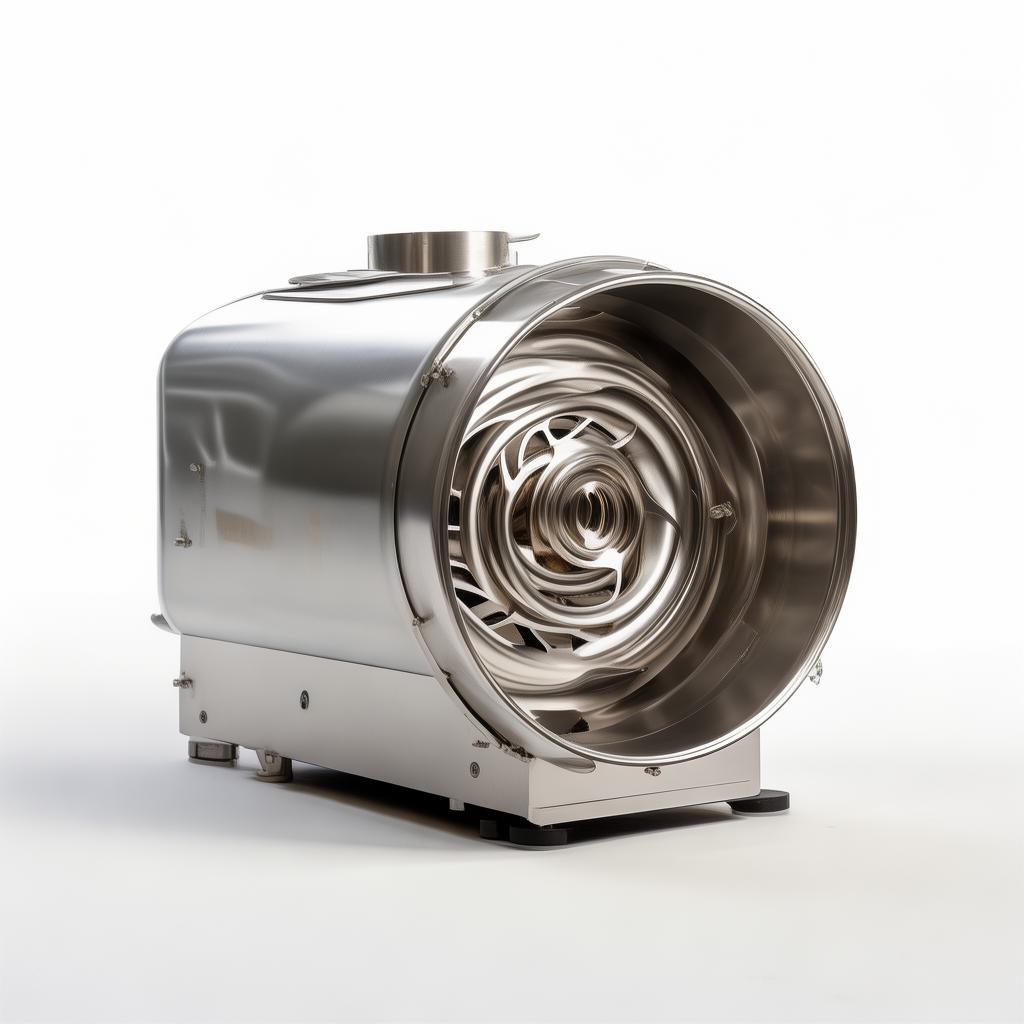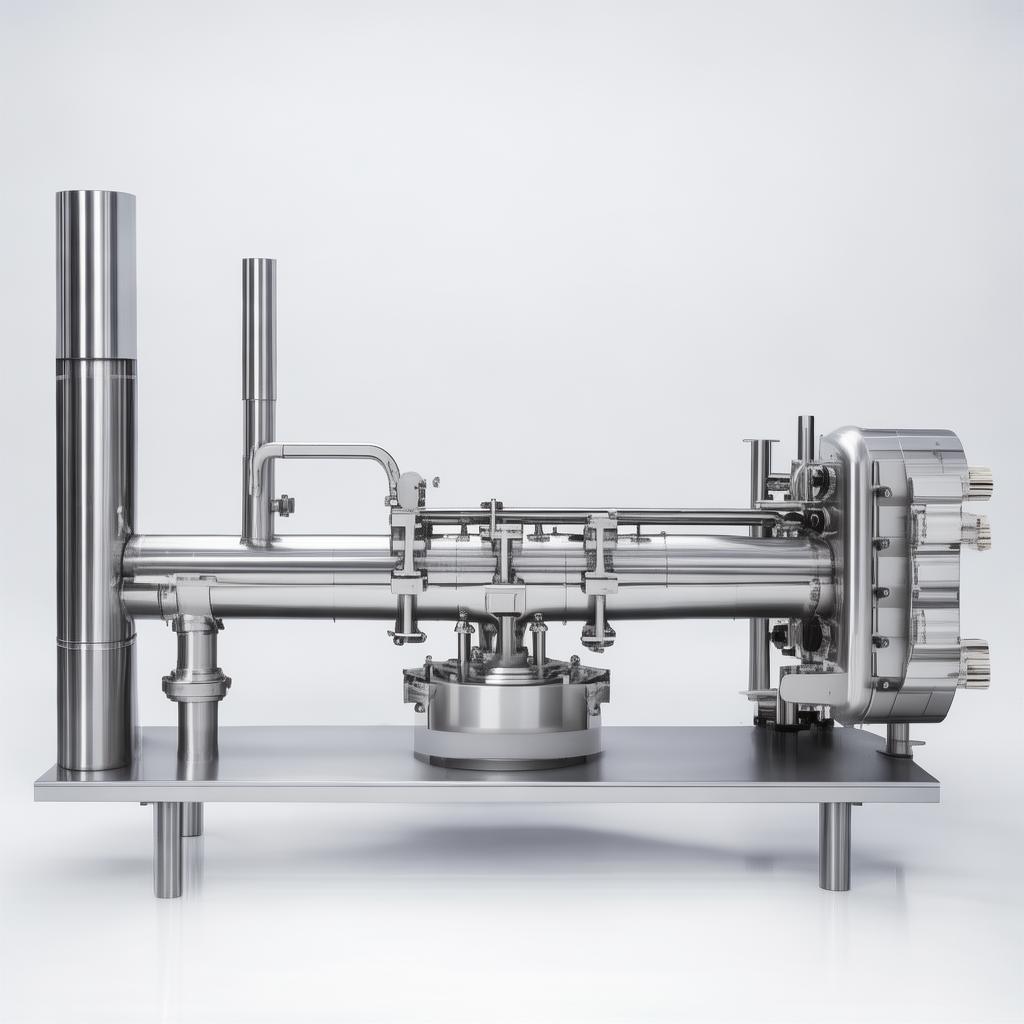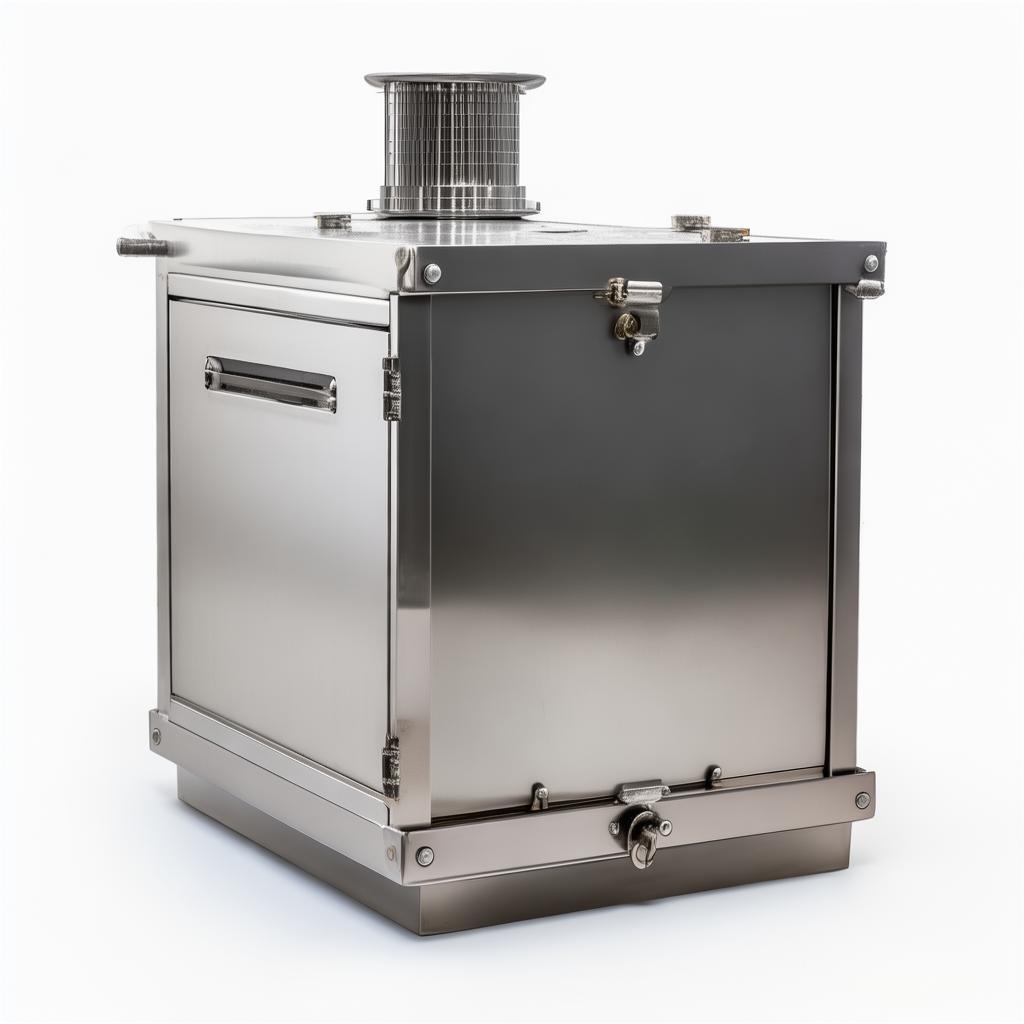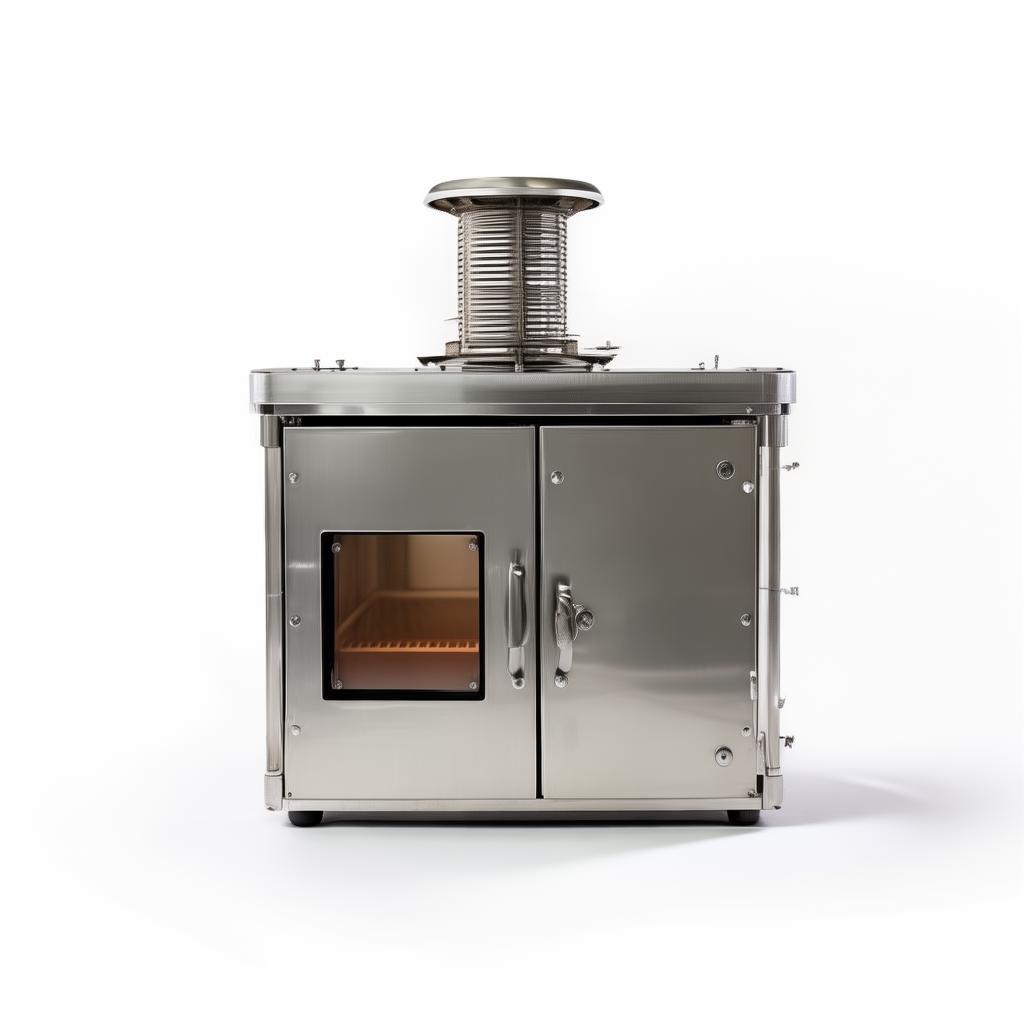
Steaker
Precision Meat Forming and Ripening Equipment: Elevating Your Processing Line
denester rotosolver combo dumper
By Hebei Yuanchang Food Mechanism & Technology Co., Ltd.
Last updated:
Introduction: The Core of Modern Meat Processing
In today's competitive food processing landscape, efficiency, consistency, and product quality are paramount. For businesses involved in creating value-added meat products – from sausages and burgers to formed patties and marinated skewers – the machinery used for shaping and ripening is not just an operational component; it's a strategic asset. The "steaker," a term often used generically for forming or molding equipment, represents a critical junction where raw material transforms into a saleable product. However, understanding the nuances behind effective meat forming and the subsequent ripening processes requires a deeper dive than a simple product category name.
The global meat processing equipment market, valued significantly and projected for continued growth, underscores the industry's investment in sophisticated technology. Reports suggest the market was around USD 11.29 billion in 2025 and is expected to reach USD 17.39 billion by 2034, indicating a robust demand for advanced solutions. This growth is fueled by several converging factors: increasing global consumption of processed meats, a rising demand for convenience and ready-to-eat options, the imperative for stringent food safety and hygiene standards, and the drive for automation to counter labor shortages and enhance operational efficiency. Furthermore, the expansion of the processed meat market itself, projected to exceed USD 1.2 trillion by 2034, creates a direct demand for reliable, high-capacity processing equipment.
At Hebei Yuanchang Food Mechanism & Technology Co., Ltd., we recognize that "steaker" can encompass a range of equipment, but our focus lies on delivering precision machines that excel in both the molding of meat products and facilitating effective ripening. This isn't merely about extruding a shape. It's about understanding the material science of meat, the physics of forming without compromising texture, and the biological processes that occur during ripening. Whether you're a large-scale industrial facility looking to optimize throughput for thousands of units per hour or a specialized producer focusing on premium, artisan products, the right forming and ripening equipment is indispensable. Our 40 years of experience since 1986 have equipped us with an unparalleled understanding of these intricacies. We don't just build machines; we engineer solutions that directly impact your product's quality, your operational costs, and your market competitiveness.
Consider the challenges procurement managers and operations directors face: sourcing equipment that delivers consistent product weight and shape, minimizing material loss, ensuring easy cleaning to meet HACCP and other food safety protocols, and guaranteeing long-term reliability to avoid costly downtime. The equipment must also be adaptable to various meat types, formulations (including binders and extenders), and desired final product characteristics. This is where our expertise in designing and manufacturing high-precision forming and ripening machinery becomes invaluable. We understand that the investment in a "steaker" is an investment in your brand's reputation for quality and consistency. It's about achieving the perfect texture, mouthfeel, and visual appeal that keeps customers coming back. We are dedicated to providing not just machinery, but comprehensive support and deep technical insight to ensure your processing line operates at its peak potential.
For instance, the development of specific meat products like sausages, formed patties, or even pet food requires precise control over fill volume, density, and shape. This control is directly dictated by the forming equipment. Similarly, for products that benefit from curing, tenderization, or flavor development, the ripening process, often facilitated by specialized massaging or tumbling equipment, is crucial. Our "steaker" line, which integrates both forming and optional ripening capabilities, is designed to address these multifaceted needs. The market analysis consistently points to the growing importance of filling, stuffing, and massaging equipment, forming integral parts of the pretreatment and ripening stages. We are positioned to meet this demand with robust, technologically advanced solutions that stand the test of time and rigorous production environments.
Navigating the Complexities of Meat Processing
The journey from raw meat to a perfectly formed and ripened consumer product is fraught with operational hurdles. For purchasing and operations managers, identifying and mitigating these challenges is key to profitability and brand reputation.
- Inconsistent Product Quality: Variations in weight, size, density, and texture can lead to customer dissatisfaction and increased waste. Achieving uniformity across thousands of units requires precision engineering at the forming stage.
- Material Degradation and Waste: Aggressive forming processes can damage meat fibers, leading to a less desirable texture and product breakdown. Minimizing shear and compression is vital.
- Hygiene and Food Safety Compliance: Meat processing environments demand equipment that is easy to clean, minimizes product contact surfaces, and prevents bacterial growth. Non-compliance can result in severe penalties and reputational damage.
- Labor Intensive Processes: Manual forming or handling increases labor costs, introduces variability, and poses ergonomic risks. Automation is no longer a luxury but a necessity.
- Operational Downtime: Equipment failures, especially during peak production, are incredibly costly. Reliability and ease of maintenance are critical procurement considerations.
- Adaptability to Diverse Formulations: Meat products vary widely in fat content, moisture, the addition of binders, spices, and other ingredients. Equipment must be flexible enough to handle these variations without compromising performance.
- Ripening Process Control: For products requiring tenderization, flavor development, or specific textural changes, controlling the ripening environment and mechanical action is crucial for consistent results.
The market reports consistently highlight the demand for equipment that addresses these issues. For instance, filling and molding equipment are critical for sausages and formed products, while massaging equipment enhances ripening and texture, driving growth in the sector. Our machinery is specifically designed to tackle these challenges head-on, offering robust solutions built on decades of practical manufacturing experience.
Our Solution: The Steaker Advantage
Hebei Yuanchang's offering, often referred to as a "steaker" or meat forming machine, goes beyond rudimentary shaping. We provide integrated solutions for meat forming and, where applicable, the subsequent ripening process, ensuring your end product meets the highest standards of quality, consistency, and market appeal. Our machines are engineered to address the operational pain points faced by modern food processors.
Precision Forming: Our forming equipment utilizes advanced molding techniques to create uniform products. This means consistent weight, precise dimensions, and an appealing presentation for every item produced. Whether it's a delicate sausage casing or a firm burger patty, our machines are calibrated for accuracy, minimizing underweight rejects and maximizing product yield. This precision directly translates to better cost control and improved customer satisfaction. Reports indicate that forming machines, grinding, mixing, and slicing equipment are essential for efficient meat processing, and our machines are at the forefront of this demand.
Gentle Material Handling: We understand that meat is a delicate material. Our forming systems are designed to minimize shear stress and compression, preserving the natural texture and integrity of the meat. This leads to a superior mouthfeel and a more appealing final product, crucial for premium offerings. Unlike some older technologies that can mash or degrade the meat, our approach prioritizes the quality of the final product.
Integrated Ripening Solutions: For products that benefit from tenderization, marination, or flavor development post-forming, our integrated systems can incorporate efficient ripening capabilities. This often involves controlled tumbling or massaging processes that gently work ingredients into the meat, break down muscle fibers for tenderness, and ensure even marination. This dual functionality streamlines production, reducing the need for separate equipment and minimizing material transfer risks.
Robust and Hygienic Design: Built with high-quality stainless steel, our machines are designed for the demanding environment of a food processing plant. They are engineered for easy cleaning and disassembly, meeting stringent hygiene standards such as HACCP and GMP. Features like minimal product contact surfaces and smooth, crevice-free designs facilitate rapid and thorough sanitation, reducing the risk of cross-contamination and ensuring food safety.
High Throughput and Efficiency: Our machines are built for industrial-scale production, offering high throughput rates to meet the demands of busy processing lines. By automating forming and ripening, you significantly reduce labor requirements, minimize manual handling errors, and increase overall operational efficiency. This focus on efficiency aligns with market trends driving the adoption of automation for labor shortages and hygiene compliance.
Customization and OEM/ODM Capabilities: We understand that every processing line has unique requirements. We offer OEM/ODM services, allowing for customization of our standard designs to perfectly fit your specific needs, product types, and plant layout. This collaborative approach ensures you receive a machine that is not just a good fit, but the *best* fit for your operation.
Reliability Backed by 40 Years of Experience: With a heritage dating back to 1986, Hebei Yuanchang brings four decades of practical experience and engineering excellence to your processing challenges. Our in-house machining workshop, equipped with advanced CNC centers, allows us to produce high-precision components independently, ensuring the long-term reliability and performance of our machines.
Beyond Basic Molding: Understanding the Technology
The term "steaker" might conjure images of simple presses, but the reality of precision meat forming and ripening involves sophisticated engineering. Our machines incorporate several key technological advancements to ensure superior performance and product quality.
Molding Mechanism: At the heart of our forming machines is a precision-engineered molding system. This typically involves a combination of a feed mechanism that delivers the meat mixture uniformly and a die or mold plate that defines the product's shape. The key lies in controlling the pressure and flow of the meat mass as it enters and exits the mold. Our designs focus on:
- Volumetric Feeding: Ensuring a consistent volume of meat mixture is delivered to the mold for each cycle, guaranteeing uniform product weight.
- Controlled Compression: Applying just enough pressure to form a cohesive product without squeezing out moisture or damaging the protein structure. This is crucial for texture.
- Interchangeable Molds: Allowing for quick and easy changes between different product shapes and sizes, enhancing operational flexibility.
Ripening/Massaging Technology (Optional Integration): For integrated solutions, the ripening component is equally critical. This often involves a rotating drum or tumbling chamber where the meat mixture can be subjected to controlled mechanical action. This action serves multiple purposes:
- Tenderization: Gentle tumbling can help to break down muscle fibers, improving tenderness without excessive mixing or maceration.
- Marination and Curing: The tumbling action ensures that marinades, curing agents, and spices are evenly distributed throughout the meat mass, leading to consistent flavor and preservation.
- Binding and Cohesion: For products that rely on natural binding properties, controlled tumbling can encourage protein activation and improve the overall cohesion of the formed product.
- Temperature Control: Some advanced ripening processes require precise temperature management to optimize enzymatic activity or fermentation. Our systems can be designed with this in mind.
Market analysis confirms that massaging and tumbling (for ripening/tenderizing) are key segments in the meat processing equipment market. Our ability to integrate these functions with forming addresses a critical need for streamlined production lines that deliver consistently high-quality products. This integration minimizes handling steps, thereby reducing the risk of contamination and improving overall efficiency.
Drive Systems and Controls: Our machines are equipped with reliable electric motors and robust control systems. Variable frequency drives (VFDs) allow for precise adjustment of speed for both forming and tumbling, enabling fine-tuning for different product types and desired outcomes. Intuitive human-machine interfaces (HMIs) make operation straightforward and allow for easy recall of preset recipes. This level of control is essential for maintaining the consistency that buyers expect.
Material Science Integration: We consider the interaction of the meat mixture with the machine's materials. Stainless steel grades are carefully selected for food contact surfaces to ensure durability, corrosion resistance, and minimal product adhesion. This attention to detail is vital for both hygiene and operational longevity.
Material Integrity and Longevity
The choice of materials in meat processing equipment is critical for hygiene, durability, and product quality. At Hebei Yuanchang, we exclusively use high-grade stainless steel for all food-contact surfaces and primary structural components of our "steaker" machines. This commitment to material excellence ensures our equipment meets the stringent demands of the food industry.
Why Stainless Steel?
- Corrosion Resistance: Food processing environments often involve salt, acids, and frequent washdowns with cleaning agents. Stainless steel offers superior resistance to corrosion and staining compared to carbon steel or other metals, preventing rust and degradation that could compromise hygiene and equipment lifespan.
- Hygiene and Ease of Cleaning: The non-porous surface of polished stainless steel is inherently resistant to bacterial adhesion and growth. It can withstand aggressive cleaning and sanitization protocols without damage, making it the industry standard for food safety compliance.
- Durability and Strength: Stainless steel provides excellent structural integrity, capable of withstanding the operational stresses and high-volume throughput expected in industrial settings. It resists deformation and wear, ensuring the precision of forming components over time.
- Thermal Stability: It maintains its properties across a range of operating temperatures, important for processes involving chilling or warming.
Our Material Standards:
- Food-Grade Stainless Steel: We utilize grades such as 304 and, where enhanced corrosion resistance is required, 316 stainless steel for critical components.
- Precision Machining: Our in-house machining capabilities, including Japanese Mazak CNC centers, allow us to craft components with tight tolerances. This is particularly important for the forming dies and internal parts of the molding mechanism, where precision directly impacts product consistency and minimizes material leakage.
- Surface Finish: We pay close attention to the surface finish of food-contact parts. Smoother finishes reduce product adhesion, facilitate cleaning, and improve overall hygiene.
By prioritizing high-quality materials and precision manufacturing, we ensure that our "steaker" machines are not only effective but also safe, durable, and easy to maintain. This focus on material integrity is a key differentiator and a cornerstone of our commitment to providing reliable processing equipment. It's an investment that pays dividends in reduced maintenance, longer equipment life, and assured compliance with food safety regulations.
Versatile Applications Across Protein Sectors
Our meat forming and ripening equipment, often broadly termed "steakers," is engineered for versatility, catering to a wide array of protein processing needs across different industries and product types. The robust design and precise control systems allow them to handle diverse formulations and shapes with consistent results.
Primary Applications:
- Sausage Production: Whether for fresh, cooked, or cured sausages, our forming equipment can accurately fill casings or create formed sausage links, ensuring uniform size and weight. Integrated ripening can aid in uniform curing and flavor development.
- Patty and Burger Formation: Produce consistent beef, pork, chicken, or plant-based patties with precise thickness and diameter. Our machines minimize product breakdown, ensuring a tender and appealing texture in the final product.
- Meatball and Nugget Production: Form perfectly shaped and sized meatballs, croquettes, and bite-sized nuggets. The controlled forming process helps maintain product integrity and prevent crumbling.
- Pet Food Processing: Our equipment is also adept at forming moist pet food items, ensuring consistent portioning and shape for both kibble toppers and entirely formed treats. This area is seeing significant growth, driving demand for reliable molding equipment.
- Specialty Meat Products: Ideal for forming products like cutlets, tenderloins, or skewers, especially after marination or tenderization steps where controlled shaping is required.
Adaptability to Different Raw Materials:
- Poultry: Handling finely ground chicken or turkey for patties and nuggets.
- Beef and Pork: Forming burgers, sausages, and other products from various cuts and fat percentages.
- Lamb and Game Meats: Processing specialty meats for niche markets.
- Reconstituted and Plant-Based Products: Our forming capabilities extend to plant-based alternatives and reconstituted meat products, where precise molding is crucial for texture and appearance. The reconstituted meat market is a rapidly growing sector heavily reliant on molding technology.
Role in Ripening and Curing:
When integrated with ripening capabilities, our machines play a crucial role in:
- Uniform Curing: Ensuring curing agents penetrate evenly for consistent color and preservation.
- Tenderization Processes: Developing a more tender product for consumer enjoyment.
- Flavor Enhancement: Allowing marinades and spices to meld and develop richer flavors.
The broad applicability of our equipment means it can serve a wide range of clients, from large-scale processors in markets like North America, which show strong demand for filling and ripening processes, to smaller, specialized producers seeking to enhance their product offerings. Reports consistently mention filling, tenderizing, and massaging equipment as vital components for pretreatment and ripening across pork, beef, and poultry processing.
Operational Considerations: Installation & Maintenance
Investing in high-quality processing equipment is only part of the equation. Ensuring smooth installation, effective operation, and efficient maintenance is crucial for maximizing your return on investment. At Hebei Yuanchang, we provide equipment designed with these operational realities in mind.
Installation Insights:
- Space Requirements: Our forming and ripening machines are designed to be relatively compact for their output capacity. However, it’s important to consider access for loading raw materials, unloading finished products, and thorough cleaning. Adequate ventilation is also recommended.
- Power and Utilities: Standard electrical hookups are typically required, with specific voltage and phase requirements detailed in the machine's technical specifications. For integrated ripening units, consider any specific environmental controls if applicable.
- Integration with Existing Lines: Our machines can often be seamlessly integrated into existing production lines. We can provide guidance on conveyor integration, upstream raw material feeding, and downstream packaging or freezing solutions.
- Initial Setup and Calibration: While our machines are designed for straightforward operation, initial setup may involve calibrating mold settings, forming pressures, and ripening speeds. Our technical team is available to provide support during this phase.
Routine Maintenance for Longevity:
Proactive maintenance is key to preventing breakdowns and ensuring consistent performance. We recommend the following:
- Daily Cleaning: Thoroughly wash and sanitize all food-contact surfaces after each production run. Pay close attention to the molding plates, feed mechanisms, and any internal components. Use food-grade cleaning agents and ensure all residues are rinsed away.
- Lubrication: Moving parts, such as bearings and drive chains, require periodic lubrication with food-grade lubricants. Consult the machine's manual for recommended lubrication points and intervals.
- Inspection of Wear Parts: Regularly check components like seals, gaskets, and mold edges for signs of wear or damage. Prompt replacement of worn parts prevents more significant issues and maintains product quality.
- Drive System Checks: Periodically inspect belts, chains, and gearboxes for proper tension and wear.
- Electrical System Checks: Ensure connections are secure and that the control panel is functioning correctly.
After-Sales Support:
Our commitment extends beyond delivery. With our traceable after-sales management system and in-house machining capabilities, we can independently produce high-precision replacement parts. This ensures minimal downtime and supports the long-term operational efficiency of your equipment. We understand that reliable spare parts and timely technical support are critical for uninterrupted production, and we are dedicated to providing this peace of mind.
Practical Warning: Never attempt maintenance or cleaning while the machine is powered on. Always follow lockout/tagout procedures to ensure worker safety.
Procurement: Partnering for Success
Selecting the right meat forming and ripening equipment is a significant operational and financial decision. As experienced suppliers, we guide our clients through a procurement process focused on delivering long-term value and operational excellence.
Understanding Your Needs: Key Questions to Ask
- Product Portfolio: What specific meat products will you be producing? (e.g., burgers, sausages, meatballs, pet food). What are the typical formulations (fat content, binders, moisture)?
- Production Volume: What is your target throughput (units per hour/day)? Are you looking for continuous or batch processing capabilities?
- Product Specifications: What are the desired dimensions, weights, and textures of your final products? Consistency is key here.
- Ripening Requirements: Does your product require tenderization, marination, or curing? If so, what level of control over the ripening process is needed?
- Space and Utilities: What is the available footprint in your facility? What are your plant's power and water specifications?
- Hygiene and Safety Standards: What specific certifications or compliance standards (e.g., HACCP, GMP, NSF) must the equipment meet?
- Budget and ROI: What is your capital expenditure budget, and what are your expectations for return on investment in terms of efficiency gains, waste reduction, and quality improvement?
Supplier Evaluation: Beyond the Price Tag
When evaluating potential suppliers for equipment like a "steaker," consider these critical factors:
- Manufacturing Experience and Expertise: How long has the company been manufacturing food processing equipment? Do they have a deep understanding of meat science and processing challenges? (We've been doing this since 1986).
- Quality of Materials and Construction: Are they using high-grade stainless steel? Is the craftsmanship evident in the welds, finishes, and component precision?
- Technical Capabilities: Do they have in-house design and machining capabilities for producing high-precision parts and offering customization? (Our 20+ sets of machinery and CNC centers ensure this).
- After-Sales Support and Spare Parts Availability: What is their policy for spare parts and technical assistance? Can they provide support remotely or on-site? A traceable after-sales system is vital.
- Certifications and Compliance: Does the equipment meet relevant international standards for safety and hygiene?
- Client Testimonials and References: What do existing customers say about the reliability, performance, and support provided?
The Hebei Yuanchang Advantage in Procurement:
We believe in transparency and partnership. By understanding your specific operational needs, we can recommend the most suitable forming and ripening solutions. Our 40 years of experience mean we've encountered and solved a vast range of processing challenges. Our integrated approach, from design and precision machining to sales and after-sales support, ensures you receive not just a machine, but a reliable operational asset.
Procurement Tip: Always request detailed specifications, maintenance manuals, and warranty information *before* finalizing a purchase. Understanding the total cost of ownership, including maintenance and spare parts, is crucial.
The growing demand for processed and convenience meats necessitates efficient and reliable forming equipment, making informed procurement decisions more critical than ever. Partner with a supplier who offers proven expertise and comprehensive support.
Why Hebei Yuanchang? Our Manufacturing Prowess
At Hebei Yuanchang Food Mechanism & Technology Co., Ltd., our 40 years of experience since 1986 are deeply rooted in our robust in-house manufacturing capabilities. We don't just assemble; we engineer and produce, ensuring the highest standards of quality and precision for every piece of equipment we deliver, including our advanced meat forming and ripening machines.
State-of-the-Art Machining Workshop:
Our facility boasts a comprehensive machining workshop equipped with over 20 sets of advanced processing machinery. This includes:
- Lathes and Milling Machines: For precise shaping and finishing of components.
- High-Precision Grinding Machines: Essential for achieving the tight tolerances required for molding plates and other critical forming parts.
- Boring Machines: For accurate internal machining of complex parts.
- Plate Shears and Bending Machines: For fabricating structural components and casings from stainless steel.
- Wire Cutting Equipment: For intricate cuts and high-precision profiles.
Japanese Mazak CNC Machining Centers:
A significant investment in 2012 brought 8 sets of Japanese Mazak CNC machining centers into our operations. This pivotal upgrade enables us to:
- Undertake High-Standard Component Production: We can now manufacture components requiring extreme precision, complex geometries, and non-standard specifications.
- Handle Large Volumes: Our CNC capabilities allow for efficient production of multiple identical high-precision parts.
- Ensure Unwavering Accuracy: CNC technology guarantees repeatability and accuracy far beyond manual machining, critical for the consistent performance of forming molds and mechanical parts.
Integrated R&D, Production, and Sales:
Our operational model integrates Research & Development, Production, and Sales. This synergy means:
- Innovation Driven by Practicality: Our R&D is informed by real-world manufacturing challenges and customer feedback, leading to practical, effective equipment designs.
- Quality Control at Every Stage: From raw material inspection to final assembly and testing, quality is paramount. Our machining capabilities allow us to control the precision of critical components internally.
- Agility and Customization: Our in-house capabilities allow us to be agile in responding to customer requests for modifications and custom OEM/ODM solutions.
Traceable After-Sales Management:
The ability to independently produce high-precision parts is central to our traceable after-sales management system. This means we can quickly provide replacement parts, ensuring minimal downtime for our clients, a crucial factor in the fast-paced food processing industry. This self-sufficiency in component manufacturing gives our clients unparalleled peace of mind regarding long-term support.
Our facility, covering approximately 14,000 square meters and employing 80-100 dedicated professionals, is a testament to our commitment to excellence in food processing machinery manufacturing. We are not just suppliers; we are your manufacturing partners.
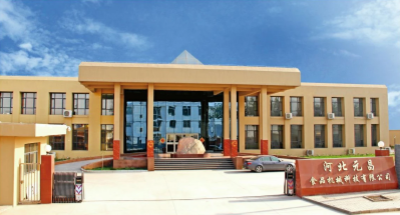
Our advanced manufacturing facility in Shijiazhuang, China.
Commitment to Quality and Safety
Adherence to international standards is not just a compliance requirement; it's a foundational aspect of building trust and ensuring the safety and efficacy of our food processing equipment. Hebei Yuanchang Food Mechanism & Technology Co., Ltd. is dedicated to meeting and exceeding these critical benchmarks.
While specific certifications can vary based on the exact product and target market, our manufacturing processes and equipment are designed with key global standards in mind. We are proud to comply with and, where applicable, hold certifications that demonstrate our commitment:
- ISO 9001 (Quality Management System): Our operations are guided by the principles of ISO 9001, ensuring consistent quality in design, production, and customer service. This systematic approach guarantees that our processes are well-defined, controlled, and continuously improved.
- CE Marking (European Conformity): For equipment destined for the European market, our products comply with essential health, safety, and environmental protection requirements, allowing for free movement within the European Economic Area.
- Food Safety Standards (e.g., HACCP, GMP): Our equipment is designed and manufactured to facilitate compliance with Hazard Analysis and Critical Control Points (HACCP) and Good Manufacturing Practices (GMP). This includes using food-grade materials, ensuring easy cleanability, and minimizing potential contamination points.
- RoHS Compliance (Restriction of Hazardous Substances): For relevant electronic components and materials, we ensure compliance with RoHS directives, restricting the use of certain hazardous materials.
Demonstrating Trustworthiness:
Our commitment to quality is physically represented in our factory. The precision of our CNC machines, the quality of the stainless steel we use, and the rigorous testing of our finished products all contribute to building trust with our international clientele. We understand that for businesses importing machinery, assurance of quality and safety is paramount. Therefore, we are transparent about our manufacturing processes and materials.
Examples of Certifications We Align With:

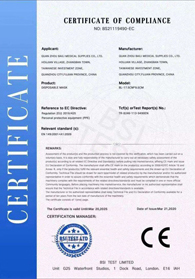


*Note: Specific certifications may apply to individual product models and target markets. Please inquire for details relevant to your specific needs.
By partnering with Hebei Yuanchang, you are engaging with a manufacturer that prioritizes not only performance and efficiency but also the highest levels of safety, quality, and regulatory compliance.
What Our Clients Say
Hearing directly from our clients provides the best insight into the real-world performance and value of our meat processing equipment. We are proud of the long-term relationships we've built based on reliability, efficiency, and exceptional customer support.

Production Manager, Premium Meats Inc. (USA)
"We integrated Hebei Yuanchang's forming machine into our burger line about two years ago. The consistency in weight and shape has been remarkable. Before, we had issues with variability, leading to waste and customer complaints. Now, every burger is uniform. The machine is robust, easy to clean, and the after-sales support for spare parts has been prompt and efficient. It was a sound investment that significantly improved our product quality and operational efficiency."

Operations Director, Golden Harvest Foods (Singapore)
"Our primary need was for efficient sausage filling and forming. Hebei Yuanchang's equipment delivered beyond expectations. The precision in portion control is excellent, and the machine's ability to handle different meat mixtures with varying fat content has been crucial for our diverse product range. We also appreciated their willingness to customize certain aspects to fit our existing setup. Their technical team was very helpful during the installation and initial runs."

Factory Manager, Alpine Delights GmbH (Germany)
"We were looking for a reliable solution for forming meat snacks and decided to work with Hebei Yuanchang. The forming accuracy is top-notch, and the machine has proven very durable in our high-volume production environment. Cleaning is straightforward, which is a major plus in our industry. The communication and support from their export team were professional and responsive, making the international purchase process smooth."

Procurement Specialist, Global Pet Foods Co. (Canada)
"We needed a forming machine specifically for moist pet food treats. Hebei Yuanchang's adaptable 'steaker' technology was perfect. It handles our wet formulations well, producing consistently shaped and sized treats that our customers' pets love. Their OEM service allowed us to tailor some aspects of the machine, which was invaluable. Their expertise in forming applications is evident."

Plant Manager, Argentinian Beef Processors (Argentina)
"The ability to precisely form beef patties is critical for our export market. Hebei Yuanchang's machine provides the accuracy we need, reducing giveaway and ensuring product appearance meets international standards. The construction quality is excellent, and it has held up well under continuous operation. We also value their quick response when we needed a specific replacement part for their ripening attachment."
Frequently Asked Questions
- Q: What is the typical lead time for a meat forming machine?
- A: Lead times can vary based on customization and current production schedules. Typically, it ranges from 6 to 12 weeks from order confirmation to shipment. We recommend contacting us directly for the most accurate estimate for your specific order.
- Q: Can your forming machines handle different meat types and formulations?
- A: Yes, our machines are designed for versatility. They can handle various meat types (beef, pork, poultry, lamb, etc.) and formulations, including those with different fat percentages, binders, spices, and moisture levels. Fine-tuning of settings may be required for optimal performance with specific mixtures.
- Q: What kind of power supply do these machines require?
- A: Standard industrial power requirements apply. Typically, our machines operate on 380V/50Hz/3Phase, but this can be customized to meet the electrical standards of your region. Please specify your voltage requirements when inquiring.
- Q: How easy is it to change molds for different product shapes?
- A: Our machines are designed for quick and easy mold changes. Most changes can be completed within minutes by a trained operator, significantly reducing downtime between product runs.
- Q: Do you offer installation and training services?
- A: Yes, we provide comprehensive installation support and operator training. This can be conducted on-site by our technicians or remotely, depending on your location and needs. Detailed operational manuals are always included.
- Q: What is the warranty period for your equipment?
- A: We offer a standard warranty period, typically 12 months from the date of commissioning, covering manufacturing defects. Please refer to your specific sales contract for detailed warranty terms.
- Q: How do you ensure the hygiene of the forming and ripening equipment?
- A: Our equipment is constructed from food-grade stainless steel with minimal product contact surfaces and crevice-free designs to facilitate thorough cleaning and prevent bacterial growth. They are built to meet international food safety standards.
- Q: Can these machines be integrated into an automated production line?
- A: Absolutely. Our forming machines are designed to be integrated with upstream and downstream equipment, such as mixers, conveyors, and packaging machines, to create fully automated processing lines.
Ready to Optimize Your Meat Processing Operation?
Discover how Hebei Yuanchang's precision meat forming and ripening equipment can elevate your product quality, boost efficiency, and ensure compliance. We offer tailored solutions built on 40 years of manufacturing excellence.
Hebei Yuanchang Food Mechanism & Technology Co., Ltd.
Shijiazhuang, Hebei Province, China
Phone: +86 15830991513 | Email: ycmeatmech@gmail.com