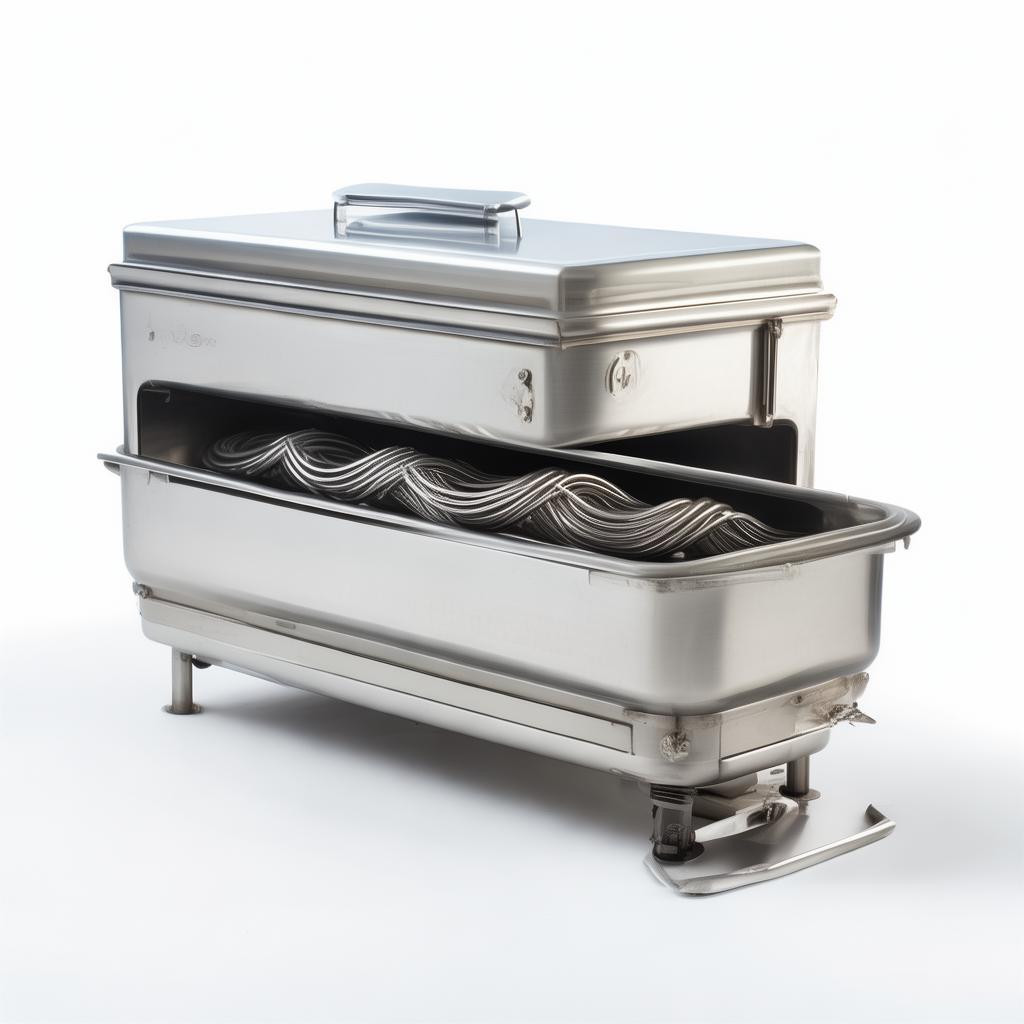
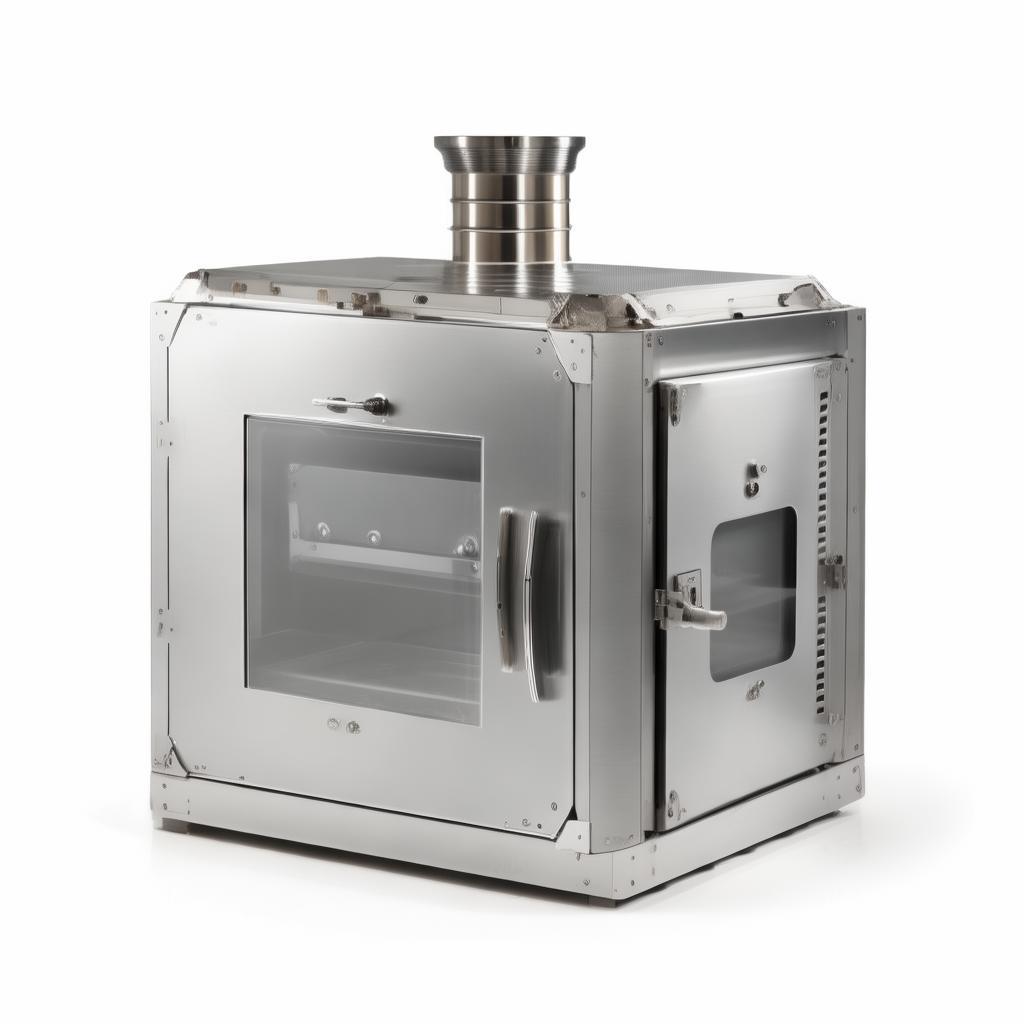
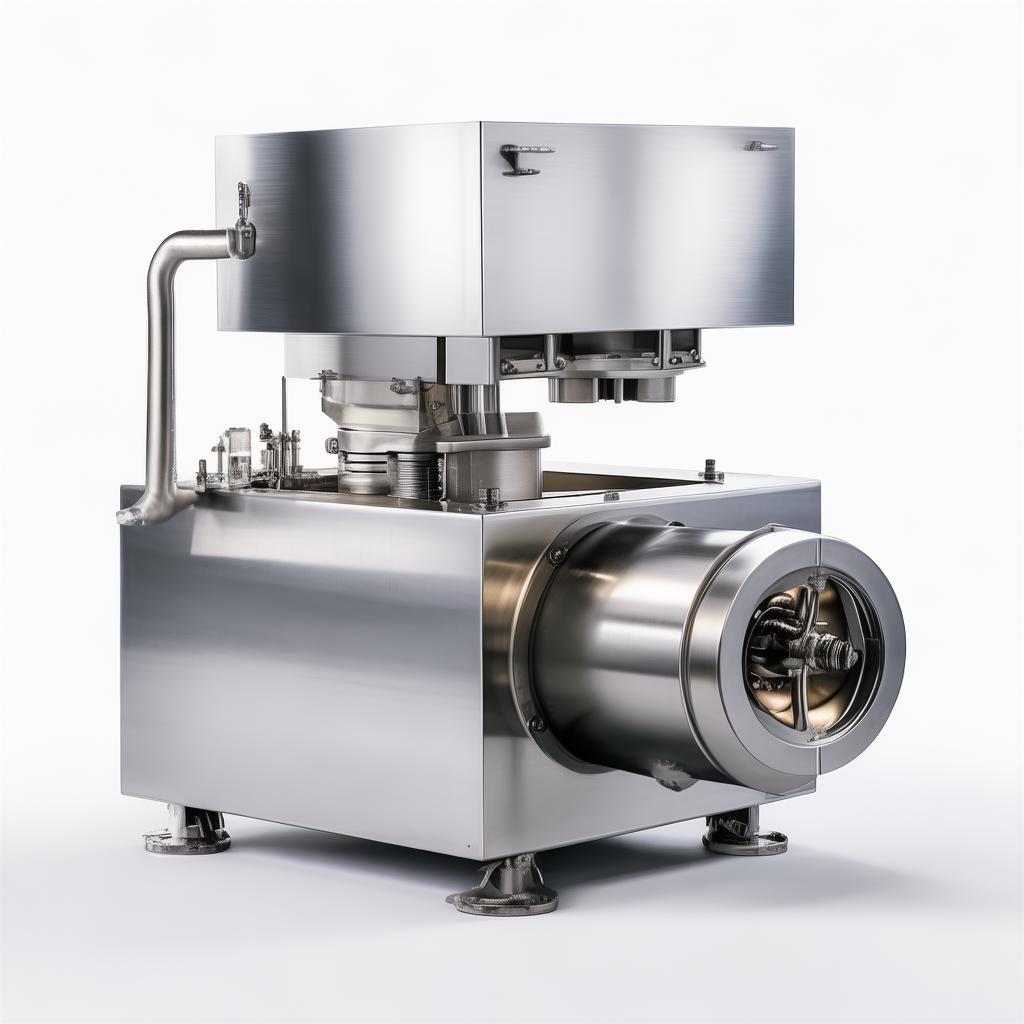
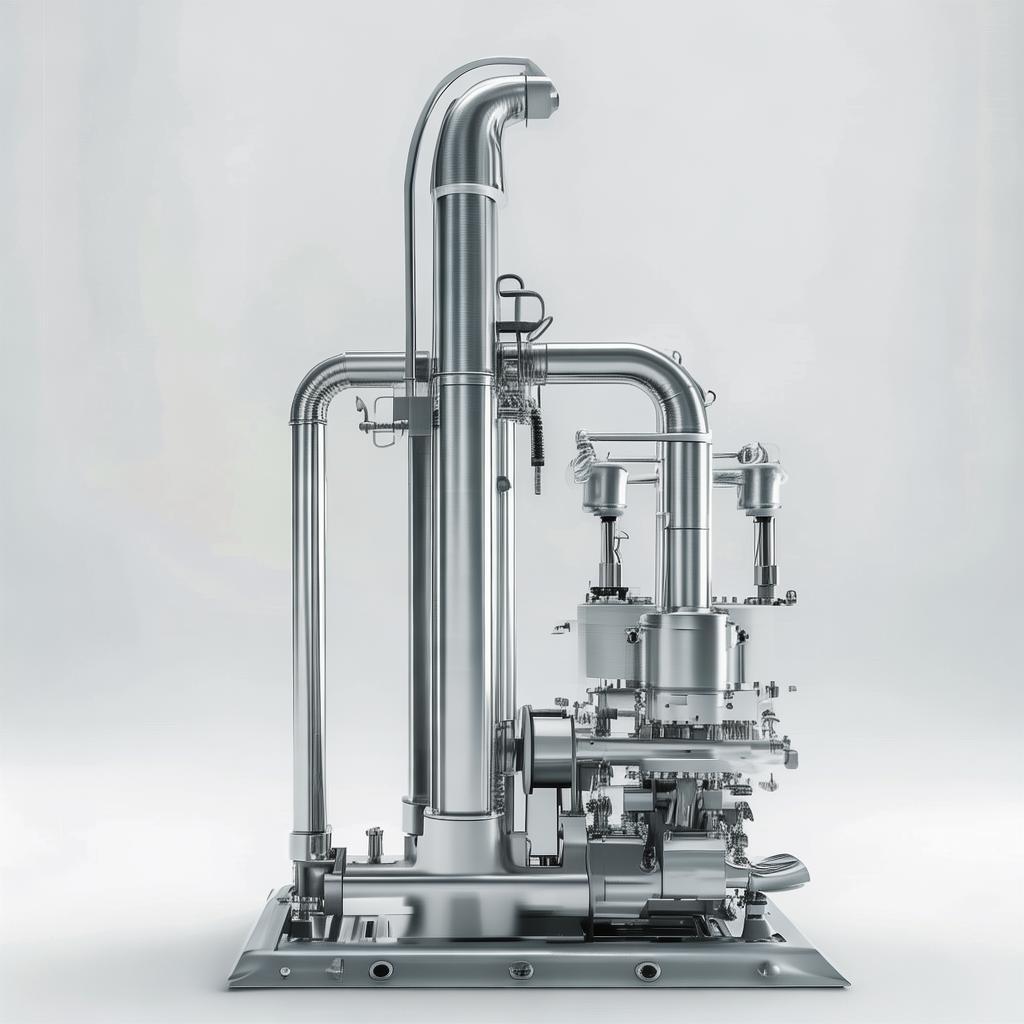
Stainless Meat Mixer
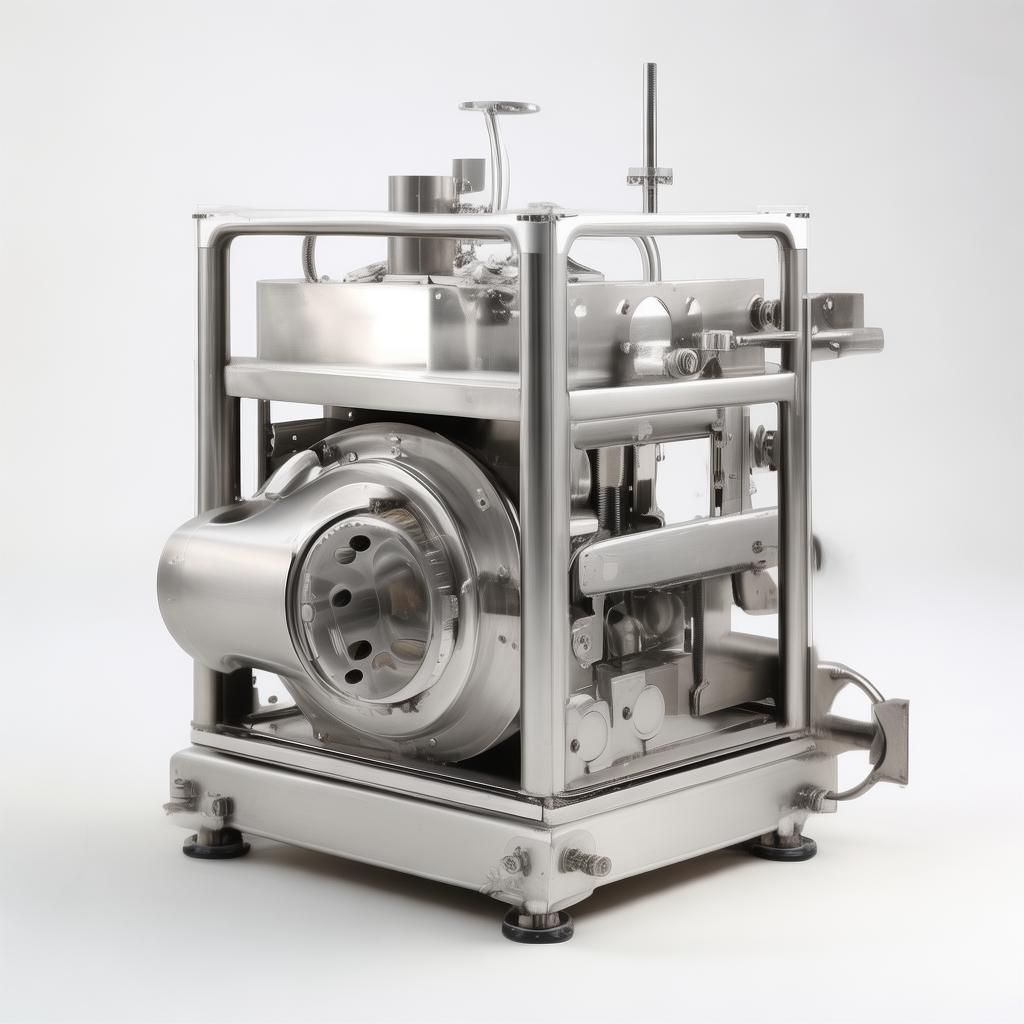
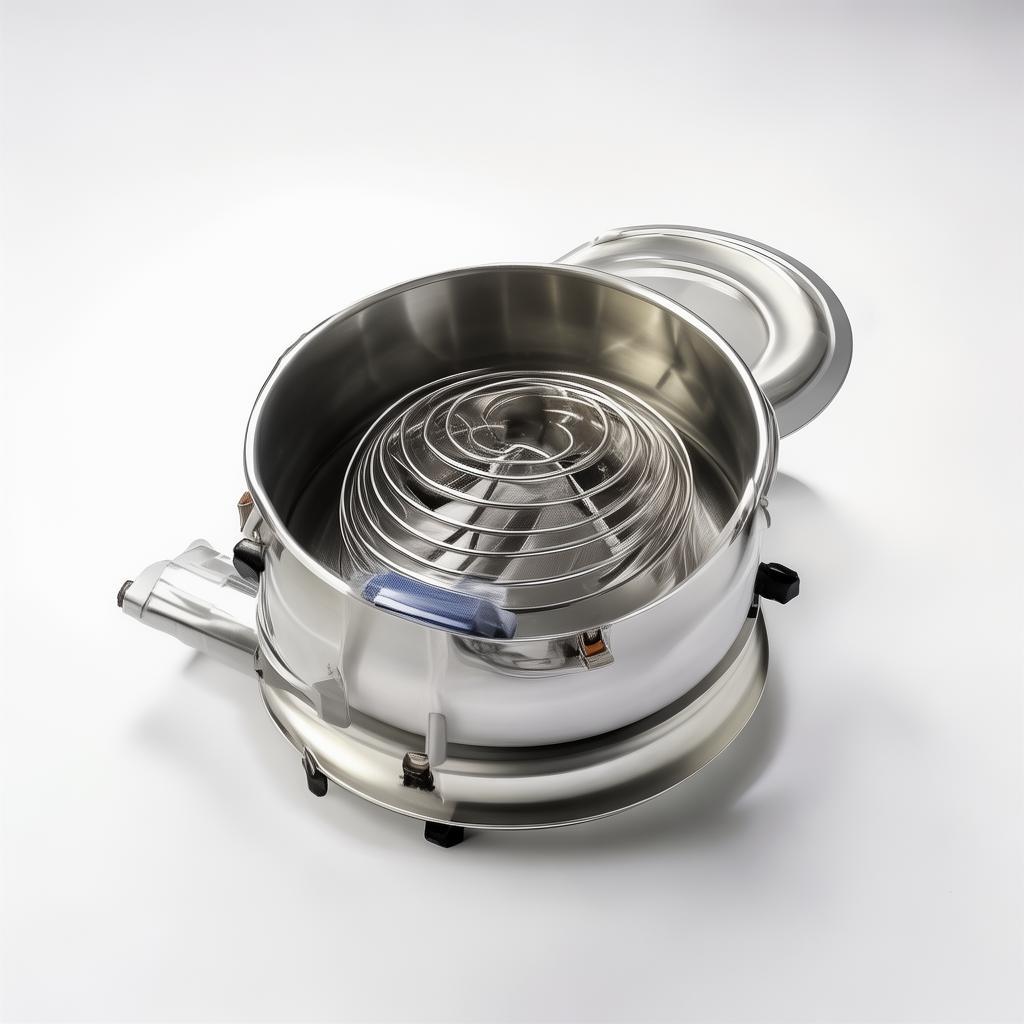
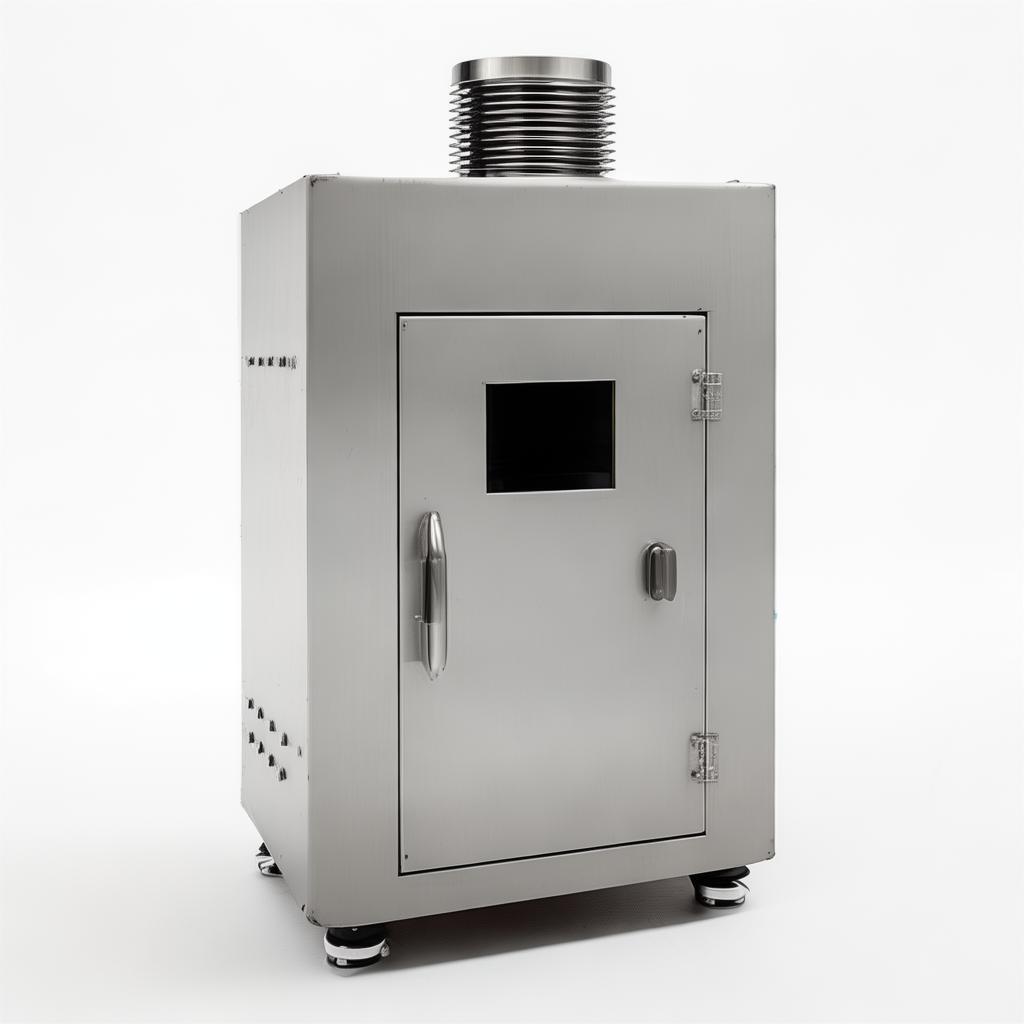
Stainless Steel Meat Mixers: Precision Engineering for Superior Product Quality and Batch Consistency
 By Eng. Anya Sharma, Senior Production Engineer | Hebei Yuanchang Food Mechanism & Technology Co., Ltd.
Updated: October 26, 2023
The Core of Meat Processing: Why Your Mixer Matters
In the demanding world of meat processing, achieving the perfect consistency, texture, and homogeneity for your products isn't just a matter of preference – it's critical for quality, shelf life, and market appeal. At the heart of many successful meat operations lies a robust, reliable meat mixer. This isn't merely a piece of equipment; it's the engine that drives your batch formulation, ensuring that every kilogram of sausage, burger patty, deli meat, or pet food base meets your precise specifications.
The global meat processing equipment market, valued at approximately USD 11.29 billion in 2025 and projected to reach USD 17.39 billion by 2034 (Fortune Business Insights), underscores the significant investment and importance placed on machinery like mixers. This growth is fueled by the ever-increasing consumer demand for processed and convenient meat products, coupled with stringent food safety regulations and the drive for operational efficiencies. A high-quality stainless steel meat mixer is the foundational tool that enables producers to meet these demands consistently.
Choosing the right mixer involves more than just looking at capacity. It's about understanding the intricacies of material flow, blade design, mixing speeds, sanitation protocols, and long-term operational costs. An improperly selected or designed mixer can lead to product variability, increased processing times, higher labor costs, and even compromise food safety. For businesses aiming for export markets or dealing with diverse product lines, the ability of a mixer to handle different formulations – from lean meats to those with higher fat content, or incorporating spices, binders, and water – without degradation is paramount. This is where robust engineering and the right material, specifically high-grade stainless steel, make all the difference.
Our focus at Hebei Yuanchang Food Mechanism & Technology Co., Ltd. has always been on providing solutions that integrate seamlessly into your production workflow, enhancing both product quality and operational profitability. We understand that a mixer is a significant capital investment, and its performance directly impacts your bottom line. This guide is designed to provide you with a comprehensive understanding of what makes a stainless steel meat mixer truly effective, what to look for, and how our expertise, honed over 40 years, can benefit your operation.

Addressing Common Production Challenges in Meat Mixing
Many meat processors grapple with recurring issues that can hamper efficiency and product quality. Identifying these pain points is the first step toward finding effective solutions.
- Inconsistent Product Texture: Batches varying in tenderness, chewiness, or binding quality are a common complaint. This often stems from uneven mixing, which can affect everything from sausage casing fill to burger patty integrity.
- Over-processing or Under-mixing: Striking the right balance is crucial. Over-mixing can lead to protein denaturation and a tough final product, while under-mixing results in poor ingredient distribution and a visually unappealing, inconsistent product.
- Ingredient Distribution Issues: Ensuring spices, binders, fats, and water are perfectly dispersed throughout the meat mass is vital for flavor uniformity and product stability. Poor mixing leaves pockets of unmixed ingredients.
- Sanitation and Cleaning Challenges: Food safety is non-negotiable. Equipment that is difficult to clean thoroughly creates harborage points for bacteria, leading to contamination risks and costly downtime.
- Equipment Durability and Maintenance: Constant wear and tear from heavy loads and rigorous use can lead to frequent breakdowns, expensive repairs, and production line interruptions.
- Capacity vs. Batch Size Mismatch: Operating a mixer that is too large or too small for typical batch sizes leads to inefficiency – either wasted energy and space or the need for too many small, time-consuming batches.
These challenges are precisely what our engineered stainless steel meat mixers are designed to overcome. The global meat processing equipment market's growth, expected to reach USD 19.66 billion by 2033 (Skyquestt), shows a clear trend towards investing in machinery that addresses these operational hurdles effectively.
Unlocking Efficiency: Advantages of Our Stainless Meat Mixers
Our stainless steel meat mixers are engineered with the practicalities of modern food production in mind. They are built not just to mix, but to optimize your entire batch processing operation.
Precision Mixing for Unrivaled Product Quality
The geometry of our mixing paddles and the variable speed control allow for thorough and gentle blending. This ensures even distribution of all ingredients – fats, spices, binders, water, and proteins – resulting in consistent texture, flavor, and color across every batch.
Benefit: Reduced product rejection rates and enhanced customer satisfaction.
Superior Hygiene and Ease of Cleaning
Constructed from high-grade stainless steel (e.g., SUS304), our mixers feature smooth surfaces, rounded corners, and easily detachable components. This design minimizes crevices where bacteria can accumulate, making cleaning and sanitation straightforward and efficient. Compliance with food safety standards is paramount.
Benefit: Lower risk of cross-contamination, faster changeovers between batches, and simplified HACCP implementation.
Robust Construction for Longevity
Built to withstand the rigors of continuous industrial operation, our mixers utilize heavy-duty stainless steel and powerful, reliable drive systems. This ensures a long service life with minimal downtime. We've seen firsthand how proper material selection and build quality translate directly to operational uptime.
Benefit: Reduced total cost of ownership through extended equipment lifespan and fewer costly repairs.
Optimized Throughput and Efficiency
Our mixers are designed for optimal mixing times, reducing cycle durations without compromising quality. Features like efficient paddle engagement and powerful motors contribute to faster processing, allowing you to increase your output per shift.
Benefit: Increased production capacity and improved return on investment from your processing lines.
The demand for automation and efficiency in meat processing is a driving force. Reports indicate the global meat processing equipment market is expanding, with segments like filling and massaging equipment – which rely on consistent pre-mixed ingredients – showing strong growth. Our mixers are integral to this sophisticated production chain.
Detailed Technical Specifications
Understanding the technical details is crucial for procurement managers and engineers. Here’s a breakdown of key specifications you can expect from our range of stainless steel meat mixers. Please note that specific models vary, and we can tailor solutions to your unique requirements.
| Feature / Model | YC-SM100 (Example) | YC-SM300 (Example) | YC-SM1000 (Example) |
|---|---|---|---|
| Capacity (kg/batch) | 100 | 300 | 1000 |
| Bowl Material | SUS304 Stainless Steel | SUS304 Stainless Steel | SUS304 Stainless Steel |
| Mixing Paddle Type | Double Spiral (Z-type) | Double Spiral (Z-type) | Double Spiral (Z-type) |
| Motor Power (kW) | 2.2 | 4.0 | 7.5 |
| Rotation Speed (RPM) | Variable (e.g., 20-60) | Variable (e.g., 20-60) | Variable (e.g., 20-60) |
| Overall Dimensions (mm) | 1200 x 800 x 1100 | 1500 x 1000 x 1300 | 2200 x 1500 x 1600 |
| Discharge Method | Manual Tilt / Automatic Lift | Automatic Lift | Automatic Lift |
| Power Supply | 380V/50Hz/3PH (Customizable) | 380V/50Hz/3PH (Customizable) | 380V/50Hz/3PH (Customizable) |
| Material Contact Surface Finish | Polished (Ra ≤ 0.8µm) | Polished (Ra ≤ 0.8µm) | Polished (Ra ≤ 0.8µm) |
Our in-house machining workshop, equipped with over 20 sets of processing machinery and 8 Japanese Mazak CNC machining centers, allows us to produce high-precision parts that meet stringent standards. This capability ensures that every component of our mixers is manufactured to exacting tolerances.
Versatile Applications Across the Food Industry
While named "meat mixers," these robust machines find applications far beyond just raw meat. Their ability to blend viscous, particulate, and liquid ingredients uniformly makes them indispensable in various food production sectors.
Sausage Manufacturing
Essential for blending ground meat with spices, binders, and curing agents to achieve perfect texture and flavor for fresh, smoked, or cured sausages.
Burger Patties & Meatballs
Ensures uniform distribution of fat, seasonings, and any binding agents for consistent patty formation and product integrity.
Deli Meats & Luncheon Meats
Critical for creating the fine, uniform texture required for sliced deli meats, incorporating emulsifiers and flavorings.
Pet Food Production
Ideal for mixing meat, grains, vitamins, and other ingredients to produce consistent, nutrient-rich pet food formulations.
Fish & Seafood Products
Applicable for blending fish mince with binders, seasonings, and vegetable matter for products like fish cakes and burgers.
Vegetarian & Vegan Alternatives
Excellent for blending plant-based proteins, fats, and flavorings to create consistent meat substitute products.
The demand for processed meat products is a significant market driver, with projections showing a global market size of USD 1,330.45 billion by 2035 (Precedence Research). This vast market relies heavily on efficient and consistent processing, where mixers play a vital role in forming the base for many products.
Stainless Steel vs. Other Materials: The Right Choice for Your Mixer
The material used for your meat mixer directly impacts its performance, longevity, and compliance with food safety standards. Stainless steel, particularly food-grade variants like SUS304, stands out for several compelling reasons.
| Material Feature | Food-Grade Stainless Steel (e.g., SUS304) | Coated Carbon Steel / Painted Steel | Aluminum |
|---|---|---|---|
| Corrosion Resistance | Excellent. Resists rust and pitting from moisture, salt, and acids. | Poor to Moderate. Coatings can chip or wear, exposing the base metal to rust. | Moderate. Can corrode over time, especially with salty or acidic ingredients. |
| Hygiene & Sanitation | Superior. Non-porous, smooth surface is easy to clean and resistant to bacterial adhesion. | Fair. Porous nature and potential for coating damage make sanitation difficult. | Fair. Surface can become porous with wear, harder to sanitize effectively. |
| Durability & Strength | Very High. Withstands heavy loads and repeated use without deformation. | Moderate. Susceptible to dents and structural weakness over time. | Moderate. Lighter but less resistant to heavy impact. |
| Food Safety Compliance | Industry Standard (e.g., FDA, EU norms). | Often problematic due to coating integrity and potential leaching. | Potential for reaction with certain food acids. |
| Maintenance & Lifespan | Low maintenance, long lifespan. | Higher maintenance to prevent rust, shorter lifespan. | Moderate maintenance. |
commercial meat mixer made with meat mixer commercial meat mixers
While initial costs for stainless steel might be higher than some alternatives, the long-term benefits in terms of hygiene, durability, reduced downtime, and compliance far outweigh the investment. It's the standard for a reason, especially for international markets demanding the highest quality.
Our Manufacturing Prowess: A 40-Year Legacy of Excellence
Hebei Yuanchang Food Mechanism & Technology Co., Ltd. isn't just a supplier; we are manufacturers with deep roots in industrial production. Since 1986, we've been dedicated to developing and refining meat processing equipment. Our 40 years of hands-on experience translate directly into the quality and reliability of every machine we produce.

Precision CNC Machining for critical components.

Dedicated assembly and quality control.
Our facility spans approximately 14,000 square meters, housing a team of 80-100 skilled professionals dedicated to R&D, production, and sales. We pride ourselves on our comprehensive production capabilities:
- In-house Machining Workshop: Equipped with over 20 sets of advanced processing machinery, including lathes, milling machines, grinding machines, boring machines, plate shears, bending machines, and wire cutting equipment.
- High-Precision CNC Capabilities: Since 2012, we've invested in 8 sets of Japanese Mazak CNC machining centers. This allows us to produce highly precise, non-standard components in large volumes, ensuring component quality that meets the highest international standards.
- Traceable After-Sales Management: Our commitment extends beyond delivery. Our traceable system ensures we can independently produce high-precision replacement parts, guaranteeing worry-free after-sales service for our global clients.
- Extensive Product Line Expertise: From meat product pretreatment and filling/molding to ripening processes and auxiliary items, we possess end-to-end knowledge. This holistic understanding informs our mixer design.
This integrated approach, from design to fabrication and after-sales support, is what distinguishes us. It's how we ensure the robust performance and reliability our clients expect, year after year. We are committed to being a trusted OEM/ODM partner for businesses worldwide.
Navigating Your Procurement: Key Considerations for Meat Mixers
For purchasing managers and procurement directors, selecting the right industrial equipment involves a thorough due diligence process. When evaluating stainless steel meat mixers, consider these critical factors to ensure optimal value and long-term operational success.
Supplier Reputation and Experience
Look for manufacturers with a proven track record, especially in international trade. Companies with decades of experience, like Hebei Yuanchang (since 1986), often possess invaluable practical knowledge that translates into better-engineered products. Check for references and case studies.
Material Quality and Compliance
Verify that the stainless steel used is food-grade (e.g., SUS304 or higher) and meets relevant international standards. Poor quality steel can corrode, compromise hygiene, and lead to premature equipment failure.
Technical Support and After-Sales Service
Can the supplier provide technical assistance for installation, operation, and maintenance? What is their policy on spare parts availability and delivery times? A responsive after-sales team is crucial for minimizing downtime.
Customization and Scalability
Does the manufacturer offer customization options to fit your specific product formulations or space constraints? Can their solutions scale with your business growth? OEM/ODM capabilities are a strong indicator of flexibility.
Total Cost of Ownership (TCO)
Look beyond the initial purchase price. Consider energy consumption, maintenance costs, expected lifespan, and the cost of downtime. A slightly higher upfront investment in a durable, efficient machine often yields significant savings over time.
Choosing a reliable supplier is as important as choosing the right machine. Our forty years of manufacturing experience and our commitment to quality assurance make us an ideal partner for your procurement needs. We actively support businesses in the USA and English-speaking regions with robust export solutions.
Installation and Maintenance Insights for Optimal Performance
Proper installation and routine maintenance are key to ensuring your stainless steel meat mixer operates reliably, safely, and efficiently for years to come. While our machines are designed for robust performance, neglecting these aspects can lead to premature wear or operational issues.
Installation Considerations:
- Stable Foundation: Ensure the mixer is placed on a level, stable, and sturdy floor capable of supporting its weight, especially when fully loaded. Vibration dampening pads can be beneficial.
- Power Supply: Connect to the correct voltage and phase as specified on the machine's rating plate. Use appropriate cabling and circuit protection to prevent electrical hazards. We offer customizable power options to suit regional grids.
- Clearance: Allow adequate space around the mixer for operation, loading, unloading, and maintenance access. Ensure good ventilation for the motor.
- Ergonomics: Position the mixer considering material flow and operator access for loading and unloading, aiming for an efficient workflow within your processing line.
Routine Maintenance Schedule:
- Daily Cleaning: After each use, thoroughly clean all food-contact surfaces. Disassemble removable parts as per the manual. Use appropriate food-grade detergents and sanitizers. Ensure thorough rinsing and drying to prevent water spots and corrosion.
- Weekly Inspection: Check for any signs of wear on paddles, seals, and the mixing bowl. Inspect the drive system (belts, gears) for proper tension and lubrication.
- Monthly Lubrication: Follow the manufacturer's recommendations for lubricating bearings and other moving parts using food-grade lubricants.
- Annual Servicing: A more in-depth inspection by a qualified technician is recommended annually. This includes checking electrical connections, motor performance, and the overall structural integrity of the machine.
We provide comprehensive user manuals with detailed installation and maintenance guidelines. Our commitment to after-sales support means we're available to answer your questions and provide necessary spare parts to keep your operation running smoothly. Consider this when evaluating potential suppliers; traceable parts and accessible technical support are invaluable.
Commitment to Quality: Certifications and Industry Standards
At Hebei Yuanchang, quality is not just a claim; it's embedded in our manufacturing processes and product design. We understand that for our international clients, adherence to global standards and certifications is paramount for market access and consumer trust.



While specific certifications can vary by product line and export destination, our manufacturing practices are guided by principles that align with international quality management systems. We typically produce equipment that can meet or be adapted for:
- ISO 9001: Our quality management system is structured to ensure consistent product quality and customer satisfaction.
- CE Marking: Many of our machines are designed to comply with European health, safety, and environmental protection standards, allowing for seamless entry into the EU market.
- FDA Compliance: Materials in contact with food are selected to meet FDA requirements for safety and inertness.
- RoHS Compliance: Our electrical components are sourced with RoHS directives in mind, restricting the use of hazardous substances.
- Food Grade Stainless Steel: As detailed earlier, the use of SUS304 and higher grades ensures compliance with stringent hygiene regulations globally.
We work closely with our clients to understand the specific certification requirements for their target markets. Our engineering team can often adapt designs and documentation to meet these diverse needs, reinforcing our role as a reliable international export partner.
Frequently Asked Questions (FAQs)
We understand you may have specific questions about our stainless steel meat mixers. Here are answers to some common inquiries.
A: Lead times can vary depending on the model, customization requirements, and current production schedules. Generally, for standard models, it can range from 30 to 60 days from order confirmation to readiness for shipment. Complex custom orders may require additional time.
A: Our mixers are primarily designed for fresh or partially thawed meat. Mixing large, frozen chunks can place excessive stress on the drive system and paddles. For processing frozen meat, pre-grinding or -cutting into smaller pieces is typically recommended before mixing.
A: Routine maintenance includes daily cleaning, weekly inspections of wear parts and the drive system, and periodic lubrication. We provide detailed manuals that outline the complete maintenance schedule and procedures. Proper maintenance is key to maximizing the equipment's lifespan.
A: Yes, absolutely. We have extensive experience in OEM (Original Equipment Manufacturer) and ODM (Original Design Manufacturer) services. We can customize our existing designs or develop entirely new solutions based on your specific requirements, brand, and market needs.
A: We have significant experience exporting our machinery worldwide. We can arrange for sea freight, air freight, or other requested shipping methods. We ensure secure packaging suitable for long-distance transport and can provide assistance with customs documentation. Container loading optimization is a key focus to reduce shipping costs.
Ready to Enhance Your Meat Processing Efficiency?
Invest in a stainless steel meat mixer from Hebei Yuanchang and experience the difference that quality engineering and decades of expertise can make. Achieve unparalleled consistency, superior hygiene, and robust operational efficiency.
We're here to help you find the perfect mixing solution for your production needs.