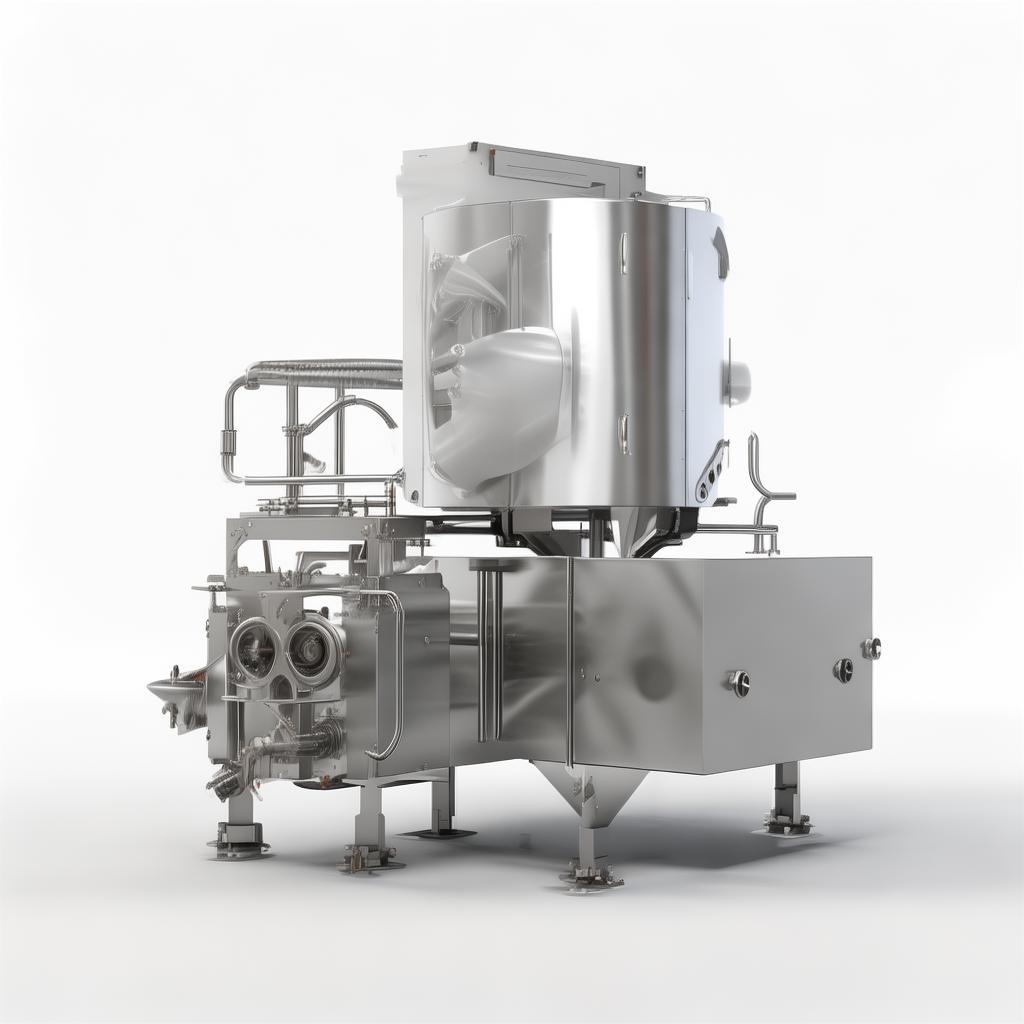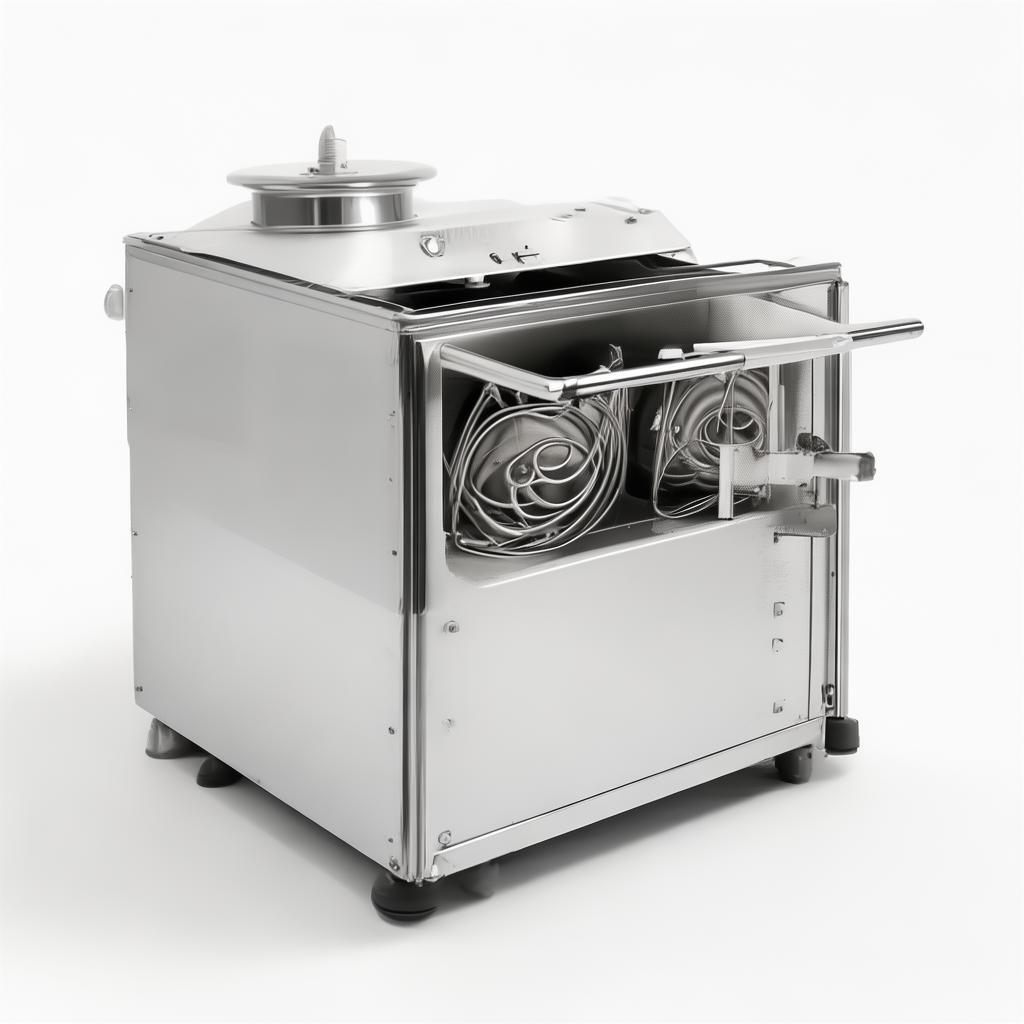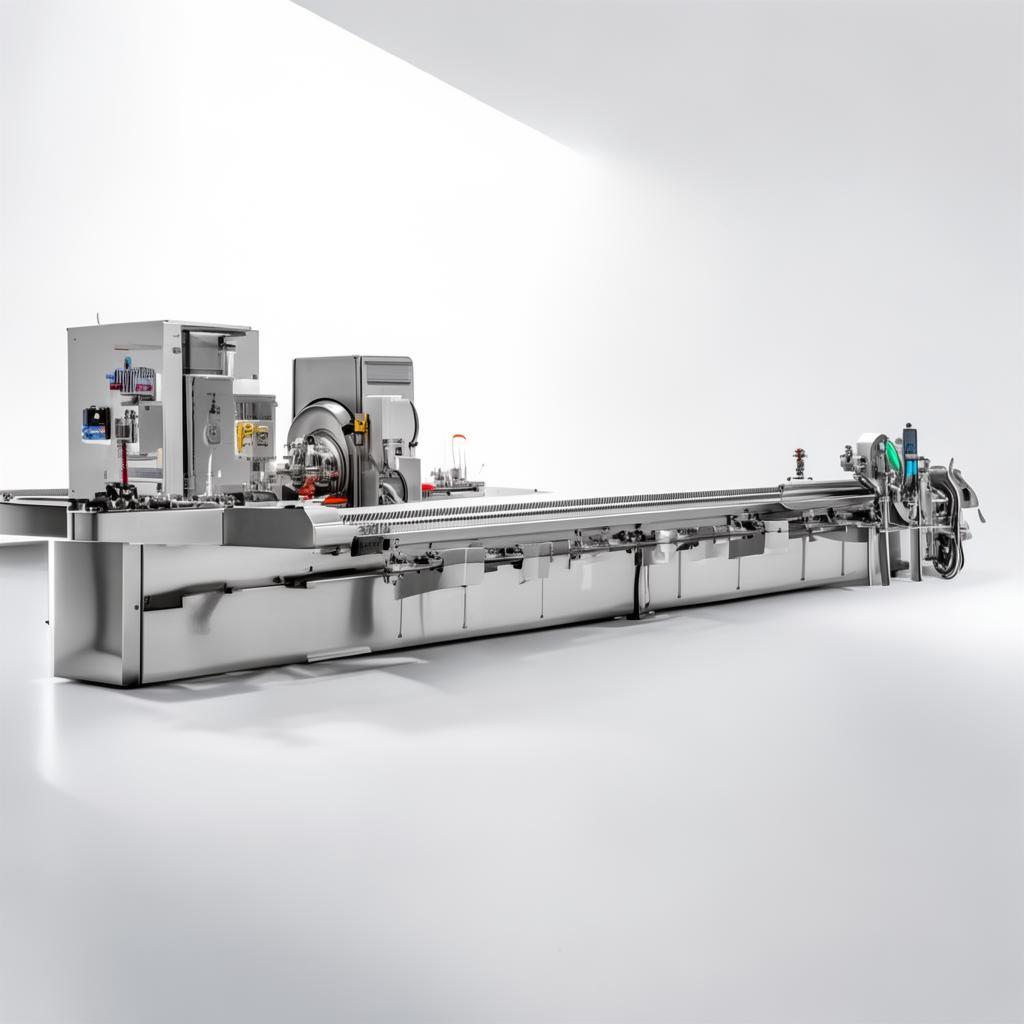
Smokehouses For Sale
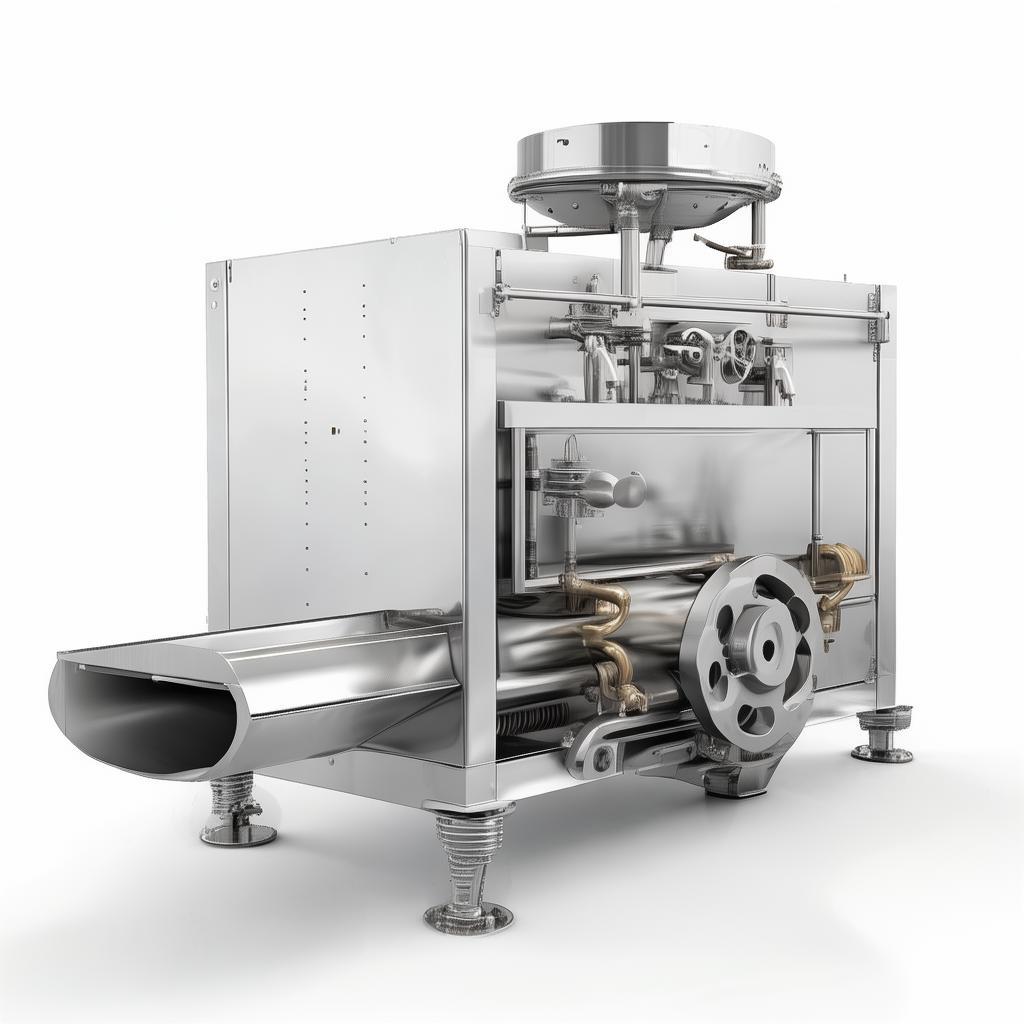
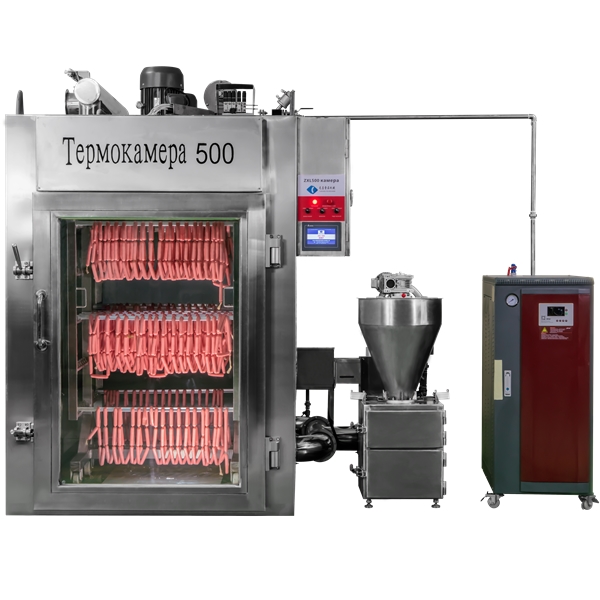
Industrial Smokehouses for Sale: Precision, Performance, and Profitability

By Dr. Anya Sharma, Lead Industrial Engineer
Hebei Yuanchang Food Mechanism & Technology Co., Ltd.
Over 20 years in meat processing equipment design and optimization.
Finding the right commercial smokehouse is more than just acquiring a piece of machinery; it's about investing in a critical component of your food production line that directly impacts product quality, efficiency, and your bottom line. Whether you're expanding your operations, upgrading outdated equipment, or establishing a new venture in the burgeoning processed meat sector, selecting a smokehouse demands a keen understanding of capabilities, materials, and operational demands. This guide delves into what you need to know when looking for smokehouses for sale, from understanding the core technologies to evaluating suppliers and ensuring long-term success.
In this Guide:
- Addressing Key Challenges in Meat Processing
- Why Invest in a High-Quality Smokehouse?
- Understanding Smokehouse Technology
- Types of Smokehouses Available
- Key Technical Specifications to Consider
- Versatile Applications for Modern Smokehouses
- Installation, Maintenance, and Logistics
- Procurement & Supplier Evaluation
- Our Commitment: Factory Strength and Experience
- Buyer FAQs
- What Our Clients Say
- Ready to Enhance Your Processing Line?
Navigating the Challenges in Modern Meat Processing
The global processed meat market, projected to reach over $1.25 trillion by 2034 according to Fortune Business Insights, is booming. Yet, this growth presents its own set of operational hurdles for producers. Achieving consistent product quality – that perfect color, texture, and smoky aroma – batch after batch, is a constant challenge. Many manufacturers grapple with uneven smoking, overcooking, or inadequate product yield due to imprecise temperature and humidity control. Then there's the labor aspect; efficient operations require equipment that minimizes manual intervention and reduces the risk of human error, especially critical given increasing demands for hygiene and food safety compliance.
Furthermore, production bottlenecks can cripple even the most well-planned operation. Slow processing times, equipment downtime, and the sheer complexity of managing smoking, cooking, and cooling cycles add significant overhead. For those involved in international trade, understanding export requirements, ensuring equipment meets diverse regulatory standards (like CE marking for European markets), and managing complex logistics are additional layers of complexity. The procurement process itself can be fraught with risk, from selecting the wrong supplier to facing unexpected lead times or hidden costs. It's a landscape where robust, reliable equipment isn't just an advantage – it's a necessity.
Consider the intricacies of achieving specific product profiles. Producing uniformly smoked sausages, perfectly cured ham, or delicate smoked fish requires a deep understanding of thermal processing and atmospheric control. An inadequate smokehouse can lead to inconsistent outcomes, impacting brand reputation and customer loyalty. The reliance on manual adjustments or older, less precise systems often results in wasted product and increased operational costs. This is where investing in advanced, controllable smokehouse technology becomes paramount.
Market Insight: The global meat processing equipment market is substantial, valued at USD 11.29 billion in 2025 and projected to grow significantly. Key segments include smoking machines, filling & stuffing, and ripening technologies (e.g., massaging), underscoring the importance of specialized equipment for different processing stages. (Fortune Business Insights)
The Strategic Advantages of a Modern Industrial Smokehouse
Investing in a state-of-the-art industrial smokehouse from a reputable manufacturer offers a tangible competitive edge. At its core, it provides unparalleled control over the smoking and cooking process. Advanced systems allow for precise management of temperature, humidity, airflow, and smoke density, ensuring consistent and repeatable results every time. This precision directly translates to improved product quality, from achieving the desired color and aroma to optimizing texture and extending shelf life through effective drying and cooking cycles. This consistency builds brand trust and customer satisfaction.
Beyond quality, modern smokehouses are engineered for operational efficiency and yield maximization. Intelligent process control minimizes the risk of overcooking or uneven smoking, thereby reducing product waste and increasing overall yield. Many units are designed for ease of operation and cleaning, significantly reducing labor costs and improving sanitation protocols. Think about automated cleaning cycles or easy-access components – these small design elements add up to substantial operational savings over time.
For businesses looking to scale, a robust smokehouse is a foundational investment. They are built for high-volume production, capable of handling large batches efficiently. This scalability is crucial for meeting growing market demand, whether for domestic distribution or international export. Furthermore, the right equipment can support a wider range of products, from traditional smoked meats and sausages to innovative, value-added processed items. This versatility allows businesses to adapt to changing consumer preferences and market trends, a critical factor in today's dynamic food industry.
- Enhanced Product Consistency: Achieve repeatable results for color, flavor, and texture.
- Increased Production Yield: Minimize waste through precise process control.
- Improved Operational Efficiency: Reduced labor, faster cycles, and simpler sanitation.
- Greater Product Versatility: Support a diverse range of smoked and cooked meat products.
- Scalability for Growth: Designed to handle increasing production volumes.
Decoding the Technology: How Industrial Smokehouses Work
At its heart, an industrial smokehouse is a sophisticated environmental control chamber designed to impart flavor, color, and preservative qualities to meat products through controlled smoke, heat, and airflow. Unlike simple smokers, these units manage multiple parameters simultaneously. The primary functions involve:
- Smoking: Generating controlled smoke from burning wood chips or sawdust. Modern systems often use specialized smoke generators that allow for precise control over smoke density and flavor profile, rather than relying on direct burning within the chamber. This ensures a cleaner smoke and prevents excessive creosote buildup.
- Cooking: Applying heat (through electric elements, steam, or gas burners) to cook the product to a safe internal temperature. This stage is critical for both food safety and achieving the desired product texture.
- Drying/Dehumidification: Removing moisture from the product surface. This is crucial for achieving a desirable pellicle (a dry surface for smoke adhesion) and for extending shelf life by reducing water activity.
- Baking/Roasting: Some units incorporate functions for dry heat cooking to achieve specific textures or browning.
- Cooling: Rapidly cooling the product after cooking to prevent bacterial growth and set the final texture.
Advanced smokehouses utilize PLC (Programmable Logic Controller) systems with user-friendly interfaces, allowing operators to select pre-programmed recipes or create custom smoking profiles. These systems monitor and adjust temperature, humidity, smoke levels, and air circulation in real-time. This level of automation is what differentiates industrial-grade equipment and ensures batch-to-batch consistency. The precision offered by these systems is a significant upgrade from older, less controlled methods, directly impacting the final product's quality and market appeal.
The engineering behind airflow dynamics is also critical. Proper air circulation ensures that smoke and heat are distributed evenly throughout the chamber, reaching every product surface. This prevents hot spots and uneven cooking, a common problem with less sophisticated designs. For example, multi-fan systems with directed airflow patterns are common in high-end units to ensure uniform processing, even with densely packed product racks.
Market Trend: Automation and advanced control systems are becoming standard. Reports indicate a growing demand for equipment that enhances labor efficiency and hygiene compliance, with PLC-controlled units leading the charge. (Grand View Research)
Choosing the Right Smokehouse Configuration for Your Needs
When looking for smokehouses for sale, you'll encounter several main types, each suited to different operational scales and product types. Understanding these distinctions is key to making an informed purchase:
1. Batch Smokehouses
These are the most common type for small to medium-sized operations. Products are loaded into the chamber, processed through a full smoking/cooking cycle, and then unloaded. They offer versatility but require batch processing, meaning the unit is idle between cycles. Load capacity varies significantly, from a few hundred kilograms to several tons.
2. Continuous Smokehouses
Designed for very high-volume production, continuous smokehouses process products on a conveyor system that moves them through different zones for smoking, cooking, and cooling. They offer higher throughput and more consistent processing but involve a larger initial investment and are less flexible for varied product runs.
3. Cabinet vs. Tunnel Smokehouses
This refers to the physical layout. Cabinet units are typically batch processing and stand-alone. Tunnel units are often continuous flow, resembling a tunnel, where product moves from one end to the other.
4. Integrated Systems
Some manufacturers offer complete integrated lines that include smoking, cooking, chilling, and even drying capabilities within a single, modular system. This can streamline operations significantly but requires a larger footprint and investment.
The choice depends heavily on your production volume, product variety, and available space. For most expanding businesses, a robust industrial batch smokehouse offers the best balance of capacity, flexibility, and cost-effectiveness.
Critical Technical Specifications for Informed Purchasing
When comparing smokehouses for sale, don't get lost in marketing jargon. Focus on these core technical specifications:
| Specification | What to Look For | Why It Matters |
|---|---|---|
| Capacity (kg/batch) | Rated capacity, considering usable vs. stated max. | Ensures it meets your production volume needs without overloading. |
| Material Construction | High-grade stainless steel (e.g., 304, 316) for internal and external surfaces. | Durability, corrosion resistance, ease of cleaning, and compliance with food safety standards. |
| Heating Source | Electric, steam, or gas. Electric is often preferred for precise control. | Availability, energy costs, and precision of temperature regulation. |
| Control System | PLC with touchscreen interface, pre-programmed recipes, data logging. | Reproducibility, ease of operation, process monitoring, and compliance documentation. |
| Smoking System | External smoke generator with adjustable smoke density and type. | Consistent smoke flavor, efficient use of smoking material, and cleaner operation. |
| Air Circulation | Multiple high-capacity fans, adjustable airflow direction. | Uniform heat and smoke distribution for even product processing. |
| Cleaning System | Integrated CIP (Clean-In-Place) system, easy-access components. | Streamlined sanitation, reduced downtime, and improved hygiene. |
| Dimensions & Power Requirements | Specific footprint, door height, voltage, phase, and amperage. | Compatibility with your facility infrastructure and layout. |
commercial smokehouse smokehouse design what is a smoke house
Considering these details upfront saves significant time and prevents costly mistakes during the procurement phase. For instance, a unit rated for 500kg might realistically only handle 400kg efficiently, depending on product size and density. It's always wise to consult with the manufacturer about your specific product types to confirm practical throughput.
Versatile Applications: Beyond Traditional Smoked Meats
While smokehouses are synonymous with traditional smoked sausages, hams, and bacons, their capabilities extend far beyond. Modern industrial units are essential for a wide array of processed meat products and even other food items:
- Sausages: From breakfast links to large cured salamis, achieving the perfect color and smoky flavor is critical.
- Cured Meats: Hams, pork shoulders, and other cured cuts benefit from controlled smoking and cooking for texture and shelf-stability.
- Poultry: Smoked chicken, turkey, and duck products are popular.
- Fish: Salmon, mackerel, and other fish products are expertly smoked in specialized units.
- Ready-to-Eat (RTE) Products: Many convenience meats, from smoked ribs to pulled pork, rely on precise smokehouse processing.
- Snack Meats: Jerky and meat sticks often undergo a smoking and drying cycle.
- Pet Food: Some pet food processing lines utilize smoking for palatability and preservation.
The ability to precisely control the cooking, drying, and smoking phases means these machines are adaptable. For example, achieving a specific pellicle for optimal smoke adhesion in traditional cured products is just as important as the rapid drying cycle required for jerky. The demand for value-added processed meats, often referred to as "reconstituted and formed meat products," is a significant market driver, and smokehouses are key to producing these items with desired sensory attributes. (Future Market Insights)
Even in broader food processing, the principles of controlled thermal treatment and surface modification can be applied, though specific designs vary. The versatility makes a well-chosen smokehouse a strategic asset for any food producer aiming for high-quality, consistent, and appealing products.
Operational Realities: Installation, Maintenance, and Logistics
Acquiring a smokehouse is only part of the equation. Successful integration into your facility requires careful planning regarding installation, ongoing maintenance, and logistical considerations, especially for international orders.
Installation Considerations:
- Space & Access: Ensure adequate floor space, headroom, and clear access for delivery and placement. Consider doorways and internal aisle widths.
- Utilities: Verify that electrical power (voltage, phase, amperage), steam, water, and drainage connections meet the equipment's specifications. Proper ventilation is also critical.
- Foundation: For larger units, a robust and level floor is essential.
- Professional Installation: While some tasks may be DIY, professional installation is often recommended to ensure correct setup and warranty compliance.
Maintenance for Longevity:
- Daily/Weekly Cleaning: Adherence to cleaning schedules is paramount for hygiene and preventing smoke system clogs.
- Regular Inspections: Check seals, fans, heating elements, and control panels for wear and tear.
- Scheduled Servicing: Follow the manufacturer's recommendations for periodic professional servicing, including lubrication and calibration.
- Parts Management: Keep a small stock of critical wear parts (e.g., seals, filters) to minimize downtime.
Logistics & Export:
- Shipping: Industrial smokehouses are bulky and heavy. Understand crating, container loading (e.g., 20ft or 40ft), shipping costs, and typical transit times. Optimizing container space can reduce freight expenses.
- Customs & Documentation: For international buyers, clear understanding of import duties, customs declarations, and required certifications (e.g., CE, FDA compliance depending on market) is essential.
- Packing: Robust export-grade packing is crucial to protect the machinery during transit across continents.
At Hebei Yuanchang, we provide detailed packing lists and can assist with shipping arrangements, ensuring your investment arrives safely and efficiently. Our traceable after-sales management system extends to supporting you through installation and initial setup.
Practical Tip: Always factor in the space for loading/unloading trolleys and personnel access when planning your smokehouse installation. It's easy to underestimate the operational footprint.
Smart Procurement: Evaluating Suppliers and Ensuring Value
Purchasing an industrial smokehouse is a significant capital investment. Beyond price, consider these factors to ensure you're getting true value and a reliable partner:
- Experience & Reputation: Look for manufacturers with a long history (like our 40+ years at Yuanchang) and a proven track record in the food processing industry. Check online reviews, testimonials, and industry affiliations.
- Manufacturing Capabilities: Does the supplier have in-house machining and fabrication? This is crucial for quality control and customization. Our facility boasts over 20 processing machines, including Japanese Mazak CNC centers, allowing us to produce high-precision parts independently.
- After-Sales Support: What kind of warranty is offered? Is technical support readily available? Can they supply spare parts quickly? A traceable after-sales system is invaluable.
- Customization Options: Can they modify standard designs to meet specific needs (e.g., size, features, power supply)? Many international buyers require tailored solutions.
- Certifications & Compliance: Does the equipment meet relevant international standards (e.g., CE for Europe, FDA standards for food contact surfaces)?
- Transparency: A good supplier will be open about materials, lead times, and payment terms. Avoid suppliers who are evasive or push for immediate decisions without full disclosure.
Don't shy away from direct communication. Talking to an engineer or export manager can quickly reveal a supplier's depth of knowledge and willingness to assist. This direct interaction is key to understanding their operational capacity and technical expertise.
Procurement Warning: Beware of drastically lower prices. Often, this indicates compromises in material quality, manufacturing precision, or insufficient after-sales support, leading to higher long-term costs due to downtime and repairs.
Chat Snippet:

Our Foundation: 40 Years of Manufacturing Excellence
At Hebei Yuanchang Food Mechanism & Technology Co., Ltd., our 40 years of experience since 1986 are not just a number; they represent a deep wellspring of practical knowledge and continuous refinement in meat processing equipment. Spanning approximately 14,000 square meters with a dedicated team of 80-100 professionals, we integrate R&D, production, and sales to deliver complete production line solutions, including specialized smokehouses.
Our strength lies in our comprehensive in-house manufacturing capabilities. With over 20 advanced processing machinery units – including lathes, milling machines, and high-precision grinding equipment – we ensure precision at every step. The strategic integration of 8 Japanese Mazak CNC machining centers in 2012 was a pivotal move, enabling us to produce complex, high-tolerance components that meet stringent international standards for large-volume, non-standard specifications. This capability means we control quality from raw material to finished product, reducing reliance on external suppliers and guaranteeing consistency.

This integrated approach, coupled with our traceable after-sales management system, allows us to offer unparalleled reliability and peace of mind to our global clientele. We don't just sell machines; we provide solutions backed by decades of hands-on engineering and manufacturing expertise. Whether you require pretreatment systems, filling and molding equipment, or advanced ripening processes, our knowledge base is extensive. Our commitment is to empower your production with robust, efficient, and high-performing machinery.
Certifications: We adhere to rigorous quality standards. (Example: 
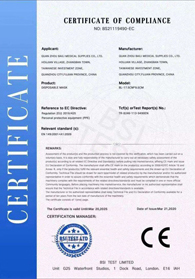 )
)

Frequently Asked Questions for Buyers
Q1: What is the typical lifespan of an industrial smokehouse?
With proper maintenance, a high-quality stainless steel smokehouse from a reputable manufacturer can last 15-20 years or even longer. Regular cleaning, timely replacement of wear parts, and adherence to operational guidelines are crucial.
Q2: How much space do I need for a typical industrial smokehouse?
This varies greatly by capacity. A mid-size batch smokehouse might require a footprint of approximately 3m x 4m, plus additional space for access, trolley movement, and ventilation. Always consult the specific equipment's dimensional drawings.
Q3: What are the power requirements?
Power needs depend on the heating source and fan capacity. Electric units might require single-phase or three-phase power, often ranging from 20kW to 100kW or more for larger industrial models. Steam-heated units typically have lower electrical demands for fans and controls.
Q4: Can I use different types of wood for smoking?
Yes, most modern smoke generators allow for the use of various wood chips or sawdust (hickory, mesquite, applewood, alder, etc.) to impart different flavor profiles. The key is using the correct form and quantity as specified by the smoke generator's manual to ensure optimal smoke quality and prevent system issues.
Q5: What is the lead time for a new smokehouse?
Lead times can vary from 8 to 16 weeks, depending on the complexity of the unit, current production schedules, and customization requirements. It's always best to confirm with the manufacturer.
Trusted by Producers Worldwide: Client Testimonials

Mark Jenkins
Operations Manager, Prime Meats USA
"We upgraded our old smoker to a Yuanchang unit two years ago, and the difference is night and day. The consistency in color and smoke penetration across our entire batch of sausages is something we struggled with before. Their support team was also excellent during installation."

Sofia Rodriguez
Procurement Director, Delicioso Foods Intl.
"For our export market, product consistency and compliance are non-negotiable. Yuanchang's smokehouse met our stringent quality requirements, and their communication throughout the export process was very professional. The machine is robust and performs reliably under heavy use."

Kenji Tanaka
Production Lead, Sakura Provisions
"We operate a specialized facility, and finding a smokehouse that could handle our unique curing and smoking process was challenging. Yuanchang was able to offer a slightly customized solution that integrated perfectly. The control system is intuitive, and the build quality is exceptional."

Ready to Elevate Your Smokehouse Operations?
Don't let outdated or inefficient equipment hold back your production quality and profitability. Invest in a smokehouse built for performance, reliability, and consistency by a trusted global manufacturer.
Contact Hebei Yuanchang Food Mechanism & Technology Co., Ltd. today to discuss your specific needs.
Phone: +86 15830991513 | E-mail: ycmeatmech@gmail.com | Address: Shijiazhuang, Hebei Province, China