Sausage Meat Mixing Process
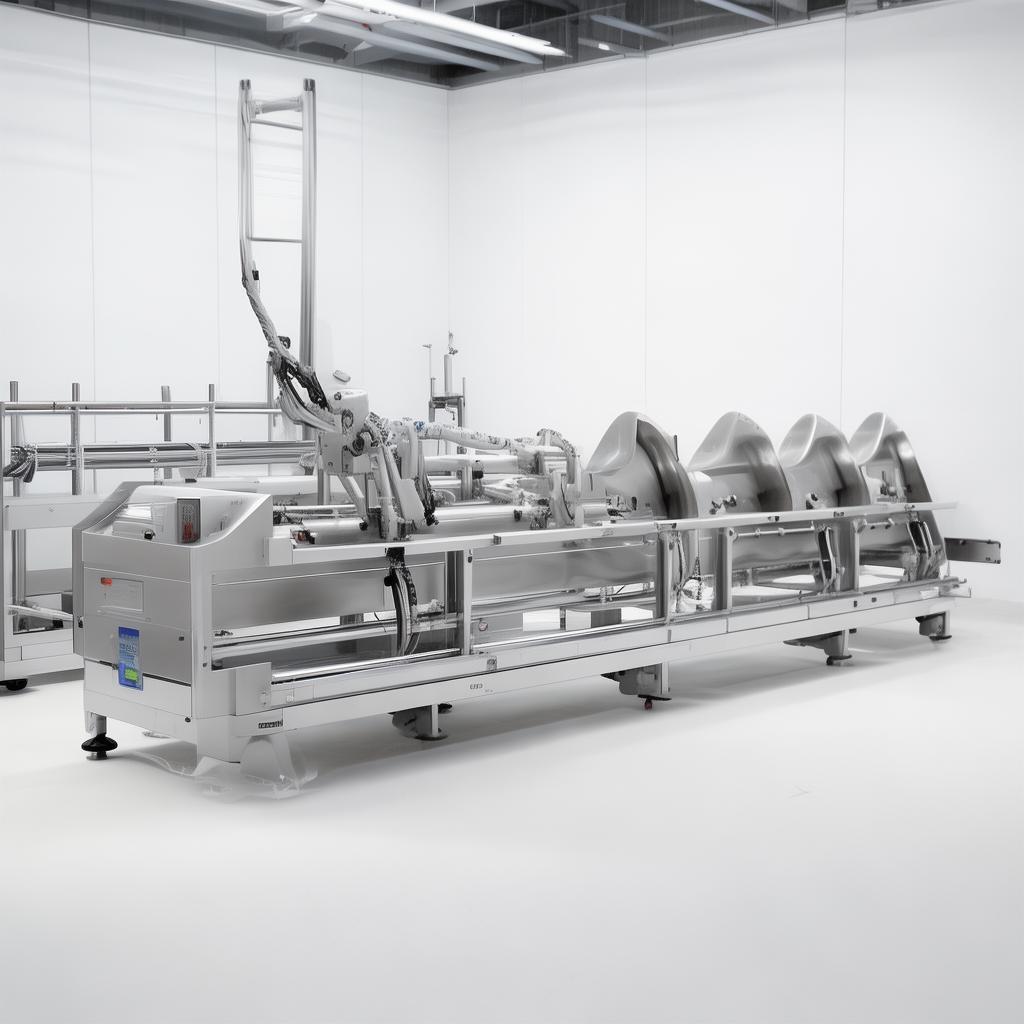
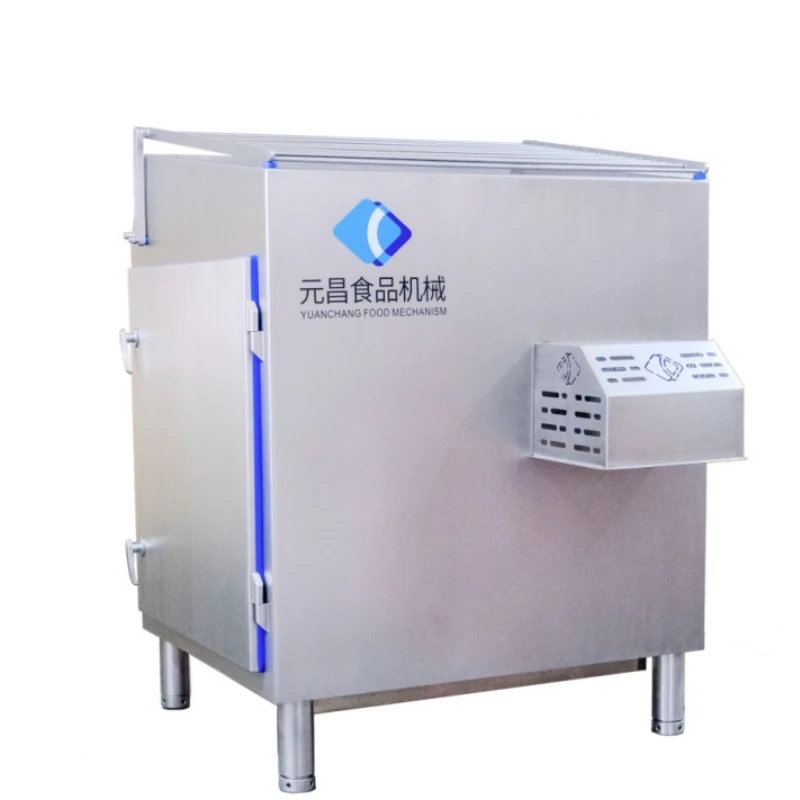
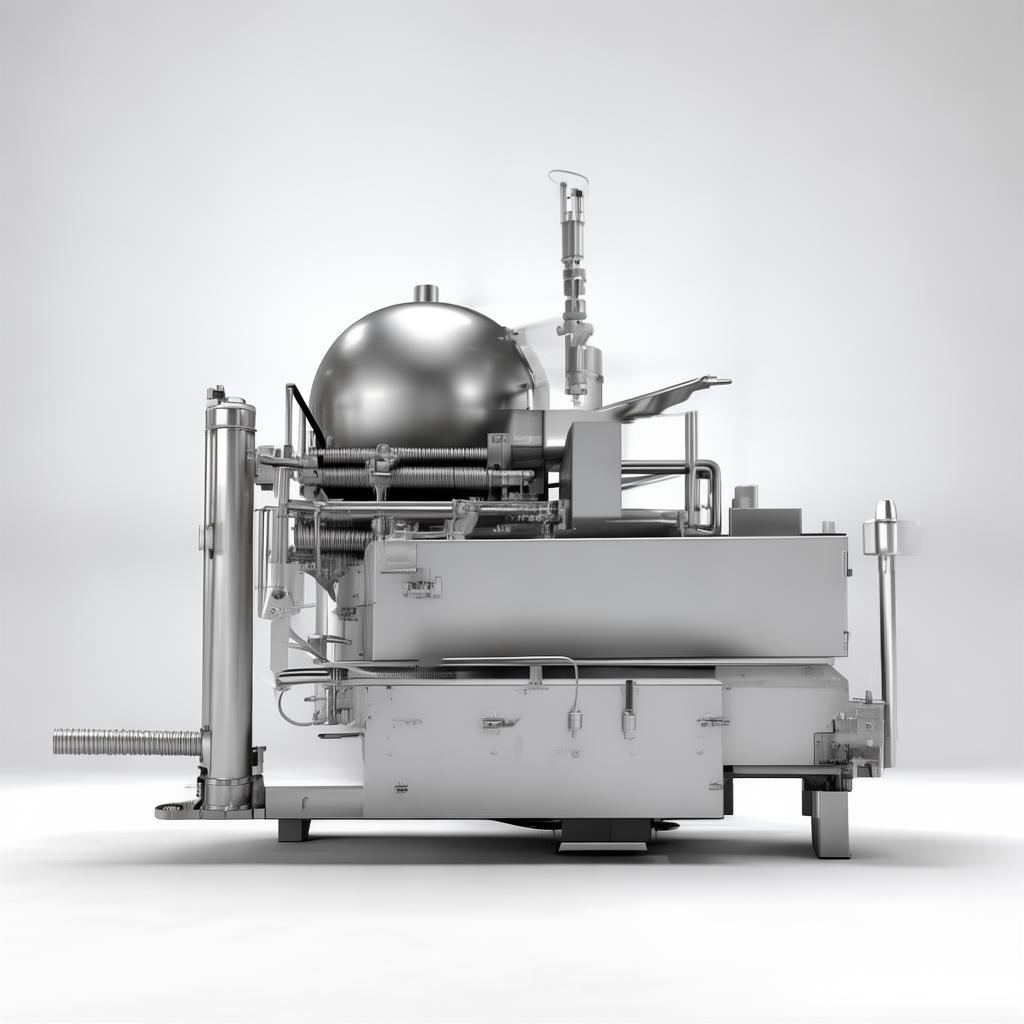
Mastering Sausage Meat Mixing: Precision, Efficiency, and Quality in Every Batch


Authored by: Li Wei, Senior Process Engineer
Hebei Yuanchang Food Mechanism & Technology Co., Ltd.
The sausage meat mixing process is the bedrock of quality for countless processed meat products. It's where raw ingredients transform into the consistent texture, flavor, and binding essential for everything from artisanal sausages to large-scale convenience foods. Achieving the perfect mix isn't just about blending; it's a meticulous dance of ingredient ratios, particle size, temperature control, and the right machinery. For manufacturers worldwide, especially those focused on wholesale export and OEM/ODM operations, mastering this stage is paramount to profitability and reputation. A poorly mixed product can lead to inconsistent cooking, poor shelf life, and customer dissatisfaction – costly issues in the competitive international B2B trade landscape. At Hebei Yuanchang, with our 40 years of experience since 1986, we've seen firsthand how critical precision mixing is. We understand the challenges faced by procurement directors and operations managers aiming for both high-volume output and uncompromised quality, especially when navigating cross-border commerce. This guide delves into the intricacies of the sausage meat mixing process, offering insights from an industrial perspective to help you optimize your operations and achieve superior results, ensuring your products are truly "Fit For Now" and beyond.
Understanding the Core of Sausage Mixing
The global meat processing equipment market is a significant sector, projected to reach upwards of USD 17-30 billion by 2030-2035, with a consistent CAGR of around 5-7%. This growth is fueled by an insatiable demand for processed meats, convenience foods, and increasingly sophisticated product formulations across the globe. Within this vast market, the sausage meat mixing process stands as a critical, often underestimated, operation. It's more than just combining ingredients in a vat; it’s the scientific and mechanical application of forces to achieve specific textural and structural outcomes in the meat emulsion. The goal is manifold: to uniformly distribute fat, protein, water, salt, spices, and functional additives, ensuring that each bite of the final product delivers the intended sensory experience. This uniformity is crucial for both product quality and processability. For example, uneven fat distribution can lead to "fat pockets" or "greasy" textures, while insufficient binding of proteins and water can result in poor sliceability, water loss during cooking (cook-loss), and a crumbly texture.
From an international trade perspective, consistency is king. Importers and wholesale buyers rely on predictable product quality from their suppliers. This predictability starts with the mixing stage. Whether you’re producing traditional pork sausages, spicy beef variants, or even innovative plant-based alternatives that mimic meat textures, the underlying principles of efficient mixing remain. We see this constantly in our work with international clients; understanding the nuances of meat batters and emulsions allows us to tailor equipment for specific regional tastes and processing requirements. The market for processed meat itself is massive, projected to grow substantially, indicating a sustained need for robust and efficient meat processing machinery, including mixers. 【Processed Meat Market Size, Share & Growth Report, 2030 - Grand View Research - Key segments include filling & stuffing equipment, massaging & tumbling (for ripening/tenderizing), cutting, grinding, and smoking machines. Growth is driven by rising demand for processed meat, automation adoption for hygiene and labor efficiency, strict food safety standards, and strong expansion in Asia-Pacific.】 This highlights the interconnectedness of various processing steps, with mixing laying the groundwork for subsequent operations like filling and ripening.
Think about the common issues manufacturers face: inconsistent emulsion stability, overworked or underworked meat leading to tough or mushy textures, or simply extended processing times that eat into profit margins. These are direct consequences of an inefficient or inappropriate mixing process. Our 40 years of experience at Hebei Yuanchang have taught us that the "secret sauce" to a great sausage isn't just the recipe, but the machinery and expertise that execute it. We’ve supplied equipment for a vast range of products, from simple ground meat mixes to complex patés and emulsified sausages. Each requires a slightly different approach to mixing. For instance, a fine emulsion for a hot dog needs very different mixing dynamics than a coarser grind for Italian sausage. The ambient temperature, the fat content, the type of meat (pork, beef, poultry, lamb), and the desired final texture all dictate the optimal mixing parameters and equipment selection. Procurement managers often face the dilemma of choosing between single-purpose mixers and versatile machines, a decision that impacts operational flexibility and capital investment. We aim to demystify this by providing clear insights into what truly matters in meat mixing technology.
The "Fit For Now" concept implies a need for adaptable, efficient, and compliant solutions. In the current global market, this means equipment that meets stringent food safety standards (like ISO, CE), can handle fluctuating production demands, and offers a strong return on investment through energy efficiency and reduced labor input. Our advanced CNC machining capabilities, including Japanese Mazak equipment, allow us to produce high-precision components that are critical for the reliability and performance of our mixers. This in-house manufacturing control is a significant advantage, especially for OEM/ODM projects where custom specifications are common. Understanding the sausage meat mixing process is fundamental to any food processing operation that aims for excellence and sustained market presence. It’s the critical first step in creating a product that consumers will love and that will consistently meet your business objectives.
Common Challenges in Meat Mixing Operations
Operating a successful meat processing plant involves navigating a complex set of challenges, and the mixing stage is a prime area where inefficiencies can manifest. For operations focused on international markets, these issues can be amplified by differing regulatory environments and the logistics of cross-border trade.
- Inconsistent Emulsion Stability: This is arguably the most common and detrimental issue. It arises from improper fat dispersion, inadequate protein extraction, or incorrect water binding. The result is a product that can separate during cooking or storage, affecting both appearance and mouthfeel.
- Overworking or Underworking the Meat: Mixing too long or too aggressively can break down protein structures excessively, leading to a mushy, sticky texture. Conversely, insufficient mixing leaves large fat particles and poor binding, resulting in a coarse, crumbly product. Finding that precise balance is key.
- Temperature Control Failures: Meat fat is highly sensitive to temperature. If the meat warms up too much during mixing, fat can melt and separate, compromising emulsion quality. Maintaining a controlled, often low, temperature is vital, especially in warmer climates or during high-volume production runs.
- Ingredient Inhomogeneity: Ensuring spices, curing agents, and other minor ingredients are evenly distributed throughout a large batch of meat can be difficult. This can lead to localized "hot spots" of seasoning or uneven curing.
- Equipment Limitations: Using outdated or improperly sized mixing equipment can severely limit production capacity and quality. Many operations struggle with mixers that are too slow, too small, or lack the necessary agitation patterns for specific product types.
- Labor Intensive Processes: Manual loading of ingredients and cleaning of equipment can be time-consuming and physically demanding, impacting operational efficiency and costs.
- Hygiene and Cross-Contamination Risks: Poorly designed mixers can be difficult to clean thoroughly, creating harborage points for bacteria and increasing the risk of cross-contamination, a critical concern for food safety regulators worldwide.
- Batch-to-Batch Variation: Inconsistent mixing cycles or operator error can lead to significant variations in product quality between batches, undermining brand reputation and customer trust.
Addressing these challenges is crucial for any manufacturer looking to export or supply to large B2B clients. They demand reliability and consistency that can only be achieved through optimized processes and dependable equipment. Our extensive experience helps clients avoid these pitfalls by selecting and implementing the right mixing solutions.
The Science Behind Effective Mixing
Achieving a perfect sausage mix is a sophisticated process rooted in understanding rheology, protein functionality, and emulsion science. It's not just about brute force; it's about precise application of mechanical energy to manipulate the meat matrix. The primary objectives during mixing are:
- Protein Extraction and Activation: Salt plays a crucial role here. It helps to solubilize salt-soluble proteins, particularly myosin. These proteins form a sticky, gelatinous matrix that binds fat and water, creating the stable emulsion characteristic of good sausages. Proper mixing ensures the salt is evenly distributed and has sufficient time to interact with the proteins.
- Fat Emulsification and Distribution: The goal is to break down the fat into very fine particles and distribute them evenly throughout the protein matrix. This requires a balance of shear forces. Too little shear, and you get large fat globules. Too much, and you can overheat and destabilize the emulsion. The mixing time and speed are critical parameters here.
- Water Binding: Activated proteins also bind water. This contributes to juiciness and helps to suspend fat particles. Even distribution of water and its effective binding are essential for the final texture and yield.
- Uniform Ingredient Distribution: Spices, curing agents, functional additives, and binders must be homogeneously dispersed. This ensures consistent flavor, color, and functionality throughout the entire batch and across multiple production runs.
The mixing action itself can be categorized by the type of shear force applied:
- Tensile Shear: Occurs when ingredients are pulled apart.
- Compression Shear: Happens when ingredients are squeezed.
- Frictional Shear: Generated by ingredients rubbing against each other or against equipment surfaces.
- Impact Shear: From ingredients impacting surfaces or each other.
Different mixer designs employ these forces in varying degrees. Paddle mixers, for example, tend to use more tensile and frictional shear, ideal for gentle blending and minimizing protein denaturation. Planetary mixers can achieve a more thorough, almost kneading action, suitable for developing strong protein matrices. Vacuum mixing is another key technology, where mixing occurs under reduced pressure. This has several advantages: it helps to remove air bubbles, which can lead to oxidation and affect texture; it draws out more water, promoting better protein hydration; and it can prevent color degradation. For high-quality emulsified products, vacuum mixers are often indispensable.
The duration of the mixing cycle is also critical. Over-mixing, as mentioned, can degrade texture. Under-mixing means suboptimal protein extraction and uneven fat distribution. The ideal time depends on the specific meat, fat content, temperature, and mixer type. Our engineers work with clients to determine these precise parameters, often through trials and leveraging our extensive data from similar applications.
Choosing the Right Mixer: Our Expertise
Selecting the appropriate meat mixing equipment is a foundational decision for any sausage producer. The global market offers a variety of machines, each with its strengths. At Hebei Yuanchang, we focus on providing robust, reliable, and efficient solutions tailored to the specific needs of international B2B clients, wholesale distributors, and OEM/ODM partners. Our product range includes several types of mixers, each designed for optimal performance in different sausage meat processing scenarios.
Vacuum Mixers

Ideal for high-quality, emulsified sausages and processed meats where texture, color, and stability are paramount. The vacuum environment removes air, enhancing protein extraction, preventing oxidation, and achieving a smoother, denser product. They are indispensable for products like hot dogs, bologna, and fine-texture frankfurters.
Key Features:- Enhanced protein extraction
- Improved emulsion stability
- Reduced oxidation and discoloration
- Superior texture and density
- Often include variable speed drives
Best for: Fine emulsions, high-value products, export-grade sausages.
Double-Shaft Paddle Mixers

These are workhorses for many applications, from coarse ground meat mixes to more complex blends. The counter-rotating paddles ensure thorough mixing with minimal heat generation, preserving meat structure. They are excellent for incorporating larger pieces, fat, and binders. Their design often allows for easier cleaning and maintenance.
Key Features:- Gentle mixing action
- Efficient ingredient incorporation
- Low heat generation
- Robust construction for heavy use
- Suitable for various meat types and textures
Best for: Coarse sausages, seasoned ground meats, mixing with solid inclusions.
The choice between these, or other configurations like planetary mixers, depends heavily on your specific product portfolio and production scale. A plant producing exclusively hot dogs will have different requirements than one that handles a diverse range of fresh and processed sausage products. Our technical sales team is adept at assessing these needs. We don't just sell machines; we provide processing solutions. For instance, understanding the procurement workflow of a large importer means providing clear specifications, certifications, and lead times that align with their supply chain demands. Our integrated R&D, production, and sales approach ensures we can offer customized solutions, backed by our 40 years of manufacturing expertise.
Considerations When Choosing:
- Product Type: Emulsified vs. coarse grind?
- Batch Size: Small artisanal vs. large industrial?
- Meat Fat Content: Higher fat often requires more precise temperature control and emulsification.
- Desired Texture: Smooth, dense, or particulate?
- Automation Level: Integration with upstream and downstream equipment.
- Cleaning & Maintenance: Ease of access and disassembly for hygiene.
Beyond Meat: Fat, Water, and Additives
The magic of a great sausage mix isn't solely in the meat itself, but in how it interacts with other key components. The precise management of fat, water, and various additives during the mixing process is crucial for achieving desired product characteristics, stability, and profitability. Ignoring these can lead to costly rework or rejects, particularly problematic in international wholesale agreements.
Fat: The Flavor Carrier and Texture Modifier: Fat content is a primary driver of flavor, juiciness, and texture in sausages. The mixing process must ensure fat is broken down into small, evenly dispersed particles within the protein matrix. If the meat is too warm during mixing, fat will render and pool, leading to separation and a greasy mouthfeel. This is why controlling the temperature of both the meat and the mixing environment is non-negotiable. The type of fat also matters; animal fats differ in their melting points and textures, impacting how they behave during mixing and cooking. Our mixers are designed to maintain optimal low temperatures, crucial for fat emulsification. For instance, achieving a 30% fat content sausage with a desirable, non-greasy mouthfeel requires meticulous fat particle size reduction and uniform distribution, which is a core capability of our vacuum mixers.
Water: The Key to Juiciness and Binding: Water plays a dual role: it contributes to juiciness and is essential for activating the salt-soluble proteins that form the binding network. However, adding too much water can destabilize the emulsion, leading to cook-loss and a watery product. Conversely, insufficient water means poorer protein extraction and a dry texture. The mixing process must ensure water is fully incorporated and bound by the proteins. Vacuum mixing can be particularly beneficial here, as it helps to draw out air and facilitate better water absorption by the meat proteins. The total moisture content is often a key specification in B2B contracts, making precise water management during mixing critical for meeting quality standards and regulatory limits.
Additives and Seasonings: Precision is Paramount: This category includes salt (essential for protein extraction), curing agents (like nitrites/nitrates for color and preservation), phosphates (for water binding), binders (starches, plant proteins), spices, and flavorings. Each must be distributed perfectly evenly. A common issue is the clumping of fine powders, leading to localized concentrations. The mixing action must be sufficient to suspend these particles without overworking the meat. For critical ingredients like curing agents, precise dosing and even distribution are vital for food safety and regulatory compliance, especially when exporting to markets with strict regulations on additives. Our mixers are designed for thorough dispersal, ensuring that every part of the batch receives the correct dosage of flavor and function.
Understanding the interaction of these components is fundamental. For example, the type and quantity of fat can influence the amount of water the protein matrix can bind. Phosphates can significantly increase water-holding capacity, allowing for higher yields. This complexity underscores why sophisticated mixing equipment and process control are indispensable for consistent, high-quality sausage production. We provide not just machinery, but the technical knowledge to optimize the use of these ingredients.
Optimizing the Mixing Cycle
Achieving peak efficiency and quality in sausage meat mixing isn't a set-and-forget process. It requires a dynamic approach, continuously optimizing cycle times, ingredient sequences, and equipment settings. For manufacturers involved in international trade, this optimization directly impacts competitiveness, lead times, and the ability to meet varied client demands.
Ingredient Sequencing: The Hidden Variable: The order in which ingredients are added can significantly impact the final product. A common best practice is:
- Start with meat and salt. This allows salt to work on protein extraction and forms the initial binding matrix.
- Add water and phosphates (if used) to enhance protein hydration and binding.
- Incorporate fat and other solid ingredients.
- Finally, add spices and minor additives, which can sometimes be sensitive to prolonged mixing or heat.
Temperature Control: The Constant Battle: Maintaining optimal temperatures throughout the mixing cycle is non-negotiable for emulsion stability and product quality. Meat should ideally be kept below 0-2°C (32-36°F) before mixing, and the mix temperature should ideally not exceed 8-10°C (46-50°F) by the end. This requires:
- Pre-chilling or freezing meat.
- Using refrigerated ingredients and processing environments.
- Employing mixers with efficient cooling systems (e.g., jacketed vessels).
- Minimizing mixing time while achieving the desired homogeneity.
Mixing Time and Speed: Finding the Sweet Spot: There's a direct correlation between mixing time, speed, and the physical properties of the meat emulsion. Too short, and you get poor binding and fat dispersion. Too long, and you risk over-processing, leading to a gummy texture and potential emulsion breakdown. The ideal parameters are highly recipe- and equipment-dependent. Variable speed drives on our mixers offer significant flexibility, allowing operators to fine-tune the agitation intensity. For international clients, providing recommended cycle times based on product type and batch size is a standard part of our support. We understand that efficiency translates directly to cost savings, a key driver in procurement decisions.
Vacuum Application: Enhancing Efficiency: As discussed, vacuum mixing offers distinct advantages. It can reduce mixing times by facilitating better ingredient hydration and protein activation. It also improves the final product by minimizing air incorporation, which can lead to oxidation and affect texture. For operations striving for premium quality and extended shelf-life, integrating vacuum mixing technology is a strategic advantage that justifies the investment. The ability to achieve superior results in less time is a compelling proposition for any business, especially those competing on a global scale.
Batch Consistency Through Automation: While manual operations can work for small-scale producers, large-volume international suppliers benefit immensely from automation. Automated ingredient dosing, programmed mixing cycles, and integrated temperature monitoring systems reduce human error, ensure consistency, and free up valuable labor for other critical tasks. Our equipment can be integrated into automated lines, providing the reliability and repeatability essential for high-volume, export-oriented manufacturing.
Diverse Applications
The sausage meat mixing process is fundamental to a wide array of food products, extending beyond traditional sausages to encompass various processed and convenience meat items. Understanding these applications helps illustrate the versatility and importance of precise mixing technology.
Emulsified Sausages (e.g., Hot Dogs, Frankfurters, Bologna)
These products rely on a very fine, stable emulsion of meat proteins, fat, and water. The mixing process must finely grind the fat particles and fully activate the salt-soluble proteins to create a smooth, cohesive matrix. Vacuum mixers are typically preferred here to achieve the dense, uniform texture and prevent air pockets that can lead to defects.
Fresh Sausages (e.g., Italian Sausage, Breakfast Sausage)
These often feature a coarser grind with visible pieces of fat and meat. The mixing objective is to uniformly distribute seasonings and binders without overworking the meat, which could lead to a tough texture. Double-shaft paddle mixers are well-suited for this application, providing gentle but effective blending.
Cured and Smoked Meats (e.g., Ham, Bacon-style products)
While curing and smoking are distinct processes, the initial mixing of meat with curing agents, salt, and other flavorings is critical. Precise distribution ensures uniform color development and preservation. The mixing stage prepares the meat for these subsequent steps, impacting shelf-life and product integrity.
Formed Meat Products (e.g., Patties, Nuggets)
Many meat patties, meatloaves, and formed products start with a mixed meat batter. The mixing ensures consistent texture, binding, and even distribution of inclusions (like vegetables or grains) and seasonings. The goal is to create a homogenous mass that holds its shape during cooking and handling.
Pet Food Products
The principles of meat mixing are also applied in the pet food industry. Creating consistent kibble ingredients, wet pet food, or treats requires uniform blending of meat, grains, fats, and supplements. Our expertise in meat processing equipment naturally extends to specialized pet food processing machinery, ensuring quality and palatability for animal consumption.
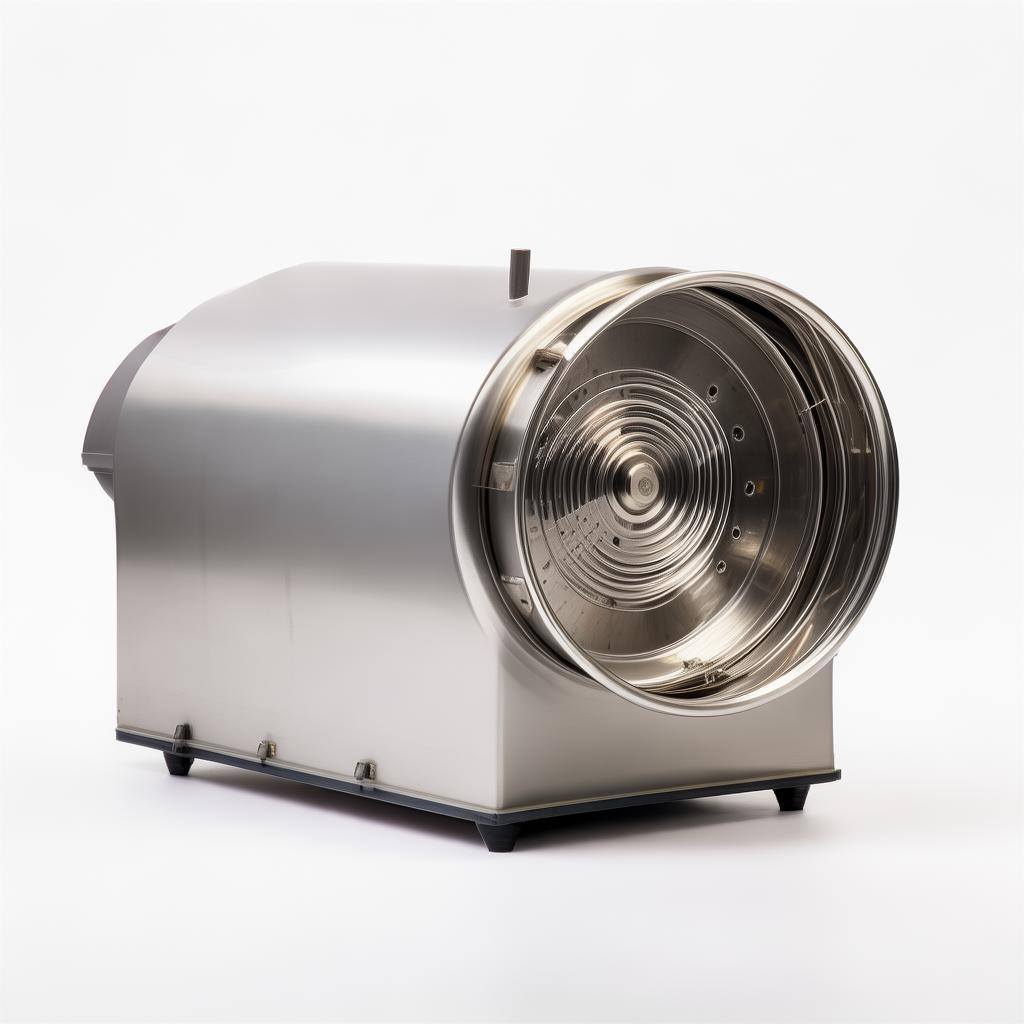
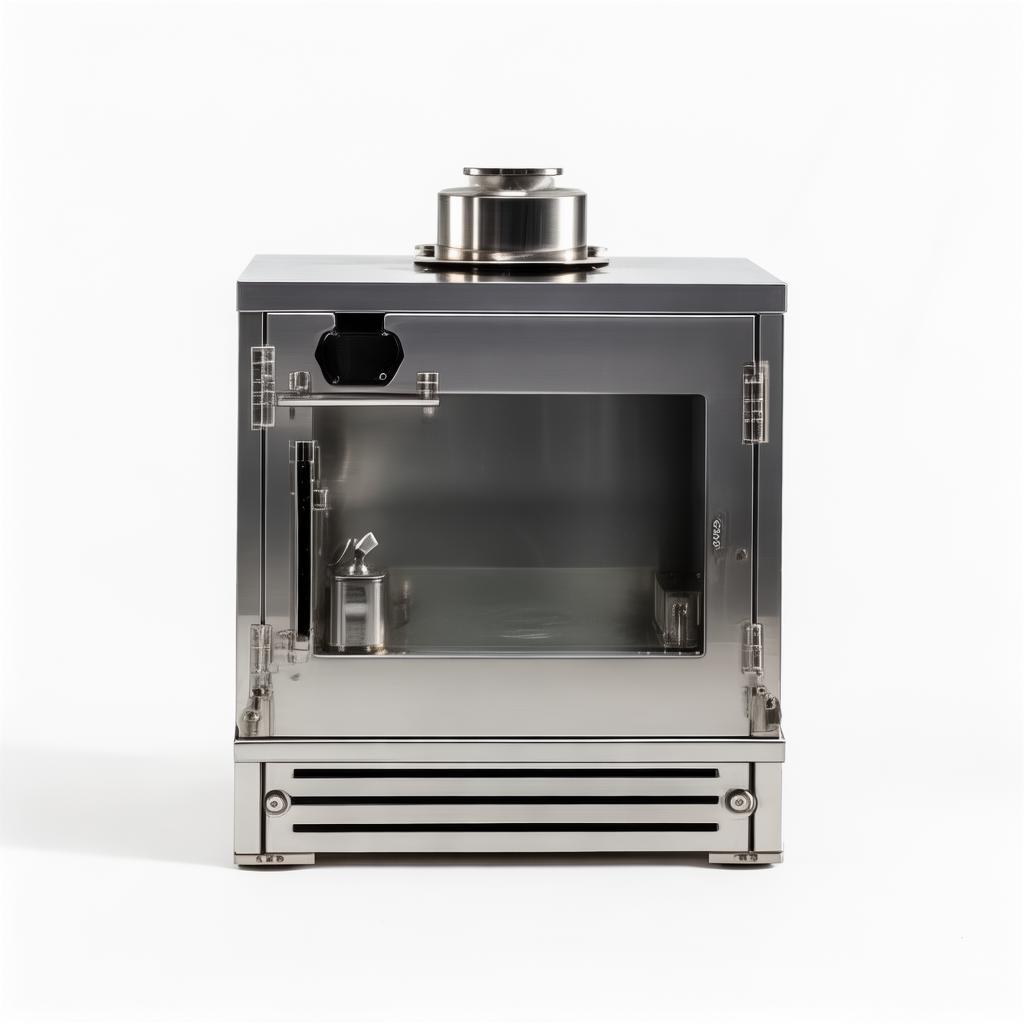
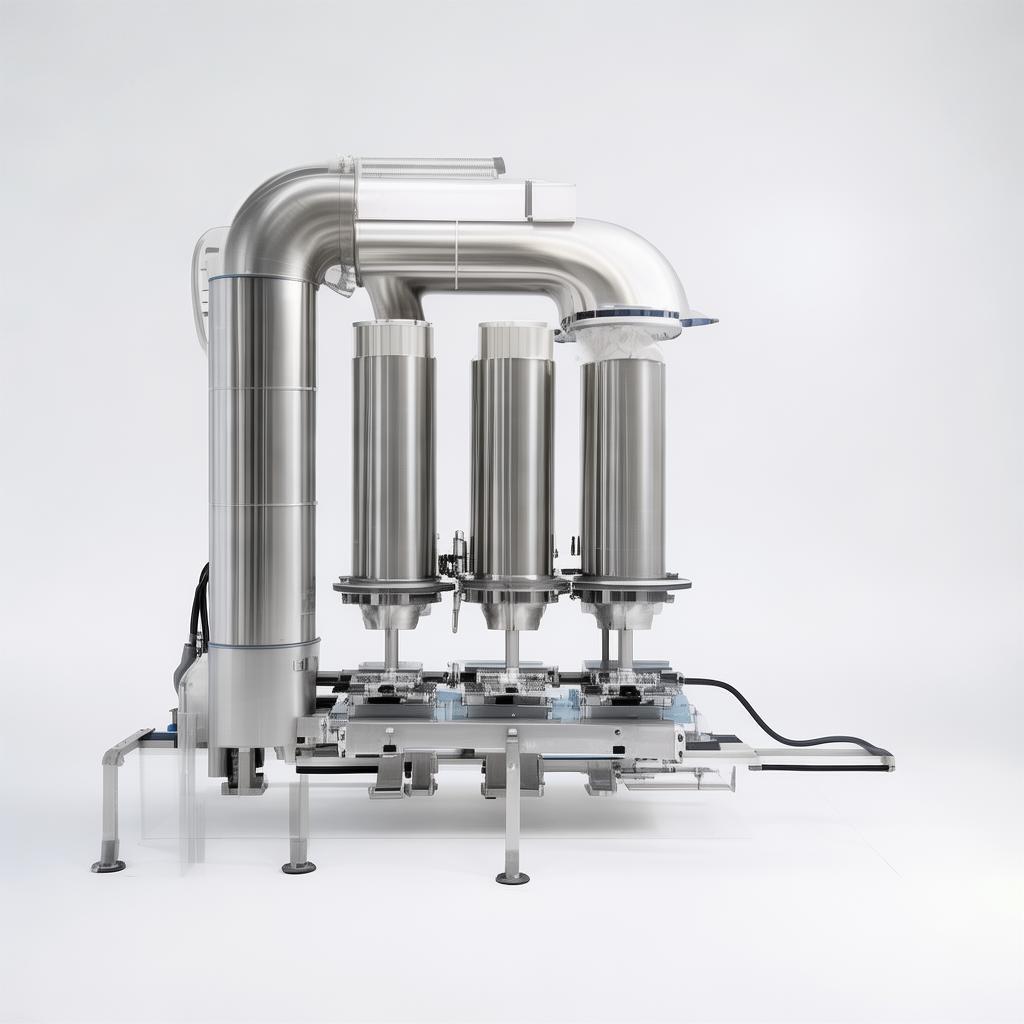
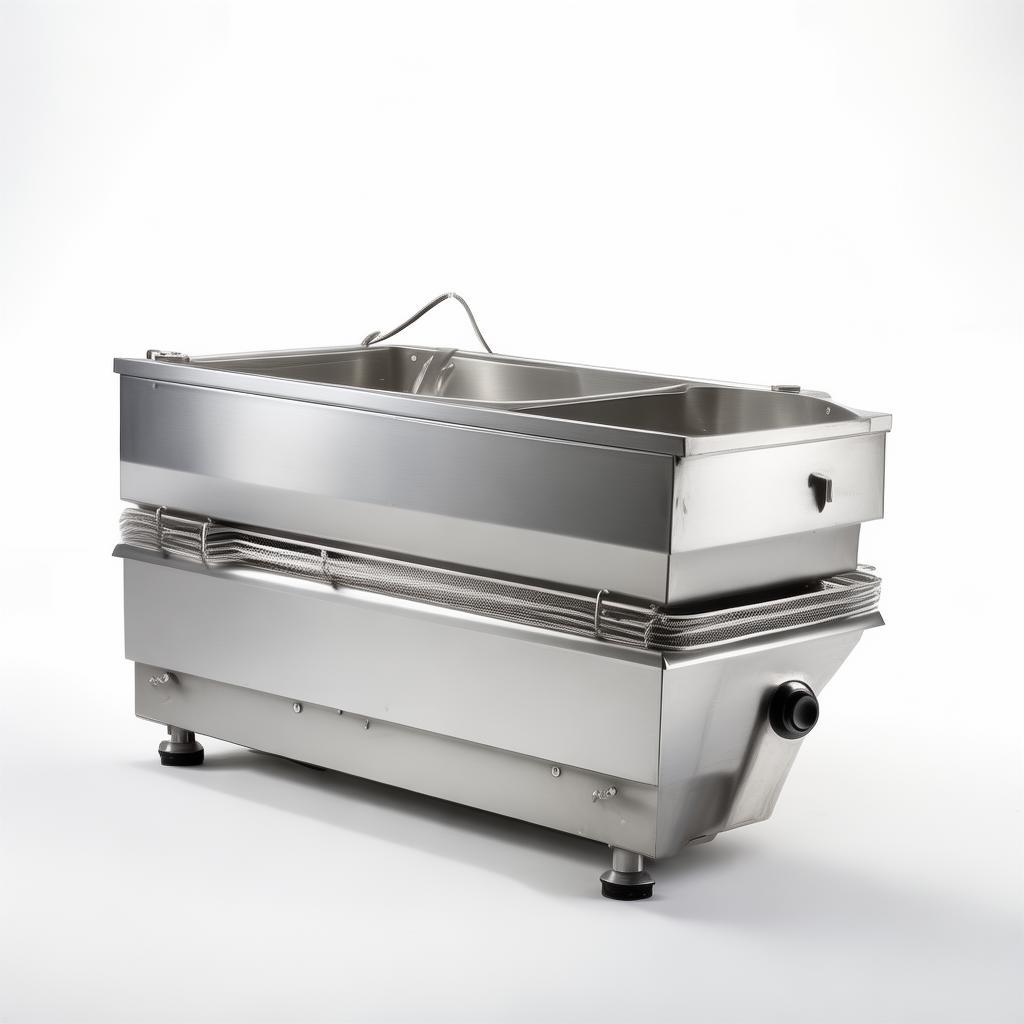
sausage meat mixer meat mixer for sausage sausage manufacturing
The adaptability of our mixers allows them to serve these diverse applications. By understanding the specific requirements of each product type, from emulsion stability for export-grade frankfurters to uniform seasoning distribution for fresh breakfast sausages, we help manufacturers optimize their processes and meet the demands of various international markets.
Installation & Operational Insights
Getting sophisticated machinery like industrial meat mixers up and running smoothly involves more than just plugging them in. For international B2B clients, considering installation, operational integration, and ongoing maintenance from the outset is crucial for long-term success and minimizing downtime.
Site Preparation: Laying the Groundwork: Before our equipment arrives, thorough site preparation is essential. This includes ensuring adequate space for the mixer, its operation, and crucially, for cleaning and maintenance access. Electrical power supply must meet the machine's specifications, and in the case of vacuum mixers, a reliable vacuum source (either integrated or external) needs to be available. For large industrial mixers, especially those on multi-ton frames, floor load capacity and precise leveling are critical for vibration reduction and stable operation. Planning for ingredient inflow and finished product outflow is also key to creating an efficient workflow.
Integration with Production Lines: Our mixers are designed to integrate seamlessly with other processing equipment. This could mean direct feeding from grinders or pre-mixers, and then discharging into stuffer systems or onward conveyors. For OEM/ODM projects, this integration is paramount. We work closely with clients to ensure our mixer's dimensions, discharge heights, and control interfaces are compatible with their existing or planned line configurations. Standardized control protocols (like Modbus or Profinet, if requested) can facilitate communication between different pieces of equipment, enabling more sophisticated automation and process control.
Operational Training: Empowering Your Team: Proper operator training is vital for efficiency, safety, and longevity of the equipment. Our team can provide comprehensive training covering:
- Safe operation procedures
- Correct ingredient loading and sequencing
- Setting and monitoring mixing parameters (time, speed, temperature, vacuum)
- Routine cleaning and sanitation protocols
- Basic troubleshooting and preventative maintenance checks
Preventative Maintenance: Maximizing Uptime: Like any industrial machinery, mixers require regular maintenance. Key areas include:
- **Lubrication:** Ensuring all moving parts receive the correct type and amount of lubricant at recommended intervals.
- **Seal Checks:** Inspecting seals (especially on vacuum mixers) for wear and tear to maintain vacuum integrity and prevent leaks.
- **Blade/Paddle Wear:** Monitoring blades for damage or excessive wear, which can affect mixing efficiency and meat quality.
- **Electrical/Control Systems:** Periodic checks of control panels, wiring, and sensors.
Cleaning and Sanitation: Beyond Compliance: Maintaining rigorous hygiene is paramount in food processing. Mixer design plays a significant role in ease of cleaning. Our equipment typically features:
- Smooth surfaces with minimal crevices.
- Easy access for manual cleaning.
- Materials compliant with food safety standards (e.g., stainless steel).
- Designs that facilitate efficient wash-down procedures.
Procurement Considerations for Global Buyers
For purchasing managers and procurement directors sourcing meat mixing equipment internationally, the decision-making process is multi-faceted. Beyond just price and specifications, several other factors influence a successful acquisition, particularly for wholesale export and OEM/ODM projects. Understanding these nuances is key to securing a reliable, cost-effective solution.
Supplier Reliability and Track Record: Look beyond glossy brochures. Investigate the supplier's history, manufacturing capabilities, and client testimonials. With 40 years of experience since 1986, Hebei Yuanchang has built a reputation for quality and dependability. Our dedicated machining workshop, equipped with over 20 sets of processing machinery and advanced CNC centers, demonstrates our commitment to in-house manufacturing control and precision. This is a crucial differentiator for buyers who need assurance of quality and consistency.
Quality Certifications and Compliance: For international markets, certifications like ISO 9001 (Quality Management) and CE marking (European conformity) are often prerequisites. Ensure the equipment meets relevant food safety standards for your target regions. We adhere to strict quality control processes, and our machinery is designed to meet global compliance requirements, providing peace of mind for international procurement.
After-Sales Service and Spare Parts: A low initial purchase price can become a false economy if the equipment frequently breaks down and parts are hard to obtain. A robust after-sales support system, including readily available spare parts and technical assistance, is critical. Our traceable after-sales management system and ability to independently produce high-precision parts significantly reduce lead times and ensure worry-free service. This is particularly important for businesses operating on tight production schedules.
Customization Capabilities (OEM/ODM): If you require specific modifications or want to integrate equipment into your branded product line, the supplier's OEM/ODM capabilities are essential. Our advanced machining facilities, including Japanese Mazak CNC centers, allow us to undertake the production of high-standard, non-standard components. This flexibility is invaluable for partners seeking tailored solutions.
Lead Times and Logistics: Understand the production lead time for the equipment and the logistics involved in shipping it internationally. Factors like container loading optimization, shipping methods, and customs clearance can impact the overall timeline and cost. We have extensive experience in managing international shipments, ensuring efficient delivery to your destination.
Total Cost of Ownership (TCO): Don't just compare upfront costs. Consider energy consumption, maintenance requirements, potential downtime, and the lifespan of the equipment. Investing in a slightly more expensive but more efficient and reliable machine can result in a lower TCO over its operational life. Our focus on robust engineering and energy-efficient designs contributes to a favorable TCO for our clients.
- Supplier reputation & experience (40+ years ideal).
- Relevant certifications (ISO, CE).
- After-sales support & parts availability.
- OEM/ODM flexibility.
- Clear lead times & shipping plans.
- Energy efficiency & maintenance costs.
By carefully evaluating these factors, international buyers can make informed decisions and establish strong, long-term partnerships with reputable suppliers like Hebei Yuanchang, ensuring they acquire mixing equipment that meets their operational needs and business objectives.
Our Manufacturing Strength: The Hebei Yuanchang Advantage
At Hebei Yuanchang, our ability to deliver high-quality, reliable meat processing equipment, including advanced sausage mixers, is deeply rooted in our extensive manufacturing capabilities and nearly four decades of experience since 1986. We don't just assemble; we engineer and produce with meticulous attention to detail, ensuring our clients receive machinery that performs exceptionally well in demanding industrial environments worldwide.
Extensive In-House Machining

Our 14,000 square meter facility houses over 20 sets of advanced processing machinery. This includes lathes, milling machines, high-precision grinding machines, boring machines, plate shears, bending machines, and wire cutting equipment. This comprehensive in-house capability allows us to control the quality and precision of every critical component.
Precision CNC Machining

Since 2012, we have invested in 8 sets of Japanese Mazak CNC machining centers. This technology is vital for producing high-standard components that require large volumes, exceptionally high precision, and non-standard specifications. It enables us to meet the stringent demands of our international OEM/ODM clients and ensures the reliability of critical parts in our mixers.
Our commitment to vertical integration means we control the entire manufacturing process, from raw material processing to final assembly and testing. This:
- Ensures Superior Component Quality: High-precision parts lead to smoother operation, reduced wear, and longer equipment life.
- Facilitates Customization: Our advanced machinery allows us to easily produce non-standard components for tailored OEM/ODM solutions.
- Guarantees Reliable Spare Parts: We can independently manufacture replacement parts, drastically reducing downtime for our clients.
- Maintains Cost-Effectiveness: In-house production reduces reliance on third-party suppliers, allowing us to offer competitive pricing without compromising quality.
With a dedicated team of 80-100 skilled employees, we combine decades of practical knowledge with cutting-edge manufacturing technology. This robust foundation allows us to confidently serve the global market, providing equipment that meets and exceeds the expectations of discerning B2B buyers, importers, and wholesale distributors seeking efficient and durable sausage meat mixing solutions.
Quality Assurance & Compliance
For international buyers, especially in regulated markets like the USA and Europe, ensuring that processing equipment meets stringent quality and safety standards is paramount. At Hebei Yuanchang, our commitment to excellence is reflected in our adherence to international compliance and our robust quality management systems.
ISO 9001 Certification
Our Quality Management System is certified to ISO 9001 standards. This globally recognized standard demonstrates our dedication to consistently providing products and services that meet customer and regulatory requirements. It ensures that our manufacturing processes, from design and development to production and after-sales service, are continuously monitored and improved.

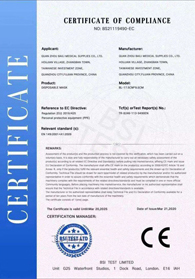
CE Marking Compliance
For equipment destined for the European Economic Area, our products are designed and manufactured to comply with relevant CE directives. This signifies that the machinery meets essential health, safety, and environmental protection requirements, facilitating smoother market entry and regulatory acceptance.
Food-Grade Materials and Design
All components of our meat mixers that come into contact with food products are constructed from high-quality, food-grade stainless steel (e.g., SUS304). The design prioritizes smooth surfaces, easy disassembly, and thorough cleaning to prevent microbial contamination and ensure hygiene, aligning with HACCP principles and international food safety regulations.
Our commitment to quality extends beyond certifications. It's embedded in our manufacturing culture, from the precision of our CNC machining to the rigorous testing of every piece of equipment before it leaves our facility. This ensures that when you procure machinery from Hebei Yuanchang, you are investing in a solution that is not only efficient and durable but also compliant with the highest international standards, giving you confidence in your product quality and market access.
Client Interactions



These conversations reflect our dedication to providing expert advice and tailored solutions for international clients.
What Our Clients Say

Global Foods Inc., USA
"We integrated Hebei Yuanchang's vacuum mixer into our hot dog line two years ago. The consistency and emulsion stability have improved dramatically. Cook-loss is down by an estimated 5%, which is significant at our volume. Their support during installation was excellent."

Delicias Artesanales, Mexico
"For our specialty fresh sausages, the double-shaft paddle mixer from Yuanchang is perfect. It handles our herb and spice blends beautifully without making the meat paste-like. We appreciate the robust build quality and the ease of cleaning, which is critical for our hygiene standards."

Sakura Meats, Japan
"We required specific modifications for our OEM sausage line. Hebei Yuanchang's engineering team was responsive and utilized their CNC capabilities to deliver precisely what we needed. The spare parts availability is also a major plus for our demanding production schedule."

Spice Route Foods, UAE
"The reliability of the Yuanchang mixer is outstanding. We operate 20 hours a day, and downtime is minimal. The consistent mixing ensures our products meet international export standards, helping us secure more contracts. Their after-sales team is very professional."
Frequently Asked Questions (FAQs)
A: Mixing time depends on several factors: the type of meat, fat content, temperature, desired texture, and the specific mixer model. We recommend starting with our suggested times based on your product and then fine-tuning based on visual inspection of the emulsion and batch consistency. Often, a short test batch is the best way to dial this in perfectly. Our technical team can provide guidance.
A: Vacuum mixing is crucial for achieving a stable, fine emulsion, especially for products like hot dogs and bologna. It removes air, preventing oxidation, improving color retention, enhancing protein extraction for better binding, and resulting in a denser, smoother texture. It also helps prevent unwanted air pockets.
A: Proper cleaning involves disassembling accessible parts, washing with food-grade detergents and warm water, rinsing thoroughly, and sanitizing. Stainless steel surfaces are generally easy to clean. For detailed instructions specific to your model, please refer to the operation manual or contact our service department. Regular cleaning is vital for hygiene and product safety.
A: Yes, our mixers are designed to be versatile. Whether you are processing pork, beef, poultry, lamb, or even plant-based proteins, the principles of effective mixing apply. The specific parameters (time, speed, temperature) might need adjustment based on the meat's characteristics, such as its protein content and fat structure.
A: Lead times can vary based on the specific model, any customization required, and current production schedules. Standard models may ship within 4-8 weeks, while custom orders might take longer. Please contact our sales team for an accurate quotation and estimated delivery schedule for your specific needs.
Ready to Elevate Your Sausage Production?
Discover how Hebei Yuanchang's precision-engineered sausage meat mixers can optimize your batch consistency, improve product quality, and boost your operational efficiency. With 40 years of experience and a commitment to manufacturing excellence, we are your trusted partner for international B2B trade, wholesale export, and OEM/ODM solutions.