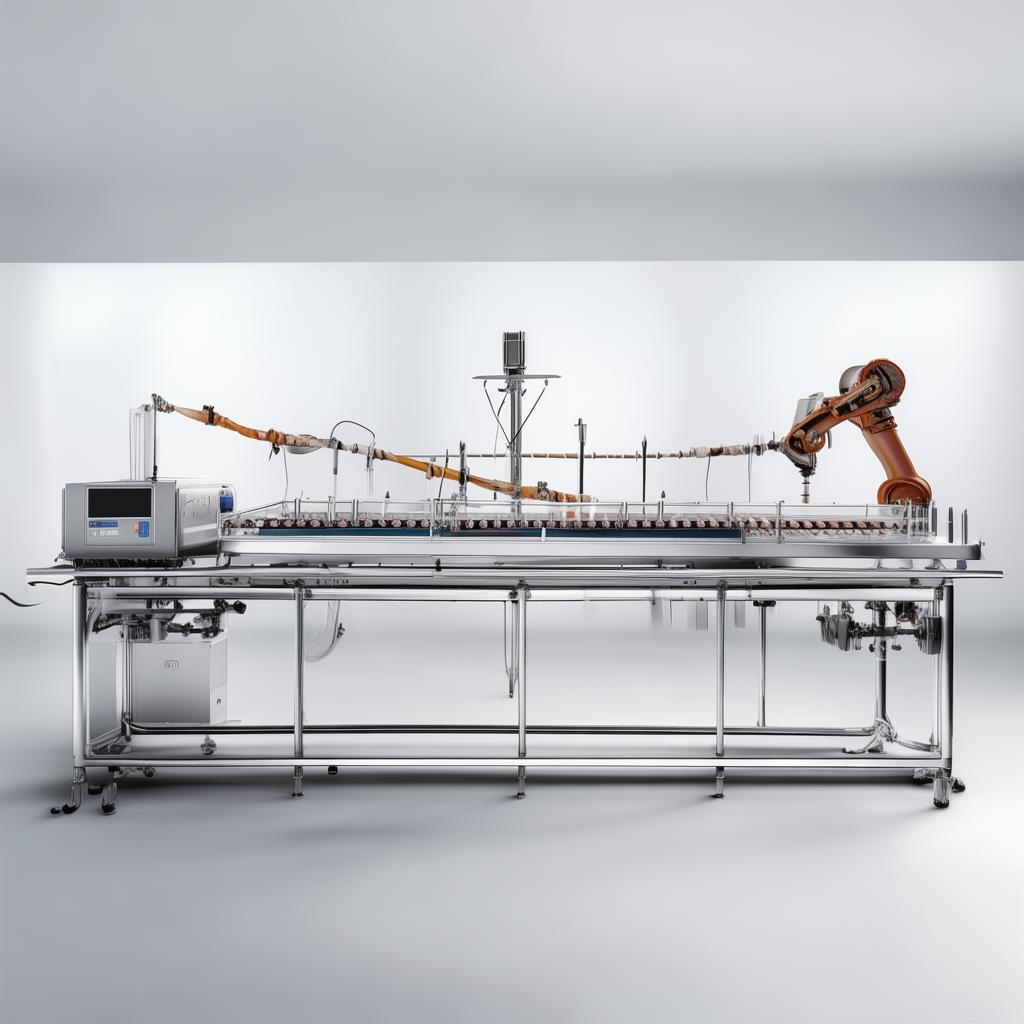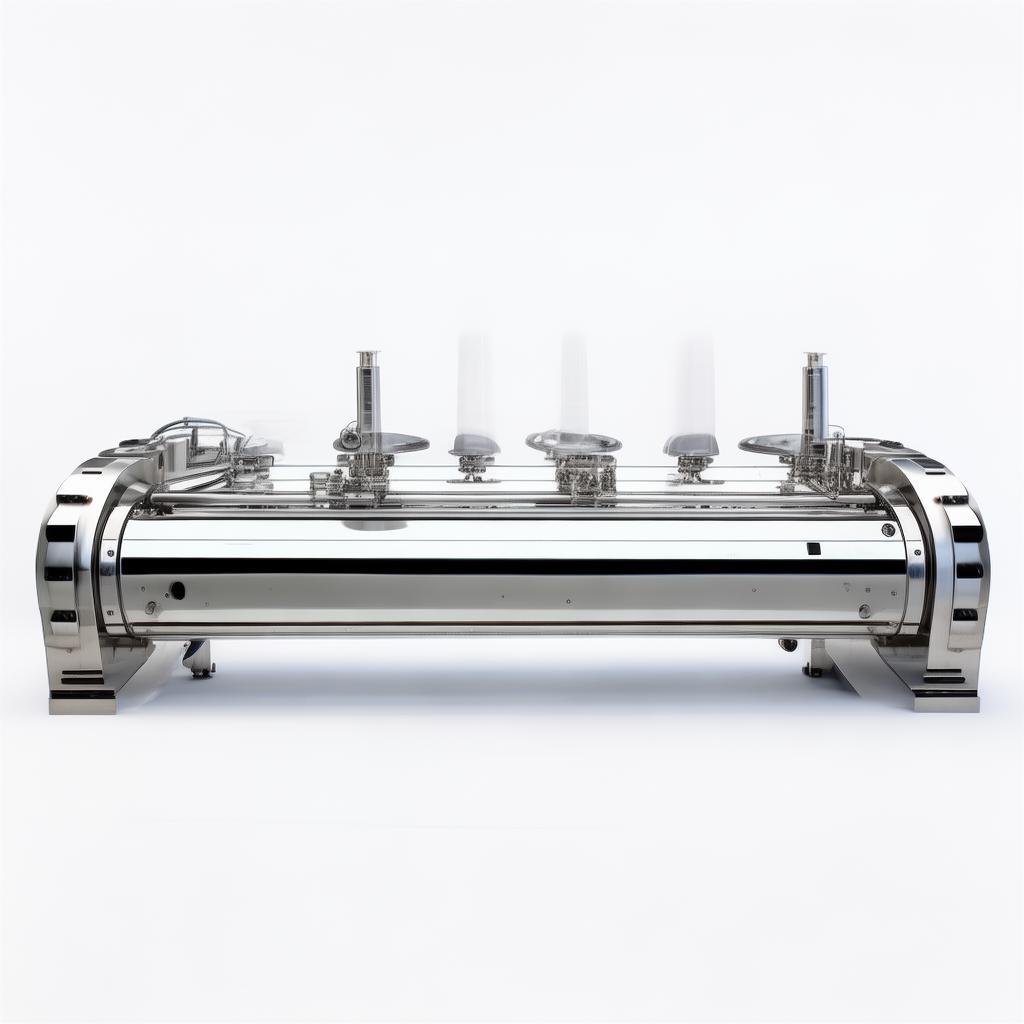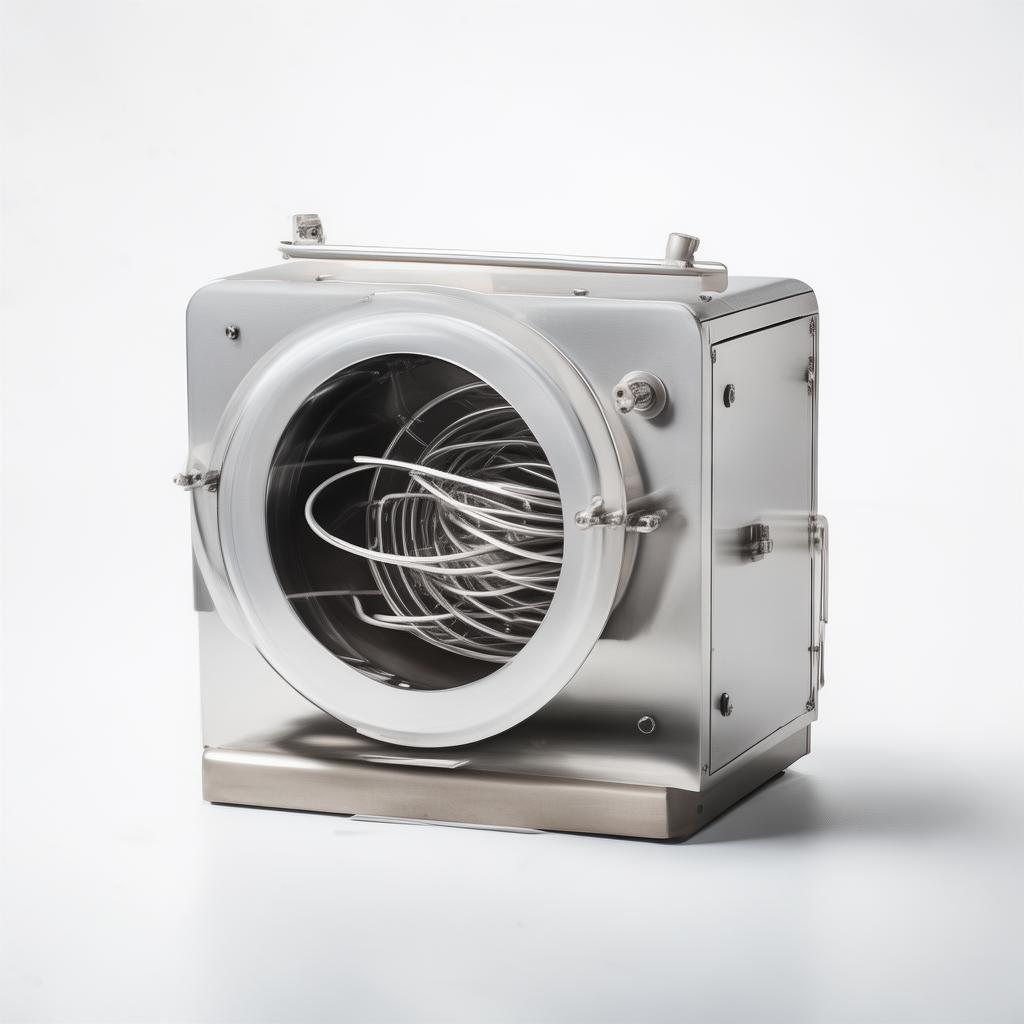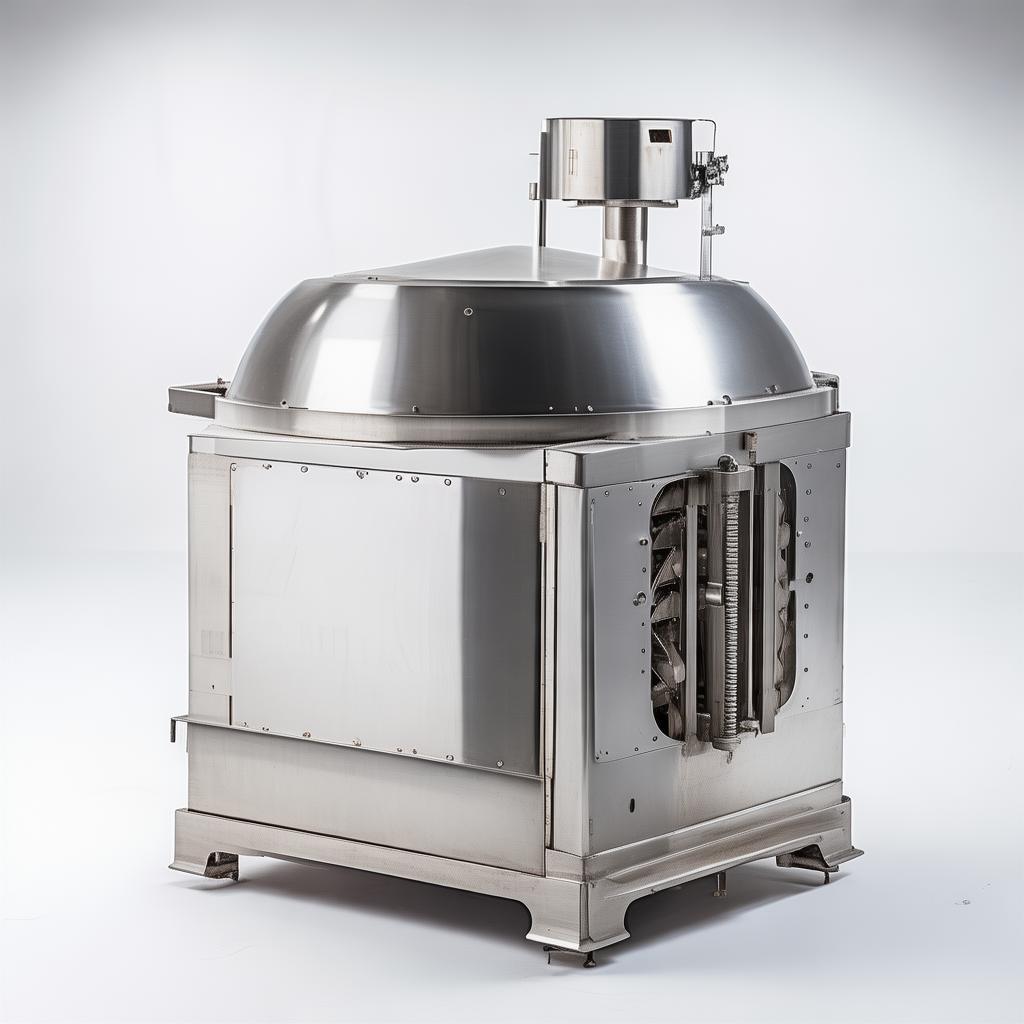
Rotary Drum Vacuum Filtration
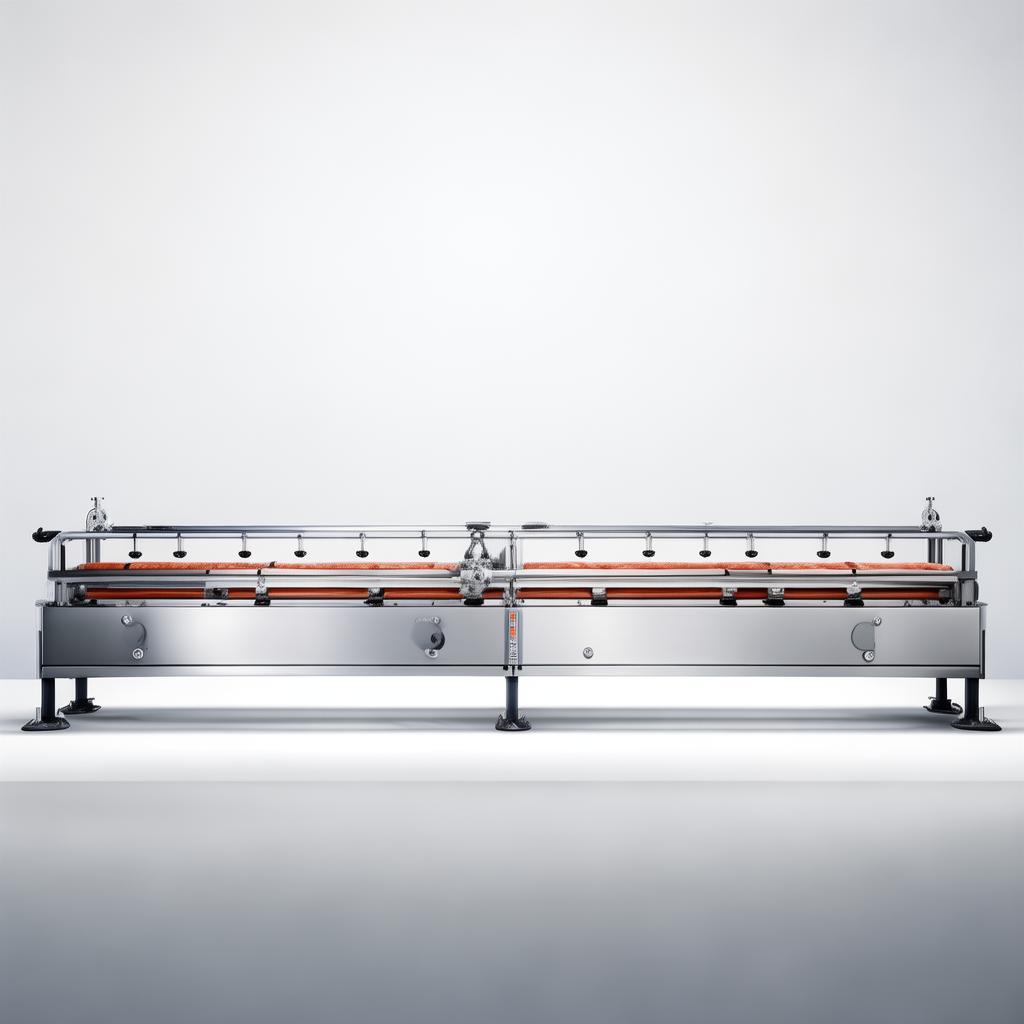
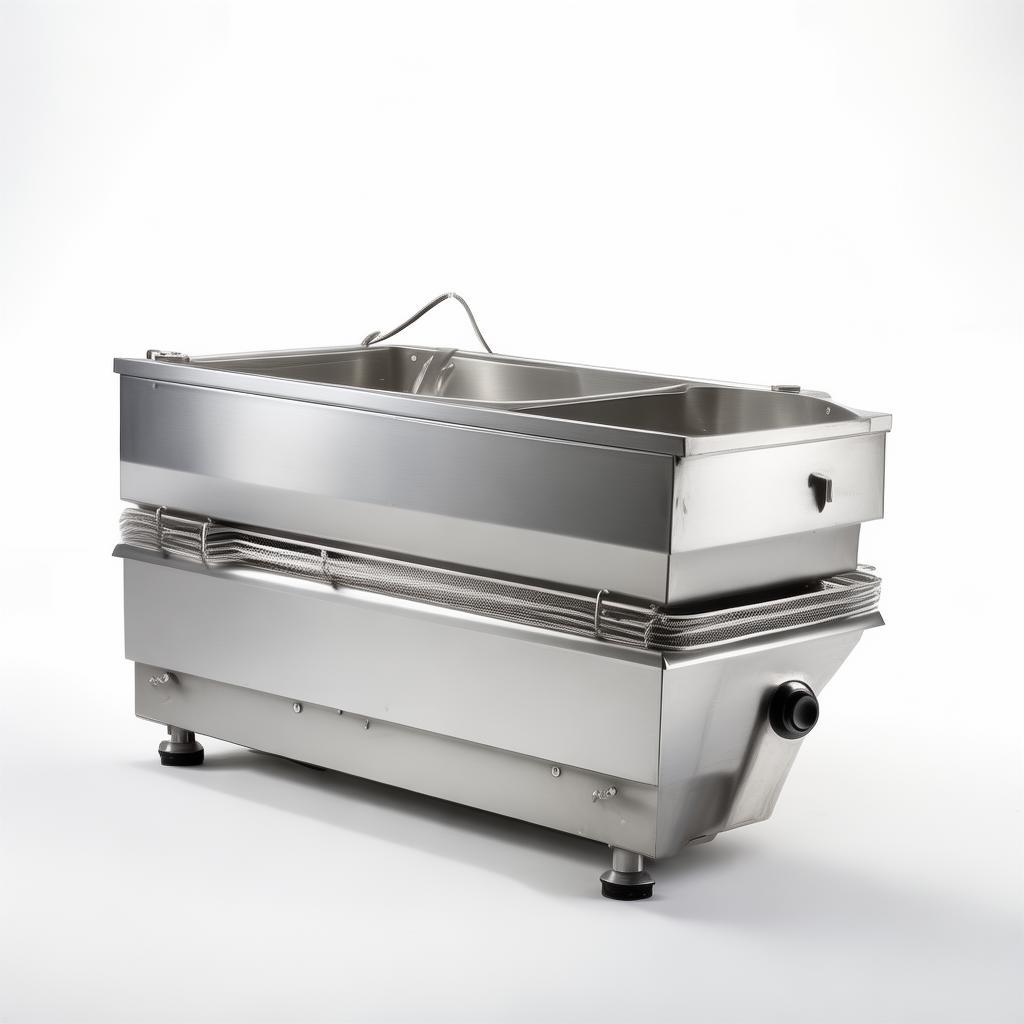
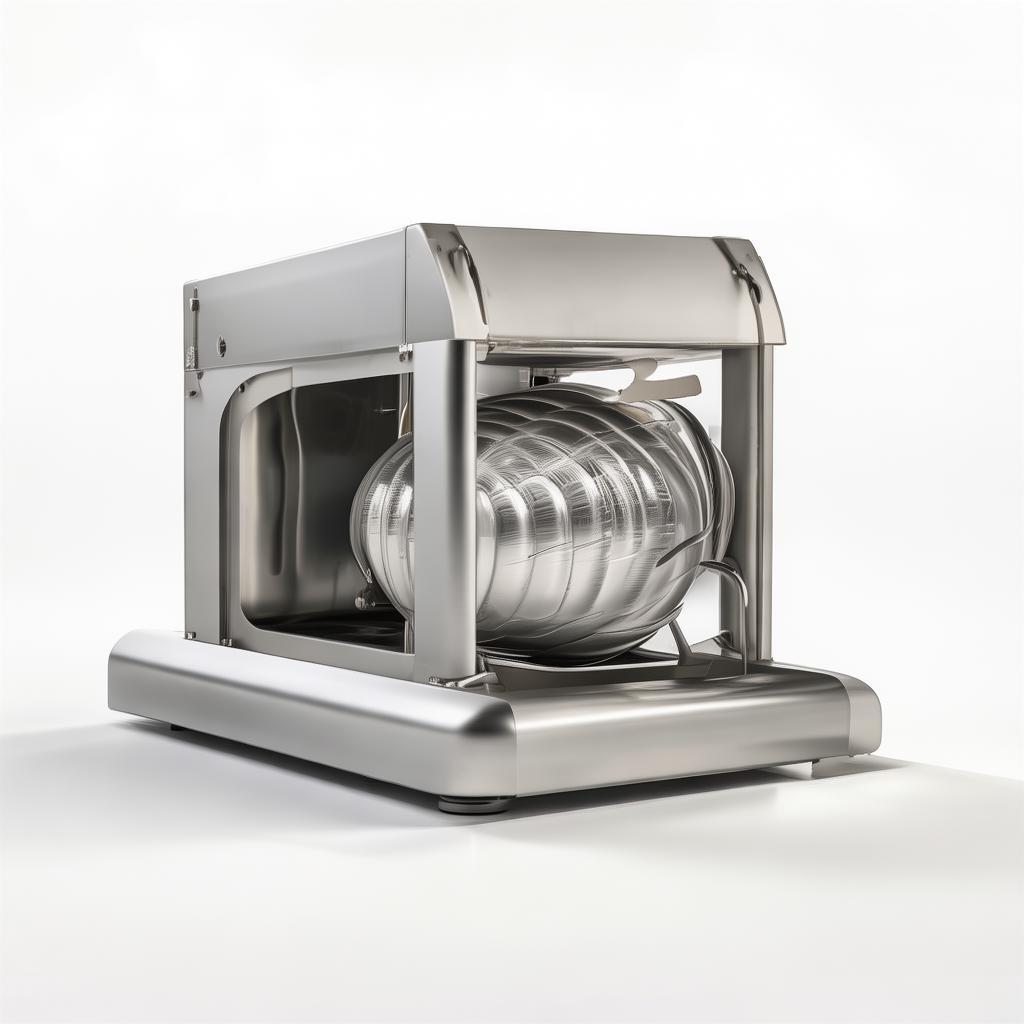
Rotary Drum Vacuum Filtration Systems: Precision, Efficiency, and Purity for Your Industrial Processes
Optimizing Liquid-Solid Separation for Diverse Industrial Applications.
 By Dr. Evelyn Reed, Senior Process Engineer
| 40 Years of Experience in Industrial Filtration Solutions
By Dr. Evelyn Reed, Senior Process Engineer
| 40 Years of Experience in Industrial Filtration Solutions
Understanding Rotary Drum Vacuum Filtration: The Backbone of Efficient Separation
In today's competitive industrial landscape, achieving optimal separation of solids from liquids isn't just a matter of process efficiency; it's a critical factor influencing product quality, operational costs, environmental compliance, and ultimately, your bottom line. For processes that demand continuous, high-volume liquid-solid separation, particularly with slurries, suspensions, and fine particle concentrations, the rotary drum vacuum filter stands out as a robust and highly effective solution. This technology is far from new, yet its underlying principles of vacuum-assisted filtration, combined with continuous drum rotation and cake discharge, make it indispensable in sectors ranging from chemical manufacturing and pharmaceuticals to food processing and wastewater treatment.
The core challenge in many industrial operations is the effective removal of solid particles from a liquid medium. Traditional methods can be slow, labor-intensive, or inefficient, leading to product loss, increased disposal costs, or compromised output quality. Rotary drum vacuum filtration addresses these issues head-on by leveraging a pressurized or vacuum-driven differential across a filter medium mounted on a rotating drum. As the drum, submerged partially in the slurry, rotates, vacuum applied within the drum draws the liquid through the filter medium, leaving the solid particles behind to form a filter cake on the drum's surface. This continuous process allows for the uninterrupted processing of large volumes, making it ideal for applications where downtime is costly.
Consider the food processing industry, for instance. Extracting juices, clarifying broths, or dewatering food pulp often involves handling large volumes of material that require efficient separation to maintain freshness and yield. Similarly, in chemical plants, separating catalysts, pigments, or intermediate products from reaction mixtures is paramount. The ability of a rotary drum vacuum filter to handle abrasive materials, maintain a consistent cake thickness, and allow for efficient cake washing and dewatering contributes significantly to process optimization. The continuous discharge mechanism further streamlines operations, reducing manual intervention and the risk of contamination.
Market analysis consistently points to the growing importance of efficient separation technologies. Reports suggest the global meat processing equipment market, a sector where precise filtration is key for broth clarification and ingredient preparation, is projected to reach upwards of USD 30 billion by 2035, with automation and hygiene being major drivers. (GM Insights). This indicates a broader trend: as processed food consumption rises and regulatory standards for food safety tighten, the demand for advanced, reliable processing equipment, including efficient filtration systems, will only intensify. The processed meat market itself is expected to surpass USD 1.3 trillion by 2035, underscoring the scale of operations requiring such technologies. (Precedence Research). Rotary drum vacuum filtration is a cornerstone technology that enables this scale and quality.
From a procurement perspective, selecting the right filtration system involves balancing initial investment with long-term operational savings. Factors like filter cloth longevity, energy consumption, maintenance requirements, and the potential for solvent recovery or waste reduction are all critical. A well-designed rotary drum vacuum filter, engineered with robust materials and precise control systems, can significantly lower the total cost of ownership over its operational life. Our experience shows that facilities that invest in higher-grade materials and custom-engineered solutions often see faster payback periods due to reduced downtime and maintenance. It's not just about buying a piece of equipment; it's about integrating a solution that enhances your entire production workflow. The specific advantages of this technology, such as its ability to handle a wide range of feed consistencies and its inherent continuous operation, make it a compelling choice for many continuous processing lines.
The sophistication of modern rotary drum vacuum filters extends beyond basic separation. Advanced systems incorporate features like variable drum speeds, automated cake discharge mechanisms, sophisticated vacuum control for optimized dewatering, and integrated filter cloth cleaning systems. These enhancements allow for fine-tuning filtration parameters to suit specific slurry characteristics, maximizing throughput and cake dryness. The precise control over vacuum levels is particularly important; too much can blind the filter medium, while too little reduces filtration rates. Achieving that sweet spot is where engineered solutions and expert knowledge truly make a difference, ensuring your process runs at peak performance. This is why consulting with experienced manufacturers who understand your specific application is not just recommended, but essential for optimal results.
Furthermore, the environmental implications of efficient filtration are significant. By effectively separating solids, companies can reduce the volume of wastewater requiring treatment, recover valuable materials that might otherwise be lost, and ensure discharged liquids meet stringent environmental regulations. This aligns with the growing global emphasis on sustainability and circular economy principles within industrial operations. The ability to recover solids with a low moisture content also minimizes disposal costs, a factor that can add up considerably over time for high-volume operations. Investing in a system that performs these tasks effectively is a direct investment in both profitability and responsible corporate citizenship.
Addressing Common Filtration Challenges
Industrial filtration is rarely straightforward. Companies often grapple with a range of issues that impact their operations:
- Inconsistent Filtration Rates: Slurry variations, particle size changes, or filter media clogging can lead to unpredictable throughput, disrupting production schedules.
- Low Cake Dryness: Inadequate dewatering results in higher disposal costs for solid waste and potential product quality issues if the cake is to be further processed.
- Filter Media Blinding: Fine particles or sticky materials can clog the filter cloth, drastically reducing flow rates and necessitating frequent, costly cleaning or replacement.
- Manual Labor Intensity: Many filtration methods require significant manual intervention for cake removal, cleaning, and media maintenance, leading to higher labor costs and potential safety hazards.
- Product Loss: Inefficient separation can result in valuable solids being lost with the filtrate, impacting overall yield and profitability.
- Environmental Compliance: Discharging liquid effluents that exceed regulatory limits for suspended solids or dissolved contaminants can lead to substantial fines.
- Equipment Footprint and Scalability: Finding filtration solutions that fit within existing plant layouts and can scale with production demands can be challenging.
Rotary drum vacuum filtration offers a systematic approach to mitigate many of these common operational headaches, providing a reliable and continuous solution for demanding separation tasks.
The Mechanics: How Rotary Drum Vacuum Filters Operate
The elegant design of a rotary drum vacuum filter makes continuous operation seamless. At its core, the system relies on a cylindrical drum, typically segmented into many small sections. Each section is covered with a durable filter cloth or screen. This drum is partially submerged in the slurry to be filtered within a trough or tank.
Here’s a breakdown of the process:
- Vacuum Application: As the drum rotates, each section that emerges from the slurry enters a sealed housing where a vacuum is applied. This vacuum creates a pressure differential, drawing the liquid through the filter medium.
- Cake Formation: The solid particles suspended in the slurry are retained on the outer surface of the filter cloth, forming a continuous filter cake. The vacuum helps to dewater this cake as it forms.
- Cake Washing & Dewatering: In many applications, wash liquids can be applied to the cake in specific zones to remove residual impurities. The continued vacuum action then further dewaters the cake.
- Cake Discharge: As the drum rotates further, the sections reach a discharge zone. Here, the vacuum is released, and often a reverse pulse of air or a mechanical scraper mechanism is employed to dislodge the dry filter cake from the drum. The cake falls into a collection chute or onto a conveyor for further processing or disposal.
- Filter Cloth Cleaning: Some systems incorporate automatic filter cloth washing mechanisms to ensure longevity and maintain optimal filtration rates for subsequent cycles.
The key to its efficiency lies in the continuous nature of these steps. While one section is forming cake, another might be dewatering, and another being discharged. This cyclical, automated process ensures a steady flow of filtrate and consistent separation performance, a stark contrast to batch filtration methods.
The internal rotary valve system is crucial for managing these vacuum and atmospheric pressure cycles precisely for each drum segment as it rotates. This valve ensures that vacuum is applied only when the segment is submerged and forming cake, and then released or reversed for efficient discharge. Proper maintenance of this valve is paramount for sustained performance and preventing vacuum leaks, which can cripple efficiency.
Why Choose Rotary Drum Vacuum Filtration?
The advantages of adopting this technology are substantial and directly impact operational efficiency and profitability:
- Continuous Operation: Ideal for high-throughput processes, eliminating batch cycle times and ensuring consistent output. This is a major differentiator for facilities running 24/7.
- High Filtration Area: The large surface area of the drum allows for efficient separation of large volumes of liquid.
- Effective Cake Dewatering: Significant reduction in moisture content of the solid cake, minimizing disposal costs and making the cake easier to handle or further process.
- Automated Cake Discharge: Reduces manual labor, improves safety, and minimizes operator exposure to process materials.
- Versatility: Can handle a wide range of slurries, from coarse to fine particles, and is adaptable to various chemical, food, and environmental applications.
- Low Operating Costs: Generally requires less energy compared to pressure filtration systems and offers long filter cloth life when properly maintained.
- Consistent Performance: Robust design ensures stable filtration rates and cake quality over extended periods.
- Reduced Footprint: Often more space-efficient for high-capacity filtration than multiple smaller batch filters.
For industries like meat processing, where hygiene, continuous flow, and product quality are paramount, the efficiency gains are particularly pronounced. (Fortune Business Insights) notes that automation in meat processing is driven by labor efficiency and hygiene demands, directly benefiting technologies like continuous vacuum filtration.
Diverse Applications Across Industries
The adaptability of rotary drum vacuum filtration makes it a workhorse across numerous industrial sectors:
Chemical Processing
Separation of catalysts, pigments, intermediate products, and wastewater treatment.
Food & Beverage
Juice clarification, broth concentration, dewatering of fruit/vegetable pulps, sugar refining, enzyme recovery.
Pharmaceuticals
API isolation, crystallization, fermentation broth processing, sterile filtration.
Mining & Metallurgy
Mineral slurry dewatering, tailings thickening, recovery of fine particles.
Pulp & Paper
White water recovery, sludge dewatering, fiber separation.
Environmental Treatment
Municipal and industrial wastewater sludge dewatering, sludge thickening.
The continuous nature of these operations demands reliable, high-capacity filtration, a niche where rotary drum vacuum filters excel. For instance, in the context of meat processing equipment, technologies like filling, molding, and ripening are heavily supported by efficient pretreatment and separation stages. Market trends show a CAGR of around 5-7% for meat processing equipment, driven by demand for processed and convenience meats, making robust filtration a foundational component. (Skyquest)
Essential Technical Specifications to Consider
When evaluating a rotary drum vacuum filter, several key specifications will dictate its suitability for your application. Understanding these parameters is crucial for making an informed decision.
| Specification | Description | Critical Considerations |
|---|---|---|
| Filtration Area (m² / sq. ft.) | The total surface area of the filter cloth available for filtration. | Must match or exceed required throughput capacity. Calculated based on feed rate and filtration rate per unit area. |
| Drum Diameter & Length | Physical dimensions of the drum. | Influences filtration area, overall footprint, and volume of slurry processed per revolution. |
| Vacuum Level (mbar / in. H₂O) | The operating vacuum pressure maintained within the drum. | Crucial for filtration rate and cake dewatering. Too high can blind media; too low reduces efficiency. Requires appropriate vacuum source (pump). |
| Drum Rotation Speed (RPM) | How fast the drum rotates. | Impacts cake formation time, dewatering efficiency, and overall throughput. Often adjustable. |
| Filter Media Type & Pore Size | The material and mesh size of the filter cloth. | Must be compatible with the slurry chemistry and able to retain target particle size. Durability and chemical resistance are key. Common materials include polypropylene, polyester, nylon, and stainless steel. |
| Cake Discharge Method | Mechanism for removing the filter cake. | Options include scrapers, air blow-back, or internal brushes. Affects cake integrity and discharge efficiency. |
| Materials of Construction | Materials used for drum, frame, trough, and internal components. | Must withstand corrosion, abrasion, and temperature from the process slurry and cleaning agents. Stainless steel (304, 316L), carbon steel with coatings, or specialized alloys are common. |
| Power Requirements | Electrical specifications for motors, vacuum pumps, etc. | Ensure compatibility with plant power infrastructure. |
drum vacuum system drum cleaning equipment cleaning drum machine
Selecting the right specifications is a balancing act. For example, a finer pore size filter medium retains smaller particles but can blind more easily, requiring careful vacuum control and possibly more frequent washing. Conversely, a coarser medium allows higher flow rates but might not capture the smallest solids. Getting this wrong can lead to inefficient separation or premature filter failure. We always recommend pilot testing or consulting with our engineering team to define these parameters precisely for your unique feed stream.
Material Considerations for Longevity
The materials used in construction are paramount for the durability and performance of a rotary drum vacuum filter, especially in corrosive or abrasive environments.
Common Construction Materials:
- Stainless Steel (e.g., 304, 316L): The go-to choice for many food, beverage, and pharmaceutical applications due to its excellent corrosion resistance and hygienic properties. 316L offers enhanced resistance to pitting corrosion, ideal for more aggressive chemical environments.
- Carbon Steel with Coatings: For less corrosive applications or where cost is a primary driver, carbon steel frames and tanks can be used, often with specialized epoxy, rubber, or polymer linings to protect against corrosion. This requires careful inspection for coating integrity.
- High-Performance Polymers: Some components or even entire drum sections can be fabricated from advanced plastics like PVC or HDPE for specific chemical resistance or weight reduction, though they typically have lower temperature and pressure limits.
Filter Media Options:
- Polypropylene (PP): Good chemical resistance, relatively low cost, suitable for many chemical and wastewater applications.
- Polyester (PET): Offers good tensile strength and abrasion resistance, often used in food and general industrial applications.
- Nylon: High tensile strength and abrasion resistance, good for demanding applications.
- Stainless Steel Mesh: Extremely durable, high-temperature resistant, and easy to clean, ideal for highly abrasive or high-temperature slurries.
The choice of filter media is critical and directly impacts separation efficiency and lifespan. A material that is resistant to chemical attack from your process stream, mechanically robust enough to withstand the filtration forces and discharge mechanisms, and has the appropriate pore size for particle retention is essential. Incorrect material selection can lead to premature filter failure, costly downtime, and contamination issues. Always verify chemical compatibility charts and consider the mechanical stress your filter media will endure.
Installation, Operation, and Maintenance Insights
Proper installation and a proactive maintenance schedule are key to maximizing the lifespan and performance of your rotary drum vacuum filter. Don't overlook these critical phases.
Installation Considerations:
- Foundation & Leveling: The unit must be installed on a stable, level foundation to ensure proper drum rotation and efficient cake discharge. Misalignment can lead to excessive wear on seals and bearings.
- Plumbing & Connections: Ensure all slurry inlet, filtrate discharge, wash water, and vacuum line connections are securely made and leak-free. Proper slope on filtrate lines is important to prevent back-up.
- Vacuum Source: The vacuum pump or system must be correctly sized and installed to provide the required vacuum level and flow rate.
- Electrical Connections: All motor and control wiring should be performed by qualified electricians, adhering to local codes.
- Access for Operation & Maintenance: Ensure adequate space around the unit for operator access, filter cloth replacement, and routine maintenance.
Routine Operation & Maintenance:
- Daily Checks: Monitor slurry feed rate, vacuum levels, drum rotation speed, and filtrate clarity. Listen for unusual noises.
- Filter Cloth Inspection: Regularly check the filter cloth for wear, tears, or signs of blinding. Promptly clean or replace damaged sections.
- Scraper/Discharge Mechanism: Ensure the cake discharge mechanism is functioning correctly and not damaging the filter cloth. Adjust as needed.
- Vacuum System Maintenance: Service vacuum pumps, check seals, and ensure the system is operating at optimal efficiency.
- Lubrication: Follow the manufacturer's recommendations for lubricating bearings and drive components.
- Thorough Cleaning: Periodically, the entire unit, including the trough and drum sections, should be thoroughly cleaned, especially when changing products or between batches.
Neglecting maintenance can lead to premature component failure, reduced separation efficiency, and increased operational costs. A preventative maintenance program, based on manufacturer recommendations and operational experience, is far more cost-effective than reactive repairs. For instance, simply ensuring the vacuum system is clean and efficient can prevent downstream issues and improve dewatering performance significantly.
Procurement & Supplier Evaluation
Purchasing a rotary drum vacuum filter is a significant investment. Beyond the technical specifications, evaluating suppliers is crucial for ensuring you receive a reliable, well-supported product.
Key Procurement Considerations:
- Supplier Experience & Reputation: Look for manufacturers with a proven track record in your specific industry. How long have they been offering this technology? Can they provide references?
- Engineering Support: Does the supplier offer pre-sales engineering consultation to help you select the optimal configuration? What level of application support is available?
- Customization Capabilities: Most industrial processes are unique. Can the supplier tailor the filter to your specific slurry characteristics, plant layout, and operational requirements (e.g., material of construction, automation level)?
- After-Sales Service & Spare Parts: What is their policy on spare parts availability, technical support, and on-site service? Long lead times for critical parts can halt production.
- Lead Time & Logistics: Understand the manufacturing lead time and the logistics involved in shipping a potentially large piece of equipment.
- Warranty: Review the warranty terms carefully. What is covered, and for how long?
- Price vs. Value: While cost is always a factor, prioritize total cost of ownership. A slightly higher upfront investment in a robust, well-engineered unit from a reputable supplier often yields better long-term value through reduced maintenance and increased uptime.
Remember, a supplier's willingness to demonstrate technical expertise, provide detailed documentation, and offer ongoing support is a strong indicator of their commitment to your success. Don't hesitate to ask for case studies relevant to your industry.
OEM/ODM Capabilities
For businesses looking to integrate filtration solutions into their own proprietary systems or seeking custom-branded equipment, Original Equipment Manufacturer (OEM) and Original Design Manufacturer (ODM) options are vital. As an ODM, we can leverage our extensive design and manufacturing expertise to create filtration systems tailored to your specific needs, which you can then brand as your own. Alternatively, as an OEM, we can manufacture components or entire units based on your existing designs. This flexibility allows partners to expand their product lines or enhance existing equipment without the significant upfront investment in R&D and manufacturing infrastructure.
Industry Standards and Certifications
Compliance with industry standards and certifications is not just about meeting regulatory requirements; it's a mark of quality, safety, and reliability. For filtration equipment, particularly in sensitive industries like food and pharmaceuticals, these are critical:

ISO 9001
Quality Management Systems
CE Marking
Conformity to EU standards

FDA Compliance
For food contact materials
RoHS Compliant
Restriction of Hazardous Substances
As a manufacturer with decades of experience, adherence to international standards like ISO 9001 ensures our processes are robust and consistent. For equipment used in food or pharmaceutical applications, materials and designs that meet FDA guidelines are non-negotiable. CE marking indicates compliance with European Union safety, health, and environmental protection standards. These certifications, backed by our internal quality control and decades of practical manufacturing experience, provide assurance of product integrity and operational safety.
Our Manufacturing Prowess
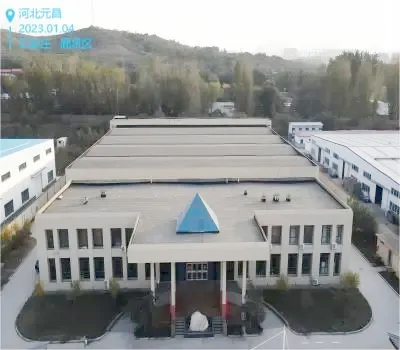
At Hebei Yuanchang Food Mechanism & Technology Co., Ltd., our 40 years of experience since 1986 are deeply embedded in our manufacturing capabilities. Spanning approximately 14,000 square meters with a dedicated team of 80-100 professionals, we integrate research, development, production, and sales, focusing particularly on food processing equipment. This extensive history provides us with an unparalleled understanding of the practical demands placed on industrial machinery.

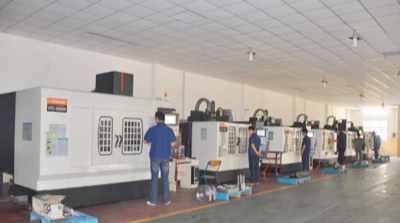
Our in-house machining workshop is equipped with over 20 sets of advanced processing machinery, including lathes, milling machines, high-precision grinding machines, boring machines, plate shears, bending machines, and wire cutting equipment. A significant investment was made in 2012 with the addition of 8 sets of Japanese Mazak CNC machining centers. This allows us to produce high-standard components requiring large volumes, exceptional precision, and custom specifications, ensuring the critical parts of our filtration systems are manufactured to the highest tolerances.
This internal capability means we have complete control over the quality and supply chain for critical components, directly impacting the reliability and performance of our rotary drum vacuum filters. Coupled with our traceable after-sales management system, we provide genuine peace of mind for our clients, knowing that spare parts and support are readily available and manufactured to the original specifications. We don't just assemble machines; we engineer and manufacture them with meticulous attention to detail.
Frequently Asked Questions
Q: What is the typical lifespan of a rotary drum vacuum filter?
A: With proper maintenance and operation, a well-constructed rotary drum vacuum filter can last for 15-25 years or even longer. The lifespan is heavily influenced by the materials of construction, the abrasiveness of the slurry, and the rigor of the maintenance schedule. Filter media will require replacement more frequently, typically every 1-5 years depending on the material and application.
Q: How is the filter cake discharged? Is it always completely dry?
A: Cake discharge mechanisms vary. Common methods include mechanical scrapers, internal blow-back air pulses, or sometimes a combination. The goal is to achieve the lowest possible moisture content for efficient handling and disposal. While the goal is high dryness, "completely dry" is rarely achieved; rather, it's maximized dewatering for the specific application. Typical cake dryness can range from 40% to 70% moisture content, depending on the material properties and vacuum applied.
Q: Can these filters handle sticky or gelatinous materials?
A: Sticky or gelatinous materials can be challenging for any filtration system, including rotary drum vacuum filters. They are prone to blinding the filter media. Success in these cases often relies on specialized filter media, optimized vacuum control, and robust cake discharge mechanisms like internal blow-back or specialized scraping. Pilot testing is highly recommended for such applications.
Q: What is the energy consumption like?
A: Energy consumption is primarily driven by the vacuum source (vacuum pump) and the drum drive motor. Rotary drum vacuum filters are generally considered energy-efficient compared to pressure filtration systems, especially given their continuous operation and lower required pressures. The specific consumption depends on the size of the unit, the vacuum level required, and the efficiency of the vacuum pump used.
Q: How do I choose the correct filter media?
A: Selecting the right filter media involves considering particle size to be retained, chemical compatibility with the slurry, temperature, and mechanical strength requirements. It's a critical decision that impacts efficiency and lifespan. Consulting with our engineering team or referring to detailed media selection guides is advisable.
What Our Clients Say
 Maria Rodriguez
Operations Manager, AgroFood Solutions
"We implemented their rotary drum vacuum filter for dewatering fruit pulp, and the results have been outstanding. The continuous operation drastically improved our throughput, and the cake dryness is much better than our old system. Installation was straightforward, and their support team was very helpful."
 David Chen
Procurement Director, ChemTech Industries
"We needed a reliable solution for catalyst separation. Yuanchang's rotary drum filter has met our demanding requirements for purity and continuous operation. The build quality is robust, and the customizable options allowed us to integrate it perfectly into our existing chemical process line."
 Samir Khan
Plant Engineer, EnviroTreat Ltd.
"Our wastewater treatment facility relies on consistent sludge dewatering. The rotary drum vacuum filter from Hebei Yuanchang has significantly reduced our sludge volume, lowering disposal costs. Its automated discharge feature simplifies operations for our staff. A solid investment for environmental compliance."
Optimize Your Separation Process with Rotary Drum Vacuum Filtration
Ready to enhance your operational efficiency, improve product quality, and reduce costs? Let our decades of expertise in industrial filtration help you find the perfect solution.
Client Interactions & Consultations