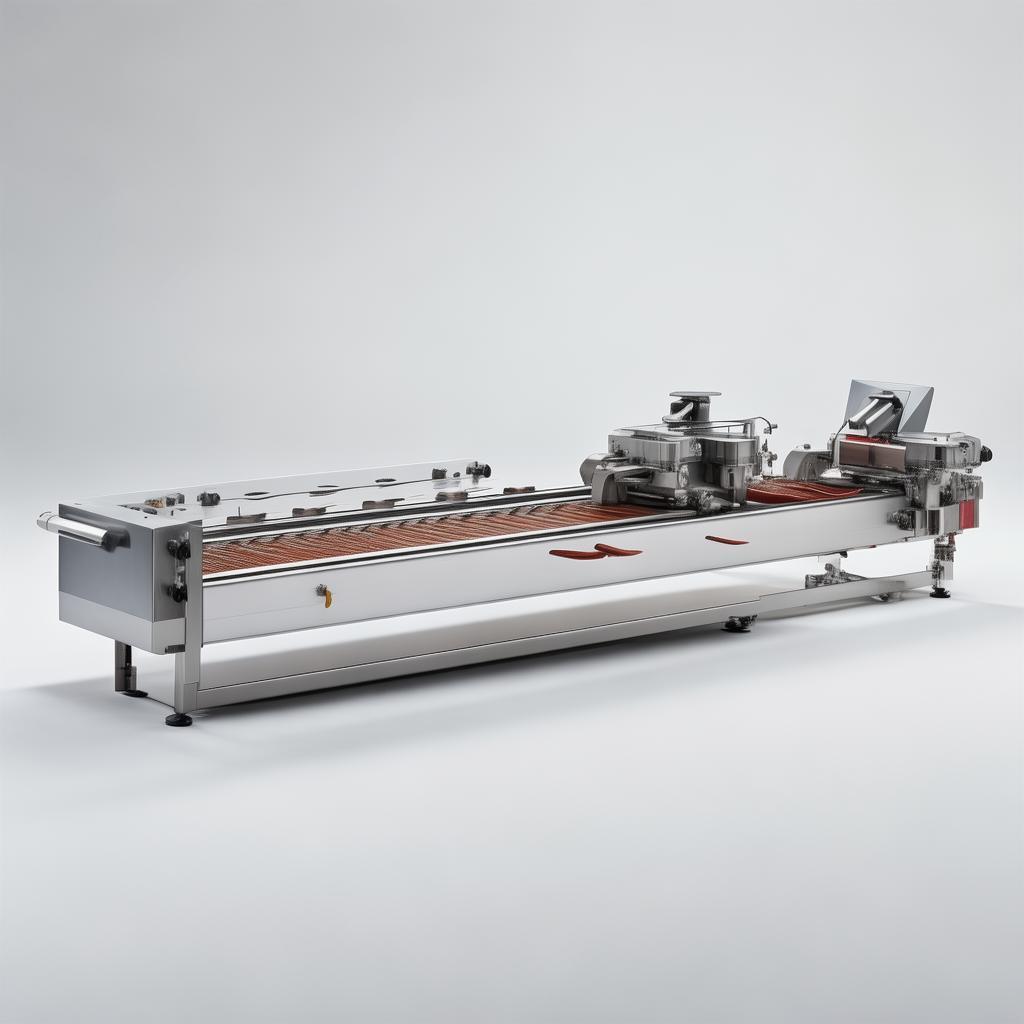
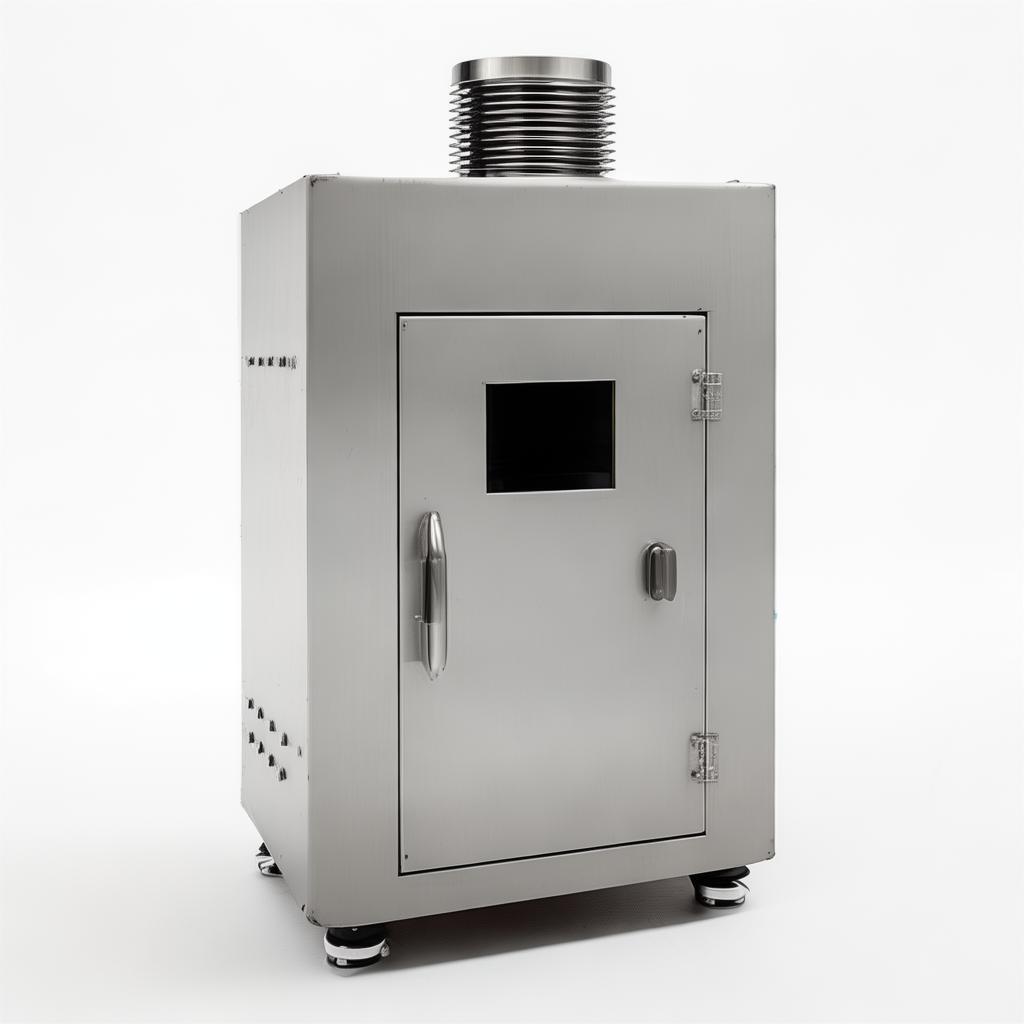
Pharmaceutical Grinding Equipment
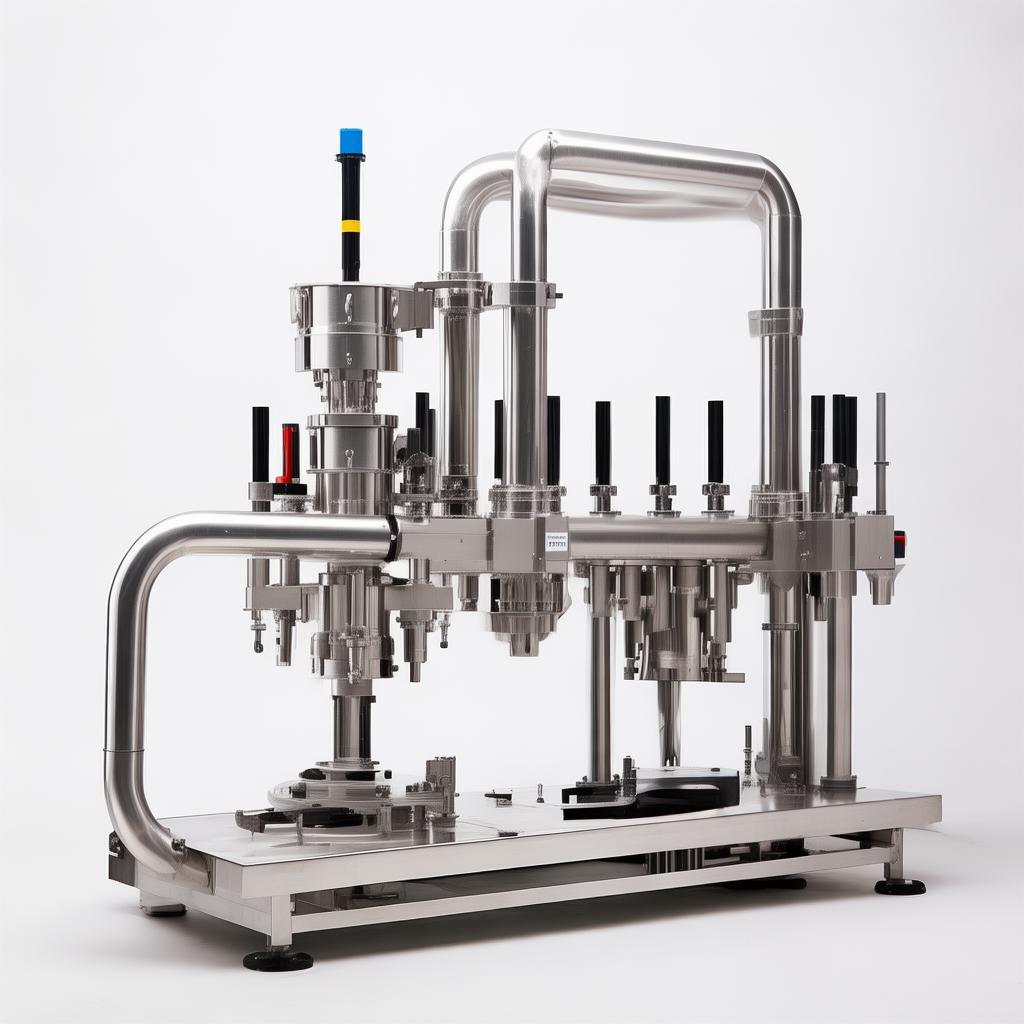
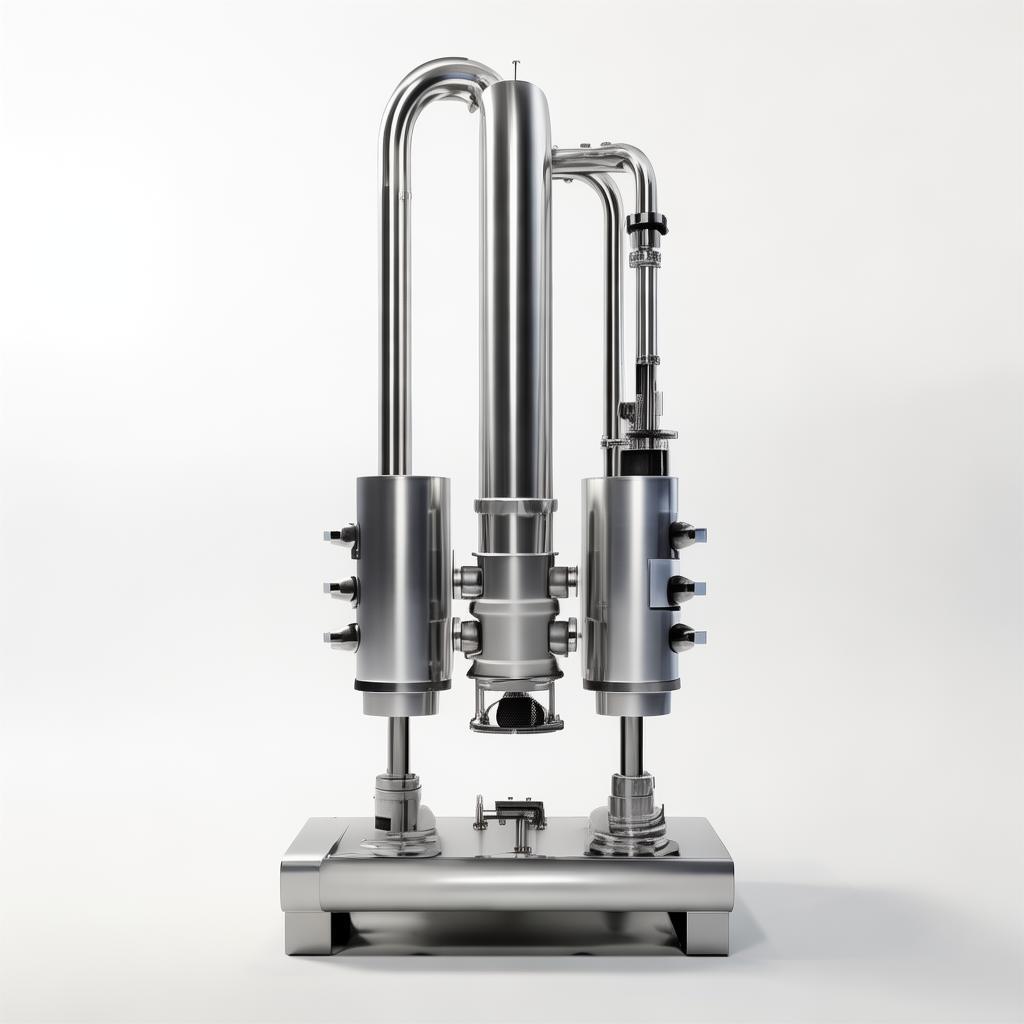
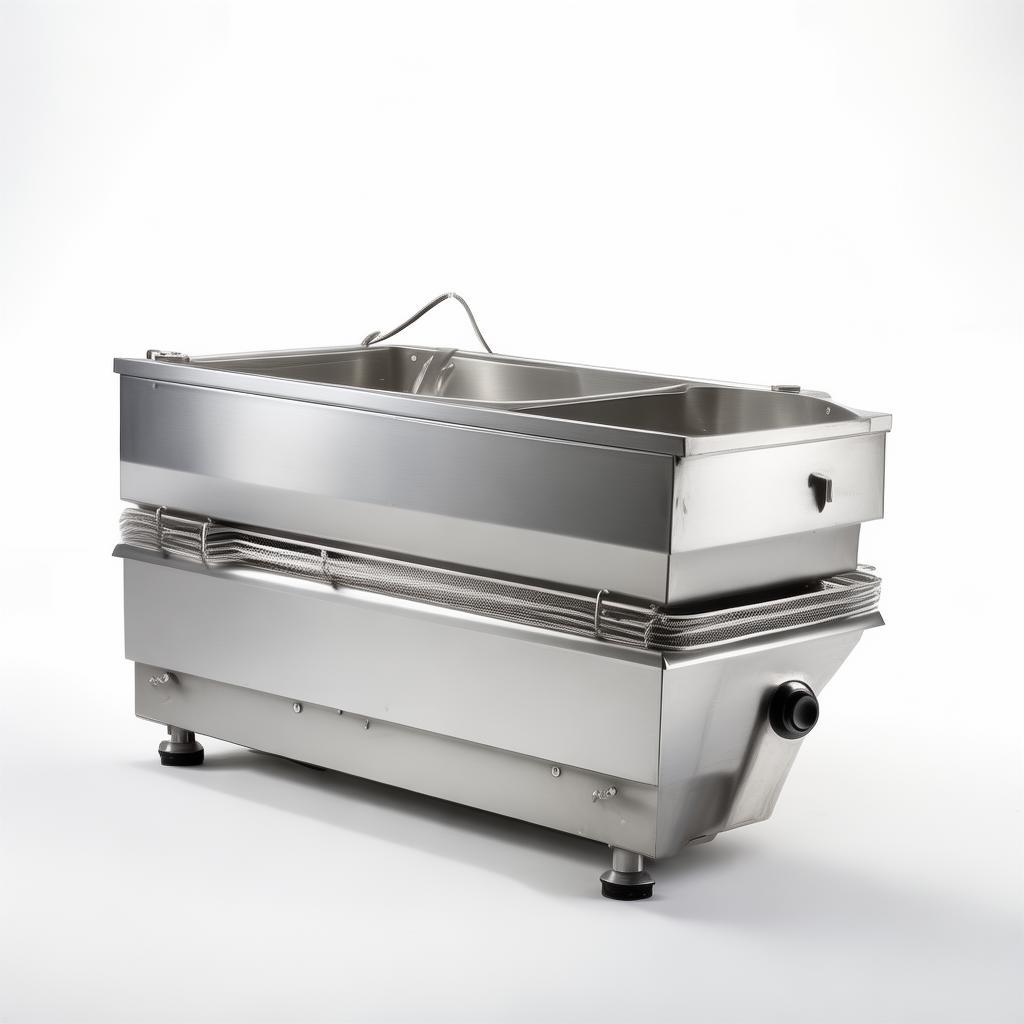
Precision Pharmaceutical Grinding Equipment for Advanced API Manufacturing

By Dr. Evelyn Reed, Lead Process Engineer
Expertise in pharmaceutical manufacturing and process optimization.
Understanding Pharmaceutical Grinding: The Core of API Production
In the intricate world of pharmaceutical manufacturing, the precise control over particle size distribution (PSD) of Active Pharmaceutical Ingredients (APIs) is not merely a desirable outcome; it's a fundamental requirement. The journey from raw chemical compound to a stable, bioavailable drug product hinges on a series of critical processing steps, and at the heart of many of these lies particle size reduction, commonly known as grinding or milling. The efficacy, dissolution rate, bioavailability, and even the stability of a drug formulation are directly influenced by the physical characteristics of its API particles. Too large, and dissolution might be too slow, impacting therapeutic effect. Too fine, and issues like poor flowability, increased hygroscopicity, or even explosive dust hazards can emerge. This is where the role of specialized pharmaceutical grinding equipment becomes paramount.
For decades, the industry has relied on sophisticated milling technologies to achieve the exacting standards demanded by regulatory bodies like the FDA and EMA. These technologies are not simply about breaking down larger particles; they are about achieving a specific, reproducible particle size and shape. Whether the goal is micronization for enhanced pulmonary delivery, controlled particle sizes for tablet compression, or fine powders for sterile injectables, the grinding process must be meticulously controlled. This requires equipment designed with an unwavering focus on material purity, cross-contamination prevention, ease of cleaning (CIP/SIP capabilities are often non-negotiable), and the inherent safety required when handling potentially potent compounds.
The global market for pharmaceutical processing equipment, which heavily includes milling and grinding technologies, is a testament to this necessity. Reports consistently highlight significant market valuations, projected to grow robustly. For instance, the meat processing equipment market, while distinct, shares overarching trends with pharmaceutical processing: automation, hygiene, and precise control are key drivers. Similarly, looking at the broader food processing equipment market, the emphasis on efficiency, safety, and regulatory compliance in achieving desired product characteristics directly parallels the pharmaceutical sector's demands. The core principles of particle size control, material integrity, and process repeatability are universal. Therefore, understanding the nuances of pharmaceutical grinding equipment necessitates appreciating its critical role in drug development and manufacturing, ensuring that APIs meet stringent quality and performance benchmarks before they even reach the formulation stage.
At Hebei Yuanchang Food Mechanism & Technology Co., Ltd., our 40 years of experience since 1986, primarily in sophisticated food processing machinery, has instilled in us a profound understanding of material handling, precision engineering, and robust manufacturing practices. This deep-seated expertise, honed in a sector equally demanding of hygiene and product integrity, directly translates to our capabilities in providing high-performance grinding solutions for the pharmaceutical industry. We recognize that pharmaceutical grinding is more than just mechanical action; it's about enabling therapeutic advancements through precise physical transformation of matter. Our approach integrates industrial robustness with pharmaceutical cleanliness, ensuring that your API grinding needs are met with unparalleled reliability and adherence to the highest standards.
Critical Challenges in Pharmaceutical Particle Size Reduction
The path to achieving optimal API particle characteristics is often fraught with challenges. Manufacturers must navigate a complex landscape where process efficiency, product quality, and regulatory adherence are all under constant scrutiny.
- Contamination Control: This is perhaps the most significant hurdle. Pharmaceutical grinding equipment must be designed to prevent any contamination of the API. This includes not only preventing ingress of foreign particles but also ensuring that no material from the grinding equipment itself leaches into the product. Material selection (e.g., specific grades of stainless steel, non-reactive coatings) and the design of seals and joints are crucial.
- Heat Generation: Many grinding processes, especially those involving high speeds and fine milling (like jet milling or high-speed impact milling), generate significant heat. This can lead to thermal degradation of sensitive APIs, altering their chemical structure and rendering them ineffective or even harmful. Effective cooling systems, precise control over grinding parameters, and understanding material thermal properties are vital.
- Dust Explosibility: Fine powders, particularly in the pharmaceutical realm, can pose a dust explosion risk. Grinding operations, by their nature, create fine particles and can generate static electricity. Equipment must be designed with explosion venting, suppression systems, or inerting capabilities where necessary, alongside robust grounding protocols.
- Achieving Narrow PSD: Producing a consistent and narrow particle size distribution batch after batch is a continuous challenge. Variations can impact downstream processing (e.g., tableting, encapsulation) and the final drug product's performance. This requires highly controlled milling environments and equipment that offers precise control over grinding forces and residence time.
- Cross-Contamination: In multi-product facilities, preventing cross-contamination between different APIs is paramount. This necessitates equipment that is easily and thoroughly cleaned. Designs that minimize dead zones, crevice-free construction, and validated cleaning procedures are essential.
- Wear and Tear: Abrasive APIs can cause significant wear on grinding media, mill surfaces, and seals. This leads to increased maintenance costs, downtime, and potential for particulate contamination. Selecting robust materials and designing for ease of wear part replacement are key operational considerations.
- Scalability: A process developed in the lab or pilot plant must be scalable to commercial production. Grinding equipment must offer predictable performance as batch sizes increase, which can be influenced by factors like material flow dynamics and energy input per unit mass.
Addressing these challenges requires a deep understanding of both the API's properties and the mechanical principles of size reduction. It's a delicate balance that our engineering team works meticulously to achieve.
Our Advanced Grinding Solutions: Engineered for Purity and Performance
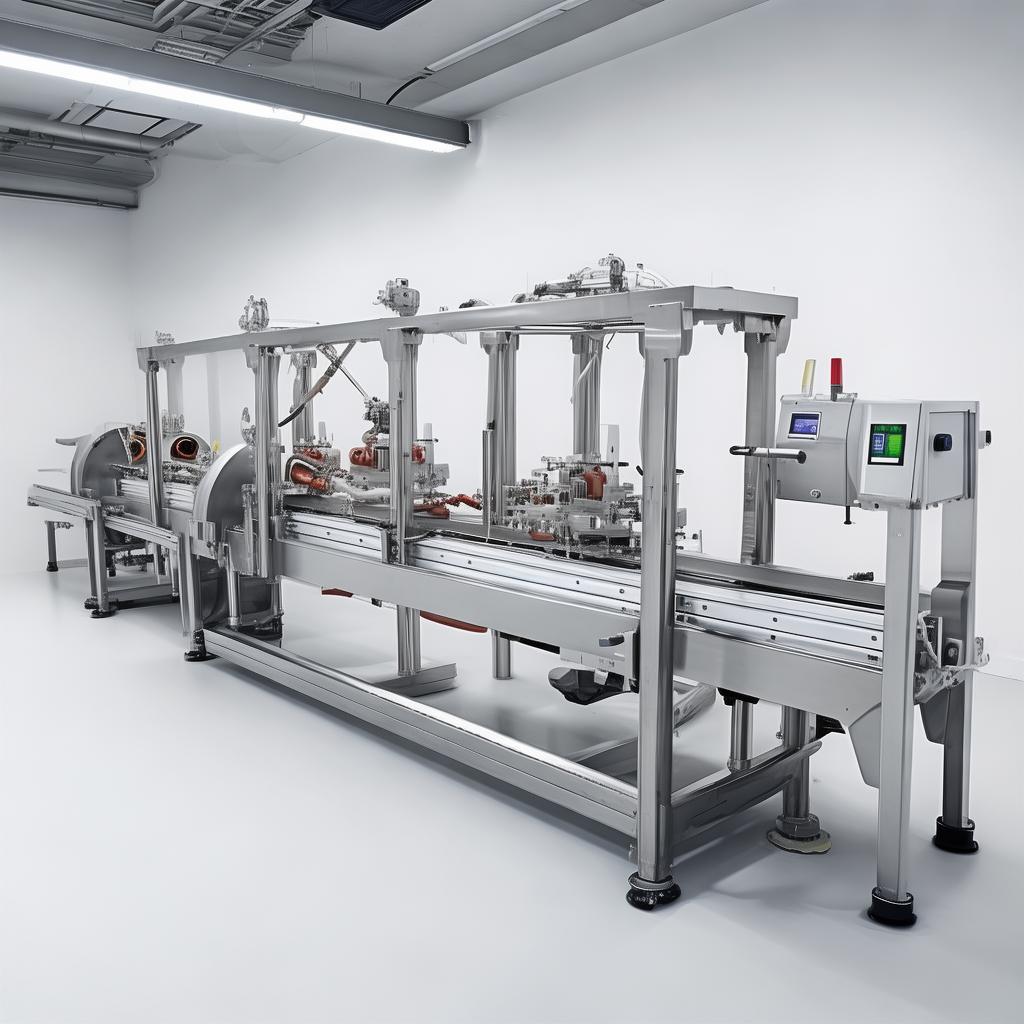
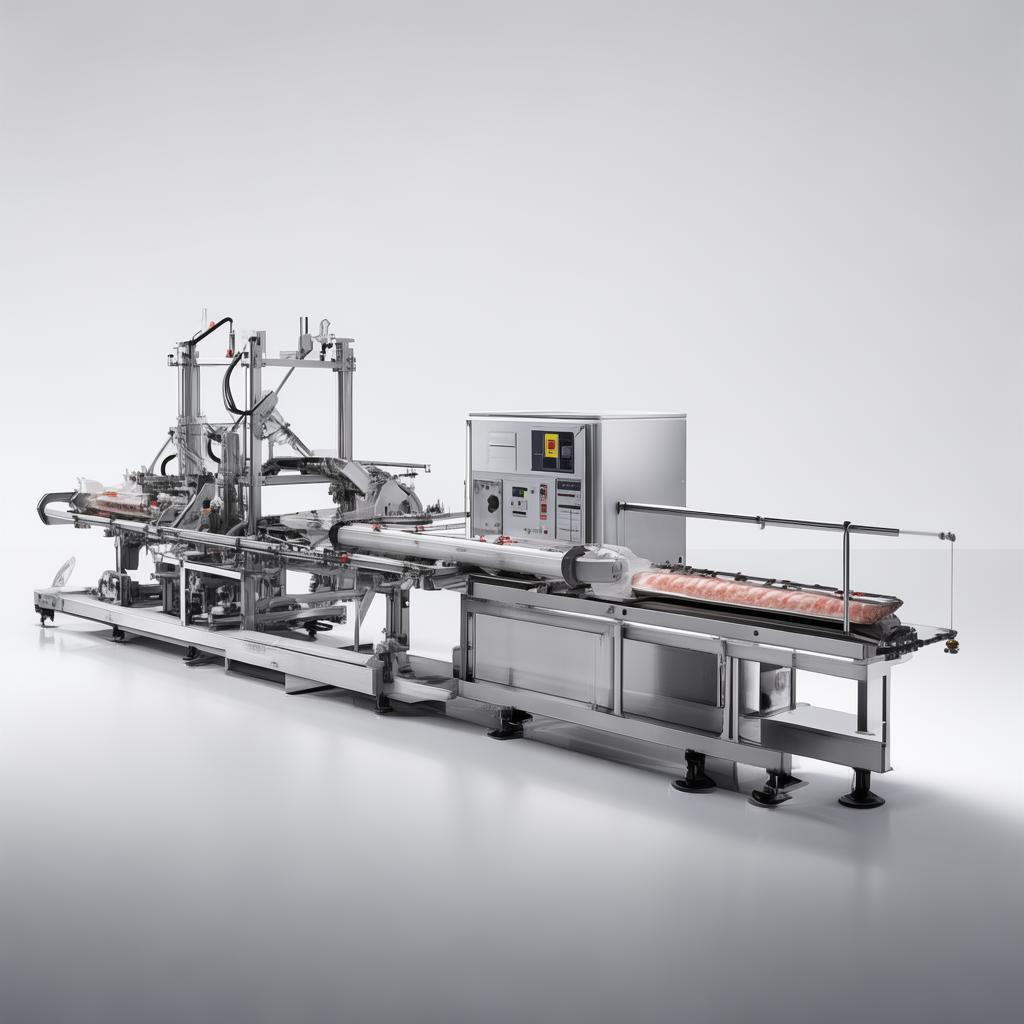
Hebei Yuanchang leverages its extensive experience in precision manufacturing to deliver pharmaceutical grinding equipment that meets the most stringent industry demands. We don't just build machines; we engineer solutions tailored to the unique needs of API production, focusing on:
- Material Integrity: Utilizing pharmaceutical-grade stainless steel (e.g., SS304, SS316L) and offering specialized coatings where required to ensure product purity and prevent corrosion.
- Hygienic Design: Incorporating crevice-free internal surfaces, easy-to-disassemble components for thorough cleaning, and smooth finishes to facilitate validated cleaning-in-place (CIP) and sterilization-in-place (SIP) processes.
- Precise Particle Control: Offering a range of milling technologies capable of achieving micron-level particle sizes with controlled distribution, crucial for bioavailability and formulation.
- Safety Features: Integrating essential safety mechanisms such as dust explosion protection, effective grounding, and, where applicable, inert atmosphere capabilities.
- Durability and Reliability: Building robust machinery designed for continuous operation, minimizing downtime, and ensuring a long operational lifespan even when handling challenging materials.
- Scalability and Versatility: Providing a spectrum of equipment sizes, from laboratory-scale R&D units to large-scale production mills, ensuring a seamless transition through process development to full commercialization.
Our commitment is to provide equipment that not only performs exceptionally but also integrates seamlessly into your existing or planned pharmaceutical manufacturing workflow, ensuring compliance, efficiency, and ultimately, the quality of your final drug product.
Key Grinding Technologies We Offer
Understanding that different APIs and processing requirements necessitate different milling approaches, we offer a portfolio of advanced grinding technologies. This allows us to recommend the most suitable solution for your specific particle size reduction goals.
Impact Mills (Hammer Mills, Pin Mills)
These mills utilize mechanical impact to break down particles. Hammer mills employ rotating hammers to strike and shatter material, while pin mills use rotating and stationary pins to achieve size reduction through impact and attrition. They are effective for medium to fine grinding of a wide range of materials where particle shape uniformity is not the absolute highest priority.
Hammer Mills
Versatile for coarse to fine grinding. Good for materials with a tendency to agglomerate.
Ideal for: Pre-grinding, API intermediates, bulk materials.
Pin Mills
Achieve finer particle sizes than many hammer mills with lower heat generation. Excellent for brittle materials.
Ideal for: Fine grinding of APIs, excipients.
Jet Mills (Fluid Energy Mills)
These mills utilize the kinetic energy of high-velocity gas (typically compressed air or nitrogen) to grind particles. Particles are accelerated in a vortex and collide with each other, achieving ultra-fine grinding (micronization). This process is often adiabatic, minimizing heat buildup, making it ideal for heat-sensitive APIs. It also produces very uniform particle shapes.
Ideal for: Micronization of APIs for inhalation or enhanced dissolution, heat-sensitive compounds, materials requiring ultra-fine particle size and high purity.
Key Benefit: Minimal heat generation and ability to achieve sub-micron particle sizes, crucial for many modern drug formulations.
Ball Mills
Ball mills use a rotating drum filled with grinding media (balls or rods) to reduce particle size through attrition and impact. They are known for their versatility and ability to handle a wide range of materials, including hard and abrasive substances, and can operate in wet or dry grinding modes. For pharmaceutical applications, specialized ball mills with inert grinding media and contained systems are employed.
Ideal for: Fine grinding of pigments, inorganic APIs, and some organic compounds; dry or wet grinding; batch or continuous operation.
Classifier Mills
These mills combine grinding action with an integrated air classifier. Material is ground, and then a precisely controlled airflow separates particles by size, allowing only the desired fine particles to exit. This offers enhanced control over PSD and can improve throughput for specific particle size targets.
Ideal for: Achieving sharp particle size cuts, processing materials that tend to agglomerate, continuous production of fine powders.
Diverse Applications Across Pharmaceutical Sectors
Our grinding equipment is engineered to serve a broad spectrum of pharmaceutical manufacturing needs, ensuring that APIs and other critical raw materials achieve the precise physical properties required for their intended application.
Active Pharmaceutical Ingredients (APIs)
This is our primary focus. Whether you need to micronize an API for enhanced bioavailability (e.g., for poorly soluble drugs), control particle size for tablet compression, or achieve specific morphology for injectable suspensions, our mills are designed to meet these exact specifications. The ability to maintain API purity and prevent degradation is paramount here.
Excipients
Beyond APIs, many excipients (binders, fillers, disintegrants) also require precise particle size control to ensure proper tablet formation, dissolution rates, and overall formulation stability. Our equipment can process these materials efficiently while maintaining high purity standards.
Nutraceuticals and Dietary Supplements
The nutraceutical industry often mirrors pharmaceutical standards for quality and efficacy. Our grinding solutions are well-suited for processing vitamins, minerals, herbal extracts, and other dietary supplement ingredients to achieve optimal particle size for encapsulation, tablet pressing, or inclusion in functional foods.
Biologics and Sterile Products
For applications requiring sterile processing, our mills can be designed to meet stringent cleanroom standards, with materials and finishes that support rigorous aseptic processing and cleaning protocols. This is critical for APIs used in injectables, ophthalmic solutions, and other sterile drug products.
Specialty Chemicals for Pharma
Certain specialty chemicals used in pharmaceutical synthesis or formulation also benefit from controlled particle size reduction to improve reactivity, dissolution, or handling properties. Our equipment provides the precision needed for these niche applications.
Operational Insight: Proper particle size control for APIs can significantly reduce the amount of API needed per dose, lowering costs and potentially minimizing side effects. It also ensures batch-to-batch consistency, a critical factor for regulatory approval.
Technical Specifications & Customization
We understand that no two pharmaceutical grinding projects are exactly alike. While our standard offerings are robust, our true strength lies in our ability to customize solutions to meet your precise technical and operational requirements. Our engineering team works closely with clients to define specifications that align with their specific API properties, desired particle size distribution, throughput targets, and facility constraints.
Standard Specifications (Illustrative - Subject to Model)
| Parameter | Typical Range / Option | Considerations |
|---|---|---|
| Material Construction | SS304, SS316L, Hastelloy (optional) | Corrosion resistance, API compatibility |
| Surface Finish | Ra ≤ 0.4 μm (electropolished optional) | Cleanability, non-stick properties |
| Target Particle Size | Microns to millimeters | D50, D90 requirements |
| Throughput | Varies by model (kg/hr to tons/hr) | Batch size, API properties |
| Motor Power | Customizable (kW/HP) | Energy requirements, process intensity |
| Cooling/Heating Options | Water jacket, integrated chillers | Temperature-sensitive APIs |
| Sealing | Mechanical seals, O-rings (PTFE, Viton) | Dust containment, inerting capability |
pharmaceutical filling equipment industrial grinding equipment commercial grinding machinery
Customization Options Include:
- Grinding Media: Selection of appropriate grinding media (e.g., ceramic, stainless steel, specific alloys) for ball mills.
- Screen/Classifier Design: Custom aperture sizes or classifier wheel configurations for precise particle classification.
- Inert Gas Systems: Integration of nitrogen or other inert gas systems for oxygen-sensitive materials or dust explosion prevention.
- ATEX Compliance: Design and certification for operation in potentially explosive atmospheres.
- Integrated Control Systems: PLC-based controls with HMI for precise parameter monitoring, adjustment, and data logging, essential for GMP compliance.
- CIP/SIP Integration: Design features that facilitate automated cleaning and sterilization.
- Explosion Protection: Venting, isolation valves, or suppression systems.
We encourage you to discuss your project specifics with our technical team. Leveraging our 40 years of manufacturing experience, we can adapt and engineer equipment that precisely fits your workflow and API requirements.
Our Manufacturing Excellence: A Foundation of Trust
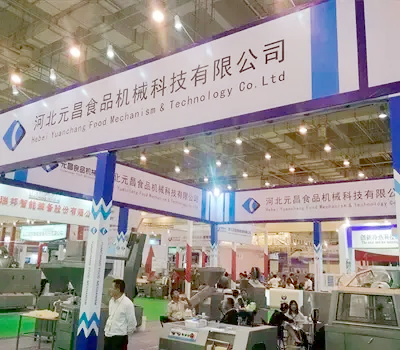
At Hebei Yuanchang, our manufacturing philosophy is built on precision, reliability, and a deep understanding of industrial machinery. Spanning approximately 14,000 square meters, our facility is equipped with a comprehensive suite of advanced machining capabilities. This includes over 20 sets of processing machinery, from traditional lathes and milling machines to high-precision grinding machines, boring machines, and wire cutting equipment. The strategic integration of 8 Japanese Mazak CNC machining centers, acquired in 2012, allows us to manufacture components with extreme precision, high volume, and complex, non-standard specifications – capabilities directly applicable to the demanding tolerances of pharmaceutical equipment.
This in-house machining capability is a critical differentiator. It means we have direct control over the quality of every component that goes into our pharmaceutical grinding equipment. We are not reliant on external suppliers for critical parts, which ensures consistency, allows for rapid prototyping and customization, and significantly reduces lead times. Our stringent quality control processes are integrated at every stage of production, from raw material inspection to final assembly and testing. This vertical integration allows us to guarantee the precision, durability, and performance of our machines, providing our clients with the confidence that they are investing in equipment built to last and engineered to perform under the rigorous demands of pharmaceutical manufacturing.
Our team of 80-100 skilled professionals, combined with 40 years of accumulated expertise since 1986, forms the backbone of our operational excellence. This blend of cutting-edge technology and seasoned human skill ensures that we can tackle complex manufacturing challenges and deliver pharmaceutical grinding equipment that not only meets but often exceeds industry expectations for quality and performance.
Quality Assurance and Regulatory Compliance
Operating within the pharmaceutical sector means adhering to the highest standards of quality and compliance. Hebei Yuanchang is committed to ensuring our equipment meets or exceeds these expectations. While we are primarily a manufacturer of industrial machinery that can be adapted for pharmaceutical use, we understand the critical importance of certifications and compliance frameworks that govern your operations.
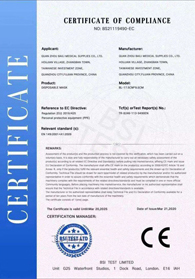

Our manufacturing processes adhere to strict quality management systems, reflecting our ISO certification. For equipment intended for pharmaceutical use, we ensure:
- Material Traceability: We maintain full traceability of all materials used in construction, a critical requirement for pharmaceutical manufacturing.
- Documentation Support: We provide comprehensive documentation packages, including material certificates, fabrication drawings, and operational manuals, to support your validation efforts.
- Design for GMP: Equipment can be designed and manufactured to facilitate compliance with Good Manufacturing Practices (GMP), including considerations for cleanroom environments and ease of cleaning.
- CE Marking: Our equipment can be supplied with CE marking, indicating compliance with European health, safety, and environmental protection standards, facilitating import into the EU market.
We work closely with clients to understand their specific regulatory requirements, whether it's FDA compliance for the US market, EMA for Europe, or other regional standards. While we are not a certified pharmaceutical equipment manufacturer in the strictest sense of producing ready-to-install GMP-validated systems out-of-the-box (as this often involves site-specific validation), our robust engineering and manufacturing capabilities provide a solid foundation. We offer equipment that is designed with pharmaceutical needs in mind, minimizing the validation burden for our clients. Clients often specify requirements like SS316L construction, Ra < 0.4µm surface finish, and sanitary fittings, which we are fully equipped to deliver. We can also provide data and documentation to support your DQ, IQ, OQ, and PQ processes.
Important Note: Pharmaceutical validation is a complex process that extends beyond equipment manufacturing. We provide high-quality, compliant equipment and thorough documentation to facilitate your validation efforts, ensuring a smooth integration into your GMP environment.
Global Logistics and Seamless Integration
Exporting industrial machinery requires a robust logistical network and careful planning. At Hebei Yuanchang, we have extensive experience in managing the complexities of international shipping, ensuring your pharmaceutical grinding equipment reaches its destination safely, efficiently, and on schedule.
Packaging and Protection
Our machinery is meticulously prepared for international transit. This typically involves heavy-duty crating or skidding, often combined with protective wrapping (e.g., moisture-resistant barriers) to safeguard against environmental factors and physical damage during loading, transit, and unloading. We ensure all components are securely fastened to prevent shifting.
Shipping Options
We work with reliable freight forwarders to offer a range of shipping options tailored to your needs and budget. This can include:
- Sea Freight: The most common and cost-effective method for large machinery, utilizing standard containers (20' or 40') or breakbulk services for oversized units. We optimize container loading for maximum space utilization.
- Air Freight: For time-sensitive shipments or smaller components, air freight offers rapid delivery, though at a higher cost.
- Land Transportation: For deliveries within continental regions, we coordinate with trucking partners.
Documentation and Customs
We handle all necessary export documentation, including commercial invoices, packing lists, certificates of origin, and bills of lading. Our team is knowledgeable in international trade regulations to ensure smooth customs clearance at the destination port. We can also assist with any specific documentation you may require for import permits or compliance checks.
Our goal is to make the international procurement process as straightforward as possible. We provide proactive communication throughout the shipping process, offering tracking information and logistical support to ensure your equipment arrives ready for installation.
Logistics Warning: Always consider potential import duties, taxes, and local handling fees when budgeting for international equipment purchases. It's advisable to consult with your local customs broker.
Procurement Guidance for Pharmaceutical Grinding Equipment
Sourcing grinding equipment for pharmaceutical manufacturing involves more than just comparing technical specs. It's a strategic decision that impacts product quality, regulatory compliance, and operational efficiency. As experienced manufacturers with a history in demanding industries, we offer insights to guide your procurement process.
Define Your Needs Precisely
Before engaging suppliers, clearly define:
- API Characteristics: Hardness, abrasiveness, moisture content, heat sensitivity, potential for dust explosion.
- Target Particle Size Distribution (PSD): Specify D50, D90, and any other critical metrics.
- Required Throughput: Batch size and frequency, or continuous production rate (kg/hr).
- Material Purity Requirements: Grade of stainless steel, surface finish (e.g., Ra value), absence of specific elements.
- Operational Environment: Cleanroom classification, need for CIP/SIP, ATEX zoning.
- Regulatory Compliance: Specific standards or guidelines (e.g., FDA, EMA, GMP) your equipment must support.
Evaluate Supplier Capabilities
Look for manufacturers who demonstrate:
- Industry Experience: Proven track record in supplying to the pharmaceutical sector or highly regulated industries. Our 40 years of manufacturing, including experience with high-hygiene food processing equipment, provides a strong foundation.
- Engineering Expertise: Ability to customize solutions and provide technical support beyond standard specifications.
- Manufacturing Quality: Robust in-house manufacturing capabilities, advanced machining (like CNC), and stringent quality control processes.
- Transparency: Willingness to share details about materials, manufacturing processes, and quality documentation.
- After-Sales Support: Availability of spare parts, technical assistance, and potential for remote diagnostics or on-site support.
Beyond the Quotation
Consider the total cost of ownership, not just the initial purchase price. Factors include:
- Reliability & Downtime: Will the equipment consistently perform, or will it lead to costly production interruptions?
- Maintenance Costs: Availability and cost of spare parts, ease of maintenance.
- Energy Consumption: Efficiency of the drive systems and overall operational cost.
- Validation Support: The quality of documentation provided to reduce your validation effort.
- Lead Time: Can the manufacturer deliver within your project timeline?
Engaging with a supplier like Hebei Yuanchang means partnering with a manufacturer that understands the critical nature of your processes and offers manufacturing excellence honed over decades.
Procurement Tip: Don't hesitate to ask for references or case studies relevant to your specific API or application. Understanding how a mill performs in a similar environment is invaluable.
What Our Clients Say
Hear from companies who have integrated our grinding equipment into their production lines:

Dr. Anya Sharma, Head of Process Development, NovaPharm
"We were looking for a micronization solution for a new API with challenging thermal stability. Hebei Yuanchang's team understood our constraints immediately. Their jet mill delivered the sub-micron particle sizes we needed without compromising API integrity. The documentation provided was excellent for our validation team."
— Pharmaceutical API Manufacturer
Mark Chen, Procurement Manager, BioEnhance Nutraceuticals
"The pin mill we purchased from Yuanchang has significantly improved the flowability of our herbal extracts for encapsulation. It's robust, easy to clean, and handles our materials consistently. The price point was competitive, and the delivery was as promised."
— Nutraceuticals Producer
Sarah Jenkins, Operations Director, PharmaForm Solutions
"We needed a reliable pre-grinding solution for bulk API intermediates. The hammer mill provided by Hebei Yuanchang exceeded our expectations in terms of throughput and particle size uniformity for the next stage. Their after-sales support for installation guidance was also very helpful."
— Pharmaceutical Formulation ServicesFrequently Asked Questions
Q1: Can your grinding equipment be used for highly potent APIs (HPAPIs)?
Yes, our equipment can be designed and configured for HPAPI applications. This typically involves enhanced containment features, such as glove boxes, specialized sealing systems, and integrated dust collection, to ensure operator safety and prevent environmental release. We can discuss specific containment strategies based on your Occupational Exposure Band (OEB) requirements.
Q2: How do you ensure the equipment is easy to clean and meets GMP standards?
Our equipment is designed with pharmaceutical hygiene in mind. This includes crevice-free internal surfaces, polished finishes (often electropolished to Ra ≤ 0.4 µm), and easily removable components. We can also supply units designed for CIP (Clean-In-Place) and SIP (Sterilize-In-Place) systems, facilitating validated cleaning procedures essential for GMP compliance.
Q3: What is the typical lead time for a customized pharmaceutical grinding mill?
Lead times can vary significantly based on the complexity of customization, specific model, and current production schedules. For standard models, it might range from 8-12 weeks. For highly customized units, it could extend to 16-24 weeks or more. We will provide a realistic production and delivery schedule upon order confirmation.
Q4: Do you provide installation and commissioning services?
We offer comprehensive installation and commissioning support. This can range from detailed manuals and remote technical assistance to on-site services performed by our experienced engineers. Our goal is to ensure your equipment is set up correctly and operating optimally from day one.
Q5: What kind of after-sales support do you offer?
We provide ongoing after-sales support, including readily available spare parts, troubleshooting assistance, and maintenance recommendations. Our traceable after-sales management system ensures we can quickly identify and supply the correct components for your machinery throughout its lifecycle.
Q6: Can you test my API material in your equipment before I purchase?
While we don't operate a dedicated pharmaceutical-certified test lab, we can arrange for material trials using representative samples in our in-house testing facilities. This allows us to confirm the suitability of our equipment for your specific API and desired particle size reduction, ensuring optimal performance before commitment.
Ready to Optimize Your API Production?
Achieve precise particle size control, enhance product quality, and ensure regulatory compliance with our advanced pharmaceutical grinding solutions.