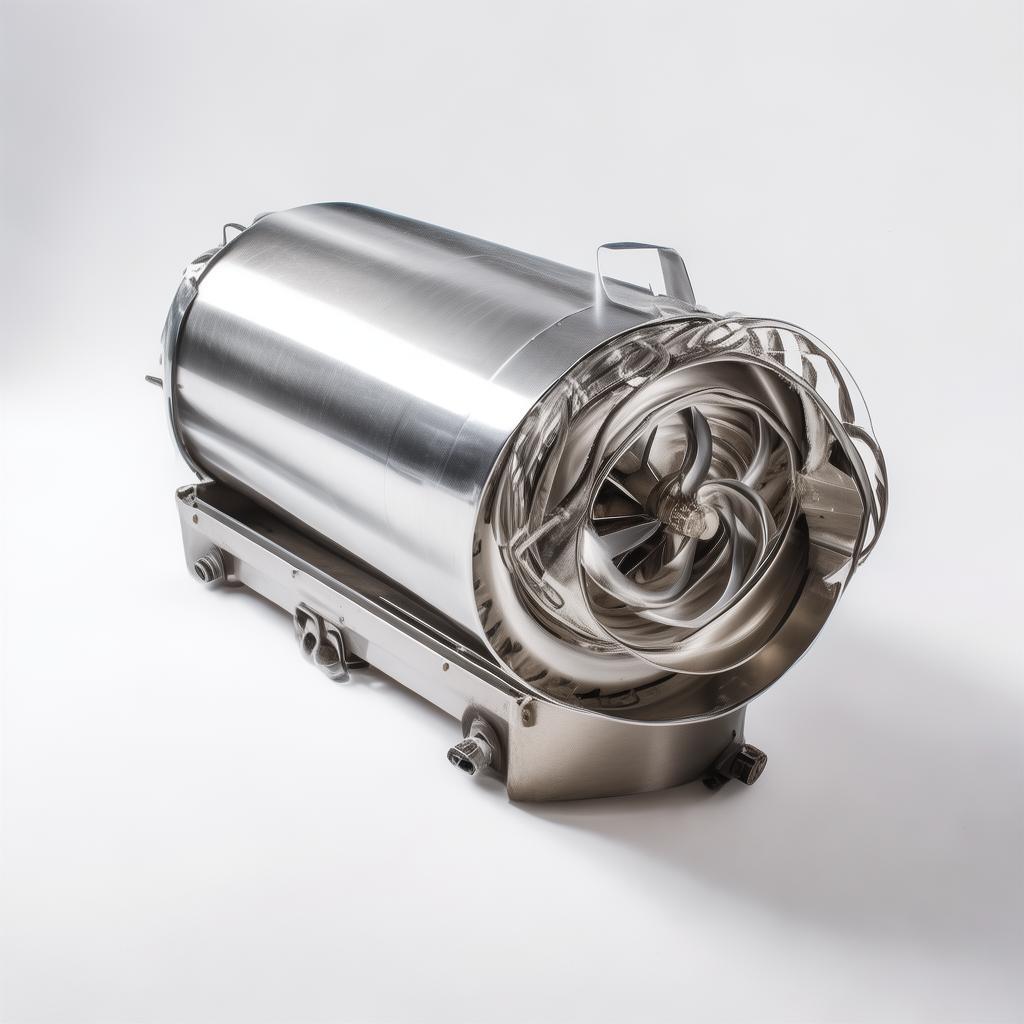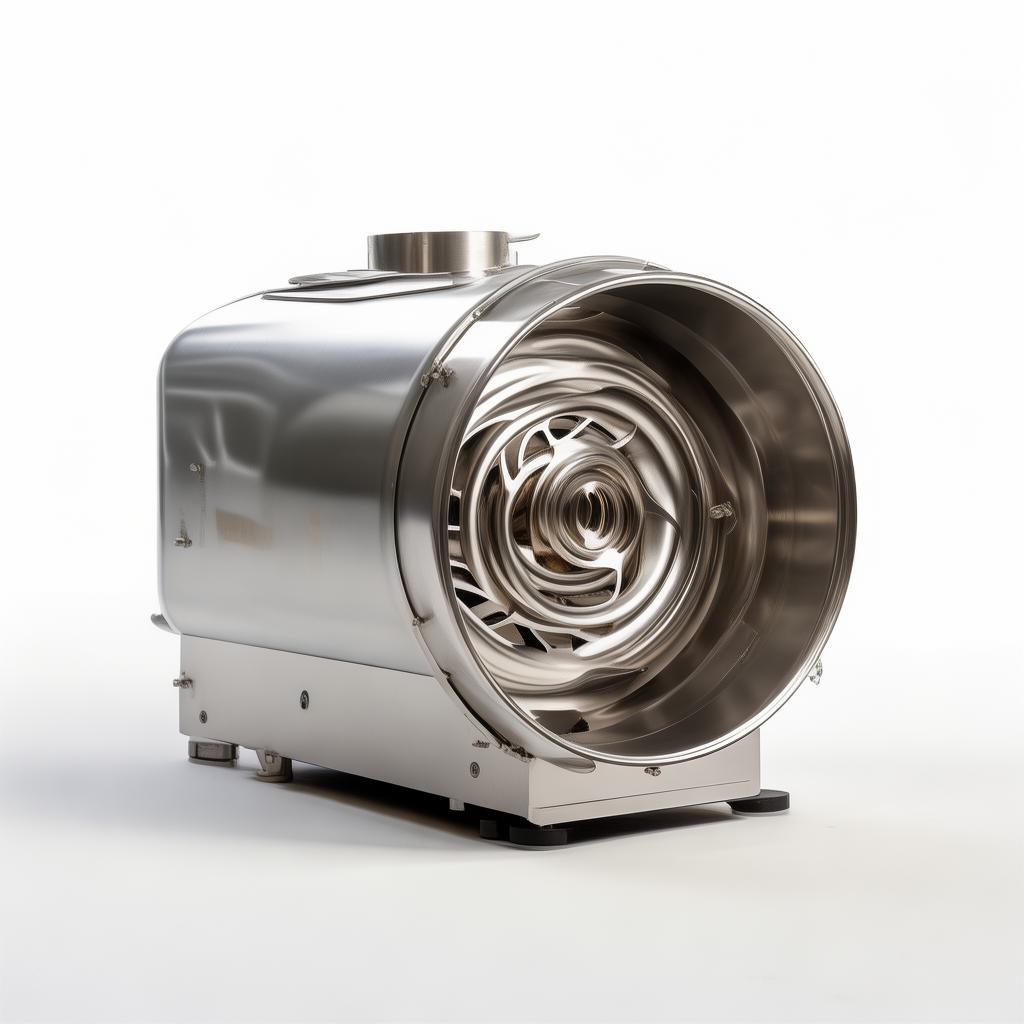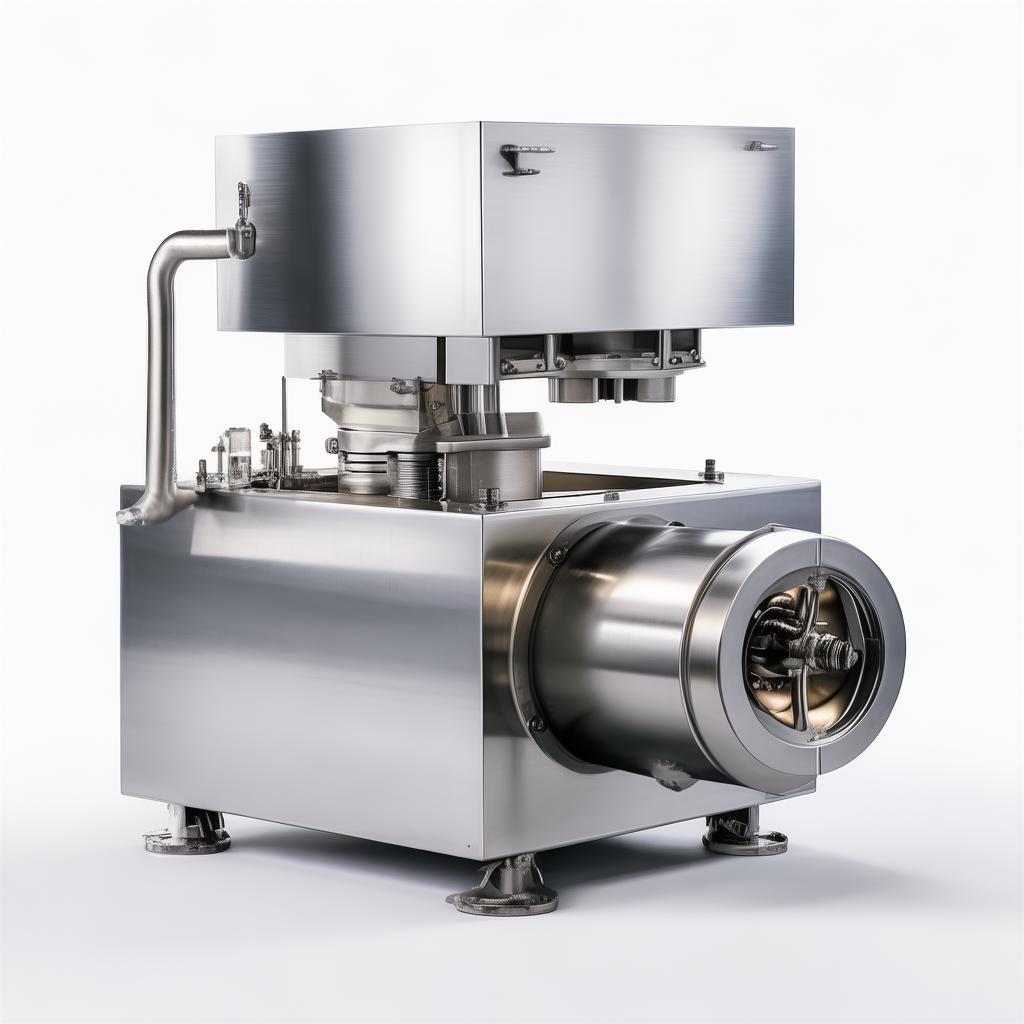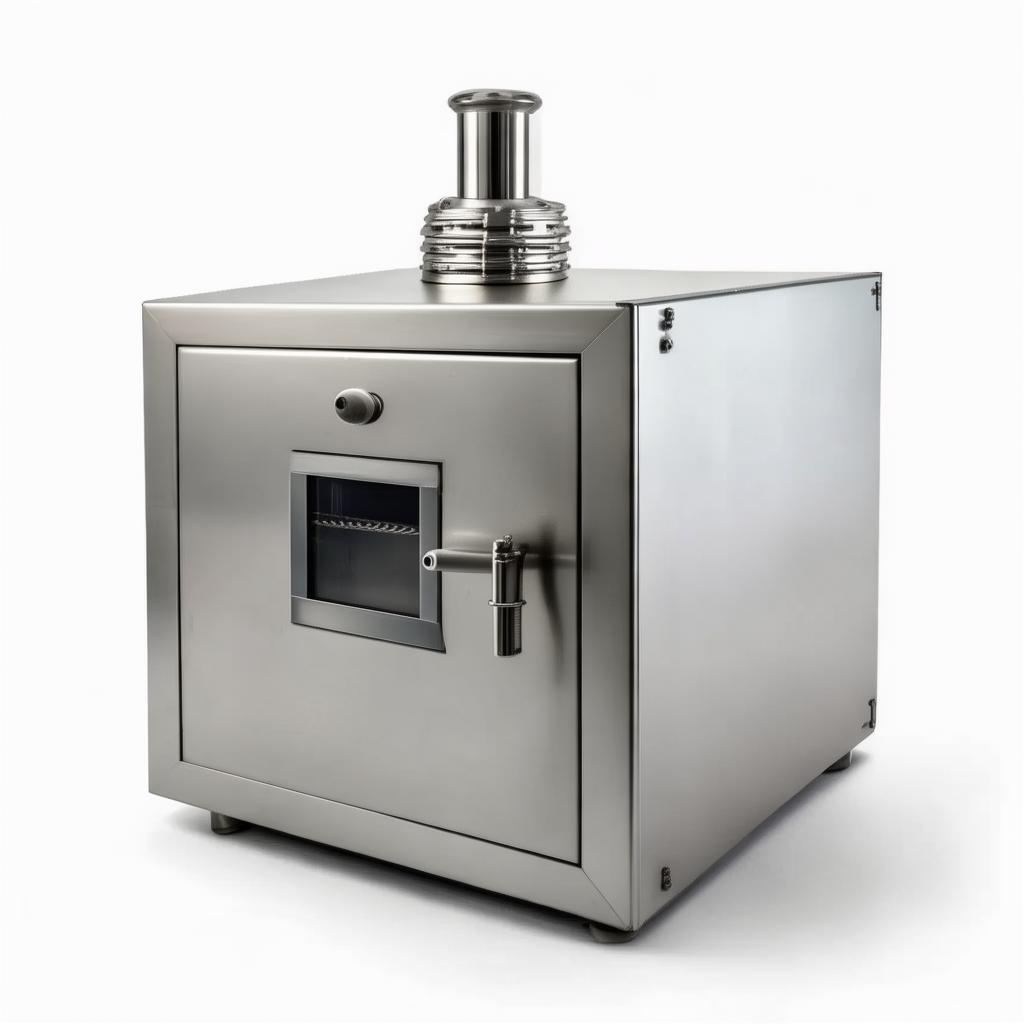
Personal Meat Grinder
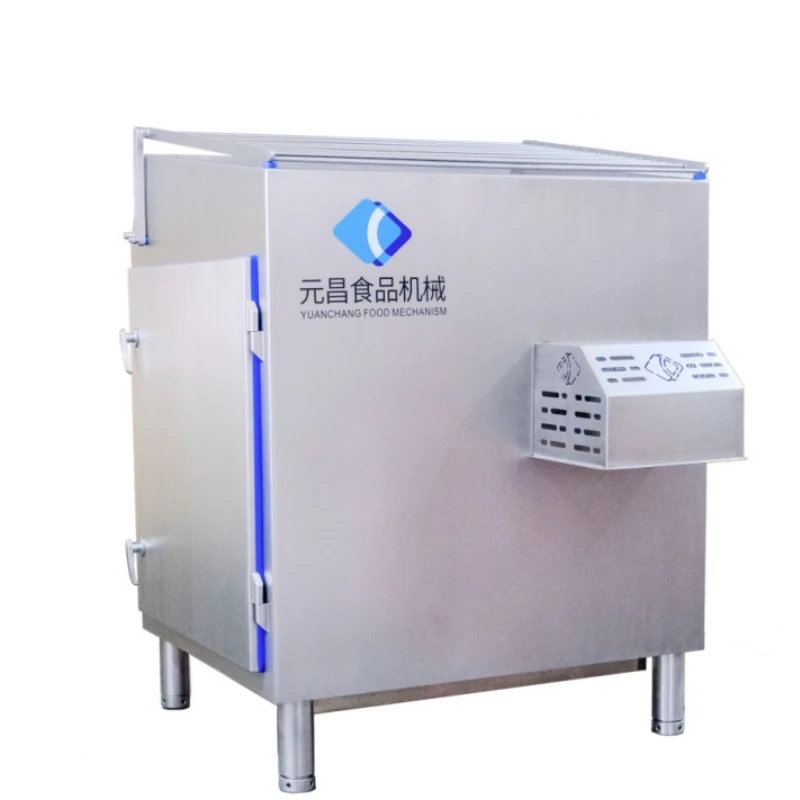
Precision Grinding, Consistent Quality: Your Source for Commercial-Grade Personal Meat Grinders
For Businesses Demanding Reliability and Performance in Meat Processing.
 Authored by David Chen, Senior Export Manager at Hebei Yuanchang Food Mechanism & Technology Co., Ltd.
Understanding the Core of Meat Grinding Operations
In the intricate world of meat processing, particularly for businesses that pride themselves on artisanal quality or specialized product lines, the humble meat grinder is far from a simple appliance. It's the cornerstone of consistency, the enabler of diverse textures, and a critical component that directly impacts your final product's appeal and marketability. Whether you're producing premium sausages, perfectly seasoned burger patties, or innovative pet food formulations, the efficiency, durability, and precision of your grinding equipment are paramount. We understand that as a procurement manager, operations director, or a small-to-medium enterprise owner, your focus isn't just on acquiring a machine; it's on investing in a reliable partner that contributes to your operational excellence and profitability.
The global meat processing equipment market itself is a testament to this importance. Valued at approximately USD 11.29 billion in 2025 and projected to reach USD 17.39 billion by 2034, this segment underscores the significant investment and innovation in this sector. Key areas driving this growth include not just the rising demand for processed meats across various cultures, but also the increasing adoption of automation for enhanced hygiene, labor efficiency, and adherence to stringent food safety standards. This market growth, as reported by Fortune Business Insights, highlights a clear trend towards specialized equipment, where grinding machines play a foundational role. The ability to consistently produce meat of a specific grind size, temperature, and texture is non-negotiable for maintaining brand reputation and meeting consumer expectations for quality and safety.
From our perspective at Hebei Yuanchang, a company with over 40 years of dedicated experience since 1986 in food mechanism technology, we've seen firsthand how the wrong grinding setup can lead to bottlenecks, inconsistent product quality, and ultimately, lost revenue. A personal meat grinder, while perhaps seeming less industrial than a large-scale facility's setup, still demands the same principles of robust engineering and thoughtful design when intended for commercial application. We're not just talking about a tool for home kitchens; we're discussing professional-grade equipment that handles significant daily throughput, requires easy sanitization, and must withstand continuous operation without compromising meat integrity—especially crucial when dealing with temperature-sensitive products. The "personal" in this context often refers to its suitability for smaller-scale operations, specialized boutique producers, or even as a versatile auxiliary unit within larger plants for specific tasks.
Consider the operational realities: a poorly designed grinder might generate excessive heat, leading to fat rendering and a greasy texture that's unappealing and can shorten shelf life. This is a critical factor for both fresh and processed meat products. Furthermore, the mechanical stress on components during operation can lead to premature wear and tear, resulting in costly downtime and frequent replacement parts. The precision of the grinding plates and blades, the efficiency of the motor, and the ease of disassembly for cleaning are all elements that differentiate a good grinder from a great one. As the industry increasingly emphasizes automation and efficiency, the groundwork laid by reliable pretreatment equipment like meat grinders becomes even more significant. The ability to precisely control particle size and distribution is fundamental for achieving desired outcomes in products like sausages, forcemeat, and seasoned blends.
The insights from Grand View Research, indicating a global market value of USD 11.28 billion in 2024 and a projected USD 15.04 billion by 2030, further emphasize the sector's dynamism. Their analysis points to segments like tenderizing, filling, grinding, and slicing as essential for various meat processing stages. This reinforces our belief that specialized grinding solutions are not just a commodity but a strategic asset. For businesses aiming to innovate or expand their product offerings—perhaps by experimenting with different fat-to-lean ratios, incorporating unique spice blends, or developing gourmet meat preparations—the flexibility and control offered by a high-quality personal meat grinder are invaluable. It empowers culinary creativity while maintaining industrial-level standards.
Moreover, the supply chain itself is becoming more globalized, and with it, the procurement of essential machinery. Importers and distributors often face the challenge of sourcing reliable equipment from international manufacturers. Understanding the nuances of manufacturing processes, material quality, and supplier transparency is vital. Our 40 years of experience have been built on mastering these very aspects, from in-house machining with over 20 sets of precision equipment, including Japanese Mazak CNC machining centers, to a traceable after-sales management system. This allows us to produce high-precision parts independently, ensuring that every grinder leaving our facility meets rigorous standards. This level of vertical integration is what sets us apart and provides our international clientele with the confidence they need in their equipment investments.
The need for efficient and reliable grinding solutions extends across a spectrum of applications. While the term "personal meat grinder" might suggest a smaller scale, the underlying principles of performance and durability are universal. We cater to businesses that require robust equipment that can deliver consistent results, day in and day out. This means focusing on factors like motor power for efficient grinding of both fresh and slightly frozen meats, durable construction materials that resist corrosion and wear, and user-friendly designs that simplify operation and cleaning—critical for maintaining food safety and operational flow. As we navigate the evolving landscape of the meat processing industry, characterized by increasing consumer demand for convenience and quality, the role of a well-engineered personal meat grinder remains indispensable for businesses looking to excel.
Common Challenges in Meat Processing: Why the Right Grinder Matters
Operating a meat processing business, even at a smaller or specialized scale, comes with its unique set of hurdles. Choosing the right equipment, especially a fundamental piece like a meat grinder, can significantly mitigate these challenges. Many of our clients initially approach us after experiencing issues with their current setup, or when scaling up and realizing the limitations of generic or low-quality machinery.
- Inconsistent Product Texture: This is perhaps the most frustrating issue. A grinder that delivers uneven particle sizes, tears meat rather than cuts it, or produces a mushy consistency can ruin batch after batch of product. For sausages, this translates to poor binding and an unappetizing mouthfeel. For burgers, it means a lack of desirable "bite."
- Heat Generation Issues: Grinding generates friction, and if the machine isn't designed for efficient heat dissipation, the meat can warm up considerably. This is detrimental, especially for fat-rich meats, leading to fat smear, reduced product quality, and potential food safety risks. Maintaining a low processing temperature is crucial for preserving flavor and texture.
- Durability and Downtime: Inferior materials and construction mean parts wear out quickly. This leads to frequent breakdowns, costly repairs, and the dreaded operational downtime that can impact delivery schedules and customer satisfaction. For a business reliant on daily output, equipment failure is a significant financial blow.
- Hygiene and Cleaning Complexity: Food safety regulations are non-negotiable. Equipment that is difficult to disassemble, clean thoroughly, and sanitize properly poses a constant risk. This not only jeopardizes compliance but also consumes valuable labor time that could be better spent on production.
- Limited Versatility: Some grinders are designed for a single purpose. If your business evolves and you want to experiment with different grinds, textures, or even process different types of meat or by-products, a rigid machine becomes a constraint rather than an asset.
- Operational Inefficiency: Slow grinding speeds, difficulty feeding meat, or inefficient motor performance can add significant time to your production cycle, increasing labor costs and limiting overall output capacity.
These are the operational realities we aim to solve with our precisely engineered meat grinders. We focus on building machines that not only perform but also integrate seamlessly into your workflow, enhancing efficiency and ensuring the quality your customers expect.
The Hebei Yuanchang Difference: Advantages of Our Personal Meat Grinders
Our approach to designing and manufacturing personal meat grinders for commercial use is rooted in decades of hands-on engineering and a deep understanding of our clients' operational needs. We don't just build machines; we build solutions that enhance your production capabilities.
Precision Grinding Performance
Engineered with high-quality stainless steel plates and blades, our grinders deliver a clean, precise cut. This ensures consistent particle size, minimizes heat buildup, and prevents the tearing or smearing of meat, resulting in superior product texture and appearance.
Robust Construction & Durability
Built with heavy-duty stainless steel and robust motor components, our grinders are designed for continuous operation. This resilience means fewer breakdowns, reduced maintenance costs, and a longer service life, providing a solid return on your investment.
Enhanced Hygiene & Ease of Cleaning
Recognizing the critical importance of food safety, our grinders feature a design that allows for quick and easy disassembly. All food-contact parts are made from food-grade stainless steel, enabling thorough cleaning and sanitization to meet stringent regulatory standards.
Powerful & Efficient Motors
Equipped with high-torque motors, our grinders efficiently process even tougher cuts of meat and can handle slightly frozen products without strain. This translates to faster processing times and greater overall operational efficiency.
User-Friendly Operation
Designed with the operator in mind, our grinders are intuitive to use and require minimal training. Features such as accessible controls and ergonomic feeding trays contribute to a safer and more productive working environment.
These advantages are not just marketing points; they are the result of our commitment to engineering excellence and practical application, honed over four decades.
Technical Specifications: Precision Engineering for Demanding Tasks
Our range of personal meat grinders is engineered to offer flexibility and performance. Below are typical specifications; detailed datasheets are available upon request for specific models.
| Feature | Model YC-MG12 (Example) | Model YC-MG22 (Example) |
|---|---|---|
| Motor Power | 1 HP (750W) | 1.5 HP (1100W) |
| Voltage | 220-240V / 50-60Hz / 1Ph | 220-240V / 50-60Hz / 1Ph |
| Output Capacity (kg/hr) | ~100 - 120 | ~150 - 180 |
| Grinding Head Material | Food-Grade Stainless Steel (e.g., SS304) | Food-Grade Stainless Steel (e.g., SS304) |
| Body Material | Stainless Steel Construction | Stainless Steel Construction |
| Hopper Capacity | Approx. 3-4 kg | Approx. 5-6 kg |
| Standard Hole Plate Size | 6mm (Interchangeable) | 6mm (Interchangeable) |
| Dimensions (L x W x H) | Approx. 550 x 350 x 450 mm | Approx. 600 x 400 x 500 mm |
| Weight | Approx. 30 kg | Approx. 40 kg |
| Safety Features | Overload protection, safety guards | Overload protection, safety guards |
Note: Specific configurations and capacities can be tailored to OEM/ODM requirements.
Versatile Applications: Beyond the Basics
While the term "personal meat grinder" might evoke images of a butcher shop's specialty machine, its applications extend much further, serving a diverse range of businesses and culinary professionals.
- Artisan Sausage Makers: Achieve the perfect grind consistency for a variety of sausages, from fine-textured bratwurst to coarse Italian varieties. Control over grind size is crucial for texture and fat distribution.
- Burger and Patty Producers: Create premium burgers with precise fat-to-lean ratios and desired grind texture. Our grinders ensure uniform particle size, which contributes to excellent mouthfeel and cooking performance.
- Pet Food Manufacturers: Formulate high-quality raw or lightly processed pet food. Consistency in grinding is key for nutritional balance and palatability in specialized pet food recipes. This is a rapidly growing segment where equipment reliability is paramount.
- Catering and Restaurant Kitchens: Elevate in-house offerings by grinding fresh meats for signature dishes, pâtés, or specialized appetizers. This provides a significant quality advantage over pre-ground meats.
- Specialty Meat Processors: For niche products like custom spice blends with meat, experimental food products, or even for processing fish or poultry, a versatile grinder is essential.
- OEM/ODM Product Development: Businesses looking to develop their own branded food processing equipment can leverage our manufacturing expertise. We can customize grinders to meet specific design, capacity, and performance requirements.
The global meat processing equipment market, projected to reach USD 17.39 billion by 2034 according to Fortune Business Insights, is driven by the demand for processed foods. Our grinders are designed to meet this demand by providing the foundational capability for creating a wide array of value-added meat products.
Procurement Insights: What to Look for in a Supplier
Sourcing industrial equipment internationally requires diligence. Beyond the price tag, consider these critical factors when evaluating suppliers for your personal meat grinder needs.
Manufacturing Experience & History
Look for suppliers with a proven track record. Our 40 years of experience since 1986 means we've encountered and solved nearly every conceivable manufacturing challenge. This longevity translates to reliable products and stable operations.
Vertical Integration & Quality Control
A supplier with in-house machining capabilities, like our facility equipped with over 20 sets of processing machinery and Japanese Mazak CNC centers, offers superior control over component quality and can handle custom orders efficiently.
After-Sales Support & Spare Parts
Ensure the supplier has a traceable after-sales management system and readily available spare parts. This is crucial for minimizing downtime. Our ability to produce high-precision parts in-house guarantees worry-free after-sales service.
Meat grinder meat grinder uses meat brand grinder
OEM/ODM Capabilities
If you require custom branding, specific features, or unique configurations, a supplier offering OEM/ODM services is essential. We pride ourselves on our flexibility to meet diverse client needs.
Compliance and Certifications
Verify that the equipment meets relevant international standards (e.g., CE, ROHS where applicable for electrical components). While food contact parts primarily need to be food-grade, adherence to safety directives is important.
Choosing a partner like Hebei Yuanchang means gaining access to decades of manufacturing excellence, ensuring your investment is sound and your operations are supported.
Our Manufacturing Strength: 40 Years of Expertise
At Hebei Yuanchang Food Mechanism & Technology Co., Ltd., our foundation is built on a legacy of manufacturing excellence. With over 40 years of experience since 1986, we have developed a comprehensive understanding of meat processing equipment, from initial design to final production and customer support.
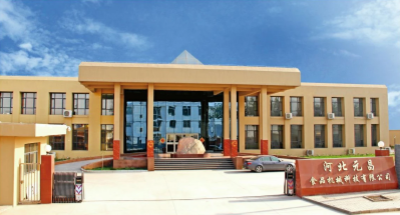
Our expansive 14,000 square meter facility is equipped to handle diverse production needs.
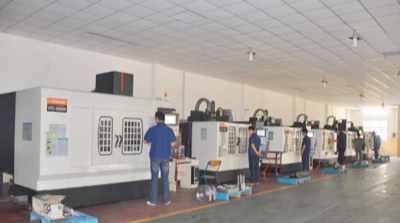
Japanese Mazak CNC machining centers ensure high-precision component manufacturing.
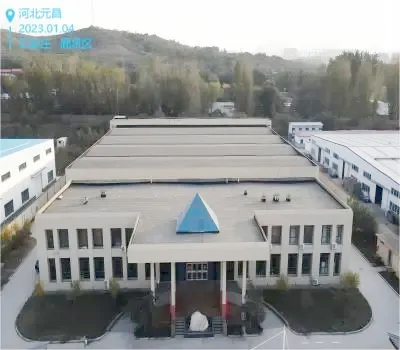
Our skilled team of 80-100 employees is dedicated to quality and efficiency.
Our in-house machining workshop boasts over 20 sets of advanced processing machinery, including lathes, milling machines, high-precision grinding machines, and wire cutting equipment. This allows us to independently produce high-precision parts, ensuring that every component meets exacting standards. In 2012, we invested in 8 sets of Japanese Mazak CNC machining centers, significantly enhancing our capability to manufacture complex, non-standard components with unparalleled accuracy and volume capacity. This vertical integration is key to our ability to offer durable, high-performance meat grinders and to undertake sophisticated OEM/ODM projects.
Our product lines cover essential stages of meat processing, including pretreatment, filling, molding, and ripening, demonstrating our comprehensive approach to equipping modern meat processing facilities. We integrate Research & Development, production, and sales, ensuring a streamlined process from concept to delivery.
Commitment to Quality: Certifications and Standards
Quality and compliance are not afterthoughts at Hebei Yuanchang; they are embedded in our manufacturing philosophy. We adhere to rigorous quality control protocols throughout our production process.

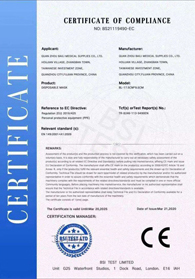


Our manufacturing processes are often aligned with ISO quality management systems. For electrical components and overall product safety, we ensure compliance with relevant directives such as CE marking where applicable for international markets. Furthermore, all food-contact materials are selected to meet standards like FDA requirements for food-grade safety and RoHS compliance for restricted hazardous substances. This commitment to standards ensures that our equipment is not only reliable and high-performing but also safe and compliant for use in diverse international markets.
What Our Clients Say
Don't just take our word for it. Hear from businesses like yours who rely on our personal meat grinders.
 Sarah K., Owner, "The Sizzling Sausage Co."
"We switched to a Yuanchang grinder about two years ago for our small-batch sausage production, and it's been a game-changer. The consistency in grind size is remarkable, leading to a much better texture in our products. Cleaning is straightforward, which is a huge plus for our daily operations. Highly recommend for serious sausage makers."
 Mark R., Operations Manager, "Gourmet Burger Bar"
"We needed a reliable grinder that could handle a moderate volume of beef daily without overheating. The YC-MG22 model has exceeded our expectations. It grinds smoothly, maintains a good temperature, and its stainless steel construction makes daily cleaning simple and efficient. Reduced our prep time significantly."
 Dr. Anya Sharma, R&D, "NutriPet Foods"
"For our specialized pet food formulations, precise ingredient processing is vital. We use Yuanchang grinders to ensure consistent particle size for palatability and nutritional integrity. The durability of the machines in a production environment is impressive, and the ease of sanitation is a critical advantage for food safety."
Frequently Asked Questions
What kind of meat can I grind with your personal meat grinders?
Our grinders are designed to handle various types of meat, including beef, pork, lamb, and poultry. They can effectively grind fresh meat and can also process slightly frozen meat (typically not exceeding -2°C to -4°C) for firmer textures, provided the motor is adequately sized for the task. It's always best to consult specific model recommendations for optimal performance with different meat types and states.
How do I clean and maintain the meat grinder?
For optimal hygiene and longevity, it's crucial to clean the grinder after each use. Disassemble the grinding head (worm, knife, plate, and ring), wash all food-contact parts with warm, soapy water, rinse thoroughly, and dry completely before reassembly. Avoid using abrasive cleaners or steel wool on stainless steel parts. Regular inspection of the knife and plate for wear is also recommended; replacement parts are readily available from us.
Can these grinders be used for grinding bones?
Our personal meat grinders are primarily designed for grinding meat and are not intended for grinding bones. Grinding bones can severely damage the machine's components, including the motor, gears, and grinding plates, leading to irreparable harm and voiding the warranty. For bone grinding, specialized industrial bone crushers or grinders are required.
What is the typical output capacity per hour?
The output capacity varies by model. For instance, our YC-MG12 model typically grinds between 100-120 kg per hour, while the YC-MG22 can process approximately 150-180 kg per hour. These figures are approximate and depend on factors like meat type, temperature, grind plate size, and operator efficiency.
Do you offer OEM/ODM services?
Absolutely. We have extensive experience in providing OEM (Original Equipment Manufacturer) and ODM (Original Design Manufacturer) services. We can customize grinder specifications, branding, and even develop entirely new designs to meet your unique product requirements and market needs.
Ready to Enhance Your Processing Line?
Discover how our high-performance personal meat grinders can elevate your product quality and operational efficiency.