Meat Grinder Video
Mastering Meat Grinding: Essential Videos for Wholesale & Industrial Applications
Unlock efficiency, consistency, and profit in your meat processing operations with expert insights on grinding technology.
 By David Chen, Senior Export Manager
Published:
By David Chen, Senior Export Manager
Published:
Understanding the Core of Meat Processing: Why Grinding Videos Matter
In the demanding world of wholesale meat processing and industrial food manufacturing, the efficiency and precision of every step in the production chain are paramount. At the heart of many product lines – from sausages and burgers to pre-packaged ground meats and even specialized pet food formulations – lies the meat grinding process. While it might seem straightforward, achieving consistent particle size, optimal fat-to-lean ratios, and maintaining strict sanitary standards requires robust equipment and a deep understanding of its operation. This is precisely why high-quality meat grinder video content isn't just informative; it's an essential tool for procurement, operation, and quality control.
For businesses looking to source new grinding equipment or optimize existing lines, visual demonstrations are invaluable. They offer a realistic, unvarnished look at how a machine performs under load, the ease of operation, the cleaning procedures, and the overall build quality. Seeing a meat grinder in action allows purchasing managers, plant supervisors, and engineers to quickly assess its suitability for their specific needs, whether they're dealing with beef, pork, poultry, or even more challenging raw materials. It bridges the gap between static spec sheets and the dynamic reality of a busy production floor.
The global meat processing equipment market itself is substantial, projected to reach figures between $11 billion and $19 billion USD by 2030, with a significant portion dedicated to grinding, cutting, and filling machinery. This growth is fueled by rising demand for processed meats, the adoption of automation for hygiene and efficiency, and increasingly stringent food safety regulations. 【Meat Processing Equipment Market Size, Share & Industry Analysis - https://www.fortunebusinessinsights.com/meat-processing-equipment-market-115455 - The global meat processing equipment market was valued at USD 11.29 billion in 2025 and is projected to reach USD 17.39 billion by 2034 at a CAGR of 5.0%.】 Within this landscape, understanding the nuances of different grinder models – from heavy-duty industrial units designed for continuous operation to more compact, versatile options for specialized applications – is critical. Videos provide a direct line of sight into these differences, showcasing motor power, hopper capacity, blade sharpness, and material flow.
Furthermore, for international trade, particularly for OEM and ODM factory sourcing, meat grinder video demonstrations are indispensable. They overcome geographical barriers, allowing potential buyers to conduct initial due diligence without costly site visits. Observing the machine's assembly, the quality of welds, the finish of stainless steel components, and the general manufacturing environment can tell you a lot about a factory's commitment to quality and its production capabilities. We often see inquiries that start with specific technical questions, but a clear video showing the equipment in operation and its internal components quickly resolves many of those initial doubts. It’s about building trust and demonstrating transparency from the outset.
Beyond the initial selection, training is another area where video excels. Proper operation, routine maintenance, and effective cleaning protocols are vital for machine longevity, product quality, and worker safety. A well-produced training video can standardize procedures across shifts and personnel, reducing errors and downtime. It complements technical manuals by providing visual cues for assembling components, calibrating settings, and identifying potential issues before they become major problems. For instance, demonstrating the correct way to insert and align cutting plates and knives is something that can be explained more effectively through visual demonstration than text alone.
The psychological aspect for procurement teams is also significant. Seeing a machine perform reliably, producing consistent results, and appearing easy to manage instills confidence. This is particularly true when comparing different suppliers. A compelling video that highlights key advantages – like a powerful motor for tough cuts, a design that minimizes meat buildup, or simple controls for user-friendliness – can sway a decision. It’s about seeing the promise of efficiency and ROI visually realized. Many buyers are looking for solutions to specific problems, such as inconsistent grind texture, slow processing speeds, or difficult sanitation. A video that directly addresses these pain points with a clear solution offered by the grinder can be incredibly persuasive.
Our goal at Hebei Yuanchang Food Mechanism & Technology Co., Ltd. is to empower our international partners with the information they need to make informed decisions. With over 40 years of experience since 1986, we understand the critical role of robust, reliable meat processing equipment. That's why we invest in showcasing our capabilities, including our advanced meat grinder video content, which demonstrates not just the machines themselves, but our commitment to quality manufacturing and after-sales support.
This article aims to guide you through what to look for in meat grinder videos, the key operational aspects they should highlight, and how to leverage this visual resource to enhance your procurement process and operational efficiency. We'll delve into technical specifications, application versatility, and the practical considerations that truly matter on the plant floor. Let's explore how a well-chosen meat grinder, demonstrated effectively on video, can become a cornerstone of your success.
Key Industry Challenges Addressed by Modern Grinding Solutions
The meat processing industry faces a continuous stream of challenges, from fluctuating raw material quality and labor shortages to evolving consumer demands and increasingly stringent regulatory landscapes. For procurement and operations managers, selecting equipment that can reliably navigate these complexities is non-negotiable. A high-performance meat grinder, as showcased in demonstration videos, can directly mitigate several of these pain points.
- Inconsistent Product Quality: Variations in grind texture, temperature rise during grinding, or uneven fat distribution can lead to product rejection and loss of consumer trust. Videos showing consistent particle size, efficient cooling, and smooth operation highlight a grinder's ability to deliver uniformity batch after batch.
- Operational Inefficiency & Downtime: Slow grinding speeds, frequent jams, difficult cleaning, and component wear result in lost production time and increased labor costs. Seeing a grinder's powerful motor, optimized screw design, and easy-access components in a video can demonstrate its potential for high throughput and minimal maintenance downtime.
- Hygiene and Food Safety Compliance: Cross-contamination risks are a constant concern. Grinders with seamless stainless steel construction, minimal crevices, and easy-to-disassemble parts that are suitable for high-temperature washing and sanitization are crucial. Videos showcasing these design features and demonstrating cleaning processes are vital for buyers prioritizing food safety. The FDA, for instance, emphasizes stringent sanitation protocols for all food contact surfaces.
- Adapting to Diverse Raw Materials: Processors often handle a range of meat types and cuts, some tougher or with higher connective tissue content than others. A grinder's ability to handle these variations without excessive strain on the motor or resulting in subpar grind quality is a key differentiator. Videos that demonstrate the machine processing different materials effectively provide crucial insights.
- Labor Costs and Skill Gaps: With rising labor costs and occasional shortages, equipment that is intuitive to operate and maintain is a significant advantage. Visual demonstrations in videos can highlight user-friendly interfaces, simple assembly/disassembly, and straightforward operational procedures, reducing training time and the need for highly specialized operators.
The market for meat processing equipment is robust, with projections indicating continued growth. For example, the market was valued at approximately $11.28 billion in 2024 and is projected to reach $15.04 billion by 2030. 【Meat Processing Equipment Market Size, Share Report, 2030 - https://www.grandviewresearch.com/industry-analysis/meat-processing-equipment-market】 This expansion underscores the industry's investment in technologies that address these very challenges. High-quality meat grinder video content is a direct response, offering a transparent and efficient way for buyers to evaluate solutions that promise to enhance product quality, streamline operations, and ensure compliance.
What to Look For in a High-Quality Meat Grinder Video
When evaluating potential meat grinder suppliers, especially through online channels, the video demonstrations they provide are critical. Don't just watch for entertainment; scrutinize them for practical operational insights. A truly valuable meat grinder video will go beyond a glossy product showcase and offer tangible evidence of performance and build quality.
- Demonstration Under Load: Does the video show the grinder processing actual meat, not just running empty? Observe how it handles different cuts, fat content, and meat temperatures. Look for signs of motor strain, consistent feed rate, and minimal jamming. A machine that performs flawlessly in a test kitchen might struggle with real-world production demands.
- Visual Inspection of Components: Can you clearly see the quality of materials? Look for seamless stainless steel (e.g., 304 grade) for food contact surfaces, precise machining of the auger, plates, and knives. Are welds clean? Is the overall finish professional? Videos that offer close-ups of critical parts are invaluable.
- Ease of Assembly/Disassembly & Cleaning: Watch how quickly and easily operators can take the grinder apart for cleaning and then reassemble it. This is a critical factor for daily operations and sanitation. Videos that demonstrate this process efficiently signal a user-friendly design.
- Operational Noise and Vibration: While not always perfectly captured on video, excessive noise or vibration can indicate potential issues with motor balance, bearing wear, or structural integrity. Listen carefully and observe the machine's stability.
- Clear Explanation of Features: Does the video highlight key selling points with practical examples? For instance, if it boasts a unique cooling system, does the video show how it functions? If it has a special feed mechanism, is it demonstrated clearly?
- Production Throughput (Estimated): While exact figures depend on meat type and desired grind, does the video give a sense of the machine's speed? Is it processing large batches efficiently? This provides a rough estimate of its capacity.
- Real-World Application Scenarios: Does the video show the grinder being used in a setting similar to yours – a large-scale butcher shop, a food manufacturing plant, or a contract packing facility? This helps in visualizing its integration into your workflow.
At Hebei Yuanchang, we ensure our meat grinder video productions are designed to provide this level of insight. We feature our industrial-grade machines processing various meats, demonstrating their robust construction, efficient operation, and straightforward maintenance. We believe in transparency, allowing you to "see" the quality and performance before you even contact us.
Technical Specifications & Performance Metrics (Beyond the Video)
While videos offer a crucial visual overview, they must be complemented by precise technical specifications to make an informed procurement decision. Understanding these details allows you to match equipment capabilities directly to your operational requirements. Here’s what you should look for, often detailed in accompanying documentation or spec sheets linked alongside video content.
Essential Specifications for Industrial Meat Grinders:
| Parameter | Key Considerations for Buyers | Typical Range / Importance |
|---|---|---|
| Motor Power (HP/kW) | Determines grinding capacity, ability to handle tough cuts, and continuous operation. Higher power for industrial scales. | Industrial: 5 HP to 30+ HP (3.7 kW to 22+ kW). Crucial for high volume. |
| Hopper Capacity (Lbs/Kg) | Impacts how often meat needs to be reloaded, affecting labor efficiency. | Industrial: 50 Lbs (23 kg) to 200+ Lbs (90+ kg). |
| Grinding Capacity (Lbs/Kg per Hour) | The core measure of throughput. Should align with your production targets. | Industrial: 500 kg/hr to 5,000+ kg/hr. Varies significantly by model and meat type. |
| Grind Plate Diameter & Hole Size (mm) | Determines particle size and texture. Interchangeable plates allow for versatility. | Commonly 70mm, 98mm, 122mm, 130mm. Hole sizes range from 2mm (fine) to 15mm+ (coarse). |
| Materials of Construction | Crucial for durability, hygiene, and corrosion resistance. Stainless steel (304/316) is standard for food contact. | Food-grade stainless steel for all primary components. |
| Dimensions & Weight | Essential for planning installation space and logistics. | Varies widely; industrial units can be quite large and heavy. |
| Power Requirements (Volts/Phase/Hz) | Must match your facility's electrical supply. International buyers must verify compatibility. | Standard industrial voltages (e.g., 220V/380V/480V, 3 Phase, 50/60Hz). |
| Safety Features | Interlocks, emergency stops, guards. Essential for operator safety and compliance with directives like CE marking. | Mandatory for industrial environments. |
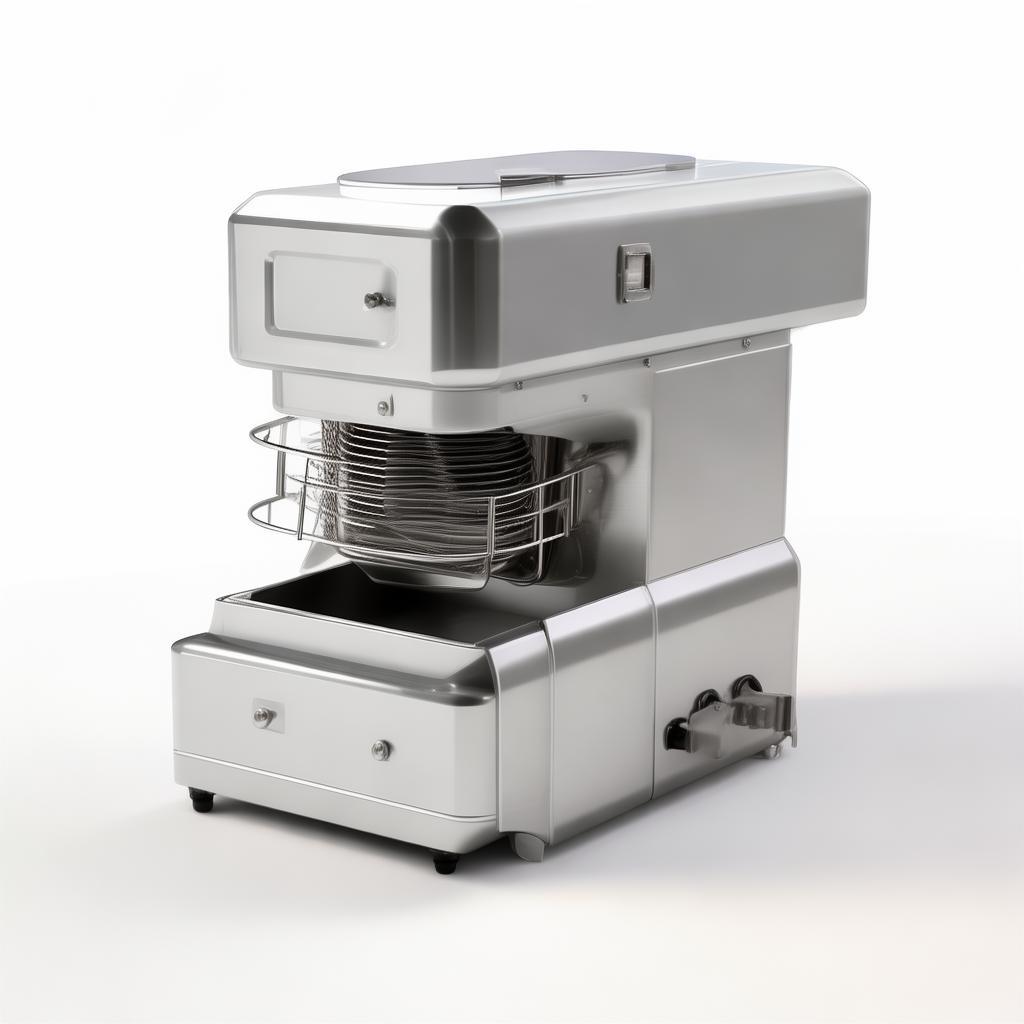
Meat grinder commercial meat grinder commercial meat grinder
The market demand for efficient meat processing equipment is consistently strong. Reports indicate the global market was valued at USD 11.29 billion in 2025 and is projected to reach USD 17.39 billion by 2034, driven by processed meat consumption and automation needs. 【Meat Processing Equipment Market Size, Share & Industry Analysis - https://www.fortunebusinessinsights.com/meat-processing-equipment-market-115455】 For buyers in the USA, ensuring that imported equipment meets local electrical standards and safety regulations (e.g., UL, NSF if applicable) is paramount. Our machines are designed to meet international standards, and we provide comprehensive documentation to facilitate this.
Applications: Where Our Meat Grinders Excel
The versatility of a well-engineered meat grinder is its hallmark. Beyond the obvious applications, modern industrial grinders can handle a surprising range of tasks, making them invaluable assets for diverse food processing operations. A clear meat grinder video will often showcase this adaptability.
- Sausage Production: From breakfast links to large salamis, consistent grind texture is foundational for optimal fat binding and mouthfeel. Our grinders deliver the precise particle size required for high-quality sausages.
- Burger and Patty Forming: Uniformity in ground meat is key for even cooking and consistent product weight. Our machines ensure a homogenous mixture, essential for automated patty-making lines.
- Pet Food Manufacturing: The pet food industry demands high-quality ingredients and precise processing. Our industrial grinders are frequently used to create the fine, consistent grinds necessary for wet and semi-moist pet food formulations. 【Reconstituted Meat Market - https://www.futuremarketinsights.com/reports/reconstituted-meat-market - The reconstituted meat market grows from USD 6.9 billion in 2025 to USD 36.1 billion by 2035 at a CAGR of 18.0%, relying heavily on molding and pretreatment equipment.】
- Pre-packaged Ground Meat: Retail-ready ground beef, pork, or poultry requires a consistent grind that maintains visual appeal and texture. Our equipment ensures this quality for high-volume packaging operations.
- Further Meat Product Development: Grinding is often the first step in creating more complex products like meatloaf, cured meats, or specialty ground meat blends. The quality of the initial grind directly impacts the success of subsequent processing steps, including ripening processes.
- Industrial Pre-treatment: For large-scale meat processors, our grinders serve as crucial pretreatment equipment, efficiently reducing large cuts into manageable sizes for further processing like mixing, forming, or smoking.
Our factory, with its advanced Japanese Mazak CNC machining centers, allows us to produce high-precision components essential for these varied applications. This capability ensures that whether you need a fine grind for delicate sausages or a coarser grind for robust burgers, our machines deliver with exceptional accuracy and consistency.
Operational & Installation Considerations
Choosing the right industrial meat grinder goes beyond just its grinding capabilities. Practical considerations for installation, operation, and maintenance are vital for ensuring long-term performance and ROI. A good meat grinder video might hint at these, but it's important to have a clear understanding.
Key Factors to Consider:
- Space and Layout: Industrial grinders can be substantial. Ensure you have adequate floor space, proper ventilation, and clear access for loading, unloading, and maintenance. Consider proximity to other processing equipment to optimize workflow.
- Power Supply: Verify that your facility's electrical infrastructure can support the grinder's power demands (voltage, phase, amperage). Incorrect connections can lead to equipment damage or safety hazards. We provide detailed specifications for seamless integration.
- Sanitation Procedures: Plan your cleaning schedule and protocols. Access to clean water, drainage, and appropriate cleaning agents is essential. The ease of disassembly, as seen in videos, directly impacts how efficiently sanitation can be performed.
- Operator Training: Ensure all personnel operating the grinder receive thorough training on its safe and efficient use, as well as daily cleaning and basic maintenance. Visual aids and instructional videos are invaluable here.
- Maintenance Schedule: Regular inspection of blades, plates, augers, and bearings is crucial. Lubrication of moving parts and checking motor performance should be part of a proactive maintenance plan to prevent unexpected breakdowns. Our traceability system helps manage after-sales support.
- Material Handling: Consider how raw meat will be brought to the grinder and how the ground product will be moved away. This might involve conveyors, carts, or integrated systems. Efficient material flow is key to maximizing throughput.
We understand that international logistics are complex. Our team is experienced in packaging and shipping industrial machinery to ensure it arrives safely and efficiently, ready for installation. Detailed installation manuals and diagrams are provided to support your technical team.
Procurement Guidance: Partnering with Hebei Yuanchang
As an established manufacturer with 40 years of experience, Hebei Yuanchang Food Mechanism & Technology Co., Ltd. offers more than just equipment; we offer reliable partnership. When evaluating suppliers for industrial meat grinders, consider these aspects of our offering:
- Manufacturing Expertise: Our 14,000 sq meter facility and 80-100 skilled employees are dedicated to R&D, production, and sales. Our in-house machining workshop, equipped with over 20 sets of advanced processing machinery and Japanese Mazak CNC centers, ensures high-precision component manufacturing.
- Quality Assurance: We integrate R&D, production, and sales, maintaining strict quality control throughout the entire process. Our traceability system for after-sales management means we stand behind every part we produce.
- Extensive Experience: Since 1986, we have accumulated deep knowledge in complete production lines for meat processing, giving us unique insights into customer needs.
- Global Reach: We export internationally, understanding the requirements of different markets and ensuring compliance with various standards.
- Customization (OEM/ODM): We offer OEM/ODM services, working closely with clients to develop custom solutions tailored to specific production requirements. If your video needs are unique, we can accommodate.
- Comprehensive Product Lines: Our offerings extend beyond grinders to include pretreatment, filling, molding, and ripening equipment, allowing us to support complete processing lines.
The global processed meat market is a significant driver for equipment manufacturers, with projections showing continued strong growth. 【Processed Meat Market Size, Share & Growth Report - https://www.fortunebusinessinsights.com/industry-reports/processed-meat-market-100556 - The global processed meat market is projected to grow from USD 750.58 billion in 2026 to USD 1,253.77 billion by 2034 at a CAGR of 6.62%.】 By choosing a supplier with proven experience and a commitment to quality, like Hebei Yuanchang, you invest in the long-term success of your operations.
Request our detailed product catalog or schedule a live video demonstration.
Customer Experiences: Real-World Performance
Don't just take our word for it. Hear from clients who have integrated our industrial meat grinders into their operations.

"The consistency we achieve with the YC-122 grinder is outstanding. Our burger patties have never looked or felt better. The throughput increased by about 15% compared to our old unit, and cleaning is significantly faster."
- Mark Jensen, Operations Manager, USA

"We were looking for a reliable grinder for our pet food line, capable of producing a very fine grind. Hebei Yuanchang's team understood our needs precisely. The videos they provided were very helpful in demonstrating the machine's precision before we committed."
- Sarah Lee, Procurement Director, Canada

"The build quality is evident. This isn't a flimsy piece of equipment. It handles our mixed meat batches for sausages with ease, and the maintenance is straightforward. The after-sales support has been responsive too."
- Carlos Rodriguez, Plant Supervisor, Mexico

"As an exporter, sourcing reliable machinery is key. Hebei Yuanchang's clear videos and detailed specifications made the selection process easy. We received the unit well-packaged and it's performing exactly as advertised."
- Anya Sharma, Wholesale Distributor, India
Frequently Asked Questions (FAQ) about Industrial Meat Grinders
Q1: What is the typical lifespan of an industrial meat grinder?
With proper maintenance, regular cleaning, and appropriate usage, industrial meat grinders can last for 10 to 20 years or even longer. Key factors include the quality of construction, the materials used, and adherence to the manufacturer's maintenance schedule. Our robust construction and use of high-grade stainless steel are designed for longevity.
Q2: How do I choose the right grind plate size?
The grind plate size directly dictates the particle size of the ground meat. Smaller holes (e.g., 2-4mm) are for fine grinds used in sausages and paté, while larger holes (e.g., 8-15mm) are for coarser grinds suitable for burgers or certain pre-cooked meat products. Your intended application and desired texture are the primary drivers for selection. Most industrial grinders come with a standard set and offer others as options.
Q3: Can your meat grinders handle frozen meat?
Our industrial grinders are designed to handle chilled meat (-1°C to 4°C). While they can process lightly frozen meat blocks, processing heavily frozen meat is not recommended as it can put excessive strain on the motor and cutting components, potentially leading to damage and reduced lifespan. It's best to temper the meat slightly before grinding for optimal results and machine health.
Q4: What are the typical lead times for industrial grinders?
Lead times can vary based on current production schedules and customization requirements. For standard models, lead times typically range from 4 to 8 weeks from order confirmation. For custom OEM/ODM orders, this may extend. We will provide a precise estimate upon receiving your specific requirements.
Q5: How is after-sales support handled for international clients?
We offer comprehensive after-sales support, including technical assistance, spare parts supply, and troubleshooting guidance. Our traceable after-sales management system ensures we can quickly identify and resolve issues. We can provide detailed manuals and, if necessary, guide your technicians remotely or arrange for on-site support for major installations.
Ready to Optimize Your Meat Grinding Process?
See our industrial meat grinders in action and discover how our robust engineering and decades of experience can benefit your operation.
Let's discuss your specific needs.
Contact us: +86 15830991513 | ycmeatmech@gmail.com
Trusted by Global Leaders