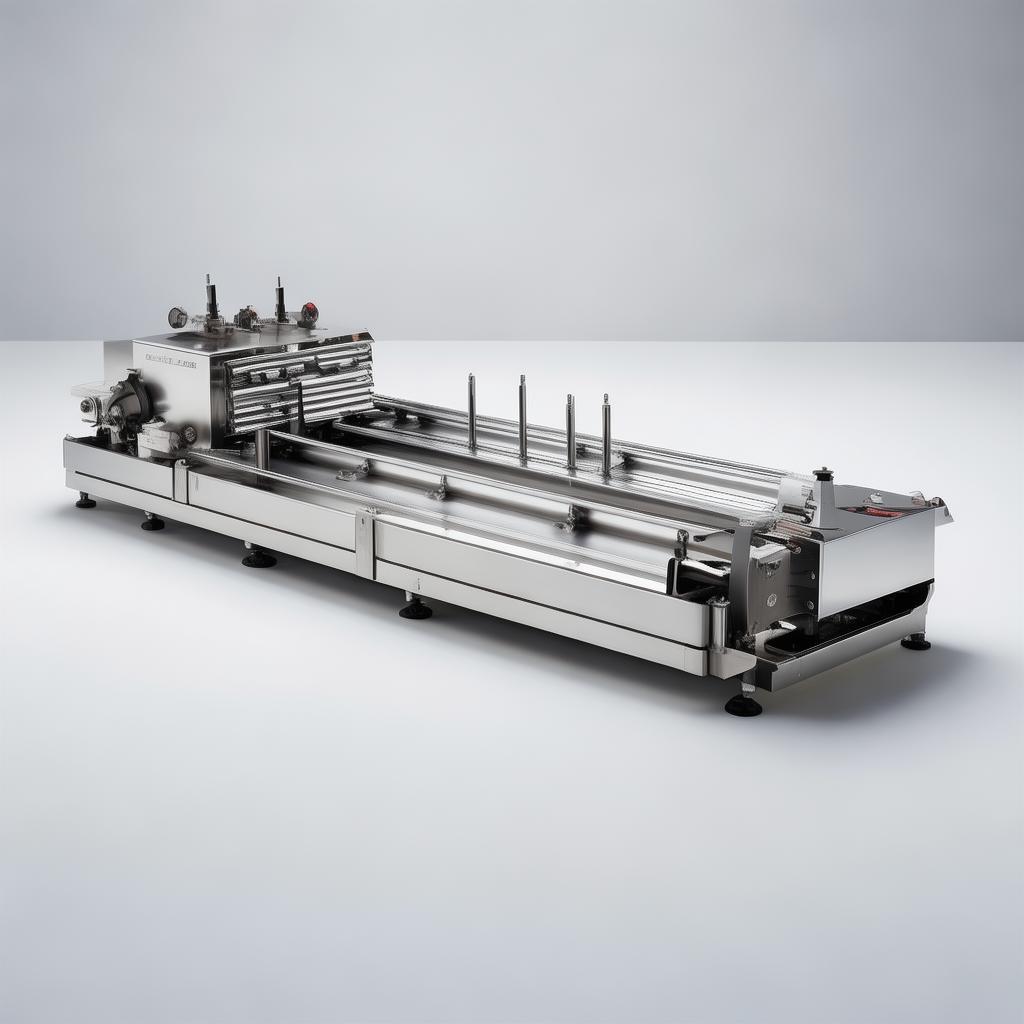
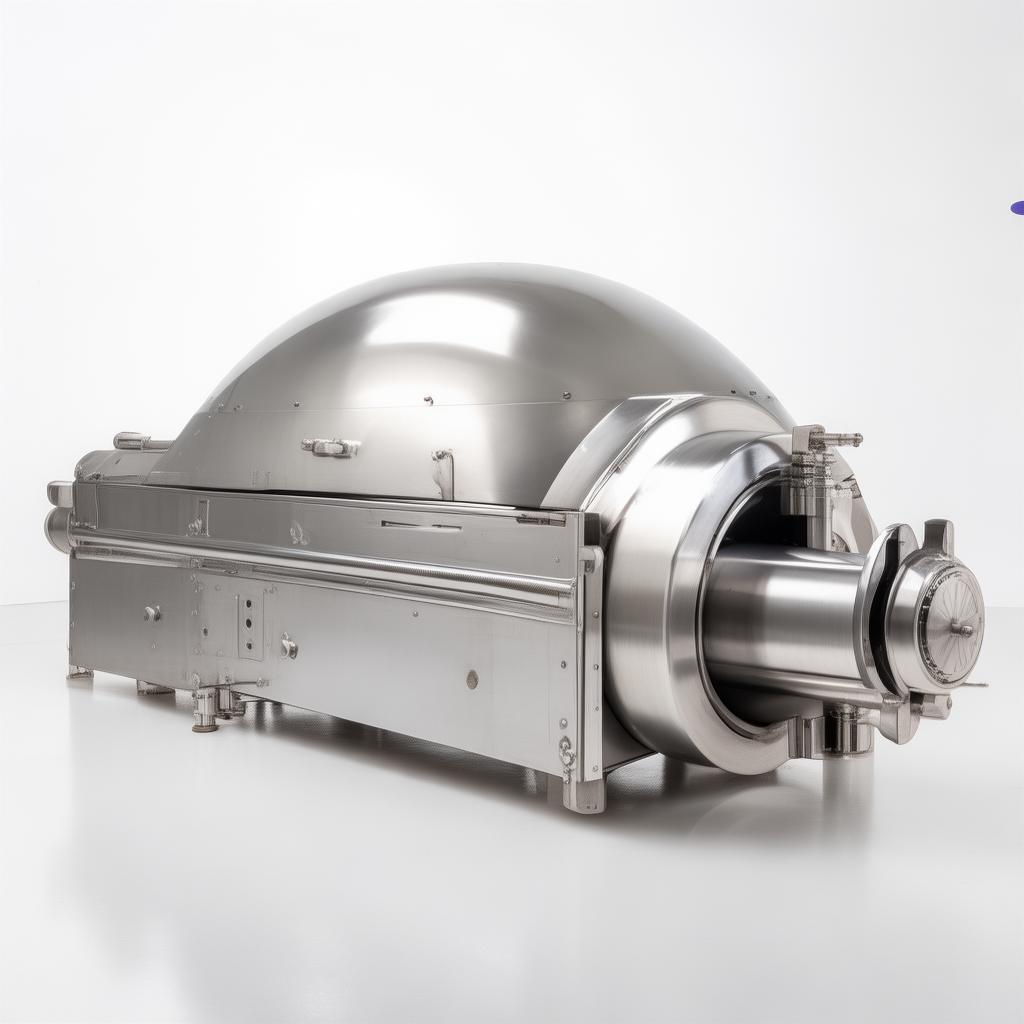
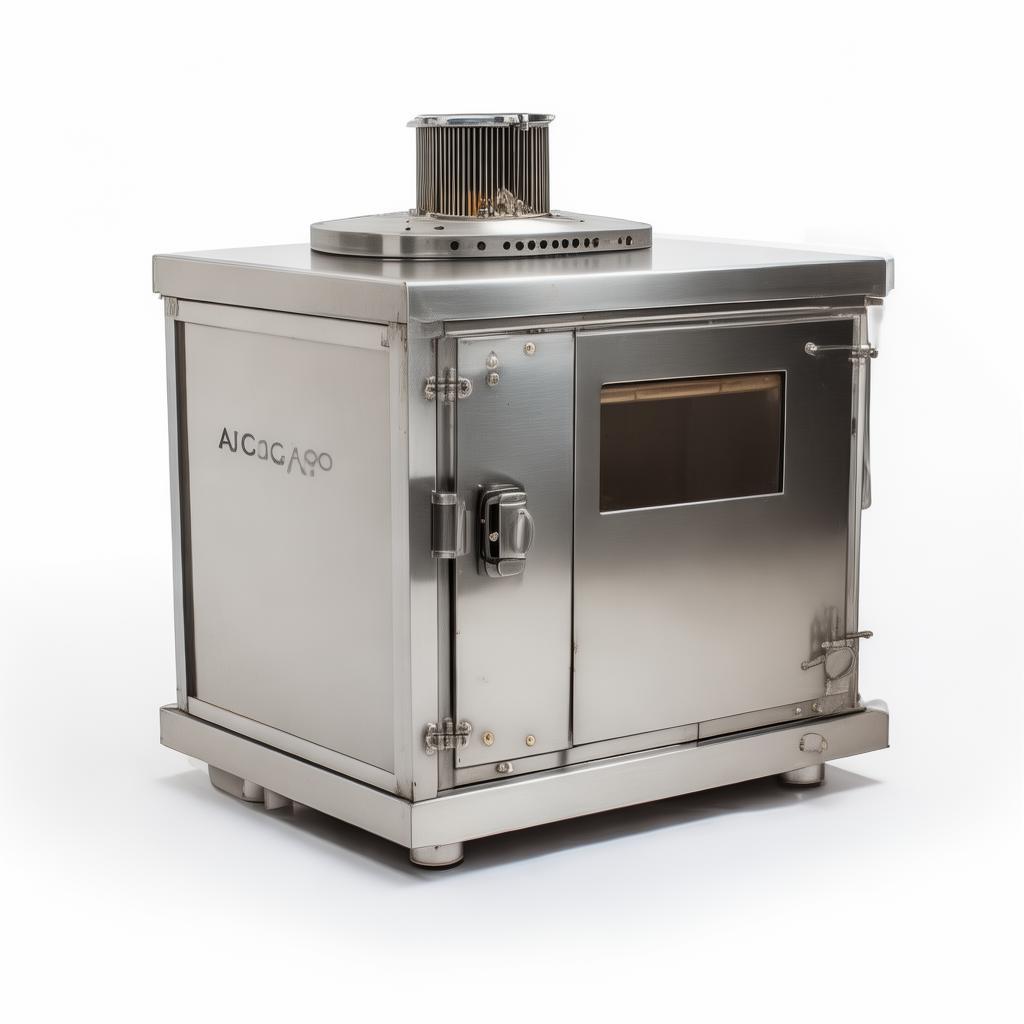
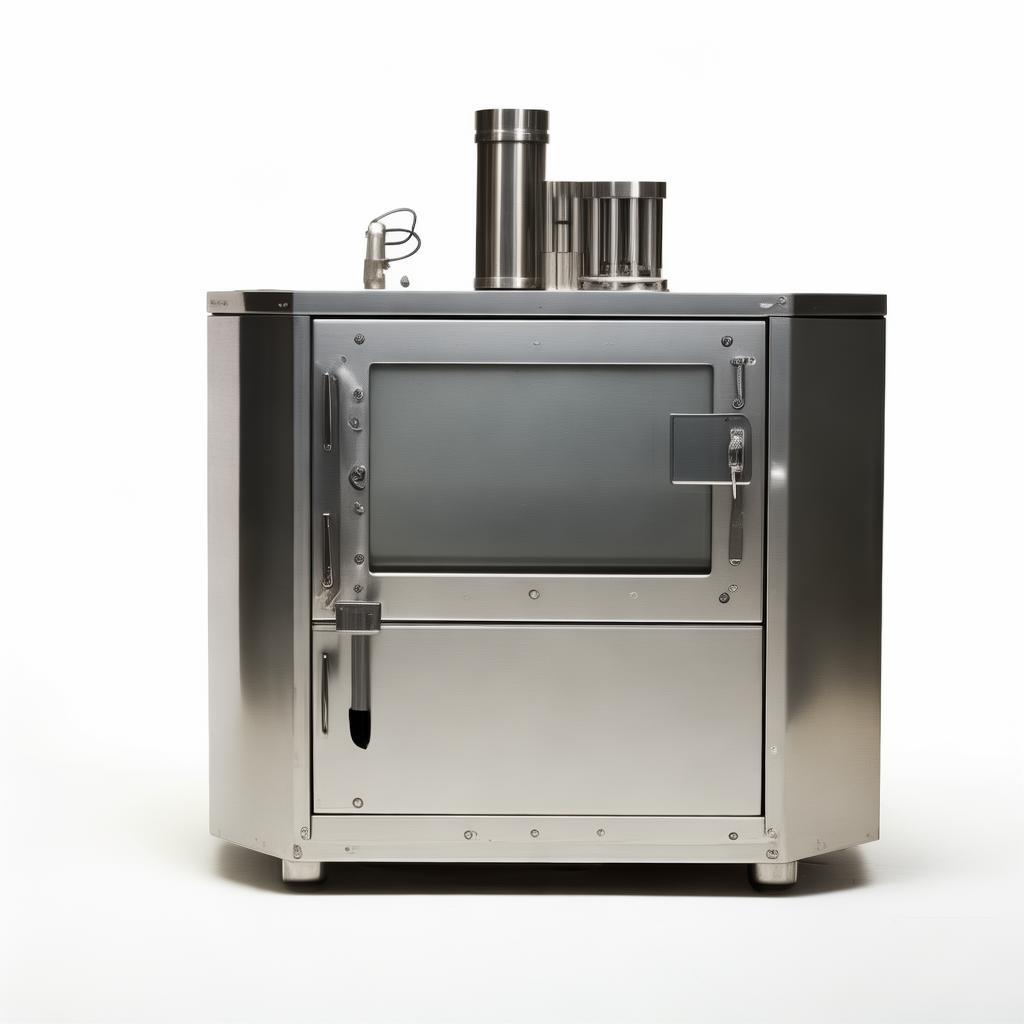
What Is A Meat Grinder
What is a Meat Grinder? A Comprehensive Guide for B2B Procurement
Understanding the Core Component for Meat Processing Efficiency and Product Innovation

By Li Wei, Senior Export Manager at Hebei Yuanchang Food Mechanism & Technology Co., Ltd.
With 40 years of industry experience since 1986.
What Exactly is a Meat Grinder?
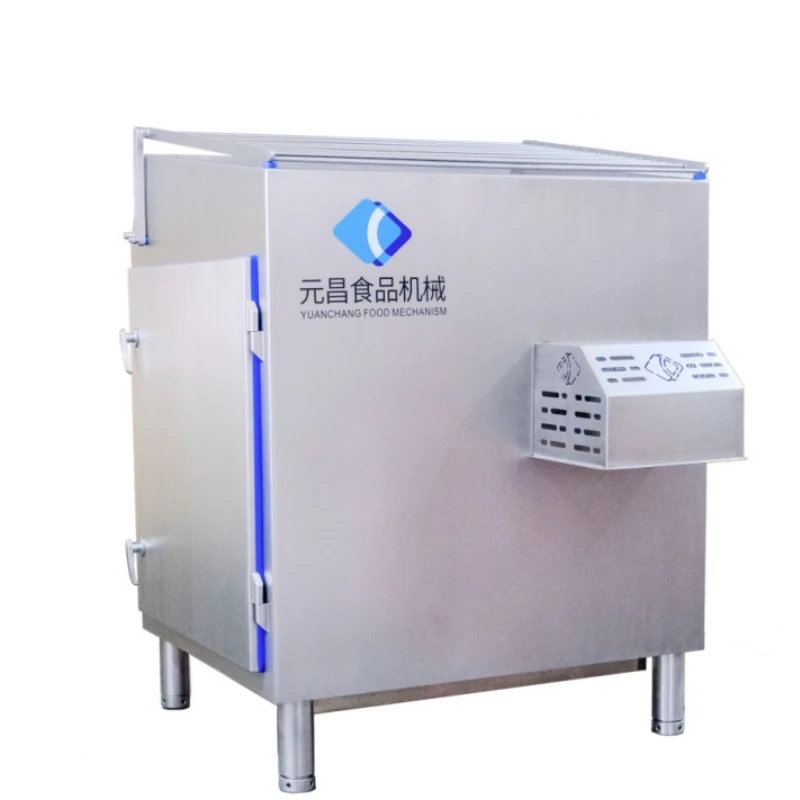
When we talk about a meat grinder in the B2B industrial context, we're referring to a robust piece of machinery engineered to break down larger cuts of meat into smaller, more manageable pieces. This isn't your typical kitchen appliance; we're discussing units designed for high-volume, continuous operation, essential for businesses ranging from small butcher shops to large-scale food processing plants, pet food manufacturers, and even those involved in specialized ingredient preparation.
At its core, a meat grinder, often termed a "meat mincer" or "chopper" in different regions, utilizes a rotating screw (an Archimedean screw, to be precise) to force meat through a perforated plate. This plate, equipped with precisely sized holes, dictates the final consistency of the ground meat. The entire process is powered by a substantial electric motor, often with variable speed controls, allowing for adaptability based on the type of meat, its temperature, and the desired output texture. The efficiency and reliability of this simple yet effective mechanical action are what make it a cornerstone in meat processing.
The search for "what is a meat grinder" often signals an inquiry into the fundamental tools required for transforming raw meat into intermediate products. Whether you're looking to produce high-quality sausages, create consistent burger patties, prepare meat for specialized culinary applications, or formulate nutritionally balanced pet food, the meat grinder is often the first critical step. Its ability to achieve uniform particle size is paramount for downstream processes like emulsification, mixing, and forming. Without a dependable grinding mechanism, achieving consistent product quality, optimizing batch yields, and meeting consumer expectations becomes a significant challenge.
Consider the broader implications for procurement. Understanding the nuances of meat grinders – their construction materials, power requirements, throughput capacities, and hygiene standards – is vital for making informed purchasing decisions. It’s not just about acquiring a machine; it’s about investing in a solution that directly impacts operational efficiency, product quality, food safety compliance, and ultimately, profitability. The global meat processing equipment market, valued at approximately USD 11.28 billion in 2024 and projected to reach USD 15.04 billion by 2030 according to Grand View Research, underscores the significant investment and importance placed on such machinery. This growth is fueled by the rising consumption of processed meats and the increasing adoption of automation for hygiene and labor efficiency.
Furthermore, the classification of meat grinders can extend beyond their basic function. While the primary purpose is grinding, industrial models are often designed with specialized features. This can include temperature control mechanisms to keep the meat cool during processing (critical for preventing bacterial growth and maintaining product integrity), integrated systems for adding ingredients during grinding, or specific auger and plate designs tailored for different meat types – from lean beef to fatty pork or even frozen blocks. The "grinding" itself is just the beginning; the precision and control offered by industrial units open up a world of product development possibilities.
For any business involved in meat transformation, a clear understanding of what a meat grinder is, how it functions, and what options are available in the industrial sector is non-negotiable. It’s a foundational piece of equipment that, when selected and operated correctly, can significantly enhance your competitive edge. This guide aims to provide that clarity, delving into the technical aspects, practical applications, and procurement considerations that matter most to B2B decision-makers.
The evolution of meat grinding technology mirrors the broader trends in food processing. Modern grinders are not just about raw power; they emphasize precision engineering, ease of cleaning, and compliance with stringent international food safety standards like HACCP, ISO, and FDA regulations. The choice of materials, such as high-grade stainless steel for all food-contact surfaces, is paramount. This ensures durability, prevents corrosion, and, crucially, facilitates thorough sanitation, minimizing the risk of cross-contamination. The operational longevity and maintenance requirements are also key factors that procurement professionals must weigh. A well-specified grinder, built with robust components, can operate reliably for years, minimizing downtime and associated costs. For instance, the global meat processing equipment market is expected to reach USD 17.39 billion by 2034, with a compound annual growth rate (CAGR) of 5.0%, indicating continuous innovation and demand for advanced grinding solutions.
The Indispensable Role of Meat Grinders in B2B Operations
In the complex world of industrial food production, the meat grinder is far more than a simple appliance; it's a critical linchpin in a chain of operations. Its primary function—reducing large meat cuts to a desired particle size—enables a cascade of subsequent processes essential for creating a vast array of consumer-ready products. For businesses involved in meat processing, the efficiency, consistency, and reliability of their grinding operations directly impact product quality, production throughput, and ultimately, profitability.
One of the most significant roles of a meat grinder is in the preparation of raw materials for further processing. Think about the production of sausages, patties, cured meats, and ready-to-eat meals. Each of these requires meat that has been processed to a specific texture and particle size. A high-performance grinder ensures this uniformity. For example, in sausage making, the fineness of the grind affects the emulsion's stability and mouthfeel. An inconsistent grind can lead to fat separation or an undesirable texture, directly impacting consumer acceptance. The Fortune Business Insights report highlights that filling and stuffing equipment, which often follows grinding, is a key segment in the meat processing market, underscoring the foundational nature of grinding.
Beyond mere particle reduction, meat grinders play a vital role in ingredient blending. Many industrial grinders are designed to allow for the addition of spices, binders, water, or other ingredients directly during the grinding process. This integrated approach ensures an even distribution of these components throughout the meat mass from the outset, leading to more consistent flavor profiles and better product homogeneity. This simultaneous grinding and mixing capability can significantly streamline production workflows, reduce labor requirements, and minimize the risk of ingredient segregation.
Moreover, the choice of meat grinder is intrinsically linked to food safety and hygiene. Industrial-grade grinders are built with materials like stainless steel, designed for easy disassembly and cleaning. This is non-negotiable in the food industry. A well-designed grinder minimizes crevices where bacteria can proliferate, and its robust construction withstands frequent, rigorous sanitation protocols. Compliance with international standards, such as HACCP and GMP, often mandates the use of machinery that facilitates impeccable hygiene. The IMARC Group notes that strict food safety regulations are a significant driver for the adoption of advanced meat processing equipment, including efficient grinding systems.
From a commercial perspective, the throughput capacity of a meat grinder is a decisive factor. Businesses need to match the grinder’s output to their overall production line speed. Downtime due to insufficient grinding capacity or equipment failure translates directly into lost production and revenue. Therefore, selecting a grinder with appropriate power, auger design, and plate configuration for the specific type and volume of meat being processed is a strategic procurement decision. The market reports, such as those from SkyQuestT, project significant growth in the meat processing equipment market, indicating a sustained demand for robust and high-capacity machinery.
Finally, the versatility offered by industrial meat grinders opens doors for product innovation. By varying the grind size, using different types of plates and knives, or processing different meat cuts and blends, manufacturers can create a wider range of products. This adaptability is crucial in a dynamic market where consumer preferences for texture, flavor, and product type are constantly evolving. The ability to quickly pivot and develop new product lines—or refine existing ones—often starts with the capabilities of the primary processing equipment like the meat grinder. The demand for processed and convenience meats, as highlighted by Mordor Intelligence, directly fuels the need for versatile and efficient grinding solutions.
Deconstructing the Meat Grinder: Key Components and Operational Mechanics
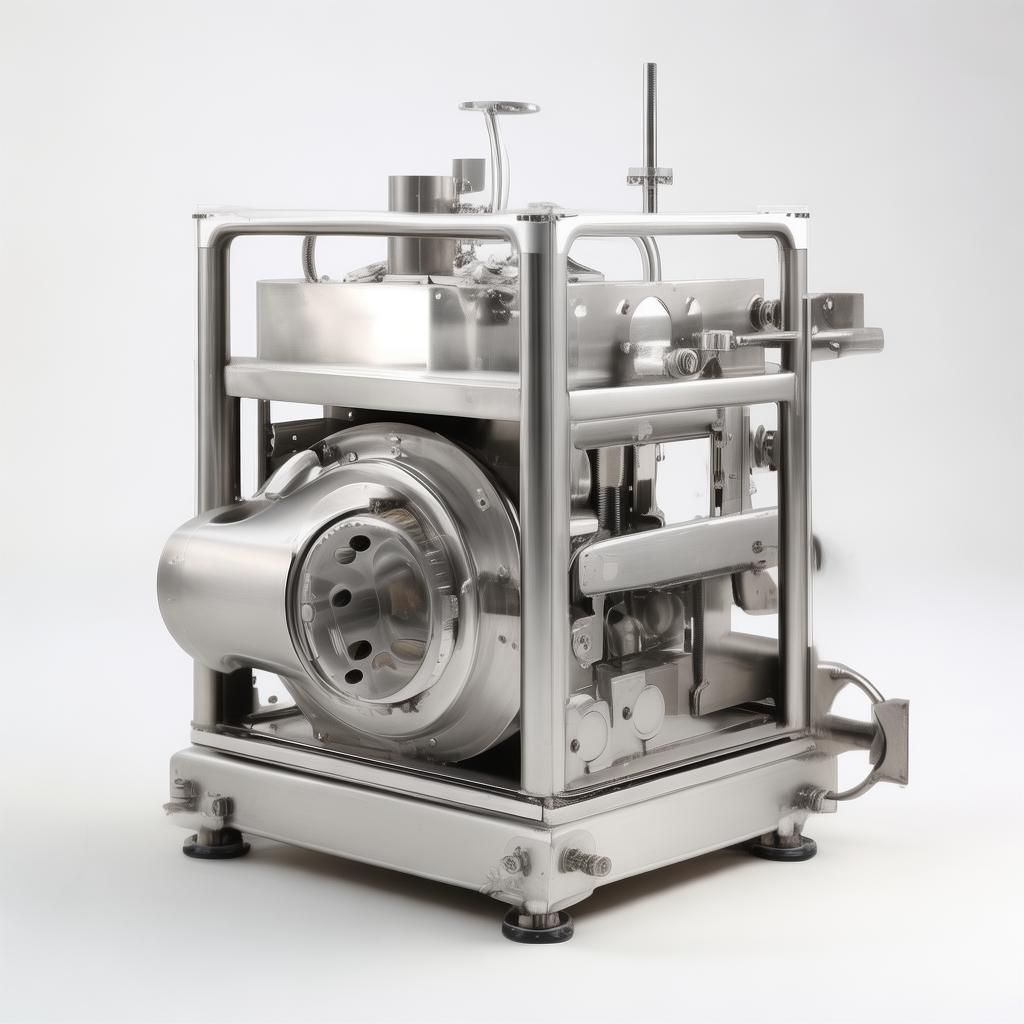
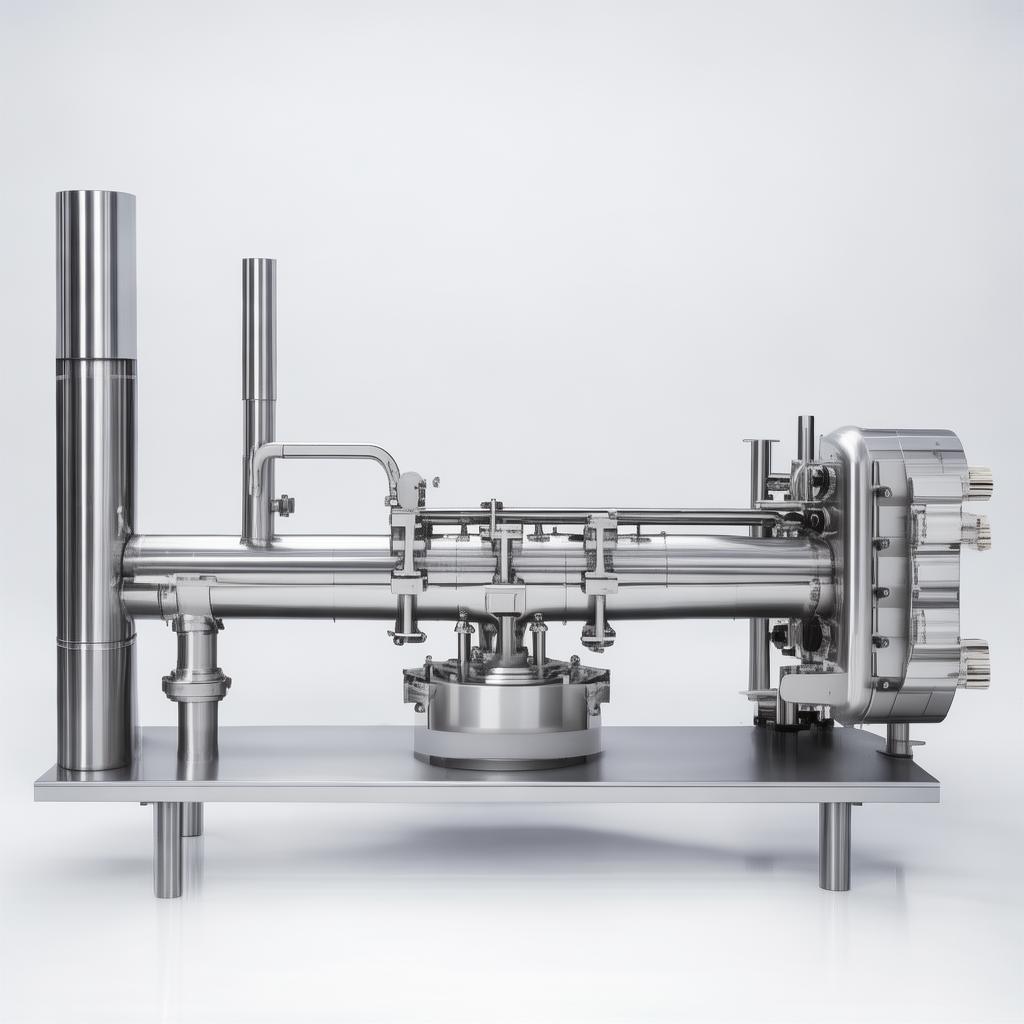
Understanding the inner workings of an industrial meat grinder is crucial for effective operation, maintenance, and procurement. While models vary in size and capacity, the fundamental components and their roles remain consistent. These machines are marvels of mechanical engineering designed for durability, efficiency, and hygiene.
1. Hopper/Feed Chute: This is the entry point for the meat. Industrial hoppers are typically large, often wide-mouthed, and designed to safely accommodate substantial quantities of raw material. They guide the meat towards the auger. For safety, many are designed with guards to prevent accidental access to the grinding mechanism.
2. Auger (Screw): The heart of the grinder. This is a robust, rotating screw, typically made of hardened steel or stainless steel. As it spins, it grips the meat and powerfully pushes it forward through the machine, towards the grinding plates. The pitch and design of the auger are optimized to efficiently convey meat without excessive heat buildup.
meat grinder uses Meat grinder how to use a meat grinder
3. Barrel/Cylinder: The housing that contains the auger. It’s a precisely machined cylinder, usually stainless steel, that ensures the auger rotates with minimal friction and maintains pressure on the meat as it’s conveyed.
4. Grinding Plate (Die): This is a flat, circular plate made of hardened steel, perforated with precisely sized holes. The size of these holes determines the final particle size of the ground meat. Plates can range from very coarse (for coarse chops) to extremely fine (for emulsions). They are interchangeable, offering flexibility in product texture.
5. Knife (Cutter): Usually a star-shaped or single-blade knife made of hardened stainless steel. It sits directly in front of the grinding plate and rotates with the auger shaft. As the meat is pushed against the plate by the auger, the knife cuts it cleanly through the holes in the plate. The sharpness and material of the knife are critical for a clean cut and minimizing heat generation.
6. Drive System: This comprises the motor, gearbox (if applicable), and drive shaft. The motor provides the necessary torque and power to rotate the auger and knife at the required speed. Industrial motors are typically heavy-duty, often with multiple horsepower ratings, and may feature variable speed drives (VSDs) for precise control over grinding consistency and throughput.
7. Housing and Base: The exterior structure, usually made of robust stainless steel, protecting the internal components and providing a stable base for operation. Designs often prioritize ease of cleaning, with smooth surfaces and minimal crevices.
Operational Flow:
- Raw meat is loaded into the hopper.
- The motor powers the auger, which begins to rotate.
- The auger grips and conveys the meat towards the front of the machine.
- As the meat reaches the grinding plate, the rotating knife slices the meat, forcing it through the plate's perforations.
- The ground meat exits the machine through the plate.
Temperature control is a critical consideration in industrial grinding. Excessive friction can raise the meat's temperature, leading to fat smearing, product degradation, and increased risk of bacterial growth. Many high-end industrial grinders incorporate cooling systems, such as refrigerated hoppers or dedicated cooling jackets around the barrel, to maintain optimal meat temperatures, often below 2°C (35°F). This ensures product quality and safety, a point frequently emphasized in market analyses like those from Precedence Research regarding the processed meat market's reliance on efficient processing technologies.
Industrial Meat Grinder Classifications: Matching Function to Need
The term "meat grinder" is broad, but in the industrial B2B landscape, machines are categorized based on their design, capacity, and specific application. Choosing the right type is paramount for operational efficiency and product quality. Here’s a breakdown of common industrial classifications:
1. Based on Grinding Plate Size and Throughput:
- Benchtop Grinders: Smaller units suitable for lower-volume operations like small butcher shops or test kitchens. They offer basic grinding functionality but have limited capacity and motor power.
- Floor-Standing Grinders: Mid-to-high capacity machines, often equipped with larger motors and wider feed chutes. These are standard in medium-sized processing facilities and can handle continuous operation for several hours.
- Heavy-Duty/Industrial Grinders: The largest and most powerful machines. They feature robust construction, high-horsepower motors, and advanced cooling systems. These are designed for 24/7 operation in large-scale food processing plants, handling vast quantities of meat, including frozen blocks.
2. Based on Feed Mechanism:
- Single-Screw Grinders: The most common type, where a single auger conveys and grinds the meat.
- Double-Screw Grinders (or Twin-Screw): Less common but used for specific applications. They can offer more controlled feeding and potentially finer grinding with less heat generation.
3. Based on Cooling/Temperature Control:
- Standard Grinders: Rely on ambient temperature and efficient auger design to minimize heat. Suitable for fresh meats where processing time is short.
- Refrigerated Grinders: Feature integrated cooling systems for the hopper and/or barrel. Essential for processing higher-fat meats, frozen meat, or for extended run times to maintain product integrity and prevent bacterial proliferation. These are critical for high-quality sausage and paté production, where maintaining cold temperatures is key.
4. Based on Grinding Plate Configuration:
- Standard Hole Plates: The most common, offering a range of hole sizes from coarse (e.g., 10-15mm) to fine (e.g., 2-3mm).
- Enterprise Plates: Feature a pre-cutting stage with a rotating knife against a fixed plate. Often used for medium-coarse grinds.
- Hollow/Fluted Plates: Designed for specific textural outcomes, sometimes used in conjunction with specialized knives for very fine or textured grinds.
The selection of an industrial meat grinder is a strategic decision. A facility processing large volumes of beef for burgers might opt for a heavy-duty, floor-standing model with a coarse grinding plate. Conversely, a producer of fine pork sausages would likely require a refrigerated floor-standing unit with multiple sets of fine plates and sharp knives. The MarketsandMarkets report on meat processing equipment highlights the significance of different types of equipment, including grinders, and their specific roles in various processing stages.
When evaluating suppliers, it's vital to discuss your specific needs: the types of meat you process (fresh, frozen, lean, fatty), desired output textures, daily/hourly production volumes, and your facility's hygiene protocols. Our experience at Hebei Yuanchang, spanning 40 years, has shown that the "best" grinder isn't a universal answer; it's the one that precisely aligns with your operational requirements. For instance, we have designed specialized grinders for grinding frozen meat blocks directly, a process that requires significant power and robust cooling systems, significantly reducing the need for pre-thawing and streamlining operations.
Versatile Applications: More Than Just Grinding
While the name "meat grinder" highlights its primary function, industrial units are capable of far more than simply reducing meat particle size. Their robust engineering and design flexibility allow them to serve as versatile tools in a broader spectrum of food processing applications. Understanding these expanded capabilities can unlock new product development opportunities and operational efficiencies.
1. Sausage and Cured Meat Production: This is perhaps the most obvious extended application. Grinders create the foundational emulsion or coarse grind needed for sausages (frankfurters, bratwurst, Italian sausage), salami, pâtés, and terrines. The consistency and temperature control offered by industrial grinders are critical for achieving the desired texture, binding, and shelf-life in these products.
2. Patty and Burger Formation: For manufacturers of pre-formed burger patties, meatballs, or other shaped meat products, the grinder is the first step in preparing the meat mixture. The particle size and uniformity achieved directly influence the texture and juiciness of the final patty. Advanced grinders can even incorporate blending functionalities, mixing in seasonings or binders simultaneously for a homogenous mix before shaping.
3. Pet Food Formulation: The pet food industry relies heavily on grinders to process meat and bone by-products into fine or coarse pastes. These ground meats form the base of wet pet foods, providing essential protein and nutrients. The ability to process various raw materials, including tougher cuts and bones, makes industrial grinders indispensable in this sector. GM Insights often points to the growth in meat and poultry processing equipment driven by the expanding pet food market.
4. Reconstituted and Formed Meat Products: Grinders are key in preparing meat for products like chicken nuggets, fish sticks, or certain deli meats that involve grinding, mixing, and reforming. The process allows for the utilization of various meat trimmings and cuts, creating value-added products efficiently. The market for reconstituted meat, in particular, is seeing significant growth, relying heavily on precise grinding and molding technologies.
5. Ingredient Preparation for Other Foods: Beyond meat, some industrial grinders can be adapted for processing other food items, such as vegetables for fillings, fruits for purees, or even cheese for specific applications, provided the equipment is properly sanitized and configured. This adaptability can be a significant advantage for multi-product facilities.
6. Preparation for Further Processing: Grinding can be a preliminary step for processes like extrusion, emulsification, or thermal processing. It breaks down the meat structure, making it more receptive to subsequent treatments. For example, finely ground meat is essential for creating stable emulsions required in surimi-based products or certain types of processed fish.
At Hebei Yuanchang, we’ve developed specialized grinding solutions for unique applications. For example, our systems can be configured to handle high-fat content meats without smearing, crucial for products requiring a specific mouthfeel. We also offer configurations for grinding meats destined for cooking into highly viscous pastes used in specialized food applications. The Meticulous Research report on food processing equipment indicates a strong demand across various segments, including meat, for versatile machinery that supports diverse product lines.
Strategic Procurement: What to Look For
Acquiring an industrial meat grinder is a significant capital investment. Making the right choice requires a systematic approach that goes beyond basic specifications. For procurement managers and operations directors, considering these factors ensures a selection that enhances productivity, maintains quality, and offers long-term value.
1. Production Volume & Throughput:
Accurately assess your current and projected daily/hourly meat processing needs. Overestimating leads to unnecessary expense; underestimating leads to bottlenecks. Consider the type of meat (fresh vs. frozen, lean vs. fatty) as this impacts processing speed.
2. Material and Construction:
Opt for stainless steel (e.g., 304 or 316 grade) for all food-contact surfaces. This ensures hygiene, corrosion resistance, and durability. Check for smooth finishes, rounded corners, and easy disassembly for cleaning. The quality of the knife and plates (hardened steel) is also critical for performance and longevity.
3. Motor Power & Drive System:
The motor size (HP or kW) dictates the machine’s ability to handle tough cuts and maintain speed under load. For continuous operations or processing frozen meat, higher power and potentially variable speed drives (VSDs) are essential. A robust gearbox ensures sustained torque.
4. Temperature Control & Cooling:
If you produce products sensitive to temperature (sausages, pâtés) or process large volumes, a refrigerated grinder with a cooling system for the hopper and barrel is non-negotiable. This prevents fat smear and bacterial growth, ensuring product quality and safety. The Business Research Company notes the increasing demand for automation and hygiene, which directly relates to temperature-controlled processing.
5. Ease of Cleaning and Maintenance:
Industrial food machinery requires frequent, thorough cleaning. Select a grinder designed for quick disassembly without special tools. Check for easy access to all parts. Traceable after-sales service and readily available spare parts (like knives and plates) are crucial for minimizing downtime.
6. Safety Features:
Look for integrated safety guards, emergency stop buttons, and electrical safety certifications (e.g., CE, UL). Ensure the machine complies with local and international safety standards for food processing equipment.
7. Supplier Reputation and Support:
Choose a manufacturer with a proven track record, extensive experience (like Hebei Yuanchang's 40 years), and a strong after-sales support network. Inquire about OEM/ODM capabilities if you require custom modifications. Obtaining quotes from multiple reputable suppliers, comparing specifications, warranties, and lead times is standard procurement practice.
Consider the total cost of ownership, not just the initial purchase price. Factors like energy consumption, maintenance costs, spare parts availability, and potential downtime contribute significantly over the machine’s lifespan. As noted in industry reports, automation and efficiency gains are key drivers, so a machine that reduces labor and energy use while maintaining output is a wise investment.
Ensuring Quality and Compliance: Certifications that Matter
In the global B2B food processing market, adherence to quality standards and regulatory compliance is paramount. For any manufacturer of industrial meat grinders, demonstrable certifications are not just badges of honor; they are essential trust signals for international buyers. These certifications attest to a product's safety, performance, and the manufacturer’s commitment to operational excellence.
1. CE Marking: This is a mandatory conformity mark for products sold within the European Economic Area (EEA). For machinery, CE marking indicates that the product has been assessed against relevant EU health, safety, and environmental protection legislation. It signifies that the meat grinder meets the essential requirements of directives like the Machinery Directive. Many international buyers, even outside the EU, view CE marking as a benchmark for quality and safety.
2. ISO 9001: This is the international standard for Quality Management Systems (QMS). Certification to ISO 9001 demonstrates that a company has established and maintains effective quality management processes across its operations, from design and development to production and customer service. For a buyer, this implies a consistent level of quality and reliability in the manufactured equipment. It indicates a systematic approach to meeting customer requirements and enhancing satisfaction.

3. FDA Compliance (for food-contact materials): While the FDA doesn't certify individual machines, manufacturers must ensure that materials used in food-contact parts (like stainless steel grades, seals, or coatings) comply with FDA regulations (e.g., 21 CFR Part 177). This assures buyers that the equipment will not leach harmful substances into the food product. Proof of material compliance is often requested during procurement.
4. RoHS (Restriction of Hazardous Substances): This directive, originating from the EU but adopted globally, restricts the use of specific hazardous materials (like lead, mercury, cadmium) in electrical and electronic equipment. While primarily for electronics, it can apply to the electrical components of industrial machinery, indicating a commitment to environmental safety and material compliance.

5. NSF Certification: In North America, NSF certification is highly regarded for food equipment. It indicates that the product has been tested by an independent third party and meets public health and safety standards. While not always mandatory for export machinery, it's a strong indicator of quality and safety, especially for U.S.-bound shipments.
Our Commitment at Hebei Yuanchang: With over 40 years of experience, Hebei Yuanchang Food Mechanism & Technology Co., Ltd. is dedicated to producing high-quality, compliant machinery. We operate under an ISO 9001 certified Quality Management System, ensuring consistent product quality and manufacturing processes. Our machinery is designed to meet CE standards for safety and performance, and we meticulously select food-grade materials that comply with relevant international regulations like FDA guidelines for food contact. We understand that for international buyers, these certifications are non-negotiable assurances. We are committed to providing documentation and support to facilitate your import and compliance requirements.
When evaluating potential suppliers, always request verifiable proof of relevant certifications. These are critical indicators of a manufacturer's investment in quality, safety, and global market readiness. They reduce procurement risk and build confidence in the long-term performance of the equipment.
Hebei Yuanchang: 40 Years of Manufacturing Excellence
At Hebei Yuanchang Food Mechanism & Technology Co., Ltd., our 40-year journey since 1986 has been defined by a relentless pursuit of excellence in meat processing equipment. We aren't just assemblers; we are a fully integrated R&D, production, and sales entity specializing in complete production line solutions, including advanced meat grinders.
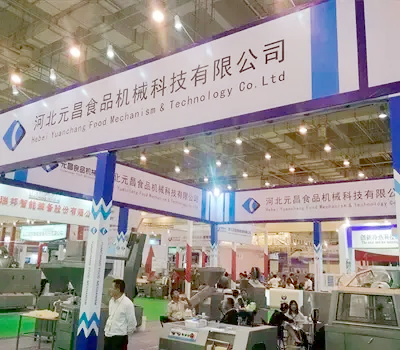
Our extensive experience means we deeply understand the operational challenges and quality demands of the food processing industry worldwide. This knowledge is embedded in every machine we design and manufacture. We cover an area of approximately 14,000 square meters with a dedicated team of 80-100 skilled professionals who bring their expertise to bear on every project.
In-House Precision Machining: A cornerstone of our capability is our comprehensive in-house machining workshop. Equipped with over 20 sets of advanced processing machinery—including precision lathes, milling machines, high-precision grinding machines, boring machines, and wire-cutting equipment—we have the capacity to produce highly accurate components. Since 2012, our investment in 8 sets of Japanese Mazak CNC machining centers has elevated our precision capabilities dramatically. This allows us to independently manufacture non-standard, high-precision parts that demand stringent tolerances, critical for the performance and longevity of meat grinders and other processing equipment.
Our self-sufficiency in producing critical components is a major advantage. It means we have complete control over quality, lead times, and the ability to create custom parts for OEM/ODM requirements. This is supported by our traceable after-sales management system, ensuring that even years down the line, we can support your equipment with the exact high-precision parts it needs.

Product Range and Expertise: While meat grinders are a core offering, our expertise extends across the entire meat processing workflow:
- Pretreatment Of Meat Products: Including grinding, cutting, and mixing.
- Meat Product Filling Molding: Essential for sausages, patties, and formed products.
- Ripening Process For Meat Products: Utilizing specialized equipment like massaging machines.
- Auxiliary Items: Supporting machinery and components.
Commitment to Global Standards: We understand the nuances of international trade. Our products are designed with global standards in mind, including CE compliance for safety and performance. We are committed to providing robust, reliable equipment that meets the stringent demands of international markets, backed by decades of hands-on manufacturing and export experience. When you partner with Hebei Yuanchang, you gain access to a legacy of engineering expertise and a commitment to your operational success.
Expert Insights and Market Trends in Meat Processing
The landscape of meat processing is constantly evolving, driven by consumer demand, technological advancements, and regulatory pressures. Staying informed about these trends is crucial for B2B buyers looking to invest in equipment that offers long-term value and competitive advantage. Based on extensive market analysis and our industry experience, here are key trends shaping the procurement of meat processing machinery, including grinders:
1. Automation and Efficiency:
Labor shortages and the drive for cost reduction are accelerating the adoption of automated systems. This includes high-capacity grinders that can operate continuously with minimal human intervention, integrated systems for automatic loading/unloading, and advanced control interfaces that optimize performance. The global meat processing equipment market is projected to reach approximately USD 15.44 billion by 2035 at a CAGR of 5.6%, with automation being a significant growth factor, according to MarketResearchFuture.
2. Focus on Food Safety and Hygiene:
Stricter regulations worldwide (HACCP, GMP, etc.) necessitate equipment designed for easy cleaning, minimal contamination risks, and superior material quality. This means a continued demand for stainless steel construction, crevice-free designs, and efficient sanitization capabilities. Manufacturers emphasizing these aspects, like us at Hebei Yuanchang, are well-positioned.
3. Product Versatility and Innovation:
Consumers increasingly seek convenience, variety, and healthier options. This translates into a demand for processing equipment that allows for the creation of diverse products – from gourmet burgers and artisanal sausages to plant-based alternatives and specialized pet foods. Grinders that offer adjustable particle sizes and the ability to work with various formulations are highly valued. The growing market for reconstituted and formed meats is a prime example, heavily relying on efficient grinding and molding technology.
4. Traceability and Data Integration:
Modern processing plants are increasingly focused on end-to-end traceability. While often associated with packaging or final product stages, the initial processing steps, including grinding, are part of this data chain. Equipment manufacturers are beginning to integrate sensors and connectivity features that allow for monitoring operational parameters (temperature, speed, throughput) for better quality control and record-keeping.
5. Sustainability and Energy Efficiency:
With rising energy costs and environmental concerns, manufacturers are looking for equipment that is energy-efficient. This includes motors with higher efficiency ratings, optimized auger designs that require less power, and robust construction that minimizes wear and tear, extending equipment life. The demand for sustainable processing solutions is growing across the industry.
Regional Growth: Asia-Pacific continues to be a significant growth region, driven by increasing meat consumption, a growing middle class, and industrialization of food processing facilities. Reports from Fortune Business Insights and Grand View Research consistently highlight this expansion, making it a key market for equipment suppliers. Our 40 years of export experience have allowed us to serve diverse international markets, adapting to their unique demands.
For procurement professionals, aligning their equipment investments with these trends ensures that their facilities remain competitive, compliant, and capable of meeting future market demands. Investing in advanced grinding technology, for instance, is not just about processing meat today; it's about positioning your business for success in the evolving global food industry.
What Our Clients Say
We take pride in the long-term relationships we build with our clients. Their feedback is invaluable and drives our continuous improvement. Here are a few testimonials from businesses that have integrated our meat processing equipment into their operations:

David Chen, Operations Manager
Premium Butcher Co., USA
"We recently upgraded our grinding setup with Hebei Yuanchang's heavy-duty floor grinder. The difference in consistency and throughput was immediate. It handles our prime beef cuts beautifully, maintaining a perfect cold temperature even during peak hours. Their support during installation was excellent, and the machine has proven incredibly reliable."

Maria Rodriguez, Production Supervisor
Gourmet Sausage Makers, Canada
"For years, we struggled with fat separation in our specialty sausages. Hebei Yuanchang's refrigerated grinder was a game-changer. The precision engineering and consistent cooling have elevated our product quality significantly. They understood our specific needs and delivered a solution that exceeded expectations. The spare parts availability has also been top-notch."

Kenji Tanaka, Plant Manager
Asia Pet Food Co., Japan
"We needed a high-volume grinder capable of processing various meat and bone materials for our pet food line. The custom configuration provided by Hebei Yuanchang was perfect. It's robust, easy to clean, and handles the load without issues. Their technical team was very responsive throughout the entire process, from initial inquiry to after-sales support."
Frequently Asked Questions
Q1: What is the primary function of a meat grinder in industrial settings?
A1: The primary function is to reduce large cuts of meat into smaller, uniform particles. This is essential for producing products like sausages, burgers, cured meats, and for preparing meat mixtures for further processing. Industrial grinders are designed for high volume, consistency, and durability.
Q2: How do I choose the right grind size?
A2: Grind size is determined by the perforated plate used in the grinder. Plates come with various hole sizes, from coarse (e.g., 10mm+) for products like coarse sausages or burgers, to fine (e.g., 2-4mm) for emulsions used in hot dogs, pâtés, or fine cured products. Your desired product texture and recipe will dictate the plate choice.
Q3: Is a refrigerated meat grinder necessary?
A3: A refrigerated grinder is highly recommended, and often essential, if you are processing higher-fat content meats, frozen meat, or running the grinder for extended periods. Cooling the meat minimizes heat buildup during grinding, preventing fat smearing, preserving product quality, and reducing the risk of bacterial contamination. It's critical for producing high-quality sausages and cold cuts.
Q4: What maintenance is typically required for industrial meat grinders?
A4: Regular cleaning is paramount. This involves complete disassembly, thorough washing, and sanitizing of all food-contact parts. Knives and plates should be inspected regularly for wear and sharpness; replacement is crucial for maintaining grind quality and efficiency. Lubrication of moving parts and checking the motor and gearbox are also standard procedures. Following the manufacturer's maintenance schedule is vital.
Q5: Can your grinders handle frozen meat?
A5: Yes, we offer specific industrial grinder models designed for processing frozen meat blocks. These units feature significantly higher motor power, robust construction, and advanced cooling systems to manage the increased load and heat generated. Please specify if you intend to grind frozen meat when requesting a quote so we can recommend the most suitable model.
Q6: What are the typical lead times for your industrial grinders?
A6: Lead times can vary depending on the model’s complexity, customization requirements, and current production schedules. Generally, standard models might range from 4 to 8 weeks, while custom or highly specialized units could take longer. We provide an estimated lead time with every quotation. Our in-house manufacturing capabilities help us manage lead times more effectively than many competitors.
Ready to Optimize Your Meat Processing Operations?
Discover how Hebei Yuanchang's 40 years of expertise in meat processing equipment can elevate your production efficiency and product quality. Let us help you find the perfect meat grinder for your needs.