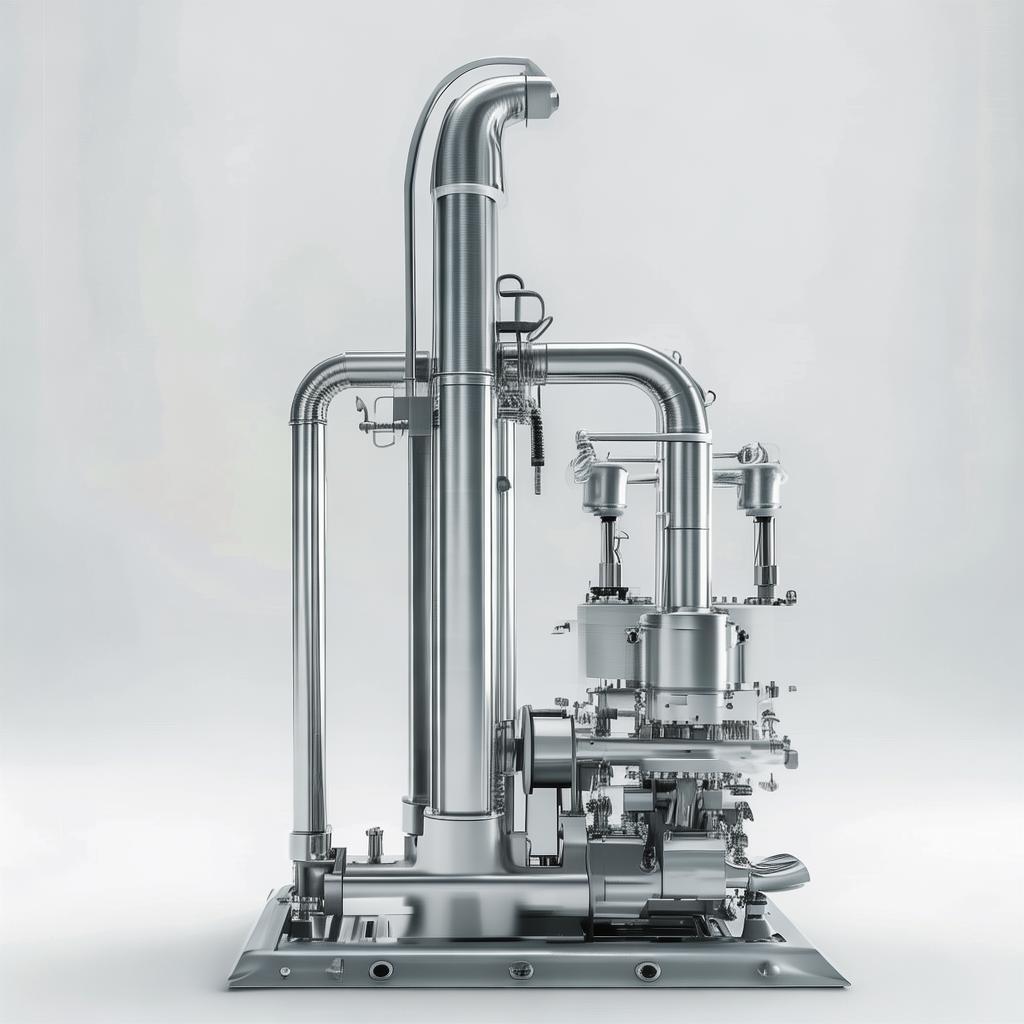
Pallet Dumper
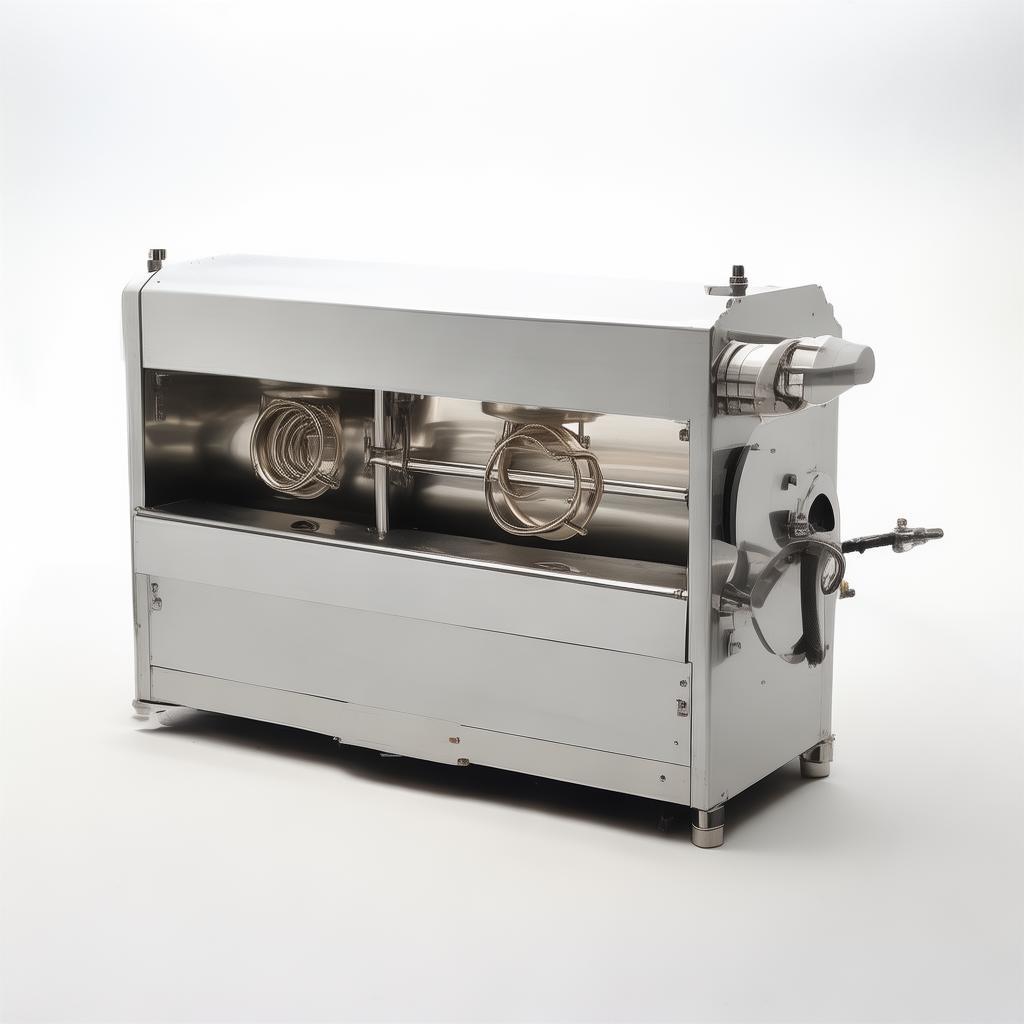
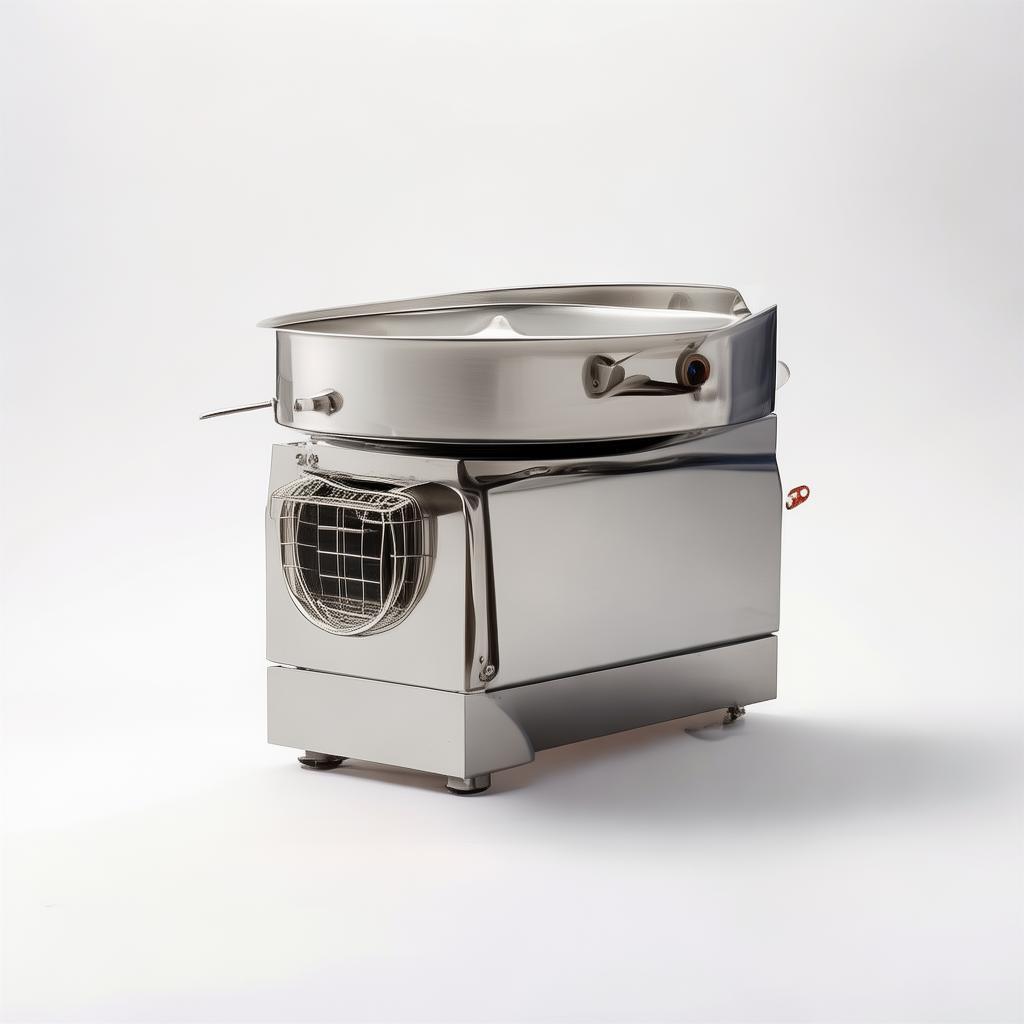
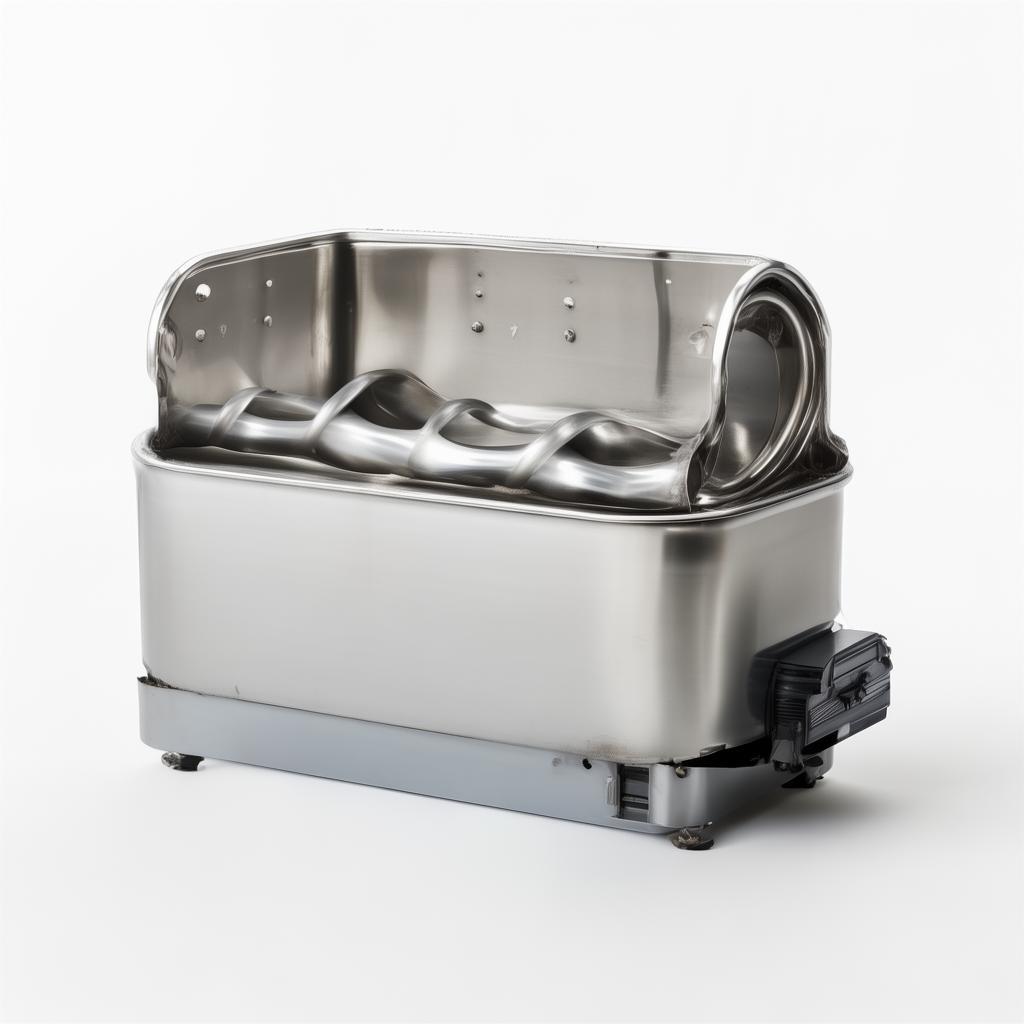
Industrial Pallet Dumpers: Streamlining Your Material Handling Workflow
Efficiently unload bulk materials, reduce labor costs, and enhance workplace safety with our robust pallet dumper solutions.

Navigating the Challenges of Bulk Material Unloading
In the fast-paced world of industrial manufacturing, wholesale distribution, and cross-border commerce, the efficient handling of bulk materials is paramount. From raw ingredients in food processing to components in assembly lines, the way you unload and transfer materials directly impacts your operational efficiency, labor costs, and even worker safety. Many businesses still rely on manual shoveling, inefficient tipping methods, or outdated equipment that leads to significant bottlenecks and potential hazards.
Consider the typical scenario: receiving a shipment of granular product, powdered chemicals, or even semi-finished goods on standard pallets. If your current process involves manually tipping these heavy loads or using rudimentary lifting mechanisms, you're likely facing a cascade of problems. This often translates to excessive labor hours dedicated to a single task, increased risk of product spillage leading to material waste, and a higher incidence of workplace injuries such as hernias, back strains, and repetitive motion disorders. For procurement managers and operations directors, these aren't just minor inconveniences; they represent direct hits to the bottom line and potential liabilities.
The global meat processing industry, for instance, relies heavily on efficient material handling. As reported by Fortune Business Insights, the global meat processing equipment market was valued at USD 11.29 billion in 2025 and is projected to reach USD 17.39 billion by 2034. Key segments include filling & stuffing equipment, massaging & tumbling (for ripening/tenderizing), and cutting/grinding machines. Growth is driven by rising demand for processed meat, automation adoption for hygiene and labor efficiency, and strict food safety standards. Within this context, effectively and safely unloading raw meat, marinades, or spices from pallets is a critical first step that influences the entire production chain. Similarly, in chemical manufacturing or wholesale logistics, handling bulk bags of powders, grains, or industrial additives requires robust solutions.
The challenge isn't just about moving material from point A to point B; it's about doing it quickly, cleanly, and safely, while minimizing the human effort involved. Traditional methods often fall short, leading to increased cycle times, higher labor expenditure per unit processed, and potential damage to both the product and the equipment used. This is precisely where advanced industrial pallet dumpers emerge as a transformative solution for businesses prioritizing efficiency and safety.
These specialized pieces of machinery are designed to lift and tilt standard pallets, allowing for the controlled discharge of their contents into hoppers, tanks, mixers, or other processing machinery. The goal is simple: automate a labor-intensive, potentially hazardous manual task. This automation not only frees up your valuable workforce for more skilled duties but also significantly reduces the physical strain and risks associated with manual lifting and tipping. For operations managers and plant supervisors, the immediate benefits often manifest as reduced overtime, fewer reported injuries, and a smoother, more predictable workflow.
Furthermore, the choice of equipment in bulk material handling is not a trivial one. It requires a deep understanding of the materials being handled—whether they are powders prone to dusting, viscous liquids, or fragile solids—and the environment in which the equipment will operate. Factors like hygiene requirements (especially in food and pharmaceutical industries), explosion-proof certifications (for chemical or hazardous material handling), and integration with existing automated systems are all crucial considerations. A well-chosen pallet dumper isn't just a piece of heavy machinery; it's a linchpin in maintaining product integrity and operational continuity.
The economic implications are also substantial. The global meat processing equipment market's projected growth to USD 17.39 billion by 2034, as highlighted by Fortune Business Insights, underscores the industry's investment in efficiency. Similar trends apply across various sectors. Grand View Research estimates the market at USD 11.28 billion in 2024, projected to reach USD 15.04 billion by 2030. This expansion is fueled by rising consumption of ready-to-eat meats, automation for labor shortages and hygiene, and infrastructure investments. A significant portion of this market growth is directly linked to machinery that enables faster, cleaner, and more automated processing steps, starting with effective material unloading.
Ignoring the need for proper material handling equipment can lead to significant downstream costs. Product damage during manual transfer, contamination risks, and the cost of worker injuries can quickly outweigh the investment in a dedicated pallet dumper. This is why experienced procurement teams and operations managers carefully evaluate their material handling infrastructure, seeking solutions that offer a clear ROI through increased throughput, reduced waste, and enhanced safety protocols. Our pallet dumper solutions are engineered precisely to meet these demands, providing a reliable and cost-effective answer to common industrial unloading challenges.
As we delve deeper, we'll explore the various types of pallet dumpers available, their key features, the operational advantages they offer, and how selecting the right unit can fundamentally transform your material handling processes. We'll also touch upon critical aspects like integration, maintenance, and the overall value proposition for businesses operating in competitive global markets.
Key Operational Advantages: Beyond Simple Tipping
The advantages of integrating a quality pallet dumper into your operations extend far beyond merely emptying a container. It's about transforming an entire segment of your workflow, impacting efficiency, safety, and even product quality.
- Drastic Labor Reduction: What once required multiple workers and significant physical exertion can now often be handled by a single operator. This frees up your team for higher-value tasks, reduces labor costs, and mitigates the risk of worker fatigue-related errors or injuries.
- Enhanced Workplace Safety: Manual tipping of heavy, unstable loads is a primary cause of workplace accidents. Pallet dumpers eliminate this risk by providing a controlled, stable lifting and tilting mechanism, significantly reducing the incidence of back injuries, strains, and falls.
- Increased Throughput & Speed: The automated nature of a pallet dumper allows for much faster cycle times compared to manual unloading. Materials can be discharged precisely when and where they are needed, minimizing downtime between batches or production runs.
- Minimized Product Spillage & Waste: Controlled dumping ensures that materials are discharged directly into the receiving equipment. This significantly reduces product loss due to spillage, especially crucial for valuable or hazardous materials.
- Improved Hygiene Standards: For industries like food processing, pharmaceuticals, or specialty chemicals, minimizing human contact and preventing contamination is critical. Automated dumping reduces exposure, helping maintain strict hygiene protocols.
- Versatility in Application: Whether you're handling powders, granules, pellets, or even semi-liquids, a well-designed pallet dumper can accommodate a wide range of materials and discharge into various receiving vessels – from small hoppers to large mixing tanks.
- Reduced Equipment Wear: Improper manual tipping can lead to damage of both the product packaging (e.g., bags tearing) and the receiving equipment. A dumper provides a smooth, controlled operation that is gentler on materials and machinery.
Considering the market trend towards automation and efficiency, as seen in the projected growth of the meat processing equipment market (expected to reach USD 17.39 billion by 2034, according to Fortune Business Insights), investing in robust material handling solutions like pallet dumpers is no longer a luxury but a necessity for competitive manufacturers and distributors.
Understanding Pallet Dumper Types and Features
The "pallet dumper" is a broad category, and selecting the right unit depends heavily on your specific operational needs, the types of materials you handle, and your facility's layout. Here's a breakdown of common types and features to consider:
Common Pallet Dumper Configurations:
Semi-Automatic Pallet Dumpers
These units typically require manual loading of the pallet onto the dumper's platform. Once secured, the operator initiates the dumping cycle via controls. The pallet is then returned to its original position automatically. Ideal for operations where manual pallet placement is feasible.
Fully Automatic Pallet Dumpers
These are the most advanced, capable of receiving pallets directly from an infeed conveyor or forklift. They automate the entire process from pallet placement to dumping and return, often integrating seamlessly with upstream and downstream automation.
Rotary Pallet Dumpers (360° Dumpers)
These units can rotate a pallet a full 360 degrees, allowing for complete discharge even of sticky or viscous materials. Often used for bulk bags or specialized containers.
Key Features to Evaluate:
| Feature | Description & Importance |
|---|---|
| Lifting Capacity | Crucial for handling your heaviest loads. Specify maximum weight (e.g., 1000kg, 2000kg) and pallet dimensions. Under-speccing can lead to equipment failure. |
| Dump Angle | Determines how effectively materials are discharged. A steeper angle (e.g., 45°, 60°, 90°, or even 360° for rotary types) ensures complete emptying, especially for viscous or sticky substances. |
| Pallet Size Compatibility | Ensure the dumper can accommodate standard pallet sizes in your region (e.g., GMA pallets in North America, Euro pallets). Custom sizes are often possible. |
| Construction Materials | Stainless steel (e.g., 304 or 316) is essential for food, pharmaceutical, or corrosive chemical applications. Standard painted mild steel may suffice for general industrial use. |
| Safety Features | Look for automatic pallet securing mechanisms, emergency stop buttons, safety guards, and overload protection. Compliance with local safety standards is non-negotiable. |
| Power Requirements | Specify your facility's electrical specifications (voltage, phase, frequency) for seamless integration. Pneumatic options are also available. |
| Control System | Simple push-button controls, PLC integration for automated lines, or touch-screen interfaces offer different levels of operational flexibility. |
| Optional Features | Dust containment systems, integration with weigh scales, specialized discharge chutes, or explosion-proof (ATEX/IECEx) ratings can be critical for specific applications. |
When evaluating options, always consider the long-term operational costs. A slightly higher upfront investment in a more robust or specialized unit can lead to significant savings in maintenance, downtime, and material waste over the equipment's lifespan. For example, in the food processing sector, where hygiene is paramount and downtime costly, stainless steel construction and ease of cleaning are features that justify their premium.
Technical Specifications: Built for Reliability
Our industrial pallet dumpers are engineered with a focus on durability, performance, and ease of integration. Below are typical specifications for our robust models, designed to meet the demands of diverse industrial environments.
| Feature | Model YC-PD1000 (Example) | Model YC-PD2000 (Example) |
|---|---|---|
| Max Load Capacity | 1000 kg (2200 lbs) | 2000 kg (4400 lbs) |
| Max Dump Angle | 45°, 60°, or 90° (customizable) | 45°, 60°, or 90° (customizable) |
| Pallet Size Accommodation | Up to 1200 x 1200 mm (47" x 47") | Up to 1200 x 1200 mm (47" x 47") |
| Power Unit | Hydraulic System | Hydraulic System |
| Motor Power | 3.0 kW (4 HP) | 4.5 kW (6 HP) |
| Electrical Requirements | 380-415V / 3 Phase / 50Hz (Customizable) | 380-415V / 3 Phase / 50Hz (Customizable) |
| Construction Material | Painted Mild Steel (SS304/316 Optional) | Painted Mild Steel (SS304/316 Optional) |
| Control Type | Push-button pendant | Push-button pendant or PLC integration |
| Safety Features | Pallet clamp, Emergency stop, Overload protection | Pallet clamp, Safety guards, Emergency stop, Overload protection |
| Optional Upgrades | Dust containment shroud, Stainless steel construction | Dust containment shroud, Stainless steel construction, Integrated weigh scales, ATEX/IECEx rating |
combo dumper denester palletwasser
Our engineering team works closely with clients to ensure every specification aligns with the target application. Whether you're handling bulk bags of raw materials for reconstituted meat products, as mentioned in market analyses indicating a CAGR of 18.0% for the reconstituted meat market (Future Market Insights), or processing chemicals, the right dumper ensures optimal performance and safety. Customization is a core strength, allowing us to adapt designs for unique container sizes, discharge heights, or integration requirements.
Applications Across Industries
The versatility of industrial pallet dumpers makes them indispensable in a wide array of sectors. From processing food ingredients to handling industrial chemicals, these machines solve critical material handling challenges.
Food & Beverage Processing
Unloading bulk ingredients like sugar, flour, salt, spices, frozen fruits, meat trimmings, or pet food kibble into mixers, conveyors, or processing vats. Essential for maintaining hygiene and preventing cross-contamination.
As noted by IMARC Group, the global meat processing equipment market reaching USD 29.8 billion by 2034 involves filling, tenderizing, and smoking equipment. Pallet dumpers are critical auxiliary systems for the initial handling of raw materials used in processed meat production.
Chemical Manufacturing
Discharging powdered or granular chemicals, pigments, resins, or additives into reaction vessels or blending tanks. Requires robust construction and often specialized features like dust containment or explosion-proof ratings.
Pharmaceuticals & Nutraceuticals
Handling sensitive raw materials, powders, or excipients. Stainless steel construction, ease of cleaning, and precise control are paramount to meet stringent GMP (Good Manufacturing Practice) requirements.
Agriculture & Animal Feed
Unloading bulk feed ingredients, grains, or supplements into mixers and processing lines for animal feed production.
Plastics & Polymers
Discharging pellets, powders, or regrinds into extruders, molding machines, or blenders.
General Industrial & Warehousing
Moving bulk items, scrap materials, or recyclables from pallets into designated containers or processing systems.
The global meat processing equipment market is expanding, with reports like those from Grand View Research projecting it to reach USD 15.04 billion by 2030. This growth is fueled by automation, and efficient material handling systems like pallet dumpers are foundational to achieving that automation. Similarly, the broader food processing equipment market, encompassing meat, is anticipated to reach USD 109.61 billion by 2035 (Meticulous Research), highlighting the pervasive need for advanced material handling across all food sectors.
Procurement Guidance: What to Look For in a Pallet Dumper Supplier
As a purchasing manager or procurement director, selecting the right supplier for critical equipment like pallet dumpers involves more than just comparing prices. It's about ensuring long-term reliability, serviceability, and a partner who understands your operational needs. Here’s what we recommend focusing on:
- Manufacturing Experience & Certifications: Look for suppliers with a proven track record in industrial equipment manufacturing, ideally with ISO certifications (cert/iso.png) demonstrating a commitment to quality management. A history of exporting to your target markets also indicates compliance with international standards.
- Customization Capabilities: Standard solutions don't fit every operation. A reputable supplier should offer significant customization options to match your specific pallet sizes, discharge requirements, materials, and integration needs. Does their factory have the machining capabilities (like Japanese Mazak CNC centers, as we do) to handle high-precision, non-standard components?
- Material Expertise: If you handle corrosive or food-grade materials, ensure the supplier can offer appropriate construction materials (e.g., 304/316 stainless steel) and finishes, meeting relevant standards (e.g., FDA compliance if applicable).
- After-Sales Support & Spare Parts: What is their lead time for critical spare parts? Do they have a traceable management system for after-sales service? Relying on a supplier with in-house manufacturing capabilities ensures better control over part availability.
- Technical Consultation: Can they provide genuine technical advice based on real-world experience? Do they ask probing questions about your materials, workflow, and integration challenges?
- Factory Tour or Virtual Tour: Seeing the manufacturing facility firsthand (or via a detailed virtual tour) can provide immense insight into their quality control, production capacity, and commitment to craftsmanship.
We at Hebei Yuanchang Food Mechanism & Technology Co., Ltd. have over 40 years of experience since 1986, integrating R&D, production, and sales with a dedicated machining workshop featuring advanced CNC equipment. Our focus on high-precision components and a traceable after-sales system ensures you receive reliable equipment backed by robust support. This depth of experience is what allows us to serve diverse industries, from food processing to chemical handling.
Installation, Maintenance, and Operational Insights
Integrating a new piece of industrial equipment always involves considerations beyond the initial purchase. For pallet dumpers, proper installation, routine maintenance, and operator training are key to maximizing their lifespan and performance.
Installation Considerations:
- Footprint & Space: Ensure adequate clearance around the dumper for pallet entry/exit, operator access, and maintenance.
- Power Supply: Confirm your facility's electrical infrastructure meets the dumper's requirements. A qualified electrician should handle the final connection.
- Discharge Point Alignment: Precisely position the dumper relative to your receiving hopper, mixer, or conveyor to minimize material travel distance and potential spillage.
- Anchoring: For safety and stability, especially with heavy-duty models, floor anchoring might be necessary. The installation manual will specify this.
Routine Maintenance:
A proactive maintenance schedule is vital. This typically includes:
- Hydraulic System Checks: Regularly inspect hydraulic fluid levels and for leaks. Filter changes per manufacturer recommendations are crucial for pump longevity.
- Lubrication: Ensure all moving parts, pivot points, and chains are properly lubricated according to the maintenance schedule.
- Structural Integrity: Periodically check for any signs of wear, corrosion, or damage to the frame, platform, and safety mechanisms.
- Electrical Connections: Inspect wiring for any signs of damage or loose connections.
- Operator Controls: Test all buttons and safety interlocks regularly to ensure they function correctly.
Operator Training:
Proper training minimizes operational errors and ensures maximum safety. Operators should be instructed on:
- Safe pallet placement and securing procedures.
- Correct operation of the control console.
- Emergency stop procedures.
- Identifying and reporting any unusual noises or performance issues.
- Awareness of pinch points and safe working distances.
By investing a small amount of time in these areas, you dramatically extend the useful life of your pallet dumper and ensure it consistently contributes to your operational efficiency. Our commitment extends beyond sales; we provide comprehensive manuals and can arrange for specialized training sessions.
Logistics and Export Capabilities
As an international supplier, we understand the complexities of cross-border logistics. Our aim is to make the procurement and delivery of your pallet dumper as seamless as possible, regardless of your location.
- Packaging for Export: Equipment is robustly packaged to withstand the rigors of international shipping, protecting it from moisture, impact, and handling. We often utilize sturdy wooden crates or frames.
- Shipping Options: We work with reliable freight forwarders to offer various shipping methods, including sea freight (FCL/LCL) and air freight, to suit your budget and timeline.
- Documentation: We provide all necessary export documentation, including commercial invoices, packing lists, certificates of origin, and bills of lading, to ensure smooth customs clearance at your destination.
- Container Loading Optimization: Our team can advise on optimizing container space for pallet dumpers and related equipment to minimize shipping costs.
- Global Reach: With extensive experience exporting meat processing equipment and other machinery worldwide, we are adept at navigating international trade regulations and logistics challenges.
The growth in processed meat consumption globally, driving demand for related equipment, also means increased international trade. Understanding these logistics is key. For instance, the Asia-Pacific region is a significant growth driver for meat processing equipment due to industrialization, requiring efficient import/export processes for machinery like pallet dumpers.
Why Choose Hebei Yuanchang for Your Pallet Dumper Needs?
At Hebei Yuanchang Food Mechanism & Technology Co., Ltd., we blend decades of manufacturing experience with a forward-looking approach to industrial solutions. When you partner with us for your pallet dumper requirements, you benefit from:
- 40 Years of Manufacturing Excellence (Since 1986): Our deep-rooted expertise in machinery ensures robust, reliable equipment.
- In-house Precision Machining: Equipped with over 20 sets of processing machinery, including Japanese Mazak CNC centers, we guarantee high-precision component manufacturing.
- Integrated R&D, Production, and Sales: A streamlined process that ensures quality control and customer focus from concept to delivery.
- Customization Expertise: We don't just sell machines; we engineer solutions tailored to your unique operational challenges.
- Traceable After-Sales Service: Our commitment to your operation continues long after installation, providing peace of mind.
- Commitment to Quality: Adherence to international standards, ensuring our equipment meets global expectations.
We are more than just a supplier; we aim to be a strategic partner in optimizing your material handling processes, contributing to your overall operational success and competitiveness in the global market.
What Our Clients Say

Operations Manager, AgriFeed Solutions
"The semi-automatic pallet dumper we received from Hebei Yuanchang has significantly improved our grain unloading process. Reduced dust and manual labor by at least 60%. Setup was straightforward, and the support team was responsive."

Procurement Lead, Global ChemCorp
"We needed a specialized dumper for fine chemical powders. Hebei Yuanchang delivered a custom unit with excellent dust containment. The precision of the build is evident, and it integrates perfectly with our existing blending system."

Plant Supervisor, Premium Meats Inc.
"The pallet dumper has been a game-changer for our raw material intake. Faster, safer, and cleaner than our old method. The stainless steel finish is top-notch and easy to sanitize, critical for our HACCP compliance."
Frequently Asked Questions (FAQs)
- Q: What is the typical lead time for a pallet dumper?
- Lead times can vary based on model complexity and customization. Standard models may ship within 4-6 weeks, while highly customized units could take 8-12 weeks. We will provide a precise estimate upon order confirmation.
- Q: Can your pallet dumpers handle sticky or viscous materials effectively?
- Yes, for sticky or viscous materials, we recommend models with higher dump angles (e.g., 60° or 90°) or rotary dumpers (360°). Features like vibratory discharge or specialized platform designs can also be incorporated.
- Q: What kind of maintenance is required?
- Routine maintenance includes checking hydraulic fluid, lubricating moving parts, and inspecting structural integrity. A detailed maintenance schedule is provided with each unit. Many tasks can be performed by in-house maintenance staff.
- Q: Do you offer installation services?
- While we provide comprehensive installation manuals and support, we typically recommend using qualified local technicians for final hookups and commissioning to ensure compliance with local codes and regulations. We can provide guidance throughout the process.
- Q: What are the power requirements for your pallet dumpers?
- Our standard models typically operate on 380-415V, 3-phase, 50Hz power. However, we can customize units for different voltage and frequency requirements common in various international markets.
- Q: How do I determine the right dumper capacity for my needs?
- You should identify the heaviest load you typically handle on a pallet and consider the desired cycle time. Our sales engineers can assist you in selecting the appropriate capacity to avoid over or under-specifying.
Ready to Streamline Your Material Handling?
Optimize your operations, enhance safety, and reduce costs. Discover how our industrial pallet dumpers can transform your workflow.