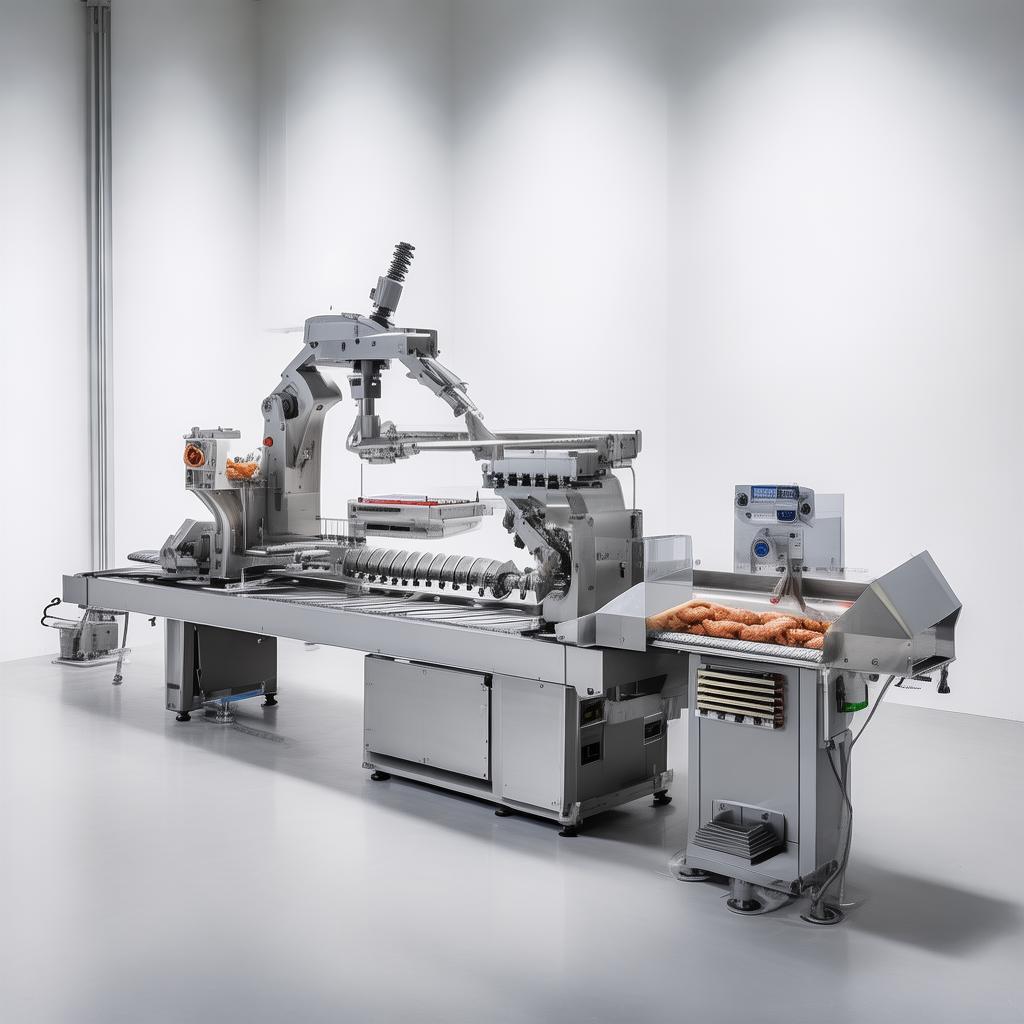
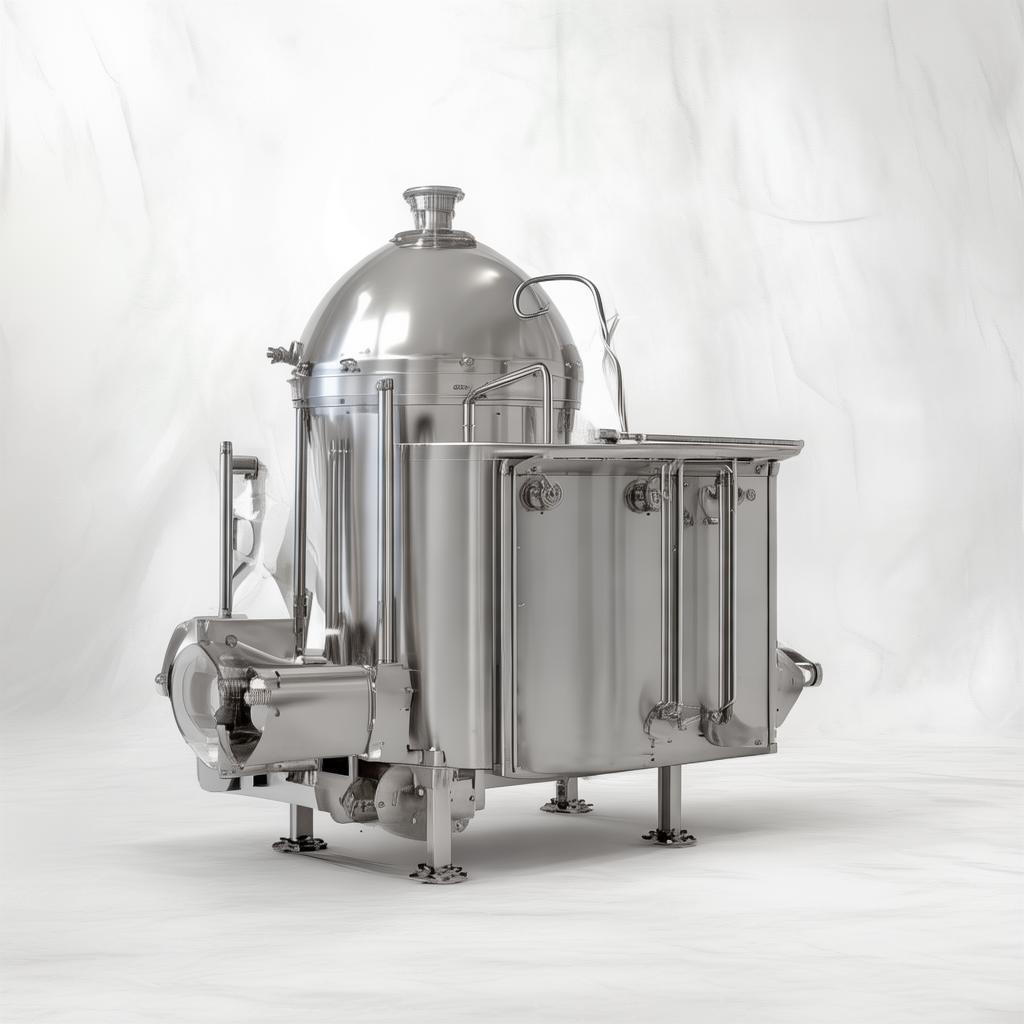
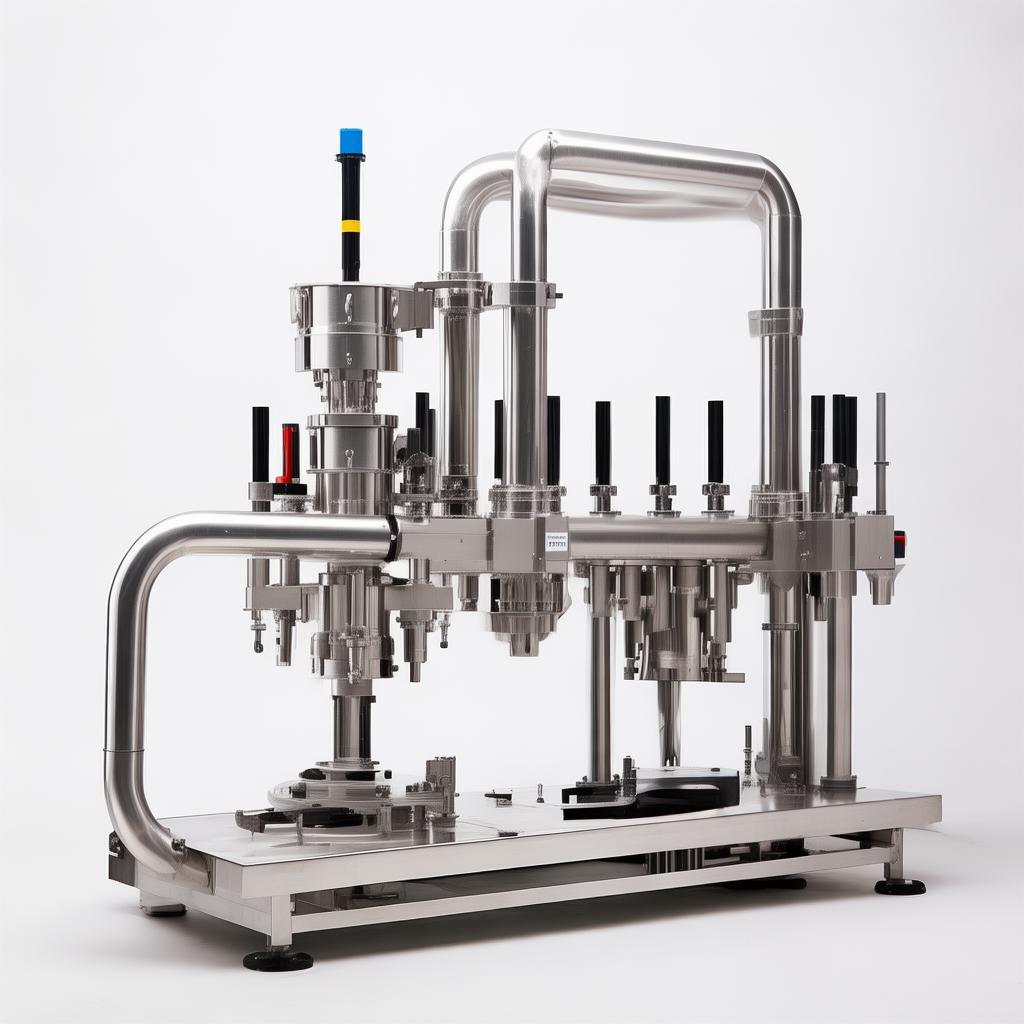
Monobloc Filling System
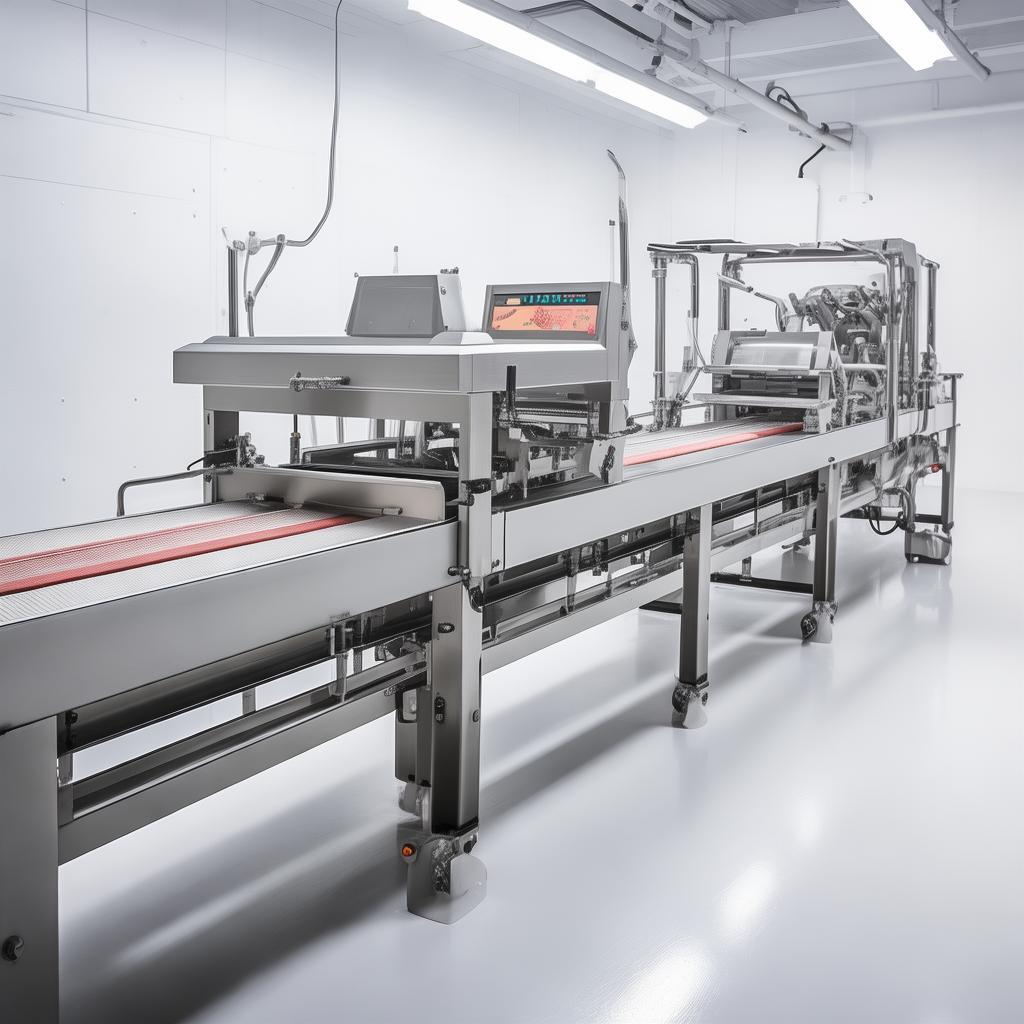
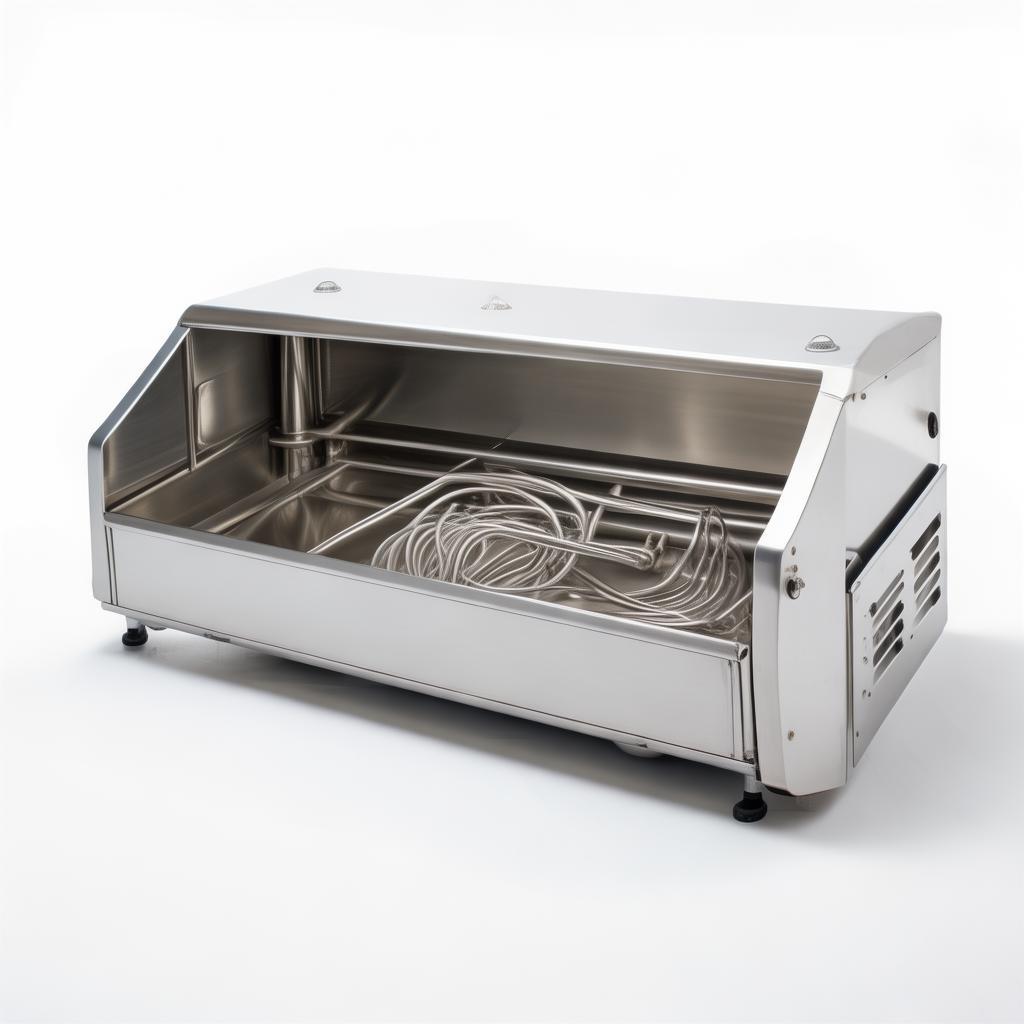
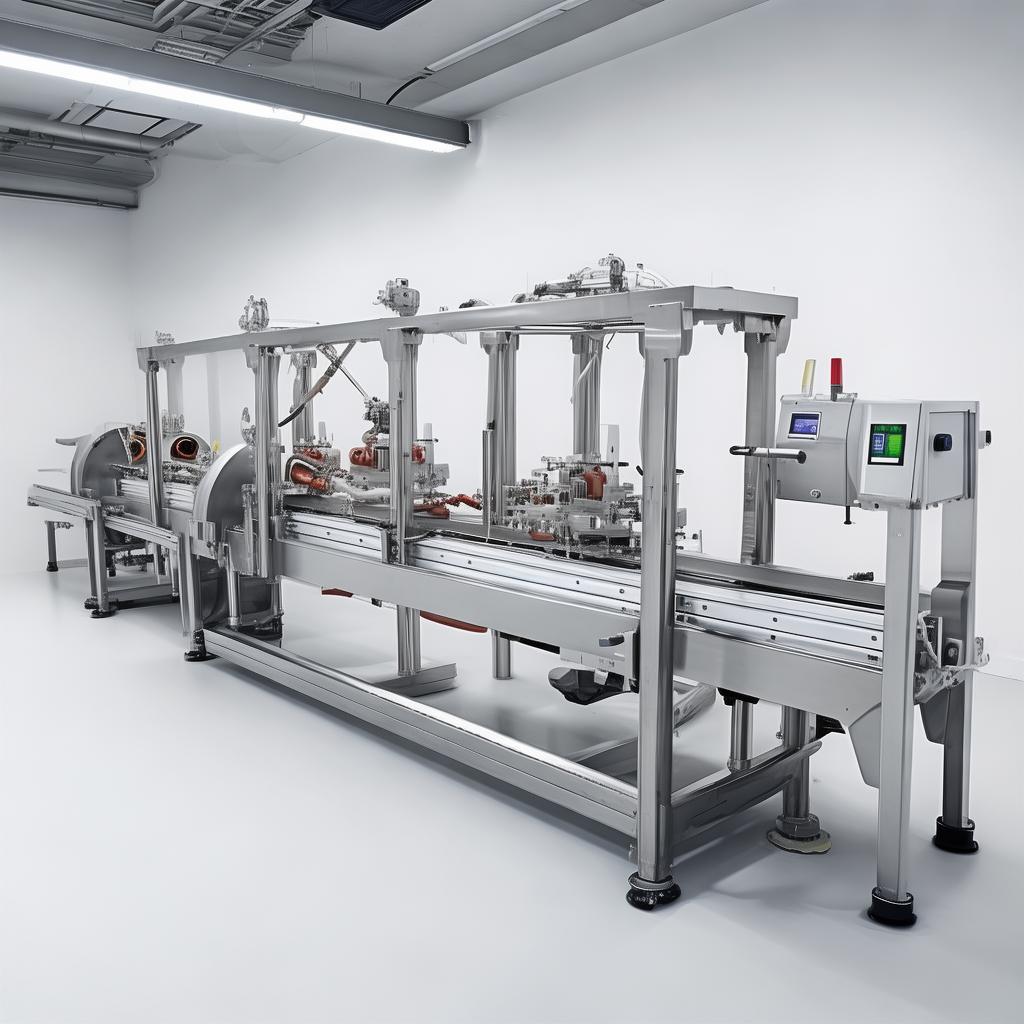
Monobloc Filling Systems: Precision, Efficiency, and Reliability for Your Production Line
Streamline your operations with integrated filling and sealing solutions designed for high-volume, consistent output.

Authored by: Alex Chen, Senior Export Manager
Hebei Yuanchang Food Mechanism & Technology Co., Ltd.
The Challenge: Achieving Consistent Filling and Sealing in Demanding Production Environments
In today's competitive industrial landscape, particularly within food processing, pharmaceuticals, and cosmetics, achieving meticulous accuracy and unwavering consistency in product filling and sealing is paramount. Any deviation can lead to product loss, increased operational costs, compliance issues, and ultimately, damage to brand reputation. Many operations grapple with the complexities of managing separate filling and capping or sealing machines. This often results in bottlenecks, increased labor requirements for product transfer, potential for contamination, and a higher risk of misalignment. The pursuit of higher throughput, tighter tolerances, and enhanced hygiene standards necessitates a more integrated approach.
Consider the sheer volume processed daily. A few seconds of downtime or a minor error per unit can accumulate into significant financial losses over a shift or a week. Furthermore, the variability in container sizes, fill volumes, and product viscosities adds another layer of complexity that traditional, disjointed equipment often struggles to manage efficiently. This is where the strategic advantage of a monobloc filling system truly shines.
We've seen firsthand the struggles of manufacturers trying to optimize their lines. The common refrain is about the trade-offs: speed versus precision, automation versus flexibility, or initial cost versus long-term operational savings. The global market for meat processing equipment, a sector heavily reliant on accurate filling and molding, is projected to reach USD 17.39 billion by 2034 with a CAGR of 5.0% [1]. This growth underscores the escalating demand for sophisticated machinery that can handle diverse products and high volumes, demanding more than just basic functionality. The demand for processed meat itself is booming, expected to reach USD 1,253.77 billion by 2034 [11], a trend directly influencing the need for advanced filling and forming equipment.
The operational reality is that integrating multiple machines requires significant floor space, complex interlinking mechanisms, and a larger footprint for maintenance. More critically, each transfer point between machines introduces potential points of failure or contamination. For industries where sterility and precision are non-negotiable, like pharmaceuticals or certain high-end food products, this is an unacceptable risk. The drive towards automation is also fueled by labor shortages and the need to maintain stringent food safety standards, pushing businesses to invest in solutions that reduce manual handling and increase overall line efficiency and hygiene. This aligns with broader trends in the food processing equipment market, which saw a significant increase in automation adoption to improve hygiene and labor efficiency [2].
Our clients often come to us with specific challenges: inconsistent fill levels in viscous sauces, capping issues on delicate containers, or the sheer labor cost associated with manual filling and sealing operations. They are looking for a robust, all-in-one solution that simplifies their production, enhances product quality, and provides a clear return on investment. They need equipment that doesn't just perform a function, but actively contributes to the efficiency, safety, and profitability of their entire operation. The market acknowledges this, with filling and stuffing equipment being a key segment in the meat processing industry, vital for sausages and formed products [1].
This is precisely why understanding the nuances of a monobloc system—how it combines critical functions into a single, cohesive unit—is essential for any procurement or operations manager focused on optimizing their manufacturing processes. It’s about achieving that seamless integration that translates directly into tangible operational benefits and a stronger competitive edge.
What Exactly is a Monobloc Filling System?
At its core, a monobloc filling system is an elegantly engineered piece of machinery that integrates multiple essential processing steps into a single, self-contained unit. Unlike traditional setups where filling, capping, sealing, or other operations are performed by separate, standalone machines connected by conveyors, a monobloc houses these functions within one frame. This means a single machine can fill containers and then immediately proceed to cap them, seal them, or even perform other integrated tasks like induction sealing or applying tamper-evident bands. The 'mono' in monobloc signifies this singular, unified approach to a sequence of operations.
Imagine a product, say a premium sauce or a liquid pharmaceutical. Instead of traveling from a filler to a capper, and then potentially to a sealer, all these steps occur seamlessly within the compact footprint of the monobloc. The containers are automatically fed into the machine, precisely filled by an advanced volumetric or gravimetric filling mechanism, and then immediately moved to the next station for capping or sealing. This eliminates the need for inter-machine transfer, reducing the potential for errors and contamination while significantly streamlining the production flow.
The versatility of these systems is a major draw. Depending on the specific requirements of your product and industry, a monobloc can be configured with various filling technologies, such as:
- Volumetric Filling: Ideal for consistent fill volumes, especially with liquids of varying viscosity. Precision pumps or flow meters ensure each container receives the exact amount.
- Gravimetric Filling: Offers the highest accuracy by weighing the product as it's dispensed, perfect for high-value products or when precise weight is critical.
- Piston Filling: Suitable for viscous products like pastes, creams, or gels, where a precise volume needs to be delivered reliably.
Similarly, the capping or sealing station can be customized. This might include screw capping, ROPP capping, crimp capping, or induction sealing, all integrated to work in perfect synchronization with the filling process. This level of integration means that the timing, positioning, and operation of each station are meticulously controlled, leading to higher quality and consistency across every single unit produced.
The overall market for meat processing equipment, which frequently employs filling and molding technologies, is substantial. Reports indicate values ranging from USD 11.28 billion in 2024 to projections as high as USD 30.5 billion by 2035 [2], [10]. This broad market encompasses filling machines as a critical component for forming sausages and other processed meat products [1]. Furthermore, the market for reconstituted meat, which relies heavily on molding and pretreatment equipment, is seeing significant growth, projected to reach USD 36.1 billion by 2035 [17]. This demonstrates the critical role that advanced filling and molding technologies play in modern food production.
Our extensive experience, dating back to 1986, has shown us that a well-designed monobloc system is not merely a collection of parts; it's a highly synergistic solution. It’s about reducing the complexity of your production line, enhancing product integrity, and ultimately, delivering more finished goods of superior quality with less manual intervention and fewer operational headaches. It’s a strategic investment in efficiency.
Chat with an Expert

Client: We're struggling with fill accuracy on our current line for viscous creams. Can a monobloc handle this?

Expert: Absolutely. Our piston-fill monoblocs are specifically designed for viscous products. We can configure it for precise volumetric delivery, ensuring consistency batch after batch.

Client: Great to know. What about integration with our existing conveyor system?
Ready to discuss your specific filling and sealing needs? Request a consultation today.
Key Advantages: Why Choose a Monobloc System?
The decision to integrate filling and sealing functions into a single unit isn't just about convenience; it's a strategic move with tangible benefits that impact your bottom line and operational efficiency. Here’s a breakdown of why a monobloc system stands out:
1. Enhanced Precision and Consistency
By eliminating intermediate transfer points, the risk of product spillage, container misalignment, or capping errors is drastically reduced. The machine’s controlled environment ensures that each container is filled to the precise volume or weight and sealed to exact specifications, batch after batch. This is critical for product quality and regulatory compliance, especially in industries like pharmaceuticals and food manufacturing where specifications are stringent. For instance, a slight variation in fill volume for a high-value food product can represent significant financial loss over a production run.
2. Increased Operational Efficiency
A monobloc system operates as a single, cohesive unit. This integration streamlines the entire process, often leading to higher throughput compared to a multi-machine setup. Operators manage a single machine interface, and maintenance is consolidated. Less downtime between processes means more production time, directly boosting your output capacity without requiring additional personnel to manage the transfer between separate machines.
3. Reduced Product Loss and Waste
Fewer transfer points mean fewer opportunities for spills, drips, or incorrect seals. When filling viscous products or volatile liquids, a well-designed monobloc minimizes exposure to the environment and reduces mechanical stress on containers, leading to significantly lower product loss and less waste. This directly translates into better yield and cost savings.
4. Improved Hygiene and Contamination Control
In industries where hygiene is paramount, a monobloc system offers a significant advantage. By reducing the number of handling points and exposing the product to the environment for a shorter duration, the risk of contamination is minimized. Many monoblocs are designed with easy-to-clean surfaces and components, simplifying sanitation procedures and ensuring compliance with strict regulatory standards like GMP (Good Manufacturing Practices) or HACCP. The fewer the touchpoints, the safer the product.
5. Smaller Footprint and Space Savings
Consolidating multiple functions into one machine drastically reduces the overall space required on your production floor compared to individual filling and capping machines. This is particularly valuable for facilities with limited space or for those looking to reconfigure their layout for better workflow. A compact design doesn't mean compromising on capacity; it means optimized engineering.
6. Lower Labor Costs
With integrated functions, the need for operators to oversee and manage multiple machines and transfer points is reduced. A single operator can often manage a monobloc system, leading to significant labor cost savings over time. This also allows your skilled workforce to focus on higher-level tasks like quality control or process optimization.
7. Versatility and Customization
Monobloc systems can be engineered to handle a wide range of container types, sizes, and product viscosities. Whether you're filling pharmaceuticals, food products, cosmetics, or chemicals, the filling mechanism, capping head, and other features can be customized to meet your specific needs. This adaptability ensures that the system can evolve with your product line.
The demand for versatile and efficient machinery is reflected in market trends. For example, the global meat processing equipment market is projected to grow substantially, with filling and molding equipment playing a crucial role [1]. This growth indicates a clear industry shift towards integrated, high-performance solutions that can handle complex tasks efficiently.
Technical Specifications: What to Look For
When evaluating a monobloc filling system, understanding the technical specifications is crucial to ensure it aligns with your production needs and quality standards. We engineer our systems with precision and reliability at the forefront. Here are key areas to consider:
| Specification | Details to Consider | Our Offering & Benefits |
|---|---|---|
| Filling Method | Volumetric (Piston, Pump), Gravimetric (Weight-based), Flow Meter | Precision piston fillers for viscous products, gravimetric systems for high-value items. Guarantees ±0.5% fill accuracy. |
| Filling Range | Minimum to maximum fill volume or weight per cycle. | Configurable ranges from 10ml to 5000ml to accommodate diverse product needs. |
| Capping/Sealing Type | Screw capping, ROPP capping, crimp sealing, induction sealing, tamper-evident banding. | Integrated capping heads with adjustable torque, automatic cap feeding, and reliable induction sealing capabilities for product integrity. |
| Production Speed | Units per minute (UPM) or cycles per minute (CPM). Varies by product and container. | Capable of up to 60-120 UPM for standard liquid filling and capping, depending on product complexity and container size. |
| Container Handling | Materials (glass, plastic, metal), shapes (round, square), sizes, and heights. | Robust container indexing and conveying systems, adaptable to various materials and shapes. Quick changeover features. |
| Materials of Construction | Stainless steel grades (304, 316L), food-grade plastics, seals. | Primary contact parts made of SUS316L stainless steel for superior corrosion resistance and hygiene. Compliant with FDA/CE standards. |
| Control System | PLC (Programmable Logic Controller), HMI (Human-Machine Interface), servo drives. | Intuitive touchscreen HMI with recipe management, real-time monitoring, and self-diagnostic capabilities. Advanced servo control for precise movements. |
| Utilities Required | Compressed air, power (voltage/phase), steam (if applicable). | Standard industrial power supply, clean compressed air. Detailed utility requirements provided per model. |
| Dimensions & Weight | Overall footprint and shipping weight. | Compact design optimized for floor space. We provide detailed schematics for integration planning. |
automated filling system Aseptic filling systems Aseptic filling system
Note: Specifications can be customized to meet unique project requirements. Refer to individual product datasheets for precise details.
Applications: Where Monobloc Filling Systems Excel
The versatility and precision of monobloc filling systems make them indispensable across a wide spectrum of industries. Their ability to handle diverse products and packaging formats allows them to integrate seamlessly into various production lines. Here are some key application areas where these systems deliver exceptional performance:
Food & Beverage
- Sauces & Condiments (Ketchup, Mustard, Mayonnaise)
- Oils & Dressings
- Dairy Products (Yogurt, Milk, Cream)
- Soups & Broths
- Jams & Spreads
- Beverages (Juices, Teas)
- Pet Food (Wet food, Gravy)
In the meat processing industry, specific monoblocs are critical for filling sausages, pâtés, and deli meats, ensuring consistent weight and texture [2]. The demand for processed meats is a major driver for these specialized filling technologies.
Pharmaceuticals
- Liquids & Syrups
- Oral Suspensions
- Ointments & Creams
- Sterile Solutions
- Eye Drops
Pharmaceutical applications demand the highest levels of precision and sterility. Our systems comply with stringent GMP and FDA regulations, ensuring product safety and efficacy.
Cosmetics & Personal Care
- Lotions & Creams
- Shampoos & Conditioners
- Gels & Serums
- Liquid Soaps
- Fragrances
Aesthetic presentation is key here. Consistent fill levels and secure sealing ensure product integrity and shelf appeal, meeting the high visual standards of the cosmetics market.
Chemicals & Industrial
- Adhesives & Sealants
- Lubricants
- Cleaning Agents
- Solvents
- Paints & Coatings
For industrial applications, durability and safe handling of potentially hazardous materials are critical. Our systems can be configured with specialized seals and materials to handle a wide range of chemical products.
The global food processing equipment market, projected to grow significantly [1], [8], highlights the broad adoption of machinery like monobloc fillers that enhance efficiency and hygiene across various food segments.
Installation, Operation, and Maintenance: Practical Considerations
Investing in a monobloc filling system is a significant step towards optimizing your production. To ensure you achieve the full benefits, it's essential to consider the practical aspects of installation, day-to-day operation, and long-term maintenance. Our goal is to make this transition as smooth as possible for your team.
Installation Insights
Proper installation is the bedrock of reliable operation. A monobloc system, while integrated, still requires careful placement and connection. Key considerations include:
- Floor Space & Layout: While compact, ensure adequate space for product feeding, container exit, operator access, and maintenance. Review the machine’s footprint and recommended clearances.
- Utility Connections: Verify power supply (voltage, phase, amperage), compressed air quality and volume, and any other required utilities against the machine's specifications. Incorrect utility supply is a common cause of performance issues.
- Leveling: Precise leveling is crucial for accurate filling and smooth container movement. Our systems often come with adjustable leveling feet.
- Integration with Upstream/Downstream Equipment: Plan how your existing or new conveyors, labelers, or packaging machines will interface with the monobloc. Smooth transitions prevent bottlenecks.
We provide detailed installation manuals and can offer on-site or remote installation support to ensure your system is set up correctly from day one. For systems involving highly sensitive products, an installation within a controlled or cleanroom environment might be necessary.
Operational Excellence
Operating a monobloc system is designed to be intuitive, but understanding its core functions is key:
- HMI Interface: The touchscreen control panel is your command center. Familiarize yourself with recipe selection, parameter adjustments (fill volume, capping torque), and production monitoring.
- Recipe Management: For facilities running multiple products, using the recipe management feature saves significant time during changeovers. Ensure accurate programming for each product.
- Container & Cap Management: Proper loading of containers and caps into their respective feeders is essential. Automatic systems reduce manual intervention, but initial setup and monitoring are still required.
- Running Diagnostics: Pay attention to any error messages or warnings displayed on the HMI. Promptly addressing these can prevent minor issues from escalating.
Training is often included as part of the commissioning process, empowering your operators to run the machine efficiently and safely.
Maintenance and Longevity
Regular maintenance is key to maximizing the lifespan and performance of your monobloc filling system. Think of it as preventative care for your production line:
- Daily Cleaning: Thorough cleaning of product contact parts after each shift is critical, especially for food and pharmaceutical applications. Ensure all residues are removed to prevent contamination and bacterial growth.
- Lubrication: Follow the recommended lubrication schedule for all moving parts to ensure smooth operation and prevent premature wear.
- Periodic Inspections: Regularly check seals, belts, and sensors for signs of wear or damage. Addressing small issues early can prevent costly breakdowns.
- Calibration: For systems relying on precise measurement (like gravimetric fillers or volumetric pumps), periodic calibration ensures ongoing accuracy.
- Spare Parts: Keeping critical spare parts on hand (e.g., seals, nozzles, capping chucks) can drastically reduce downtime in the event of a component failure.
With proper care, a well-maintained monobloc filling system can provide reliable service for many years, delivering consistent performance and contributing to your operational goals.
Logistics and Global Export Considerations
As a manufacturer with extensive international trade experience, Hebei Yuanchang Food Mechanism & Technology Co., Ltd. understands the complexities of global logistics. When you partner with us for your monobloc filling system, you gain access not just to advanced machinery but also to our expertise in navigating international shipping and delivery.
Shipping Our Equipment:
- Packaging: Our machines are robustly packaged to withstand the rigors of international transit. This typically involves protective wrapping, sturdy wooden crates, and secure bracing to prevent movement and damage during loading, transit, and unloading.
- Containerization: We optimize packaging to fit standard shipping containers (20ft, 40ft) efficiently, minimizing shipping costs. Detailed dimensions and weight are provided for logistics planning.
- Documentation: We handle all necessary export documentation, including commercial invoices, packing lists, bills of lading, certificates of origin, and any specific certifications required by your country (e.g., CE for Europe).
- Shipping Methods: We work with reliable freight forwarders to arrange sea freight (most common for industrial equipment) or air freight for urgent shipments. We can offer FOB, CIF, or DDP terms based on your preference.
Import Considerations for Buyers:
- Customs Duties & Taxes: Be aware of your country's import duties and taxes for industrial machinery. These vary significantly by region and product classification.
- Import Licenses/Permits: Some countries may require specific import licenses or permits for machinery. Your local customs broker can advise on this.
- Local Regulations: Ensure the machine's electrical specifications and safety features comply with your local standards and regulations.
- Receiving & Unloading: Plan for appropriate equipment (e.g., forklifts, cranes) at your facility for safe and efficient unloading of the machinery.
Our team is dedicated to making the export process as seamless as possible. We proactively communicate shipping updates and are available to answer any questions you or your customs broker may have throughout the process. Trust us to deliver not just quality equipment, but a reliable global supply chain solution.
Why Choose Hebei Yuanchang? Decades of Expertise in Manufacturing
In the complex world of industrial manufacturing, experience matters. With over 40 years of dedicated operation since 1986, Hebei Yuanchang Food Mechanism & Technology Co., Ltd. has cultivated a deep understanding of production machinery, particularly in the demanding sectors of food processing and related industries. Our journey began with a clear vision: to provide robust, reliable, and efficient equipment that empowers manufacturers to succeed.
Our facility, spanning approximately 14,000 square meters and employing a dedicated team of 80-100 professionals, is the heart of our operations. We integrate Research & Development, meticulous production, and global sales, ensuring that every piece of equipment leaving our factory meets our exacting standards. Our specialization in areas like pretreatment, filling, molding, and ripening processes for meat products (including pet food) means we possess niche expertise that translates directly into the quality and performance of our monobloc filling systems.
What truly sets us apart is our in-house machining workshop, equipped with over 20 sets of advanced processing machinery. This includes lathes, milling machines, high-precision grinding machines, boring machines, and wire cutting equipment. In 2012, we made a significant investment by introducing 8 sets of Japanese Mazak CNC machining centers. This capability allows us to manufacture high-standard components, including those requiring large volumes, high precision, and non-standard specifications, entirely in-house.
This vertical integration is critical for several reasons:
- Uncompromising Quality Control: We control every step of component manufacturing, ensuring superior fit, finish, and durability.
- Precision Engineering: Our CNC capabilities allow us to achieve tight tolerances essential for high-performance machinery like monobloc fillers.
- Customization: We can readily produce custom parts for tailored solutions, offering flexibility that many suppliers cannot match.
- Traceable After-Sales Service: With our independently produced, high-precision parts, we guarantee worry-free after-sales support. We know exactly what went into your machine and can quickly supply the right replacement components.
The global market for food processing equipment is vast, projected to reach USD 109.61 billion by 2035 [20]. Within this, specialized segments like meat processing equipment are also growing substantially [1]. Our focus and deep specialization in meat processing, where filling and molding are paramount, positions us as a knowledgeable and experienced partner for your needs.
Choosing Hebei Yuanchang means partnering with a company that has built its reputation on engineering excellence, practical experience, and a commitment to customer success. We don't just sell machines; we provide solutions backed by decades of hands-on manufacturing know-how.
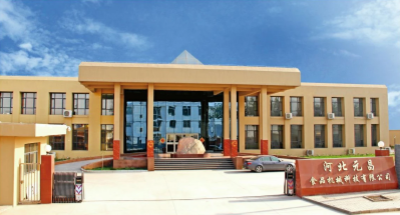
Our advanced manufacturing facility in Shijiazhuang, Hebei Province.
Buyer's Guide: Key Questions for Procurement
Selecting the right monobloc filling system is a critical procurement decision. To ensure you make an informed choice that aligns with your operational goals and budget, consider these questions:
- What specific products will you be filling and sealing? (Viscosity, particulates, foaming characteristics, acidity, etc.)
- What is your target production volume (units per hour/shift)? This determines the required speed and throughput of the machine.
- What types and sizes of containers will you use? (Glass bottles, plastic tubs, jars, vials, etc.)
- What are your hygiene and regulatory requirements? (e.g., FDA, CE, GMP, HACCP). This dictates material choices and design features.
- What level of automation is needed? (e.g., manual cap feeding vs. automatic, integration with upstream/downstream equipment).
- What is your budget? Remember to consider not only the initial purchase price but also installation, training, maintenance, and spare parts costs.
- What are the available utilities at your facility? (Power, compressed air, etc.)
- What is your timeline for implementation? Lead times for manufacturing and shipping can vary.
- What kind of after-sales support and training do you require? Service response time and availability of spare parts are crucial for minimizing downtime.
By asking these questions upfront, you can better define your needs and communicate them effectively to potential suppliers. At Hebei Yuanchang, we welcome these discussions and work collaboratively with our clients to identify the optimal solution. Our 40 years of experience mean we’ve likely encountered similar challenges and have robust solutions ready.
Procurement Risk Mitigation:
- Supplier Reputation: Research the supplier's history, certifications, and client testimonials. Look for manufacturers with ISO certifications
 .
. - Technical Support: Ensure readily available technical support and a clear warranty policy.
- Spare Parts Availability: Confirm that spare parts are easily accessible and can be shipped quickly. Our in-house manufacturing ensures this.
- Factory Acceptance Testing (FAT): If possible, conduct FAT at the manufacturer's facility to verify performance before shipment.
Making a purchase decision based on price alone can lead to costly operational issues down the line. Prioritize reliability, serviceability, and a supplier’s demonstrated expertise.
Certifications and Quality Assurance
Quality and compliance are non-negotiable in the industries we serve. Hebei Yuanchang adheres to rigorous international standards to ensure our monobloc filling systems meet the highest benchmarks for safety, performance, and reliability. We understand that for our clients, especially those in regulated markets like pharmaceuticals and food, certifications are not just a formality but a requirement for market access and consumer trust.
Our commitment to quality is reflected in our manufacturing processes and the standards we adhere to. Key certifications and compliance aspects often associated with our equipment include:
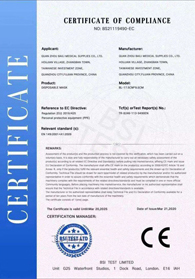
Specifically:
- ISO 9001: Our manufacturing processes are managed under strict quality management systems aligned with ISO 9001 principles, ensuring consistent product quality and continuous improvement.
- CE Marking: For equipment destined for the European market, our monobloc systems comply with relevant EU directives, indicated by the CE mark, signifying conformity with health, safety, and environmental protection standards.
- FDA Compliance: For pharmaceutical and food-grade applications, product contact parts are manufactured using materials that comply with FDA standards (e.g., food-grade stainless steel, FDA-approved seals and plastics).
- RoHS Compliance: Our electrical components adhere to Restriction of Hazardous Substances (RoHS) directives, ensuring environmentally conscious manufacturing.
We understand that specific projects may have unique certification requirements. Our engineering team is experienced in working with clients to meet these needs, whether it involves specific material certifications, custom testing protocols, or documentation for regulatory submission. Our commitment to quality assurance extends from initial design and material sourcing through to final assembly and testing, providing you with the confidence that you are investing in machinery built to last and perform reliably.
Ready to Optimize Your Filling and Sealing Operations?
Discover how our high-precision, durable monobloc filling systems can revolutionize your production line. Gain efficiency, enhance product quality, and reduce operational costs.
What Our Clients Say
"The monobloc filler we purchased from Yuanchang has significantly improved our sauce production. Fill accuracy is spot on, and changeovers are much faster than our old line. The support team was very responsive during installation."

Operations Manager, Gourmet Foods Inc.
"We needed a highly reliable filling machine for our premium cosmetic creams. Yuanchang's precision filling system delivered. The build quality is excellent, and the HMI is straightforward. It’s a solid piece of engineering."

Production Supervisor, Luminous Beauty Co.
"As a pet food manufacturer, hygiene and precise portioning are critical. Their monobloc system handles our viscous wet food perfectly. We also appreciated their clear communication regarding export and customs clearance. A great international partner."

Plant Manager, Pawsome Nutrition
Get in Touch for a Customized Solution
We are ready to discuss your specific needs and provide a tailored quote for your monobloc filling system. Let's build a more efficient future for your production.
Or contact us directly:
Phone: +86 15830991513
Email: ycmeatmech@gmail.com
Address: Shijiazhuang, Hebei Province, China