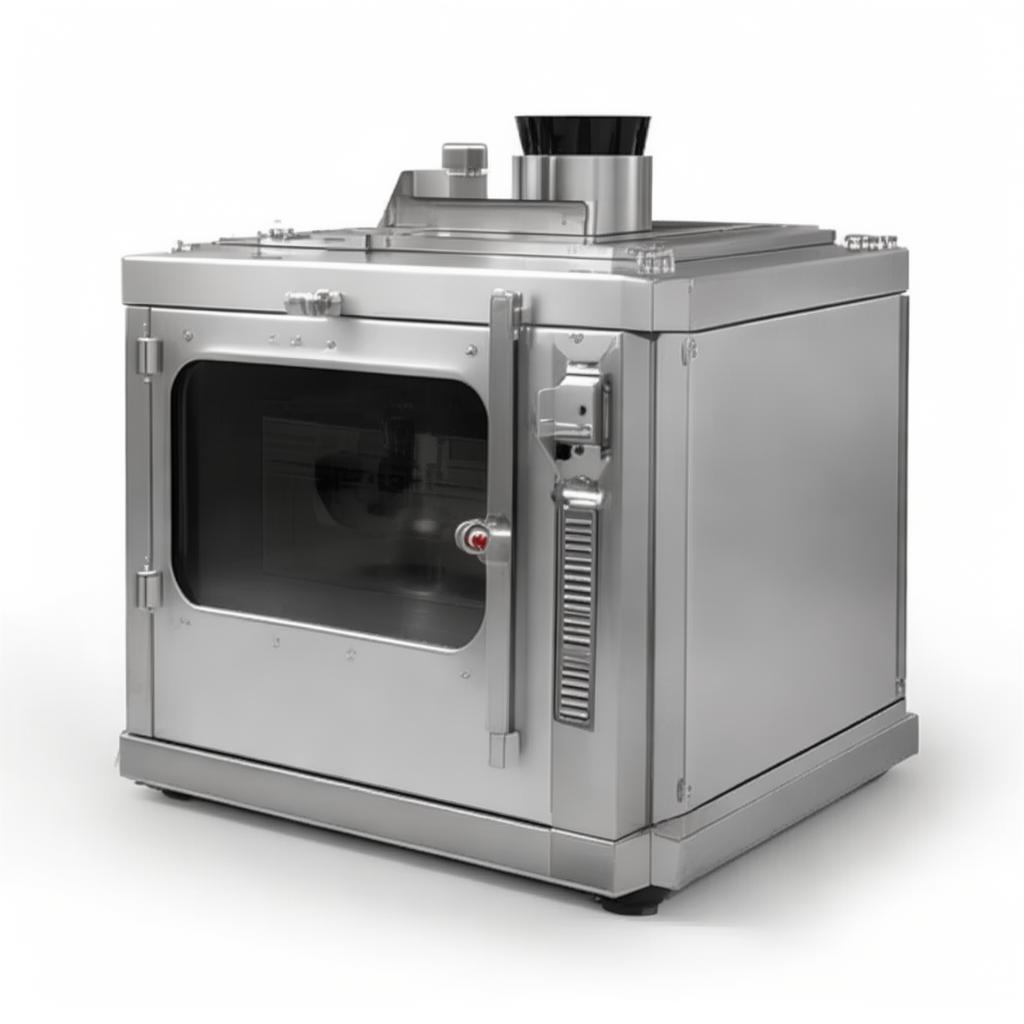
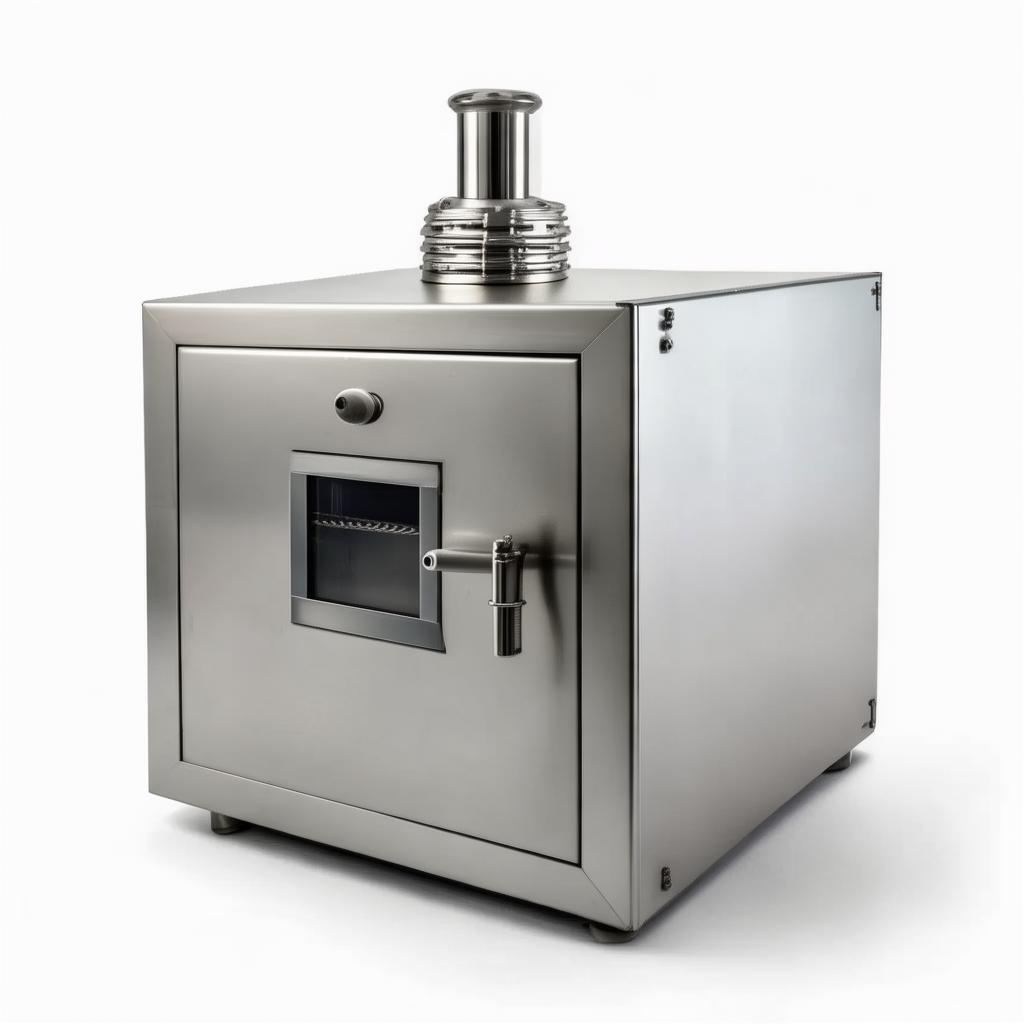
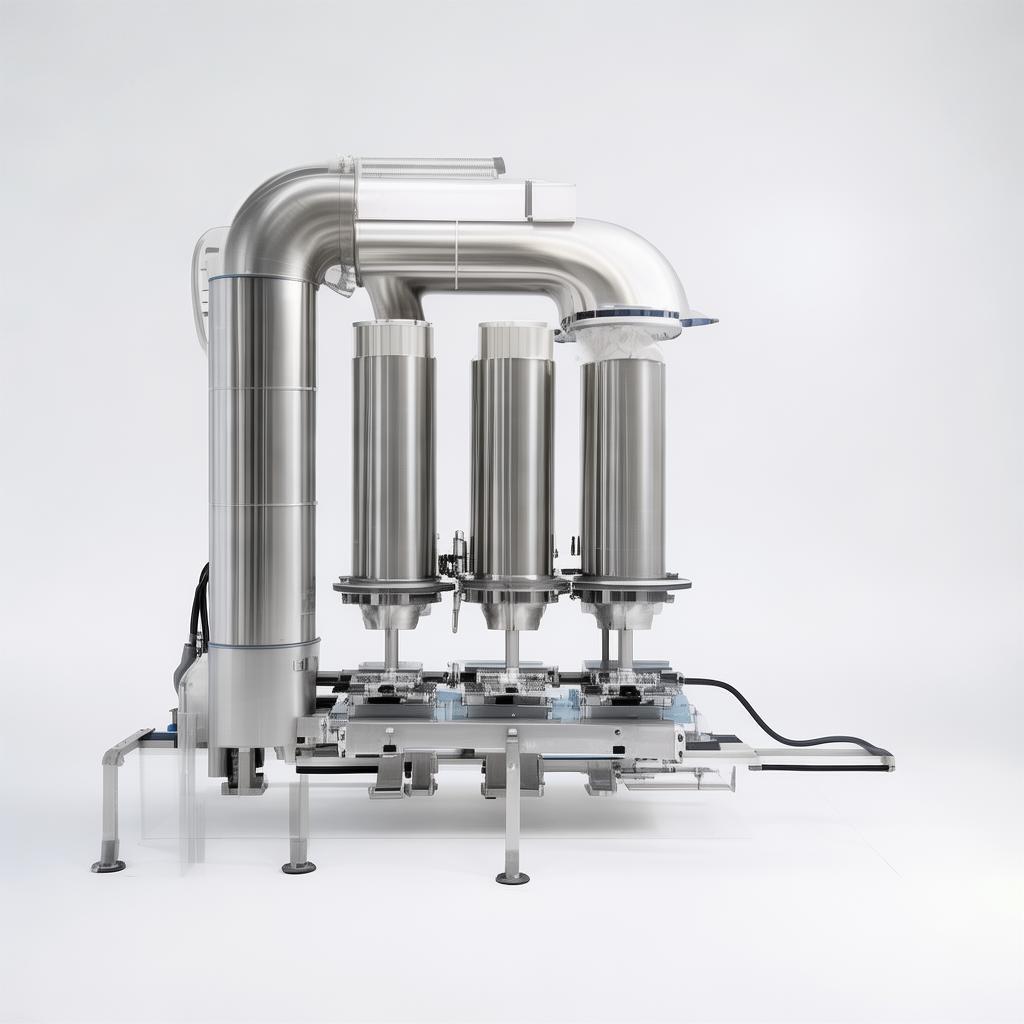
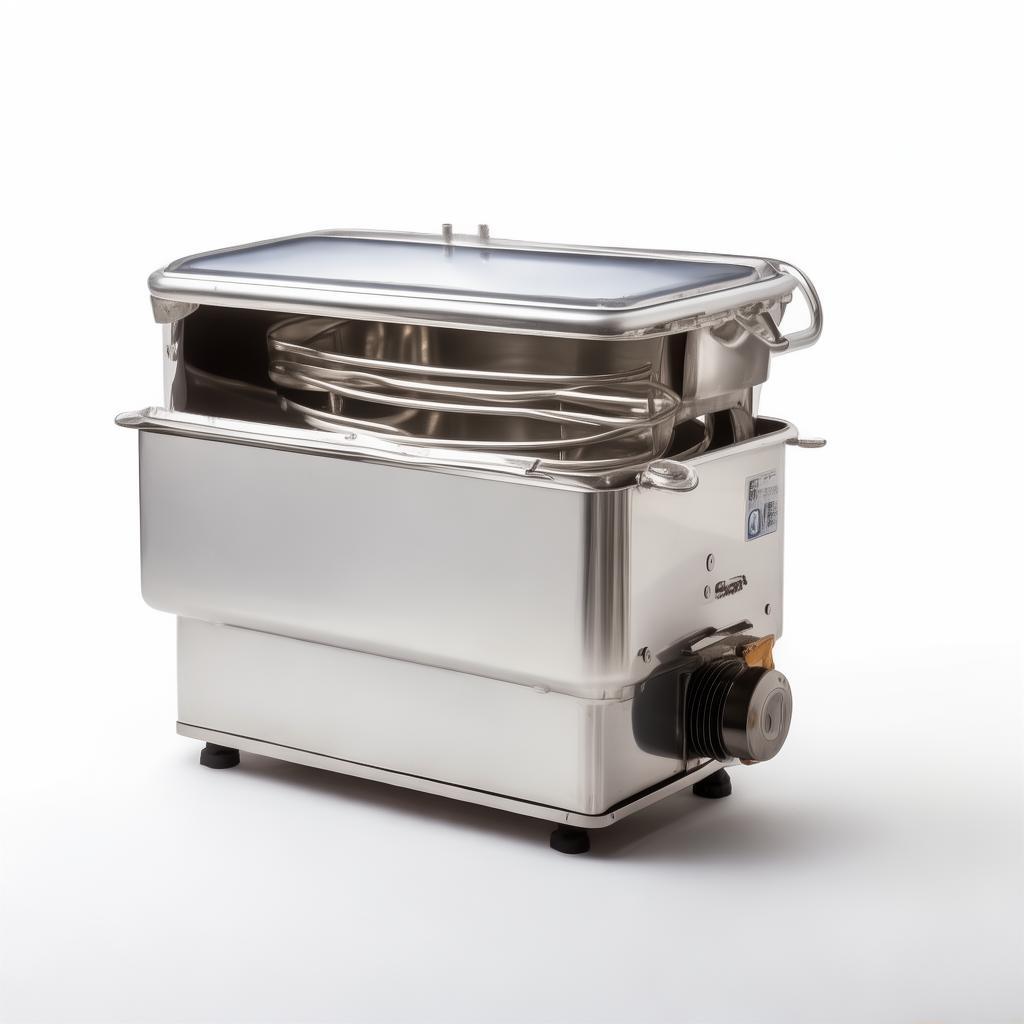
Molino De Carne Industrial
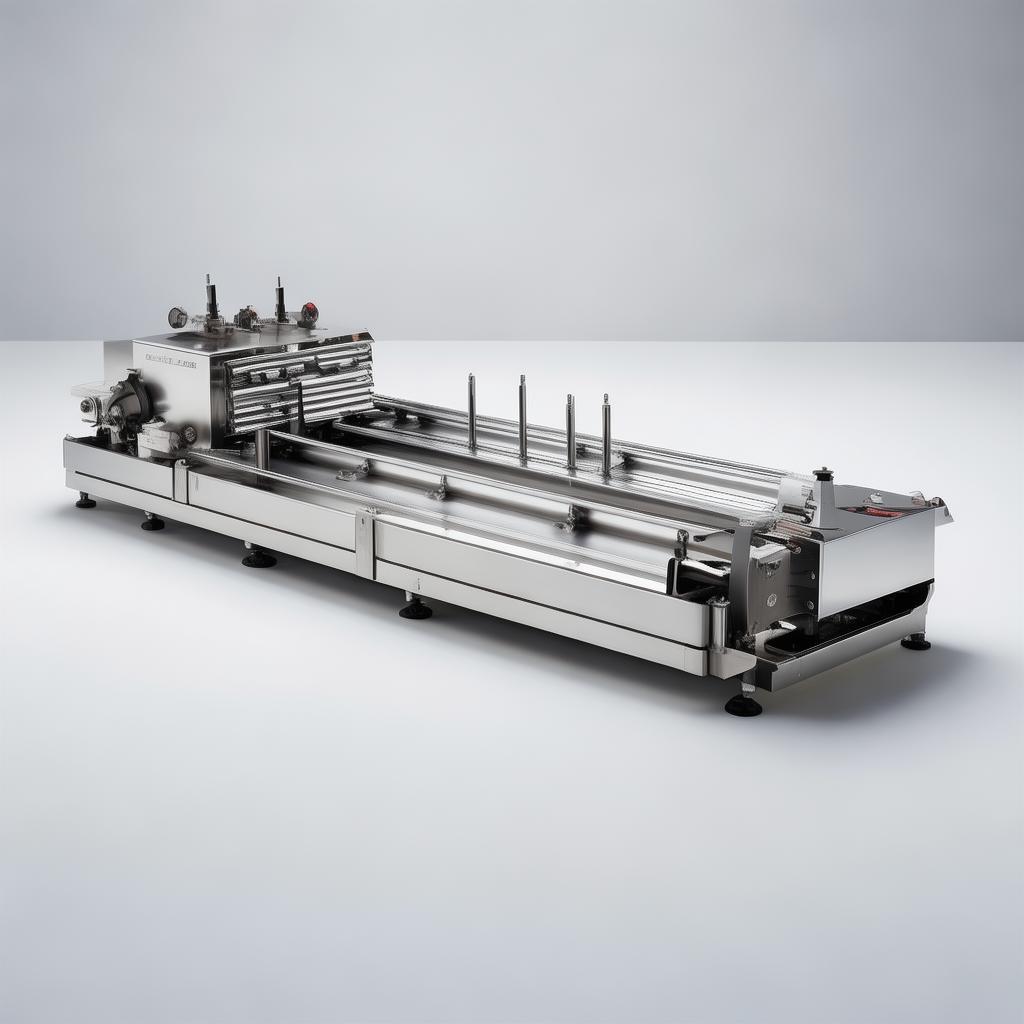
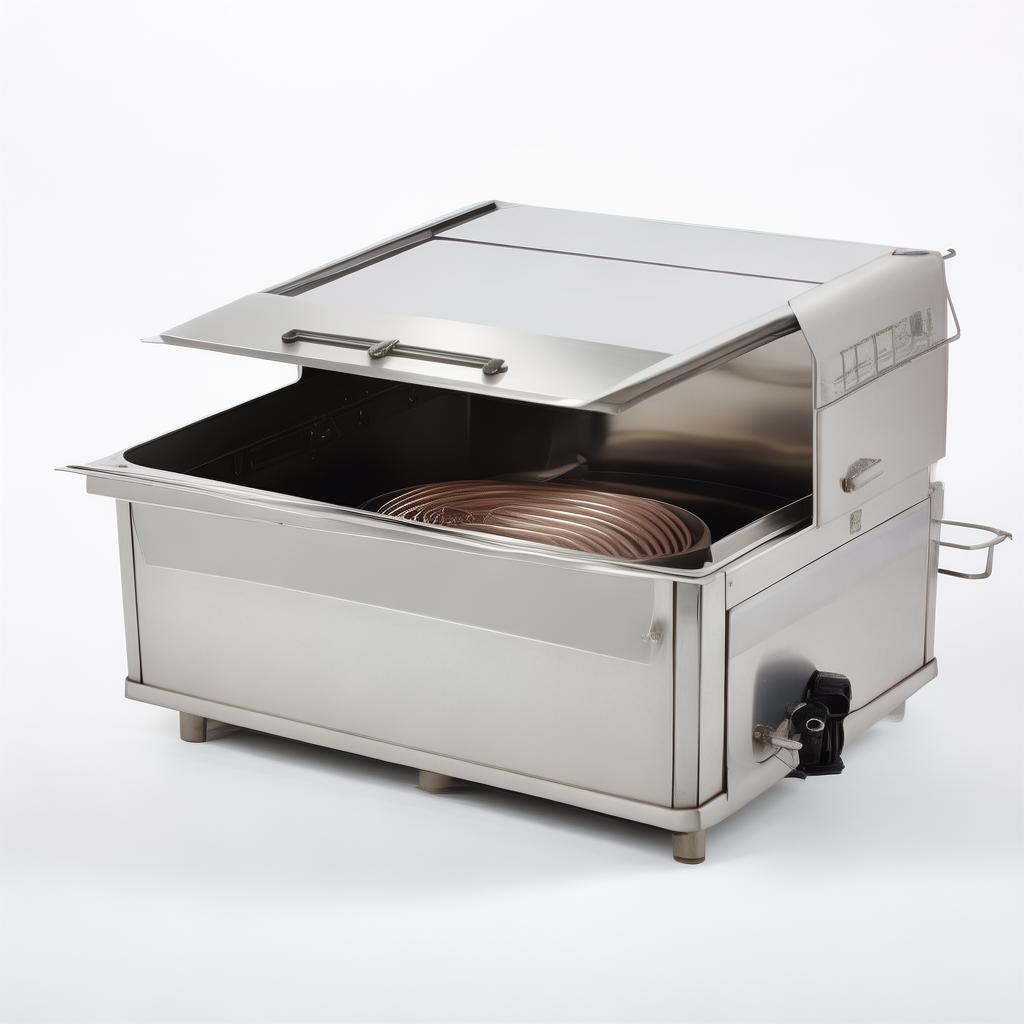
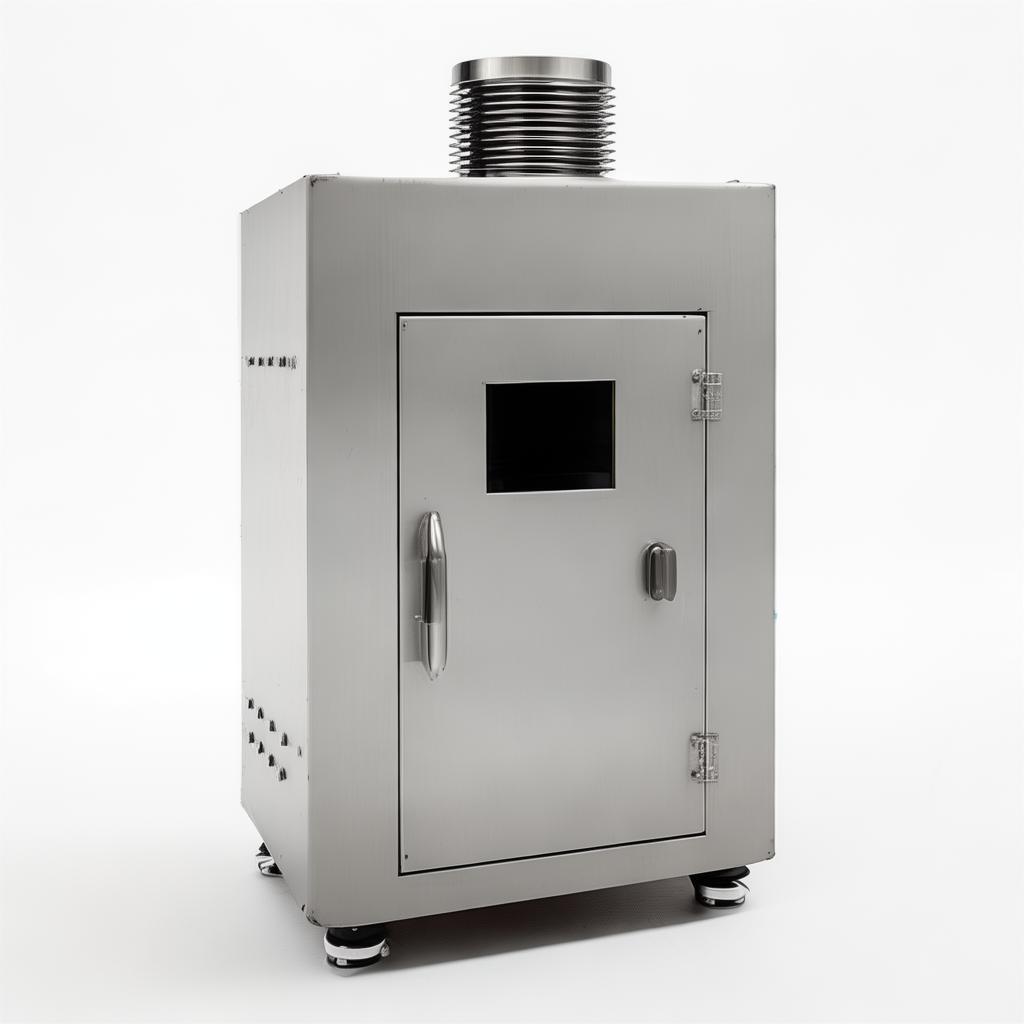
Molino de Carne Industrial: Maximizing Throughput, Quality, and Profitability in Meat Processing

Export Director at Hebei Yuanchang Food Mechanism & Technology Co., Ltd.
Over 15 years of international B2B trade experience in industrial food processing machinery.
Navigating the Complexities of Industrial Meat Grinding: Beyond Just Mincing
The term "molino de carne industrial," or industrial meat grinder, might sound straightforward, but for anyone in the high-volume meat processing sector, it represents a critical piece of machinery that dictates production efficiency, product consistency, and ultimately, profitability. It's far more than just a device that pulverizes meat. It's the heart of a preparation line, influencing everything from the texture and appearance of sausages and burgers to the shelf life and safety of processed meats. In today's competitive global market, where consumer demand for convenience, quality, and traceability is paramount, selecting and operating an industrial meat grinder correctly is not a minor detail – it's a strategic imperative.
We're talking about machines that handle tons of product daily, operating under stringent hygienic standards and demanding continuous uptime. The wrong grinder, or even a slightly misconfigured one, can lead to overheating, inefficient throughput, inconsistent particle size, increased labor costs for cleaning and maintenance, and even potential contamination risks. For export markets like the USA, where regulations are strict and consumer expectations are high, these issues are amplified. Buyers are not just looking for a price; they're seeking a reliable partner who understands the operational realities of their business.
The global meat processing equipment market is robust, projected to reach figures well beyond USD 11 billion in the coming years. For instance, reports indicate a market size of USD 11.29 billion in 2025, expected to grow to USD 17.39 billion by 2034, with a CAGR around 5.0% [Fortune Business Insights]. This isn't just about the sheer volume of meat being processed; it's about the increasing demand for processed meat products – think sausages, deli meats, pet food ingredients, and ready-to-eat meals. These product categories, which often rely on precise grinding as a foundational step, are seeing significant expansion. The processed meat market itself is on track to exceed USD 1.2 trillion by 2034 [Fortune Business Insights], underscoring the continuous need for efficient and reliable processing equipment.
Understanding the "molino de carne industrial" involves looking at its role within a larger production ecosystem. It's where raw material is transformed into a workable state for subsequent processes like mixing, filling, forming, or ripening. The efficiency of this transformation directly impacts the cost and quality of the final product. Are you looking to produce finely ground mince for delicate pâtés, or a coarser grind for hearty sausages? The specifications of your industrial grinder must align precisely with these end-product requirements. This is where the technical expertise of the manufacturer, coupled with your operational knowledge, becomes crucial.
Moreover, the operational considerations are immense. Downtime is a profit killer. A reliable industrial grinder needs to be robust, easy to clean (critical for food safety – think HACCP, GMP), and supported by a manufacturer with readily available spare parts and responsive technical assistance. For international buyers, this often means dealing with logistics, import duties, and ensuring the equipment meets local electrical and safety standards. It's a complex undertaking, and the choice of a grinder is a pivotal decision that impacts the entire production chain.
The evolution of meat processing technology also plays a significant role. Advancements in motor technology, material science (e.g., high-grade stainless steel alloys resistant to corrosion and wear), and design ergonomics are constantly improving the performance and longevity of these machines. Automation is increasingly integrated, leading to more controlled grinding processes that minimize heat generation and preserve meat quality. We've seen a shift from basic grinding to highly engineered solutions that offer precise particle size control and optimized throughput. This technological advancement is driven by the need for greater efficiency and consistency, especially as the global meat processing equipment market continues its steady growth trajectory, with projections reaching USD 19.66 billion by 2033 according to SkyQuestT.org.
At Hebei Yuanchang, with our 40 years of experience since 1986, we've witnessed and contributed to these advancements firsthand. Our focus has always been on bridging the gap between raw processing power and refined, market-ready output. We understand that an industrial meat grinder isn't just a piece of equipment; it's an investment in your brand's reputation for quality and consistency. This deep understanding informs every machine we design and manufacture, from the smallest component to the overall system integration.
The Core Challenges in Industrial Meat Grinding Operations
For any operation scaling up or maintaining high-volume meat processing, several recurring challenges demand robust solutions. Understanding these pain points is the first step toward selecting the right industrial meat grinder.
- Heat Generation & Product Quality: Friction during grinding can significantly raise meat temperature. Overheating leads to fat rendering, poor binding, altered color, and a less appealing final product. This is particularly critical for applications requiring specific fat dispersion or temperature control for food safety.
- Particle Size Consistency: Inconsistent grind size results in a heterogeneous product. For sausages, this can mean uneven texture and cooking. For blended products, it affects homogeneity. Achieving uniform particle distribution batch after batch is paramount for brand trust.
- Throughput & Efficiency: Industrial operations demand high output. Grinders that frequently jam, require excessive downtime for cleaning, or have slow feed rates directly impact overall production capacity and increase labor costs per kilogram.
- Hygiene & Food Safety Compliance: Meat processing environments are prime for bacterial growth. Grinders must be designed for easy, thorough cleaning. Crevices, hard-to-reach areas, and materials that harbor bacteria are unacceptable. Compliance with HACCP, FDA, and local health codes is non-negotiable.
- Machine Durability & Maintenance: These are heavy-duty machines. Constant operation under load requires robust construction, high-quality wear parts (like plates and knives), and reliable motor systems. Frequent breakdowns or costly component replacements eat into profit margins.
- Material Handling: Loading large quantities of meat efficiently and safely, and then managing the output, requires ergonomic design and sometimes integrated material handling solutions, especially in automated lines.
These aren't minor inconveniences; they are operational hurdles that directly affect your bottom line. A well-chosen industrial meat grinder, or "molino de carne industrial," should be engineered to mitigate these challenges effectively.
The Yuanchang Advantage: Engineering for Performance and Reliability
At Hebei Yuanchang, we don't just build grinders; we engineer solutions. Our 40 years of experience in meat processing equipment has allowed us to refine our "molino de carne industrial" designs to address the critical needs of modern food manufacturers. We integrate robust construction with intelligent design features to deliver machinery that is both powerful and precise.
Precision Engineering for Superior Grind Quality
Our grinding systems are designed to minimize heat buildup, preserving the natural color, flavor, and texture of the meat. This is achieved through:
- Optimized Screw and Plate Design: The geometry of our auger screws and grinding plates is meticulously calculated to ensure efficient meat transport and cutting with minimal shear and friction.
- High-Quality Materials: We utilize food-grade stainless steel (e.g., SUS304) for all contact parts, ensuring durability, corrosion resistance, and ease of cleaning. Precision-machined components guarantee a tight fit between the knife and plate, crucial for a clean cut.
- Variable Speed Options: For specific applications, variable speed drives allow operators to fine-tune the grinding process to achieve the desired particle size and manage temperature, enhancing flexibility.
Robust Construction for Unwavering Uptime
We understand that production lines depend on reliable machinery. Our industrial grinders are built to last:
- Heavy-Duty Frame and Components: The entire machine is constructed from sturdy materials, capable of withstanding continuous operation under heavy loads.
- Powerful, Efficient Motors: We pair our grinders with high-torque motors, often featuring energy-efficient designs, to provide ample power for even the toughest cuts of meat.
- Precision Machining: Our investment in advanced CNC machining centers, including Japanese Mazak equipment, allows us to produce components with extremely tight tolerances. This translates to smoother operation, less wear, and longer service life for your grinder.
Designed for Easy Sanitation and Maintenance
Food safety is paramount. Our design philosophy prioritizes hygiene and ease of maintenance:
- Simplified Disassembly: Key components can be quickly removed without specialized tools, facilitating thorough cleaning and inspection.
- Smooth, Polished Surfaces: All food contact surfaces are polished to a high finish, minimizing product adhesion and eliminating potential bacterial harboring sites.
- Accessible Lubrication Points: Strategic placement of lubrication points ensures easy maintenance without requiring extensive dismantling.
- Traceable After-Sales Support: With our own high-precision parts production, we guarantee the availability and quality of spare components, ensuring a traceable and reliable after-sales service.
Technical Specifications: Finding the Right Fit
Choosing the correct industrial meat grinder ("molino de carne industrial") depends heavily on your specific production needs. Below are some typical specifications to consider. At Yuanchang, we offer a range of models to suit different capacities and operational requirements.
| Feature | Model YC-G50 (Example) | Model YC-G150 (Example) | Consideration for Your Operation |
|---|---|---|---|
| Power (kW) | 3.7 | 11 | Matches your processing volume and meat hardness. Higher power handles tougher cuts and larger batches efficiently. |
| Capacity (kg/hr) | 500 - 800 | 1500 - 2500 | Crucial for matching your production schedule and demand. |
| Hopper Capacity (L) | 40 | 100 | Impacts how frequently you need to refill, affecting labor. |
| Material of Construction | SUS304 Stainless Steel | SUS304 Stainless Steel | Ensures hygiene, durability, and resistance to corrosion. Essential for food safety compliance. |
| Grinding System | Hole Plate & Knife Set (various sizes available) | Hole Plate & Knife Set (various sizes available) | Allows for customization of particle size – from fine to coarse. Consider your end products. |
| Motor Type | Industrial Gear Motor | Industrial Gear Motor | Provides reliable, high-torque performance suitable for continuous heavy-duty use. |
| Dimensions (L x W x H cm) | Approx. 90 x 60 x 100 | Approx. 130 x 90 x 140 | Ensure adequate space in your production facility, considering workflow and cleaning access. |
| Voltage/Frequency | Customizable (e.g., 380V/50Hz, 460V/60Hz) | Customizable (e.g., 380V/50Hz, 460V/60Hz) | Critical for international buyers to match local power grids. We ensure seamless integration. |
picadora de carne industrial industrial meat industrial meat dicer
This table offers a snapshot. We encourage you to Discuss your specific requirements with our technical team. Factors like the type of meat (beef, pork, poultry, frozen), fat content, desired grind fineness, and overall plant layout will influence the optimal choice.
Applications Across the Meat Processing Spectrum
The industrial meat grinder is a versatile machine with applications spanning numerous sectors within the food industry. Its primary function of reducing particle size makes it indispensable for:
- Sausage Production: Whether it's finely ground pork for delicate emulsified sausages or coarser beef for hearty Italian sausages, the grinder ensures the correct texture and binding properties for stuffing and cooking.
- Burger and Patty Manufacturing: Consistent grind size is key to uniform cooking and mouthfeel in ground beef patties, meatballs, and other formed meat products.
- Processed Meats: Ingredients for terrines, pâtés, deli meats, and ready-to-eat meals often require specific grind characteristics achieved by industrial grinders.
- Pet Food Production: A significant portion of the pet food industry relies on high-volume grinding of meat and by-products as a base ingredient for kibble and wet foods.
- Further Processing: Ground meat serves as a feedstock for further value-adding processes like marination, injection, and smoking, where consistent particle size aids absorption and uniformity.
- Raw Material Preparation: Even before primary processing, industrial grinders might be used to break down larger cuts into more manageable sizes for storage or pre-treatment.
The flexibility to swap grinding plates and knives allows a single "molino de carne industrial" to serve multiple product lines, a critical factor for manufacturers with diverse product portfolios.
Installation, Operation, and Maintenance: Practical Insights
Getting your industrial meat grinder up and running smoothly involves more than just plugging it in. Here are some practical considerations from our experience:
Installation Essentials
- Space and Workflow: Ensure ample space around the machine for loading, operation, cleaning, and maintenance. Consider its position relative to upstream (meat delivery) and downstream (mixing, filling) equipment.
- Electrical Connection: Verify that your power supply meets the grinder's voltage and frequency requirements. Proper grounding is essential for safety and motor longevity. Consult a qualified electrician.
- Leveling: The grinder must be perfectly level to ensure smooth operation and prevent undue stress on bearings and the drive system.
Day-to-Day Operation
- Pre-chilling Meat: For best results and to minimize heat buildup, process meat that is chilled to between 0-4°C (32-40°F). Frozen meat can be ground with appropriate equipment and techniques, but requires more robust machinery and careful temperature management.
- Proper Feeding: Do not overload the hopper. Allow the auger to feed the meat consistently. Avoid forcing large, uneven chunks into the throat.
- Knife and Plate Maintenance: Regularly inspect the grinding knife and plate for wear or damage. Sharper edges provide a cleaner cut, reduce friction, and improve throughput. Worn components can lead to smearing, increased heat, and inconsistent grind.
Sanitation & Maintenance Protocol
- Daily Cleaning: After each production run, disassemble the grinding head (worm, knife, plate, barrel), wash thoroughly with approved detergents and hot water, rinse, and sanitize. Ensure all parts are dried completely before reassembly to prevent rust and bacterial growth.
- Regular Lubrication: Follow the manufacturer's recommendations for lubricating motor bearings and any other specified points. Use only food-grade lubricants where contact is possible.
- Component Replacement: Keep a stock of critical wear parts, such as grinding plates and knives. Replace them based on usage and wear, not just until failure, to maintain optimal performance.
- Scheduled Inspections: Implement a preventive maintenance schedule to inspect belts, motor brushes (if applicable), seals, and the overall structural integrity of the machine.
Adhering to these practices will significantly extend the lifespan of your industrial meat grinder and ensure consistent product quality.
Global Logistics and Export: Your Partner for International Delivery
For businesses outside of China, importing industrial machinery like a "molino de carne industrial" involves careful planning. Hebei Yuanchang has extensive experience in managing international shipments to ensure your equipment arrives safely and efficiently.
- Packaging for Transit: Our machines are typically crated or palletized with robust protective wrapping to withstand the rigors of international shipping, whether by sea or air freight.
- Documentation: We provide all necessary export documentation, including commercial invoices, packing lists, and certificates of origin, to facilitate customs clearance in your country.
- Shipping Options: We work with reliable freight forwarders and can offer quotes for different shipping methods (FCL, LCL, air cargo) to meet your timeline and budget requirements. Common delivery terms like FOB, CIF, and CFR can be arranged.
- Electrical Compliance: We ensure that machines are configured for the target market's electrical standards (voltage, frequency, plug types where applicable).
- Support: We offer remote technical support to assist with installation and initial setup upon arrival.
Navigating import regulations and logistics can be complex. Our dedicated export team is here to guide you through the process, ensuring a smooth transaction from our factory floor to your production facility.
Choosing the Right Supplier: What to Look For
When investing in industrial equipment, especially from an international source, supplier evaluation is critical. Here are key factors we recommend:
- Experience and Longevity: A manufacturer with decades of experience, like Hebei Yuanchang (since 1986), has proven its ability to adapt, innovate, and consistently deliver quality.
- Manufacturing Capabilities: Does the supplier have its own machining workshop with advanced equipment (like CNC centers)? This indicates control over component quality and precision.
- Technical Expertise: Do they employ engineers and technical staff who understand the intricacies of food processing and can offer informed advice?
- After-Sales Support: This is often overlooked but crucial. A traceable system for spare parts and responsive technical assistance can save you significant downtime and cost.
- Certifications: While not always mandatory for every market, certifications like CE, ISO, or FDA compliance for materials can indicate a commitment to quality and safety standards.
- Transparency: A supplier willing to provide detailed specifications, factory tours (virtual or in-person), and clear communication builds trust.
We encourage due diligence. Understanding your supplier's capabilities is as important as understanding the machine itself.
Frequently Asked Questions (FAQs) about Industrial Meat Grinders
Q1: What is the difference between a commercial grinder and an industrial grinder?
An industrial meat grinder ("molino de carne industrial") is designed for continuous, high-volume operation in a production facility, handling significantly larger quantities and often tougher materials than a commercial grinder used in a butcher shop or restaurant. Industrial machines feature more powerful motors, heavier-duty construction, and designs optimized for throughput and sanitation in a factory setting.
Q2: Can your industrial grinders process frozen meat?
Yes, many of our industrial grinders are capable of processing semi-frozen or even fully frozen meat, depending on the model and the degree of freezing. This requires robust motors and hardened cutting plates. It's crucial to specify if you intend to grind frozen meat so we can recommend the most suitable configuration.
Q3: How do I select the right size grinding plate and knife?
The choice depends on your end product. For very fine textures (e.g., emulsified sausages), a plate with small holes (e.g., 2-3mm) and a sharp knife is used. For coarser grinds (e.g., burgers, fresh sausages), larger hole plates (e.g., 6mm, 8mm, 10mm+) are employed. We can provide guidance based on your specific product formulation.
Q4: What is the typical lifespan of an industrial meat grinder?
With proper operation, regular maintenance, and timely replacement of wear parts (knives and plates), a well-built industrial meat grinder from a reputable manufacturer can last for many years, often over a decade, operating reliably in a high-production environment.
Q5: How important is the material of the grinding components?
Extremely important. Food-grade stainless steel is standard for hygiene and corrosion resistance. The hardness and precision of the knife and plate are critical for cut quality, heat generation, and wear resistance. High-carbon stainless steel alloys are often used for cutting edges to maintain sharpness longer.
Real-World Performance: What Our Clients Say
"We were looking for a more robust grinder for our expanding sausage line. The YC-G150 from Yuanchang has significantly increased our throughput while maintaining excellent particle consistency. Cleaning is straightforward, which is a huge plus for our QA team."

Operations Manager, USA
"The export process was smooth, and the grinder arrived well-packaged. We've been using the YC-G50 for burger patties, and the consistent grind has improved our product quality noticeably. Their responsiveness to our technical questions before and after delivery was impressive."

Procurement Specialist, Mexico
"As a growing pet food manufacturer, efficiency is key. This industrial grinder from Yuanchang handles large batches of meat and by-products with ease. The build quality feels solid, and we've experienced minimal downtime. A worthwhile investment."

Production Lead, Japan
Ready to Optimize Your Meat Grinding Operations?
Don't let outdated or inefficient grinding equipment hold back your production quality and profitability. Hebei Yuanchang Food Mechanism & Technology Co., Ltd. offers the robust, reliable, and precisely engineered industrial meat grinders you need to succeed in the global market.