Mixer Usage
Industrial Mixers: Precision, Consistency, and Efficiency in Meat Processing

Hebei Yuanchang Food Mechanism & Technology Co., Ltd.
Published: October 26, 2023
Key Takeaways
- Industrial mixers are pivotal for achieving uniform texture and ingredient distribution in meat products.
- Proper mixer selection hinges on product type, batch size, and desired output consistency.
- Key features to consider include material of construction, motor power, mixing action, and ease of cleaning.
- Investing in high-quality mixers directly impacts product quality, production efficiency, and operational costs.
- Hebei Yuanchang offers robust OEM/ODM solutions for specialized meat processing mixer needs.
The global meat processing equipment market, including critical components like industrial mixers, is projected to reach approximately USD 19.11 billion by 2035, growing at a CAGR of around 4.89%. This robust growth underscores the increasing demand for efficient and reliable processing machinery across the food industry. For businesses involved in meat production, from small artisanal operations to large-scale export manufacturers, understanding the role and selection of industrial mixers is paramount to product quality and market competitiveness.
This guide delves into the nuances of industrial mixer usage in meat processing, covering everything from fundamental principles to advanced considerations. We aim to equip purchasing managers, operations directors, and technical engineers with the knowledge to make informed decisions that drive efficiency, ensure product consistency, and ultimately, boost profitability. At Hebei Yuanchang, with our 40 years of experience since 1986, we've seen firsthand how the right equipment can transform a processing line.
The Indispensable Role of Mixers in Modern Meat Processing
In the intricate world of meat processing, achieving perfect consistency is more than just a desirable outcome; it's a fundamental requirement for product integrity, safety, and consumer appeal. Whether you're producing finely ground sausages, perfectly seasoned burgers, or complex marinated products, the mixing stage is where many of these critical attributes are established. An industrial mixer isn't just a vessel for combining ingredients; it's the engine driving uniformity in fat distribution, spice incorporation, binding agents, and overall texture. Without an efficient and appropriately selected mixer, processors risk uneven seasoning, inconsistent binding, and a final product that fails to meet stringent quality standards or consumer expectations.
Consider the production of sausages. Successful outcomes depend heavily on the even dispersion of lean meat, fat, water, salt, and curing agents. Inconsistent mixing can lead to pockets of fat or seasoning, resulting in an unappealing texture, compromised shelf-life, and potential food safety issues if curing agents are not uniformly distributed. Similarly, for formed products like patties or nuggets, uniform binding and ingredient distribution are crucial for maintaining shape during cooking and ensuring a palatable mouthfeel. This is where the precision of industrial mixers becomes indispensable.
The market reports consistently highlight the growth in processed meat. For instance, the global processed meat market is projected to grow significantly, with demand for cured, smoked, and filled products driving the need for effective pretreatment, molding, and ripening technologies, including mixers. Fortune Business Insights projects this market to reach USD 1,253.77 billion by 2034. This expansion directly translates to increased demand for reliable processing equipment, with mixers playing a central role in preparing the raw materials for these diverse products.
Moreover, the drive towards automation and labor efficiency in meat processing facilities worldwide further elevates the importance of advanced mixing technology. As facilities strive to increase throughput while maintaining or improving quality, automated mixing solutions offer a path to consistent results, reduced manual handling, and better hygiene compliance. Grand View Research notes that automation for labor shortages and hygiene is a key growth driver. Mixers equipped with precise controls and robust construction contribute significantly to achieving these operational goals.
At Hebei Yuanchang, our 40 years of dedicated experience in meat processing machinery, particularly since our investment in Japanese Mazak CNC machining centers in 2012, allows us to build mixers that meet these demanding industrial needs. We understand that a mixer is not a one-size-fits-all solution. The ideal mixer configuration depends heavily on the specific application, the type of meat, the desired end-product characteristics, and the scale of operation. Our engineering team works closely with clients to ensure they select or customize equipment that precisely matches their production workflow.
This detailed exploration will guide you through the critical aspects of industrial mixer selection and application. We'll cover the types of mixers available, the material science behind their construction, operational best practices, and how to integrate them effectively into your supply chain. Whether your focus is on filling machines for sausages, tenderizing for prime cuts, or auxiliary systems for complete production lines, the mixer remains a foundational piece of equipment.
Navigating the Mixer Landscape: Types and Applications
The vast array of meat products demands a corresponding variety in mixing technologies. Understanding the different types of industrial mixers and their specific applications is the first step toward optimal equipment selection. Each design is optimized for particular tasks, materials, and processing goals.
1. Paddle Mixers (Single & Double Shaft)
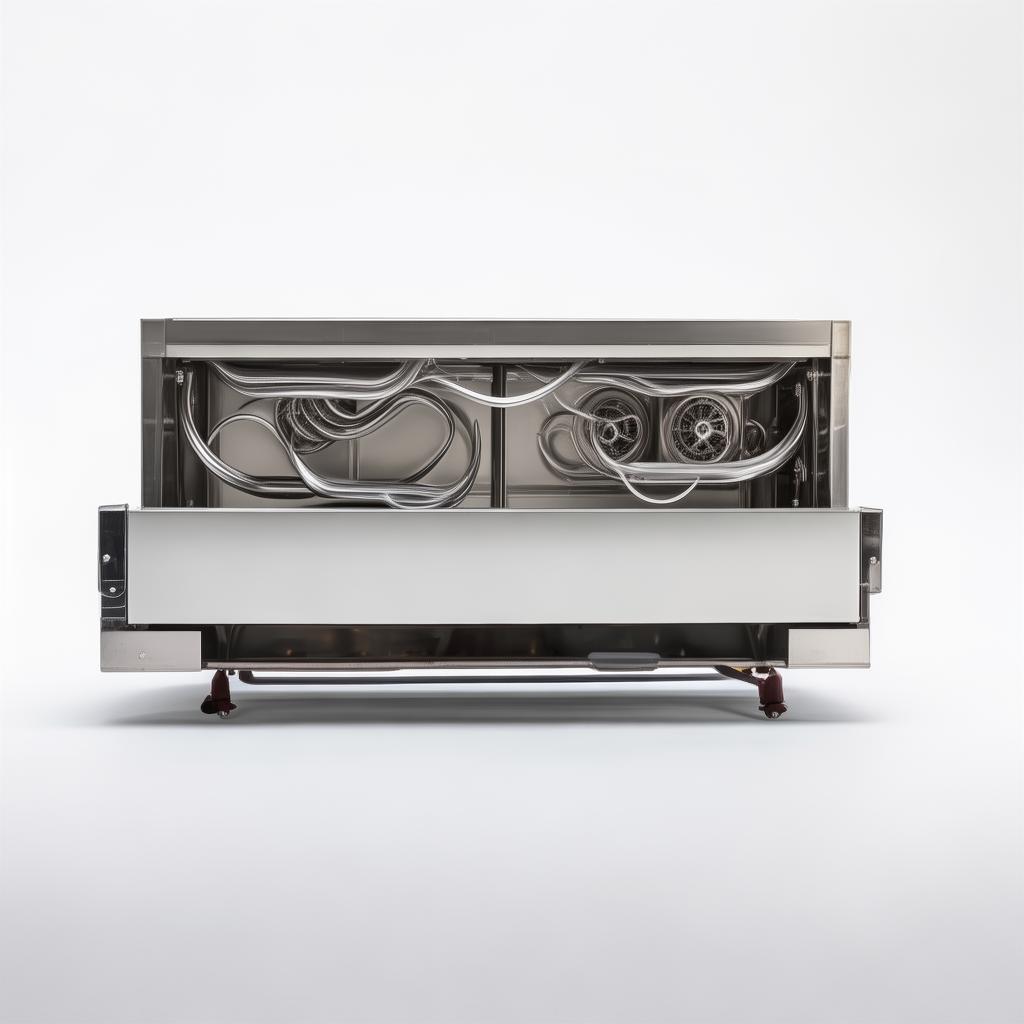
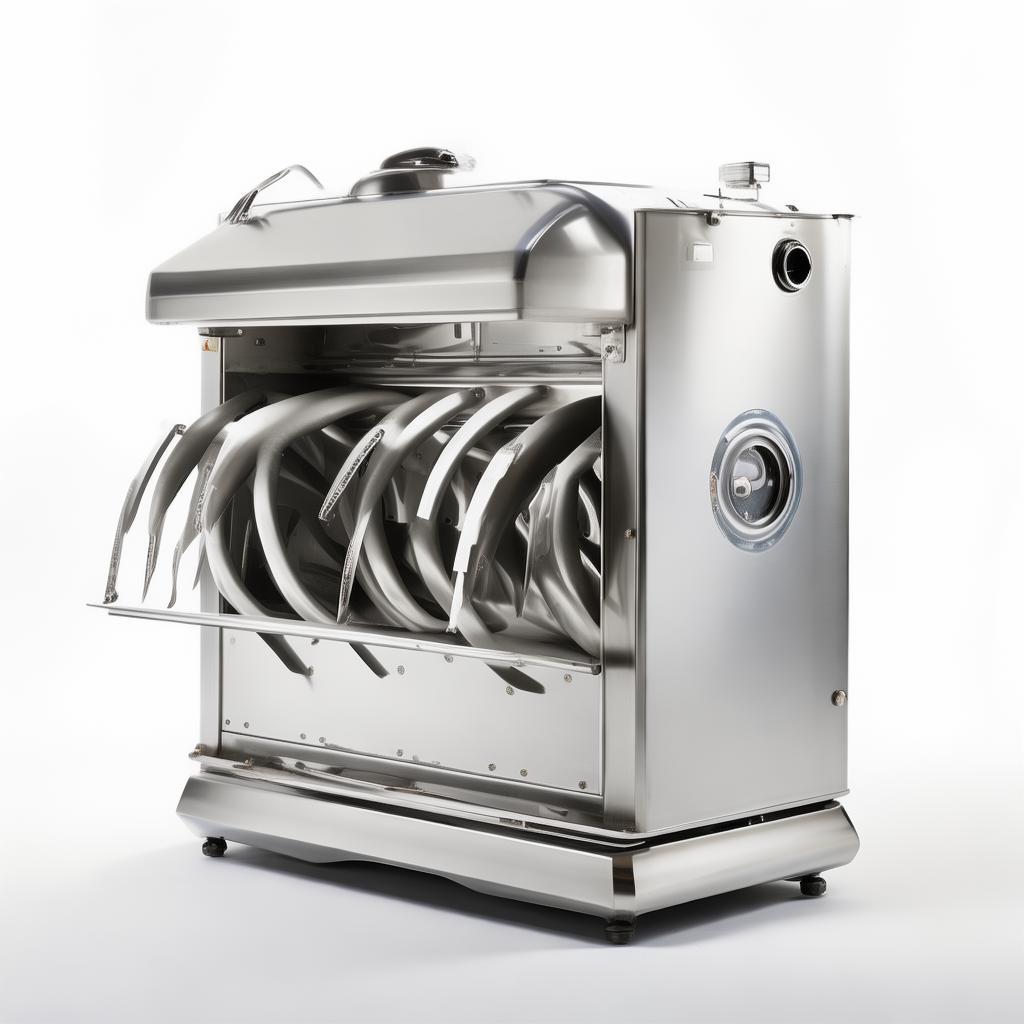
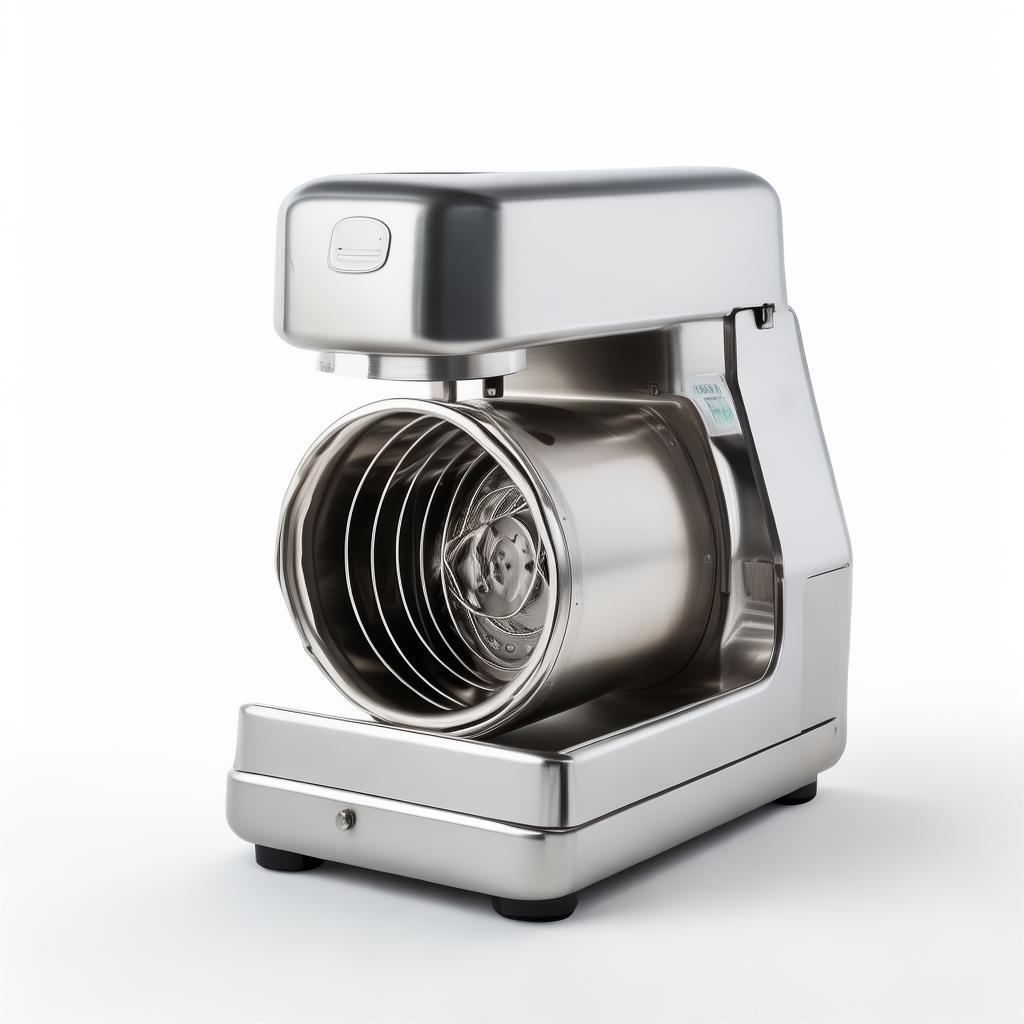
These are perhaps the most common and versatile mixers in meat processing. Paddle mixers feature rotating blades or paddles that move ingredients within a trough or drum. They are excellent for incorporating additives, spices, marinades, and binding agents into ground meats, emulsions, and formed products. The dual-shaft versions offer more vigorous mixing and are ideal for larger batches or tougher materials.
- Best For: Sausages, burgers, meatloaf, marinated chicken/beef, pet food.
- Key Benefit: Gentle yet effective mixing, minimizes shear damage to meat structure, good for sticky or viscous products.
2. Ribbon Mixers
Ribbon mixers utilize helical ribbons that rotate to move ingredients both radially and axially within a horizontal trough. They are highly effective for blending dry ingredients with meat products or for applications requiring thorough homogenization of powders and liquids. The slow, continuous action is gentle on the product.
- Best For: Spice blends for meat, seasoned breadcrumbs, dry marinades, dry mixes.
- Key Benefit: Superior blending of powders and solids, efficient for large volumes.
3. Continuous Mixers
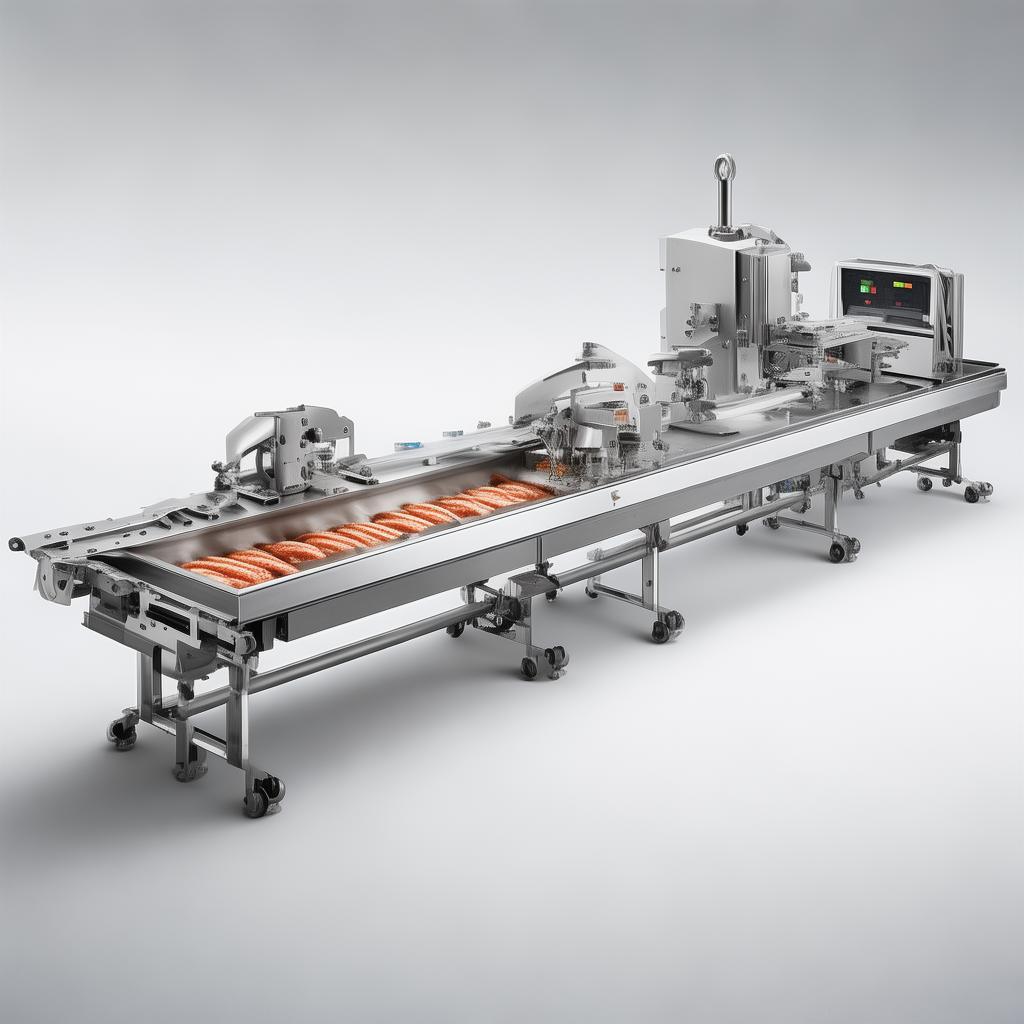
Unlike batch mixers, continuous mixers operate non-stop, ideal for high-volume production lines where constant output is required. They are often integrated directly into a processing line, receiving ingredients from upstream equipment and delivering a mixed product downstream. These are typically employed in large-scale operations for products like hot dogs or processed deli meats.
- Best For: High-volume sausage production, processed meat snacks, extruded products.
- Key Benefit: High throughput, consistent product flow, reduced downtime.
4. Planetary Mixers
While more common in bakery applications, planetary mixers can be adapted for specific meat applications, particularly for delicate emulsions or products requiring high shear within a controlled environment. The mixing arm rotates on its own axis while simultaneously revolving around the bowl.
- Best For: Delicate meat emulsions, specialized pâtés.
- Key Benefit: Intense mixing action in a confined space, good for highly viscous materials.
The choice depends on the processing objective. For instance, if you're producing traditional Italian sausages, a double-shaft paddle mixer might be ideal for incorporating finely ground meat, pork fat, and seasonings evenly. If you're developing a new line of seasoned jerky, a ribbon mixer could be more suitable for ensuring uniform distribution of the marinade and spices throughout the meat strips.
The Mordor Intelligence report highlights grinding, mixing, filling, and massaging equipment as dominant for pretreatment and ripening. This emphasizes the fundamental role of mixing in the early stages of processing, often feeding directly into filling and molding machines. Our company specializes in precisely these integrated solutions.
Critical Features for Operational Excellence
Beyond the basic type, several engineering and material considerations significantly influence a mixer's performance, longevity, and suitability for the demanding environment of a meat processing plant. Choosing a mixer with the right features directly impacts efficiency, hygiene, and maintenance costs.
Material of Construction
This is non-negotiable in food processing. Stainless steel, particularly grades like 304 or 316, is the industry standard. It offers excellent corrosion resistance, is easy to clean and sanitize, and doesn't react with food products. All contact surfaces should be food-grade stainless steel. Some components might utilize hardened steel for paddles or shafts, but these must be expertly engineered to prevent metal fatigue and potential contamination.
Motor Power and Drive System
Meat can be dense and sticky, requiring robust motor power. The horsepower (HP) or kilowatt (kW) rating should be sufficient for the maximum expected load, including dense meat mixtures or ice additions. Variable Frequency Drives (VFDs) are highly recommended. They allow operators to adjust mixing speed precisely, which is crucial for different product types—slower for gentle blending, faster for quicker incorporation. VFDs also offer soft-start capabilities, reducing mechanical stress on the motor and gearbox.
Mixing Action and Paddle Design
The shape, angle, and speed of the paddles are critical to achieving the desired mixing effect without degrading the meat structure. For products like emulsions, a shearing action might be beneficial, while for ground meat mixes, a tumbling or folding action is preferred. Some mixers offer interchangeable paddle sets to adapt to different products. Effective mixing should ensure that all ingredients reach every part of the batch uniformly.
Ease of Cleaning and Maintenance (Hygienic Design)
In a food production environment, downtime for cleaning is costly, and inadequate cleaning poses significant health risks. Mixers should be designed with hygienic principles in mind: minimal crevices, rounded corners, sloped surfaces for drainage, and easy access to all parts for thorough cleaning and sanitization. Removable paddles and accessible drum/trough interiors are essential. Consider IP-rated electrical components to withstand washdown procedures.
Capacity and Batch Size
This is directly tied to your production volume. Mixers are rated by capacity, typically in kilograms or pounds per batch. It's wise to select a mixer with a capacity that comfortably accommodates your largest typical batch size, with some headroom. Overfilling can lead to inefficient mixing and strain on the motor. Underfilling can also reduce mixing effectiveness. For continuous operations, ensure the upstream and downstream equipment can match the mixer's throughput.
Safety Features
Interlocking guards that prevent operation when the lid is open or paddles are exposed are crucial. Emergency stop buttons should be readily accessible. Understanding the mixer's operational limits and ensuring operators are properly trained is part of a safe working environment.
At Hebei Yuanchang, our manufacturing process, including the use of 20+ sets of advanced machining equipment and Japanese Mazak CNC centers, allows us to produce mixers with these critical features built-in. Our focus on independently producing high-precision parts ensures component quality and reliability, which translates to fewer breakdowns and extended equipment life for our clients. This expertise in precision machining is vital for food-grade equipment.
Technical Specifications: What to Look For
When comparing industrial mixers, the technical specification sheet is your most critical resource. It provides objective data points that dictate performance and suitability. Don't just skim; understand what each spec means for your operation.
| Specification | Importance for Mixer Usage | Typical Range / Considerations |
|---|---|---|
| Batch Capacity (kg/lbs) | Determines the volume of product you can process per cycle. Crucial for matching your production output needs. | Ranges from 50 kg to over 2000 kg, depending on scale. Choose slightly above your largest typical batch. |
| Motor Power (kW / HP) | Indicates the raw power available to drive the mixing paddles against dense materials. | Typically 3 kW to 30+ kW (4 HP to 40+ HP). Consider peak loads and material viscosity. |
| Voltage / Phase | Needs to match your facility's electrical infrastructure. | Commonly 380V/3Ph, 400V/3Ph, 460V/3Ph. Ensure compatibility. |
| Mixing Speed (RPM) | Influences the type of mixing action and its intensity. VFDs allow for variable speeds. | Variable, often 10-60 RPM depending on mixer type and paddle design. |
| Materials of Construction | Ensures food safety, durability, and resistance to corrosion and wear. | Food-grade Stainless Steel (e.g., SS304, SS316) for all wetted parts. |
| Dimensions (L x W x H) | Critical for plant layout, space planning, and integration into existing lines. | Varies greatly with capacity. Always check floor space and height requirements. |
| Weight (kg/lbs) | Important for installation, especially if relocation is anticipated. | Can range from hundreds to thousands of kg. |
| Control System | Determines ease of operation, programmability, and integration with plant automation. | Basic push-button controls to advanced PLC with touch screen interfaces. |
what is a mixer used for how to use a mixer mixers industrial
For example, if you are producing a high-fat sausage emulsion that needs a smooth, homogenous texture without overworking the protein, you would look for a mixer with a lower RPM range, a paddle design that provides gentle folding, and sufficient motor power to maintain consistent speed even as the emulsion thickens. A VFD would be essential here to precisely control the mixing intensity.
Installation, Operation, and Maintenance Insights
Acquiring the right mixer is only half the battle. Proper installation, diligent operation, and a proactive maintenance schedule are crucial for maximizing its lifespan, ensuring consistent performance, and preventing costly downtime or product recalls. These are areas where practical, on-the-ground experience truly matters.
Installation Considerations
Foundation: Most industrial mixers are heavy. They require a solid, level concrete foundation to prevent vibration and ensure stable operation. Check the manufacturer's recommendations for foundation size and thickness.
Power Supply: Ensure the electrical supply matches the mixer's voltage and phase requirements precisely. Use appropriately sized conduits and circuit breakers. Grounding is critical for safety.
Ventilation: Motors generate heat. Ensure adequate ventilation around the motor and control panel.
Ergonomics: Position the mixer for easy loading of ingredients and unloading of the mixed product. Consider accessibility for cleaning and maintenance personnel. For larger mixers, integration with conveyors or hoists might be necessary.
Operational Best Practices
Pre-Operation Checks: Before starting, always check that the mixing area is clear, all guards are in place, and there are no obstructions. Inspect paddles for damage.
Ingredient Loading: Load ingredients in the correct order as per your formulation. Typically, dry ingredients are added before or with wet ingredients for better dispersion. Avoid overloading.
Mixing Times and Speeds: Adhere strictly to established mixing times and speeds for each product. Over-mixing can lead to protein denaturation, fat separation, or a gummy texture. Under-mixing results in poor ingredient distribution. Use VFDs to fine-tune speeds.
Batch Consistency: Monitor the mixed product visually and by feel to ensure it meets expected consistency. Deviations can indicate issues with ingredients or the mixer itself.
Cleaning Procedures: Implement a strict cleaning protocol immediately after each batch or at the end of a shift. Use appropriate food-grade cleaning agents and sanitizers. Ensure all parts are thoroughly dried before the next use.
Preventive Maintenance Schedule
A comprehensive PM schedule is key to preventing unexpected failures.
* Daily: Visual inspection of paddles, seals, and exterior. Check for unusual noises or vibrations during operation. Clean thoroughly.
* Weekly: Lubricate specified points (check manual). Inspect drive belts for wear. Check electrical connections.
* Monthly: Inspect gearbox oil levels. Check motor bearings. Verify safety interlocks.
* Annually: Comprehensive inspection by a qualified technician. Gearbox service, motor testing, potential replacement of wear parts like seals or paddle bearings.
Practical Warning: Never attempt to clear jams or perform internal cleaning while the mixer is powered on or the paddles are in motion. Always follow lockout/tagout procedures. Regular maintenance not only prevents breakdowns but also ensures the mixer continues to perform to its designed specifications, contributing to consistent product quality. Our traceable after-sales management system is designed to support you in these critical maintenance and operational phases.
Procurement Guidance: Selecting the Right Supplier
For purchasing managers and procurement directors, selecting the right industrial mixer supplier is as critical as choosing the mixer itself. A reliable supplier ensures not just timely delivery but also ongoing support, spare parts availability, and the technical expertise needed to optimize your investment. In the international trade landscape, several factors come into play.
Experience and Specialization
Look for suppliers with a proven track record in the meat processing industry. Do they understand your specific product applications? Hebei Yuanchang, with 40 years of experience since 1986, has deep roots in meat processing mechanisms, offering insights beyond basic manufacturing. A supplier with demonstrable expertise in OEM/ODM solutions can be invaluable for custom requirements.
Manufacturing Capabilities and Quality Control
Assess the supplier's manufacturing facilities. Do they have advanced machinery (like our Japanese Mazak CNC centers) for precision components? What are their quality control processes? Certifications like ISO are a good indicator. For food-grade equipment, adherence to international standards is paramount.
After-Sales Support and Spare Parts
This is often overlooked but is crucial for long-term operational success. Can the supplier provide timely technical support? How accessible are spare parts? A robust after-sales management system, like ours, ensures you can source critical components without extensive lead times, minimizing production halts.
Procurement Risk Mitigation
Due Diligence: Always verify supplier credentials, visit facilities if possible, or request detailed virtual tours.
Clear Specifications: Provide precise technical requirements and expectations in your RFQ.
Payment Terms: Negotiate fair payment terms. Consider escrow services for large international orders if trust is a concern.
Logistics Planning: Understand lead times, shipping methods (LCL, FCL), and responsibilities for customs and import duties. We offer comprehensive logistics support.
Global Reach and Compliance
For international buyers, a supplier's experience with export documentation, international shipping standards, and compliance with relevant import regulations (e.g., CE marking for Europe, UL for North America, FDA requirements for food contact) is vital. Our export department is well-versed in navigating these complexities.
Choosing Hebei Yuanchang means partnering with a manufacturer that combines 40 years of industry experience with modern precision engineering and a commitment to global customer support. We understand the stakes involved in critical equipment procurement.
Customer Success Stories
Real-world application and customer satisfaction are the ultimate validation of any industrial equipment. Here are a few examples of how our mixers have empowered meat processors:

"We were struggling with inconsistent fat distribution in our burgers, leading to complaints about texture. After upgrading to Hebei Yuanchang's double-shaft paddle mixer, the uniformity is remarkable. Our rejection rate has dropped significantly, and customer feedback on consistency is now overwhelmingly positive."
— Mark Johnson, Operations Manager, American BBQ Co.
"For our premium sausage line, precise spice blending is non-negotiable. The variable speed control on our new mixer from Yuanchang allows us to achieve the perfect blend without damaging the meat emulsion. The hygienic design also makes cleaning much faster, saving us valuable production time."
— Sofia Rossi, Production Lead, European Deli Masters
"We needed a custom-sized mixer for a specific marinated product line. Hebei Yuanchang's OEM/ODM service was exceptional. They understood our requirements precisely and delivered a machine that integrated seamlessly into our existing setup. The quality and robustness are top-notch."
— David Lee, Procurement Director, Asian Food ExportsTrust and Transparency: Our Commitment to You
At Hebei Yuanchang, we understand that investing in industrial machinery is a significant decision. Our commitment extends beyond manufacturing to fostering trust through transparency and proven expertise. We are proud of our long history and the capabilities we've built.
Our Strengths:
- 40 Years of Experience (Since 1986): Deep domain knowledge in meat processing equipment.
- Advanced Manufacturing: In-house machining with 20+ machines, including Japanese Mazak CNC centers.
- OEM/ODM Capabilities: Tailored solutions for unique client needs.
- Traceable After-Sales: Independent production of high-precision parts for reliable service.
- Dedicated Team: 80-100 employees focused on R&D, production, and sales.
Certifications & Standards
 ISO Certified Manufacturing Practices
- Adherence to relevant food-grade material standards (e.g., SS304/316).
- Compliance with export requirements for major markets.
 Our state-of-the-art machining workshop.
Talk to an Expert
Have specific questions about mixer usage for your products? Need a custom solution? Our team of experienced engineers and export managers is ready to assist you.
Request a ConsultationFrequently Asked Questions (FAQ)
Consider your average batch size and your peak production needs. It's generally advisable to choose a mixer with a capacity that comfortably exceeds your largest typical batch to ensure efficient mixing and avoid overloading the motor.
Lead times can vary depending on customization and current production schedules. Standard models might be available within 4-8 weeks, while highly customized OEM/ODM units can take 8-16 weeks or more. Always confirm with the supplier.
Yes, it's common practice for some products, like sausages, to add ice or frozen ingredients to control temperature and texture. Ensure your mixer has sufficient motor power and a robust drive system to handle these denser materials without strain. Variable speed controls are beneficial here.
Paddle wear depends on the materials being mixed and the intensity of the mixing process. Regularly inspect paddles for signs of wear, chipping, or deformation. We recommend monthly visual checks and replacement if any significant degradation is noted, usually annually or bi-annually depending on usage.
Stainless steel (SS304 or SS316) is chosen for its excellent corrosion resistance, durability, non-reactivity with food products, and ease of sanitation. It's the industry standard for food-grade equipment, ensuring both product safety and equipment longevity.
Ready to Enhance Your Meat Processing Efficiency?
Don't let inconsistent mixing limit your product quality and throughput. Partner with Hebei Yuanchang for reliable, high-performance industrial mixers tailored to your needs.
Hebei Yuanchang Food Mechanism & Technology Co., Ltd.
Shijiazhuang, Hebei Province, China | ycmeatmech@gmail.com
Instant Support: Connect with Our Experts
Have immediate questions? Our team is available for real-time chat. See how we can address your specific needs:



Click above for a glimpse of our direct customer support interactions.