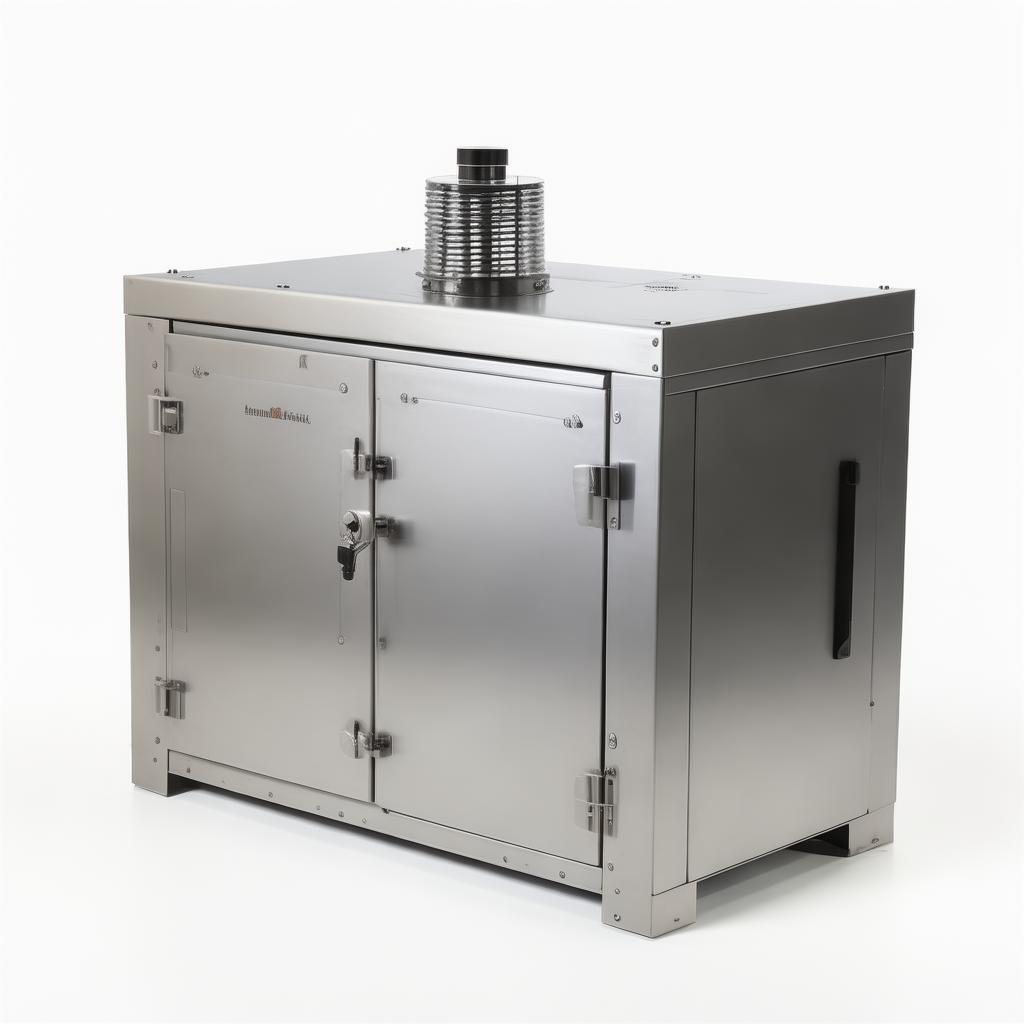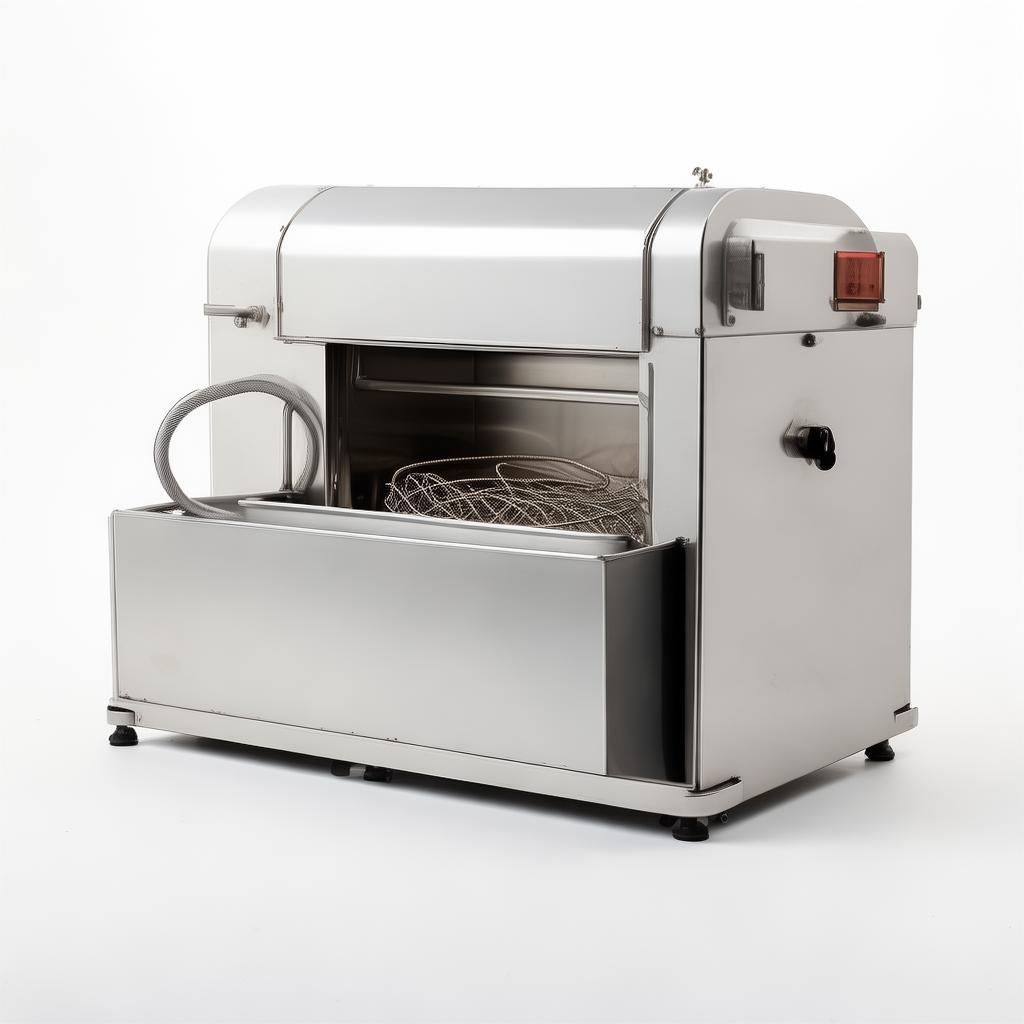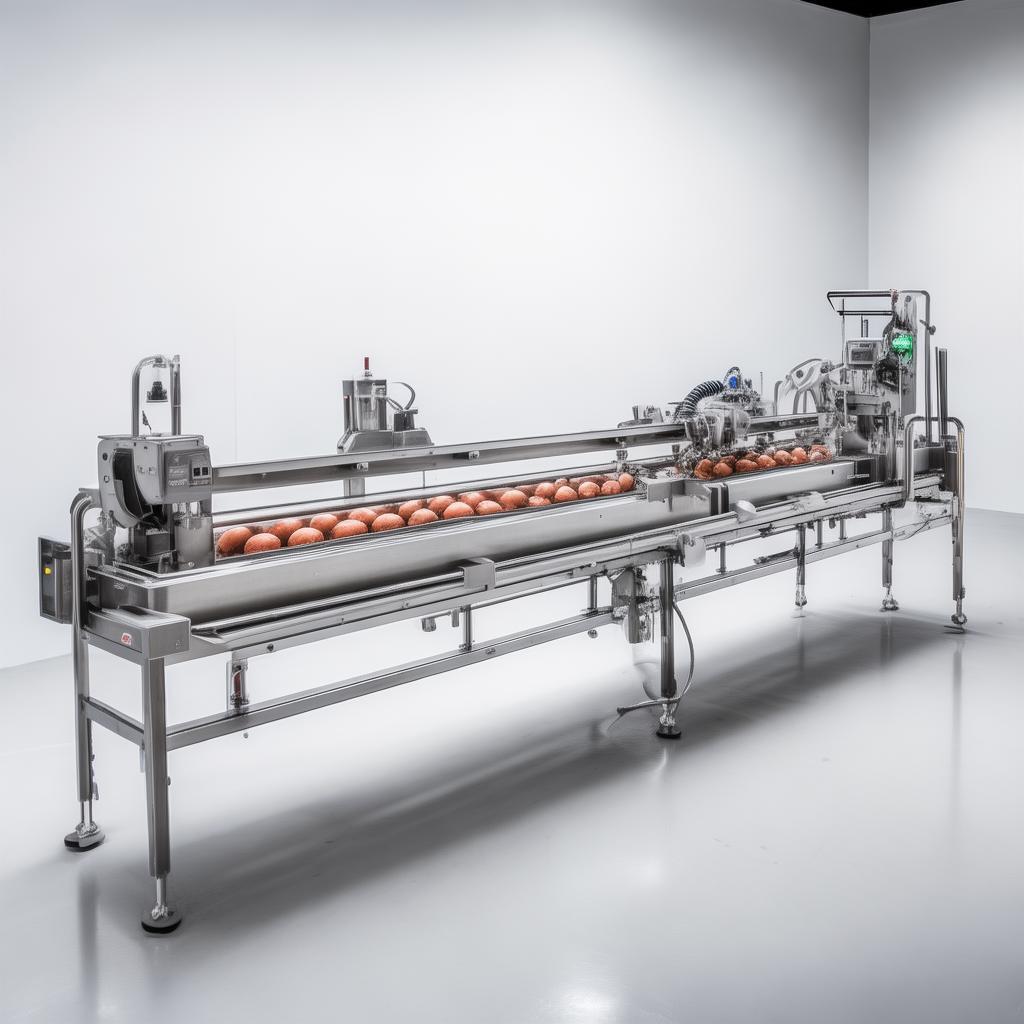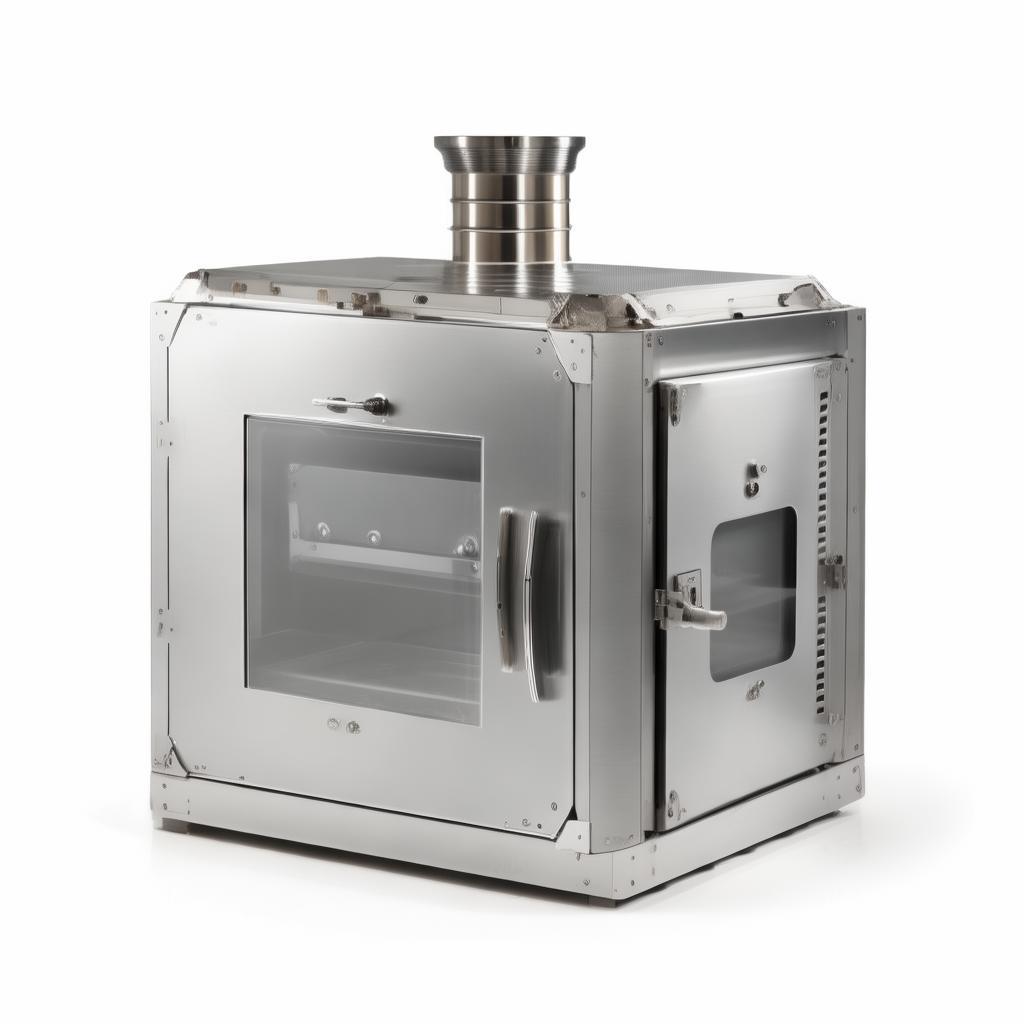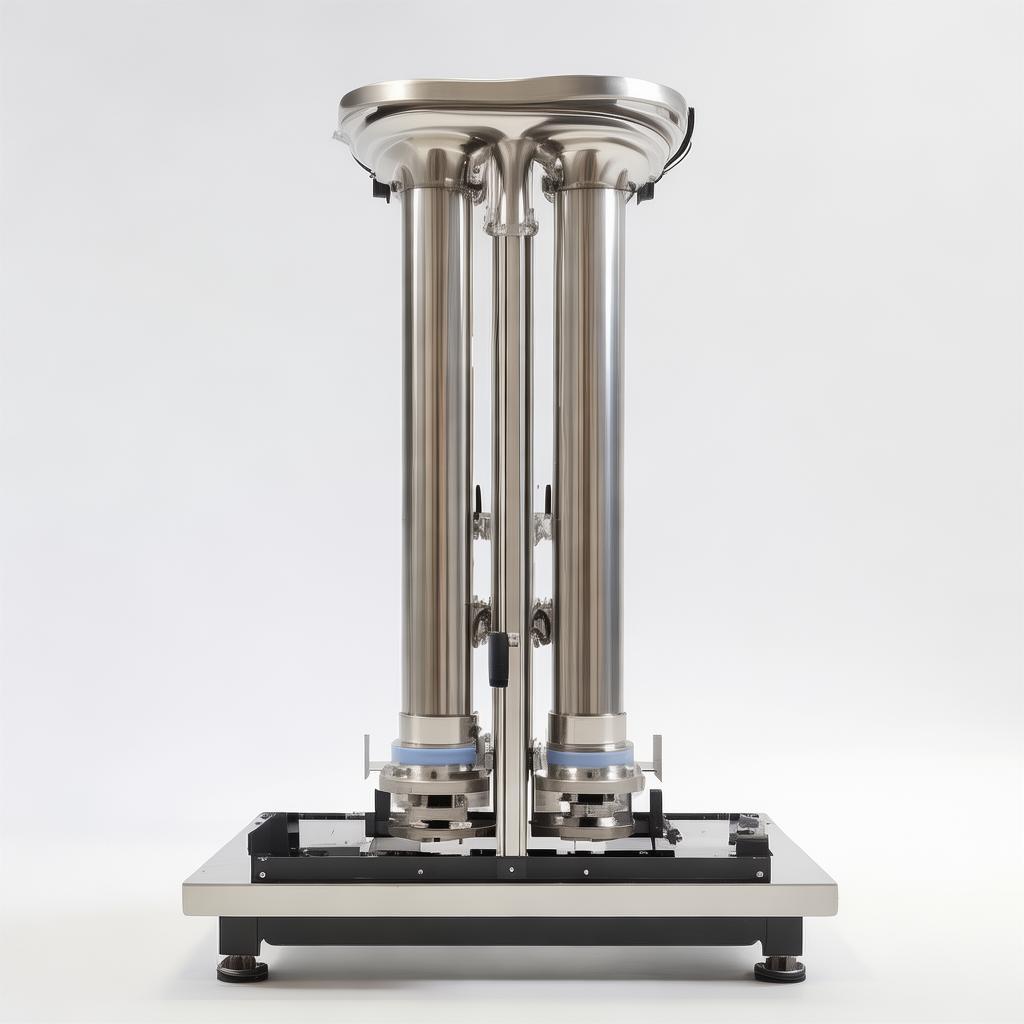
Mincer Machine Commercial
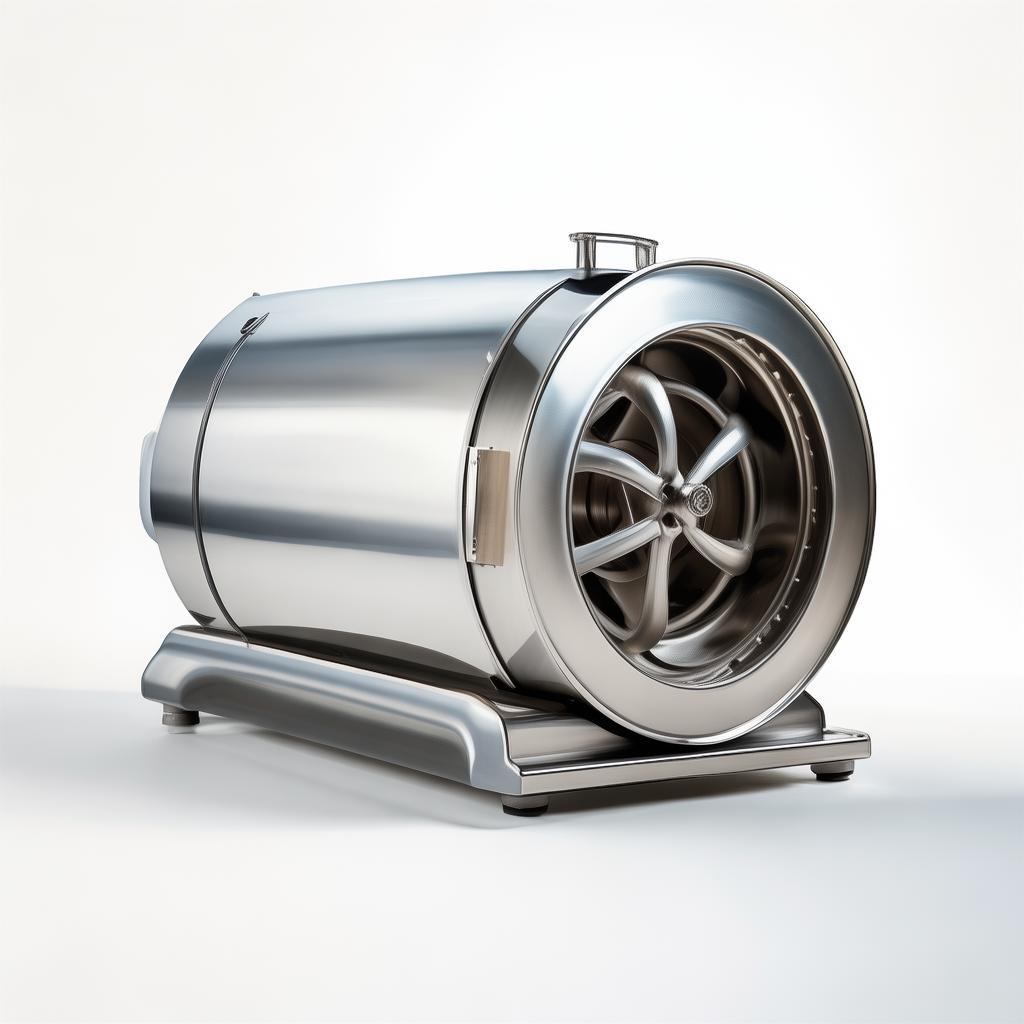
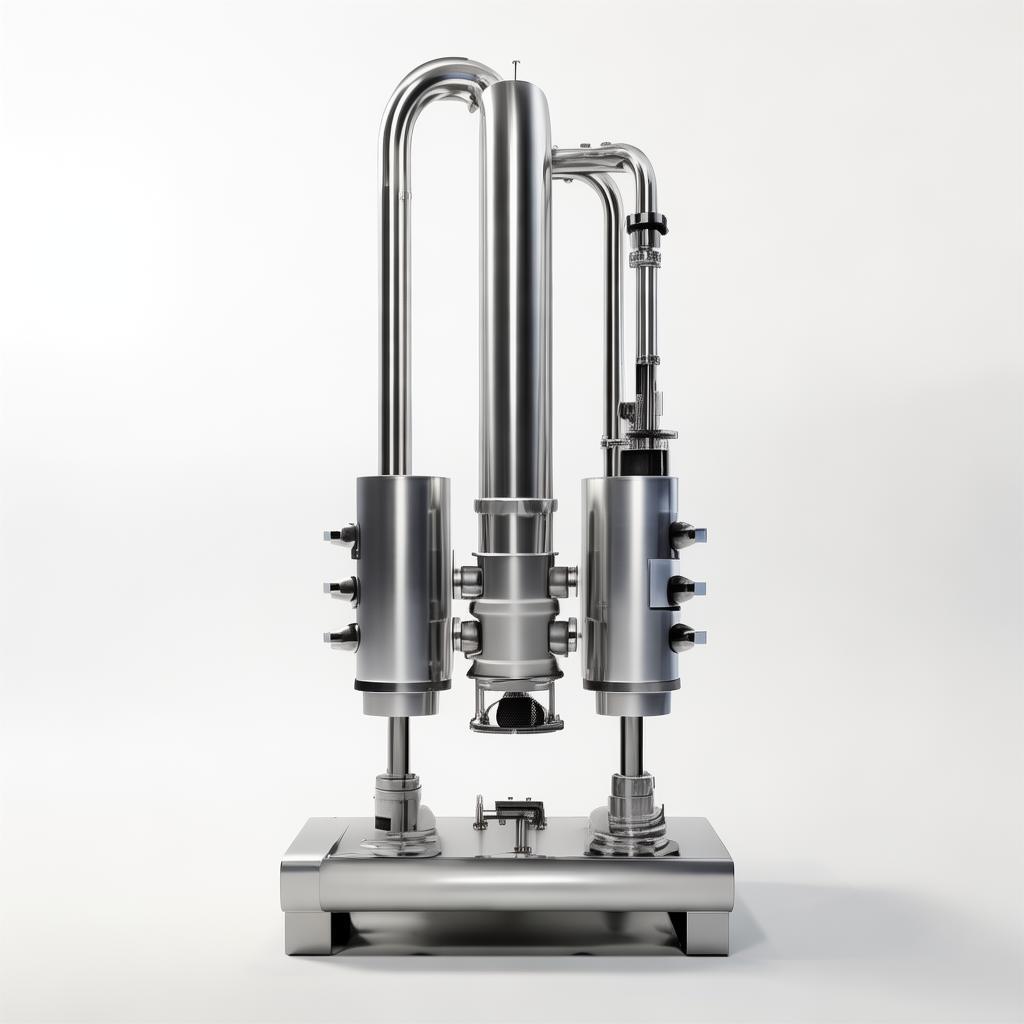
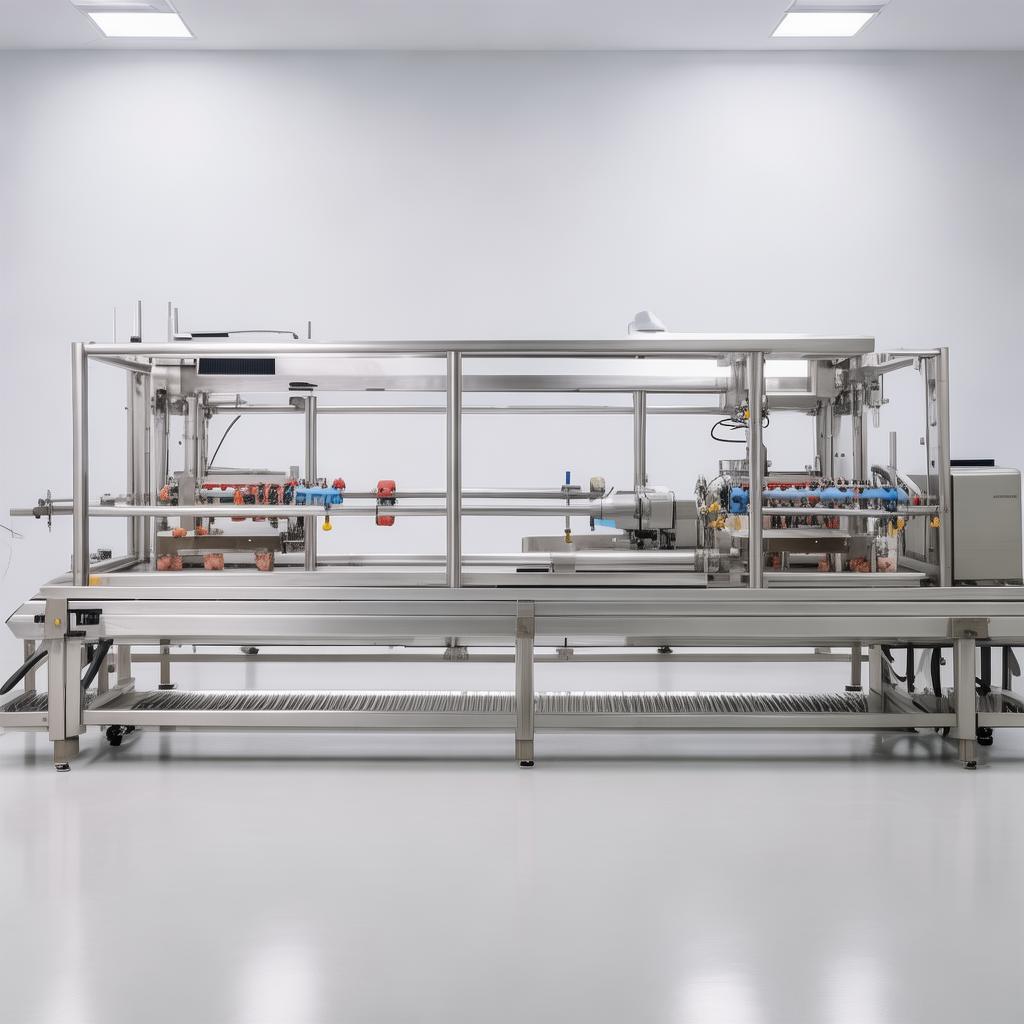
Commercial Mincer Machines: Precision Grinding for Enhanced Meat Processing
Your Definitive Guide to Selecting, Operating, and Optimizing Mincer Machines for Industrial Applications

Authored by: Mr. David Chen, Senior Export Manager at Hebei Yuanchang Food Mechanism & Technology Co., Ltd.
Understanding the Core of Commercial Mincing
When we talk about commercial mincer machines, we're not just discussing a kitchen appliance scaled up. We're entering the realm of industrial food processing where efficiency, consistency, and hygiene are paramount. These aren't simple grinders; they are precision instruments designed to handle substantial volumes of meat, often under demanding conditions, to meet the rigorous standards of wholesale and manufacturing operations. For businesses in the food production sector, a reliable mincer is arguably one of the most critical pieces of equipment in their arsenal. Whether you're preparing raw materials for sausages, meat patties, pet food, or even specialized dishes, the quality of the minced product directly impacts the final output and, by extension, your brand's reputation.
The global meat processing equipment market is a significant indicator of this demand. Valued at over USD 11 billion in recent years, with projections showing steady growth towards USD 17-19 billion by 2034, the sector underscores the vital role these machines play. This isn't just about slicing and dicing; it's about specific particle size reduction, texture control, and the ability to process various meat types, including those with higher fat content or sinew. The demand is fueled by the ever-increasing consumption of processed meats, the need for automation to maintain hygiene and labor efficiency, and the strict food safety standards that are now non-negotiable across international markets. For entities involved in wholesale export or serving as OEM/ODM factories, selecting the right mincer is a strategic decision that impacts production throughput, product quality, and operational costs.
Consider the procurement decision workflow for a large-scale food manufacturer. It often starts with a defined need: a specific grind size for a new product line, increased capacity to meet export orders, or perhaps a replacement for an aging, inefficient unit. This need then triggers a search, a rigorous evaluation process that looks beyond just the price tag. Factors like material construction (stainless steel is a must for food-grade applications), motor power, output volume, ease of cleaning, safety features, and the availability of spare parts become critical. The machine's ability to maintain a consistent grind without generating excessive heat, which can degrade meat quality and promote bacterial growth, is also a significant consideration. We often see operations struggling with units that overwork the meat, leading to a mushy texture or undesirable color changes. This is where understanding the technical specifications and operational nuances of a commercial mincer becomes indispensable.
In the context of international trade, especially for wholesale operations targeting markets like the USA, adherence to specific standards is non-negotiable. Machines must meet safety regulations, often requiring certifications like CE or ETL. Furthermore, the logistical aspects of importing and installing such equipment are substantial. Choosing a supplier who can provide comprehensive documentation, reliable shipping solutions, and accessible technical support is just as important as the machine itself. Our experience at Hebei Yuanchang, with over 40 years in the industry since 1986, has shown that buyers are increasingly sophisticated, looking for partners who offer not just a product, but a complete solution. This includes understanding their unique processing challenges, whether it's for high-volume beef grinding, delicate pork emulsification, or specialized poultry applications.
The market for meat processing equipment is dynamic. Trends indicate a strong emphasis on automation for enhanced hygiene and efficiency, particularly in response to labor shortages and increased regulatory scrutiny. Filling and stuffing machines, often used in conjunction with mincers for sausage production, are high-growth areas, as are massaging and tumbling machines used for ripening and tenderizing. A commercial mincer is the foundational component for many of these subsequent processes. Its ability to produce a uniformly textured meat paste or grind sets the stage for the entire production chain. The investment in a high-quality mincer is therefore an investment in the integrity and marketability of your entire product range. We'll delve into the specific types, benefits, and operational considerations to help you make an informed decision.
Key Takeaways from Market Analysis:
- The global meat processing equipment market is robust, indicating strong demand for specialized machinery like commercial mincers. (Ref: Fortune Business Insights, Grand View Research)
- Automation, hygiene, and labor efficiency are primary drivers for equipment upgrades and new investments.
- Processed meat consumption is a significant factor, directly influencing the need for high-capacity, reliable mincing solutions.
- Asia-Pacific is a key growth region, often reflecting a need for modernized processing lines to meet international quality standards.
Addressing Operational Challenges in Meat Processing
Many of our international clients, particularly those new to large-scale meat processing or looking to upgrade, encounter similar operational hurdles. One of the most prevalent is achieving consistent grind size across different batches. Inconsistent particle size can ruin the texture of sausages, affect the binding in patties, and lead to uneven cooking. This isn't just a quality issue; it's a commercial one, impacting product acceptance and repeat orders. Older or lower-quality machines often struggle with this, leading to variations and increased waste.
Another significant pain point is heat generation during the mincing process. As meat is forced through the plates and blades, friction generates heat. Excessive heat can begin to cook the meat, leading to a loss of moisture, a change in color (often to a duller, grayish hue), and an increased risk of bacterial proliferation. For processors aiming for a fresh, vibrant product, especially for export markets where shelf-life and appearance are critical, managing this heat is crucial. High-performance mincers are designed with efficient motors and blade systems that minimize processing time and heat buildup.
Hygiene and cleaning protocols are also a constant concern. Meat processing environments are inherently demanding from a sanitation perspective. A mincer machine that is difficult to disassemble and clean thoroughly is a significant risk. Bacteria can hide in crevices, leading to cross-contamination and potential product recalls. Many modern commercial mincers are designed with features like easily removable grinding heads, smooth surfaces, and food-grade stainless steel construction to facilitate quick and effective cleaning. The ability to perform a rapid turnaround between batches or changeovers is essential for maintaining production schedules.
Furthermore, the sheer volume and material diversity present unique challenges. Processing frozen meat chunks, tougher cuts with sinew, or high-fat content mixtures requires robust machinery with ample power. Many standard domestic grinders simply cannot cope with these demands, leading to motor burnout or component failure. Commercial mincers are built with heavy-duty motors, hardened steel components, and sturdy casings designed for continuous operation under these strenuous conditions.
Finally, there's the procurement risk. Sourcing from unknown suppliers can lead to receiving machines that don't meet specifications, arrive with damage, or lack proper certifications. The long lead times for international shipping, customs procedures, and the potential for costly downtime if a machine fails can be substantial. This is why working with established manufacturers with a proven track record and robust after-sales support is critical for minimizing these risks.
Hebei Yuanchang's Commercial Mincer: Engineering for Excellence
At Hebei Yuanchang, our approach to designing commercial mincer machines is rooted in over four decades of hands-on experience. Since 1986, we've seen firsthand what works and what doesn't in real-world meat processing environments. We understand that a mincer isn't just a standalone unit; it's a vital link in a complex chain that includes meat pretreatment, filling, molding, and ripening processes. Our machines are engineered to integrate seamlessly into these complete production lines, ensuring optimal flow and consistent results.
Our **Commercial Mincer Machines** are built for durability, efficiency, and precision. They feature robust construction using high-grade stainless steel—crucial for food safety and longevity. The powerful, industrial-grade motors are designed for continuous operation, capable of handling tough cuts and even partially frozen meat without compromising performance. This robust design is supported by our in-house machining capabilities, where we utilize over 20 sets of advanced processing machinery, including Japanese Mazak CNC machining centers. This allows us to produce high-precision components that meet stringent non-standard specifications, ensuring unparalleled reliability and part interchangeability.
Key advantages include:
- Consistent Grind Quality: Our precision-engineered blades and plates, coupled with optimized feed screw design, ensure uniform particle size, reducing heat generation and preserving meat integrity. This is vital for applications like sausage making and formed meat products, where texture is paramount.
- High Throughput & Efficiency: Designed for commercial volumes, our mincers can process significant quantities of meat per hour, enabling you to meet demanding production schedules and export orders efficiently. The powerful motors and efficient auger design minimize processing time.
- Superior Hygiene & Ease of Cleaning: We understand the critical importance of sanitation. Our machines are designed with smooth surfaces, accessible components, and food-grade stainless steel that allow for quick disassembly and thorough cleaning, minimizing downtime and ensuring compliance with strict food safety regulations.
- Durability & Longevity: Constructed with heavy-duty materials and precision engineering, our mincers are built to withstand the rigors of industrial use. This translates to a lower total cost of ownership and reduced risk of unexpected breakdowns, a crucial factor for supply chain managers.
- Versatility: Our range of mincer machines can handle various meat types and preparations, from fresh to partially frozen, and can be equipped with different plate sizes and hole configurations to achieve the desired grind consistency for diverse product applications.
The integration of our own high-precision component manufacturing ensures that any spare parts required are readily available and meet the original quality standards. This traceability and in-house capability mean that after-sales service is not just a promise, but a deeply embedded operational reality, providing peace of mind for our global clientele.
Why Choose Yuanchang for Your Mincing Needs?
- 40 Years of Expertise: Deep understanding of meat processing since 1986.
- In-house Precision Manufacturing: Guaranteed quality and component traceability.
- Global Export Experience: Seamless logistics and compliance for international buyers.
- Traceable After-Sales: Reliable support and spare parts availability.
Technical Specifications & Model Overview
Selecting the right commercial mincer depends heavily on your specific application, throughput requirements, and the types of meat you primarily process. We offer a range of models designed to meet diverse industrial needs, from mid-volume operations to large-scale manufacturing plants.
| Feature / Model | YC-GM32 | YC-GM52 | YC-GM70 |
|---|---|---|---|
| Motor Power (kW) | 3.0 | 5.5 | 7.5 |
| Output Capacity (kg/hr) | 200-300 | 400-600 | 700-1000 |
| Hopper Opening (mm) | Φ76 | Φ90 | Φ110 |
| Plate Diameter (mm) | 100 | 120 | 140 |
| Machine Dimensions (L x W x H cm) | 95x55x90 | 110x65x105 | 125x75x115 |
| Material | Food-Grade Stainless Steel (SS304) | ||
| Certifications | CE, RoHS (Optional) | ||
commercial mincer machine commercial mincer meat mincer machine commercial
Note: Specifications are subject to change without notice. Custom configurations are available upon request. Please consult with our technical sales team for detailed diagrams and to confirm suitability for your specific application.
Technical Deep Dive:
The core of any high-performance mincer lies in its grinding head assembly. This typically includes the auger (worm screw), the cutting knife, and the grinding plate. The auger is designed to efficiently draw meat from the hopper into the grinding chamber. The knife, usually made of hardened steel and sharpened to a fine edge, rotates against the plate to cut the meat. The grinding plate, with precisely drilled holes, determines the final particle size. The interaction between these components, the quality of the materials used, and the motor's torque are what dictate the consistency and efficiency of the grind. Our Mazak CNC machines ensure that these parts are manufactured to extremely tight tolerances, which is critical for achieving optimal performance and longevity.
Diverse Applications: Where Our Mincers Excel
The versatility of our commercial mincer machines makes them indispensable across a broad spectrum of food processing industries. Their robust design and precision engineering allow them to serve critical functions in various sectors:
Sausage and Charcuterie Production
This is perhaps the most common application. For sausages, the grind consistency directly affects the texture and bite. Our mincers produce a uniform particle size, crucial for emulsified sausages (like frankfurters) and coarser grinds for fresh sausages. They are ideal for processing pork, beef, poultry, and blends, providing the base for a wide array of cured and fresh meat products. The ability to achieve a specific grind is fundamental to the success of products like bratwurst, Italian sausage, and chorizo.
Patty and Burger Manufacturing
Creating perfectly formed meat patties requires a consistent grind that binds well without becoming overly mushy. Our commercial mincers ensure that the meat is processed to the optimal texture for forming machines, leading to burgers with excellent structure, reduced shrinkage during cooking, and superior mouthfeel. This consistency is vital for fast-food chains and frozen food manufacturers aiming for product uniformity.
Pet Food Processing
The pet food industry relies heavily on efficient meat grinding for both kibble production and wet food formulations. Our machines can process various meat by-products, rendering them into the appropriate particle sizes for balanced pet nutrition and palatability. The ability to handle raw or partially cooked meats hygienically is a key advantage here.
Reconstituted and Formed Meat Products
For manufacturers creating value-added products like meatloaf, meatballs, or meat sticks, the initial mincing step is critical. It prepares the meat for mixing with binders, seasonings, and other ingredients before being formed into final shapes. Our mincers provide the consistent base material needed for these applications, ensuring optimal texture and binding properties. The market for reconstituted and formed meats is growing, driving demand for precision grinding equipment. (Ref: Future Market Insights)
Specialty Food Preparations
Beyond the major categories, our mincers are used in restaurants, catering services, and specialized food processors for everything from creating fresh meat pastes for ethnic dishes to preparing ingredients for gourmet meat preparations. The flexibility to swap out plates allows for fine-tuning the grind for almost any culinary requirement.
Installation, Operation, and Maintenance: Ensuring Peak Performance
A high-quality commercial mincer is a significant investment, and ensuring its optimal performance over its lifespan requires attention to installation, proper operation, and consistent maintenance. This isn't complex, but it is crucial for maximizing efficiency, hygiene, and machine longevity.
Installation Considerations
Our machines are designed for straightforward setup. They typically require a stable, level surface and a suitable electrical power supply meeting the specified voltage and amperage. Adequate ventilation around the machine is important to prevent overheating. For larger models, consider the clearance needed for disassembly during cleaning and maintenance. If you are integrating the mincer into a larger production line, plan the workflow to ensure smooth material transfer in and out of the machine. We provide detailed installation manuals, and our technical team can offer guidance to ensure correct setup, minimizing the risk of operational issues right from the start.
Operational Best Practices
Temperature Control: For best results and optimal safety, meat should be chilled to a temperature of 0-4°C (32-39°F) before mincing. Processing partially frozen meat (around -2°C / 28°F) is possible with our robust machines, but it's essential to ensure the meat is cut into manageable pieces to avoid jamming. Avoid processing hot or room-temperature meat, as this significantly increases the risk of bacterial growth and degrades meat quality.
Feeding: Feed meat into the hopper steadily. Do not overload the machine. Allow the auger to process the meat efficiently without forcing it. If the machine slows down significantly or the motor hums under strain, reduce the feed rate or check for obstructions.
Plate and Knife Selection: Choose the appropriate grinding plate and knife for your desired end product. Ensure they are properly aligned and securely fastened before operation. A dull knife or a worn plate will result in poor performance, increased heat, and potentially damaged components.
Safety First: Always ensure safety guards are in place. Never reach into the hopper while the machine is running. Use the provided pushers or tools to feed meat. Follow lockout/tagout procedures during maintenance or cleaning.
Routine Maintenance Schedule
Daily Cleaning: After each use, the machine must be thoroughly cleaned. Disassemble the grinding head components (hopper, auger, knife, plate, housing). Wash with hot, soapy water, rinse, and dry completely. For stainless steel, use non-abrasive cleaners. Apply a light food-grade lubricant to the threads of the grinding head housing and the auger shaft to prevent seizing.
Weekly Inspection: Check the cutting knife and grinding plate for wear or damage. Sharpen or replace as needed. Inspect the drive belt (if applicable) for tension and wear. Check all seals and gaskets.
Monthly/Quarterly: Lubricate motor bearings and other specified points according to the manual. Inspect electrical connections for any signs of wear or corrosion.
Annual Service: Consider a more in-depth service, potentially by a qualified technician, to check gearbox oil levels, motor performance, and overall mechanical integrity.
Procurement Guidance: Making the Right Choice
Selecting a commercial mincer machine is a strategic decision that impacts your entire operation. It's not just about buying a piece of equipment; it's about investing in your production capacity, product quality, and operational efficiency. Here’s a practical guide to navigate the procurement process:
1. Define Your Needs Precisely
Before you even start looking, answer these questions:
- What is your expected daily/hourly output? This determines the required capacity (kg/hr).
- What types of meat will you process most frequently? (e.g., fresh beef, pork with high fat, frozen chicken, tough cuts). This dictates motor power and auger design.
- What grind sizes are you aiming for? Different products require different particle sizes, influencing plate selection.
- What are your hygiene standards and cleaning protocols? This impacts the ease of disassembly and material choices.
- What is your available space and power supply?
2. Evaluate Machine Construction and Materials
For commercial food processing, food-grade stainless steel (SS304) is non-negotiable for all contact parts and the main body. This ensures durability, corrosion resistance, and ease of sanitation. Look for robust construction, heavy-duty motors, and quality components that can withstand continuous operation. Our use of precision-machined parts from Japanese Mazak centers sets our components apart for high-precision applications.
3. Consider Safety and Compliance
Ensure the machine meets relevant international safety standards (e.g., CE for Europe, relevant ANSI/NSF standards for North America). Features like interlock safety systems and easily accessible emergency stops are vital. Reputable manufacturers will provide necessary certifications and documentation.
4. Assess Supplier Reliability and Support
This is where experience counts. A supplier with a long history, like Hebei Yuanchang (since 1986), demonstrates stability and expertise. Inquire about:
- Manufacturing capabilities (e.g., in-house CNC machining).
- After-sales service and technical support.
- Availability and lead time for spare parts.
- Logistics and shipping expertise for international buyers.
- OEM/ODM capabilities if you require custom modifications.
5. Understand Total Cost of Ownership
Don't just look at the initial purchase price. Factor in energy consumption, maintenance costs, expected lifespan, and the cost of potential downtime. A slightly higher upfront investment in a durable, efficient machine can result in significant savings over time.
Risk Reduction Promise:
When you partner with Hebei Yuanchang, you benefit from our 40 years of experience. Our robust in-house manufacturing ensures component quality and traceability, minimizing the risk of premature failure. Our dedicated after-sales management system guarantees that you receive the support and spare parts you need, no matter where you are located. We are committed to providing reliable, high-performance equipment that genuinely supports your commercial goals.
Why Choose Hebei Yuanchang? Experience You Can Trust
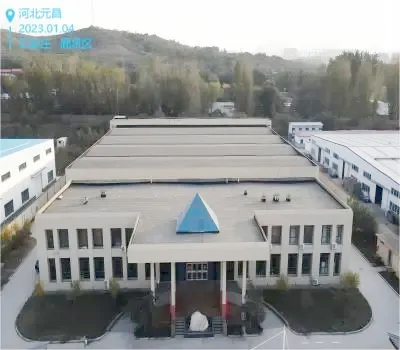
For over four decades, Hebei Yuanchang Food Mechanism & Technology Co., Ltd. has been a cornerstone in the meat processing equipment industry. Founded in 1986, we've cultivated deep expertise by integrating Research & Development, production, and sales, particularly in complete production lines for meat and pet food processing. Our facility spans 14,000 square meters and is staffed by a dedicated team of 80-100 professionals.
Our commitment to quality is evident in our advanced manufacturing capabilities. With over 20 sets of in-house processing machinery, including high-precision lathes, milling machines, and wire cutting equipment, we control every aspect of component production. The addition of 8 Japanese Mazak CNC machining centers in 2012 significantly elevated our capacity for producing high-standard, complex, and non-standard parts with extreme precision. This allows us to offer machinery that meets the demanding requirements of global markets.
We understand the intricacies of international trade. Our export experience means we are adept at navigating logistics, documentation, and customs, ensuring a smooth delivery process for our clients worldwide. From container loading optimization to providing necessary compliance documentation, we aim to make the international procurement process as seamless as possible.
Our product portfolio is comprehensive, covering pretreatment, filling, molding, ripening, and auxiliary items for meat products. This holistic approach means we can often provide integrated solutions, not just individual machines. Whether you're looking to establish a new processing line or upgrade existing equipment, our team possesses the technical knowledge and practical experience to guide you.
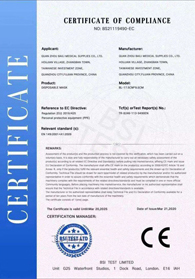
CE Certified for European Compliance

RoHS Compliant Options Available

Trusted by Global Food Processors
What Our Clients Say

Procurement Manager, Premium Meats Inc. (USA)
"We integrated two of Yuanchang's GM52 mincers into our sausage line last year. The consistency of the grind is exceptional, leading to a noticeable improvement in product texture. Cleaning is straightforward, which is a huge plus for our HACCP compliance. Their export process was smooth, and the machines arrived on schedule."

Operations Lead, Carnes Del Sol (Mexico)
"The GM70 mincer has been a workhorse for us. We process large volumes of beef for patties, and this machine handles it with ease. The power is impressive, and it doesn't generate excessive heat, which was a problem with our old unit. Their team was very responsive to our technical questions before and after the sale."

Purchasing Director, Halal Foods Co. (UK)
"We needed a reliable mincer that met stringent hygiene standards for our poultry products. The GM32 is perfect for our batch sizes. The stainless steel construction is excellent quality, and the ease of disassembly for daily cleaning saves us valuable production time. We appreciate their commitment to quality and timely delivery."
Frequently Asked Questions (FAQs)
Q: Can your commercial mincers process frozen meat?
Yes, our heavy-duty mincers are capable of processing partially frozen meat (typically around -2°C / 28°F). However, for optimal results and to minimize strain on the machine, it's recommended to cut the meat into manageable cubes or strips before feeding it into the hopper. Processing completely frozen blocks may cause excessive wear or damage.
Q: What is the difference between single and double-grind? How do your machines achieve this?
Single grinding passes the meat through a plate once, yielding a coarser texture. Double grinding involves passing the meat through a fine plate twice, resulting in a finer, smoother texture, often desired for emulsified products like mortadella or fine-textured sausages. Our machines can achieve this by simply running the product through the mincer a second time with a finer plate and knife. The precision of our grinding head allows for consistent results on both passes.
Q: How often do the blades and plates need replacement?
The lifespan of blades and plates depends heavily on usage frequency, the type of meat processed (bone fragments or sinew can accelerate wear), and proper maintenance. For high-volume operations, regular sharpening and replacement might be needed every few months. For lighter use, they can last longer. We recommend inspecting them weekly and replacing them if any signs of dullness or chipping are observed to maintain optimal performance and prevent motor strain.
Q: Can you provide OEM or ODM services for mincer machines?
Absolutely. With our advanced in-house manufacturing capabilities, including CNC machining, we are well-equipped to handle OEM (Original Equipment Manufacturer) and ODM (Original Design Manufacturer) projects. We can customize machines to meet specific client requirements, such as unique hopper sizes, motor specifications, or integrated features for complete production lines. Please contact our sales team to discuss your project needs.
Q: What is the typical lead time for international orders?
Standard production lead times typically range from 30 to 45 days from order confirmation and payment deposit. This can vary based on current production schedules and the complexity of any custom requirements. Shipping times will depend on the destination and chosen shipping method. We work diligently to fulfill orders as efficiently as possible.
Ready to Enhance Your Meat Processing Operation?
Invest in reliability, precision, and efficiency with a commercial mincer machine from Hebei Yuanchang. Our 40 years of experience means we understand your needs.
Have questions? Talk to our technical experts.
Phone: +86 15830991513 | Email: ycmeatmech@gmail.com
Get in Touch with Our Experts
We're here to help you find the perfect commercial mincer machine for your business needs. Fill out the form below or reach out directly.
Contact Form Goes Here
(This is a static HTML example. A real form would include input fields for name, company, email, phone, message, and a submit button.)
Hebei Yuanchang Food Mechanism & Technology Co., Ltd.
Address: Shijiazhuang, Hebei Province, China
Phone: +86 15830991513
Email: ycmeatmech@gmail.com
Website: www.ycmeatmech.com
Chat with Us