Meat Mincer Function
Meat Mincer Function: The Core of Modern Meat Processing
Understanding the mechanics and applications of meat mincers is fundamental for any serious player in the food processing industry, from large-scale export operations to specialized wholesale suppliers.

By Chen Wei, Production Manager at Hebei Yuanchang Food Mechanism & Technology Co., Ltd.
October 26, 2023
The Indispensable Role of Meat Mincer Function in the Global Food Chain
In the intricate world of food processing, few machines are as universally critical as the meat mincer, often referred to as a meat grinder. Its primary function—to break down larger cuts of meat into smaller, uniform particles—is the foundational step for a vast array of popular food products. Whether you're a procurement director evaluating new equipment for a high-volume sausage production line, an operations manager optimizing throughput in a butcher shop, or an exporter looking to ensure consistent quality for international markets, a deep understanding of meat mincer function is paramount. This isn't just about chopping meat; it's about controlling texture, enhancing flavor, ensuring food safety, and achieving operational efficiency. The global meat processing equipment market, valued at over USD 11 billion and projected to grow significantly (Fortune Business Insights, Grand View Research), underscores the scale of this industry. At Hebei Yuanchang, with over 40 years of experience, we’ve seen firsthand how the right mincer can transform a business. The demand for processed meats—from burgers and sausages to deli meats and pet food ingredients—continues to rise, with the processed meat market expected to reach over USD 1.2 trillion by 2034 (Fortune Business Insights). This growth is directly tied to the efficiency and capability of machines like the meat mincer. Its role extends beyond simple size reduction; it impacts emulsification for products like pâtés, distribution of fat for juiciness in ground beef, and the base for marinades and seasoned meat blends. For international trade, consistency is non-negotiable. A mincer's ability to deliver uniform particle size, batch after batch, is crucial for meeting import standards and consumer expectations across different continents. Think about the difference between a coarsely ground mix for traditional kielbasa versus a finely emulsified paste for a high-end frankfurter; both rely on the mincer’s core function, but with distinct operational parameters. The functional mechanics involve the interplay of a rotating screw (worm), a stationary plate with holes, and a cutting knife. The meat is fed into a hopper, pushed by the worm into the cutting head, and forced through the perforations of the plate. The size and pattern of these holes, combined with the speed and torque of the motor, dictate the final particle size and texture. Beyond the basic function, industrial-grade mincers are engineered for durability, hygiene, and ease of maintenance—critical considerations for any buyer focused on ROI and operational continuity. We often advise clients to consider not just the initial purchase price, but the total cost of ownership, which includes energy consumption, spare parts availability, cleaning time, and the longevity of the cutting set. The evolution of meat mincer technology also incorporates features like temperature control to prevent fat smearing, advanced materials for increased wear resistance, and integrated systems for automated feeding and discharge, all contributing to refined meat mincer function. Understanding these nuances allows for informed decisions that directly impact product quality, production costs, and market competitiveness. This article delves into the multifaceted aspects of meat mincer function, from its fundamental mechanical principles to its strategic importance in the global B2B food processing landscape, offering practical insights for industry professionals.
The evolution of meat mincer technology mirrors the broader advancements in food processing. Initially simple mechanical devices, modern mincers are sophisticated pieces of engineering. They must contend with a variety of meat types, fat content variations, and desired end-product textures. For international wholesale and OEM/ODM operations, the ability to customize mincing parameters—through interchangeable plates, different knife designs, and variable speed drives—is key to serving diverse global demands. We’ve seen clients in Southeast Asia require very fine grinds for specific local delicacies, while European markets might favor coarser textures for traditional sausages. Meeting these varied requirements efficiently is where a well-understood meat mincer function truly shines. Moreover, compliance with international food safety standards, such as HACCP and GMP, places a premium on machine design that facilitates thorough cleaning and minimizes contamination risks. The materials used, the ease of disassembly for cleaning, and the elimination of crevices where bacteria can harbor are all integral parts of the functional design we prioritize at Yuanchang. For instance, the choice between stainless steel grades for the grinding head and screw can significantly impact corrosion resistance and hygiene. When exploring meat mincer function, it’s essential to look beyond the basic cutting action. Factors like the feed throat design, the power and torque of the motor, and the overall structural integrity of the machine play vital roles in performance and longevity. A robust motor, for example, ensures consistent torque even when processing tougher cuts or higher volumes, preventing stalling and maintaining a steady output rate. This is particularly important for continuous operations or during peak production periods. The search for optimal meat mincer function often leads buyers to consider the supplier’s engineering capabilities and commitment to quality. Our in-house machining workshop, equipped with Japanese Mazak CNC centers, allows us to produce high-precision components that are essential for consistent performance. This level of control over component manufacturing is a testament to our commitment to delivering reliable equipment. Ultimately, the ‘function’ of a meat mincer is a complex interplay of mechanics, materials science, engineering, and operational design. It’s the linchpin in countless production lines, and mastering its capabilities is a strategic imperative for success in the competitive global food industry.
Core Mechanics: Deconstructing Meat Mincer Function
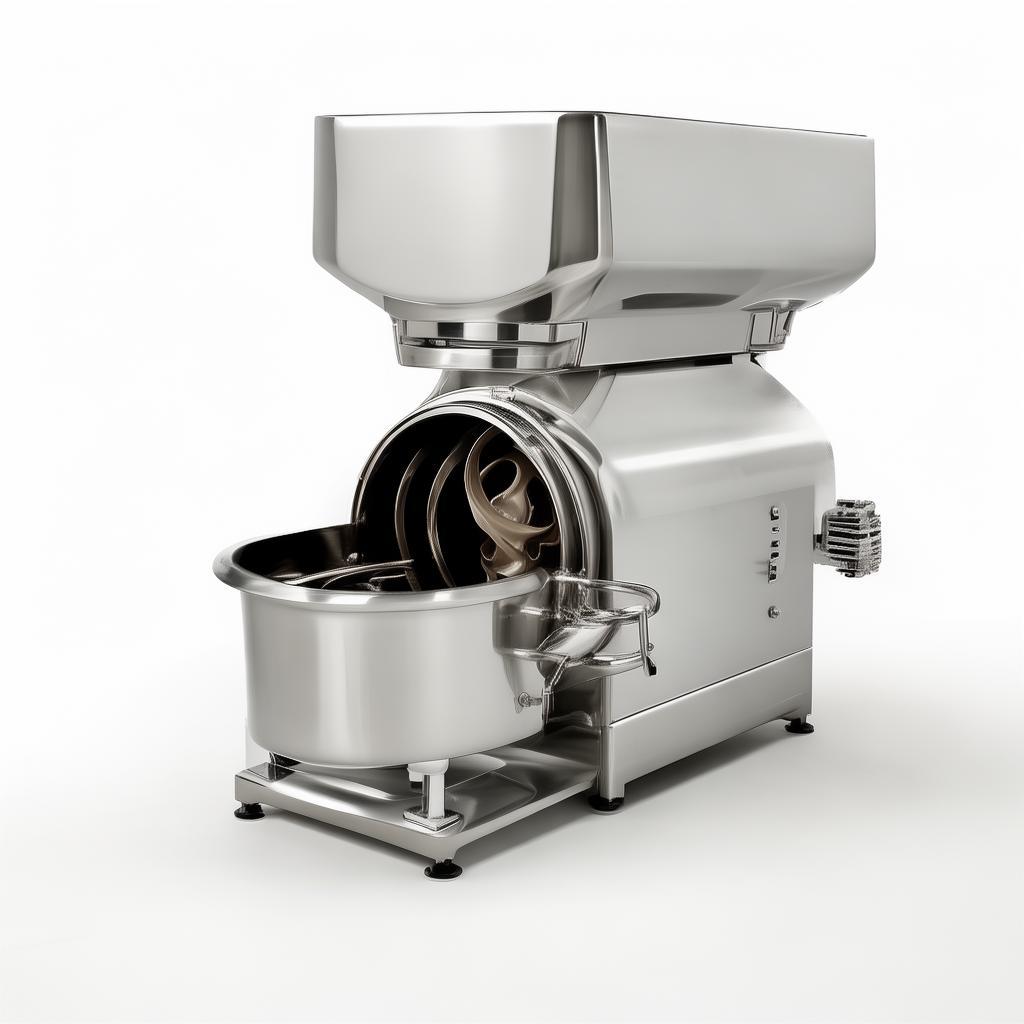
At its heart, a meat mincer operates on a principle of positive displacement and shearing. The process begins when raw meat is introduced into the hopper. From there, a rotating screw, often called a worm or auger, takes over. This helical component serves two primary roles: it transports the meat from the hopper towards the cutting head and simultaneously compresses it. This compression is vital; it ensures the meat is densely packed against the stationary cutting plate, allowing for an efficient shear action. The worm is typically made from durable materials like stainless steel or hardened alloys, designed to withstand the forces involved in pushing dense meat. The meat then encounters the cutting head, which comprises two key elements: the cutting knife (or plate) and the perforated plate (or die). The knife is usually a star-shaped or single-blade rotor that spins at high speed, directly behind the perforated plate. The perforations in the plate range in diameter, from very fine (e.g., 2-3mm) for pastes and emulsions to coarser (e.g., 8-12mm or more) for products requiring a more defined texture. As the knife rotates, its blades pass extremely close to the stationary surface of the perforated plate, creating a scissor-like or shearing action. This action cuts the meat that is being forced through the plate’s holes by the worm. The result is finely processed meat exiting the mincer. The precision of this cutting head assembly is critical. A poorly fitted knife and plate will lead to inefficient cutting, meat smearing, excessive heat generation, and premature wear on components. This is why the material quality, precision machining, and proper assembly of these parts are paramount for consistent meat mincer function. For industrial applications, the drive system is equally important. Powerful electric motors, often with gear reduction systems, provide the necessary torque to push meat through dense grinding plates, especially with higher fat content or tougher meat. Many commercial units also feature variable speed controls, allowing operators to adjust the mincing rate based on the product and desired outcome. This flexibility is a significant advantage in modern production environments. Consider the implications for different meat types: processing beef with a high fat ratio requires different settings and potentially a more robust cutting head than processing lean poultry. The ability to adapt the mincer’s function through these mechanical controls is what separates basic machines from industrial workhorses. The market analysis by IMARC Group indicates that equipment for pretreatment, molding, and ripening are crucial, and the mincer is a prime example of pretreatment machinery. Its function is the starting point for many value-added meat products.
Let's delve deeper into the critical components that define effective meat mincer function. The hopper, where raw meat is initially placed, is designed for ergonomic loading and often features a flared opening to guide meat efficiently towards the worm. For larger industrial units, this might be integrated with conveyor systems. The worm (auger), as mentioned, is the workhorse. Its pitch, length, and material are engineered to optimize meat transport and compression without excessive friction or heat. Some worms have specific designs to handle frozen or semi-frozen meat, which requires greater torque. The cutting head assembly is where the magic (and precision) happens. It typically consists of a barrel or housing, a fixed perforated plate (die), and one or more rotating knives. The number of knives and their specific design can influence the cutting efficiency and texture. For instance, a two-knife system might offer smoother operation than a single knife in certain applications. The perforated plate is crucial. Its diameter, thickness, and the size and shape of its holes (circular, slotted, etc.) directly determine the particle size of the ground meat. Manufacturers offer a wide range of plates to suit different product requirements, from fine emulsions for pâtés to coarser grinds for sausages. These plates are typically made from hardened steel or specialized alloys to resist wear and maintain sharpness. The drive system, encompassing the motor and transmission, must be sized appropriately for the intended workload. Overloading a mincer can lead to motor burnout, component damage, and inconsistent product. For heavy-duty operations, multiple-speed options or variable frequency drives (VFDs) allow for precise control over the grinding process, influencing texture and throughput. We've seen production lines struggle because their mincer couldn't keep pace during peak demand, leading to bottlenecks and costly downtime. Selecting a unit with adequate power and the flexibility to adjust its function is a wise procurement decision. The overall construction and materials are also part of the functional design. Stainless steel is the standard for food contact surfaces and housing due to its hygiene properties and corrosion resistance. However, the specific grade of stainless steel and the finish (e.g., polished, brushed) can impact cleanability and durability. For international markets, ensuring that all materials comply with relevant food safety regulations (like FDA in the US, or EU standards) is non-negotiable.
Beyond Grinding: Advanced Meat Mincer Functions and Features
Modern meat mincers often incorporate features that extend their functionality beyond simple particle size reduction. These advancements are driven by the need for enhanced product quality, improved hygiene, greater efficiency, and reduced labor costs. One significant area is temperature control. As meat is processed, friction from the worm and cutting head can generate heat. Excessive heat can lead to fat smearing, reduced product quality, and a higher risk of bacterial growth. Some industrial mincers are equipped with cooling jackets around the grinding barrel or employ specialized worm designs that minimize friction. This ensures that the meat remains at optimal processing temperatures, crucial for achieving desired textures in products like emulsified sausages and burgers. Another key advancement relates to automated feeding and discharge. For high-volume operations, manually loading the hopper and collecting ground meat can be labor-intensive and introduce inconsistencies. Industrial mincers can be integrated with vacuum loaders, screw conveyors, or even directly with filling machines. Similarly, automated discharge systems can ensure consistent filling of trays or containers. This automation not only boosts efficiency but also enhances hygiene by minimizing manual handling. The design of the cutting head itself has evolved. Beyond standard plates and knives, specialized configurations exist for specific applications. For instance, some systems use grinder-feeder combinations where a powerful feeder arm pre-compresses and feeds meat into the grinder, ideal for processing large blocks or semi-frozen meat efficiently. For pet food manufacturers or producers of certain specialty items, equipment capable of handling bone-in meat (with appropriate cutting sets) is also available, though this requires significantly more robust engineering. The material science behind mincer components is also a key area of development. Advanced alloys and surface treatments are used for knives and plates to enhance durability, maintain sharpness longer, and resist wear. This translates to longer production runs between maintenance intervals and more consistent grinding performance. When considering OEM/ODM options, the ability to customize these features—from plate hole sizes and knife configurations to motor power and control systems—is essential for tailoring the machine to specific international market needs. It’s not just about replicating a standard mincer; it’s about engineering a solution.
Furthermore, the importance of ease of cleaning and maintenance cannot be overstated in modern food processing. International standards and consumer expectations demand impeccable hygiene. Advanced mincers are designed with smooth surfaces, minimal crevices, and quick-release mechanisms for the cutting head components. This allows for faster and more thorough cleaning, reducing the risk of microbial contamination and shortening downtime between production runs. Tool-less disassembly for the worm, knife, and plate is a highly desirable feature for many operators. At Yuanchang, our 40 years of experience since 1986 have taught us that a machine that is difficult to clean is a machine that is prone to hygiene issues, regardless of its initial performance. Our own production processes leverage advanced CNC machining to ensure that components fit precisely, making disassembly and reassembly straightforward. Safety features are also integral to the functional design. Interlocks that prevent the machine from operating when components are not properly secured, emergency stop buttons, and guards around moving parts are standard on reputable industrial mincers. These features protect personnel and prevent costly damage to the equipment. For international buyers, understanding the specific safety certifications (like CE marking for Europe) associated with a mincer is important. The drive system's ability to handle variable feed rates and shock loads is another aspect of advanced function. Whether processing fresh, chilled, or slightly frozen meat, the mincer needs to maintain consistent output without bogging down. This requires a well-matched motor and transmission system that can deliver sustained torque. Finally, integration with other processing steps is a growing trend. A mincer might be part of a larger line that includes pre-breakers, mixers, emulsifiers, and forming machines. The ability of the mincer to deliver consistent output that seamlessly feeds into the next stage is a critical functional requirement for an optimized production flow. This holistic view of the processing line is essential for achieving true operational excellence.
Applications: Where Meat Mincer Function Takes Center Stage
meat mincer use meat mincer mince meat mincer
The versatility of the meat mincer makes it indispensable across numerous segments of the food industry. Its core function is foundational for a wide range of products, influencing both taste and texture.
- Sausage Production: This is perhaps the most common application. Meat mincers are used to grind meat for all types of sausages – fresh, smoked, cured, and emulsified (like frankfurters and bologna). The particle size and fat distribution achieved by the mincer directly impact the sausage's bite, juiciness, and ability to bind. For international markets, replicating traditional textures requires precise control over the mincing function.
- Burger and Patty Production: Whether for fast-food chains or gourmet restaurants, uniformly ground meat is essential for consistent burger patties. The mincer ensures even distribution of lean meat and fat, crucial for flavor and cooking performance.
- Deli Meats and Prepared Foods: Many processed deli meats, meatloaf, and ready-to-eat meals begin with ground meat. The mincer provides the base material for these products, and its function influences the final mouthfeel and appearance.
- Pet Food Manufacturing: The pet food industry relies heavily on ground meat for both wet and dry food formulations. For manufacturers catering to specific nutritional profiles or raw food diets, the ability to grind various cuts, and sometimes even bone, using specialized mincers is vital. The market for pet food processing equipment is growing significantly.
- Reconstituted Meat Products: Products like chicken nuggets, meatballs, and formed meat products often use finely ground meat as a primary ingredient. The mincer’s ability to create a consistent paste or fine mince is critical for binding and texture in these applications. The reconstituted meat market itself is showing rapid growth, projected to reach USD 36.1 billion by 2035 (Future Market Insights).
- Curing and Smoking: Even for products that undergo further processing like curing or smoking, the initial grind provided by the mincer is crucial for even salt penetration and flavor development.
The choice of mincer and its specific functional settings will vary significantly based on these applications. For example, a mincer designed for emulsified sausages will typically have finer plates and a more powerful motor than one used for coarse grinding of beef for burgers. Our expertise at Hebei Yuanchang lies in understanding these diverse needs and providing machinery that meets them with precision and reliability, whether for domestic use or international export.
Consider the nuances for different meat types as well. Processing pork, beef, lamb, poultry, or even game meats each presents unique challenges and requires specific adjustments to the mincer's function. Pork, with its higher fat content, can be prone to smearing if not handled correctly. Beef, particularly tougher cuts, demands robust torque from the motor. Poultry, being leaner, may require different knife and plate combinations to achieve the desired texture without becoming mushy. For international trade, understanding these regional preferences and product types is key. A mincer that excels at producing fine-textured emulsified products for the European market might need different plate and knife configurations to satisfy a demand for coarser, chunkier grinds in North America or Asia. This adaptability is a hallmark of high-quality industrial meat mincer function. Furthermore, the integration of mincers into larger processing lines highlights their role in creating value-added products. They are often the first step in a chain that includes mixers for seasoning, emulsifiers for smooth textures, and forming machines for shaping. A consistent output from the mincer ensures the efficiency and quality of all subsequent stages. This interconnectedness means that selecting the right mincer is not an isolated decision; it impacts the entire production workflow. For instance, the market analysis by Mordor Intelligence highlights the importance of filling and massaging equipment alongside grinding systems for meat pretreatment and ripening, underscoring the holistic approach needed in modern food processing.
Technical Specifications: What to Look For in a High-Performance Mincer
When evaluating meat mincers for wholesale export or OEM/ODM projects, scrutinizing the technical specifications is crucial. These details reveal the machine's capabilities, durability, and suitability for specific tasks. Here are the key parameters:
| Specification | Key Considerations for Functionality | Impact on Processing |
|---|---|---|
| Motor Power (HP/kW) | Higher power indicates better torque for processing tougher meat or higher volumes without stalling. Look for continuous duty ratings. | Ensures consistent output, prevents motor overload, and handles variable meat densities. Essential for efficiency. |
| Throughput Capacity (kg/hr or lbs/hr) | Rated for specific conditions (e.g., fresh meat, plate size). Crucial for production planning and matching line speeds. | Defines the machine’s productivity. Affects overall line efficiency and order fulfillment capabilities. |
| Grinding Head Size (e.g., #22, #32, #42) | Larger head sizes typically accommodate larger cuts and offer higher throughput. Dictates the size of the worm, knife, and plate. | Influences the volume of meat processed per cycle and the physical footprint of the machine. |
| Material Construction | Food-grade stainless steel (e.g., 304, 316) for components in contact with meat. Hardened steel or alloys for cutting plates and knives. | Ensures hygiene, corrosion resistance, durability, and longevity of cutting edges. Critical for food safety compliance. |
| Cutting Plate Options | Diameter, hole size (e.g., 2mm to 12mm+), and number of holes. Availability of different plates for varied textures. | Directly determines the final particle size and texture of the ground meat, impacting product suitability. |
| Knife Type & Material | Star knife, single knife, multi-knife. Hardened steel, stainless steel. Precision ground for optimal shear. | Affects cutting efficiency, heat generation, and wear rate. A sharp, well-fitted knife is essential. |
| Voltage & Frequency | Must match the power supply specifications of the target market (e.g., 220V/380V, 50Hz/60Hz). | Ensures proper operation and avoids electrical hazards or damage to the machine. Crucial for international export. |
| Dimensions & Weight | Consider space availability in the processing facility and ease of movement (if applicable). | Impacts installation, layout planning, and overall factory floor management. |
| Cooling System (if applicable) | Water jacket, forced air, or specialized worm design for heat dissipation. | Prevents fat smearing, maintains product quality, and reduces bacterial risk in high-output or warm environments. |
When discussing OEM/ODM requirements, these specifications are the starting point for customization. For instance, a client might require a specific throughput for a new product line or need plates with non-standard hole sizes to achieve a unique texture. Our engineering team works closely with clients to tailor these parameters, ensuring the final machine’s function perfectly aligns with their production goals. For example, the global meat processing equipment market is projected to reach USD 19.66 billion by 2033 (SkyQuestt), indicating a strong demand for advanced, well-specified machinery.
Procurement and Supplier Evaluation: Ensuring Value and Reliability
Sourcing industrial meat mincers involves more than just comparing price tags. For international buyers, especially those in the wholesale or OEM/ODM sectors, a thorough evaluation of suppliers and procurement risks is essential. Here's what to consider:
- Manufacturing Experience & History: Look for suppliers with a long track record in food processing equipment. Companies with decades of experience, like Hebei Yuanchang (since 1986), bring invaluable practical knowledge and a proven ability to innovate.
- Quality Control & Certifications: Does the supplier adhere to international quality standards like ISO? Do their products meet safety certifications relevant to your target markets (e.g., CE, FDA compliance)? Our ISO certification is a testament to our rigorous processes.
- Engineering & Customization Capabilities: For OEM/ODM, the supplier's ability to customize designs, modify specifications, and develop bespoke solutions is paramount. Assess their in-house engineering team and machining capabilities.
- After-Sales Support & Spare Parts: How accessible are spare parts, especially critical components like knives and plates? What kind of technical support is available, particularly for international clients? A traceable after-sales management system is a significant advantage.
- Material Sourcing & Component Quality: Understand where key components are sourced and the quality of materials used, especially for cutting parts and wear surfaces.
- Logistics & Export Experience: Can the supplier handle international shipping, documentation, and packaging requirements efficiently? Experience with container loading optimization can save costs.
When sourcing, remember that while the lowest price might be tempting, it can often lead to hidden costs associated with poor durability, frequent breakdowns, or a lack of support. A machine that consistently performs its function reliably over its lifecycle offers a far better return on investment. The market is competitive, with various players offering equipment. However, partnering with a manufacturer that demonstrates deep technical expertise and a commitment to quality is key to long-term success. We aim to be more than just a supplier; we strive to be a technical partner, ensuring our clients receive equipment that perfectly matches their operational needs and international market demands.
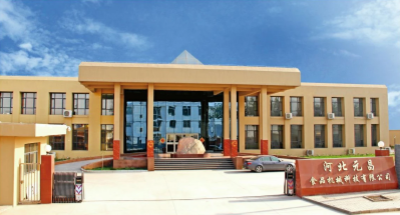
It's also wise to look at the supplier's own manufacturing setup. At Hebei Yuanchang, our facility covers 14,000 square meters and houses over 20 sets of advanced processing machinery, including high-precision grinding machines and Japanese Mazak CNC machining centers. This in-house capability allows us to produce critical, high-precision parts independently, ensuring consistent quality and reducing reliance on external suppliers for non-standard specifications. This control is fundamental to delivering reliable meat mincer function, batch after batch, for our international clientele. For procurement directors, this translates to reduced risk and greater confidence in the equipment’s performance and longevity. Considering the global meat processing equipment market is projected to grow substantially, choosing a supplier that can scale with your business and provide consistent quality is a strategic imperative. Don't hesitate to ask for factory tours (virtual or in-person), detailed specifications, and references from other international clients.
Frequently Asked Questions (FAQ) about Meat Mincer Function
Q1: What is the primary function of a meat mincer?
The primary function of a meat mincer is to reduce larger cuts of meat into smaller, uniform particles by cutting and forcing the meat through a perforated plate. This process is fundamental for creating ground meat used in various food products like sausages, burgers, and deli meats.
Q2: How does the meat mincer's function affect the final product texture?
The texture is determined by the size of the holes in the cutting plate and the sharpness/fit of the knife. Finer plates and sharp knives produce a smoother, more emulsified texture, ideal for products like frankfurters. Coarser plates yield a more visible particle structure, suitable for traditional sausages or burgers.
Q3: Can a meat mincer be used for semi-frozen meat?
Yes, many industrial meat mincers are designed to handle semi-frozen meat. This requires a more powerful motor with higher torque and often a more robust cutting head assembly. Processing semi-frozen meat can result in cleaner cuts and less fat smearing, but it demands a heavy-duty machine.
Q4: What are the key components of a meat mincer's functional mechanism?
The main functional components include the hopper, the rotating screw (worm/auger), the cutting knife (blade), and the perforated cutting plate (die). The worm pushes meat towards the cutting head, where the rotating knife shears it against the plate's holes.
Q5: How important is cleaning and maintenance for meat mincer function?
Extremely important. Regular, thorough cleaning prevents bacterial contamination and maintains the sharpness of the cutting components. Proper maintenance, including lubrication and timely replacement of worn parts (knives, plates), ensures consistent grinding performance and prolongs the machine's lifespan.
Q6: What should I consider when selecting a meat mincer for international export?
Ensure the machine's specifications (voltage, frequency) match the target market's standards. Verify compliance with local food safety regulations. Consider the availability of spare parts globally and the supplier's ability to provide documentation and support in English or other required languages.
Why Choose Hebei Yuanchang for Your Meat Mincer Needs?
With over 40 years of dedicated experience since 1986, Hebei Yuanchang Food Mechanism & Technology Co., Ltd. stands as a pillar in the meat processing equipment industry. We understand the critical nature of meat mincer function for your operations, whether you are a local enterprise or a global exporter. Our commitment to integrating Research & Development, production, and sales ensures that we deliver not just machines, but complete solutions. Our state-of-the-art machining workshop, featuring over 20 sets of precision processing machinery including Japanese Mazak CNC machining centers, allows us to produce high-standard, non-standard, and high-precision components in-house. This capability is fundamental to guaranteeing the reliability, durability, and consistent performance of every meat mincer we manufacture. We pride ourselves on our traceable after-sales management system, offering you peace of mind long after your purchase. Partner with us to leverage our expertise, advanced manufacturing capabilities, and dedication to quality for your meat processing needs.

ISO Certified Quality
CE Compliant
Advanced Manufacturing

Global Standards
Ready to Optimize Your Meat Processing?
Let our expert team help you find the perfect meat mincer solution that meets your specific functional requirements and business objectives.