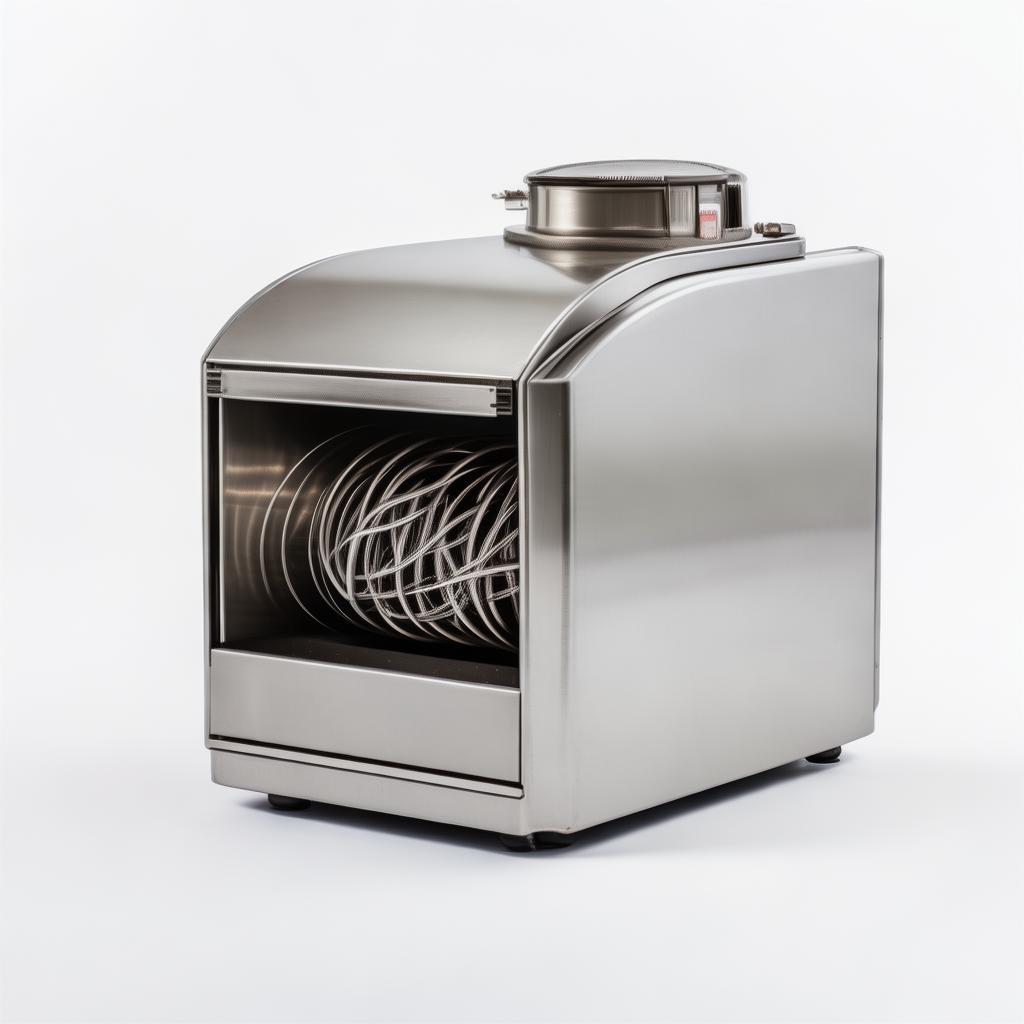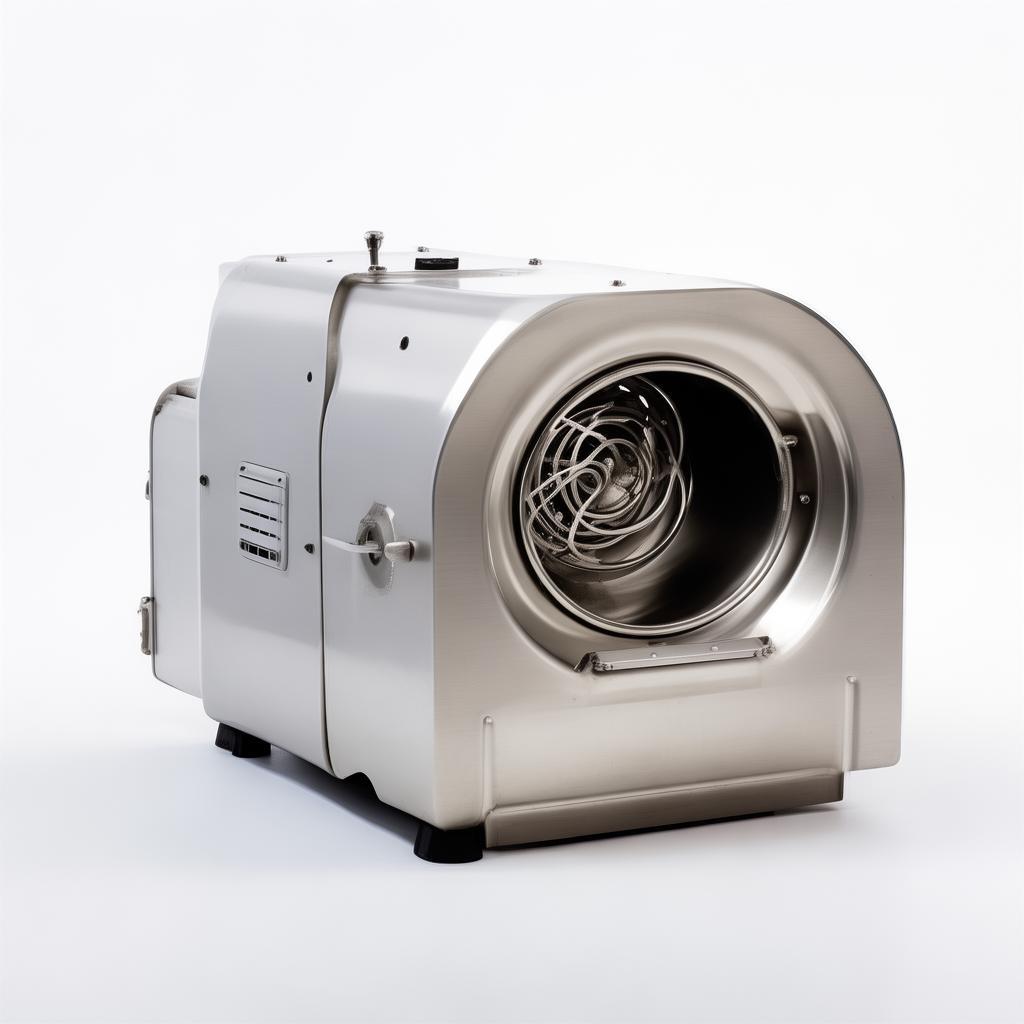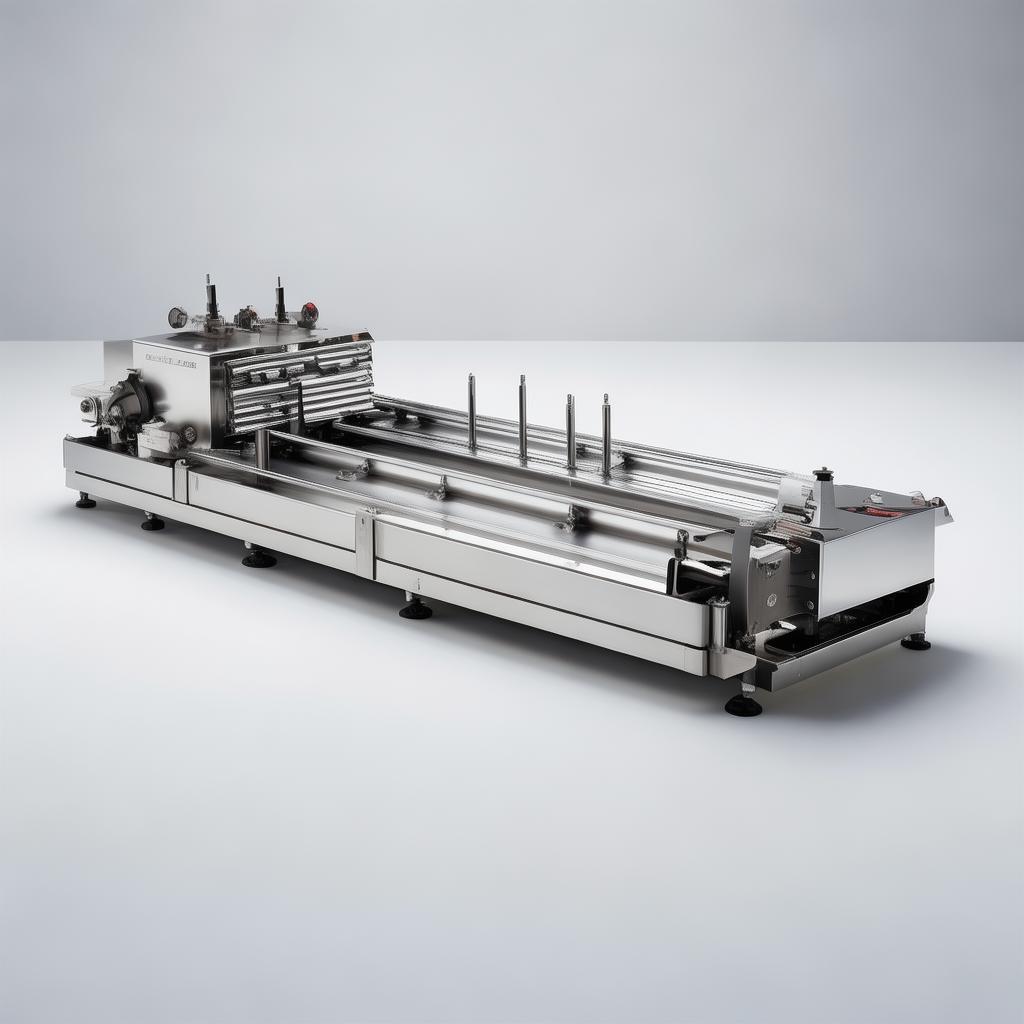
Mince Meat Mincer
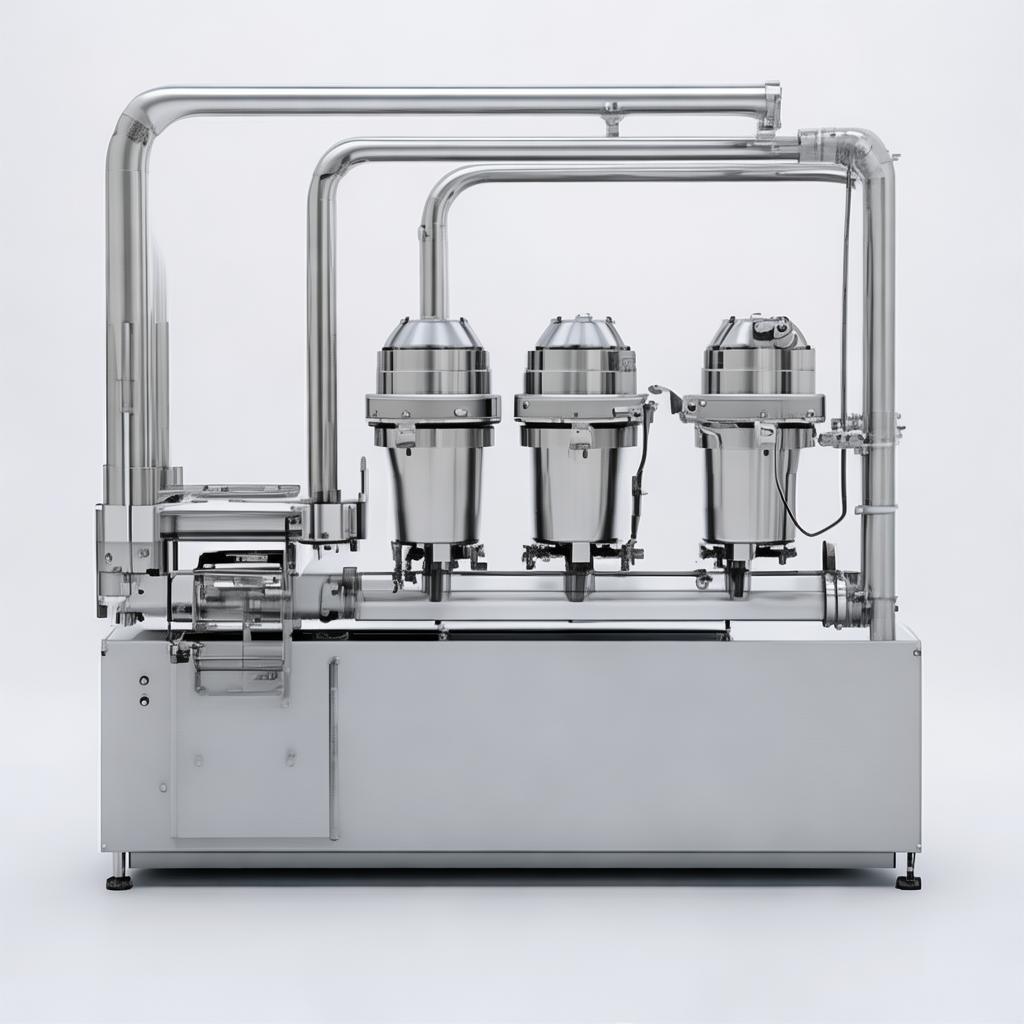
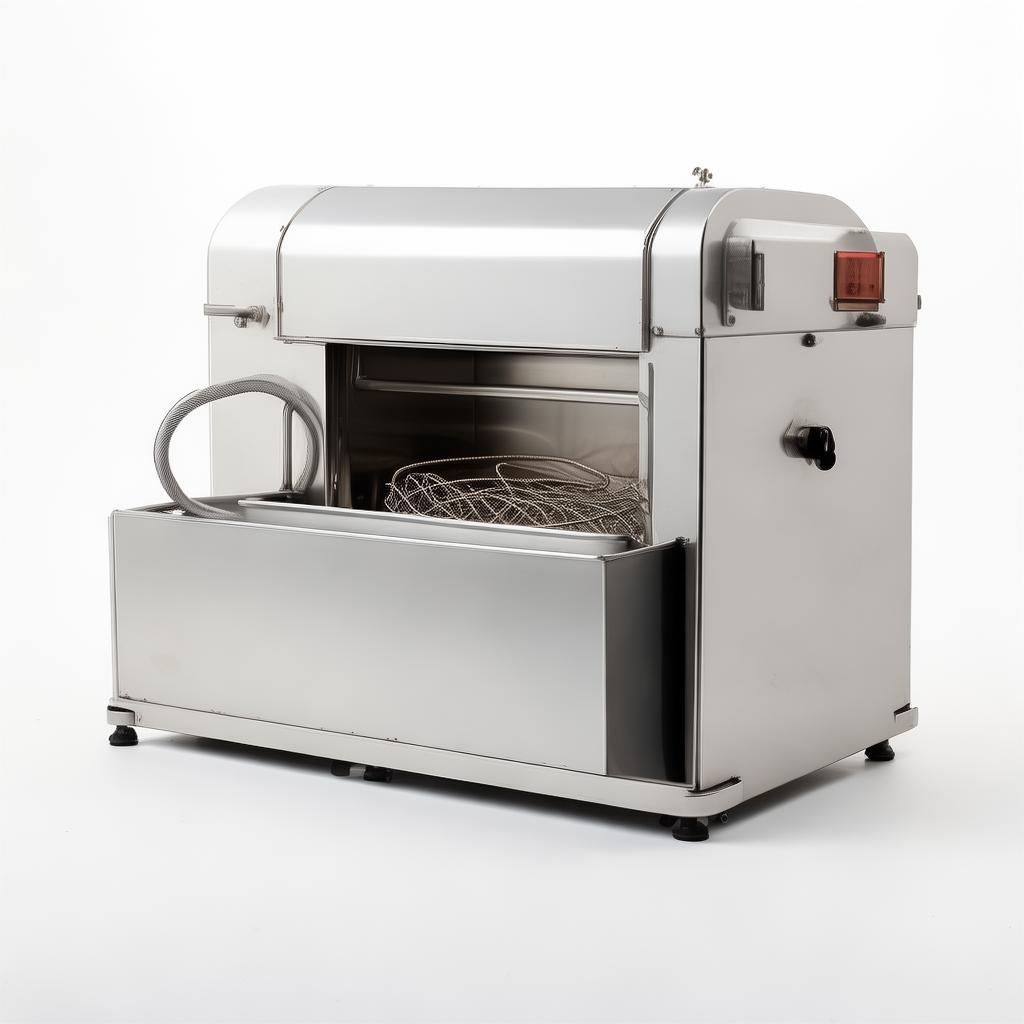
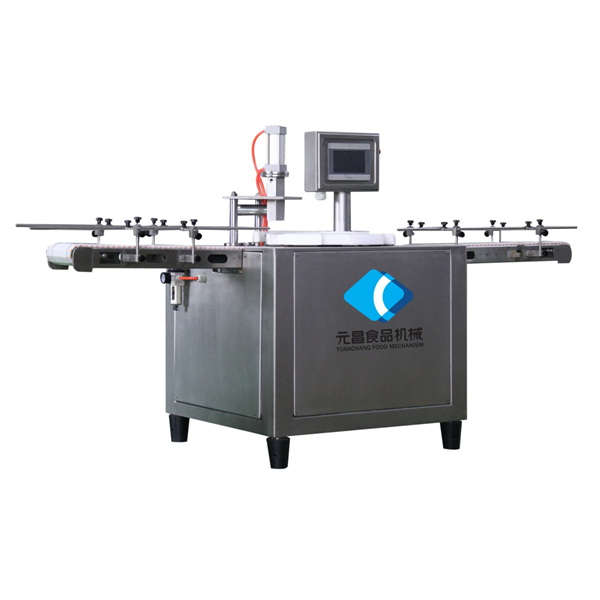
Industrial Mince Meat Mincers: Precision, Efficiency, and Reliability for Wholesale Export
Sourcing High-Performance Mincing Solutions for Your Food Processing Operations

Written by: Li Wei, Senior Export Manager
Hebei Yuanchang Food Mechanism & Technology Co., Ltd.
Understanding Your Needs: Beyond Just Mincing
When you're looking for a mince meat mincer for your wholesale export business, you're not just buying a piece of machinery. You're investing in a critical component that directly impacts your product quality, production throughput, and ultimately, your bottom line. The decision to source a mincer, whether for grinding fresh meat, preparing meat mixtures, or even for specialized applications like pet food production, involves a complex set of considerations. It’s about ensuring consistency in particle size, maintaining optimal processing temperatures to preserve freshness, minimizing labor costs through efficient operation, and meeting stringent food safety standards that are non-negotiable in international markets.
The global meat processing equipment market is robust, projected to reach figures upwards of USD 17 billion by 2034, with significant segments including grinding, filling, and even massaging equipment for ripening. This growth is fueled by a consistent rise in demand for processed meats, driven by evolving consumer preferences for convenience, ready-to-eat meals, and diverse culinary options. Automation is also a major factor, not just for increasing output but for enhancing hygiene and addressing labor shortages, a challenge faced by many operations globally. From the perspective of an importer or a large-scale food processor, the 'mince meat mincer' is a foundational piece of equipment that enables a wide array of further processing steps.
At Hebei Yuanchang, we understand that the term 'mince meat mincer' can encompass a range of machinery – from compact tabletop units suitable for smaller batch operations to heavy-duty industrial grinders designed for continuous, high-volume production. The choice hinges on your specific application: are you processing beef for burgers, pork for sausages, poultry for further grinding, or a blend? Will the output be directly fed into a filling machine for packaging, or will it undergo further treatment like mixing, ripening, or smoking? These operational nuances dictate the required motor power, blade configuration, hopper capacity, and the overall construction materials of the mincer.
Furthermore, international trade adds another layer of complexity. Beyond the machinery's performance, you need to consider factors like export-grade packaging, efficient logistics, customs compliance, and reliable after-sales support. A mincer that performs exceptionally well in a controlled factory environment might face challenges during long-haul shipping or in varied climatic conditions if not adequately protected and designed for resilience. We’ve seen firsthand how critical it is for equipment to withstand the rigors of transit and to be easily integrated into diverse international supply chains. Our 40 years of experience, since 1986, have taught us that the most successful partnerships are built on a foundation of understanding these granular details.
The technical specifications, such as throughput capacity (often measured in kilograms per hour or pounds per hour), the size of the grinding plates available (influencing the fineness of the mince), and the material of construction (typically stainless steel for hygiene and durability), are paramount. A common mistake is overlooking the power requirements and ensuring your facility's electrical infrastructure can support the chosen unit, especially for larger industrial models. Also, consider the ease of disassembly for cleaning. In food processing, hygiene is paramount, and quick, thorough cleaning between batches or at the end of a shift is essential to prevent bacterial contamination and maintain product integrity. A poorly designed cleaning process can become a significant bottleneck.
We also recognize that the search for a "mince meat mincer" might be driven by a need to replicate specific product textures or to improve upon existing processing methods. For instance, the way meat is cut and ground can significantly affect the final product's mouthfeel and its ability to bind during further processing. Some mincers are designed to produce a coarser grind, ideal for certain sausages, while others can achieve an extremely fine consistency. Understanding these distinctions allows us to guide clients towards the most appropriate model that aligns with their target product profile and market expectations. The global processed meat market continues to expand, with segments like reconstituted and formed meat showing significant growth – a trend that directly increases the demand for precise and versatile mincing and molding equipment.
Key Challenges in Meat Mincing Operations
- Maintaining Optimal Temperature: Overheating during grinding can lead to "fat smear" and bacterial growth, compromising quality and safety.
- Achieving Consistent Particle Size: Inconsistent mince texture affects binding, appearance, and mouthfeel in the final product.
- Hygiene and Sanitation: Robust cleaning protocols are essential to prevent cross-contamination and meet regulatory standards.
- Throughput and Efficiency: Meeting production demands requires efficient machinery that minimizes downtime.
- Equipment Durability: Industrial environments demand rugged machines built with high-quality materials for longevity.
Our Mincer Solutions: Engineered for Excellence
At Hebei Yuanchang, our range of mince meat mincers is designed to tackle these challenges head-on. We focus on delivering machinery that offers:
- Superior Heat Management: Optimized designs and robust motor cooling systems to keep meat temperatures low.
- Precision Grinding: High-quality stainless steel blades and plates for consistent, uniform particle size.
- Ease of Cleaning: Simplified disassemblies and smooth surfaces for efficient sanitation.
- High Throughput: Powerful motors and well-engineered feed mechanisms for maximum output.
- Industrial Grade Construction: Built with durable stainless steel (e.g., SUS304) to withstand demanding environments.
Technical Deep Dive: What Sets Our Mincers Apart
Our commitment to quality starts at our 14,000 square meter facility. With a dedicated team of 80-100 professionals, we integrate R&D, production, and sales, drawing on our 40 years of expertise since 1986. Our in-house machining workshop is a testament to this, featuring over 20 sets of advanced processing machinery. This includes lathes, milling machines, high-precision grinding machines, boring machines, plate shears, bending machines, and wire cutting equipment. The integration of 8 Japanese Mazak CNC machining centers since 2012 is crucial; it allows us to manufacture high-standard components with exceptional precision, catering to large volumes and non-standard specifications. This capability is not just about building machines; it's about building trust, ensuring that every critical part, from the auger to the cutting plates, meets rigorous internal quality controls.
A key differentiator in our mince meat mincer offerings is the material science involved. We predominantly use high-grade stainless steel, such as SUS304, for all food-contact surfaces. This material is chosen for its excellent corrosion resistance, ease of cleaning, and its ability to meet stringent international food safety regulations like those stipulated by the FDA or European standards. The blades and grinding plates are often forged from hardened stainless steel alloys, ensuring they retain their sharpness through thousands of hours of operation, reducing the frequency of replacement and maintaining grind consistency. Consider the impact of dull blades – they can tear meat rather than cut it, leading to increased temperature, fat smearing, and a less desirable product texture. Our precision manufacturing minimizes these risks.
The motor and gearbox systems are engineered for robustness and efficiency. We select motors that provide ample torque to power through dense meat batches without stalling. Variable frequency drives (VFDs) are often an option, allowing for precise speed control. This isn't just a convenience; it's essential for tailoring the grind to specific product requirements. For instance, a slower speed might be ideal for a finer grind, while a higher speed can increase throughput for coarser cuts. The gearboxes are designed for heavy-duty continuous operation, ensuring reliability and minimizing maintenance intervals. We know that downtime in a processing plant is costly, so our gear train components are selected for longevity and resilience.
Looking at the structural design, our mincers feature a robust frame, often with vibration-dampening feet to ensure stable operation. The hoppers are designed for easy loading, with safety guards in place to prevent accidental contact with the rotating auger. The discharge chute is configured to facilitate efficient transfer of the minced product, often designed to fit directly over a conveyor belt, a filling machine hopper, or a collection bin. Considering the operational workflow is as important as the grinding mechanism itself. For example, models often include removable augers and cutting heads for quick batch changes and thorough cleaning, a practice heavily emphasized in food safety protocols.
We also focus on the electrical and control systems. Our machines comply with international electrical standards, and we offer units configured for various voltage and frequency requirements (e.g., 220V/380V, 50Hz/60Hz) to suit different markets. Safety features are integrated, including emergency stop buttons and interlocking guards that prevent operation when not properly secured. This level of detail ensures our equipment is not only functional but also safe and compliant for export to discerning markets like the USA, Europe, and beyond.
Technical Specifications Overview
Our industrial mince meat mincers are built for performance and reliability. Below is a general overview of specifications typical for our popular models. Specific configurations can be tailored to your exact needs.
| Feature | Specification | Details/Notes |
|---|---|---|
| Model Series | YC-GM (Grinder/Mincer) | Series designed for various capacities |
| Material Construction | Food-Grade Stainless Steel (SUS304) | All product contact parts, frame optional |
| Motor Power | 5.5 kW - 15 kW (or higher) | 3-phase, 380V/50Hz (customizable) |
| Throughput Capacity | 300 kg/hr - 1500+ kg/hr | Varies by model and meat type/temperature |
| Grinding Plate Diameter | 100 mm - 160 mm | Interchangeable plates for different grind sizes |
| Cutting System | Enterprise or Rex Cutter | High-hardness stainless steel, double-sided blades |
| Hopper Capacity | Approx. 20L - 80L | Designed for easy loading, with safety features |
| Cooling System | Optional integrated cooling jacket | For extended runs and temperature-sensitive products |
| Dimensions (Approx.) | Varies by model | Compact footprint for industrial environments |
| Certifications | CE Mark (Optional) | Compliance with relevant international safety standards |
meat mincer manual meat mincer meat mincer use
Note: Specifications are subject to change and can be customized. Please contact us for precise details on specific models.
Application Scenarios: Versatility in Processing
Our mince meat mincers are not confined to a single use. Their robust design and precision engineering make them ideal for a broad spectrum of food processing applications across various industries:
Fresh Meat Processing
Grinding beef, pork, lamb, and veal for burgers, sausages, meatloaf, and other fresh meat products. Achieving the right texture is key for consumer appeal.
Poultry Processing
Efficiently mincing chicken and turkey for further product development, including nuggets, patties, and ground poultry products, demanding high hygiene standards.
Pet Food Manufacturing
Producing consistent, finely ground meat blends for high-quality pet food formulations, requiring robust machinery that handles raw materials effectively.
Prepared Foods & Deli
Essential for creating the base ingredients for ready-to-eat meals, pre-seasoned meat products, and specialty deli items where texture and uniformity are critical.
Installation, Operation, and Maintenance Insights
Proper installation and routine maintenance are crucial for maximizing the lifespan and performance of your mince meat mincer. Our 40 years of experience have shown that simple operational practices can prevent major issues.
Installation Considerations:
- Foundation: Ensure a level, stable, and robust foundation capable of supporting the machine's weight and absorbing vibration.
- Electrical Supply: Verify that your power supply meets the specified voltage, phase, and frequency requirements. A dedicated circuit is recommended.
- Ventilation: Adequate ventilation around the motor and electrical enclosure is necessary to prevent overheating.
- Clearance: Allow sufficient space for operation, cleaning, and maintenance access around all sides of the machine.
Operational Best Practices:
- Pre-chilling Meat: For optimal results and to prevent fat smearing, meat should ideally be chilled to between 0-4°C (32-39°F) before grinding.
- Blade Sharpening: Regularly inspect and sharpen or replace blades and plates to maintain cutting efficiency. Dull tooling increases motor load and heat.
- Avoid Overloading: Do not force excessive amounts of meat into the hopper at once. Allow the auger to process the meat effectively.
- Continuous Feed: For high-volume production, a consistent feed rate is crucial for both throughput and temperature control.
Routine Maintenance Schedule:
- Daily: Thorough cleaning and sanitization of all food-contact parts after each production run. Visual inspection of blades and plates.
- Weekly: Check and lubricate gearbox and motor bearings if applicable (follow manual). Inspect electrical connections.
- Monthly: Examine auger for wear. Check all fasteners for tightness. Verify proper function of safety guards.
- Annually: Professional service by a qualified technician, including motor performance checks and gearbox oil change.
Our traceability systems ensure that we can provide the correct replacement parts quickly, minimizing your downtime. We also offer detailed operating manuals and can arrange for on-site training for your operators.
Procurement Guidance: Sourcing from Hebei Yuanchang
Navigating the procurement process for industrial machinery can be complex, especially when sourcing internationally. Here’s how we make it straightforward and secure:
Supplier Evaluation Tips:
- Experience: Look for suppliers with a long history in food processing machinery manufacturing. 40 years like ours is a strong indicator.
- Manufacturing Capability: Can they produce critical components in-house? Our CNC capabilities ensure precision and control.
- Quality Control: What certifications do they hold? Do they adhere to international standards?
- After-Sales Support: Do they offer spare parts and technical assistance globally? Our traceable management system is key.
Why Choose Hebei Yuanchang:
- Proven Track Record: Since 1986, we've served clients worldwide with reliable meat processing equipment.
- Integrated Production: From R&D to sales, our in-house capabilities ensure quality and cost-effectiveness.
- Export Expertise: We are experienced in handling international logistics, documentation, and export packaging.
- OEM/ODM Services: We offer custom solutions to meet unique project requirements.
We believe in transparency. When you inquire about a mince meat mincer, we'll provide you with comprehensive documentation, including detailed technical drawings, material certifications, and precise lead times. Our goal is to equip you with all the information needed to make an informed procurement decision, minimizing any commercial risks.
Frequently Asked Questions
Q: What is the typical lead time for an industrial mince meat mincer?
A: Lead times vary depending on model complexity and current production schedules. Typically, it ranges from 30 to 60 days from order confirmation to shipment. We will provide an accurate estimate upon inquiry.
Q: Can your mincers handle frozen meat blocks?
A: While some heavy-duty models can process semi-frozen meat (around -2°C to -4°C), it is generally recommended to use chilled meat for optimal grinding quality and to prolong blade life. Please specify if frozen meat processing is a requirement.
Q: What kind of warranty do you offer?
A: We offer a standard 12-month warranty on parts and labor against manufacturing defects. Extended warranty options and service contracts are available.
Q: Do you provide installation services overseas?
A: While we provide comprehensive manuals and remote support, on-site installation services can be arranged at an additional cost, subject to availability and project scope.
Q: How is shipping handled for international orders?
A: We are experienced in international shipping. Equipment is typically crated or packed in sturdy wooden boxes for FCL (Full Container Load) or LCL (Less than Container Load) shipments, with all necessary export documentation provided.
Hear From Our Clients

Maria Rodriguez, Operations Manager
"The YC-GM grinder we imported from Hebei Yuanchang has significantly improved our sausage production line. The consistency of the mince is excellent, and it handles our pork batches with ease. Clean-up is straightforward, which is a huge plus for us."
Procurement for: Premium Pork Sausages
David Chen, Purchasing Director
"We needed a reliable mincer for our expanding pet food line. Hebei Yuanchang provided a solution that met our budget and performance expectations. The technical support during the setup phase was very helpful. We're seeing consistent quality in our raw meat blends."
Procurement for: High-Quality Pet Food Blends
Sarah Jensen, Production Manager
"The industrial mincer we received from YC is a workhorse. It's been running continuously for months with minimal issues. The construction is solid, and it maintains a good temperature even during long runs. Definitely a smart investment for our burger production."
Procurement for: Beef PattiesReady to Elevate Your Meat Processing?
Let our 40 years of experience in food processing machinery work for you. Whether you need a standard model or a custom-engineered solution, we're here to help you find the perfect mince meat mincer.