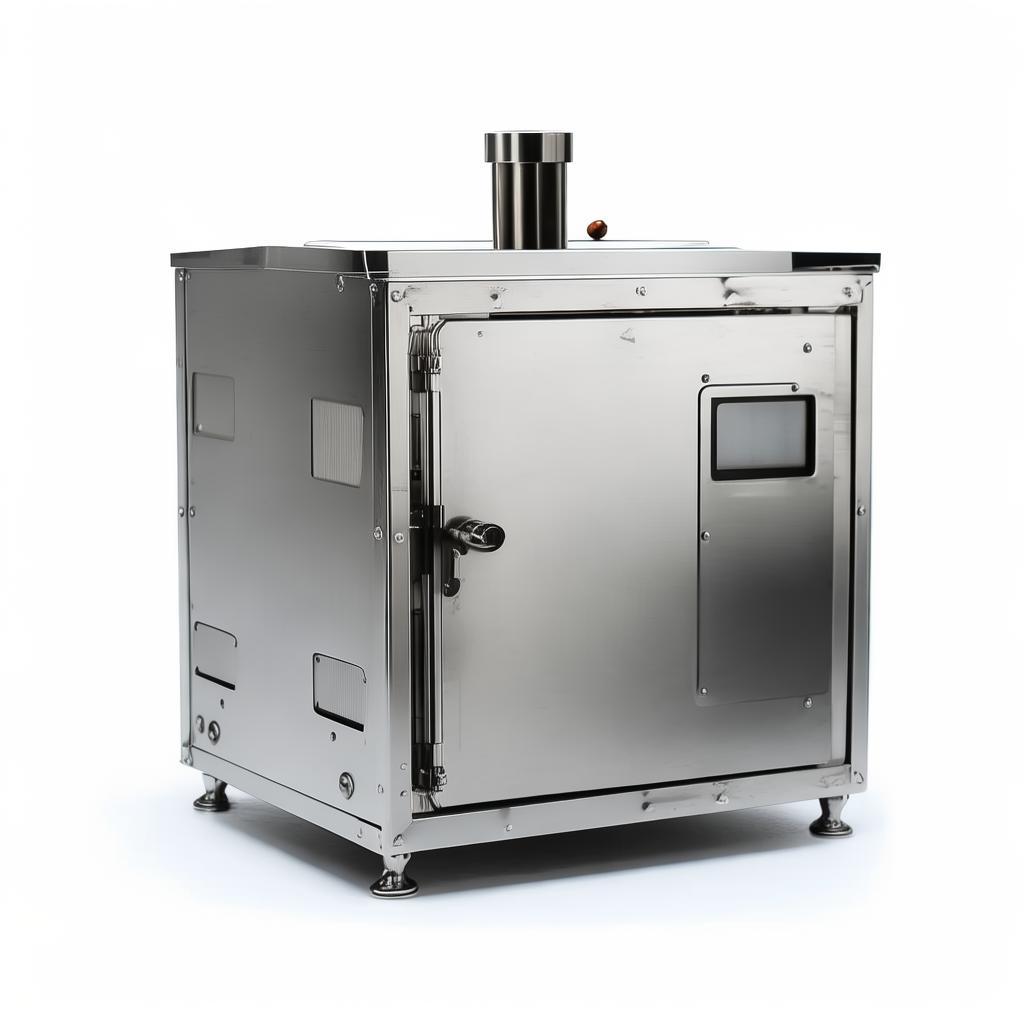
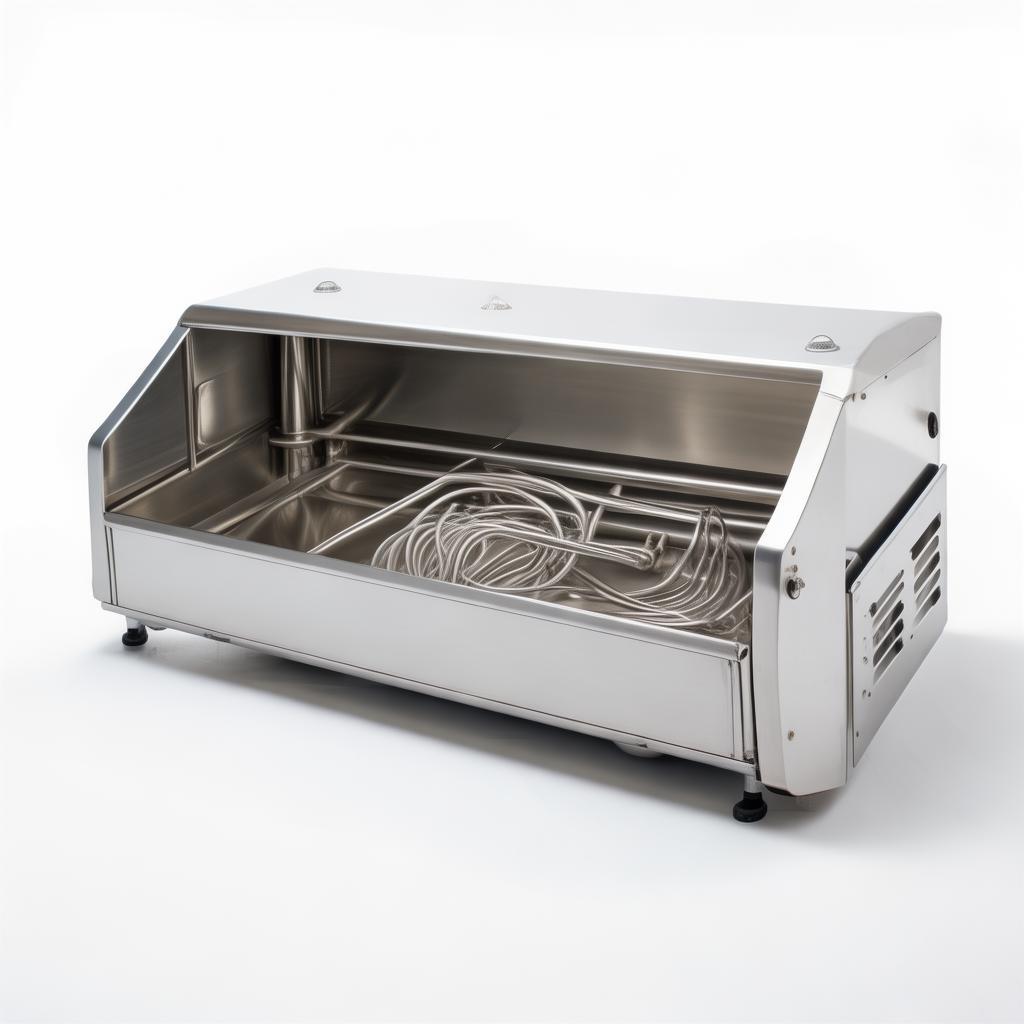
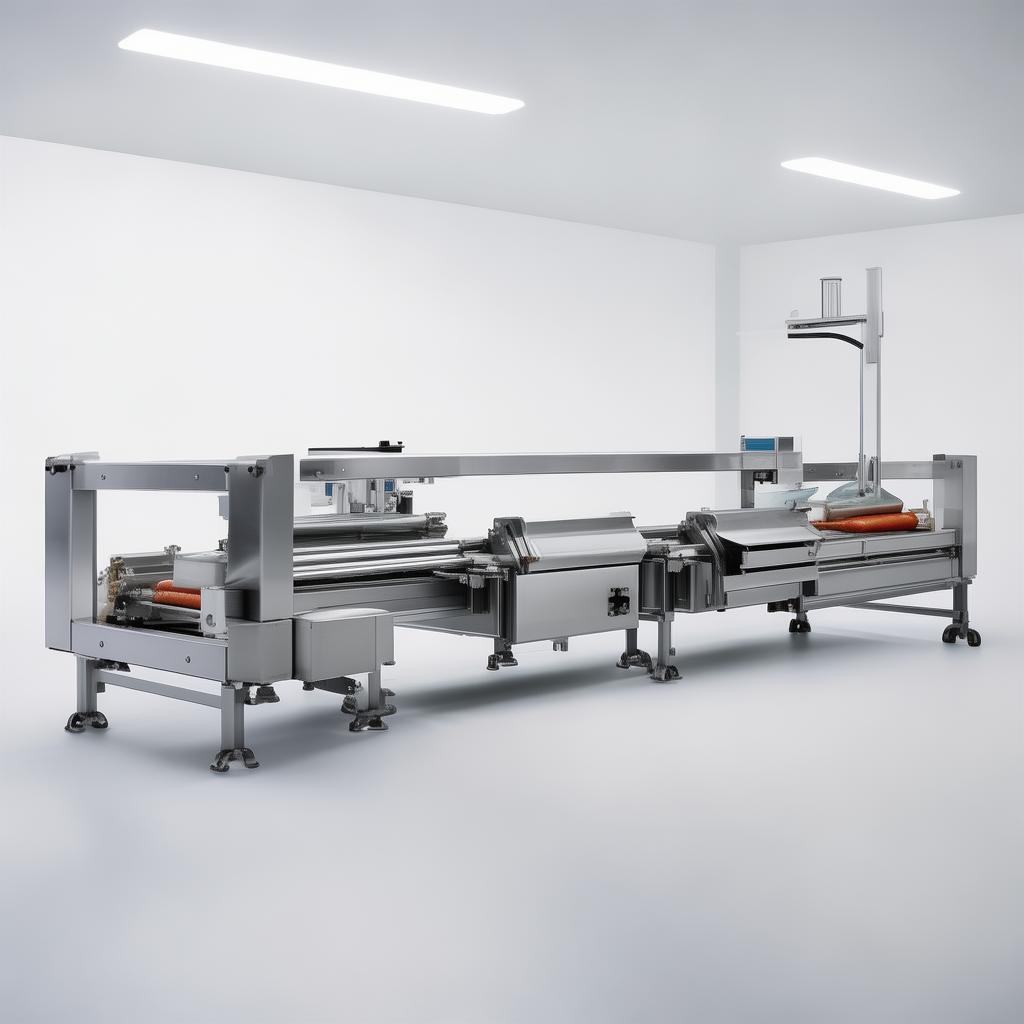
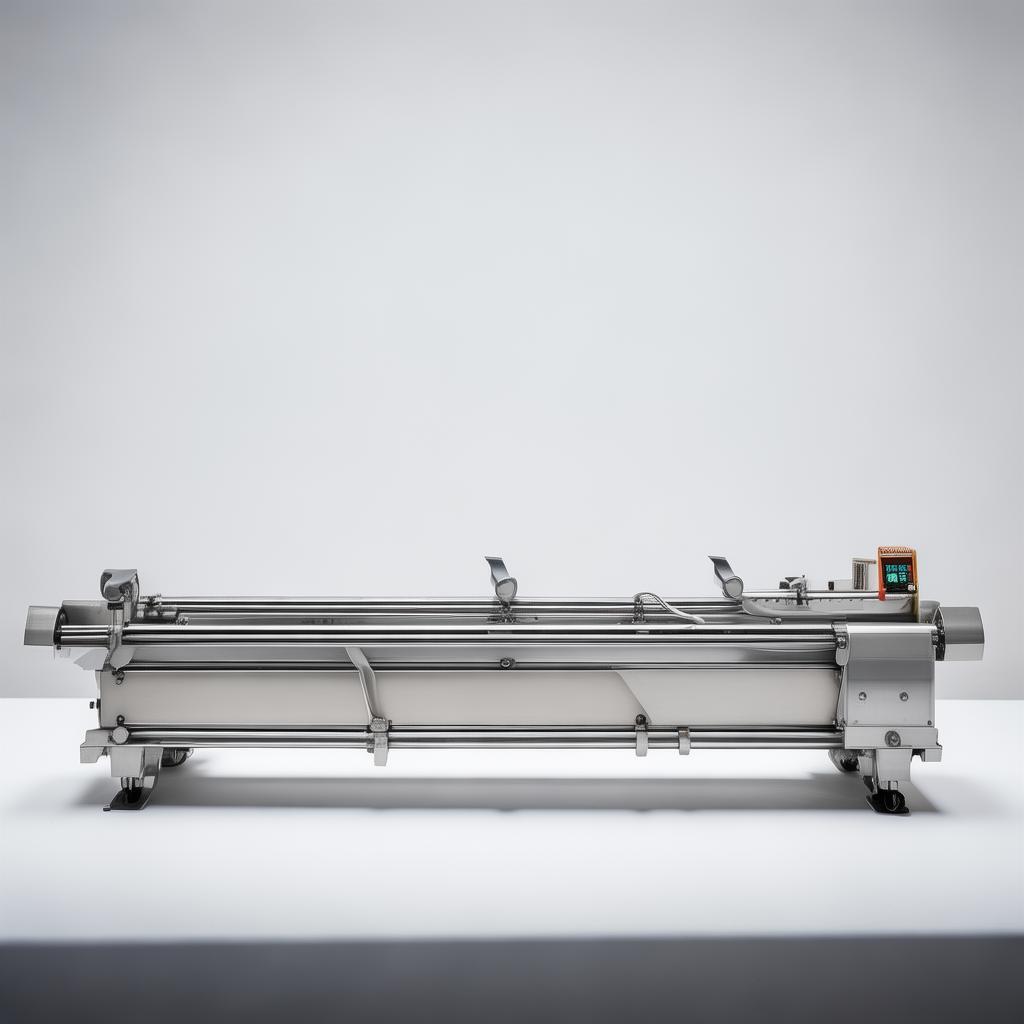
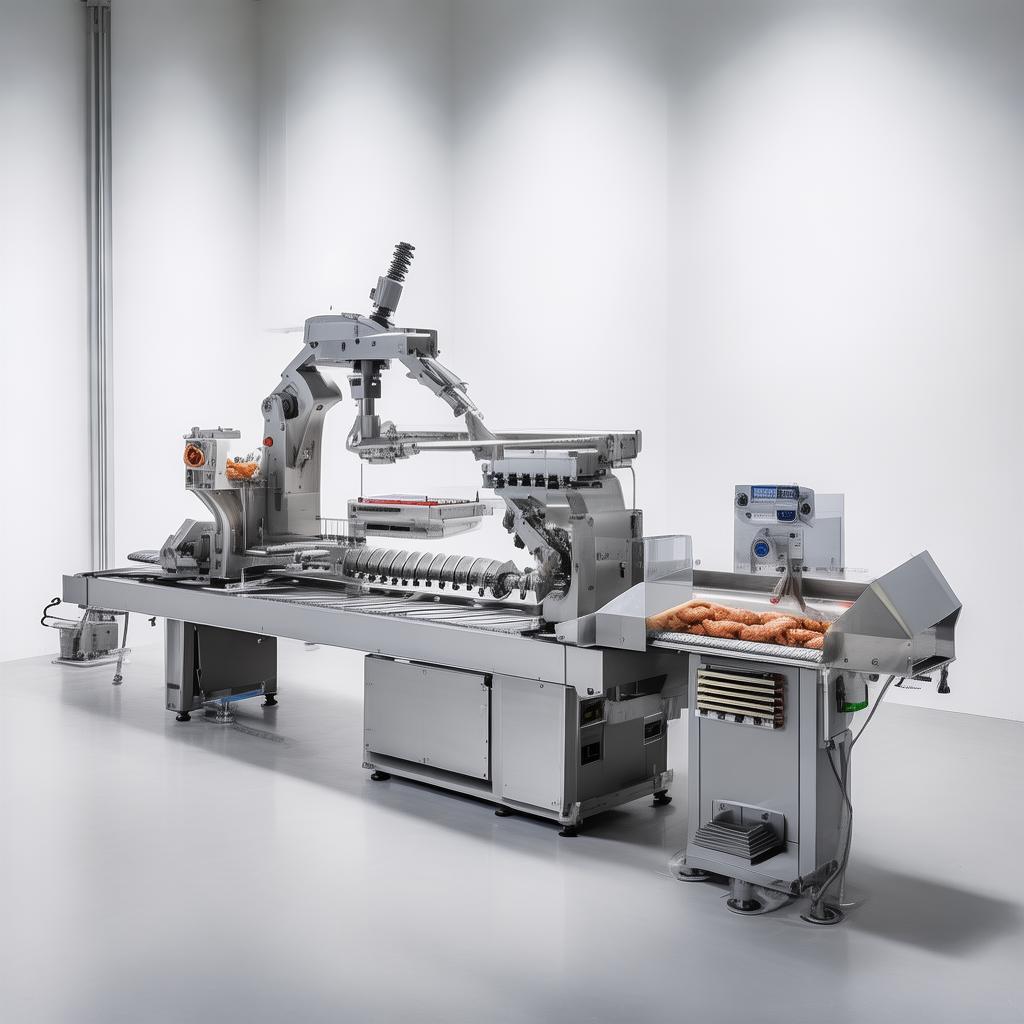
Milk Bottle Filling Machine
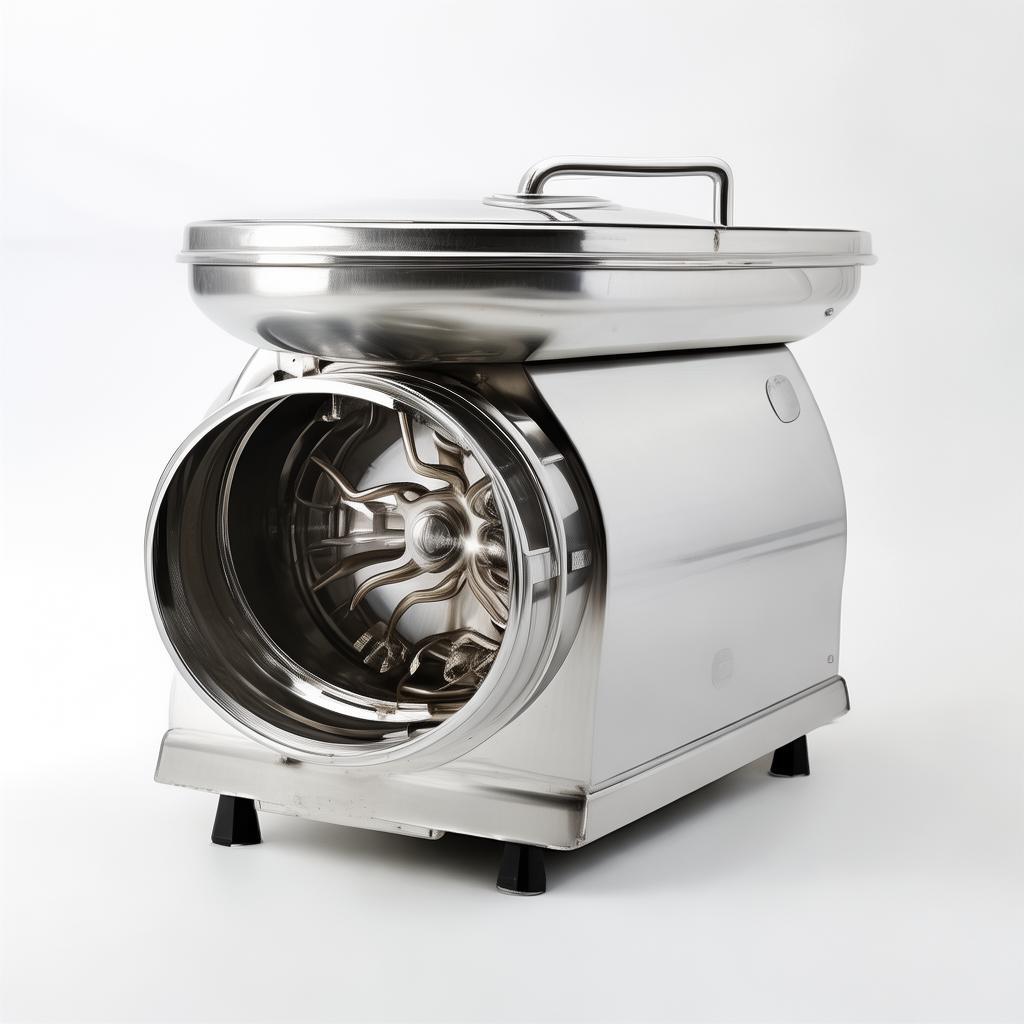
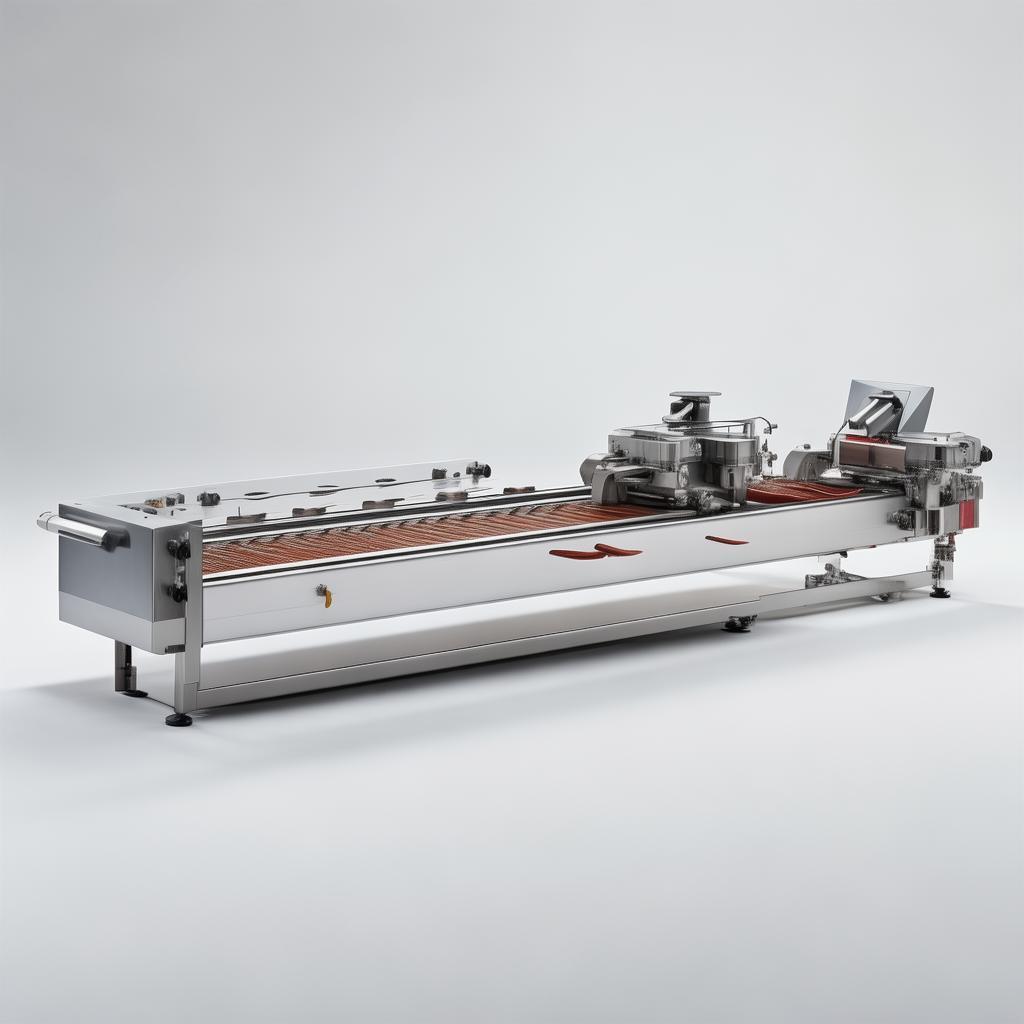
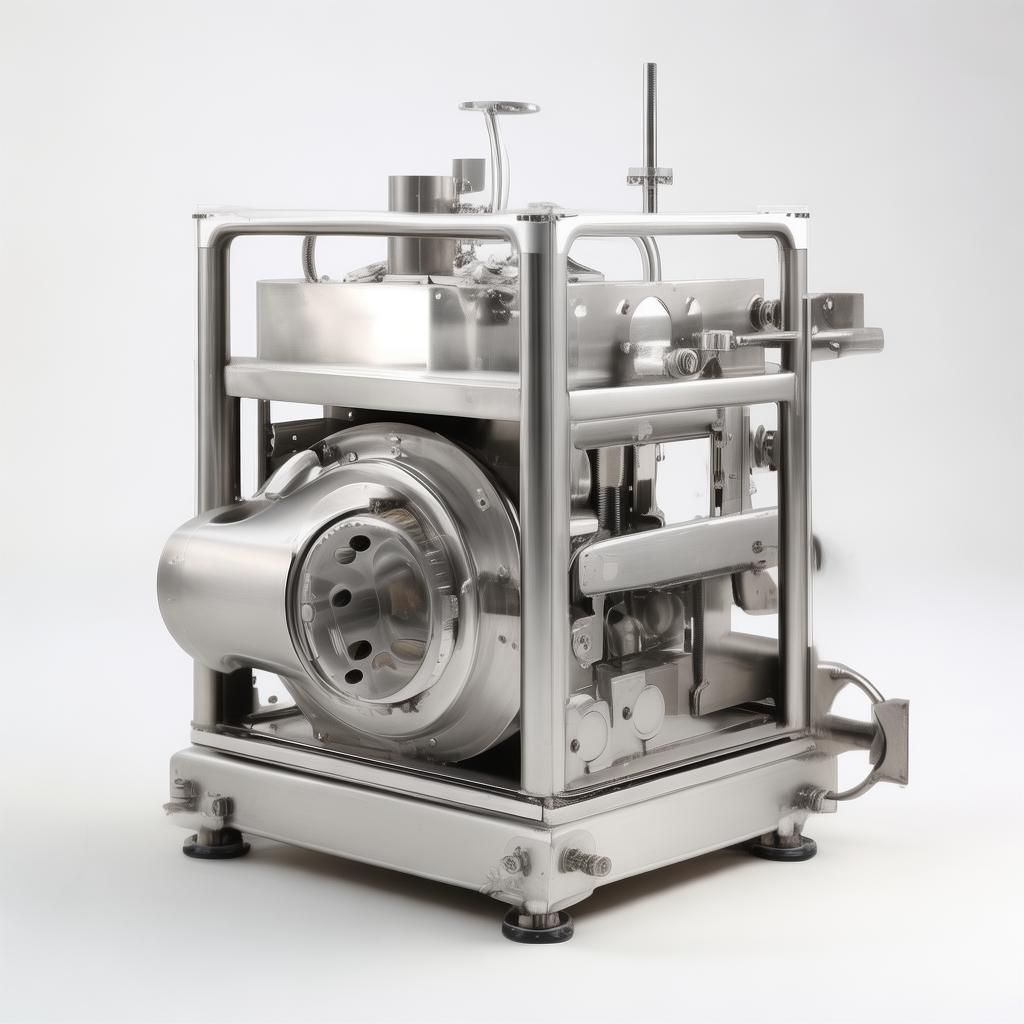
Milk Bottle Filling Machines: Precision, Efficiency, and Reliability for Your Dairy Operations
 By Johnathan Miller, Senior Export Manager
October 26, 2023
Table of Contents
- Understanding the Critical Role of Milk Bottle Filling Machines
- Navigating the Demands of Modern Dairy Production
- Hebei Yuanchang's Advanced Milk Bottle Filling Machines
- Engineered for Excellence: Key Features
- Detailed Technical Specifications
- Versatile Applications for Dairy and Beyond
- OEM/ODM Capabilities: Tailoring Solutions
- Our Manufacturing Prowess: 40 Years of Experience
- Commitment to Quality and Compliance
- What Our Clients Say
- A Buyer's Guide to Selecting the Right Machine
- Installation, Operation, and Maintenance Considerations
- Global Logistics and Shipping
- Frequently Asked Questions
- Ready to Enhance Your Bottling Process?
Understanding the Critical Role of Milk Bottle Filling Machines
In the fast-paced world of dairy processing, efficiency, hygiene, and product integrity are paramount. At the heart of a successful dairy operation lies the ability to package its most valuable product – milk – consistently and safely. This is where a robust and reliable milk bottle filling machine becomes not just an asset, but an indispensable component of your production line. We understand that choosing the right filling equipment is a decision that impacts everything from operational costs and labor efficiency to product shelf-life and brand reputation.
The global meat processing equipment market, a closely related industry that shares many technological parallels in terms of fluid handling and hygienic design, provides context for the importance of precision machinery. Reports indicate this market was valued at over USD 11 billion in 2025 and is projected to reach nearly USD 18 billion by 2034, growing at a CAGR of around 5%. This growth is fueled by rising demand for processed foods, automation for hygiene and efficiency, and strict food safety standards. While our core expertise lies in meat processing, the principles of designing reliable, high-throughput, and sanitary equipment translate directly to the needs of the dairy sector. Think about the complexity of handling liquids: precise volumetric control, minimizing aeration, preventing contamination, and ensuring leak-proof seals. These are challenges that our engineering team has tackled for decades.
A high-quality milk bottle filling machine must perform a series of critical functions seamlessly. It needs to accurately dispense a pre-determined volume of milk into each bottle, regardless of minor variations in bottle size or milk viscosity. It must operate at speeds that match your production targets, often requiring integration with upstream bottle unscramblers and downstream capping or sealing stations. Crucially, the entire filling process must adhere to the highest sanitary standards, preventing any microbial contamination that could compromise the safety and quality of the milk. This means employing food-grade materials, designing for easy cleaning (CIP/SIP compatibility is often a must), and minimizing crevices where bacteria could harbor.
For international buyers, the considerations extend further. Sourcing a reliable supplier involves more than just product specifications. It requires understanding lead times, shipping logistics, import duties, and the availability of after-sales support. When you partner with Hebei Yuanchang, you're not just acquiring a piece of machinery; you're gaining access to a wealth of experience built over 40 years in the industrial equipment sector. We've honed our skills in R&D, production, and sales, developing a deep understanding of the operational realities faced by businesses worldwide. Our in-house machining capabilities, including advanced Japanese Mazak CNC centers, allow us to produce high-precision components that ensure the longevity and performance of our filling machines. This vertical integration means we control quality from raw material to finished product, giving our clients peace of mind.
The search for a "milk bottle filling machine" often stems from a need to scale production, replace outdated or inefficient equipment, or meet new regulatory requirements. It could be an operation moving from manual filling to semi-automatic or fully automatic processes, seeking to reduce labor costs and increase throughput. For some, it's about improving fill accuracy to minimize product giveaway and waste. Others might be looking to handle different bottle formats or types of milk products, necessitating a flexible and adaptable filling solution. Regardless of the specific trigger, the underlying objective is consistent: to streamline operations, ensure product quality, and maintain a competitive edge in a demanding market. We aim to be the partner that helps you achieve these goals with confidence.
Navigating the Demands of Modern Dairy Production
The dairy industry, while traditional in its roots, is constantly evolving. Today's producers face a complex landscape of challenges:
- Stringent Hygiene and Food Safety Standards: Regulations are becoming increasingly rigorous. A lapse in hygiene can lead to costly recalls, damage brand trust, and even pose public health risks. Equipment must be designed for easy sanitation and compliance with international food safety norms.
- Maintaining Product Quality: Milk is a sensitive product. Exposure to air, light, or improper temperature control can degrade its nutritional value and affect its taste and shelf-life. Filling machines must minimize aeration and ensure precise sealing.
- Operational Efficiency and Throughput: With rising consumer demand and competitive pressures, maximizing production output without sacrificing quality is essential. Bottlenecks in filling can severely limit overall plant capacity.
- Labor Costs and Availability: In many regions, finding and retaining skilled labor for production lines is a growing concern. Automation through efficient filling machinery can significantly reduce reliance on manual labor.
- Product Variation and Packaging Flexibility: Dairy processors often handle multiple SKUs, different bottle sizes, and various product types (e.g., whole milk, skim, flavored milk, yogurt drinks). The filling equipment needs to be adaptable.
- Minimizing Product Loss (Giveaway): Overfilling bottles leads to direct product waste and reduced profitability. Precise volumetric control is crucial for cost-effective operations.
The market for meat processing equipment, as highlighted by Fortune Business Insights, shows a trend towards automation for hygiene and efficiency, directly mirroring the needs in dairy. They note filling and stuffing equipment as key segments, a testament to the critical nature of precise volumetric dispensing. Similarly, Grand View Research points to rising consumption of ready-to-eat meats and automation for labor shortages, further emphasizing these parallel trends. Our 40 years of experience have taught us to anticipate and address these very challenges in equipment design and manufacturing.
Consider the delicate nature of milk. Unlike many industrial fluids, it's prone to oxidation and bacterial growth. This means that the choice of filling technology—whether volumetric, gravimetric, or flowmeter-based—and the materials used in its construction (typically stainless steel for food contact surfaces) are not just technical details but critical factors impacting product safety and quality. The milk bottle filling machine must be engineered with these sensitivities in mind, ensuring minimal contact time with atmospheric oxygen and easy, thorough cleaning protocols.
Hebei Yuanchang's Advanced Milk Bottle Filling Machines
At Hebei Yuanchang, we've leveraged our extensive experience in designing and manufacturing high-precision industrial machinery to develop milk bottle filling machines that address these multifaceted industry demands. Our machines are engineered not just for performance, but for the long-term operational success of your dairy business.
We specialize in robust, reliable, and user-friendly filling solutions designed for the specific needs of the dairy sector. Our focus is on delivering machines that offer exceptional accuracy, high throughput, and unparalleled hygienic design. Whether you're filling glass bottles, PET containers, or other specialized formats, our range of filling machines can be tailored to your requirements. We understand that in international trade, consistency is key. Our manufacturing process, backed by over 40 years of expertise and the integration of advanced CNC machining centers, ensures that every machine leaving our facility meets the highest standards of precision and durability.
The core of our offering is a commitment to providing machinery that:
- Ensures Accurate Volumetric Filling: Using advanced volumetric or gravimetric systems, our machines dispense precise amounts of milk, reducing giveaway and optimizing costs.
- Maintains Hygienic Integrity: Constructed with food-grade stainless steel (e.g., SS304, SS316L) and designed for easy cleaning (CIP/SIP compatibility where applicable), our machines minimize contamination risks.
- Offers High Operational Efficiency: Engineered for speed and reliability, our machines integrate seamlessly into your production lines, maximizing throughput.
- Provides Flexibility: Adaptable to various bottle sizes, neck finishes, and production volumes, allowing for changes in your product portfolio.
- Simplifies Operation and Maintenance: Intuitive controls and accessible components reduce training time and simplify routine maintenance.
Drawing parallels from the market insights on meat processing equipment, where Skyquestt reports a CAGR of 5.6% driven by processed meat demand and automation, we see a clear trajectory for dairy. Our machines are built with this foresight, focusing on automation and precision essential for today's market. The IMARC Group also highlights filling and stuffing equipment as critical for forming processes, reinforcing our belief in the importance of precision dispensing technology.
We offer a range of filling technologies, including gravity fillers, piston fillers, and flow meter fillers, each suited for different product viscosities and fill accuracy requirements. For milk, volumetric piston fillers or advanced flow meter systems are often preferred for their accuracy and ability to handle a wide range of viscosities and temperatures. Our engineering team works closely with clients to determine the optimal technology for their specific application, ensuring that the chosen milk bottle filling machine delivers superior performance and value.
Engineered for Excellence: Key Features
Our milk bottle filling machines are packed with features designed for optimal performance, hygiene, and longevity:
- Precision Filling Systems: Utilizing advanced servo-driven piston fillers or high-accuracy electromagnetic flow meters, our machines ensure fill volumes are consistently within tight tolerances (e.g., ±0.5% or better). This minimizes product giveaway, a critical factor in profitability.
- Hygienic Design and Materials: All product contact parts are constructed from food-grade stainless steel (SS304 or SS316L). Smooth finishes, rounded corners, and crevice-free designs prevent microbial buildup and facilitate thorough cleaning. Machines can be configured for CIP (Clean-In-Place) systems.
- Variable Speed Control: Easily adjustable fill speeds allow you to optimize throughput based on your production schedule and bottle handling capabilities. This also helps manage foaming for sensitive products like milk.
- User-Friendly HMI (Human-Machine Interface): An intuitive touchscreen interface allows operators to easily set fill volumes, adjust speeds, monitor machine status, and access diagnostic information. Recipe management for different products and bottle sizes is standard.
- Robust Construction: Built with industrial-grade components and a heavy-duty stainless steel frame, our machines are designed for continuous operation in demanding environments, ensuring a long service life.
- Automated Operation: The machines are designed for integration into automated production lines, typically featuring automatic bottle indexing, filling, and bottle-out transfer.
- Foam Reduction Nozzles: Specialized filling nozzles can be employed to minimize foaming during the filling process, crucial for maintaining milk quality and preventing overflow.
- Easy Changeover: Designed for quick and efficient product or bottle size changeovers with minimal tooling requirements, maximizing line uptime.
When evaluating equipment, it's important to look beyond the base price and consider the total cost of ownership. Features like easy cleaning, minimal product giveaway, and robust construction contribute significantly to long-term ROI. For instance, Market Research Future highlights automation and food safety requirements driving investment in filling technologies. Our machines are built to meet these exact drivers.
We also offer optional features such as integrated capping machines, conveyor systems, and bottle washing units, allowing us to provide a more complete bottling solution tailored to your specific needs.
Detailed Technical Specifications
Below are typical specifications for our standard milk bottle filling machine models. Specific configurations can be tailored based on your application requirements.
| Parameter | Model YC-FB750 | Model YC-FB1500 | Model YC-FB3000 |
|---|---|---|---|
| Filling Capacity (Bottles/Min) | 30-60 | 60-120 | 120-240 |
| Fill Volume Range | 100ml - 1000ml | 100ml - 1000ml | 100ml - 1000ml |
| Fill Accuracy | ± 0.5% | ± 0.5% | ± 0.5% |
| Bottle Size (Diameter x Height) | 30-90mm x 60-200mm | 30-90mm x 60-250mm | 30-90mm x 60-300mm |
| Power Supply | 220V/380V, 50/60Hz (Customizable) | 220V/380V, 50/60Hz (Customizable) | 220V/380V, 50/60Hz (Customizable) |
| Main Material | Food Grade Stainless Steel (SS304/SS316L) | Food Grade Stainless Steel (SS304/SS316L) | Food Grade Stainless Steel (SS304/SS316L) |
| Control System | PLC with Touchscreen HMI | PLC with Touchscreen HMI | PLC with Touchscreen HMI |
| Machine Dimensions (L x W x H) | Approx. 1.5m x 1.0m x 2.0m | Approx. 2.0m x 1.2m x 2.2m | Approx. 2.5m x 1.4m x 2.4m |
| Weight | Approx. 300 kg | Approx. 500 kg | Approx. 750 kg |
manual bottle bottle filling machine plastic bottle filling machine automated bottle filling machine
Note: Specifications are subject to change without notice. Please consult our sales team for the most up-to-date information and customization options.
When considering technical specifications, it's essential to match them against your specific operational needs. Factors like the required production volume (bottles per minute), the range of bottle sizes you handle, and the desired fill accuracy directly influence the model selection. For instance, if your production is scaling rapidly, investing in a higher-capacity machine now can prevent costly upgrades later.
Versatile Applications for Dairy and Beyond
While optimized for milk, our filling machines are versatile and can be adapted for a variety of liquid and semi-liquid products:
- Dairy Products: Fresh milk, pasteurized milk, UHT milk, flavored milk, cream, buttermilk, kefir.
- Beverages: Juices, plant-based milks (soy, almond, oat), teas, functional beverages.
- Other Food Liquids: Certain sauces, liquid eggs, edible oils (with appropriate adjustments).
The Precedence Research report on the processed meat market notes the increasing reliance on molding and filling equipment for value-added products. This trend toward value-added and convenience foods is a global phenomenon that extends to the beverage and dairy sectors, increasing the demand for flexible and precise filling solutions.
Our engineering team can discuss specific product characteristics like viscosity, temperature, and foaming tendencies to ensure the selected filling machine is perfectly suited for your intended application. This consultative approach is what sets us apart, ensuring you receive a solution that performs optimally for years to come.
OEM/ODM Capabilities: Tailoring Solutions
At Hebei Yuanchang, we understand that 'one size fits all' rarely applies in industrial manufacturing. That's why we offer comprehensive OEM (Original Equipment Manufacturer) and ODM (Original Design Manufacturer) services. Whether you need to brand our existing filling machines with your company logo or require a completely custom-designed solution to meet unique production challenges, our experienced engineering and production teams are ready to collaborate.
Our 40 years of experience mean we've encountered and solved a vast array of manufacturing and design problems. This deep well of knowledge allows us to:
- Modify existing designs: We can adapt our standard milk bottle filling machine models to incorporate specific features, different material requirements, or unique control systems based on your project needs.
- Develop custom machinery: For highly specialized applications, we can design and manufacture entirely new filling machines from the ground up, leveraging our expertise in mechanical engineering, automation, and process optimization.
- Integrate with your systems: We can ensure our machines integrate seamlessly with your existing production lines, control platforms, and plant infrastructure.
Our advanced machining capabilities, including Japanese Mazak CNC centers, are crucial for producing the high-precision, non-standard components often required for custom projects. This allows us to maintain tight quality control throughout the entire manufacturing process, ensuring that your OEM/ODM equipment meets the same rigorous standards as our standard product line.
Partnering with us for OEM/ODM projects means you benefit from our established manufacturing expertise, robust supply chain, and commitment to quality, all while bringing your unique product vision to life. Let's discuss how we can engineer a bespoke filling solution for your business.
Our Manufacturing Prowess: 40 Years of Experience
Hebei Yuanchang Food Mechanism & Technology Co., Ltd. isn't just a supplier; we are a seasoned manufacturer with a legacy of excellence dating back to 1986. Over four decades, we have cultivated an unparalleled depth of practical knowledge in R&D, production, and sales of specialized industrial equipment. Our commitment to quality is deeply embedded in our operational philosophy.
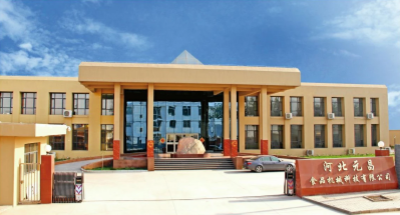
Our sprawling facility covers approximately 14,000 square meters and is staffed by a dedicated team of 80-100 skilled professionals. We pride ourselves on our comprehensive in-house machining workshop, equipped with over 20 sets of advanced processing machinery. This includes precision lathes, milling machines, high-precision grinding machines, boring machines, plate shears, bending machines, and wire cutting equipment.
A significant milestone was our investment in 8 sets of Japanese Mazak CNC machining centers in 2012. This technological leap empowers us to manufacture high-standard components with exceptional precision, catering to large volumes and non-standard specifications that many competitors cannot match. This capability is vital for producing the intricate parts required for high-performance filling machines, ensuring longevity and accuracy.
Furthermore, our traceable after-sales management system ensures that every component we produce is accounted for. This vertical integration, allowing us to independently produce high-precision parts, translates directly into worry-free after-sales service and support for our global clientele. When you choose Hebei Yuanchang, you are partnering with a factory that controls quality every step of the way.
The global meat processing equipment market's growth, cited by Global Market Insights, is driven by automation and infrastructure investments. Our own infrastructure, with its advanced CNC capabilities, positions us at the forefront of this trend, enabling us to deliver the sophisticated machinery demanded by modern production facilities worldwide.
Commitment to Quality and Compliance
Quality assurance and compliance are not afterthoughts at Hebei Yuanchang; they are foundational to our manufacturing process. We understand that for international buyers, certifications are critical indicators of quality, safety, and reliability. While our primary focus is on robust mechanical engineering, we ensure our machines are built to meet the highest industry expectations.
Our manufacturing processes adhere to international standards, and we can provide machines configured to meet various regional compliance requirements. For food processing equipment, key considerations often include:
- Material Compliance: We exclusively use food-grade stainless steel (SS304/SS316L) for all product contact parts, meeting standards such as those set by the FDA.
- Electrical Safety: Components are sourced from reputable suppliers and machines are wired to comply with international electrical safety standards relevant to the destination market. We can often provide CE marking documentation upon request for European market compliance.
- Hygienic Design Standards: Our machines are designed following principles that align with EHEDG (European Hygienic Engineering & Design Group) guidelines, focusing on cleanability and prevention of microbial contamination.

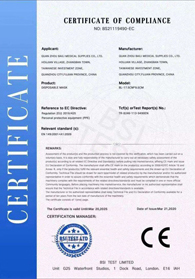

We are an ISO 9001 certified company, underscoring our commitment to a systematic approach to quality management throughout our operations, from design and procurement to manufacturing and customer service. This certification is a testament to our dedication to delivering consistent quality and continuous improvement.
For specific project requirements, please discuss your target market's compliance needs with our sales team. We are committed to working with you to ensure the equipment meets all necessary regulatory and quality standards.
What Our Clients Say
We believe the best testament to our equipment's quality and our company's reliability comes from our satisfied customers. Here's what some of our international clients have shared:

AgroLeche Corp, Mexico
"The YC-FB750 filling machine we received from Hebei Yuanchang has significantly improved our bottling line efficiency. Accuracy is superb, and the hygienic design makes our daily clean-downs much faster. Their export team was very professional, guiding us through the entire process from inquiry to delivery."

Golden Dairy Products, Singapore
"We were looking for a reliable supplier for our expansion project. Hebei Yuanchang's reputation and their willingness to customize the filling machine to our specific bottle size and output needs were impressive. The machine arrived on schedule and has been running flawlessly since installation. A truly solid investment."

Al-Fajr Dairy, UAE
"The precision of the YC-FB1500 is remarkable. Our product giveaway has decreased, and the consistent fill levels have improved our consumer perception. The support we received during the setup phase was excellent. We are considering them for our next capping machine purchase."
We have many more success stories and can provide references upon request for specific markets.
A Buyer's Guide to Selecting the Right Machine
Choosing a milk bottle filling machine is a significant capital investment. Here’s a structured approach to ensure you select the optimal equipment for your operation:
- Define Your Production Needs:
- What is your current and projected daily/hourly output requirement?
- What bottle sizes, shapes, and materials (glass, PET, HDPE) will you be filling?
- What types of dairy products will you be filling (e.g., fresh milk, cream, yogurt drinks)? Consider viscosity and foaming characteristics.
- Identify Key Technical Requirements:
- Desired fill accuracy (% variation)?
- Need for specific filling technology (volumetric piston, flow meter, gravity)?
- Hygiene requirements (CIP/SIP capability, specific material grades)?
- Integration needs with existing capping, labeling, or packaging machinery?
- Evaluate Supplier Capabilities:
- Manufacturer's experience and track record (40 years, like Hebei Yuanchang, is a strong indicator).
- Quality of materials and construction (e.g., stainless steel grades).
- Availability of certifications relevant to your market (ISO, CE).
- OEM/ODM capabilities for customization.
- After-sales support, spare parts availability, and service response times.
- Consider the Total Cost of Ownership (TCO):
- Initial purchase price.
- Installation and commissioning costs.
- Operational costs (energy consumption, consumables).
- Maintenance and spare parts costs.
- Potential cost savings from reduced product giveaway and increased efficiency.
- Request Detailed Quotes and Documentation:
- Ensure quotes clearly detail all included features, options, and warranties.
- Request technical drawings, operation manuals, and maintenance guides.
The Market Data Forecast report on meat processing equipment mentions a focus on pretreatment and auxiliary filling systems. This highlights the importance of considering the entire workflow, not just the filling step. Our aim is to provide a filling machine that integrates perfectly into your overall process.
By following these steps, you can make an informed decision that ensures your investment in a milk bottle filling machine delivers long-term value and operational excellence.
Installation, Operation, and Maintenance Considerations
Proper installation, diligent operation, and a consistent maintenance schedule are crucial for maximizing the lifespan and performance of your milk bottle filling machine. At Hebei Yuanchang, we provide comprehensive documentation and support to ensure you get the most out of your equipment.
Installation:
Our machines are designed for relative ease of installation, but it's essential to follow best practices:
- Site Preparation: Ensure a clean, level, and stable floor surface. Provide adequate space around the machine for operation, cleaning, and maintenance.
- Utilities: Verify that power supply, compressed air (if applicable), and any water connections meet the machine's specifications.
- Integration: Coordinate with upstream and downstream equipment (e.g., bottle unscramblers, cappers, conveyors) for smooth product flow.
- Professional Assistance: While many clients handle installation with their internal technical teams, we offer optional on-site commissioning and training services for a nominal fee.
Operation:
User-friendly controls simplify operation, but operators should be trained on:
- Pre-operation Checks: Verifying machine readiness, checking lubricant levels, and ensuring all safety guards are in place.
- Setting Parameters: Accurately inputting fill volumes, speeds, and other settings via the HMI.
- Monitoring Performance: Regularly observing fill accuracy, bottle handling, and any unusual noises or vibrations.
- Daily Cleaning: Performing essential cleaning procedures at the end of each shift, adhering to HACCP principles.
Maintenance:
Regular preventative maintenance is key to avoiding costly breakdowns:
- Lubrication: Following the recommended lubrication schedule for all moving parts.
- Component Checks: Inspecting seals, belts, bearings, and electrical connections for wear or damage.
- Sanitation System Maintenance: Ensuring CIP systems are functioning optimally and all parts are thoroughly cleaned and sanitized.
- Spare Parts: Keeping essential spare parts on hand to minimize downtime during unexpected failures. We maintain a stock of critical components for rapid global shipment.
Consider the Yahoo Finance report mentioning automation for labor shortages. While automation reduces manual labor in operation, it doesn't eliminate the need for skilled technicians for maintenance. Investing in training and preventative care ensures your automated equipment continues to deliver its promised efficiency.
Always refer to the operation and maintenance manual provided with your machine for detailed instructions and recommended service intervals. Our technical support team is available to answer any questions you may have.
Global Logistics and Shipping
As an experienced international exporter, Hebei Yuanchang understands the complexities of global logistics. We are adept at ensuring your milk bottle filling machine reaches its destination securely and efficiently.
Our standard packaging procedures include:
- Robust Crating: Machines are typically mounted on a sturdy steel frame and encased in durable wooden crates, often with internal bracing to prevent movement during transit. Materials are treated to comply with international phytosanitary regulations (e.g., ISPM 15).
- Protective Wrapping: Machines are wrapped in protective plastic sheeting to guard against moisture and dust. Critical components may receive additional specialized protection.
- Container Loading: We carefully plan container loading to maximize space utilization while ensuring stability and preventing damage. Our team has extensive experience with standard 20-foot and 40-foot containers.
We work with reliable freight forwarders and can arrange shipping via sea freight or air freight, depending on your urgency and budget. Common shipping terms (FOB, CIF, CFR) are standard, and we can provide all necessary export documentation, including:
- Commercial Invoice
- Packing List
- Bill of Lading
- Certificate of Origin
- Inspection Certificate (if required)
We advise clients to research their country's import regulations, customs duties, and any specific requirements for machinery importation. Our team is always ready to provide any documentation or information needed to facilitate a smooth customs clearance process.
The efficiency of logistics, like efficient production, is a key factor in the overall success of a business. We aim to make the shipping process as transparent and hassle-free as possible for our international partners.
Frequently Asked Questions
1. What is the typical lead time for a milk bottle filling machine?
Lead times can vary depending on the complexity of the model and current production schedules. Generally, standard models can range from 30 to 90 days from order confirmation to shipment. Custom or OEM/ODM projects may require longer lead times. Please inquire for a specific estimate.
2. What warranty do you offer?
We offer a standard 12-month warranty on all our new machinery from the date of shipment, covering manufacturing defects. Wearable parts are typically excluded. Extended warranty options may be available.
3. How can I get spare parts after the warranty period?
We maintain a comprehensive inventory of spare parts. You can contact our after-sales service department directly with your machine's model and serial number, and we will arrange for prompt shipment worldwide.
4. Do you provide installation and training services?
Yes, we offer optional on-site installation, commissioning, and operator/maintenance training services. These services are typically charged separately and are highly recommended for complex installations or new operators.
5. Can your machines handle different bottle sizes and types?
Our machines are designed with flexibility in mind. Many models can accommodate a range of bottle sizes and types with simple adjustments or the replacement of specific parts. We will confirm the exact range for the model you are interested in.
6. What is the typical maintenance schedule?
Daily cleaning is required. Depending on the model and usage, more in-depth maintenance checks, lubrication, and part inspections are recommended weekly, monthly, or quarterly, as detailed in the operation manual.
Ready to Enhance Your Bottling Process?
Discover how Hebei Yuanchang's precision-engineered milk bottle filling machines can optimize your dairy operations. Get expert advice, tailored solutions, and competitive factory pricing.
Or contact us directly:
Phone: +86 15830991513
E-mail: ycmeatmech@gmail.com
Address: Shijiazhuang, Hebei Province, China
© 2023 Hebei Yuanchang Food Mechanism & Technology Co., Ltd. All rights reserved.