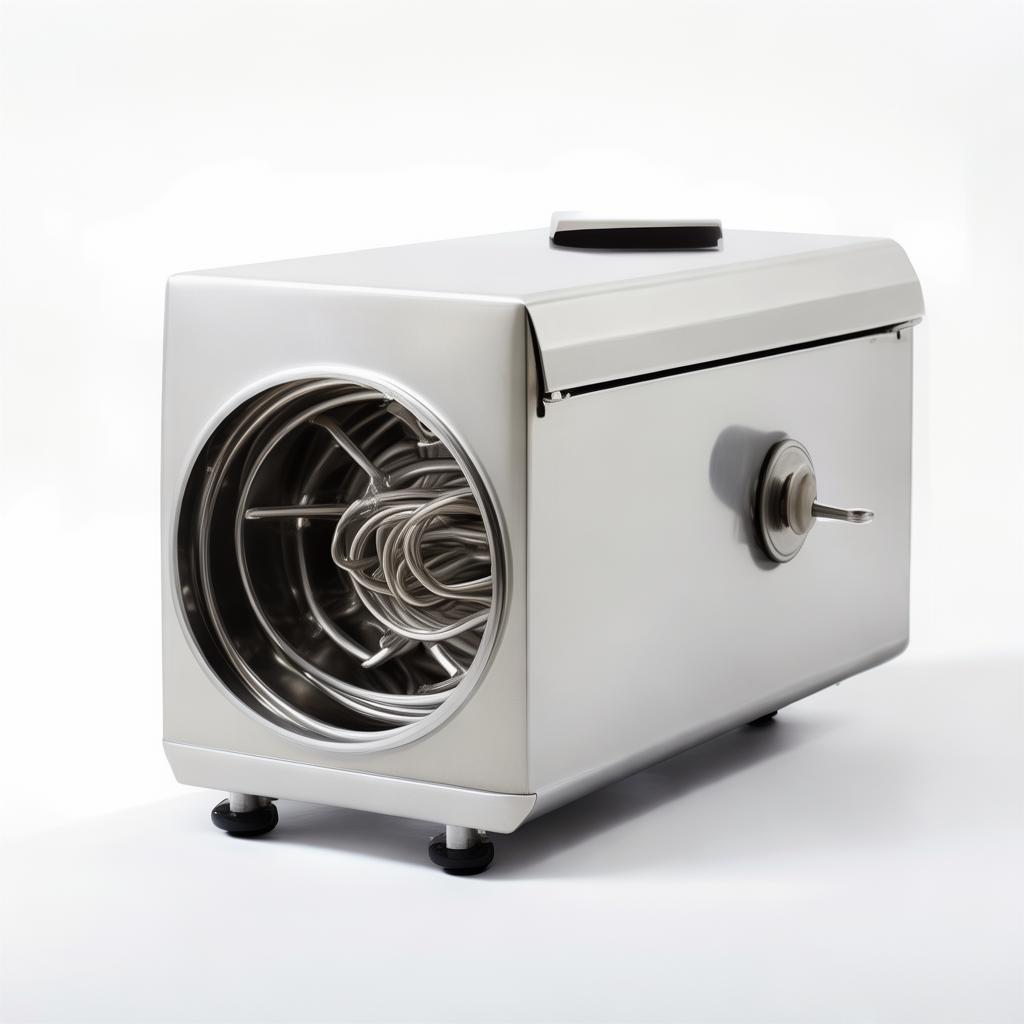
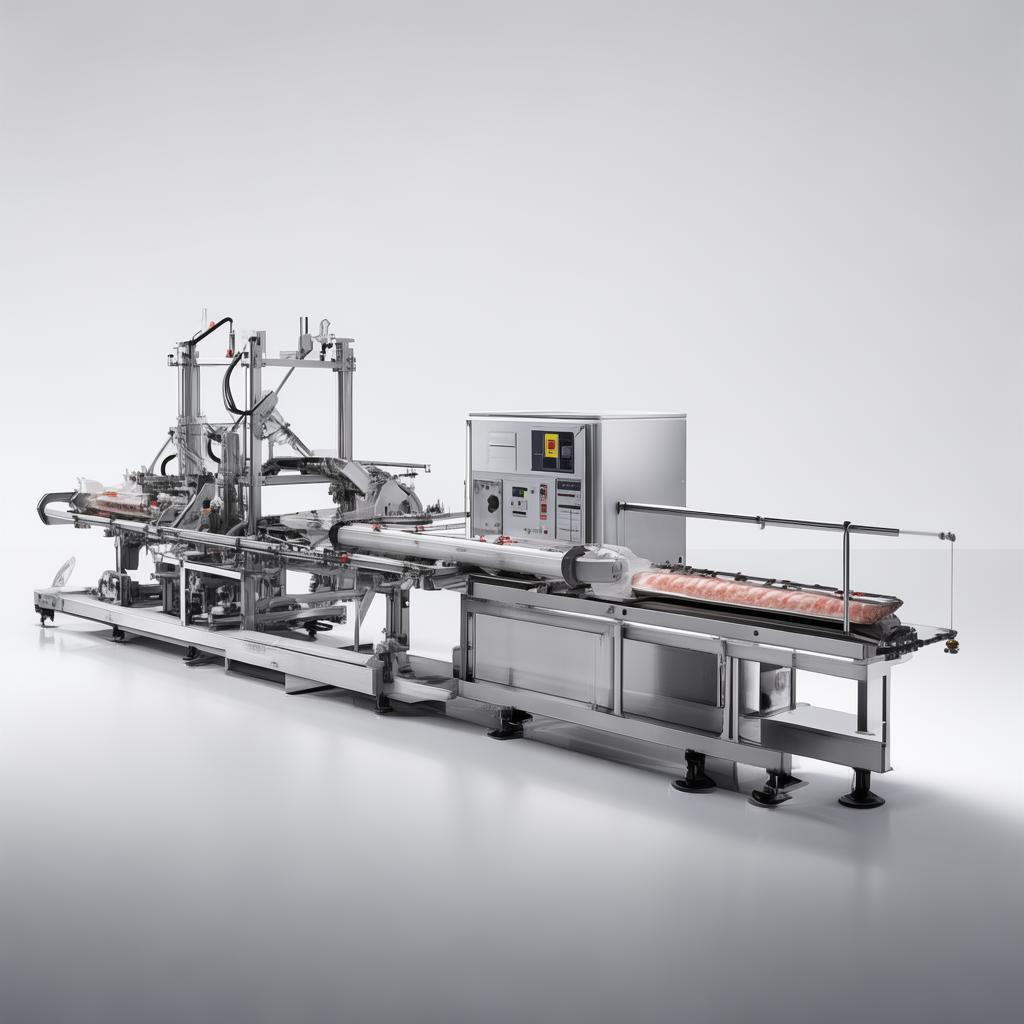
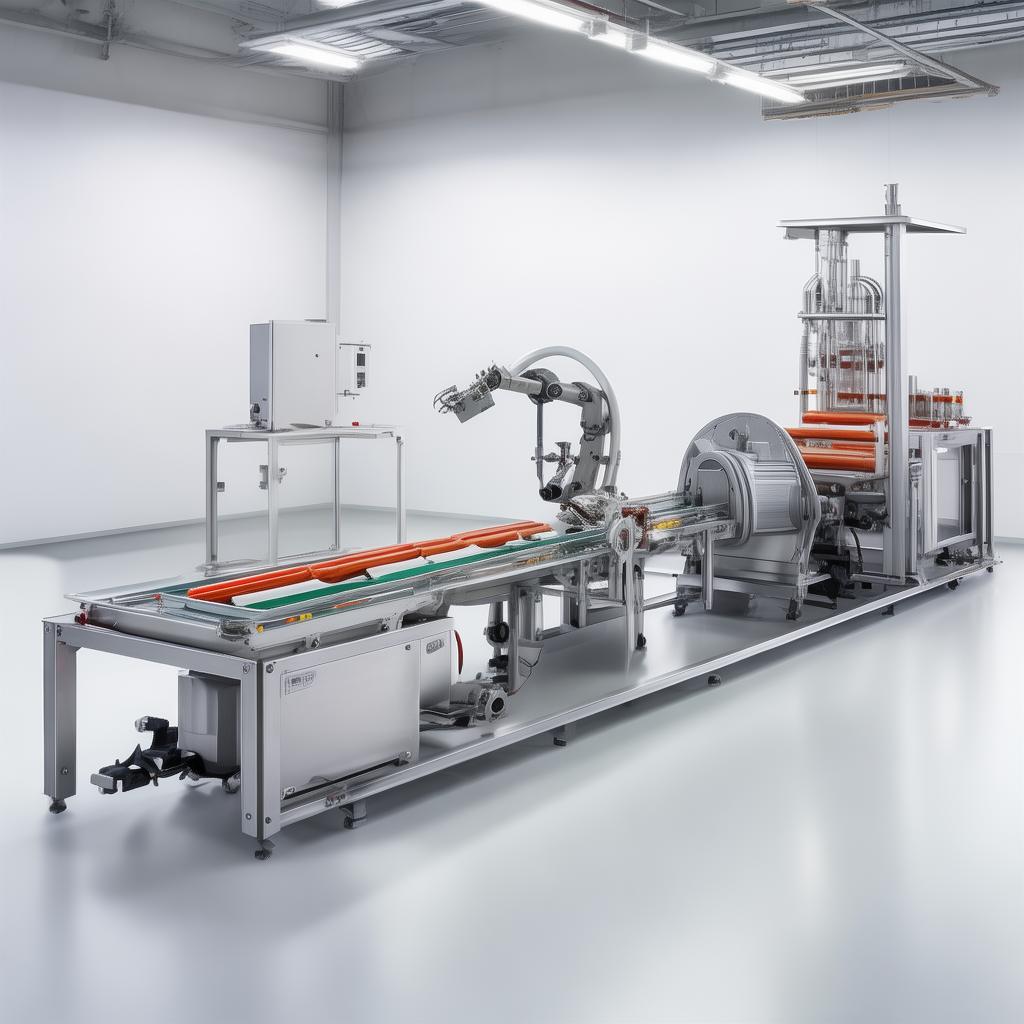
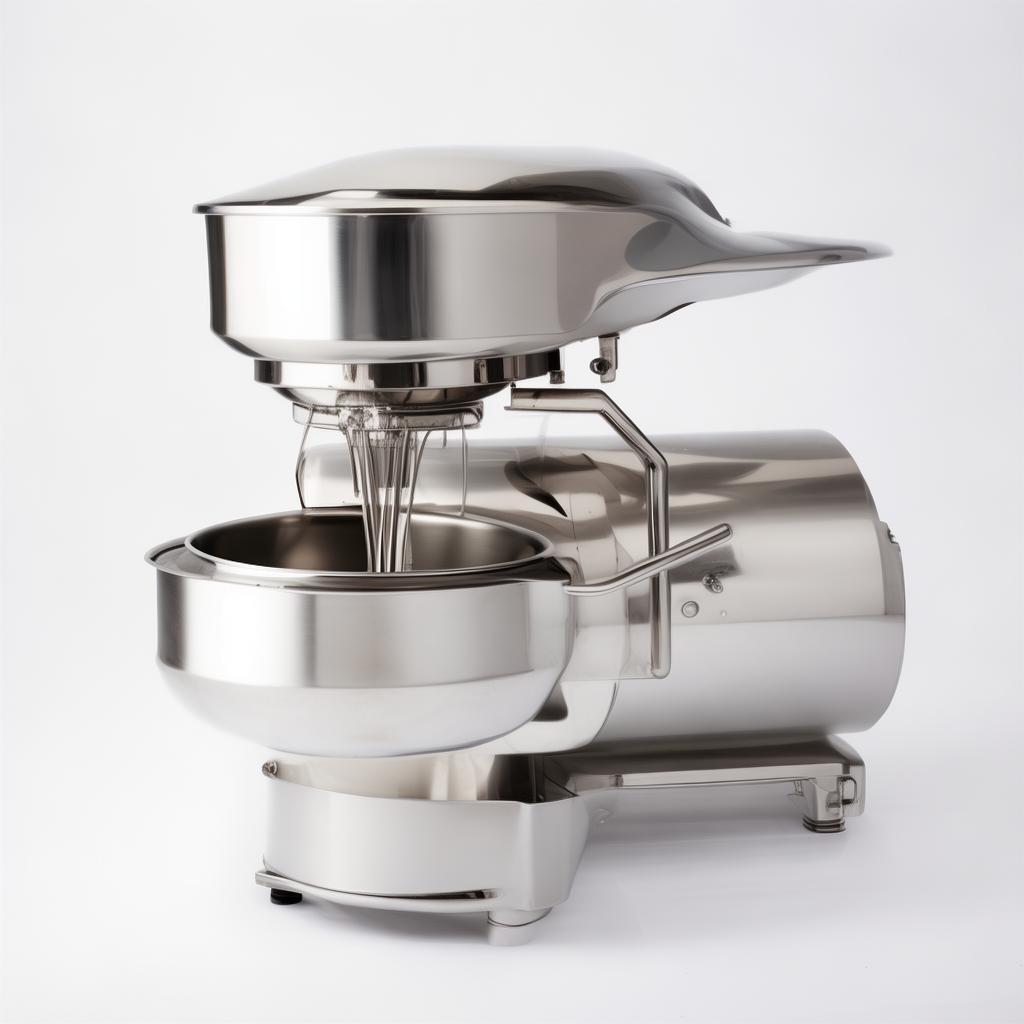
Semi Auto Filling Machine
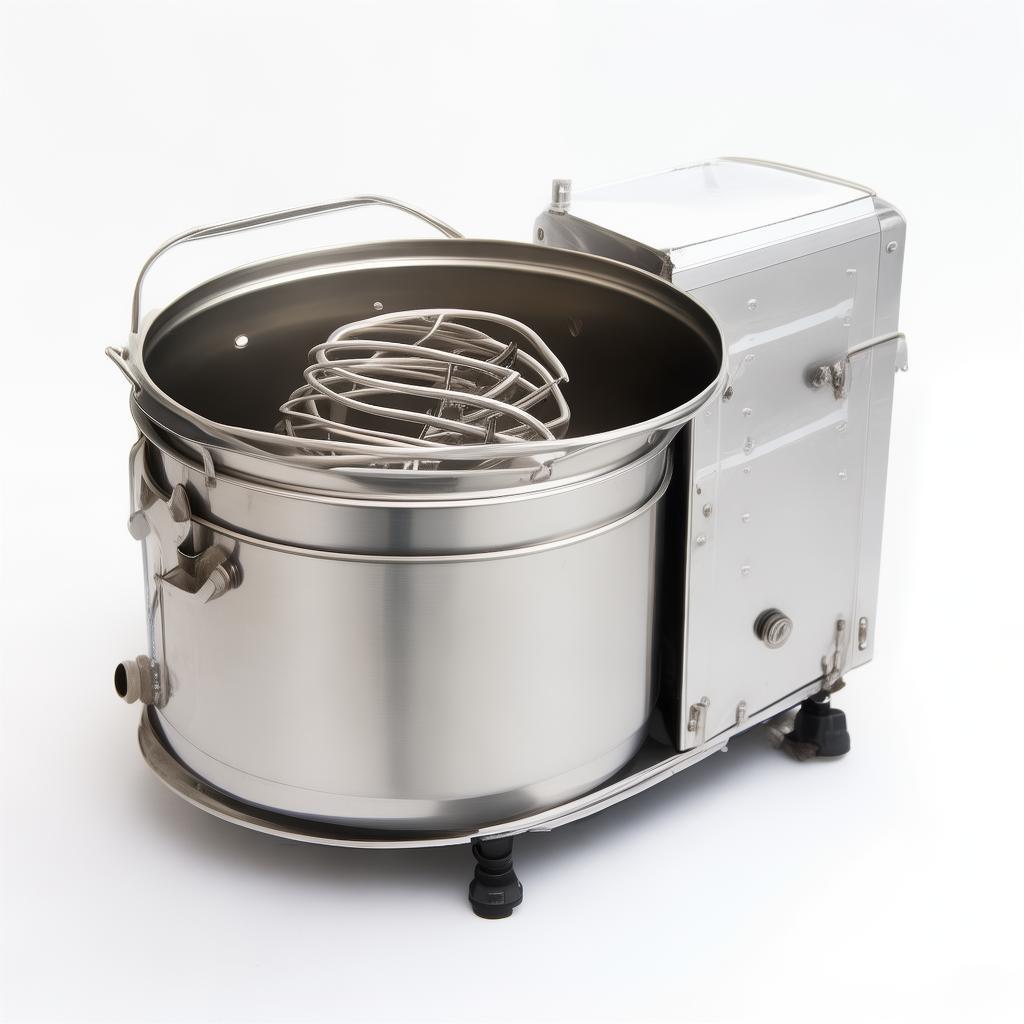
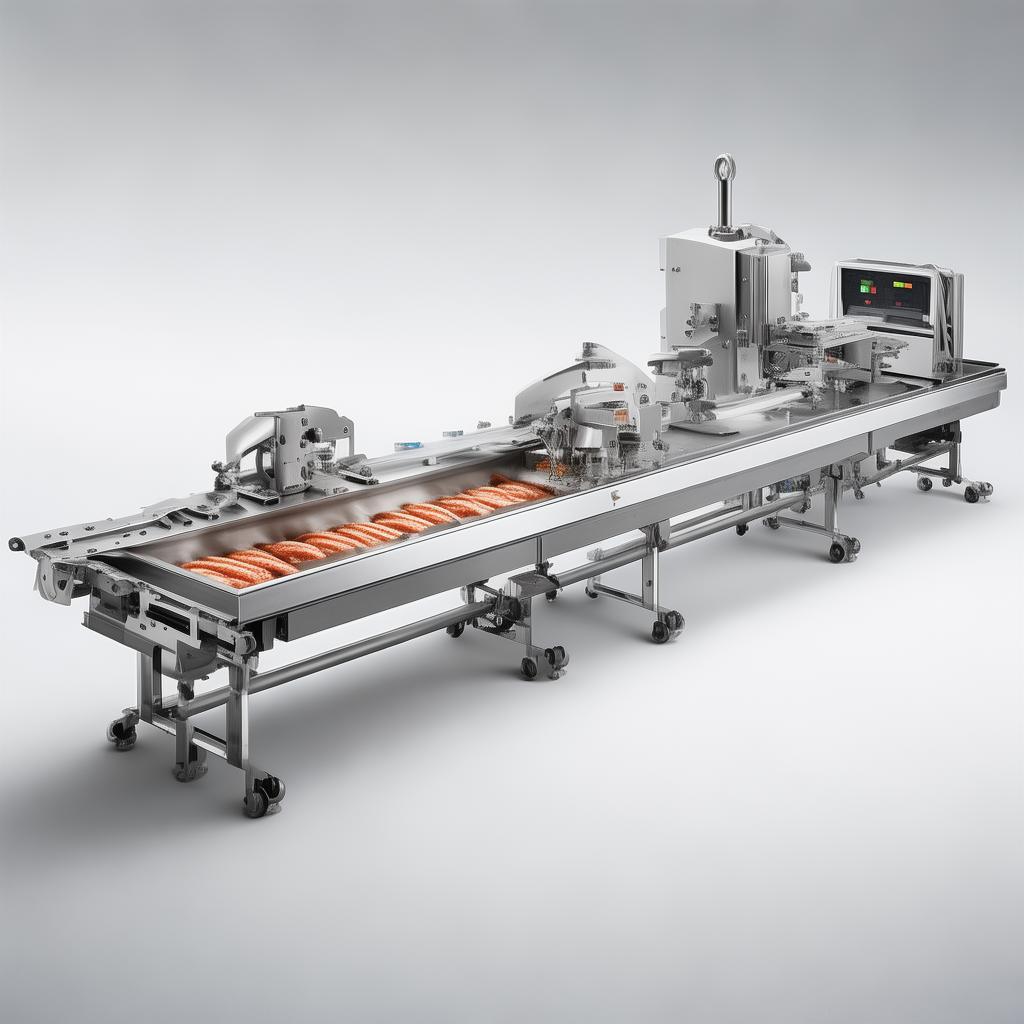
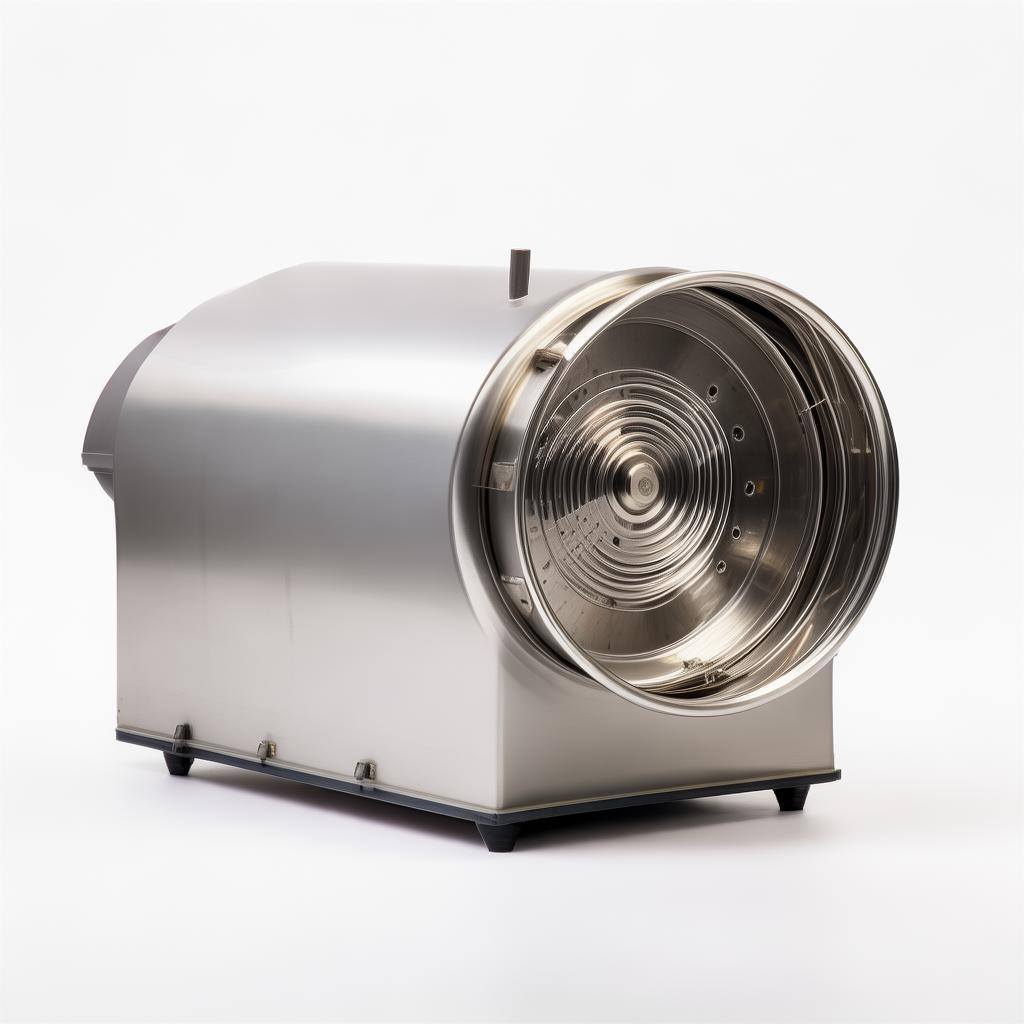
Semi-Automatic Filling Machines: Precision, Efficiency, and ROI for Your Meat Processing Line
 By Johnathan Reed, Senior Export Manager at Hebei Yuanchang Food Mechanism & Technology Co., Ltd.
Updated: October 26, 2023
In the intricate world of meat processing, achieving consistent product quality, maintaining high throughput, and adhering to stringent food safety standards are paramount. For many businesses, especially those navigating the complexities of international trade and looking for cost-effective yet robust solutions, the semi-automatic filling machine represents a critical piece of equipment. It’s the workhorse that bridges the gap between manual labor and full-scale automation, offering a sensible balance of operational control, output capacity, and investment. Our focus at Hebei Yuanchang Food Mechanism & Technology Co., Ltd. is on delivering these very solutions – machinery that not only performs but performs reliably, day in and day out, contributing directly to your bottom line.
The global meat processing equipment market is dynamic, projected to reach significant figures. For instance, reports indicate the market was valued around USD 11-15 billion in recent years and is expected to grow substantially, with projections nearing USD 17-30 billion by 2030-2035, exhibiting Compound Annual Growth Rates (CAGRs) between 4.8% and 8.7% depending on the segment and research firm. Fortune Business Insights notes key segments including filling & stuffing equipment, driven by the rising demand for processed meat and automation adoption for hygiene and labor efficiency. Similarly, Grand View Research highlights filling and molding equipment as high-growth areas supporting consistent product quality and food safety compliance. This isn't just about market size; it’s about the evolving needs of producers worldwide. Whether you’re focusing on sausages, pâtés, specialty meat products, or even pet food, the filling process is foundational. It dictates not only the shape and presentation but also the weight accuracy and internal integrity of your final product.
A semi-automatic filler isn't merely a conveyor of product; it’s an intelligent tool designed for specific tasks. It typically involves an operator initiating a filling cycle, after which the machine dispenses a pre-set volume or weight of product with precision. This human-machine interaction allows for flexibility – an operator can oversee quality, make minor adjustments, or switch between product types more readily than with a fully automated system. This is particularly valuable for smaller to medium-sized enterprises (SMEs) or for production lines handling diverse product runs where frequent changeovers are common. IMARC Group points out that filling & stuffing equipment, alongside tenderizing and smoking equipment, are key for meat pretreatment, forming, and ripening. This underscores the integral role of filling machines in the overall production chain.
Consider the procurement manager’s perspective. Investing in machinery is a significant decision. It’s not just about the initial purchase price; it's about the total cost of ownership. This includes installation, training, maintenance, spare parts availability, energy consumption, and, crucially, the impact on production efficiency and product yield. A semi-automatic filler, when chosen wisely, offers a compelling ROI. It reduces manual labor strain and potential for repetitive stress injuries, minimizes product giveaway due to imprecise manual portioning, and ensures a more uniform product appearance that appeals to end consumers and retailers alike. The processed meat market itself is substantial, with forecasts around USD 750 billion to over USD 1.3 trillion globally by 2030-2035, with a significant CAGR of 5-7%. Fortune Business Insights emphasizes how demand for cured, smoked, and filled products drives the need for pretreatment, molding, and ripening technologies. Our semi-automatic fillers are engineered to meet this demand head-on.
We understand that the operational realities on the plant floor dictate equipment choices. Downtime is expensive. Inconsistent fill volumes lead to waste and dissatisfied customers. Foreign object contamination due to poorly designed machinery is a serious risk. That's why our semi-automatic filling machines are built with robustness, ease of cleaning (critical for HACCP and GMP compliance), and user-friendliness in mind. They are designed to integrate seamlessly into existing production lines, whether you are dealing with raw meat mixes, cooked products, or even specialized applications like pet food extrusion or stuffing. The "semi-auto" nature means the operator is still in the loop, providing oversight and control, which is often preferred for delicate or high-value products where manual inspection is beneficial. This pragmatic approach to automation is a hallmark of successful international trade solutions, especially when targeting markets like the USA where efficiency and reliability are non-negotiable.
At Hebei Yuanchang, our 40 years of experience since 1986, coupled with our modern Japanese Mazak CNC machining centers, allows us to produce high-precision components essential for reliable filling operations. We don't just assemble machines; we engineer solutions. This deep dive into the "why" behind the semi-automatic filling machine sets the stage for understanding its tangible benefits and how it can specifically serve your production needs. Let's explore the capabilities.
Addressing Operational Bottlenecks in Meat Processing
Every production manager faces daily challenges. In the meat processing sector, these often revolve around:
- Inconsistent Portioning: Manual filling or outdated equipment leads to significant product giveaway or under-filled packages, impacting both cost and customer satisfaction.
- Labor Intensity & Strain: Repetitive manual tasks are physically demanding, leading to operator fatigue, reduced accuracy, and potential for injuries. This also increases labor costs.
- Production Speed Limitations: Manual processes or less efficient machinery create bottlenecks, preventing you from meeting market demand or scaling operations effectively.
- Hygiene & Contamination Risks: Complex internal geometries or materials that are hard to clean can harbor bacteria, posing serious food safety risks. Easy sanitation is non-negotiable.
- Product Quality Variance: Uneven filling or product damage during processing can lead to inconsistent texture, appearance, and overall quality, affecting brand reputation.
- Changeover Inefficiencies: Switching between different product types or package sizes can be time-consuming and messy with less sophisticated equipment.
Our semi-automatic filling machines are engineered to directly combat these issues, offering a practical and cost-effective solution that enhances your overall production capability and product consistency.
Our Semi-Automatic Filling Machine: Core Features & Benefits
At Hebei Yuanchang, we've designed our semi-automatic filling machines with the working production environment firmly in mind. We understand that you need equipment that is not only effective but also durable, easy to operate, and straightforward to maintain. The goal is to integrate seamlessly into your workflow, increasing output without demanding an army of trained technicians or an overhaul of your existing setup. Let’s break down what makes our machines a smart investment:
Precision Filling & Weight Accuracy
Equipped with advanced volumetric or gravimetric control systems, our fillers ensure that each portion dispensed is within tight tolerances. This minimizes product giveaway—saving you money on raw materials—and ensures that every package meets weight specifications, which is crucial for compliance and customer trust.
Auto filling machine semi auto liquid filling machine industrial filler machine
Robust Construction for Industrial Use
Constructed from high-grade stainless steel (e.g., SUS304), our machines are built to withstand the demanding conditions of a food processing plant. They resist corrosion, are easy to sanitize, and provide the longevity you expect from industrial equipment. This material choice is fundamental for food-grade machinery.
User-Friendly Operation
The "semi-automatic" design prioritizes operator efficiency. With intuitive controls and a clear workflow, training new staff is quick. The operator initiates the fill cycle, allowing them to focus on quality control and efficient material feeding rather than the mechanical execution of the fill.
Versatile Product Handling
Our filling machines are adaptable for a wide range of meat products, including ground meats, sausages, pâtés, terrines, and stuffing mixes. Whether you're dealing with sticky, viscous, or semi-solid materials, our auger or piston-driven systems can be configured for optimal performance.
Enhanced Hygiene and Cleanability
Ease of cleaning is paramount. Our machines feature designs that minimize hard-to-reach areas, with components that are easily disassembled for thorough sanitation. This is vital for compliance with food safety regulations like HACCP and GMP.
OEM/ODM Capabilities
Need a specific configuration? We excel at providing Original Equipment Manufacturer (OEM) and Original Design Manufacturer (ODM) services. We can customize our filling machines to meet your unique product requirements, production line integration, or specific dimensional constraints.
By addressing these core features, our semi-automatic filling machines deliver tangible benefits:
- Increased Throughput: Faster, more consistent filling cycles than manual methods.
- Reduced Labor Costs: Requires less manual handling, freeing up staff for other critical tasks.
- Improved Product Consistency: Uniform fill volumes and weights, leading to higher quality and fewer rejections.
- Enhanced Food Safety: Robust design and ease of cleaning minimize contamination risks.
- Higher ROI: A balance of upfront cost and operational efficiency that delivers long-term value.
Detailed Technical Specifications
To make an informed decision, understanding the technical capabilities is essential. Below are typical specifications for our popular semi-automatic filling machine models. Please note that specific configurations can be tailored to your needs.
| Feature | Specification | Model Example (DY-300) |
|---|---|---|
| Filling Range (Volume/Weight) | Adjustable, depending on model and product viscosity | 50-1000g (or ml) |
| Filling Speed | Fills per minute, operator dependent | Approx. 10-30 fills/min (varies with product & operator) |
| Hopper Capacity | Standard volume for efficient production runs | 30 Liters |
| Filling Accuracy | High precision for consistent results | ±1% (Volumetric) |
| Material Construction | Food-grade stainless steel | SUS304 Stainless Steel |
| Power Supply | Standard industrial voltage | 220V/380V, 50Hz/60Hz (customizable) |
| Motor Power | Sufficient for various product densities | 1.1 kW |
| Machine Dimensions (L x W x H) | Approximate footprint | 1000 x 600 x 1500 mm |
| Machine Weight | Stable and robust build | Approx. 150 kg |
| Application Types | Suitable for viscous and pasty materials | Sausage filling, pâté, filling for casings, etc. |
*Specifications are subject to change based on product formulation and specific customer requirements. We encourage direct consultation for precise needs.
Versatile Applications Across the Industry
The adaptability of our semi-automatic filling machines makes them suitable for a broad spectrum of applications within the food processing industry and beyond. This isn't a single-purpose tool; it's a versatile asset for businesses focused on portion control and product consistency.
Sausage Production
Directly filling natural or synthetic casings with ground meat mixtures. Achieving consistent diameter and weight is key for both appearance and cooking uniformity.
Pâtés & Terrines
Filling molds or containers with finely ground or emulsified meat products. The controlled dispensing ensures clean edges and consistent volume for packaged goods.
Stuffing & Forming
Used for stuffing peppers, dough, or creating formed meat products where a precise amount of filling is required.
Pet Food Processing
Filling trays, cans, or pouches with wet pet food formulations, ensuring consistent serving sizes for pets.
Specialty Products
Any application requiring precise dispensing of viscous or semi-solid food products, from seasoned fillings to dessert components.
Deli & Prepared Foods
Filling containers for ready-to-eat meals, salads, or processed meat products for retail sale.
The ability to handle different viscosities and product textures, combined with precise volumetric control, means these machines can be adapted to a wide range of recipes and production demands. For businesses looking to automate a specific step without a complete line overhaul, this offers a significant operational upgrade.
Installation, Operation, and Maintenance Insights
Investing in machinery is just the start. Understanding how to properly integrate, operate, and maintain it ensures long-term performance and maximizes your return. We provide comprehensive support, but here are some practical considerations:
Installation
Our semi-automatic fillers are designed for straightforward setup. Typically, they require a stable, level surface and a standard electrical connection matching the machine's specifications. Integration into an existing line involves positioning the machine adjacent to your filling point and ensuring a smooth flow of product into the hopper. We offer installation guidance and can discuss on-site support if needed for more complex setups.
Operation
Operation is intuitive. Load the product into the hopper, adjust the filling volume/weight using the control panel, and place your casing or container under the nozzle. The operator then actuates the filling cycle (e.g., via a foot pedal or button). Regular monitoring of fill consistency and product flow is recommended. Our user manuals provide detailed operating procedures.
Daily Maintenance
After each production run, thorough cleaning is essential. Disassemble accessible parts (hopper, filling tube, seals), wash with approved food-grade detergents, rinse, and sanitize. Ensure all components are dried before reassembly to prevent microbial growth. Regular checks of moving parts for wear and lubrication are also key.
Preventive Maintenance
We recommend a schedule for checking seals, O-rings, augers, and electrical connections. Lubrication of specific mechanical parts according to the manual will extend the machine's lifespan. Spare parts kits are available to ensure minimal downtime should a component need replacement.
A commitment to proper maintenance not only ensures reliable operation but also upholds product safety standards and preserves the value of your investment. It’s a small effort for significant returns in operational stability and product quality.
Procurement Guidance for Smart Buyers
Selecting the right semi-automatic filling machine involves more than just looking at specifications. As experienced suppliers, we advise our international clients to consider these critical factors to ensure a successful purchase and long-term satisfaction:
1. Product & Process Analysis
Clearly define the product(s) you will fill: viscosity, particle size, temperature, and density are critical. What type of container or casing will you use? Understanding your specific process will help determine whether you need a piston filler, auger filler, or another mechanism. Don't assume one size fits all.
2. Production Volume & Speed Requirements
While "semi-automatic" implies operator involvement, the machine's output rate (fills per minute) is still important. Match this to your overall line speed and demand. Consider future growth; can the machine scale with you, or would an upgrade be necessary soon?
3. Material Quality & Durability
Look for food-grade stainless steel construction (SUS304 minimum for most applications). Check the quality of seals, bearings, and electrical components. These aren't always visible but significantly impact longevity and maintenance needs.
4. Ease of Cleaning (Sanitation)
This cannot be stressed enough. A machine that is difficult to clean is a hygiene risk and a productivity drain. Does it have minimal crevices? Can parts be easily removed and reassembled? Are the materials compatible with your cleaning agents?
5. Supplier Reliability & Support
Look for suppliers with a proven track record, especially in international trade. Ask about their experience with your target market (e.g., FDA, CE compliance considerations). Crucially, what is their after-sales support like? Availability of spare parts, technical documentation, and responsive customer service are vital. We pride ourselves on our 40 years of experience and traceable after-sales management.
6. Customization & OEM/ODM Options
If your product or process is unique, standard machines might not suffice. A supplier offering OEM/ODM services, like Hebei Yuanchang, can modify designs or build custom solutions, ensuring a perfect fit for your specific needs.
A well-researched purchase minimizes risks and ensures you acquire machinery that truly enhances your operations, rather than becoming a point of constant troubleshooting. Don't hesitate to ask detailed questions about these points.
Why Choose Hebei Yuanchang? Our Manufacturing Edge
At Hebei Yuanchang Food Mechanism & Technology Co., Ltd., our 40-year legacy in meat processing equipment isn't just about time; it's about accumulated expertise, continuous improvement, and a deep understanding of our clients' needs. We are not a trading company; we are manufacturers with integrated R&D, production, and sales capabilities, operating from a facility covering approximately 14,000 square meters with a dedicated team of 80-100 professionals.
Decades of Practical Experience
Since 1986, we've been at the forefront of meat processing technology. This means we've seen and solved countless production challenges, giving us an unparalleled understanding of what works on the factory floor. Our expertise spans complete production lines, not just individual machines.
In-House Precision Machining
Our machining workshop is equipped with over 20 sets of advanced processing machinery. Since 2012, we've augmented this with 8 sets of Japanese Mazak CNC machining centers. This allows us to produce high-standard, high-precision, and non-standard components in-house, ensuring quality control from raw material to finished part.
Integrated R&D and Production
We control the entire manufacturing process. Our R&D team works closely with production engineers to develop innovative solutions, and our production facilities ensure these designs are realized with exceptional precision and quality.
Traceable After-Sales Management
Our commitment doesn't end at shipment. With a traceable after-sales management system, we ensure you receive timely support and access to high-precision spare parts that we manufacture ourselves. This guarantees worry-free operation and quick resolution of any issues.
Commitment to Quality Standards
While specific certifications vary by product and market, our manufacturing processes adhere to stringent quality control measures, aiming to meet international standards. We understand the importance of compliance for our global clientele.
By choosing Hebei Yuanchang, you are partnering with a factory that combines decades of hands-on experience with cutting-edge manufacturing technology. This ensures you receive reliable, high-performance machinery backed by genuine expertise and comprehensive support.
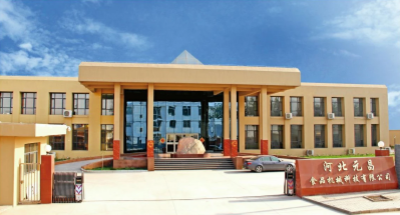 Our modern production facility in Shijiazhuang, China.
What Our Clients Say
Real feedback from businesses like yours, highlighting practical benefits and reliable performance.
"We were struggling with inconsistent sausage fill weights on our old line. The semi-auto filler from Yuanchang has made a huge difference. The accuracy is excellent, and the throughput has increased noticeably. Cleaning is also far simpler than before."

Production Manager, USA
"As a growing pet food manufacturer, precision is key for our product. The semi-automatic filler handles our dense meat pastes reliably. We appreciate the robust build quality, which is essential in our fast-paced operation. Support from their team was professional."

Operations Lead, Canada
"We needed a solution that didn't require a massive capital outlay but could significantly improve our filling process for pâté. Yuanchang's semi-auto machine fit the bill perfectly. It's efficient, easy to operate, and has helped us reduce manual labor on that station.

Procurement Officer, Mexico
Frequently Asked Questions
Q1: What types of products can this machine handle?
Our semi-automatic filling machines are primarily designed for viscous, pasty, and semi-solid food products. This includes ground meat, sausages, pâtés, terrines, meat pastes, stuffing mixtures, and even some dense pet food formulations. The key is the product's ability to flow consistently through a hopper and dispensing mechanism. We can advise on suitability for specific formulations.
Q2: How is the fill volume/weight adjusted?
Adjustments are typically made via a control panel. Depending on the model, this could involve setting a specific volumetric measurement or a target weight, which the machine then dispenses. Fine-tuning may be required based on product density changes.
Q3: What are the power requirements?
Our standard models operate on 220V or 380V, 50Hz or 60Hz, which are common industrial power configurations. We can often customize power supplies to match your local grid requirements. Please specify your electrical standards when inquiring.
Q4: What is the typical lead time for an order?
Lead times can vary based on current production schedules and whether customization is required. Generally, for standard models, it might range from 30 to 60 days from order confirmation. For custom OEM/ODM orders, this can extend. We provide estimated lead times with quotations.
Q5: Do you provide installation and training?
We provide detailed user manuals and installation guidance. While many clients find our machines straightforward to set up and operate independently, we offer remote technical support. For complex installations or comprehensive on-site training, these services can be arranged upon request and may incur additional costs.
Q6: What kind of after-sales support do you offer?
We have a traceable after-sales management system. This includes providing technical documentation, troubleshooting assistance, and prompt access to spare parts that we manufacture ourselves, ensuring high precision and compatibility. Our team is dedicated to helping you maintain optimal machine performance.
Ready to Enhance Your Production Line with Precision Filling?
Don't let manual filling be a bottleneck. Discover how a semi-automatic filling machine from Hebei Yuanchang can improve your efficiency, consistency, and profitability. We combine 40 years of manufacturing expertise with modern precision engineering.
For inquiries, reach us directly:
Phone: +86 15830991513 | Email: ycmeatmech@gmail.com
Address: Shijiazhuang, Hebei Province, China
© 2023 Hebei Yuanchang Food Mechanism & Technology Co., Ltd. All rights reserved.